

What Is Considered Low Humidity? Clear Levels, Effects, and Solutions
What is considered low humidity? It happens when indoor relative humidity falls below 30%. This level means there’s too little moisture in the air around you.
Low humidity causes problems once it goes below this level. Your home and health can both suffer. Watch the humidity to stay above this point.
Below 30%, the air feels dry and uncomfortable. This dryness can cause rough skin and irritated airways.
Keep humidity higher to avoid these issues. It’s smart to check a hygrometer or your smart thermostat’s reading to know for sure.
When your indoor humidity drops under 30%, it’s time to act. Using a humidifier can help raise moisture back to a comfortable range. Dry nose, itchy eyes, or static shocks are warning signs.
These signs show you need to raise humidity soon. Acting early can help you stay comfortable.
Key Takeaways
- Indoor humidity below 30% counts as low and causes dry air problems.
- Check humidity levels with a reliable hygrometer or smart thermostat.
- Use a humidifier to raise indoor moisture when levels drop too low.
- Low humidity can cause skin dryness and respiratory irritation quickly.
- Static electricity increases noticeably when your home’s humidity is too low.
- Aim to keep indoor humidity between 30% and 50% for comfort.
What Level of Humidity Is Considered Low Indoors?
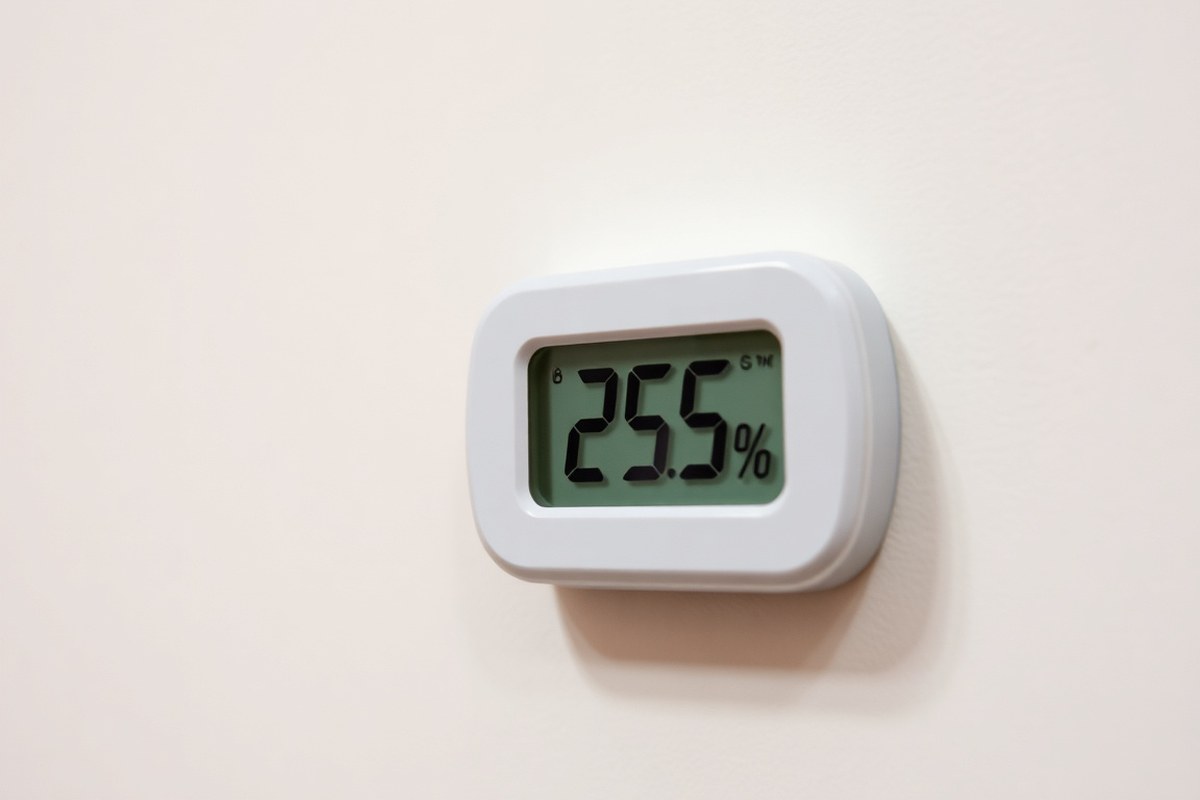
Indoor humidity is measured as relative humidity (RH). It compares water vapor in the air. RH shows how much moisture the air can hold at the same temperature.
Experts typically consider anything below 30% RH as low humidity indoors. When your humidity drops under this level, the air feels dry and less comfortable.
Normal indoor humidity sits between 30% and 50%. For example, 30% RH marks the low end of the range. It means your home just holds enough moisture in the air.
Levels below 30% cause dry skin, eyes, and nose. They can also make wood furniture or floors shrink or crack. Conversely, humidity above 50% intensifies moisture problems but that’s outside this low-humidity discussion.
How low humidity should be managed depends on the room and season. Keep your indoor RH between 30% and 50% in living spaces. This includes bedrooms and living rooms.
Your smart thermostat or hygrometer shows values under 30%. Add moisture using a humidifier or safe methods.
In colder rooms like basements, higher humidity around 50% helps. This avoids too much dryness in winter.
Desert environments often have RH under 20%. This is much lower than most homes. In winter, indoor humidity naturally falls as cold air holds less moisture.
Lower humidity targets in very cold weather help. It prevents window condensation and stops mold growth. But holding humidity over 30% is still a good rule for comfort and health.
Here is a rough scale for indoor RH levels:
| RH Percentage | Humidity Level | Typical Effects |
|---|---|---|
| Below 30% | Low | Dry skin, irritated eyes, wood damage |
| 30%, 50% | Normal | Comfortable indoor environment |
| Above 50% | High | Possible mold and condensation issues |
Use this table as a quick guide. It helps you decide if indoor humidity is too low. The number below 30% means add moisture safely now.
Test humidity with a reliable hygrometer. Aim for a range that fits your season and room type. This approach balances comfort, health, and protecting your home’s structure.
How Low Humidity Affects Health and Comfort
Effects on Skin and Eyes
Dry air pulls moisture from your skin and eyes. This leaves skin flaky, itchy, and irritated in dry conditions. Your eyes can feel gritty or sore because tears evaporate faster.
This happens when humidity falls below 30 percent. Keeping indoor humidity above that level helps protect your skin and eyes. Using a humidifier in winter or dry climates smooths skin and eases eye discomfort.
Impact on the Respiratory System
Low humidity dries out your respiratory tract lining. This makes your nose and throat feel scratchy and irritated. Breathing dry air also increases the chance of coughing or sore throat.
People with asthma often see their symptoms worsen. Dry air can trigger airway irritation and asthma attacks. Using a humidifier can ease breathing and reduce irritation during dry months.
How Dry Air Worsens Allergy Symptoms
Dry air irritates your respiratory system and weakens defenses against allergens. This irritation makes allergy symptoms like congestion and sneezing worse. Dust and pet dander can stay airborne longer without moisture.
Keeping humidity between 40 and 50 percent helps reduce allergy flare-ups. This level stops airborne allergens from spreading as easily. It also keeps your airways moist and less sensitive to irritants.
Static Electricity and Low Humidity
Static shock happens more when indoor humidity is low. Dry air prevents electric charges from dissipating properly on your skin. You might notice small shocks when touching metal objects or door handles.
Adding moisture with a humidifier can reduce static buildup. This also protects electronics and keeps your home comfortable. If static shocks feel frequent, check your humidity level using a hygrometer.
Tips for Managing Low Humidity Effects
Use a portable or whole-house humidifier to keep humidity near 40 percent. Run humidifiers during winter or when indoor air feels dry. Place water basins near heat sources to slowly add moisture to the air.
Wear moisturizing lotion and use eye drops if your skin or eyes feel dry. Drink more water throughout the day to stay hydrated from inside. Avoid overly hot showers, which can further dry out your skin.
Keep your indoor humidity between 40 and 50 percent to prevent dry air problems.
How Low Humidity Damages Your Home and Belongings
Wood is one of the first things low humidity harms in your home. It dries out and shrinks, causing cracks or warping in floors, furniture, and trim.
When humidity drops below 30%, wood loses its natural moisture. This causes visible damage over time.
Paint on walls and wood surfaces can also suffer. Dry air causes it to lose adhesion, which may result in peeling, flaking, or cracking. This damage weakens your home’s finish, making it look older and costing more in repairs later.
Electronics don’t like dry air either. Low humidity increases static electricity, which can harm delicate parts inside devices. Static usually builds up when humidity is low.
This raises shock risks. Shocks can shorten your electronics’ life or cause sudden failures.
House plants feel the effects too. Dry air makes soil lose moisture faster, and plants can wilt or drop leaves.
Plants need extra watering if humidity is under 30%. Without it, they may struggle indoors.
Static electricity becomes noticeably worse in low humidity. You might get shocked more often when touching metal or electronics. This happens because dry air lacks enough moisture to disperse static charges effectively.
To protect your home and belongings, keep indoor humidity above 30%. Use a hygrometer to monitor levels, focusing on rooms with wood floors or many electronics.
Consider a humidifier when humidity falls below 30%. It helps add moisture and prevent damage.
Watch your wood surfaces closely for splitting or shrinking. When you spot these signs while humidity is low, take action sooner. Moisture balance helps prevent costly repairs and keeps your home comfortable.
How to Accurately Measure Indoor Humidity
Use a hygrometer to measure indoor humidity accurately. These devices show relative humidity as a percentage. You should place the hygrometer properly and calibrate it for the best results.
Types of Hygrometers and Accuracy
Hair hygrometers are highly accurate but tend to be costly. Most people pick digital models like the AcuRite 00613. They offer good reliability at a lower price.
This makes them a popular choice. This model typically costs between $15 and $30 and gives a clear humidity reading.
Digital hygrometers measure air moisture using sensors. They update their readings every few seconds. This gives you near real-time results.
They are easy to read and can provide temperature alongside humidity. Less expensive ones might be less precise, so check reviews and accuracy ratings.
Placement Tips for Reliable Readings
Put your hygrometer about 3 to 6 feet above the floor in a central location. Avoid corners, near windows, or heating and cooling vents, as these spots can give false readings. Keep it away from kitchens and bathrooms where humidity spikes regularly.
Place multiple hygrometers if you want to track humidity in different rooms. Rooms like basements or attics often have different levels of moisture. Check readings at different times to find daily condition changes.
Calibrating and Maintaining Your Device
Calibrate your hygrometer at least once every six months for accuracy. One way to check accuracy is the salt test. Put the device in a sealed bag with damp salt.
After eight hours, it should read about 75%. Adjust settings according to the manufacturer’s instructions if needed.
Keep the sensor clean by wiping it gently with a soft cloth. Don’t put your hygrometer near fans or direct sunlight. This can dry out the sensor.
Dried sensors cause false humidity readings. Replace batteries regularly if your hygrometer uses them, usually every 6 to 12 months.
Common Causes of Low Humidity in Homes
Low indoor humidity often happens during cold weather. When outdoor air is cold, it holds much less moisture. Bringing that cold air inside and warming it causes the relative humidity to drop sharply.
Heating systems like furnaces and radiators remove moisture from indoor air. They warm the air but don’t add humidity back. This dries out your home’s air, especially in winter when heating runs constantly.
Air conditioning can also lower indoor humidity in summer. Running AC for long periods removes moisture as it cools. Excessive use of air conditioning without proper humidification leads to dry air inside your home.
Mechanical ventilation, like HRVs or ERVs, helps reduce moisture. They can dry the air if set too high. You need to balance settings carefully for best results.
These systems constantly exchange indoor air with dry outdoor air. This process can strip your home’s limited moisture and make the air even drier.
Other causes include cold drafts and poor insulation. They bring in cold, dry air that lowers humidity. Sealing leaks and improving weatherstripping help reduce this problem.
Also, lifestyle habits like cooking, showering, and breathing produce moisture. Excess ventilation can remove this important moisture too quickly.
In arid climates or mild winters, maintaining 30% to 45% humidity indoors is often comfortable. Living in cold places or using heating often dries indoor air. Humidifiers or other moisture steps help keep air comfortable.
Seal drafts around doors and windows to keep cold, dry air from lowering indoor humidity.
Ideal Humidity Levels by Room and Season
Different rooms need different humidity levels to stay comfortable and safe. Bedrooms, where you spend many hours, should have humidity around 40% to 50%. This range helps you avoid dry air at night.
Dry air can disturb your sleep. It also irritates your skin and sinuses.
Bathrooms usually have higher humidity because water use adds moisture. Here, 50% to 60% humidity prevents the air from feeling stuffy while stopping mold growth.
Basements are colder and damper. So keeping humidity between 45% and 55% helps avoid mustiness and protects stored items.
Outdoor temperature changes affect your indoor humidity targets, too. When it’s colder outside, aim for humidity around 35% to 45% indoors. This lower target stops condensation on windows and walls.
You can keep humidity at 40% to 60% in warmer months. This range avoids risks linked to higher humidity. It also keeps air feeling fresh despite summer heat.
| Room | Recommended Humidity Range | Reason |
|---|---|---|
| Bedroom | 40% to 50% | Comfortable for sleep; avoids dry air irritation |
| Bathroom | 50% to 60% | Balances moisture from showers; prevents mold |
| Basement | 45% to 55% | Reduces mustiness; protects stored belongings |
| Indoor (winter) | 35% to 45% | Stops window condensation during cold seasons |
| Indoor (summer) | 40% to 60% | Keeps air fresh; tolerated better with warm weather |
Measuring humidity in each room can help you adjust using humidifiers or dehumidifiers. If your bedroom humidity drops below 40%, you can use a small humidifier. A humidifier raises humidity levels quickly.
This helps keep the air comfortable. In winter, keep it closer to 35% to 45% to avoid condensation on cold windows.
The seasonal adjustment helps keep your home comfortable and prevents problems like mold or dry skin. Using a reliable hygrometer in several rooms shows which areas need attention. This method saves energy by adjusting humidity throughout the year.
It protects your home better than one fixed level. Different seasons need different humidity levels.
Effective and Safe Ways to Increase Low Humidity
Raising indoor humidity safely usually means adding moisture gradually and watching levels with a hygrometer. You can use humidifiers, houseplants, ventilation tweaks, and simple household habits. Those work best paired together for steady, controlled humidity near 45%.
Using Portable and Whole-Home Humidifiers
Portable humidifiers are easy to set up in one room and add moisture quickly. Use distilled or filtered water and clean the tank every few days to avoid mold.
Watch your hygrometer and stop when you reach 40% to 50% humidity. So it doesn’t get too damp.
For whole-home coverage, a furnace-installed humidifier works well, especially in winter. It connects to your HVAC system and spreads moisture through the ductwork automatically. These cost $300 to $700 to install.
They keep humidity balanced in every room. You don’t need to refill them daily.
Houseplants and Natural Humidity Boosters
Houseplants add humidity by releasing water vapor through their leaves. Plants like Boston ferns, peace lilies, or spider plants work best for this. Group plants together in one spot.
This raises moisture where you want it most. Bedrooms and living areas are good places.
Keep the plants healthy by watering regularly but avoid soggy soil. A healthy plant transpires more moisture, which helps raise indoor humidity slowly over time. This method also improves air quality and adds natural decor to your home.
Adjusting Ventilation and Heating Practices
Airing out your home on mild days can help control dryness. It doesn’t lose too much heat. It also avoids bringing in cold air.
Open windows for 10 to 15 minutes daily in fall or spring. This lets fresh, moist air enter your home.
It helps balance indoor dryness. Avoid long, open-window periods in winter, which can dry your house further.
Lower your thermostat a few degrees to reduce heat that dries out air. Using radiant floor heating or pellet stoves produces less dry heat than forced air systems. Adding a humidifier near heating vents also offsets moisture loss when the furnace runs.
Quick Household Hacks to Add Moisture
Boiling water on the stove without the lid increases humidity in your kitchen and nearby rooms. Simmer aromatics like cinnamon sticks or dried orange peels to add moisture and a pleasant scent. Just keep the pot watched so the water doesn’t boil dry.
Put bowls of water near heat sources like radiators or vents. The water evaporates slowly into the air. This adds moisture to your room.
Hang damp cloths inside your home to add moisture. You can also spray surfaces lightly with a spray bottle.
Both help increase indoor humidity. These tricks add small humidity boosts without special equipment.
Common Mistakes and When to Call a Professional
One common mistake is over-humidifying your home. Indoor humidity levels above 60% can encourage mold growth, which causes health problems. Mold spores spread easily if moisture stays high for days or weeks.
Another error is ignoring signs of poor humidity like condensation on windows or musty smells. These often point to too much moisture or poor ventilation. Waiting too long can lead to costly damage and health risks.
Routine maintenance helps avoid these issues. Replace humidifier pads every 1 to 3 months or follow your device’s instructions. Steam humidifiers need professional maintenance each year to prevent mineral buildup and bacteria growth.
Homeowners should call a professional if humidity control gets complicated. For example, if mold returns despite fixing moisture, or if you notice persistent condensation and damage. Also, seek help when allergies or respiratory problems worsen inside your home.
A good rule is to keep indoor humidity between 30% and 50%. Use a reliable hygrometer to check levels. If readings stay above 60% or below 30% despite your efforts, professional advice can avoid bigger problems.
Keep humidity between 30% and 50%. Check often to avoid mold or dryness problems.
Step-by-Step Action Plan for Managing Low Humidity
Follow these steps to raise and maintain healthy humidity levels in your home. Check your progress after each phase to stay on track.
- Day 1: Measure your indoor humidity using a reliable hygrometer. Aim to see if it’s below 30% to confirm low humidity.
- Week 1: Put one or two humidifiers where the air feels dry. Choose spots you spend the most time. This helps add moisture to those rooms. Check if the hygrometer readings rise toward 40-50%.
- Week 2: Use moisture sources like houseplants or open water bowls near heat sources. Notice if your skin and breathing feel less dry.
- Month 1: Seal drafts around windows and doors with weatherstripping. Watch for a steady humidity level, especially in winter.
- Month 2: Schedule maintenance for your heating system and humidifiers to keep them working well. Confirm levels stay balanced and your home feels comfortable.
- Ongoing: Monitor humidity weekly with your hygrometer. Adjust humidifier settings or methods if readings drop below 40% again.
Frequently Asked Questions
What Is Considered Low Humidity for Outside?
Low humidity outside means the air has less than 40% moisture. Dry air like this can make your skin feel tight and cause static shocks more often.
Is 70 Humidity High or Low?
A humidity level of 70% is considered high, not low. This can make the air feel sticky.
It may increase mold risks indoors. Mold risk goes up especially in warm weather.
Does AC Work Better with Low Humidity?
Yes, AC works more efficiently with low humidity because dry air cools faster. High humidity makes AC units work harder and use more energy.
Is 35% Indoor Humidity Too Low?
A 35% indoor humidity level is not too low but on the lower side of ideal. The comfortable range is 30% to 50%, so 35% usually feels okay.
What Is Considered Low Humidity?
Humidity below 30% relative humidity is generally considered low indoors. It can cause dry skin and damage wood furniture if it stays low for long.
Can Low Humidity Cause Respiratory Problems?
Yes, low humidity can dry out your throat and airways, leading to irritation. It’s especially tough for people with asthma or allergies.
Before You Go
Low humidity means air inside your home has less than 30% moisture. Keeping humidity between 40-50% helps your health and protects your home. Start by testing your indoor humidity today and make small changes where you live and work.





One Comment