

When to Cut Down Ornamental Grasses: Exact Timing and Expert Tips
The best time to trim ornamental grasses varies by the grass type and season. Warm-season grasses require trimming in late winter or early spring before new shoots appear. Cool-season grasses should be cut back in late winter, leaving a height of 6 inches.
Cutting at the right time helps remove dead leaves and prepares grasses for fresh shoots. Cutting ornamental grasses too soon risks hurting their new shoots and removes their winter look. It’s best to wait until the grass looks dry and brown before trimming.
Start by tying up the dead foliage into a bundle before cutting. This keeps the work tidy and helps prevent tearing the grass clumps. Also, avoid cutting into the crown to keep plants healthy.
Key Takeaways
- Cut warm-season grasses late winter, leaving 4-6 inches of stubble.
- Trim cool-season grasses in late winter to exactly 6 inches tall.
- Tie dead grass into bundles to make cutting easier and cleaner.
- Use pruning shears for grasses 2 feet or shorter for safety.
- Don’t cut into the crown; leave 2 to 4 inches above the ground.
- Wait until grasses turn dry and brown before cutting back.
When Is the Best Time to Cut Down Ornamental Grasses?
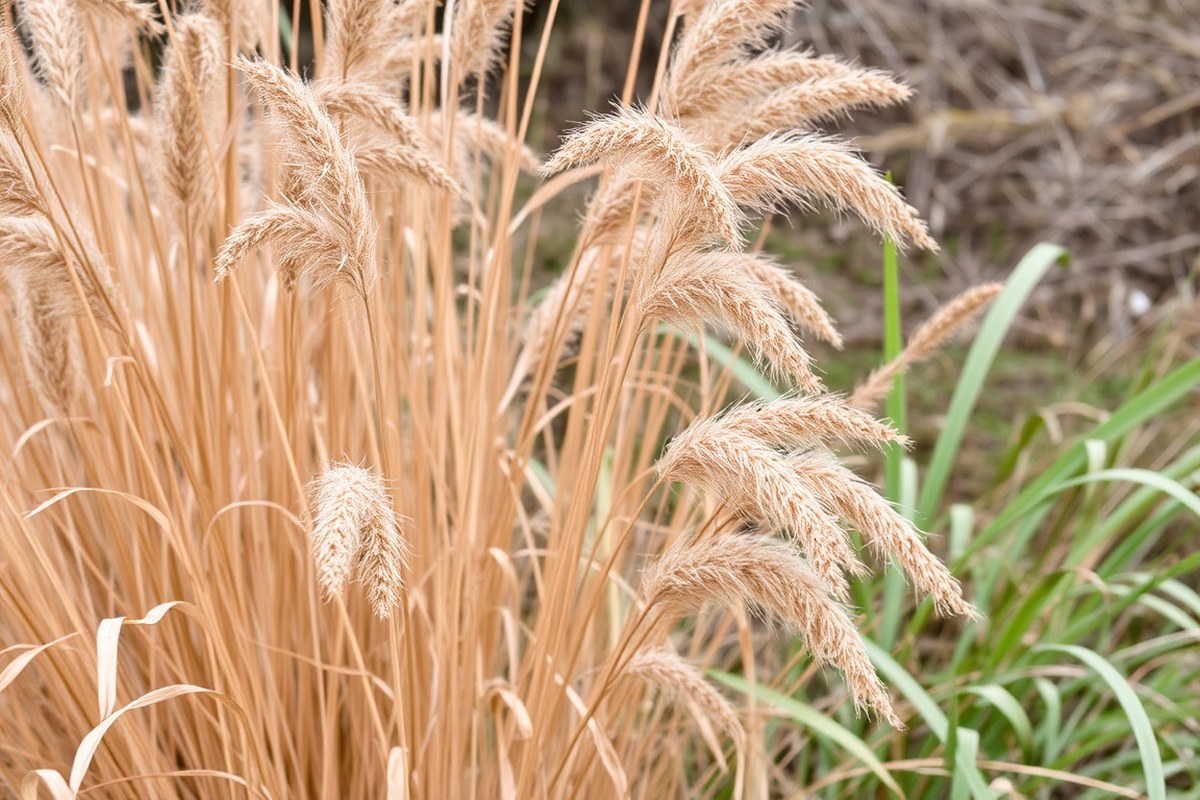
Cut your ornamental grasses mostly in late winter to early spring. This timing means cutting before new green shoots appear. It keeps the plant healthy and ready to grow fresh leaves.
Warm-season grasses, like Maiden Grass, should be cut in late fall or early spring. They grow in summer and turn brown after frost. Aim to cut them back to a few inches above ground during dormancy.
Cool-season grasses, such as Blue Fescue, grow best in spring and fall. Trim these in early spring, removing about two-thirds of their height. This approach helps the grass recover quickly without damage.
Evergreen grasses only need light trimming, usually in late winter or early spring. Avoid hard cuts since they keep some green year-round. Comb out dead leaves carefully instead of cutting them hard.
To know if your grass is ready to cut, check that it’s fully dormant. For warm-season types, wait until after frost browns them. For cool-season grasses, watch for faded, dry foliage before spring green starts.
Weather and climate can shift your cutting times by a few weeks. In colder zones, hold off until late winter to avoid crown freeze damage. Mild climates may allow earlier trimming, but always prune before new growth.
Cut too early and you risk cutting fresh shoots or losing winter structure. Cut too late and old growth can block new shoots and trap pests. Plan your trimming between November and April based on your grass type and location.
How to Identify Warm-Season, Cool-Season, and Evergreen Grasses
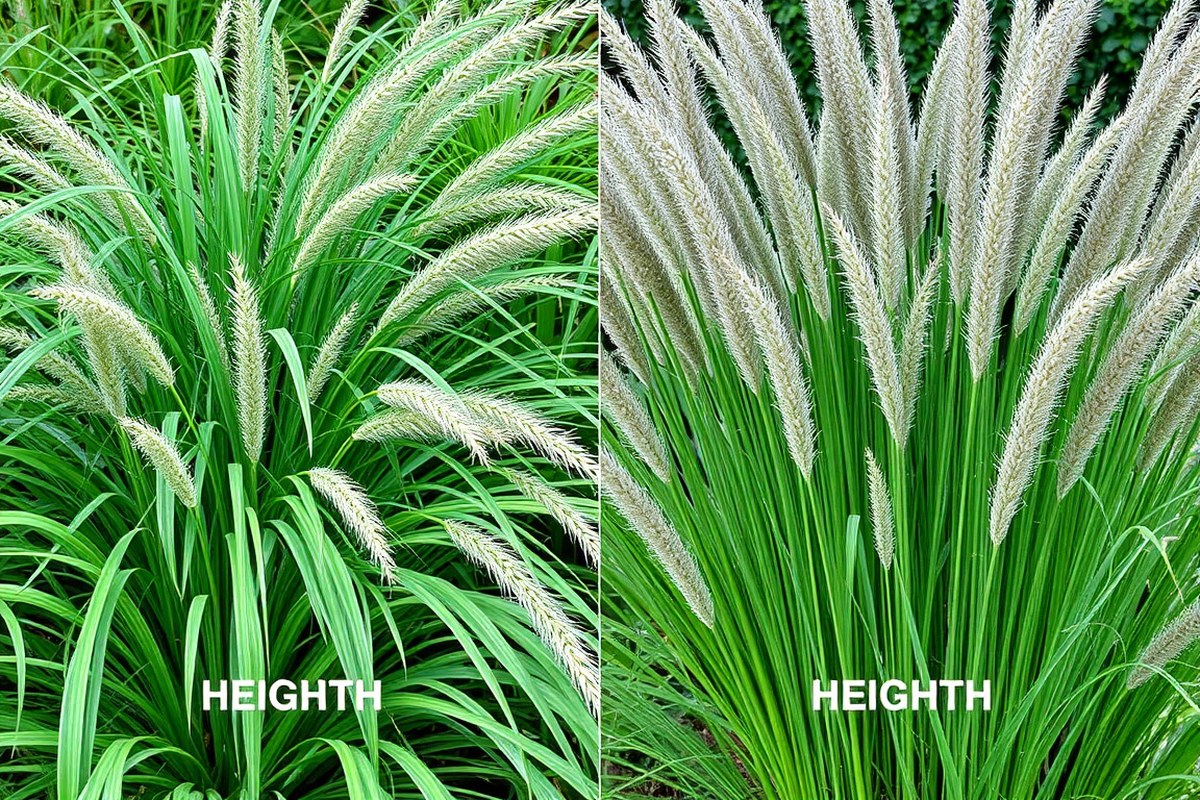
Knowing your ornamental grass type helps you cut it back properly. Grasses grow differently depending on if they’re warm-season, cool-season, or evergreen. This difference determines when and how much you trim without hurting the plant.
Warm-season grasses usually grow tall and turn brown before spring. You cut them back to clear old growth when Forsythia starts blooming, signaling warmer soil. That timing lets the crown prepare for new shoots.
Cool-season grasses stay green longer and grow actively in cooler temps. They need a gentler cut to keep some foliage for energy. Evergreen grasses often look green year-round and don’t need yearly cutting.
The table below shows how to identify these groups and how far to cut back:
| Type of Grass | How Short to Cut | Example Grasses |
|---|---|---|
| Cool-season | Cut back two-thirds, leave one-third | Feather reed grass, blue oat grass, blue fescue |
| Warm-season (3 ft tall or under) | Cut to about 3 inches above ground | Little bluestem, pink muhly grass |
| Warm-season (more than 3 ft tall) | Cut to about 6 inches above ground | Big bluestem, maiden grass, switchgrass |
You can tell cool-season grasses by their preference for cooler weather and lighter growth. Warm-season grasses often die back completely in winter.
Evergreen grasses, like sedges or rushes, keep their leaves longer. Only cut evergreen types if leaves look damaged or untidy.
Wait for warm-season grasses to turn brown before cutting to avoid damaging new growth.
Look at how tall and dense your grass gets to help identify it. Warm-season grasses taller than 3 feet need a higher trim to protect the crown. Cool-season grasses stay green in winter.
Cut them back to one-third of their height. This keeps them healthy and looking good. Knowing your grass type helps you trim it right.
Too much cutting can harm the grass. Too little trimming makes the yard look messy.
Cutting Guidelines Based on Grass Size and Type
Ornamental grasses need different cutting heights depending on their type and size. Warm-season grasses should usually be cut higher than cool-season types. Cutting too low on cool-season grasses can harm new growth and slow recovery.
Warm-season grasses grow best in hot weather. So cut them back in early spring before new shoots appear. Leave about 6 to 8 inches of stem to protect the base.
Cool-season grasses grow best in cooler temperatures. Cut them low, about 3 to 4 inches. This helps keep them healthy.
Don’t cut these grasses down to the ground. Watch for 1 to 2 inches of green growth. Stop cutting once you see this new growth.
| Grass Type | Typical Height | Cutting Height | Timing |
|---|---|---|---|
| Warm-Season (e.g., switchgrass, fountaingrass, muhly) | 3 to 6 feet | 6 to 8 inches | Early spring before new growth |
| Cool-Season (e.g., feather reed grass, blue fescue) | 1 to 3 feet | 3 to 4 inches | Late winter to early spring |
| Evergreen Ornamental Grasses | Varies | Cut only dead blades | Late winter or as needed |
Cutting warm-season grasses too low risks damaging their crown and slows regrowth. It’s better to keep a few inches of growth as insulation through cold snaps. Cool-season grasses can handle lower cuts early in the year.
They start growing sooner than warm-season grasses. Still, watch for fresh green shoots. When you see early growth on a warm day, trim above it.
Cut the grass at 6 to 8 inches tall. This keeps the grass healthy.
Use sharp tools when trimming grasses. Don’t cut dry grass alone; bundle it first. This prevents damage and keeps the cut clean.
Lower cuts may look tidier but stress the plants. Leave some stem height after cutting grasses.
This protects the roots underneath. It also helps new blades grow faster after winter.
Tools Needed for Cutting Ornamental Grasses Safely
Sharp tools make cutting ornamental grasses easier and safer. Use pruning shears for small clumps and soft blades. Choose a power hedge trimmer or pruning saw for thick, woody stems, especially on large grasses.
Tie each clump into a bundle before cutting. This keeps the blades manageable and prevents scattering.
Cut about 3 to 6 inches above the soil. This protects the crown where new growth starts.
- Wear thick gardening gloves to avoid cuts from sharp blades and rough foliage
- Work in the morning when grasses are dry for cleaner cuts and less slipping
- Keep blades sharp; dull tools tear and damage stems, slowing growth
- Use sturdy boots and long pants to guard against scratches
- Clear all cut material away from the plant base to prevent disease
- Do not cut under windy or rainy conditions to avoid accidents
- Dispose of fresh cuttings properly; avoid putting them in regular compost
Depending on grass size, shears cost $15 to $40, hedge trimmers around $30 to $120. Check the handle grips for comfort during extended use. Sharp blades means quicker, cleaner cuts and less strain.
Safety matters because many grasses have stiff leaves. These leaves can scratch or irritate your skin.
Spend a few extra minutes bundling and wearing protective gear. This keeps cutting efficient and prevents injuries.
Step-by-Step Process for Cutting Back Ornamental Grasses
Cutting back ornamental grasses keeps them healthy and looking neat. It’s best to remove old growth just before new shoots start. You’ll avoid damage by cutting carefully and tidying up afterward.
Preparing the Grass and Workspace
Clear the area around the grass so you have room to work without stepping on plants. Lay down a tarp or cloth nearby to catch clippings. This prevents mess and speeds cleanup.
Check your tools and make sure they’re sharp and clean. Sharp blades make smooth cuts and reduce stress on the grass. Choose secateurs, loppers, shears, or electric hedge trimmers based on the grass size.
Cutting Techniques for Different Grass Sizes
Small clumps need only hand shears for precise cuts. Larger clumps require loppers or electric trimmers for efficiency. Cut about 3 to 6 inches above the ground to protect crown buds.
Don’t worry if you need to cut a few new green shoots. This won’t harm the plant.
Remove dead leaves and stems firmly attached, leaving living green foliage intact. You can skip tying back, but it helps keep the clippings controlled.
- Approach the grass clump and, if desired, bundle it loosely with a bungee cord or string.
- Cut the entire bundle or clump about 3 to 6 inches from the soil surface.
- Remove any individual dead leaves or stems that didn’t come off.
- Leave the green shoots and foliage untouched to allow healthy regrowth.
Tying the grass before cutting keeps it tidy and prevents clippings from flying everywhere.
Post-Cut Cleanup, Bundling, and Mulching
Gather cut foliage into neat bundles using a bungee cord or string. Bundles are easier to haul away or compost. You can mulch these clippings around other plants for added organic matter.
Don’t leave large piles of old foliage directly on the grass base. This can trap moisture and cause mold or pests. Remove or spread mulched material thinly to avoid these problems.
Watering and Aftercare Tips
After cutting, water the grass to reduce stress and help it bounce back. Maintain regular watering for the next few weeks, especially if it’s dry or hot. Avoid overwatering, which can cause root rot.
Watch for new growth emerging from the base. This shows your grass is healthy and ready to thrive. Adjust watering if you see slowed growth or discoloration over the next month.
When and How to Divide Ornamental Grasses
Divide ornamental grasses when their center declines and outer edges grow stronger. This keeps grasses healthy and stops overcrowding. Do this carefully to avoid damage and ensure strong regrowth.
Best Timing to Divide Grasses
Divide most ornamental grasses every 3 to 4 years during early spring. This is just as new shoots begin to appear. Dividing then helps plants recover quickly for the growing season.
For warm-season grasses, wait until after the last frost in spring. Cool-season grasses can be divided in early fall or spring. Avoid dividing during extreme heat or cold to minimize stress on the grass.
Tools and Techniques for Division
Prepare sharp garden forks, spades, or pruning saws for dividing grasses. Ornamental grasses have silica, which dulls tools quickly, so use sturdy, sharp blades. Wear gloves to protect from sharp leaves.
Follow these steps to divide without harming the grass:
- Water the grass patch a day before dividing to soften soil and reduce stress.
- Dig around the grass clump carefully. Keep 4 to 6 inches from the center. This protects the roots.
- Lift the clump gently and shake off excess soil to see the roots clearly.
- Cut or pull apart the clump into sections, each with healthy roots and shoots.
- Trim any dead or damaged roots before replanting.
- Replant divisions promptly at the same depth they grew before to avoid shock.
- Water the new divisions deeply to help settle the soil.
Aftercare Following Division
Keep the new divisions moist but not soaked for the first few weeks. This encourages root establishment without causing rot. Mulch lightly to keep soil cool and retain moisture.
Watch for signs of distress like wilting or yellowing. Avoid heavy fertilizer right after dividing; wait about 6 weeks. Once established, the grasses will fill out and regain vigor.
Common Mistakes When Cutting Ornamental Grasses and How to Fix Them
Cutting ornamental grasses too early or too late can harm their growth. Trimming warm-season grasses in autumn or early winter can stress the plant.
The best time for major cuts is late winter or early spring. This lets grasses recover before summer arrives.
Cutting cool-season grasses too severely causes damage because they don’t tolerate heavy trimming. Stick to cutting back only about two-thirds of the grass height to avoid stress.
For evergreen grasses, trimming early in the season works best. It lets them grow strong before summer’s heat.
One frequent mistake is cutting too close to the crown or roots. The crown is the base where new shoots grow.
Damaging it slows or stops regrowth. Use sharp tools and cut above the crown by a few inches.
- Don’t cut warm-season grasses to the ground before late winter.
- Cut cool-season grasses back no more than two-thirds of their height.
- Leave a few inches of stalk above the crown when trimming.
- Use clean, sharp shears to avoid crushing stems or roots.
- Avoid heavy cuts on evergreen grasses until early spring.
- Wait to cut late-fall grasses until after a hard frost.
Cutting back in late fall avoids spring clean-up mess but waits until after grass stops growing. Late frosts can leave dead foliage intact, protecting grass crowns.
Trimming too early or too low risks winter damage to roots and crowns. In Austin and similar climates, gardeners prune big grasses in late January for best results.
Be careful around the base when trimming to avoid cutting roots. Stop cutting when you see green growth near the base. That area stores energy and helps the grass regrow.
A safe cut takes around 10 to 20 minutes per plant. This helps keep roots healthy for spring growth.
Adjusting Cutting Times Based on Climate and Plant Appearance
Timing to cut down ornamental grasses depends on your climate and the plant’s growth stage. Watch for new green shoots before cutting to avoid trimming active growth. Adjust your cutting schedule if your region warms or cools earlier or later than average.
Reading Emergence of New Growth
Check your ornamental grasses closely starting in late winter or early spring. Look for fresh green shoots pushing up inside the dead stalks. These signs show the plant is waking up from dormancy.
It means the old growth can be cut safely. The plant is ready for new growth now.
Wait until at least half the new shoots are visible to avoid cutting too soon. Cutting before green shoots show can hurt the plant’s energy. This weakens the plant during its growing season.
Wait for green growth to protect the plant. Keeping an eye on your grass every week helps you catch this moment perfectly.
Adjusting Timetable for Warmer or Cooler Zones
Grasses in warmer zones wake up earlier. So plan to cut back in late winter or early spring.
Cooler zones, like northern states, might require waiting a few extra weeks for shoots to show. Follow your local weather trends, not just the calendar, especially after harsh winters.
Watch seasonal temperature patterns closely. Temperatures below 40°F for weeks usually keep the grass dormant.
Safe cutting usually happens when daytime temps hit 50°F for several days. Adjust your schedule yearly based on these cues.
What to Do When Timing Is Off
Missed the prime cutting window? Cut back your grasses during the next dormant season, which is late winter in most zones.
Grasses are tough and will bounce back. But leaving dead foliage longer can reduce visual appeal and airflow.
Don’t worry if you cut too early and spot green growth afterward. Let the grass grow.
Avoid trimming new shoots until they reach several inches tall to prevent setback. Every year is a chance to reset your schedule with better timing.
Always check for green shoots before cutting back to avoid damaging new growth.
Step-by-Step Action Plan for Cutting Ornamental Grasses
Follow these steps to cut down your ornamental grasses at the right time. This helps keep them healthy and looking good.
- Late winter or early spring: Check your grasses for dead leaves and brown stems. This shows it’s time to cut back.
- Before new growth appears: Use sharp garden shears. Cut grasses 4-6 inches above the ground. Electric trimmers also work well. Healthy new shoots should still be inside.
- After cutting: Remove all cut grass and debris from the base. This prevents disease and makes room for new growth.
- One week later: Water the area well to help roots recover. Look for fresh green shoots emerging.
- Spring and summer: Monitor your grasses for signs of stress or pests. Adjust watering or fertilizing if needed.
- Every 3 to 4 years: Divide large clumps when growth slows or the center dies. This renews the plant’s energy and spreads it evenly.
Frequently Asked Questions
Can I Cut Ornamental Grasses in the Fall?
Yes, you can cut them in fall after dormancy, especially in wildfire areas. This helps reduce fire risk and clears dead growth before winter.
How Often Should I Cut Back My Ornamental Grasses?
Ornamental grasses should be cut back once a year, late winter to early spring. This timing promotes healthy new growth and keeps plants tidy.
Is It Okay to Cut Ornamental Grasses in the Morning?
Yes, morning is a good time to cut them because plants aren’t stressed by heat. Cooler morning temperatures help recovery and reduce drying out.
Can I Use a Weed Trimmer to Cut Down Ornamental Grasses?
You can use a weed trimmer, but cut carefully to avoid damaging the crowns. Hand tools usually give more control for precise trimming.
Should I Remove Cuttings Immediately After Cutting Ornamental Grasses?
Don’t put fresh cuttings straight into a compost bin. They may not break down well and can spread seeds. Let them dry before composting or discard them.
Do Ornamental Grasses Need Cutting If They Look Good All Year?
You still should cut them annually even if they look fine. Cutting encourages stronger growth and prevents disease buildup over time.
The Bottom Line
Cutting back ornamental grasses at the right time keeps them strong and neat. Watch for dead stems to know when to trim. Start by setting a reminder for early spring and gather your tools today.


