
How to Fertilize Plants: A Complete Guide with Proven Tips and Timing
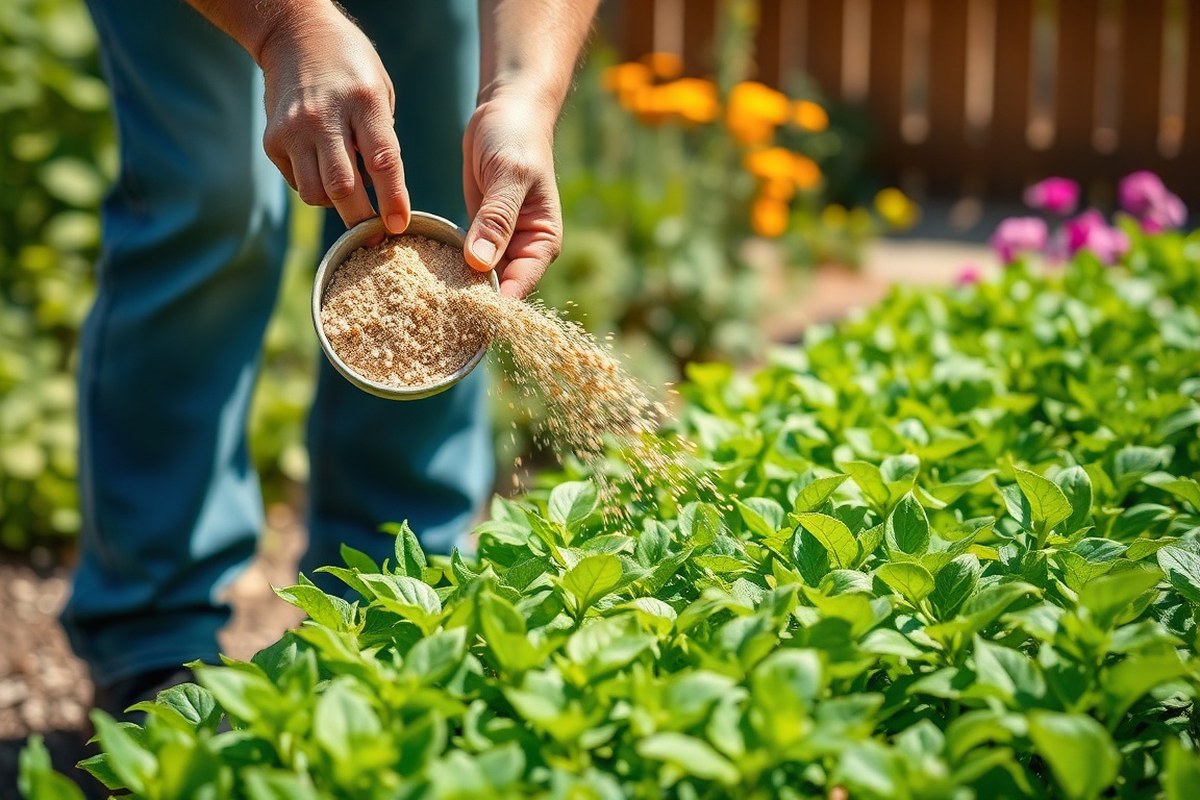
Knowing how to fertilize plants makes a big difference in their growth. Start by choosing the right fertilizer based on your plant’s type and stage. Applying fertilizer properly helps plants soak up nutrients without damage.
Before fertilizing, check soil health or if your plant has fresh soil. Fresh potting soil often feeds plants for at least one month. Always water or work dry fertilizer into the soil to help roots absorb nutrients.
Timing matters too. Feed young transplants gently after a couple of weeks.
Use balanced fertilizers regularly for vegetables. Avoid overfertilizing; too much fertilizer can harm your plants and soil health.
Check the fertilizer label to match nutrient ratios with your plant’s needs. Slow-release fertilizers provide steady nutrients over several weeks. For indoor plants, dilute liquid fertilizers to half strength to prevent root burn.
Key Takeaways
- Choose fertilizer based on your plant type and growth phase.
- Test soil or know the potting mix status before fertilizing.
- Water in or work granular fertilizer into top 3-5 inches of soil.
- Wait 2-3 weeks after planting before using liquid fertilizer on new plants.
- Feed houseplants every 4-6 weeks during spring and summer growth.
- Use a balanced fertilizer every 2-4 weeks for vegetables and annuals.
How to Fertilize Plants Correctly for Best Growth
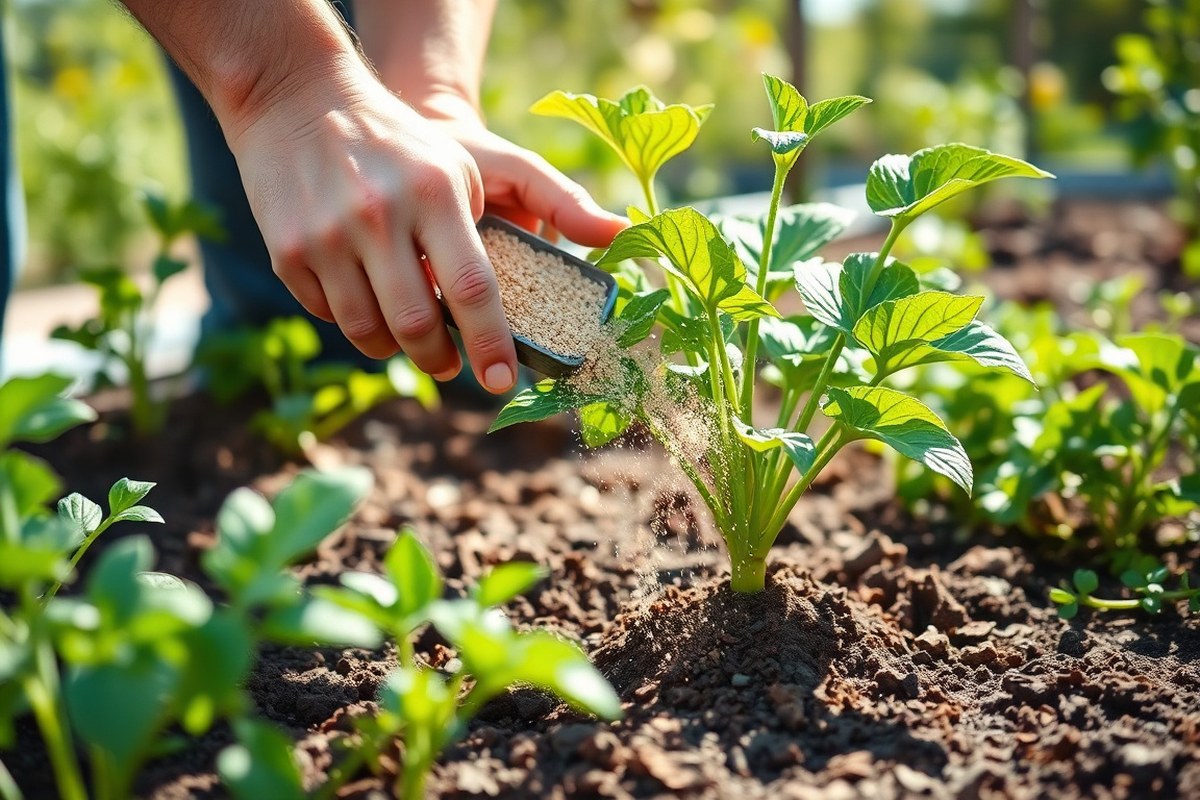
Applying fertilizer correctly helps your plants get the nutrients they need. Too much or too little fertilizer can harm your plants. Watering and preparing the soil are very important steps.
They help make nutrients safe and easy for roots to get. This supports healthy plant growth.
Here are the steps to fertilize your plants for best growth:
- Check the soil moisture. Water your plants lightly if the soil is dry. Fertilizers can burn roots if applied to dry soil.
- Choose the right fertilizer. Match the fertilizer type and nutrient ratio to your plant’s needs. Use general-purpose fertilizer for most outdoor plants.
- Apply fertilizer evenly. Sprinkle granular fertilizer across the soil surface or use a liquid feed as directed. Avoid piles that can burn roots.
- Mix the dry fertilizer into the soil. Use a rake or hoe to spread it. Work it in about 3 to 5 inches deep to feed the roots.
- Water thoroughly after applying fertilizer. Use enough water to soak the soil well. This helps dissolve nutrients and move them to roots.
- Fertilize indoor plants only during active growth. Feed houseplants in spring and summer. Avoid fertilizing indoors when plants are dormant in winter.
- Adjust frequency by plant type. Flowering and fast-growing plants need more frequent feeding. Slow growers or succulents need less.
Working fertilizer into the soil prevents nutrient runoff and increases uptake. Watering before and after fertilizing protects roots from damage and moves nutrients efficiently. Different plant types require specific timing and amounts for best results.
Essential Nutrients Plants Need and Fertilizer Types
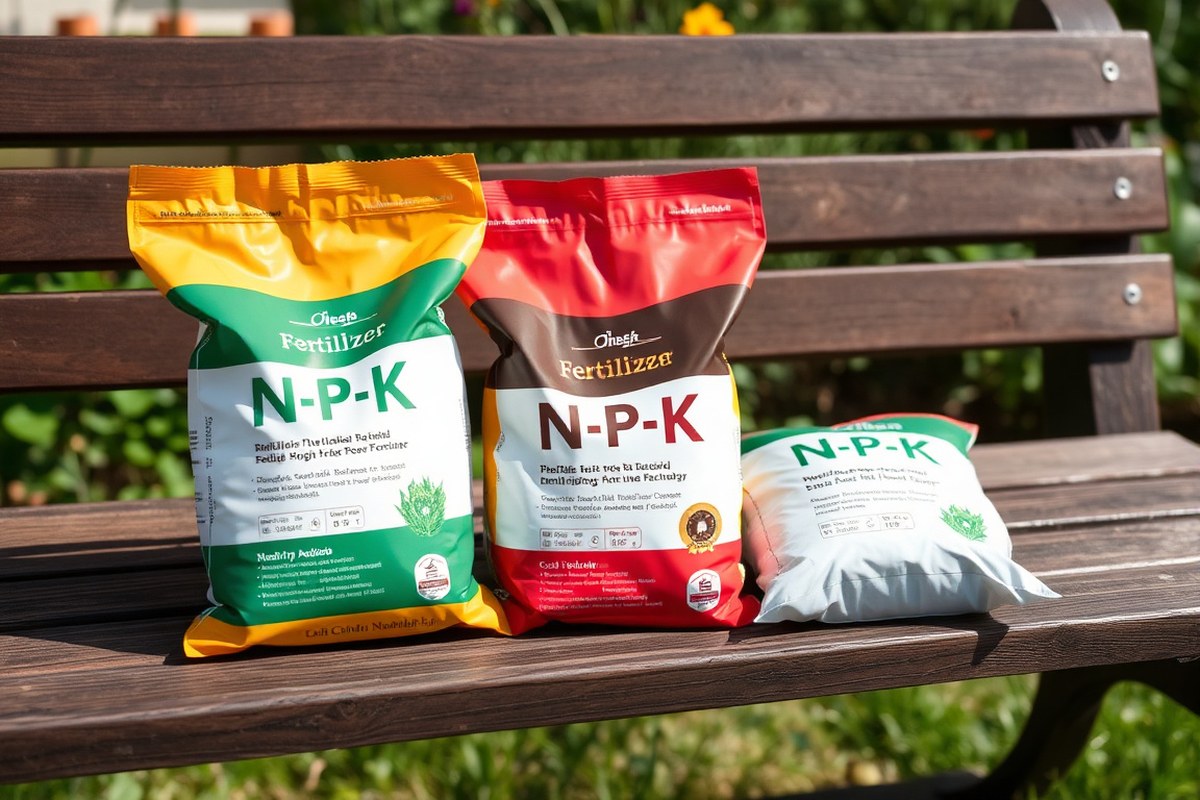
Plants need several essential nutrients, but nitrogen, phosphorus, and potassium matter most. These nutrients help plants grow leaves, roots, and flowers properly. Fertilizers provide these key nutrients in different forms and strengths.
The Three Primary Nutrients (N-P-K)
Nitrogen (N) fuels leafy green growth and helps plants make proteins. It’s usually available as nitrate or ammonium ions. Too little nitrogen makes leaves turn yellow, while too much can cause weak stems.
Phosphorus (P) promotes root development and flowering. It helps plants store and transfer energy. You’ll often see it listed as phosphate (P₂O₅) on fertilizer labels.
Potassium (K) supports strong roots, disease resistance, and blooms. It improves overall plant health and drought tolerance. Potassium often appears as potash (K₂O) on fertilizer packages.
| Nutrient | Role in Plants | Common Form in Fertilizers |
|---|---|---|
| Nitrogen (N) | Promotes leaf and stem growth | Nitrate (NO₃⁻), Ammonium (NH₄⁺) |
| Phosphorus (P) | Stimulates roots and flowers | Phosphate (P₂O₅) |
| Potassium (K) | Strengthens roots and disease resistance | Potash (K₂O) |
Most fertilizers show these three numbers as an N-P-K ratio, like 10-10-10. This ratio tells you the percentage of each nutrient in the mix. Balanced fertilizers suit most home garden plants well.
Types of Fertilizers: Organic vs. Synthetic
Organic fertilizers feed plants slowly and build soil quality with organic matter. These usually have lower N-P-K ratios but encourage helpful microbes around roots.
Synthetic fertilizers provide nutrients faster. They often come in water-soluble forms that plants absorb quickly. However, they lack organic matter and may require more careful application to avoid overfertilizing.
Slow-release organics or specialty synthetic fertilizers supply nutrients gradually. This avoids nutrient overload and supports steady plant growth over time.
Use organic fertilizer to improve soil structure and avoid the risk of burning plants.
Forms of Fertilizer: Liquid, Granular, Slow-Release
Liquid fertilizers dissolve quickly and feed plants fast. You apply them by mixing with water and pouring on roots or leaves. These suit fast-growing plants or indoor pots.
Granular fertilizers come as small pellets or powders. These you mix into soil or sprinkle on top. They usually release nutrients slower than liquids and feed plants for weeks.
Slow-release fertilizers often come in pellets, spikes, or granules. They release nutrients gradually as you water. Use slow-release in early spring to help perennials and shrubs grow without frequent feeding.
When and How Often to Fertilize Different Plants
Fertilizing plants depends on their type and growth stage. Most plants benefit from feeding during their active growth, typically spring through summer. Reducing or stopping fertilizer in fall and winter helps avoid stressing plants during dormancy.
Fertilizing Schedule for Indoor Plants
Indoor plants grow mainly in spring and summer. So you should fertilize them every 4 to 6 weeks during this time. Use fertilizer at half strength to avoid burning roots or causing too much foliage growth.
Pause fertilizing in winter since most houseplants slow down or stop growing. When you repot with fresh soil, start fertilizing regularly again during the growing season.
The exact frequency can vary by plant type and potting mix. So watch your plants for signs of feeding needs.
Outdoor and Garden Plant Fertilizing Timeline
Outdoor plants need fertilizer once or twice in early spring. This happens right after dormancy.
Trees, shrubs, and perennials benefit most from this timing. This boosts their recovery and supports new growth.
Vegetables and flowering plants benefit from fertilizers every 3 to 4 weeks during the growing season. Wait 2 to 3 weeks after planting before applying fertilizer to help roots recover. Stopping fertilizing in late summer or early fall prevents excessive growth before winter.
Adjusting Frequency by Plant Type and Season
Adjust your fertilizing schedule depending on whether plants are fast feeders or slow feeders. Heavy feeders like vegetables need more frequent feeding. Slow feeders, such as ornamental shrubs, require less.
Here’s a simple checklist to help you plan feeding:
- Fertilize houseplants every 4-6 weeks spring and summer.
- Feed outdoor trees and shrubs once in early spring.
- Apply fertilizer to vegetables every 3-4 weeks during growing season.
- Hold off on fertilizing after late summer to promote dormancy.
- Reduce strength or frequency if plants show leggy growth or leaf burn.
- Repot indoor plants to refresh nutrients, then resume feeding.
By matching fertilizing to the plant type and season, you avoid overfeeding or underfeeding. This helps your plants grow healthy and produce better blooms or veggies.
How to Test Soil and Prepare It Before Fertilizing
Testing your soil before fertilizing helps you know what nutrients it needs. You can buy a home soil test kit for about $10 to $20. These kits check pH and key nutrients like nitrogen, phosphorus, and potassium.
To test soil at home, collect samples from a few spots in your garden. Mix these samples and dry the soil on newspaper. Follow the kit directions carefully.
Usually, you add soil to test tubes. The tubes contain chemicals that change color.
Check the pH value on your test. Most plants do best in soil with a pH between 6 and 7. Soil pH below 6 means it is acidic.
Above 7 means it is alkaline. Used coffee grounds can help lower pH for acid-loving plants like blueberries.
Low nutrient results mean your soil needs fertilizer. Add fertilizer based on the test results.
The test often suggests how much nitrogen or phosphorus to add per square foot. Organic compost also improves soil over time, boosting nutrients and microbes.
Adjusting pH can take a few months. Sprinkle lime to raise soil pH. Mix it well into the soil.
Do this at least a month before planting. For lowering pH, sulfur powder works, but use it sparingly and test often.
Keep your soil evenly moist before applying liquid fertilizer to help plants absorb nutrients better. For container plants, fertilize more often since potting soil doesn’t hold nutrients like garden soil.
Testing soil each year helps you track changes and avoid overfertilizing. Too much fertilizer can burn roots or lead to poor plant growth. When you follow test results, you feed plants just right and support healthy soil all season.
Effective Methods for Applying Fertilizer to Plants
There are several ways to apply fertilizer to plants. Granular fertilizers are usually worked into the soil or spread on top.
Liquid fertilizers and foliar feeding provide nutrients directly through water or leaves. Bottom watering suits houseplants to avoid wetting foliage.
Applying Granular Fertilizer to Garden Plants
Granular fertilizer comes as dry pellets or particles. You can spread it on the soil surface or mix it in before planting. This method releases nutrients slowly, feeding plants over time.
Broadcasting covers a large area evenly by scattering fertilizer by hand or with a spreader. Side-dressing means placing fertilizer in bands along rows or near plant bases, giving roots easy access.
- Read the fertilizer label for recommended amount.
- Clear debris and gently loosen the topsoil.
- Broadcast fertilizer evenly over the soil or side-dress beside plants.
- Lightly rake or mix the granules into the top 2 to 3 inches of soil.
- Water generously to activate and help nutrients reach roots.
- Avoid direct contact of granules with plant stems to prevent burns.
- Repeat according to plant needs, usually every 4 to 6 weeks in growing season.
Avoid applying granular fertilizer before heavy rain to prevent nutrient runoff.
Using Liquid Fertilizers Effectively
Liquid fertilizers dissolve in water for quick nutrient absorption through roots or leaves. They suit container plants or fast-growing crops. Liquid feeds can be given more often but in diluted amounts.
Mix fertilizer with water following label directions. Use a watering can or garden sprayer. Applying liquid fertilizer to the soil delivers nutrients directly to roots.
Some fertilizers are specially designed for foliar application. Spraying on leaves lets plants absorb micronutrients fast, especially if soil nutrition is low.
Foliar Feeding and Bottom Watering Techniques
Foliar feeding involves spraying diluted fertilizer onto plant leaves. It’s helpful when plants need a quick nutrient boost or when root uptake is slow. Use fine mist sprayers and avoid applying in full sun to prevent leaf burn.
Bottom watering means placing pots in shallow water so they soak it up through drainage holes. This keeps foliage dry and reduces fungal problems. It works well for houseplants sensitive to water on leaves.
- Fill a shallow tray with diluted fertilizer solution for bottom watering.
- Set the plant pot in the tray without its saucer underneath.
- Leave the pot in water for 20 to 30 minutes until soil surface feels moist.
- Remove the pot and let excess water drain.
- Use foliar sprays in the early morning or late afternoon to avoid sun damage.
- Always check fertilizer label for foliar application instructions to avoid harm.
Do not overuse foliar feeding; too much can harm leaves and upset nutrient balance.
Adjusting Fertilizing for Indoor, Outdoor, and Potted Plants
Indoor plants usually need gentler, balanced fertilizers like 10-10-10 NPK. They absorb nutrients slower because potting soil holds fewer minerals. Fertilize once a month during the growing season.
Do it early in the morning. Avoid strong sun to prevent leaf burns.
Outdoor garden plants often require fertilizers with higher nutrient ratios tailored to their type. For example, transplants benefit from 1:2:2 or 1:2:1 fertilizer ratios when planted. Feed outdoor gardens less often than pots.
Increase feeding during active growth phases. This includes after planting and fruit forming.
Potted plants need more frequent feeding than garden plants because soil nutrients wash away quickly. Use liquid or water-soluble fertilizers, applying every two to four weeks. Always water soil before fertilizing.
Water again after you fertilize. This stops salt buildup that can hurt roots.
Foliar feeding fits best for indoor plants showing quick nutrient problems. Spray diluted fertilizer directly on leaves early in the day. This helps fix deficiencies faster, especially when soil absorption is slow or plants are stressed.
Compost tea works great both indoors and outside. It supplies many nutrients and beneficial microbes that help plant roots take up food better. Apply it every two weeks as a supplement.
Use this instead of chemical fertilizers. This method suits natural gardening.
The main difference between fertilizers for potted and outdoor plants is concentration and frequency. Container mixes need weaker doses applied often to avoid chemical buildup. Garden plants tolerate stronger fertilizer but need less often since soil can store nutrients longer.
Some indoor plants like Monsteras benefit from potassium. Use banana peel solutions for these plants. Tillandsias also respond well.
Use these homemade fertilizers sparingly to avoid overdoing nutrients. Outdoor plants have more fertilizer choices.
Use fertilizers made for specific crops. Fruit trees and berries need special types.
Timing matches plant growth phases in all environments. Stop feeding indoor and outdoor plants when they go dormant in winter to avoid stressing them.
Outdoor gardens usually get fertilized in early spring and again when they fruit. Indoor plants get nutrients all year during active growth.
Signs of Overfertilizing and How to Fix Fertilizer Problems
Plants that get too much fertilizer often show burnt, brown leaf edges or tips. Leaves may curl or become tough.
You might also see slow growth despite feeding them, which signals nutrient overload. Overfertilized soil can build up salts that block water uptake, hurting your plants.
Yellowing leaves with purple or dark patches between the veins usually point to nutrient deficiencies. Underfertilized plants often look weak with pale leaves and thin stems. Notice your plant’s growth is slowing?
It may need more feeding. Try a fertilizer mix that suits its specific needs.
To fix overfertilized plants, first flush the soil with plenty of water. Use about 1 to 2 gallons per plant to wash away excess salts.
Stop feeding until the plant recovers, which may take a few weeks. Trim off badly damaged leaves to help the plant focus energy on new growth.
Correct nutrient deficiencies by identifying the specific lacking nutrient. Use iron chelate when leaves turn yellow with green veins. Or try a foliar spray on the leaves.
This helps plants recover faster. Use a quick-absorbing fertilizer method by dissolving fertilizer in water for faster results. Always follow package instructions carefully to avoid overdoing it again.
- Look for leaf discoloration and burnt tips as warning signs.
- Flush soil with 1-2 gallons of water per plant to fix overfertilizing.
- Trim damaged leaves to reduce plant stress after excess feeding.
- Use quick absorption by applying liquid fertilizer for nutrient shortages.
- Cease fertilizing during fall and winter to avoid buildup in soil.
- Test soil before applying fertilizer to match nutrients needed.
Neglecting soil testing before feeding means guessing nutrient needs, often causing problems. For indoor and potted plants, use diluted fertilizer to lower burn risk. Homemade options can boost nitrogen safely.
Used coffee grounds work well for this. They carry no risk of fertilizer overdose.
Safe Fertilizer Use and Environmental Precautions
Wear gloves and long sleeves when handling fertilizer. Some fertilizers can irritate skin or cause allergic reactions. Also, wear eye protection to avoid accidental splashes during mixing or application.
Keep pets and children away from the treated area. After spreading fertilizer, keep people out of the garden. Wait until the fertilizer is fully soaked or watered in.
This stops the product from contacting skin or plants directly. This usually takes at least a few hours depending on soil moisture and weather.
Store fertilizers in a locked cabinet or high shelf out of children’s and pets’ reach. Use airtight containers to prevent moisture damage and spills. Throw away old fertilizer using your area’s hazardous waste rules.
Never put it in regular trash bins. Don’t pour fertilizer down sinks or drains.
Protect nearby water sources by avoiding fertilizing before heavy rain. Rain can wash fertilizer into drainage systems or streams, harming aquatic life. Avoid applying fertilizer within 10 feet of ponds, streams, or storm drains.
Use only the recommended amount on the label. Overfertilizing increases the risk of nutrient runoff and environmental damage. When using liquid fertilizer, dilute it to about half the suggested strength, especially for sensitive plants.
Washing your hands thoroughly after handling fertilizer reduces the chance of accidental ingestion or irritation. Rinse gloves and tools with water away from storm drains to avoid chemical runoff. Put down fertilizer early morning or late afternoon.
These times lower the chance of sun and wind burning plants. Applying at midday raises burn risks.
Always store fertilizer safely and keep pets away from treated areas until fully absorbed.
Step-by-Step Action Plan for Fertilizing Your Plants
Follow these steps to give your plants a healthy nutrient boost. You’ll see stronger growth and fewer issues.
- Before You Start: Test your soil pH and nutrient levels. Use a kit or send a sample to a lab to know what your soil needs.
- Week 1: Choose the right fertilizer based on your soil test and plant type. Look for balanced or specific N-P-K values depending on the plants.
- Week 2: Apply fertilizer carefully using the right method. Use side-dressing for outdoor plants. For potted plants, feed with diluted fertilizer. Watch for no leaf burn after application.
- After 3 Weeks: Check plant leaves and growth for signs of improvement. Healthy green leaves and firm stems indicate fertilizer is working.
- Month 2: Reapply fertilizer if needed, following the specific schedule for your plants. Avoid overfeeding by sticking to label directions.
- Every 3 Months: Retest your soil to adjust your fertilizing routine. This helps keep nutrients balanced and supports steady growth.
- Before Winter: Stop fertilizing hardy outdoor plants to allow dormancy. Indoor and tropical plants may need less frequent feeding this time.
Frequently Asked Questions
How Do I Know If My Plants Need Fertilizer?
Your plant might need fertilizer when growth is slow or leaves yellow. Testing soil nutrient levels can help confirm this and guide the right fertilizer choice.
Can I Mix Different Types of Fertilizers Together?
Mixing fertilizers can cause nutrient imbalances or harmful reactions. Stick to one type or follow label instructions to avoid damaging your plants.
What’s the Best Fertilizer for Newly Planted Seedlings?
Use a gentle, balanced fertilizer low in nitrogen for seedlings. Too much nitrogen can harm young roots and stunt growth.
Can Overfertilizing Cause Pests or Diseases?
Yes, too much fertilizer can stress plants and attract pests or diseases. Keep to recommended doses to maintain healthy plants.
Should I Water My Plants Before or After Fertilizing?
Always water plants before and after fertilizing to help nutrients soak in and avoid burning roots.
How Do I Fertilize Plants in Containers Differently?
Container plants need more frequent but smaller fertilizer doses due to limited soil and drainage. Use water-soluble types monthly during growth.
Wrapping Up
Your plants grow best with careful, balanced feeding and clean soil. Start by testing your soil this week. Keep an eye on your plants to fine-tune your fertilizer routine.


One Comment