
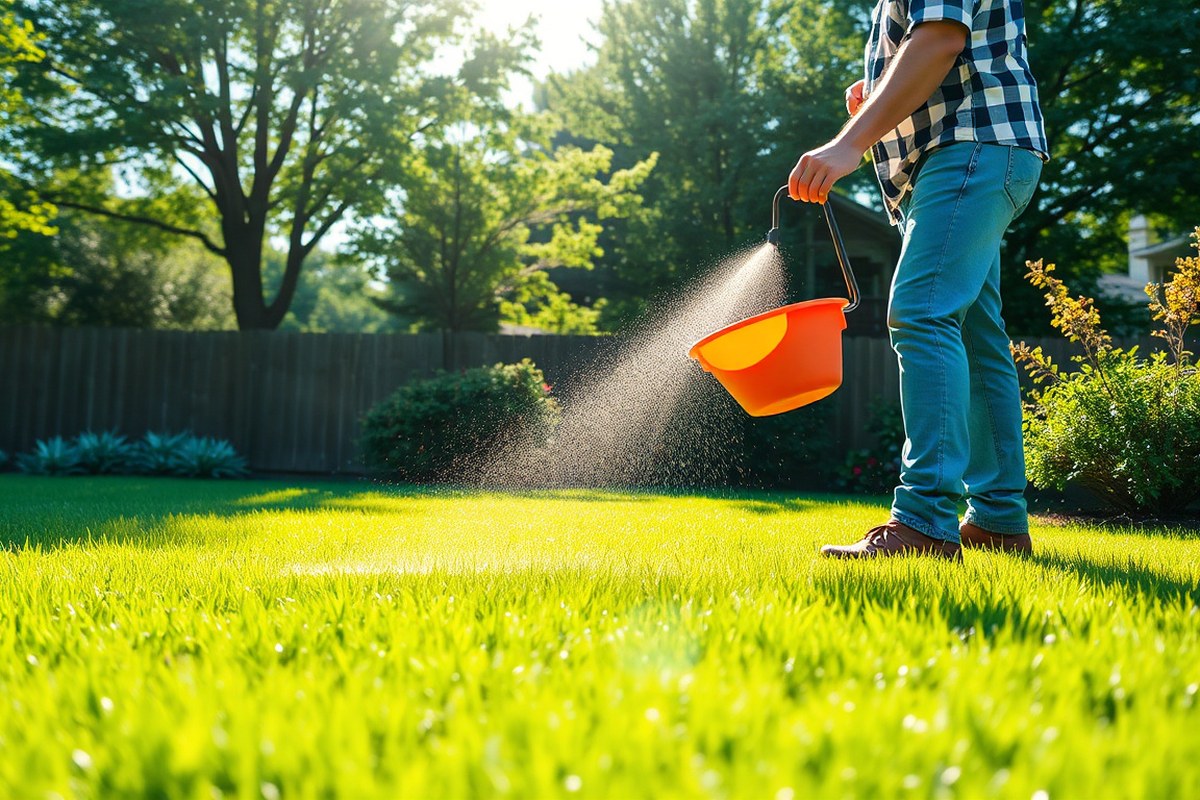
How Often Should You Fertilize Your Yard: A Complete Guide for Healthy Lawns
How often should you fertilize your yard depends mostly on your grass type and local climate. Most lawns do well with 4 to 6 feedings each year. Space these feedings 6 to 8 weeks apart.
This keeps the grass healthy. It also prevents stress on your lawn.
Start fertilizing when the soil temperature reaches about 55 degrees Fahrenheit. That timing helps promote strong root growth before the main growing season. Avoid applying fertilizer when it’s very hot or when the soil is too cold.
Choose slow-release fertilizer for early spring applications to feed your grass steadily. For warm seasons, apply more fertilizer during late spring and summer when grass grows fastest. Always leave time between applications to prevent burning or overfeeding.
Key Takeaways
- Feed cool-season grasses mainly in spring and fall for best results.
- Warm-season grasses need feeding late spring through summer.
- Use slow-release fertilizer when soil hits 55°F to start growth.
- Stick to 1 to 2 pounds of nitrogen per 1,000 square feet yearly for cool-season grasses.
- Apply 3 to 4 pounds of nitrogen per 1,000 square feet yearly for warm-season grasses.
- Wait at least 45 to 60 days between fertilizer applications.
How Often Should You Fertilize Your Yard for Best Results?

You should fertilize your lawn between two and four times a year. How often depends mainly on your grass type and the fertilizer kind you use.
Cool-season grasses usually need three to four applications. Warm-season grasses may do well with two or three.
Slow-release granular fertilizers work well for most lawns. Apply every six to eight weeks. This keeps your lawn fed without too much effort.
That means about two to four times per year. Quick-release fertilizers make grass grow fast.
You need to apply them more often. Usually, every four to six weeks means up to six times a year.
Test the soil before you start to see what nutrients it needs most. Your lawn may need extra fertilizer if nitrogen is low. Use a stronger mix or feed more often.
This helps keep grass green and healthy. After watering your yard or a rainfall, you can apply fertilizer so it soaks in better. Avoid applying when the lawn is dry; the nutrients won’t absorb well then.
You might need more fertilizer if grass grows slowly. Look for yellow blades or more weed patches too. These signs mean your lawn needs more nutrients.
But too much fertilizer can burn your lawn, so keep to the recommended schedule. In moderate climates, two or three fertilizing sessions yearly work well.
This balances healthy lawn growth and prevents damage. Stick to this schedule for typical yards.
How Grass Type Affects Fertilizing Frequency and Timing

The type of grass you have affects when and how often you need to fertilize. Cool-season grasses grow mostly in fall and spring.
Warm-season grasses grow in late spring through summer. Lawns in transition zones need a mix of care to handle both types.
Cool-Season Grasses Fertilizing Schedule
Cool-season grasses grow best when the soil temperature is between 50°F and 65°F. They slow down in the summer heat. Fertilize mainly in fall to help roots grow strong before winter.
Fertilize again in early spring to boost new growth. This timing gives your lawn a good start each season.
| Grass Type | Best Fertilizing Season | Frequency per Year | Notes |
|---|---|---|---|
| Kentucky Bluegrass | Fall, Early Spring | 2 | Fall is the main feeding time to build strong roots. |
| Tall Fescue | Fall, Early Spring | 2 | Can tolerate light feeding in late fall for winter survival. |
| Perennial Ryegrass | Fall, Spring | 2 | Fertilizing during these seasons promotes lush growth. |
Skipping summer fertilizing prevents damage. Cool-season grass enters survival mode in hot months. Fall fertilizing grows thick grass ready for next year.
Warm-Season Grasses Fertilizing Schedule
Warm-season grasses thrive when soil temperatures reach 65°F to 70°F. Their peak growth is mid to late spring through summer. Fertilize just before and during active growth to boost green-up and stamina.
| Grass Type | Best Fertilizing Season | Frequency per Year | Notes |
|---|---|---|---|
| Bermuda Grass | Late Spring, Summer | 2-3 | Feeds best during vigorous summer growth. |
| Buffalo Grass | Late Spring, Summer | 2 | Less frequent feeding due to drought tolerance. |
| Zoysia Grass | Late Spring to Early Summer | 2 | Once active growth begins, feed twice for best color. |
Feeding warm-season grass too early wastes fertilizer because the grass is dormant. Applying fertiliser during peak growth boosts health and color.
Fertilizing Tips for Transition Zone Lawns
Transition zones pose challenges because conditions aren’t ideal for either grass type. Here, you might have cool-season grass struggling in summer or warm-season grass fighting winter cold. Your fertilizing schedule should reflect the grass type you choose and the seasonal changes.
For cool-season grass in this zone, apply fertilizer mainly in fall after summer stress. For warm-season grass, fertilize in late spring and summer during active growth. Avoid fertilizing cool-season grass in summer because heat stress can harm it.
Consider using fertilizers that last up to four months to reduce feeding frequency. Products like Pennington Full Season Weed &.
Feed help manage weeds while feeding multiple seasons. Monitor your lawn for signs of fatigue or poor growth to adjust your schedule.
Warning: Fertilizing cool-season grass in summer can cause damage and thin spots.
Choosing Fertilizer Types and How Often to Apply Them
You can choose slow-release, quick-release, or organic fertilizers for your yard. Different types control how fast nutrients reach your lawn. This speed changes how often you should fertilize.
Choose the type based on your schedule. Picking the right one depends on your lawn’s needs and your maintenance preferences.
Slow-Release Fertilizers Benefits and Frequency
Slow-release fertilizers release nutrients gradually over several months. This steady supply helps your grass grow evenly without spikes in growth. You usually apply slow-release fertilizer once a year in late winter or early spring.
Look for products with slow-release nitrogen to avoid fertilizer burn. Applying at about 1 pound of nitrogen per 1,000 square feet keeps your lawn healthy. Slow-release fertilizers work best for less work.
They keep your lawn green through hot weather. This means fewer applications are needed.
Quick-Release Fertilizers Uses and Timing
Quick-release fertilizers work fast, giving your lawn nutrients immediately. This makes your grass green and thick quickly after application. Fast-release fertilizers need more attention.
Typically, you apply them every 4 to 6 weeks. This covers the growing season well.
Using quick-release fertilizer needs care to protect your grass. Too much can burn the lawn.
Stick to no more than 1 pound of nitrogen per 1,000 square feet. Applying before heat waves helps your lawn get the nutrients.
Organic Fertilizers and Their Application Needs
Organic fertilizers come from natural sources like composted manure. They release nutrients slowly, similar to slow-release synthetics, but usually contain less concentrated nutrients. You’ll need to apply organic fertilizers more frequently or in larger amounts to match synthetic types.
Organic options lower the risk of burning your lawn and support soil health over time. They are best if you want a natural-looking yard and don’t mind a bit more work. Use mulched grass clippings as a natural nitrogen source to reduce your fertilizer needs.
Here’s a quick comparison of the key fertilizer types and how often to feed your yard:
| Fertilizer Type | Nutrient Release | Typical Application Frequency | Pros | Cons |
|---|---|---|---|---|
| Slow-Release | Gradual over months | Once a year (late winter/spring) | Even growth, low burn risk, less frequent | Higher upfront cost, slower initial effect |
| Quick-Release | Immediate | Every 4-6 weeks during growing season | Fast greening, quick correction of deficiencies | Risk of lawn burn, more frequent application |
| Organic | Slow, natural breakdown | More frequent or larger amounts needed | Improves soil health, low burn risk, eco-friendly | Less nutrient concentration, more product needed |
Picking slow-release means you’ll spend less time fertilizing but pay more per bag. Quick-release can save money initially but demands more frequent applications. Organic fertilizers support natural growth but may require more work and product volume.
When and How Seasonal Changes Influence Fertilizer Timing
Seasonal changes play a big part in when you should fertilize your yard. You want to match fertilizer timing to the grass’s growth cycles, soil temperature, and weather conditions. Doing this helps deliver nutrients when your lawn needs them most and avoids wasting fertilizer.
Spring Fertilizing: Wake Up Your Lawn
Apply fertilizer when the soil warms up between 50°F and 65°F. This is usually early to mid-spring, depending on your location. Feeding your grass as it comes out of dormancy promotes strong root growth and leaf development.
A starter fertilizer can give new grass a boost during spring planting. Avoid spreading fertilizer if rain is heavy or expected soon, to prevent runoff.
Summer Fertilizing: Proceed with Caution
Only fertilize early summer if your lawn looks thin or stressed after spring growth. Use a light, slow-release fertilizer to avoid burning in hot weather. Avoid fertilizing if a drought is present or water restrictions apply.
Water the lawn soon after fertilizing to reduce the chance of fertilizer burn. Heavy summer rain can wash away nutrients, so skip applications before storms.
Fall Fertilizing: Strengthen Before Winter
The best time to fertilize in fall is from late September to November. Soil temps should stay between 50°F and 60°F. This helps nutrients absorb well into the soil. Fertilizing now helps roots store energy for winter.
It also greens up the lawn before it goes dormant. This keeps your yard healthy for the next year.
A late-fall nitrogen fertilizer can improve spring recovery. Fertilizer applied too early or late will miss the peak absorption period and waste money.
Winter and Dormancy: Hold Off Fertilizing
Avoid fertilizing during winter or dormancy when grass growth stops. Applying fertilizer then won’t benefit the lawn and can cause nutrient runoff. Freeze-thaw cycles can also disrupt nutrient uptake and spread fertilizer unevenly.
Wait until soil temperatures rise in spring again before fertilizing. Monitoring weather trends helps pinpoint the best time.
Steps to Adjust Fertilizer Timing Seasonally
Follow these steps to time your fertilizing right throughout the year. Adjust based on temperature, growth, and rainfall to avoid damage or waste.
- Check soil temperature with a soil thermometer in the morning.
- Review local weather forecasts to avoid fertilizing before heavy rain or drought.
- Apply fertilizer in spring when soil hits 50°F consistently.
- Use light, slow-release fertilizer sparingly during summer heat.
- Feed again in fall during stable cooler temperatures around 50-60°F.
- Skip fertilizing during winter dormancy and dry spells.
- Water lawn after fertilizing to prevent burn and lock in nutrients.
- Adjust schedule if your lawn shows stress signs, like dry patches or discoloration.
Recognizing Signs You Need to Fertilize More or Less Often
Look for yellowing or thinning grass to spot nutrient deficiency early. Nitrogen shortage makes leaves pale green or yellow. Slow growth and patchy spots also show your lawn needs more fertilizer.
Fertilizer burn looks like brown, crispy edges on grass blades. It happens when you apply too much fertilizer, or the ground is too hot. Over-fertilizing can damage roots and leave your lawn weak against pests and disease.
Adjust your fertilizing schedule if you see these signs. Cut back frequency if the grass looks burnt or stressed. Increase feeding when your lawn looks dull, thin, or grows slowly.
- Grass turning yellow or pale green
- Patchy or thin lawn areas
- Brown or crispy edges on grass blades
- Slow grass growth despite watering
- Stunted root growth shown by easy turf pull-up
- Grass wilting even after watering
- Soft, mushy spots indicating overwatering or burn
Water your lawn thoroughly before and after fertilizing. This helps nutrients soak deeper and avoids burn. Avoid fertilizing when temperatures rise above 85°F or during drought stress.
Avoid fertilizing during midday heat to prevent burning, morning or evening is better.
If you’re still unsure about adjusting fertilizer frequency, contact a local lawn care professional. They can test your soil and recommend the best schedule. Using less fertilizer more often often protects grass better than heavy, infrequent treatments.
How to Calculate Fertilizer Amount and Application Frequency
- Measure your lawn area in square feet. Use a tape or wheel for accuracy.
- Check the fertilizer label for N-P-K ratios. These numbers show nutrient percentages by weight.
- Calculate nitrogen pounds needed per 1,000 sq ft. Warm-season grasses need 3 to 4 pounds annually.
- Divide this amount by the number of applications planned. Usually 2 to 4 times yearly.
- Find the fertilizer’s nitrogen percentage (first number in N-P-K). Use it to find actual weight to apply.
- Apply fertilizer evenly using a spreader. Avoid overapplying to prevent lawn damage.
- Wait 6 to 8 weeks between applications. This lets grass absorb nutrients properly.
- Adjust based on soil tests or lawn response. Your neighbor’s needs may differ from yours.
The labels on fertilizer bags list three numbers like 10-5-10. The first number is nitrogen (N), middle is phosphorus (P), last is potassium (K).
You mainly calculate based on nitrogen because the lawn needs it most for green growth. For example, a 10-5-10 fertilizer has 10% nitrogen by weight.
Say your lawn measures 5,000 square feet. You plan two applications yearly. Warm-season grass needs 3 pounds of nitrogen per 1,000 sq ft yearly.
Total that to 15 pounds for 5,000 sq ft. Divide 15 by 2 applications. Each application should have 7.5 pounds nitrogen.
Check your fertilizer: if it has 10% nitrogen, each pound contains 0.1 pound nitrogen. To get 7.5 pounds nitrogen, divide 7.5 by 0.1 equals 75 pounds total fertilizer per application. This amount should be spread across 5,000 square feet evenly.
You shouldn’t fertilize more than twice per season for slow-release fertilizers. Space them 6 to 8 weeks apart. Applying fertilizer on snow or cold soil reduces effectiveness and can hurt your lawn.
Too much fertilizer can burn grass or cause rapid growth needing more mowing. Too little means weak, patchy lawns. Soil tests show if you need more or less nitrogen yearly.
Most need 3 to 4 pounds per 1,000 sq ft. Yellowing or thin spots after weeks means your grass might need extra fertilizer. Consider a lighter or extra application then.
Adjusting Fertilizing Frequency for Climate and Soil Conditions
Rainfall and temperature directly affect how your yard takes in nutrients. Too little rain slows nutrient absorption and makes fertilizer less effective. High temperatures can speed up nutrient loss.
You may need to fertilize more in hot, dry areas. Heat dries out the soil faster, causing nutrients to fade.
Doing a soil test is the best way to know exactly what your lawn needs. It tells you nutrient levels and soil pH. You can buy a soil test kit online for about $12.
Another option is sending samples to your local cooperative extension. They charge a small fee. The test results help you avoid wasting money on unnecessary fertilizer.
Adjust fertilizing frequency for your soil type. Clay soils hold nutrients longer, so you can space out applications every 8 weeks.
Sandy soils lose nutrients quickly, requiring fertilizer every 4 to 6 weeks. For drought conditions, cut fertilizing down to once every 8 weeks to avoid stressing your grass.
Warm climates often need more frequent feeding because heat speeds up nutrient use. Cooler regions can wait 6 to 8 weeks between feedings. Always check your soil test before adding potassium or phosphorus.
These nutrients only help if your soil lacks them. Adding unneeded nutrients wastes time and money.
Make a fertilizing schedule to track timing and amounts. Start with a soil test in the fall, the best time to assess your lawn.
Stick to 6 to 8 weeks between feedings, adjusting based on rainfall and soil type. Too much fertilizer can burn grass or pollute runoff water.
In drought, hold off on heavy feeding to reduce water stress on your lawn. Sandy soils may benefit from slow-release fertilizers so nutrients last longer between waterings.
Remember, potassium is most often needed on sandy soils. So don’t guess, rely on your soil test.
Test your soil every fall. Note your climate and soil type. Space fertilizing 6 to 8 weeks apart if soil holds nutrients.
Shorten to 4 to 6 weeks if soil is sandy or hot and dry. Follow these tips. Your lawn’ll get just the right amount of nutrients without waste or damage.
Best Practices to Avoid Overfertilizing and Lawn Damage
Applying fertilizer too often or in the wrong way leads to lawn damage. Overfertilizing causes fertilizer burn, which looks like brown, scorched grass patches. You avoid damage by applying the right amount.
Use timing that fits your yard size. This keeps your lawn healthy and safe.
Never fertilize when the weather forecast shows a heatwave or drought. High temperatures can quickly cause fertilizer burn and dry out your lawn. Apply fertilizer early morning or right after the rain.
This helps nutrients soak in well. It also prevents stress on your grass.
Measure your lawn’s square footage to get the right fertilizer amount. Using too much fertilizer wastes money and harms your grass roots. Look at the label for how much to use.
It states per 1,000 square feet. Adjust the amount for your lawn size.
- Fertilize heavily in fall and lightly in early spring, matching your lawn’s growth cycle.
- Space out fertilizer applications to avoid overlapping nutrient release, especially with time-release products.
- Give your lawn four fertilizer applications annually for balanced care without overdoing it.
- Water your lawn right after fertilizing to help nutrients soak in and reduce burn risk.
- Don’t fertilize if the grass is stressed from pests, drought, or disease.
- Choose a fertilizer formula suited for your grass type and soil needs.
Knowing when to stop is just as important as knowing when to fertilize. You should also keep an eye on weather patterns to protect your lawn. Avoid applying fertilizer right before heavy rain to prevent runoff and pollution.
Always water your lawn within 24 hours after fertilizing to prevent fertilizer burn.
Slow-release fertilizers reduce the risk of overfertilizing by spreading nutrients over months. That means you don’t need to feed your grass as often. Quick-release fertilizers need proper spacing between applications.
Usually, this means every 6 to 8 weeks. Follow this in growing seasons only.
Step-by-Step Action Plan for Fertilizing Your Yard
Follow this plan to keep your lawn healthy without overdoing it.
- Before the growing season: Test your soil to check nutrient levels. This helps choose the right fertilizer type and amount.
- Early spring: Apply a slow-release fertilizer if you have cool-season grass. Look for steady green growth in two weeks.
- Late spring: For warm-season grass, start fertilizing when growth picks up. Notice fuller, greener blades within 10 days.
- Mid-summer: Use a light feeding only if your grass looks dull or thin. Avoid this step if you see healthy, dense grass.
- Early fall: Fertilize cool-season lawns to prepare for winter. Your grass should grow a bit more before dormancy.
- Late fall: Skip fertilizing warm-season grass as it enters dormancy. This prevents waste and potential damage.
- After heavy rain: Check the lawn for washout or yellow spots. If you spot nutrient loss, lightly reapply fertilizer following label directions.
- Throughout the season: Mow regularly at the proper height and water deeply once per week. This supports fertilizer efficiency and lawn health.
Frequently Asked Questions
How Often Should You Fertilize Newly Seeded Grass?
Fertilize newly seeded grass every 4 to 6 weeks until established. This helps young grass develop strong roots without stressing it.
Can Overfertilizing Damage Your Lawn Roots?
Yes, too much fertilizer can burn roots and kill grass. Apply the correct amount to avoid this common mistake.
Is It Necessary to Fertilize During Drought Conditions?
No, avoid fertilizing during drought to prevent watering stress. Wait for rain or irrigation to improve soil moisture first.
How Does Lawn Mower Height Affect Fertilizer Needs?
Taller grass can need less frequent fertilizing because shade reduces growth rate. Adjust fertilizer timing based on mowing height.
Should You Water Your Lawn Right After Fertilizing?
Yes, watering after fertilizing helps nutrients soak into the soil. Light watering within 24 hours is best to avoid run-off.
Can You Fertilize Your Lawn in Winter?
Generally, no; most grasses go dormant in winter. Fertilizing then wastes product and might harm your lawn’s roots.
Key Points to Remember
Fertilize your yard based on your grass type, climate, and season for the best results. Start by testing your soil today to know what your lawn really needs. Keep an eye on your grass and adjust your plan with the seasons.



2 Comments