Does Flowers Need Sunlight? What Actually Works for Healthy Blooms
Does flowers need sunlight to grow and bloom? The short answer is yes, most flowers need sunlight to thrive.
Sunlight fuels photosynthesis, which helps plants produce energy to grow strong and make vibrant blooms. Without enough light, flowers may become weak and produce fewer blossoms.
Some flowers need at least six hours of direct sunlight daily. Others can manage with less. It depends on the flower type and their natural preferences for sun or shade.
For example, sun-loving flowers like marigolds need full sun. Impatiens do better in partial shade.
Start by knowing your flower’s sunlight requirement and placing it in the right spot. Avoid too much direct sun for cut flowers.
It can shorten their vase life by 30 to 50%. Keep them in a cooler spot to last longer and stay fresh.
Key Takeaways
- Most garden flowers need 6-8 hours of direct sunlight each day to bloom well.
- Partial shade flowers need 3-6 hours of sun daily. This sun is often in the cooler parts of the day. They thrive best in these conditions.
- Cut flowers last longer when kept out of direct sunlight in a cool spot.
- Sunlight raises petal temperature, which speeds up flower aging and wilting.
- Long-day plants need more than 12 hours of light for proper flowering.
- Short-day plants flower when they get less than 12 hours of darkness each night.
Do Flowers Need Sunlight to Grow and Bloom?
Living flowers need sunlight to grow and bloom because sunlight powers photosynthesis. Photosynthesis lets plants turn light into energy using water and carbon dioxide. This energy helps flowers build leaves, stems, and blooms, supporting healthy growth and color.
Cut flowers don’t need sunlight since they no longer grow or produce energy. They have no roots to absorb water or nutrients. Direct sunlight can dry out cut petals.
It also fades colors and causes wilting faster. This often shortens vase life by 30 to 50%.
Sunlight provides specific light energy that plants convert into sugar during photosynthesis. This sugar becomes the fuel for cell growth and flower production. Without this process, living flowers become weak, with thin stems and fewer blooms.
How Much Sunlight Do Different Flowers Require Daily?

Flowers have different sunlight needs based on their species. Most fall into three groups: full sun, partial sun/shade, and full shade. Knowing your flower’s category helps you choose the right spot for it in your garden.
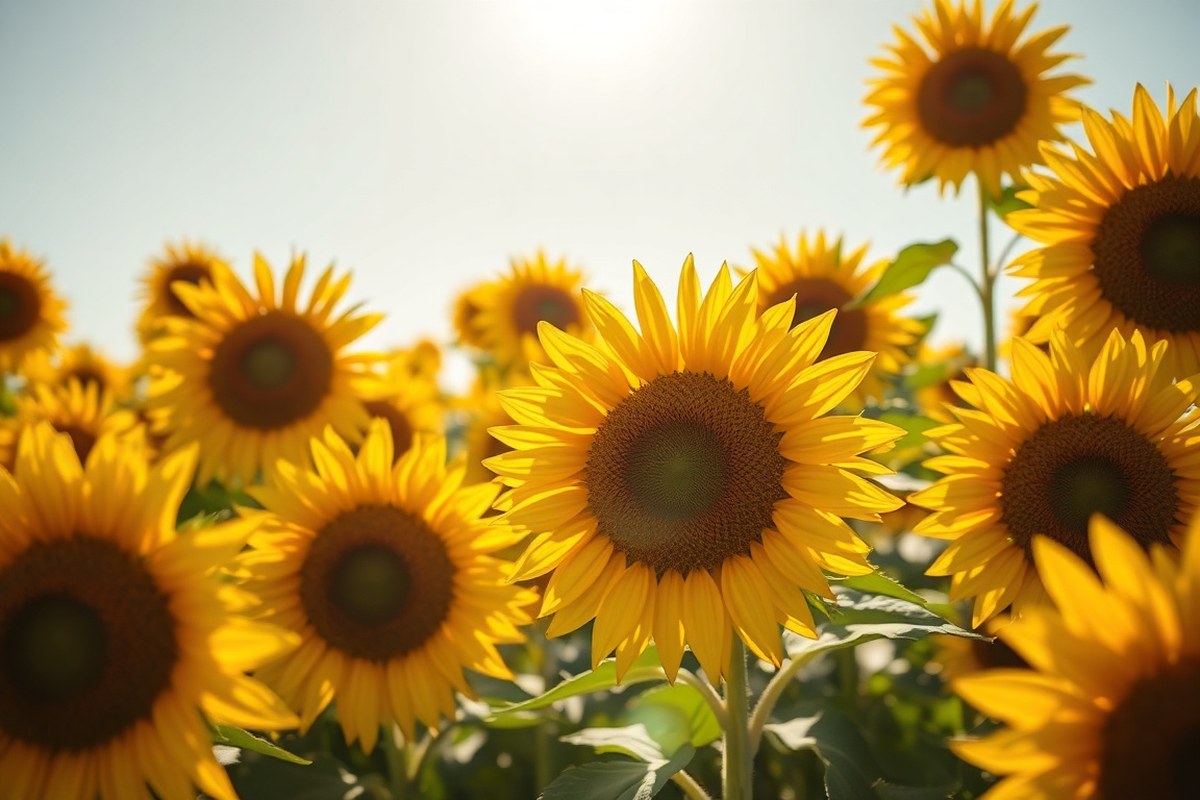
Full sun flowers require at least six hours of direct sunlight daily. They need bright, unfiltered light for vibrant color and healthy growth. Plants like sunflowers and marigolds do best in this kind of light.
Partial sun or shade flowers need three to six hours of sun. They should get direct sunlight each day. This amount helps them grow healthy and strong.
They prefer morning or late afternoon sunlight, avoiding harsh midday rays. Examples include geraniums and impatiens, which balance sun and shade well.
Full shade flowers take less than three hours of direct sun daily or mostly filtered light. They thrive in spots with dappled sun or light shade. Hostas and ferns fit in this category, sensitive to strong sunlight.
| Sunlight Type | Direct Sunlight Hours | Example Flowers |
|---|---|---|
| Full Sun | 6+ hours | Sunflowers, Marigolds, Daisies |
| Partial Sun/Shade | 3 to 6 hours | Geraniums, Impatiens, Roses |
| Full Shade | Less than 3 hours | Hostas, Ferns, Begonias |
You can identify the right sunlight tier by checking the plant label or seed packet. Those usually state the flower’s preferred sun exposure. Use a light meter or smartphone app to measure sunlight hours in your garden spot.
Remember plants need the right amount, not just some sun all day. Too much sun damages leaves, and too little weakens growth. Matching flowers with their sun requirements means more blooms and stronger plants.
Avoid placing shade-loving flowers where they get strong afternoon sun. It can scorch leaves quickly.
How Sunlight Influences Flower Growth and Bloom Quality
Sunlight fuels photosynthesis, which drives growth in flowers. It also shapes stem strength, leaf size, color depth, bloom size, and flowering timing. Without enough light, flowers may have thin, weak stems and pale petals.
Strong sunlight helps flowers build tougher cell walls in stems. This support lets flowers hold up heavier blooms and resist breaking. Leaves grow larger and thicker with more light, boosting the plant’s ability to make food.
Petal color and bloom size rely on sunlight intensity and duration. Bright light increases pigment production, making flower colors richer. It also gives flowers the energy to grow bigger, fuller blooms.
Too little light means smaller, dull-looking flowers. Too much can bleach petals or scorch leaves.
Sunlight duration sets the flower’s biological clock. Longer exposure signals plants to start or speed up blooming.
Some flowers need 6 to 8 hours of direct sun for best results. Others prefer a mix of shade and sun to avoid stress.
- Provide 4 to 8 hours of bright, indirect sunlight daily
- Watch for leggy stems indicating low light and move plants brighter
- Use shade cloth if afternoon sun is too harsh and scorches leaves
- Water plants well during hot sun exposure to avoid drying out
- Mist leaves on sun-sensitive flowers like hydrangeas every few days
- Adjust placement seasonally for changing sunlight angles
- Use supplemental grow lights for indoor flowering plants with low light
A lack of sufficient light cuts flower production and delays blooming. Stems stretch toward light when it’s weak, causing leggy, floppy growth.
On the other hand, too much sun, especially in hot afternoon, speeds up respiration. This makes flowers age faster and petals wilt sooner.
Your best bet is a balanced daily light cycle matching your flower type. Monitor leaf color and bloom quality to tune sun exposure. Healthy flowers show firm stems, shiny leaves, and vibrant, well-sized blooms.
What Is Photoperiodism and Its Impact on Flowering?
Photoperiodism means how plants respond to the length of daylight and darkness. It controls when flowers bloom by sensing day or night duration. Some flowers need long days to bloom, while others need long nights.
Short-Day Plants and Blooming
Short-day plants bloom when nights are longer than about 12 hours. They usually flower in late summer or fall as the days get shorter. Chrysanthemums are a common example that blooms when the night lengthens.
These plants measure the uninterrupted darkness to trigger blooming. Even a small flash of light during the night can stop flowering. To encourage blooming, you can use black-out curtains to extend night length artificially.
Long-Day Plants and Blooming
Long-day plants bloom when they get more than about 14 hours of daylight. These flowers usually bloom in late spring or early summer. Spinach and some lettuce types are examples of long-day plants.
You can speed up flowering by adding light during early darkness hours. A timer-controlled grow light can extend daylight for about 1 to 3 hours. This method helps flowers start blooming earlier than they usually would.
Using Artificial Light for Flowering Control
Artificial light can adjust flowering cycles by changing how long plants “think” the day lasts. Full-spectrum grow lights work best because they mimic sunlight’s natural spectrum. Using timers, you can set precise light and dark periods to suit your plants.
Indoor growers often supplement natural light to achieve about 12 to 16 hours of brightness daily. This helps keep flowering on track even in low-light rooms or short winter days. Be careful not to leave lights on for too long.
Too much light may stop Short-day plants from blooming. Turn lights off at the right time each day.
For example, controlling flowering with light means you can time blooms for events or off-season gardening. The cost varies: small LED grow lights may cost $20 to $100, plus electricity. It takes daily attention and setup but delivers reliable blooms year-round.
How to Identify and Fix Sunlight Problems in Flowers
Flowers show clear signs when they get too much or too little sunlight. Checking these signs early helps fix problems fast. You can save your flowers by adjusting their light conditions soon after noticing symptoms.
Signs of Sunlight Deficiency
Flowers need light for photosynthesis, so when it’s low, they struggle to grow. Leaves may become pale or yellowish because the plant can’t produce enough chlorophyll. Growth slows, and flowers may appear smaller or fewer than usual.
Stems stretch out oddly as the plant reaches for light, making them thin and weak. Lack of flowering or delayed blooms are common when light is too low. You might notice leaves dropping or wilting even if watering is normal.
- Pale or yellow leaves
- Long, thin stems leaning towards light
- Few or no flowers blooming
- Leaves dropping unexpectedly
- Slow growth overall
Symptoms of Excessive Sunlight
Too much sun can burn flower leaves and petals, leaving brown or crispy marks. Flowers under intense sun may wilt during the hottest part of the day.
Leaf edges might curl or crack. Colors can fade from too much direct light.
Heat stress also dries out soil quickly, forcing you to water more often. Some sensitive flowers may drop buds or leaves to protect themselves. Excess light is a common mistake, especially if you place shade-loving flowers in full sun.
Corrective Steps for Light Stress
Move flowers showing sunlight problems to a spot with proper light exposure. For shade-loving plants, provide filtered light or use shade cloth when direct sun is too strong. Place flowers where they get a few hours of morning or afternoon sun.
Change watering to fit the new light. Too much or too little light affects soil moisture. Adjust watering to keep the soil right.
Trim damaged leaves carefully to help the plant focus energy on healthy growth. Monitor flowers for several days to ensure they respond well to changes.
- Relocate to suitable light levels
- Use shade cloth or natural shade
- Provide morning or afternoon sun if low light
- Water appropriately after moving plants
- Remove damaged leaves and faded flowers
- Check plant response over 3 to 7 days
Too much sun can shock flowers suddenly; introduce shade gradually to help them adjust.
Can Artificial Light Successfully Replace Sunlight for Flowers?
Artificial grow lights can replace natural sunlight for many flowers but not all. LED horticultural lights and fluorescent bulbs made for plants provide the right light spectrum for photosynthesis. These work well indoors or in low-light spots where sunlight won’t reach.
Some flowers need UV light to grow well. Others need very strong light. These might not grow fully under artificial light.
You’ll want to use LED grow lights most often. They offer a good balance of energy efficiency, lifespan, and spectrum control. Compared to traditional incandescent bulbs, LEDs produce less heat and can be set closer without risk.
Fluorescent lights also support growth but often have a weaker red spectrum important for flowering. Usually, you find them as T5 tubes or compact fluorescents.
Set your grow lights 6 to 12 inches above the flowers for best results. Keep lights on for 12 to 16 hours daily, mimicking longer daylight in spring and summer. Position lights so they cover all plants evenly, moving fixtures when the plants grow taller.
Timers simplify daily on-off cycles, avoiding too much or too little light. Providing darkness at night helps plants rest and flower properly.
Here is a quick comparison of artificial light types for your flowers:
| Light Type | Spectrum | Heat Output | Energy Use | Best For |
|---|---|---|---|---|
| LED Grow Lights | Customizable (red & blue strong) | Low | Low | Most flowering plants |
| Fluorescent Bulbs | Balanced but less red | Medium | Medium | Seedlings, low-light flowers |
| Incandescent Bulbs | Mostly yellow | High | High | Not recommended |
Using only artificial light requires attention to seasons and flower type. Some growers supplement weak winter sunlight with LEDs to keep plants healthy. Others use timers to match natural photoperiods, which trigger flowering.
Watch your flowers for stretch or pale leaves, signs they might need more light. Adjust light height or duration to fix that. Avoid overheating by maintaining airflow around fixtures.
Many indoor growers combine natural and artificial light for the best effect. South-facing windows with supplemental LEDs often deliver enough energy to keep flowers blooming year-round. Without any sunlight, you depend heavily on artificial lights to supply both intensity and spectrum.
Choose quality fixtures designed specifically for plants. They cost more upfront but last years and improve your flower results significantly.
Best Practices for Keeping Cut Flowers Fresh Without Sunlight
Cut flowers don’t need direct sunlight to stay fresh. In fact, strong sunlight can dry them out faster and fade their colors. Keeping flowers in indirect light helps them look better longer and keeps them hydrated.
Ideal Light and Temperature Conditions
Cut flowers last longer in cooler temperatures, ideally between 65 and 72 degrees Fahrenheit. Avoid placing flowers near heat sources or direct afternoon sun. Bright, indirect light is best because it doesn’t cause petals to wilt or dry out quickly.
Too much sun can cause cut flowers to lose moisture fast. This makes petals brittle and stems weak. A north- or east-facing window often provides gentle, steady light that’s safer for your flowers.
Watering and Maintenance Tips
Fresh water is key to keeping cut flowers vibrant. Change the water every two days and clean your vase each time to prevent bacteria growth.
Trim the stems by an inch under water every few days. This helps the flowers absorb water better.
Keep flowers away from fruit bowls. Heat also shortens their life. Ethylene gas from fruits can harm them.
Using flower food packets helps slow bacterial growth and gives nutrients. You can use a teaspoon of sugar and some bleach in water. This homemade mix helps keep flowers fresh.
Here is a step-by-step routine to follow:
- Trim stems every 2 or 3 days at a 45-degree angle.
- Replace vase water completely every 2 days.
- Keep the vase clean to minimize bacteria.
- Avoid direct sunlight and place flowers in indirect light.
- Remove any wilting or dead flowers immediately.
- Keep flowers away from heat sources and fruit.
- Use commercial flower food or a homemade sugar and bleach mix.
Common Myths About Cut Flowers and Sunlight
Many believe cut flowers need direct sunlight like potted plants do. The truth is, once cut, flowers don’t photosynthesize.
So they don’t benefit much from sunshine. Instead, direct sun evaporates water, causing wilting and fading.
Another myth is that placing flowers in a dark room speeds up drooping. Flowers don’t need light to stay fresh, but cold and clean water matter more. Just avoid extremes like hot, dry spots or freezing drafts.
How Geographic Location and Climate Affect Sunlight Needs
Where you live changes how much sunlight your flowers get every day. Near the equator, days stay close to 12 hours all year. Daylight length changes a lot from winter to summer.
In the north or south, winter days are very short. Summer days can have 14 or more hours of light.
In northern places, winter sun lasts only 4 to 6 hours. Summer sun can shine for up to 16 hours. That’s a big change to plan for.
Southern states often have milder swings, with 10 to 14 hours most days. Flowers in deserts see intense sunlight but often need afternoon shade to avoid burning.
Knowing local sun patterns helps you pick a garden spot that gives your flowers enough light. Map your yard’s sunny and shady parts throughout the year. Place sun-loving flowers like sunflowers in spots with 6 to 8 hours of direct sun.
Cloudier or cooler areas might need flowers that tolerate less sun. Consider partial shade types, needing 3 to 6 hours of direct sunlight.
Seasonal changes also mean shifting care a bit. For example, move pots closer to windows in short winter days if indoors.
Watch how sunlight moves across your garden through the year. Don’t plant shade-loving plants where the sun hits all day. Match plants to the light they need.
Some flowers respond to daylight length changes, blooming only when days grow longer or shorter. You can support these plants by adjusting their location or using reflective surfaces to boost light. Gardeners in places with harsh winters can try grow lights to fill the sunlight gap.
Finally, don’t forget your climate’s heat or cold extremes. Hot areas can stress flowers, needing shade during peak afternoon sun. Cold climates may require placing flowers where they catch morning sun to warm them up quickly.
Step-by-Step Action Plan for Growing Healthy Flowers with Proper Light
Follow these steps to give your flowers the right amount of sunlight and keep them thriving.
- Before planting: Check your flower species’ sunlight needs. Choose a spot matching full sun, partial shade, or shade. You’ll know it works if the spot feels warm and bright during the day.
- Day 1: Place new plants in the chosen spot. Watch for any leaf drooping or color changes after a day. Healthy leaves mean the light suits them well.
- Week 1: Adjust plants that show stress by moving them to shadier or sunnier spots. Look for improved leaf color and stronger stems.
- Week 2: If using artificial light, set a timer to provide 12 to 16 hours daily. Use a grow light close enough to warm but not burn the leaves.
- After 3 weeks: Check flowers for steady growth and blooming. Healthy buds or flowers mean sunlight or artificial light works well.
- During dry spells: Water flowers adequately, because sunlight and heat can dry soil fast. Soil that stays moist but not soggy is a good sign.
- Monthly: Rotate pots or plants slightly to help even sunlight exposure. Balanced growth on all sides means you got it right.
- At cutting time: Keep cut flowers in cool places away from direct sunlight. Fresh petals and long vase life show good care.
Frequently Asked Questions
Do Flowers Need Sunlight Every Day?
Most flowers need daily sunlight for their best growth and blooming. Consistent light helps them produce energy and stay healthy over time.
Can Flowers Bloom Without Direct Sunlight?
Yes, some flowers bloom well in indirect light or partial shade. They adapt by using filtered sunlight to create blooms.
Does Too Much Sunlight Harm Flowers?
Yes, too much direct sun can scorch flowers and wilt petals. Some flowers prefer partial shade to avoid damage.
Is Morning Sunlight Better for Flowers Than Afternoon Sun?
Morning sun is gentler and less likely to damage flowers than harsh afternoon sun. It gives plants energy without overheating them.
Can Indoor Flowers Grow with Window Sunlight Alone?
Many indoor flowers thrive with filtered sunlight from a window. Position plants where they get bright but indirect rays.
Why Do Shaded Flowers Grow Slower?
Shade limits the sunlight flowers get for photosynthesis, slowing growth. They lack energy to bloom or grow quickly.
Before You Go
Flowers do need sunlight for healthy growth and beautiful blooms. Pick the right amount and type of light for your flower species. Next, try adjusting your plants’ location based on what you observe every few days.