

How Long Do Flowers Take to Grow a Complete Guide to Timing and Care
How long do flowers take to grow depends mostly on the type. Most flowers grow fully in about 70 to 90 days from seed. Some faster ones bloom in as little as 50 days, giving you quick garden color.
Slowest-growing flowers like hydrangeas need much more time, sometimes two years or longer. Knowing this helps you pick the right plants for your patience and space. Start by choosing annuals for quick results and perennials for lasting blooms over time.
Pay attention to your plants’ sunlight and temperature needs to avoid slow growth. Warm-season flowers need temperatures between 65 and 85 degrees Fahrenheit to thrive. Giving your flowers the right care speeds up their blooming and keeps them healthy.
Key Takeaways
- Flower seeds usually germinate within 4 to 7 days after planting.
- Annual flowers typically take about 95 days from seed to bloom.
- Hydrangeas can take 2 to 4 years to reach full maturity.
- Gladiolus flowers bloom between 60 and 90 days after planting.
- Shade-loving flowers need less than 3 hours of direct sunlight daily.
- Warm-season flowers grow best at 65°F to 85°F temperatures.
How Long Does It Typically Take Flowers to Grow?

Most flowers take between 50 and 95 days to grow from seed to bloom. For example, nasturtiums can bloom in less than 50 days. Popular annuals like marigolds and California poppies usually take around 55 to 70 days.
Some slow growers, like zinnias, need many days to flower. They may take up to 75 days. This happens when conditions are just right.
Seed germination happens fast, usually within 4 to 7 days. But the full growth to flowering depends on factors like temperature and sunlight. Annual flowers average about 95 days from seed to bloom.
But temperature plays a big role. For instance, marigolds prefer soil above 65°F to grow well, or they may lag behind.
Time from seed to flower isn’t exact and changes by species and care. Overwatering or starting plants indoors too early might cause leggy seedlings, which delays blooming. Good soil, full sun, and right moisture improve your results.
They help plants flower closer to the normal timeline. This means better blooms on schedule.
Key Flower Growth Stages and Their Timing
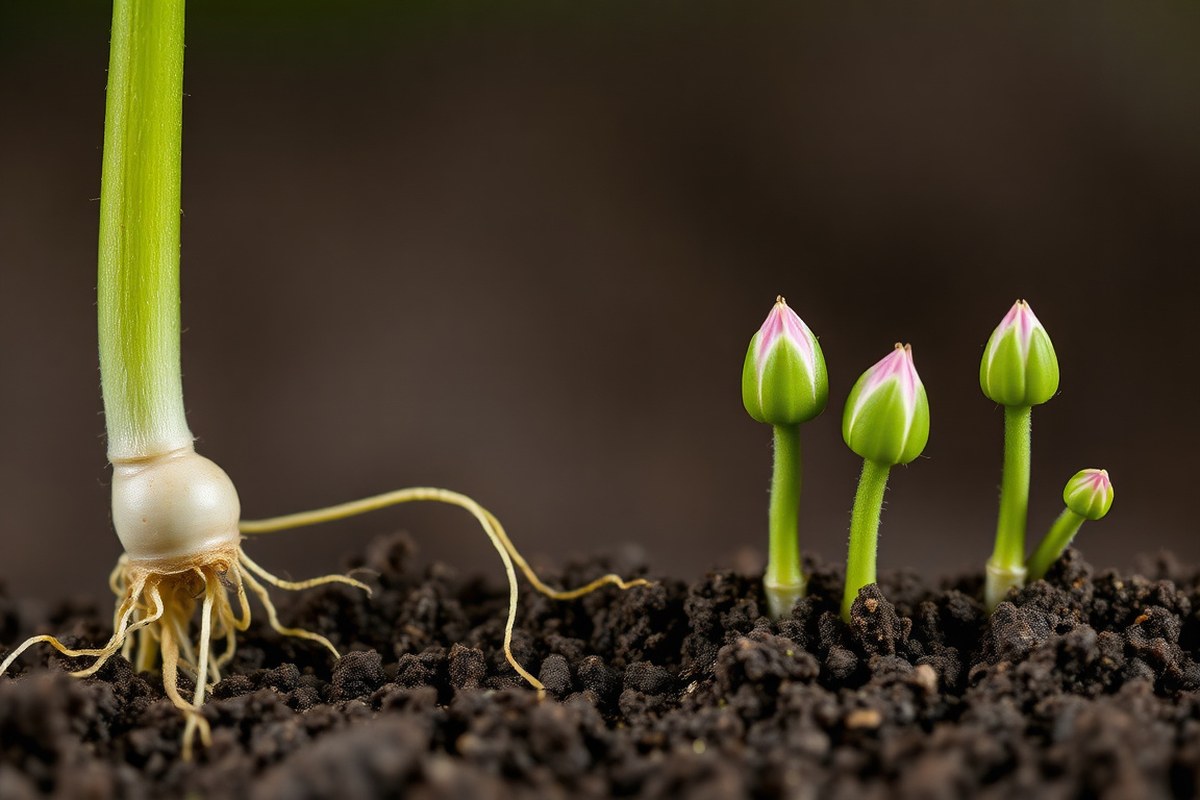
Flowers grow in clear stages: germination, root and leaf development, budding, and flowering. Germination lasts about 5 to 10 days. Buds often show up around 30 to 60 days, depending on the flower type.
Seed Germination Period Explained
Germination begins when you water the seeds. The seed’s shell absorbs moisture, triggering internal growth processes. This stage usually lasts between 5 and 10 days.
During germination, the radicle, or first root, breaks through the seed coat. This is a key sign germination succeeded. You want to keep the soil moist but not soaked for best results.
Keep soil evenly moist during germination to avoid drying or rotting seeds.
Root and Leaf Development Timeline
Roots grow deeper and stronger over the next 2 to 3 weeks. Leaf growth starts soon after roots establish. Tiny green leaves will appear above the soil within 10 to 21 days from planting.
Strong roots and leaves need nitrogen and phosphorus. Nitrogen promotes leaf growth, while phosphorus supports root development. Watch for yellowing leaves, that suggests a nitrogen deficiency.
From Bud Formation to Full Bloom
Flower buds usually form between 30 to 60 days after planting. This stage signals your plant shifting energy into reproduction. Buds start small then swell before opening into blooms.
Flowering time varies by species but often takes another 20 to 40 days after buds appear. Potassium helps improve flower color and disease resistance. Weak, faded blooms can mean potassium is low.
- Plant seeds in well-drained soil and keep them moist.
- Watch for radicle emergence around day 5 to 10.
- Allow roots and leaves to develop over the next 2 to 3 weeks.
- Apply balanced nutrients to support leaves and roots.
- Notice flower buds forming between day 30 to 60.
- Keep watering and feeding to support healthy flowering.
- Wait 20 to 40 days for full bloom after buds appear.
Which Flowers Grow Fastest and Slowest?
Fastest flowers grow in about 50 days from seed. Slow growers can take years, especially perennials. Some perennials bloom faster than certain annuals, so speed varies by species.
Top Fast-Growing Flowers from Seed
Annuals usually sprout and bloom faster than perennials. Many annual flowers bloom within 50 to 90 days. This speed lets you enjoy blooms quickly and plan multiple cycles per year.
For example, marigolds and zinnias often flower near the 50-day mark. Their quick growth fits well for containers and garden beds. With proper light and temperature, they reach flowering faster.
Slow-Growing Perennials to Expect Patience For
Perennials often require longer to mature but come back every year. Hydrangeas need 2 to 4 years to reach full blooming size. Sedum plants also take time to germinate and develop flowers.
These slow growers are good if you want lasting garden structure. Give them space and time, and focus on ideal conditions to avoid stress. Expect slow but steady progress through the seasons.
Exceptions in Annual vs Perennial Growth Speeds
Not all perennials grow slower than annuals. Some perennials flower within 65 to 80 days of planting. Coreopsis verticillata ‘Moonbeam’ blooms by Day 65, faster than many annuals.
Salvia nemorosa ‘Caradonna’ and Rudbeckia fulgida ‘Goldsturm’ also bloom quickly, between 70 and 75 days. Phlox paniculata ‘David’ flowers at about 80 days. This shows growth speed depends on the plant’s species, not just the annual/perennial label.
Choose your flowers based on how quickly you want blooms. If fast flowers fit your style, pick quick annuals or faster perennials. For lasting beds, slower perennials offer multi-year rewards.
Here is a quick reference table comparing popular flowers by their time to bloom from seed:
| Flower Species | Type | Days to Bloom |
|---|---|---|
| Marigold | Annual | 50 |
| Zinnia | Annual | 50 |
| Coreopsis verticillata ‘Moonbeam’ | Perennial | 65 |
| Salvia nemorosa ‘Caradonna’ | Perennial | 70 |
| Rudbeckia fulgida ‘Goldsturm’ | Perennial | 75 |
| Phlox paniculata ‘David’ | Perennial | 80 |
| Hydrangea | Perennial | 730, 1460 (2, 4 years) |
Use this table to pick flowers that match your timing goals. Fast bloomers work well for quick color bursts. Slow growers build lasting garden beauty over years.
How Environmental Factors Affect Flower Growth Speed
Sunlight affects flower growth by supplying energy for photosynthesis. Most flowers need at least six hours of direct sunlight daily to bloom quickly.
Day-neutral flowers like zinnias react more to light intensity than the length of daylight. So bright light speeds their growth regardless of day length.
Temperature is another key factor. Most flowers grow fastest between 65°F and 75°F. Cooler or hotter temperatures slow growth and delay blooming.
For example, hydrangeas prefer mild warmth. Some peppers flower better when evenings stay around 60°F. Sudden temperature drops or heat waves can stress plants and halt progress.
Soil type influences how flowers access water and nutrients. Loamy soil that drains well but holds moisture promotes steady root growth. Clay soil often holds too much water, risking root rot.
Sandy soil may dry out too fast. Adding organic matter improves most soils and helps roots absorb nutrients.
- Sunlight: Provide 6+ hours of direct light or bright indirect light.
- Temperature: Keep daytime temps between 65°F-75°F for quick growth.
- Soil: Use loamy, well-drained soil with organic matter mixed in.
- Water: Keep soil moist but not soggy; avoid letting it dry out.
- Drainage: Ensure pots or beds have holes to prevent standing water.
Keeping water consistent avoids stress, which slows growth. Flowers need hydration to keep their cells plump and photosynthesis active.
Too much water reduces oxygen to roots, causing wilting and disease. Properly drained soil and regular watering every few days usually work well for most garden flowers.
Matching these factors to your flower species boosts growth and flowering speed. Outdoor flowers in temperate climates grow slower than indoor ones with stable conditions.
You can control temperature and light indoors, speeding growth by 20% to 50%. Outdoor gardeners face more variation but can use shade cloth or frost covers to help.
Indoor vs Outdoor Growing: How Location Influences Flower Time
Flowers often grow faster indoors under full-spectrum LED lights than outdoors or near a window. These LEDs provide strong light for about 14 hours daily. They work best when placed close, around 6 inches away.
This distance helps plants get enough bright light. That cuts growth time by about 20 to 50 percent.
Plants grow faster than with natural sunlight through a window. It also beats outdoor growing conditions.
Containers outdoors usually need more care than garden beds. They dry out faster because they hold less soil and heat up in the sun. Containers must have drainage holes or the roots can drown.
In-ground flowers benefit from the earth’s natural moisture and insulation. So they often grow steadier but can still take longer.
| Growth Setting | Average Flowering Time | Key Factors | Care Needs |
|---|---|---|---|
| Indoor (Full-spectrum LED) | 20, 50% faster than outdoor | Light intensity 6″ above plants, 14 hrs/day | Consistent light, temperature 65, 75°F, water regularly |
| Indoor (Windowsill) | Matches outdoor or slower | Variable natural light, lower intensity | Avoid drafts, manage humidity, watch light exposure |
| Outdoor Container | Similar to in-ground but slower if dry | Drainage holes critical, soil dries quickly | Regular watering, protect from wind and frost |
| Outdoor In-ground | Standard time (e.g., marigolds 45, 60 days) | Depends on climate and soil quality | Plant after frost, mulch, natural rainfall |
A major factor for indoor success is mimicking outdoor conditions. Keep indoor temps around 65 to 75°F and avoid sudden drafts.
Use a timer for lights to give flowers a steady day length. Getting the balance right means flowers bloom faster and look healthier.
One common mistake indoors is too much or too little watering. Containers dry quickly, but overwatering kills roots faster. Outdoors, soil temperature matters, the ground warms slowly after frost.
Plant seeds or young plants outdoors only when the frost risk has passed. This timing keeps flowers from stalling or dying.
Maintain proper drainage in containers and avoid overwatering to prevent root rot.
Fertilizing and Care Techniques to Promote Faster Flowering
Fertilizing flowers with the right nutrients speeds up blooming. Choose a fertilizer high in phosphorus, like 10-30-10, since phosphorus encourages flower development.
Apply it every 3 to 4 weeks during the growing season, mixing according to package instructions. Avoid overfertilizing because that can cause lush leaves but fewer flowers.
Watering consistency plays a big role in healthy blooms. Flowers need steady moisture but dislike soggy soil. Water deeply once or twice a week, depending on weather and soil type.
Too little water slows growth, while too much invites root rot and disease. Check soil moisture by sticking your finger 1 to 2 inches deep. Water if it feels dry.
Pruning stimulates new growth and quicker flowering. Pinch off spent buds and dead or yellow leaves regularly. Pinch young stems of plants like snapdragons or zinnias above the leaf node.
This helps the plants grow more side shoots. It encourages fuller growth. Avoid heavy pruning late in the season, which can stress plants and delay blooms.
- Apply a phosphorus-rich fertilizer every 3-4 weeks during blooming.
- Water deeply but allow soil to dry slightly before rewatering.
- Pinch back young stems to promote bushier growth and flowers.
- Remove dead flower heads to redirect energy to new blooms.
- Aerate soil gently to improve root oxygen and nutrient uptake.
Keep soil loose around roots to help aeration and quicker nutrient absorption. Using a hand fork every few weeks breaks up compacted soil without harming roots. In warmer areas, plants respond faster to these care steps due to increased metabolism.
Frost or cold snaps, however, stall flower growth and may damage buds. So protect tender plants as needed.
Common Mistakes That Delay Flower Growth and How to Fix Them
Flowers might still take too long to grow even if you follow good care routines. Small but common mistakes, like wrong watering or poor lighting, can slow growth or delay blooming. Checking these areas closely helps fix the problem before it wastes your time and plants.
One frequent watering mistake is giving too much or too little water. Overwatering drowns roots and causes rot, while underwatering stresses plants and stalls growth. Water flowers deeply but only when the top inch of soil feels dry.
Using a moisture meter can prevent guessing. Also, make sure pots have good drainage holes to avoid soggy soil.
Lighting is another top cause of slow growth. Many flowers need full sun to grow well. That means about 6 hours of direct light daily.
This helps them bloom fully. Move flowers in shade to a sunny spot.
Or use grow lights indoors for 12 to 16 hours a day. Low light results in weak stems and fewer blooms.
- Watering too much: wait for soil to dry, check drainage
- Watering too little: water deeply once soil is dry
- Insufficient light: move to full sun or add grow lights
- Planting in poor soil: use nutrient-rich, well-draining mix
- Ignoring plant spacing: give flowers room for roots
- Neglecting pests or diseases: inspect leaves weekly for damage
Using poor soil slows flower development because nutrients stay locked up or roots struggle for air. Choose soil labeled for flowers, mix in compost, and check it drains water well. Dirt that stays wet or breaks apart easily can suffocate roots and stop flowering.
Packed plants fight for light, water, and nutrients. Overcrowding stresses flowers and reduces airflow, which invites pests or fungus.
Give each plant at least one to two feet of space, depending on its mature size. So roots can spread and air flows freely.
Ignoring pests and diseases also delays growth and blooming. Check leaves weekly for spots, holes, or sticky residue.
Remove bugs by hand or use garden-safe sprays on first signs. Early treatment helps flowers recover faster and bloom on time.
How to Track Flower Growth Progress Accurately
Tracking flower growth helps you predict blooming and spot problems early. Noticing the right signs means your flowers are on track. Using a simple journal and checklist keeps tracking clear and easy.
Key Indicators of Healthy Growth
Leaves should be firm, green, and free from spots or discoloration. Flower buds start small and firm, then slowly enlarge before opening. Healthy roots stay white and spread well in the soil or pot.
Watch for steady height growth of about 1 to 2 inches each week. Growth varies with the type of flower. Keep an eye on changes weekly.
A consistent leaf count and no wilting show the plant feeds well. Flower buds might show color hints days or weeks before blooming.
Recording Growth Milestones Efficiently
Use a notebook or simple spreadsheet to write down growth stages weekly. Track height, leaf numbers, bud size, and any color changes. This builds a timeline to compare with your flower’s expected growth times.
Measure the height from soil to the tallest leaf or bud. Use a ruler or tape measure for accuracy. Record it regularly to track progress.
Count visible leaves carefully, noting any new or fallen leaves. Note bud size with a small ruler, measuring diameter or length.
Here is a quick checklist to keep your records organized:
- Pick a regular day each week for measurements
- Measure plant height in inches carefully
- Count and note number of leaves
- Measure bud size if present
- Record any leaf color changes or spots
- Write down watering and feeding details
- Take a photo for visual tracking
Decision Points for Professional Help
Growth stalling for two weeks or more means a problem. Leaves turning yellow and dropping is a warning sign. Get advice from a gardening expert then.
Lack of new buds after expected growth periods may need attention. Slow growth can also show if roots are damaged or soil conditions are poor.
Contact a local nursery or extension service when you see these signs. They can help identify pests, diseases, or nutrient problems. Acting early prevents bigger issues that delay blooming or kill plants.
Keep a weekly journal and photos to spot trends early and act fast.
Step-by-Step Action Plan for Growing Flowers on Time
Follow these clear steps to start growing your flowers without delays. Watch your plants closely to see steady progress.
- Before You Plant: Choose seeds that match your growing speed goals. Pick fast growers if you want blooms in weeks.
- Day 1: Sow seeds in quality soil or pots with good drainage. Check soil moisture stays just right, not too wet or dry.
- Week 1: Keep seedlings in a warm, bright spot but out of strong sun. Notice when sprouts break through soil, confirming germination.
- After 2 Weeks: Begin using a balanced, low-dose fertilizer. Look for healthy, green leaves as a sign your plants get enough nutrients.
- Week 3 to 4: Thin out crowded seedlings to give each plant room. Thinner plants will grow stronger and bloom sooner.
- Week 5: Start moving indoor plants gradually outdoors if weather allows. A few hours outside will toughen them without shock.
- Week 6: Monitor flowers for bud formation. Pinch off weak or damaged parts to focus energy on healthy blooms.
- As Flowers Open: Keep watering regularly but avoid drowning. Your blooms should fully open within days of buds forming.
Frequently Asked Questions
What Factors Influence How Long Flowers Take to Grow?
Flower growth time depends on species, climate, soil, and care. Each factor changes how fast or slow your flowers develop.
Do Seeds or Cuttings Grow Flowers Faster?
Cuttings usually flower quicker than seeds. Seeds start from scratch, needing extra time to sprout and root.
How Does Soil Quality Affect Flower Growth Speed?
Poor soil slows growth by limiting nutrients and water availability. Good soil with proper pH helps flowers grow faster and healthier.
Can Pruning Speed Up the Flowering Process?
Pruning can encourage stronger blooms by removing dead growth. It focuses the plant’s energy on flowering, shortening wait time.
What Role Does Daylight Length Play in Flower Growth?
Many flowers need specific daylight hours to bloom. Changing light triggers buds, so location and season affect bloom speed.
Are There Fast-Growing Flower Varieties for Beginners?
Yes, zinnias and marigolds grow quickly, often flowering in 50-60 days. They’re easy to care for and good for starting gardeners.
The Bottom Line
Knowing how long flowers take to grow helps you plan and care better. Start with good seeds and check your plants often. Now’s a good time to pick the right flower seeds for your garden’s pace.


