Do Tulips Need Sun? What Actually Works for Healthy Blooms
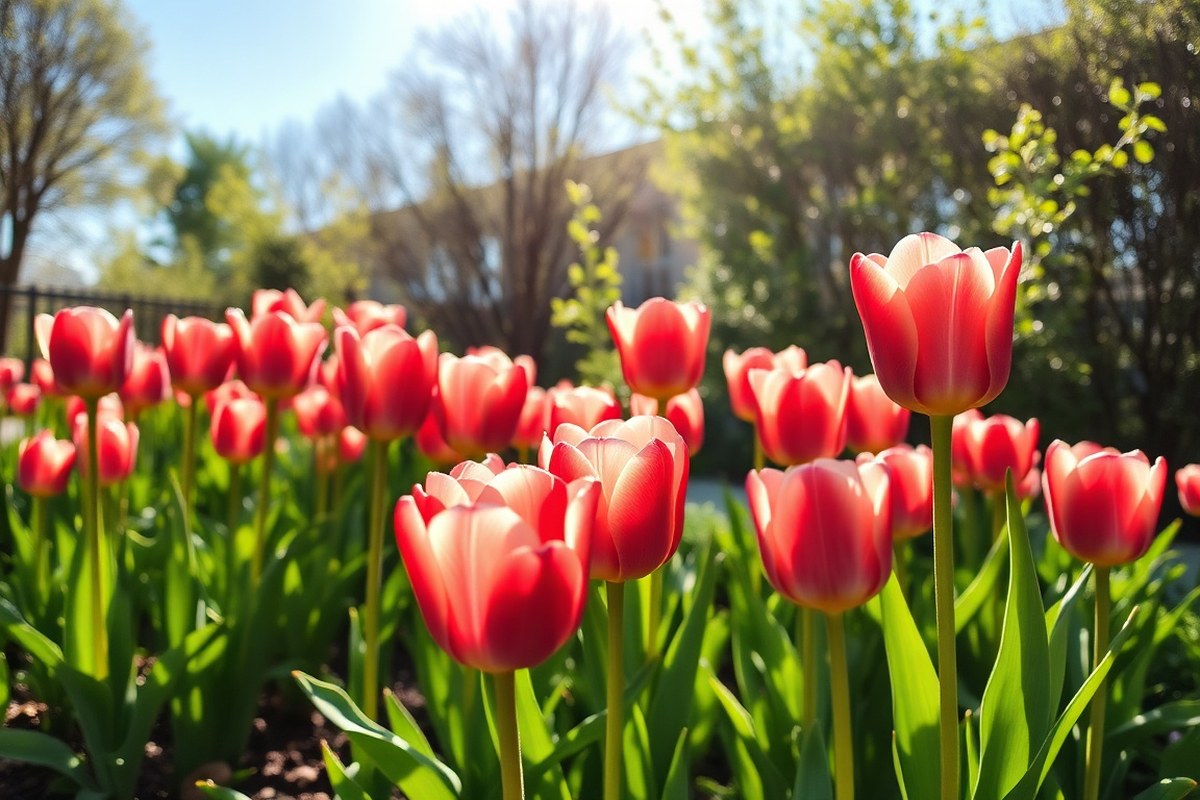
Tulips do best with six hours of direct sunlight each day. This amount helps their flowers grow healthy and their stems stay strong. Without enough sun, tulips might have weak or no blooms.
Six hours of full sun is usually ideal. But tulips can also tolerate some shade.
In warmer climates, partial shade during the afternoon helps protect the blooms from heat damage. That means morning sun and afternoon shade often works best where temperatures get high.
Start by choosing a spot with enough light for your tulips. Look for drooping stems or faded petals on your tulips. These signs may show the plant is getting too much or not enough sun.
Adjust the plant’s location to balance sun exposure. Adjusting their location based on how these flowers respond will give you the best results.
Key Takeaways
- Tulips require six hours of direct sunlight every day to bloom properly. This sunlight amount supports healthy flower growth and vibrant colors. Lack of sun can stunt their blooming process.
- Partial shade in hot climates helps prevent flowers from wilting fast.
- Morning sun with afternoon shade suits tulips in southern zones best.
- Temperatures above 70°F can cause tulips’ flowers to fade quickly.
- Look for weak stems or faded petals as signs of inadequate sun.
- Use LED grow lights for at least six hours if natural sun is limited.
Do Tulips Need Sun to Bloom and Grow?
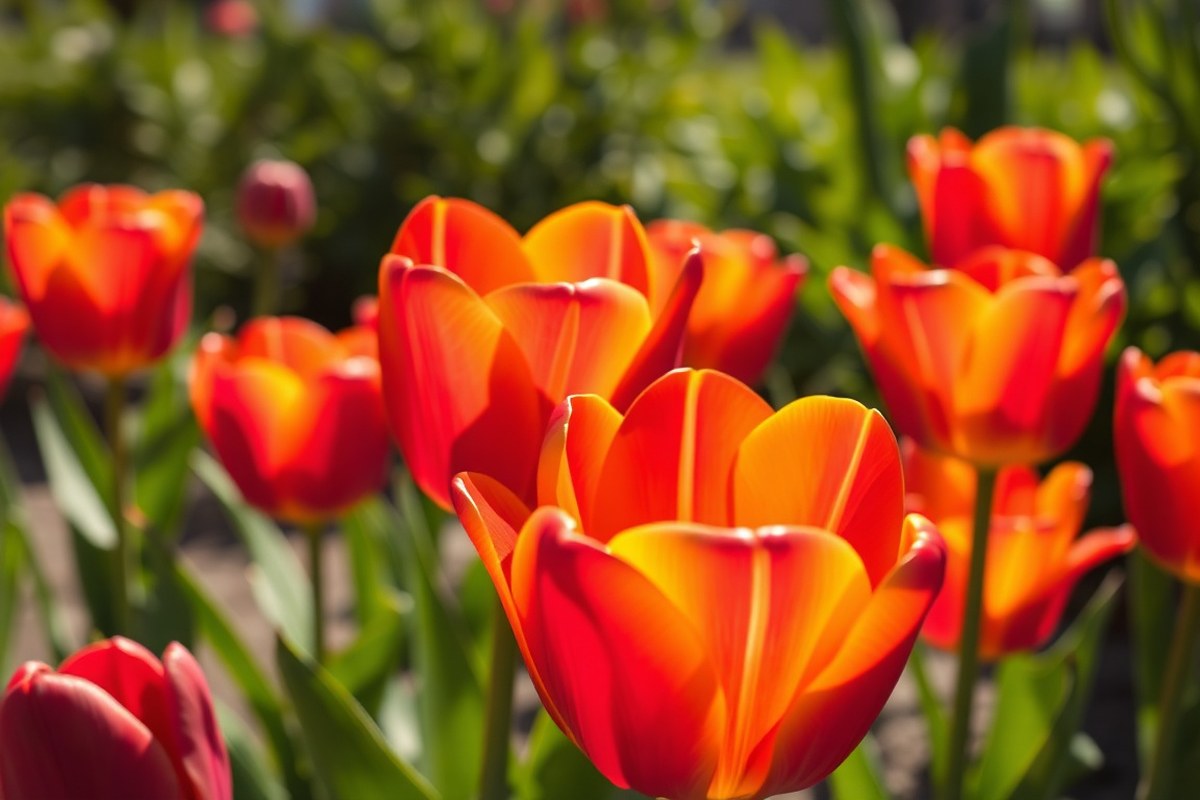
Tulips do need sun to grow and bloom well. Tulips need at least six hours of bright, direct sunlight. This helps them grow strong and bloom well.
Too little sun means weaker plants and fewer flowers. Sunlight powers photosynthesis in plants.
This process turns light into energy. That energy helps plants grow and produce flowers.
Sunlight triggers tulips’ photosensitivity, helping their blooms open fully. Without enough sun, their stems grow weak, and flowers may appear pale or fail to open. Providing six to eight hours of direct sun daily usually leads to strong, vibrant tulips.
Tulip bulbs use sunlight to store energy for the next growing season. Their leaves absorb light, fueling photosynthesis and building healthy bulbs. Plant your tulips where they get at least six hours of sunlight.
Make sure the light is bright and not blocked. This helps them bloom fully and stay healthy. Less than that leads to smaller flowers and weak growth.
How Much Sunlight Do Tulips Need for Optimal Growth?
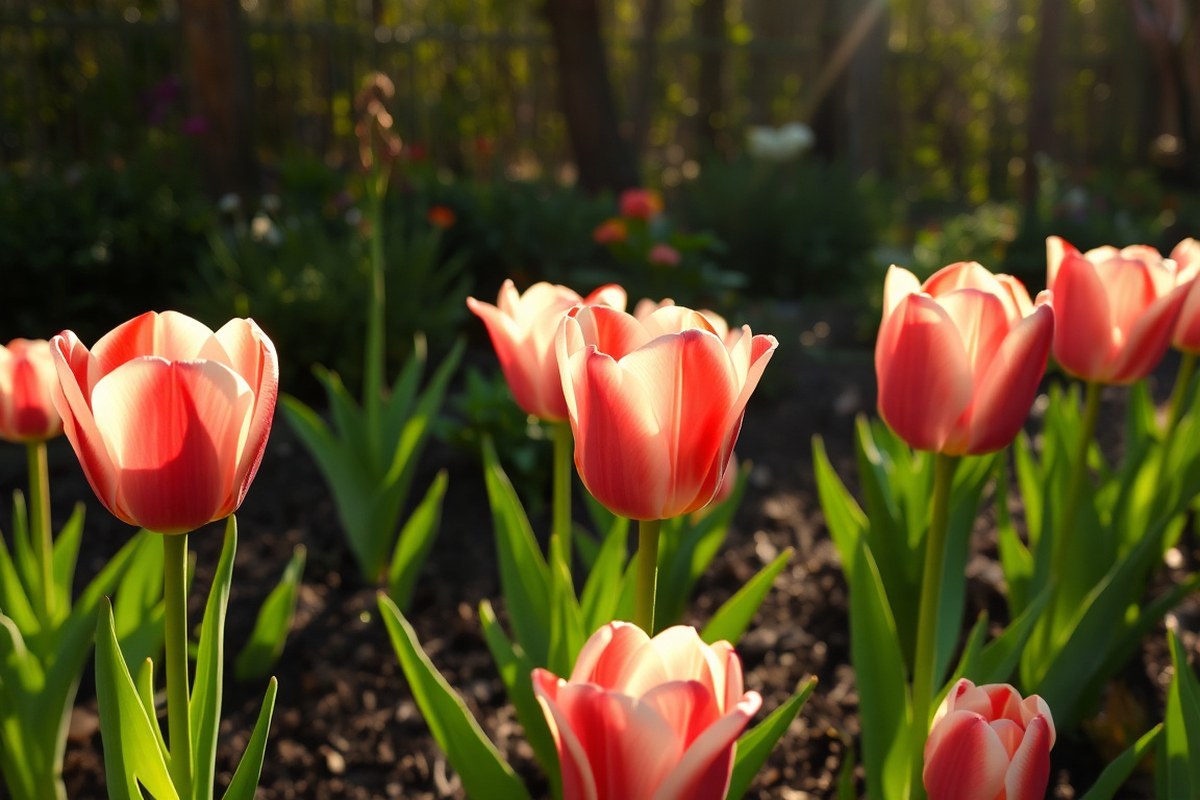
Tulips thrive with at least six hours of full sun daily. Aim for eight hours to boost their blooms and bulb energy. Tulips may survive some shade but not under three hours of direct sun.
Partial shade, especially in hotter climates, protects tulips from leaf scorch. The best approach is morning sun combined with afternoon shade. Location and climate play a big role in how much sun tulips should get.
| Sunlight Level | Effect on Tulips | Action Plan |
|---|---|---|
| Dappled Light | Ideal for many varieties; prevents scorching. | Leave as is; perfect balance. |
| Deep/Dense Shade | Leads to leggy stems and pale colors. | Prune lower limbs or move bulbs outward. |
| Partial Morning Sun | Great for late-season blooms. | Plant on eastern side of structures. |
| Harsh Midday Sun | Can cause petal burn in hotter climates. | Use taller perennials to provide light screening. |
Tulips in zones 8 to 10 benefit from morning sun and afternoon shade. Leaving them in full sun in southern states may cause heat damage. In cooler zones, full sun for six to eight hours is excellent.
Positioning your tulips helps depending on garden orientation. For example, south-facing spots get full sun but might need temporary shade cloths during heatwaves. East-facing borders give morning sun and afternoon shade naturally.
Plant tulips where they get morning sun and partial afternoon shade to avoid heat stress.
How to Evaluate If Your Tulips Are Getting Enough Sunlight
To check tulip sunlight, watch the sun’s path each day. Note how much light reaches your garden. Track this to ensure enough sun.
Note spots with six or more hours of sun, which tulips need to flourish. You can observe sunlight manually or use apps that map sun exposure.
Set Up a Sunlight Observation Schedule
Start by choosing days with clear skies for accurate sunlight tracking. Tulips need direct sun, so cloudy days give less useful information. Plan to observe your garden several times through the growing season to see changing sun angles.
Observe at least three times daily: early morning, midday, and late afternoon. This timeline covers the main sun movement and shows which parts of your garden get shade. Use the same routine for several days to confirm consistent sun exposure.
Record Sunlight at Key Times of Day
Write down the sun at 8 AM, noon, and 3 PM. Check each garden spot at these times. Record the sunlight your garden gets.
Look for shadows from trees, buildings, or fences that may block the light. A simple checklist helps record sunlight presence or shade in each area and time.
Track these details in a sunlight diary. For each time, note if the area is in full sun, partial shade, or full shade. Track sun daily for a week to see light patterns.
This helps you find spots with less sun. Avoid spots getting under six hours of sunlight.
- Choose a bright day to start your observations.
- Walk through your garden at 8 AM and note sun or shade in each area.
- Repeat the walk at 12 PM and 3 PM, recording the same details.
- Mark areas that stay sunny at all three times.
- Check for any objects casting shadows on tulip spots.
- Use a grid or map of your garden to plot your observations.
- Repeat this process over several days to confirm sunlight hours.
Analyze Your Garden’s Sunlight Patterns
Look for garden spots with consistent sun for at least six hours daily. These spots provide the best environment for healthy tulip blooms. Spots with less sun may need tulips moved elsewhere.
Thin plants nearby if they cast too much shade. This helps tulips get more light.
Watch for tulip signs like tall, floppy stems or pale flowers, these mean too little light. Study your sunlight notes to pick the best spot for tulips. Decide if they need extra light in some spots.
This ensures healthy growth. Use free sun-map apps to check your observations against digital sun shadows if unsure.
What Happens When Tulips Get Too Little or Too Much Sun?
Tulips suffer when they get too little or too much sun. Shade usually causes weak stems and smaller flowers. This happens because the plant cannot make enough energy from sunlight.
Light shortage makes tulips stretch toward the sun. You might notice pale-colored petals and fewer flowers. Bulbs also weaken, which reduces blooms in future seasons.
On the other hand, too much sun and heat stress the plant. Tulip leaves may look scorched or dry. This exposure causes blooms to fade faster and shrivel.
Here’s a clear symptom comparison to spot how sun affects tulips:
| Feature | Sun-Drenched Tulip | Shade-Stressed Tulip |
|---|---|---|
| Bloom Size | Large, full, and strong | Small, stunted, or underdeveloped |
| Color Intensity | Deep, saturated pigments | Faded, washed-out colors |
| Flower Count | Multiple blooms per bulb | Single, meager flower (or none at all) |
| Bloom Duration | Long-lasting and sturdy | Quick to wither and fade |
Besides visual signs, tulips in shade may lean toward the light and look thin. They often produce just one weak flower or skip blooming. Bulbs won’t store enough energy for next year.
In bright, full sun with dry heat, leaf tips can brown and curl. Flowers shrink and lose color quickly. Stress lowers bulb strength, leading to weaker plants later on.
To keep tulips healthy, watch for these stress signs. Adjust their placement to provide at least 3 hours of sun each day. Late afternoon sun usually helps without overheating plants.
Which Tulip Varieties Tolerate Shade or Strong Sun Better?
Not all tulips have the same sun needs. Species tulips generally tolerate partial shade better, while hybrids prefer full sun.
Knowing your garden’s sun helps you pick the right tulips. This avoids weak blooms and scorched petals.
Sun-Loving Hybrid Tulips
Hybrid tulips are known for their large, showy flowers. They do best with full sun, around 6 or more hours daily.
Plant these tulips in spots where morning sun is strong. Afternoon shade is optional but can help in hot climates.
Because hybrids want more sunlight, they need well-drained soil and cooler roots. Too much afternoon heat can make their blooms fade faster or burn the leaves. Choosing the right location prevents these issues and supports vibrant, long-lasting flowers.
Shade-Tolerant Species Tulips
Species tulips, such as Tulipa sylvestris, handle partial shade well. They thrive in woodland or scatter-shade settings. These tulips hold shape and bloom with 3 to 5 hours sun.
These types usually have narrower, pointed petals. They prefer cool, moist soil that stays damp longer under shade. Species tulips suit gardens with dappled light or some afternoon shade.
Special Cases: Double and Parrot Tulips
Double tulips have many petals and need plenty of sunlight for strong blooms. Parrot tulips, with their delicate, fringed petals, are more sensitive to heat and sun intensity. Provide them morning sun and partial afternoon shade to protect their blooms.
Both types are more prone to weather stress than standard hybrids or species. They need careful sun and soil care to stop drooping and fading. Pick garden spots that balance sun and shade to keep them thriving.
Use this table to compare common tulip types and their sun tolerance. It helps pick the right variety based on your garden’s sunlight.
| Tulip Type | Petal Shape | Sunlight Preference | Soil Preference |
|---|---|---|---|
| Hybrid Tulips | Rounded | Full sun (6+ hours) | Well drained, cooler soil |
| Species Tulips (e.g., Tulipa sylvestris) | Pointed | Partial shade (3, 5 hours sun) | Well drained, moist soil |
| Double Tulips | Many layered petals | Full sun with afternoon shade | Well drained, moderate moisture |
| Parrot Tulips | Fringed, colorful petals | Morning sun, afternoon shade | Well drained, consistent moisture |
Choosing a variety that fits your yard’s sun pattern saves time and keeps tulips healthy. Choose species tulips or shade hybrids if your garden has hot afternoon sun. Cooler or shadier gardens suit species tulips best, where they won’t scorch or fail to bloom.
Tip: Plant tulips where they get morning sun and afternoon shade to avoid heat stress.
How Climate and Temperature Affect Tulip Sunlight Needs
Tulips perform best when they get full sun in cooler climates, like zones 3 through 7. These regions have temperatures under 55°F for 12 to 14 weeks. The cold lasts at least three months.
This cold helps tulip bulbs wake up from dormancy. It leads to strong stems and bright flowers.
Warmer zones like 8 and 9 often have soil that stays too warm. This can harm tulip growth.
You might need to chill bulbs in the fridge for 12 to 14 weeks. Do this if soil stays above 55°F. This trick helps the bulbs believe they’ve had a cold season and encourages healthy flowering.
After planting in warm areas, pick a spot with morning sun. The area should have shade in the afternoon.
Afternoon shade prevents heat stress from strong sun, which can cause petals to wilt or scorch. Tulips in hot places suffer when temps go over 75°F. Shade helps them last longer.
Tulips in cold climates can handle full sun all day. Cooler temps reduce stress on their leaves and flowers. In hot climates above 80°F, afternoon sun can burn tulip petals.
This causes them to wilt quickly. So, offering partial shade during the hottest hours keeps tulips looking fresh longer.
In zones 3 to 7, plant tulips in full sun. Winter soil temps should fall under 55°F. In zones 8 and 9, chill bulbs indoors for 12 to 14 weeks.
Then plant where they get morning sun and afternoon shade. Avoid areas with hot, direct sun after noon to prevent heat damage in these zones.
Knowing your climate helps you pick the best place for tulips. It also guides how you care for them.
In warm areas, shading and pre-chilling bulbs take effort but improve bloom quality and bulb health. Cooler zones mainly need full sun and good drainage to thrive without extra steps.
Practical Tips to Maximize Tulip Sun Exposure in Your Garden
Tulips grow best in spots that get full sun or at least six hours daily. Choose a good spot in your garden for tulips. Adjust shade by pruning or using cloth.
Use grow lights when natural light is not enough. These steps help tulips bloom well and stay healthy.
Choosing Garden Locations with Adequate Sun
Look for open garden spaces that get at least six hours of sunlight daily. South- or west-facing spots usually provide the strongest sun in the afternoon. Avoid places shaded by buildings or tall trees that block light during prime hours.
The soil should drain well to keep tulip bulbs firm and prevent rot. You can improve shady areas by trimming back nearby shrubs or trees. Moving containers to sunnier spots works well for potted tulips.
Using Supplemental Grow Lights Indoors
Your garden is shady, or tulips are indoors. Add low-intensity grow lights to help.
Set the lights to run 4 to 6 hours every day during the growing season. This helps provide the light tulips need to photosynthesize without overheating.
Position the light about 12 inches above plants for even coverage. Choose grow lights designed for plants, which produce the right light colors for growth. Keep the temperature near 55°F to support healthy bulbs during this time.
Managing Shade with Pruning and Shade Cloth
Trim overhanging branches or tall plants to increase light for your tulips. Use pruning tools like sharp shears to cut back just enough branches blocking sunlight. Also, removing dead leaves or weeds prevents extra shading on your tulips.
For strong midday sun, apply shade cloth to block intense rays while letting filtered light in. Choose cloth with about 30% to 50% shade factor based on sun strength. Drape the cloth above your tulips or clip it onto frames to control exposure.
- Check daily sun hours at different garden spots
- Place containers where sun moves through during the day
- Set grow lights on timers for consistent daily use
- Use sharp pruning tools to avoid plant damage
- Install lightweight shade cloth for easy removal
- Move planters if shadows shift with seasons
- Monitor tulip leaf color for sun exposure clues
These techniques let you tailor sunlight amount to what your tulips need. Keep sun and shade balanced for healthy tulips.
This keeps blooms bright and healthy. Too much or too little light causes problems.
When and How Tulips Respond to Changes in Sunlight
Tulip blooms open during bright sunlight hours. They close at night or in shade. You can see this change clearly.
Tulip petals open after warming up in direct sun. This takes about 15 to 30 minutes.
The warming triggers the bloom to open. Cooler temperatures or cloudy skies slow this process, leaving flowers closed longer.
Growth changes happen too when sunlight levels shift. Tulips stretch taller, sometimes past 45 cm, trying to reach light if shaded.
This leggy growth weakens stems and lowers flower quality. Strong sunlight encourages stocky stems and fuller blooms by 6 hours or more daily.
When temperatures rise above 70°F in bloom, tulip flowers open quickly but also fade fast. They use sunlight to open but high heat shortens flower life. Cooler or shaded spots make blooms last longer.
They open slower or may stay partly closed. This affects how you see them.
Plant tulips early in north-facing gardens to catch scarce spring sun before leaves block light.
Dappled sun creates a shifting light pattern on tulips. They adjust by partially opening petals where the sun hits.
This helps conserve energy when direct sunlight isn’t steady. Without enough light, tulips fail to bloom and may rot.
These responses help tulips survive changing spring conditions. Watching their daily open and close pattern shows if they get enough sun.
Strong, steady light means firm stalks and wide blossoms. Too little sun leads to weak stems and delayed or no flowering.
Your Step-by-Step Plan to Give Tulips the Right Sunlight
Make sure your tulips get enough sunlight to grow well. Watch them closely at each stage to keep them healthy and blooming. Check how much light they get and adjust as needed.
- Before Planting: Choose a spot with full to partial sun, aiming for 6 hours daily. This ensures a good start and strong blooms.
- Planting Time: Plant bulbs at the right depth (6-8 inches) in loose soil. Healthy roots help bulbs use sunlight well.
- Week 1: Look for early shoots coming up from the ground. Notice if your spot gets direct sun in the morning or afternoon. Keep track so you know how much light they receive. Adjust nearby plants if needed.
- Weeks 2-4: Trim any weeds or tall grass that shade tulips. Clear light helps young plants grow fast.
- Bud Formation: Once buds appear, make sure tulips still have at least 4 hours of sun. This supports strong colors and big flowers.
- Flowering Period: Remove wilted flowers to focus energy on bulbs. Keep monitoring sun exposure to avoid too much heat stress.
- After Bloom: Leave leaves to yellow and die naturally in the sun. They feed bulbs for next year’s growth.
- End of Season: Watch for weak or pale tulip leaves and flowers. If that happens, plan to move them to a sunnier place next year. A brighter spot helps tulips grow stronger. Healthy sun exposure is key.
Frequently Asked Questions
Can Tulips Survive in Full Shade?
Tulips generally do not survive well in full shade. They need some sunlight to grow strong. Without light, their stems become leggy and flowers pale.
Is Morning Sun Better for Tulips Than Afternoon Sun?
Morning sun is often better for tulips in warm climates. It provides gentle light and helps prevent heat damage from strong afternoon rays.
How Does Sunlight Affect Tulip Bulb Development Underground?
Sunlight mainly influences the shoot and flower growth above ground. Bulb development depends more on soil temperature and moisture than direct light.
Can Tulips Adapt to Changing Light Conditions Throughout the Season?
Tulips can adjust to moderate changes in light during growth. Sudden shifts from shade to full sun may stress plants but gradual exposure works.
Do Tulip Flowering Times Vary with Sunlight Intensity?
Yes, tulips in brighter sun often bloom earlier and more fully. Low light can delay flowering and reduce bloom sizes.
Are Tulips More Prone to Pests in Sunny or Shaded Locations?
Pests tend to increase in shady, damp spots where tulips might weaken. Sunny areas often have fewer problems if plants stay healthy.
Key Points to Remember
Tulips need mostly sunny spots to grow and bloom well. Check sun exposure early and adjust if you see weak growth or small blooms. Go outside daily to check how much sun your tulips get.
This helps you know if they are getting enough light. Your tulips will shine brighter next season with the right sun.