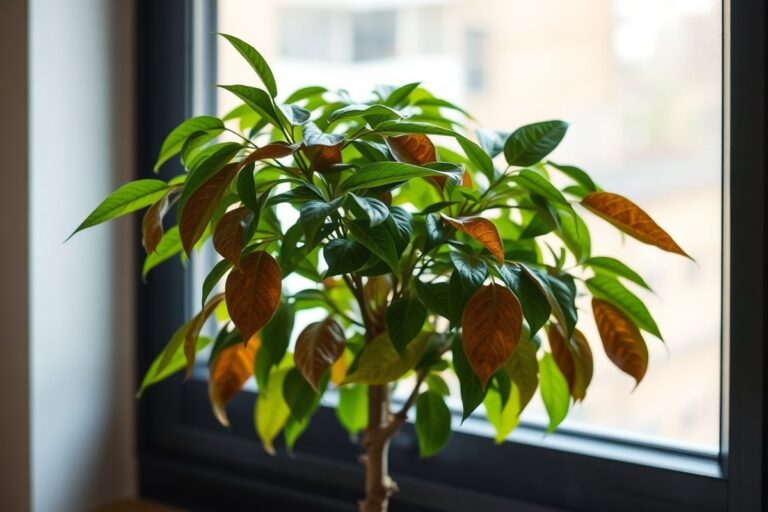
How Often Should I Water My Snake Plant? A Complete Guide That Works
How often should I water my snake plant? Usually, watering happens every 10 to 45 days. This wide range depends on season, light, and the type of pot you use.
Your snake plant might need water more often in strong light. In summer, water it every 8 to 10 days.
Watch for dry soil before watering again. Cooler or darker conditions can stretch watering intervals to 4 to 8 weeks.
Start by checking the soil’s dryness before watering. Soil that stays wet too long invites root rot. So avoid watering on a strict schedule alone.
Pots made from terracotta dry out quicker than plastic ones. Plants in terracotta pots dry out faster than in other pots.
You should water these plants about 30% more often. This helps keep them healthy and happy.
Key Takeaways
- Water snake plants every 10, 45 days, based on season and pot type.
- Check soil moisture before watering; avoid watering if soil is still damp.
- Plants in terracotta pots need water about 30% more often than plastic pots.
- During summer, water every 8, 14 days if your plant gets 5+ hours of light.
- Water snake plants every 6, 8 weeks in winter to prevent overwatering.
- Use the bottom watering method by setting pots in water-filled trays for 10 minutes.
How Often to Water a Snake Plant: The Essential Guideline
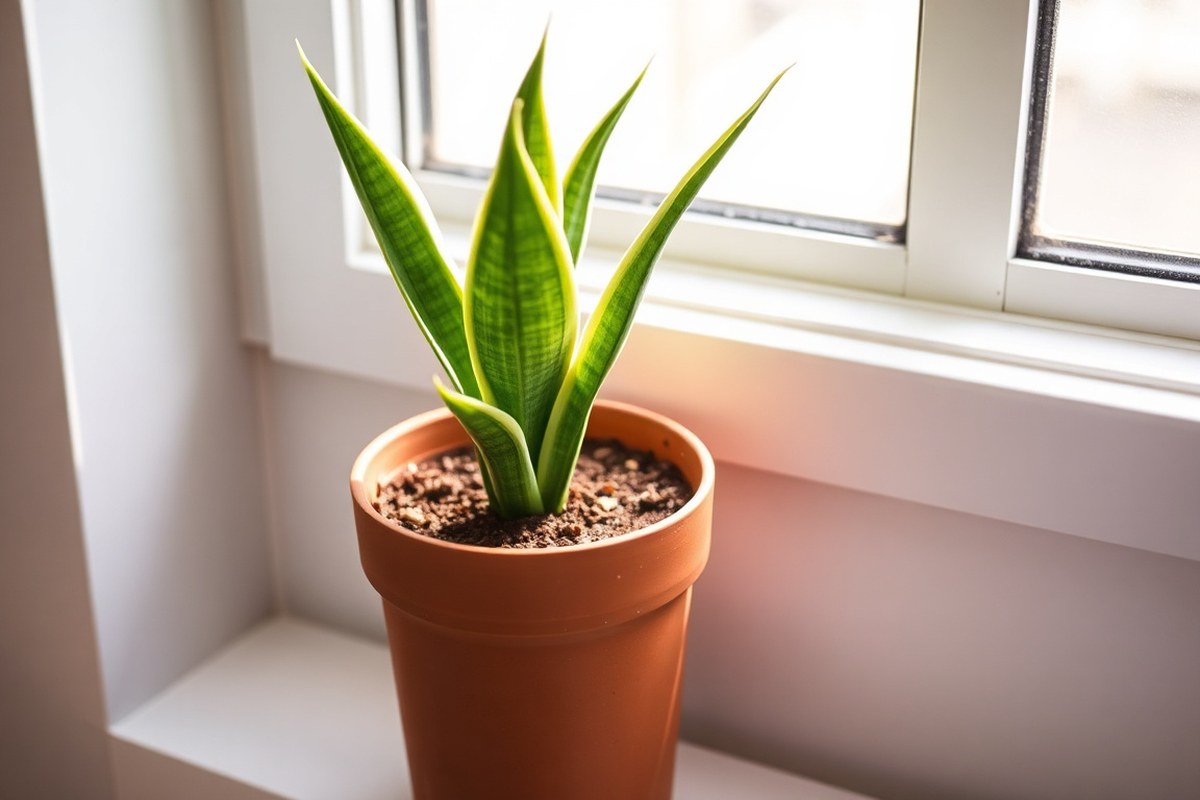
Water your snake plant every 10 to 45 days, depending on light, season, and pot type. In a bright spot, you might check soil every 8 days during summer. Cooler months mean watering less often, about every 3 to 6 weeks.
Snake plants rarely need watering every week. Too much water can lead to root rot.
Check the soil by pushing a finger 2 inches down. Water only if it feels dry.
Water your snake plant about 18 to 22 times a year. This applies to a 6-inch terracotta pot. The plant should receive moderate light.
Water slowly at the base using tepid water, avoiding the leaves. Always prevent standing water by letting the soil drain fully before watering again.
How Seasonal Changes Affect Snake Plant Watering
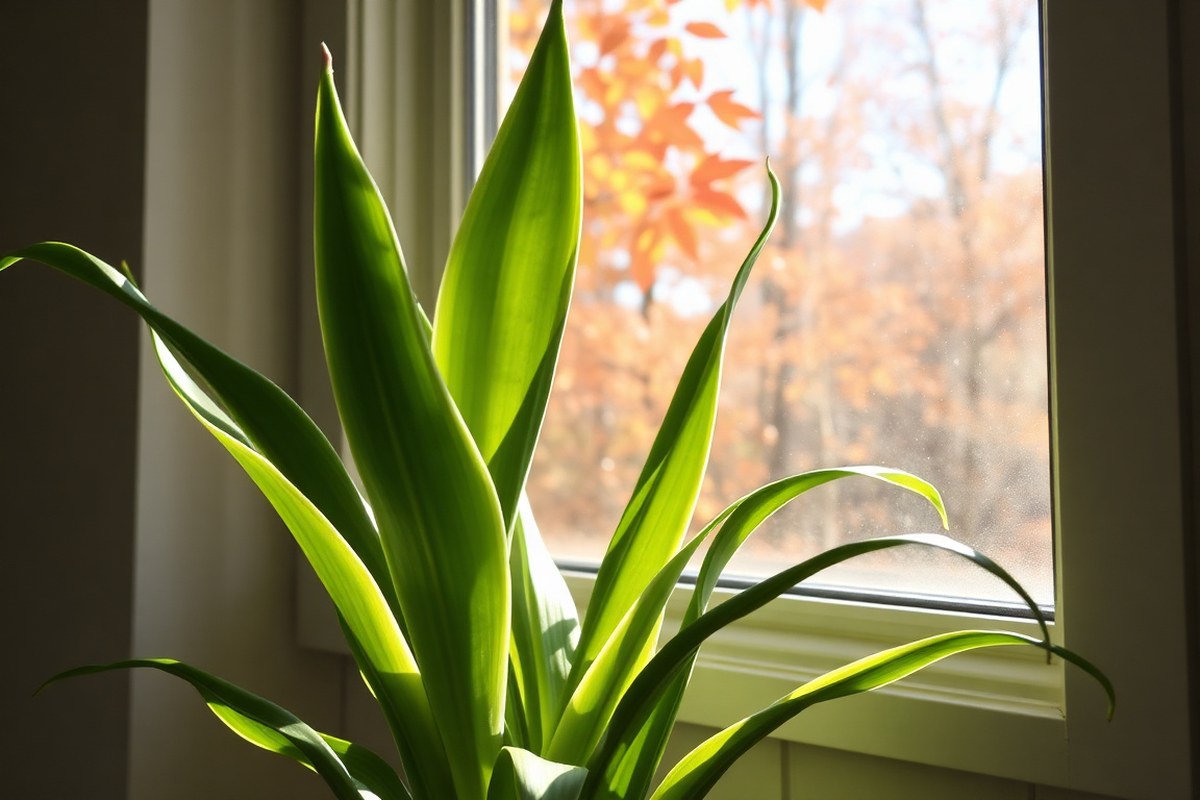
Your snake plant’s water needs change with the seasons. Water more often in warmer months and less in colder months. Adjust based on the soil drying out and the room temperature.
Watering Frequency in Spring and Summer
Spring and summer mean your snake plant is actively growing. Water your snake plant every 2 to 4 weeks.
Only water when the top 2 inches (5 cm) of soil feel dry. Check the soil with your finger before watering.
In bright spots, soil dries faster and may need more frequent checks. Around summer’s peak, watering every 10 to 14 days often works well. Keep the soil moist but not soggy to avoid root rot.
| Season | Watering Frequency | Soil Condition to Water | Signs to Watch For |
|---|---|---|---|
| Spring | Every 2 to 4 weeks | Top 2 inches fully dry | Soil drying faster with rising temps |
| Summer | Every 2 to 3 weeks | Top 2 inches fully dry | Watch for quicker drying in bright spots |
Check your soil weekly during hot days. The soil might dry faster sometimes.
Water your plant sooner in those cases. Use pots with drainage holes to avoid water buildup.
Watering Frequency in Fall and Winter
During fall, start reducing watering to every 4 to 6 weeks as the days get shorter. Let soil mostly dry before watering.
Winter is the slowest phase for your plant. Water much less, every 6 to 8 weeks, with soil completely dry throughout. Overwatering risks are much higher now.
| Season | Watering Frequency | Soil Condition to Water | Signs to Watch For |
|---|---|---|---|
| Fall | Every 4 to 6 weeks | Soil mostly dry | Begin reducing frequency |
| Winter | Every 6 to 8 weeks | Completely dry | Risk of overwatering highest |
In cold rooms, water less and let the soil dry more. Skip watering some weeks if your plant isn’t thirsty. Too much water now leads to mold and root issues.
How Temperature Influences Water Needs
As temperatures rise over 75°F (24°C), your snake plant uses water faster. You’ll see soil drying quicker, especially in small or terracotta pots.
At cooler temps below 60°F (15°C), it uses less water. Your watering schedule should stretch out to avoid soggy soil. Room temperature is a key signal to adjust your routine.
Check both soil dryness and room temperature before watering. Don’t just follow the calendar.
In summer heat, watering every 10 to 12 days works for many spots. Drop to every 6 to 8 weeks once winter sets in and temperatures stay low. Your plant slows its growth and needs less water.
Watering Frequency Depends on Pot Type and Size
Pot material makes a big difference in how often you water your snake plant. Terracotta pots are porous, so they dry out faster and need water more often.
Plastic and glazed ceramic pots hold moisture longer. You can wait more days between waterings with these pots.
Size matters too. Bigger pots have more soil, and that soil holds more water. So, larger snake plants in big pots need watering less often.
A 6-inch terracotta pot dries out slower than a 5-inch one. This means the plant needs watering less often.
| Pot Type & Size | Avg Time to Dry (to 2” depth) | Root Rot Risk (1, 10) | Recommended Watering Interval |
|---|---|---|---|
| 5” Unglazed Terracotta | 7, 9 days | 2 | 2.5, 4 weeks |
| 5” Glazed Ceramic | 14, 18 days | 6 | 3.5, 6 weeks |
| 5” Plastic (with drainage) | 16, 22 days | 8 | 4, 7 weeks |
| 5” Self-Watering Pot | Constant moisture | 9 | Avoid entirely |
| 6” Unglazed Terracotta | 10, 13 days | 3 | 3, 5 weeks |
Terracotta pots dry around 30 to 50 percent faster than plastic or glazed ceramic pots. This means you water terracotta pots more often. That’s why you water snake plants in terracotta 30 to 40 percent more often.
Place a snake plant in a plastic or glazed pot. Wait more days before watering it again.
Self-watering pots keep soil too moist for snake plants and raise root rot risk. It’s best to avoid these for snake plants. You can water by setting the pot in a shallow tray.
Fill the tray with about 2 inches of water. Let it sit for 10 to 15 minutes to soak up moisture through the holes.
How to Check If Your Snake Plant Needs Water
To know if your snake plant needs watering, test the soil moisture first. Checking the soil is more reliable than watering on a schedule.
You can check moisture with your finger, skewer, or by lifting the pot. Feel the soil or weight to decide if it needs water.
Finger Test: Feel the Soil Depth
The finger test checks soil moisture about 2 inches deep. This depth is where roots mainly take up water.
Dry soil at this depth means your snake plant is ready for water. Using your finger lets you avoid overwatering, which can harm the plant.
Follow these steps to get it right:
- Clean your hand to avoid transferring germs to the soil.
- Insert your index finger gently about 2 inches into the soil.
- Feel if the soil is dry or still moist around your finger.
- The soil is dry at 2 inches deep. Time to water the plant.
- The soil feels moist. Wait a few days before testing again.
Check the soil every 7 to 10 days, not every day. This keeps your watering routine healthy and precise.
Wooden Skewer or Chopstick Test
Using a wooden skewer or chopstick works like a free moisture meter. It picks up moisture clues from deep in the soil without disturbing roots. This method is useful if soil sticks to your finger or feels unclear.
Here’s how to do it properly:
- Push a clean wooden skewer or chopstick about 3 inches deep into the soil.
- Leave it in the soil for around 30 seconds to absorb moisture.
- Pull it out and check the stick’s tip for damp soil or dryness.
- The skewer tip looks or feels dry. Water your snake plant.
- The skewer tip is wet. Hold off watering and test again later.
This method shows how far moisture actually reaches in the pot’s soil. It works for plastic and ceramic pots too, which can hold moisture longer.
Lift Test: Checking Pot Weight
Lifting your snake plant’s pot gives a quick sense of soil moisture by weight. A wet pot feels noticeably heavier than a dry one. This test guides you when you’re still learning your plant’s watering rhythm.
Try these steps for the lift test:
- Lift your pot with both hands carefully to gauge its weight.
- Remember how heavy it feels when the soil is wet.
- Lift the pot again after several days to compare the weight.
- The pot feels lighter and soil is dry 2 inches down. Water now.
- The pot feels heavy. Wait a few more days before you check again.
This test is especially useful for larger pots or terracotta ones that dry faster. It helps avoid watering too soon or too late.
Best Methods to Water Your Snake Plant Effectively
The best way to water your snake plant depends on your pot and soil condition. Top watering works well for regular care. Bottom watering helps when the soil is very dry and resists water from above.
Top Watering: Slow and Even Application
Top watering means pouring water directly onto the soil surface. Doing it slowly prevents runoff and soaking the soil evenly. This method flushes salt buildup from fertilizer or tap water.
Use water at room temperature to avoid shocking the roots. Pour slowly until water drains from the pot’s holes. This shows the soil is fully moistened.
- Pick a watering can with a thin spout to help you pour precisely.
- Pour water gently over the soil surface in a circular pattern.
- Stop once water starts dripping from the drainage holes.
- Wait 10 minutes and remove any leftover water in the saucer.
- Check the soil moisture before watering again.
Don’t pour water too fast, or it will flow down the sides without moistening soil.
Bottom Watering: Soaking Through Drainage Holes
Bottom watering means placing your snake plant’s pot in water. The water travels up through drainage holes to soak the soil from below. This is best when the soil is very dry and repels water from the top.
Letting the soil absorb water slowly keeps roots healthy. Soak the pot in water for 20 to 30 minutes using a basin or sink. Avoid letting water sit around roots longer than half an hour.
- Fill a basin with room-temperature water.
- Set your potted snake plant in the water so the pot’s bottom touches water.
- Let the pot soak for 20 to 30 minutes to fully absorb moisture.
- Remove the pot and let excess water drain out.
- Place the pot back in its usual spot with good drainage.
Bottom watering reduces risk of overwatering but don’t leave the pot soaking all day.
Aftercare: Removing Standing Water
Always remove standing water after watering to avoid root rot. Snake plants don’t like wet feet and need well-drained soil. Any water left sitting in the saucer attracts fungus and pests.
Check saucers and trays after watering and dump excess immediately. Check that your pot has enough holes to drain water.
Use a rack or stones to keep it above dripping water. This stops roots from sitting in water.
- After watering, wait 10 to 15 minutes to let water drain.
- Check the plant’s saucer for leftover water.
- Pour out any standing water from saucer or tray completely.
- Raise the pot a bit using pot feet to improve airflow under it.
- Keep drainage holes clear of debris for proper water flow.
Never let your snake plant sit in pooled water after watering to prevent root disease.
Signs of Overwatering and Underwatering to Watch For
Overwatered snake plants often show yellowing leaves starting at the base. The leaves might also curl or feel soft and mushy. Water rot sets in when roots get too wet.
It blocks nutrient intake. That’s why overwatering kills snake plants.
Underwatered snake plants have dry, crispy leaf tips and may look wilted or limp. They start to brown and become brittle when they don’t get enough water. These symptoms mean the plant is stressed but usually recoverable after watering.
Underwatering is less harmful than overwatering since snake plants store water in their leaves. They can survive 3 to 4 weeks without water without permanent damage. Too much water, however, can kill the plant quickly by rotting the roots.
- Check the soil moisture with your finger before watering.
- Water only when the soil is dry at least 1 to 2 inches deep.
- Use pots with drainage holes to avoid standing water.
- Reduce watering during cooler months when the plant grows slower.
- Repot if the soil is compacted or drains poorly.
Fixing overwatering means you need to cut back watering and let the soil dry. Repotting into fresh, well-draining soil can also help. Roots that are rotten need trimming.
Use clean scissors to cut dead parts. Underwatered plants just need a good soak of water and better watering habits going forward.
Common Watering Mistakes and How to Fix Them
Watering your snake plant too often is the biggest mistake to avoid. Snake plants have shallow roots and can quickly develop root rot if the soil stays wet. Water your snake plant only when the top 1 to 2 inches dry.
Check the soil by touching it with your finger. Don’t water too often or the roots might rot.
Overwatering in cold rooms below 50°F boosts root rot risk. So adjust watering accordingly or hold off entirely if it’s too cold.
Underwatering is safer because a dry snake plant can recover in hours. Root rot from too much water often kills the plant. Never water on a fixed schedule.
Check soil moisture first and only water when needed. Also, avoid watering the leaves or letting water pool in the plant’s center. Misting isn’t necessary and may cause leaf rot on snake plants.
- Use pots with drainage holes to prevent water buildup at the bottom
- Check soil moisture weekly, especially if you water less often
- Don’t water if soil feels damp even a few inches down
- Move your plant away from cold windows or drafts in winter
- Water slowly at the soil surface, avoid splashing leaves
- Reduce watering frequency between 6 to 10 weeks during colder months
Check your roots for softness or black color. A foul smell could mean root rot. Act quickly to save your plant.
In that case, reduce watering drastically or repot in fresh soil. Snake plants don’t recover well from rot, so prevention is key. Following these steps can keep your snake plant healthy and stress-free.
How Water Quality and Environment Impact Watering Needs
Tap water is usually safe for snake plants. Make sure it is room temperature. Cold water can shock the plant roots.
You want to avoid cold water, which can shock the roots. Aim for water between 65 and 75°F before watering to keep the plant comfortable.
Filtered water works better if your tap water is very hard. It also helps if your water has lots of chlorine. This keeps your snake plant healthier.
Over time, hard water may leave mineral buildup in the soil, harming your plant. Using filtered water often costs a little more but helps prevent these issues.
Humidity directly affects how often your snake plant needs water. Higher humidity means the soil dries slower.
In dry indoor air, the soil dries faster. So watering might be needed more often, but always check the soil first.
Light also has a big role in watering. A snake plant in a bright window uses water quicker than one in a darker spot. Plants in low light need less water because they grow slower and lose less moisture.
Room temperature and humidity interact, so combine both when planning your watering. Keep your snake plant away from cold drafts or heaters, which can stress it. Watch the leaves for signs of stress before adjusting your watering schedule.
Use water at room temperature to avoid shocking your snake plant’s roots during watering.
Step-by-Step Action Plan for Watering Your Snake Plant
Follow this plan to keep your snake plant healthy with the right watering routine. Check your plant’s response in each step to adjust care as needed.
- Before you start: Check your pot’s drainage and soil type. Good drainage means less chance of root rot.
- Week 1: Water your snake plant lightly when the top 1-2 inches of soil feel dry. This helps you avoid overwatering early on.
- Week 2: Observe your plant’s leaves for firmness and color. Firm, bright leaves show healthy hydration.
- Weeks 3-4: Adjust watering to once every 2-3 weeks, depending on season and room temperature. More heat means you might need to water more.
- Month 2: Check soil moisture weekly with your hand or a moisture meter. Water only when the soil is dry.
- Ongoing: Watch for signs of overwatering like mushy leaves or brown tips. Cut back on water if those appear.
- Season change: Reduce watering in fall and winter to once every 4-6 weeks. The plant grows slower then.
- Every few months: Flush soil with water once to prevent salt build-up. This keeps roots healthy without overwatering.
Frequently Asked Questions
How Often Should I Water My Snake Plant During the Growing Season?
Water your snake plant every 2 to 4 weeks in the growing season. Check the soil moisture before watering to avoid overwatering.
Can I Water My Snake Plant Once a Month and Still Keep It Healthy?
Yes, watering once a month often works if the soil is dry. The key is to let the soil dry up between waterings.
Does the Type of Pot Affect How Often I Water My Snake Plant?
Yes, pots made of terracotta dry out faster than plastic pots. Check soil moisture more often with terracotta pots.
How Does Light Exposure Change How Often to Water My Snake Plant?
More light means the soil dries faster, so water more often. In bright light, check soil every 8 days in summer.
Can I Use the Finger Test to Decide When to Water My Snake Plant?
Yes, stick your finger about an inch into the soil. If it feels dry, it’s time to water.
What Signs Show That I’m Overwatering My Snake Plant?
Yellow, mushy leaves usually mean overwatering. Make sure the pot drains well to prevent root rot.
Wrapping Up
Your snake plant thrives on less frequent watering with dry soil in between. Start by checking moisture weekly and watching its leaves. Adjust your watering carefully and enjoy the easy care of this tough, attractive plant.