How to Plant Jalapeno Plants: Complete Guide for Growing Hot Peppers
The key to planting jalapeno plants is starting at the right time. Sow jalapeno seeds inside your home 6 to 8 weeks ahead of the last frost date. Doing this helps seedlings grow strong in a warm environment before going outside.
Use seed trays or small pots filled with a light, well-draining seed starting mix. Keep the soil moist but not soggy. Place the container in a warm spot around 70°F. Seedlings usually sprout within 7 to 14 days under these conditions.
After the last frost, move your young plants outside gradually. Give them six or more hours of sun each day for best growth. Plant them about 18 inches apart so they don’t crowd.
Choose a sunny spot with well-draining soil for your jalapeno plants. Avoid cold temperatures. Peppers don’t like it below 40°F. Starting strong means healthier plants and better peppers later.
Key Takeaways
- Start jalapeno seeds indoors 6-8 weeks before last frost date.
- Transplant seedlings outdoors after last frost with at least 6 hours of sun.
- Space plants 18-24 inches apart to allow room for growth.
- Use a sunny location that gets 6-8 hours of direct sunlight daily.
- Pinch off tips when plants reach 6-8 inches to promote bushiness.
- Protect plants from frost and cold temperatures below 40°F.
When and How to Start Jalapeno Seeds Indoors
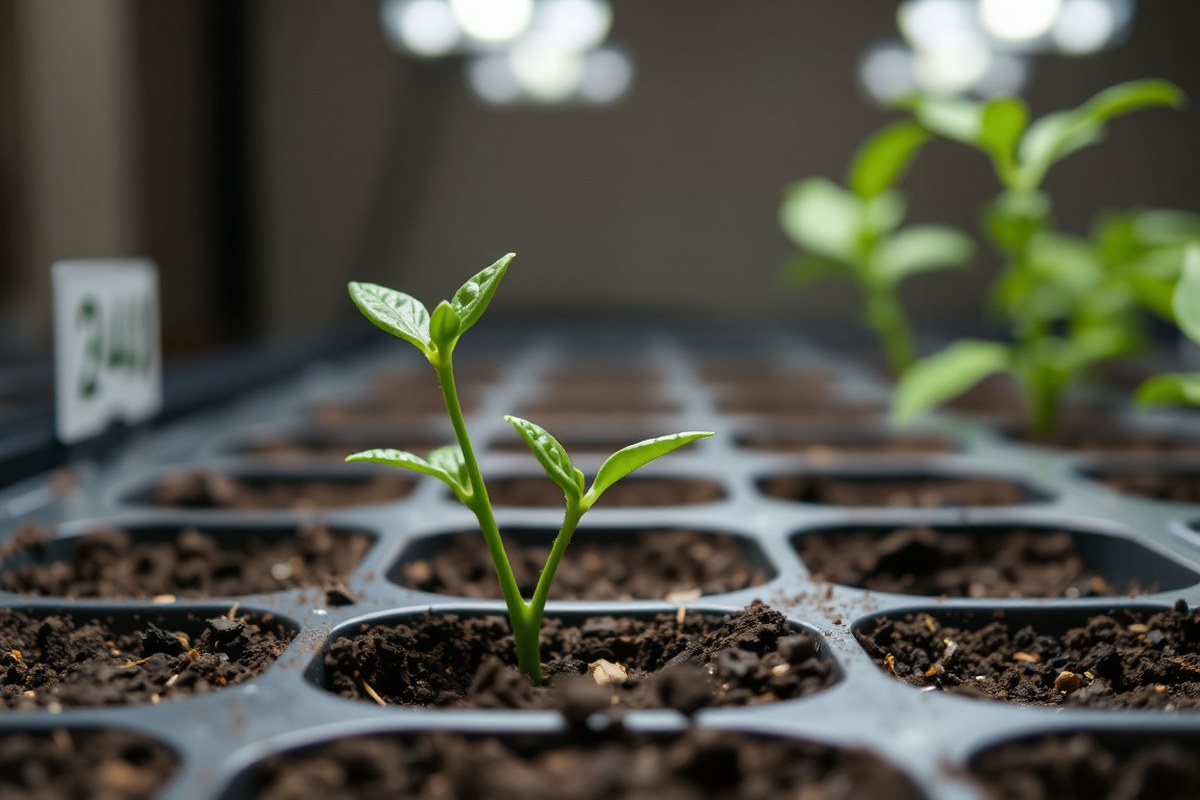
Start jalapeno seeds indoors about 6 to 8 weeks before your area’s last frost date. Seeds need a light, well-draining seed starting mix. Plant them roughly 1/4 inch deep to help them sprout well.
Keep soil moist but not soaking wet. A temperature around 75 to 85°F encourages faster germination. Place seedlings under bright light for at least 12 to 16 hours daily to avoid legginess.
Jalapeno seeds usually sprout within 7 to 14 days if conditions are right. You can space seeds about 1 inch apart in seed trays. Later, transplant seedlings 18 to 24 inches apart in your garden.
Follow these steps to start jalapeno seeds indoors successfully:
- Fill seed trays with a moist seed starting mix. Avoid heavy garden soil that retains too much water.
- Plant seeds 1/4 inch deep, spacing them about 1 inch apart in the tray. Cover lightly with mix.
- Keep the trays in a warm place where soil stays around 75 to 85°F. A heating mat helps if your home is cool.
- Place the trays near a bright window or under grow lights. Provide 12 to 16 hours of light each day.
- Maintain consistent moisture, mist the surface or water gently. Avoid overwatering to prevent seed rot.
- Watch for germination in 7 to 14 days. Remove any seeds that fail to sprout after three weeks.
- Once sprouts appear, thin seedlings to avoid overcrowding if needed. Thin by snipping weaker seedlings at soil level.
- Start hardening off your seedlings about a week before transplanting. Gradually expose them to outdoor conditions.
Preparing and Choosing the Best Location for Planting
Choose a spot that gets 6 to 8 hours of direct sunlight daily. Jalapeno plants need full sun to grow healthy and produce peppers. Avoid shady areas, or your plants will struggle and yield less.
Check your soil before planting. Jalapenos prefer well-drained, moist soil with a pH between 6.0 and 6.8. Your soil needs improvement if it’s dense clay or sandy.
Add compost or well-rotted manure for better nutrients and drainage. This helps jalapeno plants grow stronger and stay healthy.
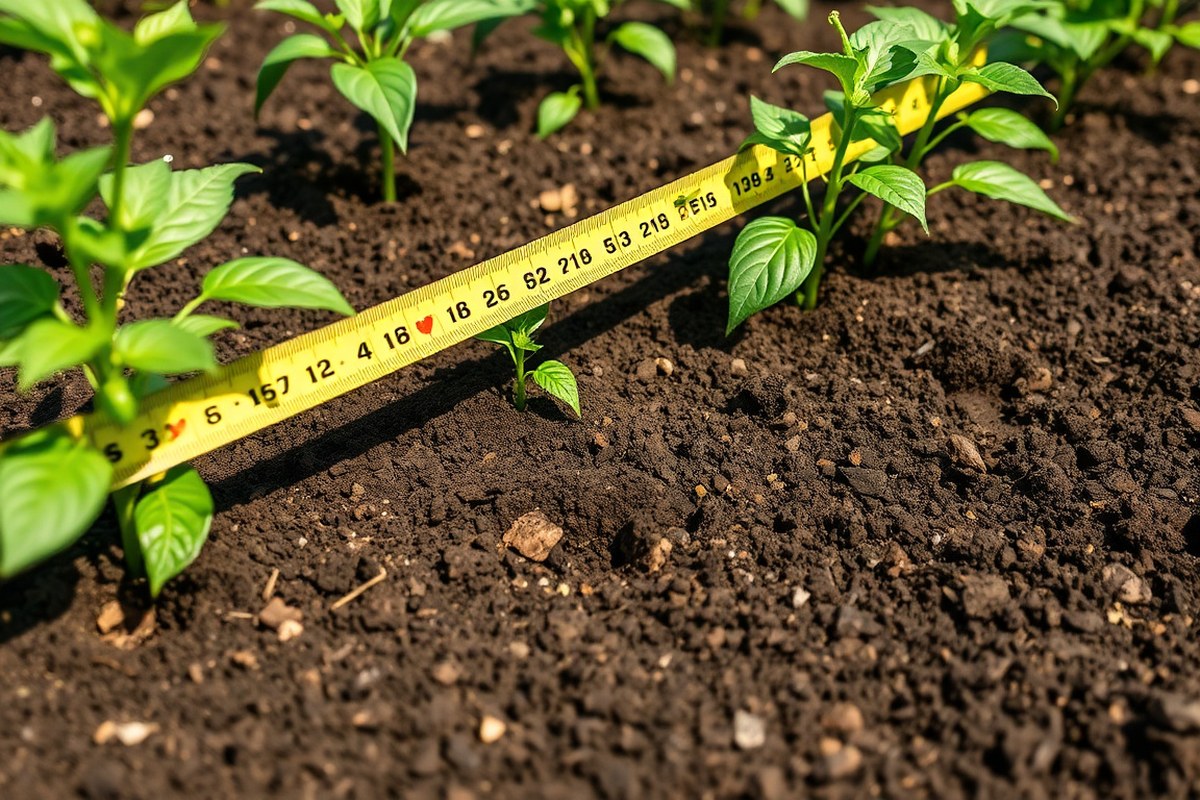
Space your plants about 18 inches apart in rows that are 24 to 36 inches apart. This spacing lets plants grow without crowding. Air can flow around each plant.
Good airflow helps avoid diseases. Crowding can lead to weaker plants and fewer peppers.
No garden space? Try growing jalapenos in containers instead. Pick pots at least 12 inches deep with drainage holes.
Use high-quality potting mix and water regularly. Containers warm up faster but dry out more quickly, so check soil moisture often.
In-ground planting suits large gardens and beds. Choose a raised bed or well-prepared garden soil that stays warm and drains well.
Wait until the soil reaches 60°F before planting outdoors. Cold soil slows growth and can kill young plants.
Plant jalapenos only after the last frost to avoid cold damage below 40°F.
How to Transplant Jalapeno Seedlings Successfully Outdoors
Transplant jalapeno seedlings outdoors after the last frost and when the soil warms. Space plants about 18 inches apart for good air flow. Hardening off the seedlings beforehand helps avoid shock and sets them up for success.
Hardening Off Seedlings
Hardening off means gradually getting seedlings used to outdoor conditions. It lowers transplant shock and boosts plant strength for sun, wind, and cooler temperatures.
Begin by putting seedlings in shade and shelter for 30 to 60 minutes. This protects them from harsh sun on the first day. Keep them safe during this initial time.
Each day, increase their exposure to sun and wind slowly over about 7 days. Protect them from strong wind and direct hot sun early on.
Preparing the Garden Soil
Jalapenos grow best in well-drained, fertile soil with a pH between 6.0 and 7.0. Loosen the soil deeply before planting to help roots expand freely. Mix in compost to boost nutrients and mulch retention.
Check drainage by digging a hole about a foot deep. Fill it with water.
The site drains well if it absorbs water within 2 hours. Avoid heavy clay soil or raised beds if drainage is poor.
Planting and Early Pruning
Space seedlings about 18 to 24 inches apart to prevent crowding and disease. Dig holes just big enough for the root ball. Water each hole before planting to settle the soil around roots.
Prune plants back to the second or third leaf set once they grow about 12 inches. This helps the plant grow bushier and produce more fruit. For seedlings 6 to 8 inches tall, pinch off the tips to start shaping the plant early.
Follow these steps to transplant your jalapeno seedlings successfully:
- Check that the last frost has passed and soil temperature is above 60°F.
- Harden off seedlings by moving them outdoors gradually over 7 days.
- Prepare the garden bed by loosening soil and mixing in compost.
- Space plants 18 to 24 inches apart in holes pre-watered for moisture.
- Plant seedlings carefully, keeping roots intact and covered fully with soil.
- Water seedlings deeply immediately after planting to settle soil around roots.
- Pinch stem tips back when plants reach 12 inches tall for healthier growth.
- Mulch around plants to retain soil moisture and reduce weeds.
Watering, Feeding, and Sunlight Needs for Healthy Jalapenos
Jalapeno plants need about 1 to 2 inches of water per week. Water deeply to encourage strong roots. Avoid shallow watering that only moistens the surface.
They thrive best with 6 to 8 hours of direct sunlight every day. More sunlight helps the peppers grow spicy and healthy. Less than 6 hours can slow growth and reduce peppers.
Fertilize jalapenos with a balanced 5-10-10 fertilizer every 4 to 6 weeks. This provides enough phosphorus and potassium for good fruit development. You can feed every 2 to 4 weeks for best results.
Do this more often in hot summer months. It helps your plant grow well.
Jalapenos especially need phosphorus and potassium for strong fruit. Nitrogen helps leaf growth but too much delays pepper production. Use organic or synthetic fertilizer based on what you prefer and follow label instructions carefully.
In hot or dry weather, water more often to prevent stress. Plants may produce spicier fruit if slightly stressed but don’t let soil dry out completely. Use drip irrigation or water at soil level only.
This avoids wetting the fruit directly. It cuts down the risk of disease.
During scorching days above 85°F, water deeply every other day. Mulch around plants to keep soil moist longer. Too little water makes leaves curl and lowers pepper quantity.
Try to increase light when your location is shady. Trim nearby plants to let in more sun. Use grow lights indoors if needed.
Insufficient light leads to weak plants and few peppers. A sunny spot ensures steady growth throughout the season.
Pruning and Training Jalapeno Plants for Better Yield
Pruning jalapeno plants helps them grow bushier and produce more peppers. Pinching and topping remove growing tips to encourage side shoots. This works best when plants are young and actively growing.
Timing for First Pruning
Start pinching when your jalapeno plant reaches 6 to 8 inches tall. This is usually a few weeks after transplanting. Pruning too early can stunt growth, and too late reduces the bushy effect.
Late spring or early summer is ideal for the first prune. The plant then has enough energy to respond by growing wider. Avoid pruning if the plant is stressed or very small.
How to Pinch and Top
Remove the stem tip just above the second or third pair of leaves. Pinch with your fingers or use clean scissors. This stops upward growth and triggers side branches to grow.
- Look for a healthy shoot about 6-8 inches tall.
- Find the second or third leaf set below the top.
- Pinch or cut the stem just above that leaf node.
- Discard the removed tip to avoid pest attraction.
- Water the plant well after pruning to reduce stress.
- Repeat if needed after a few weeks, but not too often.
Pinching the wrong place can stunt your plant. So be precise above the second or third leaf pair.
Avoiding Over-Pruning
Only prune healthy parts of the plant. Trim branches that don’t have fruit or look weak. Avoid removing too many leaves, as they provide energy for peppers to grow.
Don’t cut back more than one-third of the plant at a time. Over-pruning slows fruit production and leaves the plant vulnerable. Always use clean tools to prevent disease.
Common Pests, Diseases, and How to Prevent Them
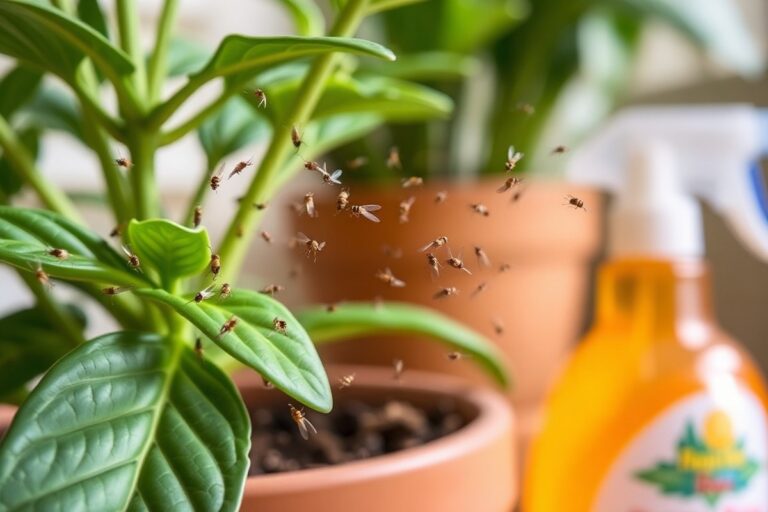
Aphids, spider mites, and whiteflies often attack jalapeno plants. You can spot aphids as small, soft insects on the undersides of leaves. Spider mites leave behind tiny webs and cause leaves to look speckled or dull.
Whiteflies are tiny white bugs that fly up when the plant is disturbed. These pests suck plant juices and weaken your peppers.
Jalapenos also face issues from pepper weevils, caterpillars, beetles, and worms. Pepper weevils mostly affect plants in southern states and bore into pepper pods. Caterpillars and worms chew holes in fruit and leaves, making plants look ragged.
Beetles damage leaves and stems by feeding on them. You can check plants regularly for holes, chewed spots, or small insects.
Diseases like phytophthora blight, verticillium wilt, and mosaic virus cause serious problems. Plants with phytophthora blight wilt and rot near the soil line. Verticillium wilt shows yellow, curled, or dropping leaves.
Mosaic virus stunts growth and causes streaked, spotted, or curled leaves. Diseased plants should be removed and discarded quickly to stop spread.
Keep pests and diseases at bay by maintaining good hygiene in your garden. Remove old plant debris and weeds where pests hide and spread disease. Water jalapeno plants evenly to avoid stress but do not overwater.
Mulching with straw or leaves keeps soil moist and reduces weeds. Removing affected leaves and cleaning tools also cuts down on problems.
Organic controls like Bt (Bacillus thuringiensis) and spinosad work for caterpillars and worms. Use these sparingly and only when you see pests. Aphids and whiteflies can be washed off with a strong spray of water.
You can also try insecticidal soaps or neem oil, which disrupt pests without harming beneficial insects. Always test sprays on a few leaves first to ensure no damage.
Yellowing leaves often happen from overwatering, underwatering, or nutrient issues. Check soil moisture and adjust watering habits if leaves turn yellow. Blossom drop can happen when temperatures stay above 90° Fahrenheit.
Shade plants during hot afternoons or water more deeply to help reduce heat stress. Protect young plants from cold nights near 40° Fahrenheit with covers or blankets.
Harvesting Jalapeno Peppers: When and How to Pick
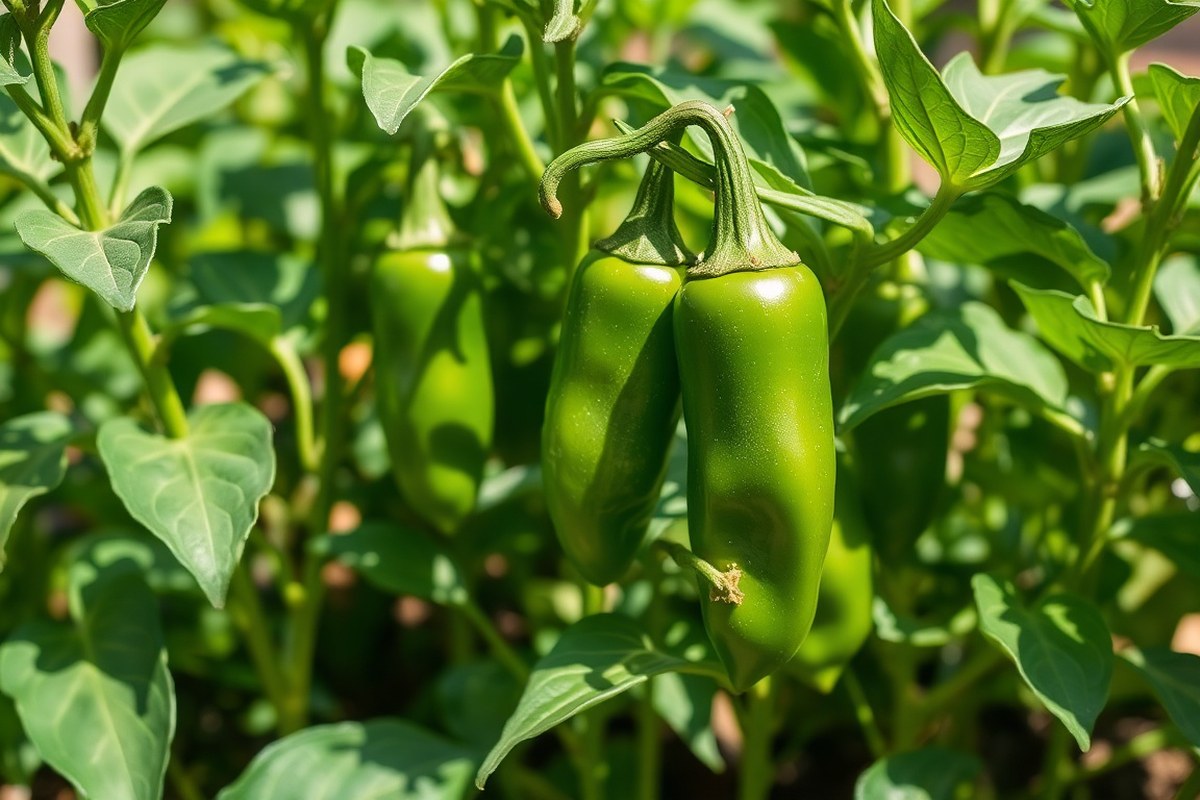
Jalapeno peppers usually take about 70 to 85 days from planting to reach harvest time. You’ll know they’re ready when the peppers are firm and shiny. They usually range from 4 to 6 inches long.
You can pick the peppers green or wait for them to change colors. Red, orange, or yellow peppers taste sweeter and less spicy.
To spot mature jalapenos, check that the skin is smooth and bright without wrinkles. They should feel firm to the touch and have a glossy shine. Avoid peppers that look soft or dull because they may be overripe or starting to spoil.
Green jalapenos are the most common to harvest. They have a crisp heat and last longer in storage. Letting them turn red adds sweetness but shortens storage time.
You can pick some peppers green and leave others on the plant. This depends on the flavor you prefer.
Use clean garden pruners or scissors to harvest peppers to avoid damaging the plant. Cut the stem about a half-inch above the pepper, rather than pulling or twisting it off. This prevents tearing branches and helps the plant keep producing more fruit.
Pick peppers as soon as they meet these rules. Picking often helps the plant grow new pods.
Removing mature peppers also helps prevent pest problems. Check your plants every few days once they start fruiting.
Freshly picked jalapenos store well in the refrigerator for about one to two weeks. Put them in a paper bag or ventilated container to keep moisture balanced.
For longer storage, you can freeze or dry the peppers. But fresh ones taste best within a couple of weeks.
Choosing the Right Jalapeno Varieties for Your Garden
Picking the right jalapeno variety depends on your garden size. It also depends on how soon you want peppers. You should consider how spicy you like them.
Some grow faster, some get bigger, and others thrive better in pots or certain climates. Use the table below to compare popular types by size, heat, and days to harvest.
| Variety | Size (inches) | Heat Level (Scoville Heat Units) | Days to Harvest | Best for Containers | Climate Suitability |
|---|---|---|---|---|---|
| Early Jalapeno | 2.5, 3 | Moderate (2,500, 8,000) | 75, 80 | Yes | Cool to Moderate |
| Mammoth Jalapeno | 3.5, 4 | Moderate to Hot (3,000, 8,000) | 85, 90 | No | Warm and Long Season |
| Super Nacho | 3, 3.5 | Hot (4,000, 10,000) | 80, 85 | No | Warm Seasons |
| Jalapeno Fooled You | 2.5, 3 | Very Mild (Almost No Heat) | 80, 85 | Yes | Moderate |
This chart helps you pick a variety for your heat preference, garden size, and climate. Early Jalapeno is a good choice for quick peppers. It works well in small containers.
You’ll get fresh peppers faster with this variety. Larger types like Mammoth need more space and warmer weather.
Early Maturing Jalapenos
Early Jalapeno plants are smaller and produce fruit faster, often within 75 to 80 days. This variety suits beginners who want quicker results and peppers for pickling or stuffing. Their manageable heat is ideal for most palates.
Because these plants stay compact, you can grow them in smaller garden spots or containers. They do well in cooler climates where the growing season is shorter. This lets you enjoy fresh peppers before fall.
Large Pepper Varieties
Mammoth Jalapeno grows bigger fruits, around 3.5 to 4 inches long. They tend to pack more heat, so expect a stronger kick than Early Jalapenos. These take 85 to 90 days to mature, perfect for longer summers.
Super Nacho is a large type with thick walls. Its spicy flavor ranges from moderate to hot. This variety is great if you like heat.
These need warmer climates and a full growing season for best results. They’re not a great choice for containers due to their size.
Container-Friendly Varieties
Early Jalapeno stands out for container gardening because of its compact plant size and early harvest. You can grow it in pots as small as 12 inches wide. This helps if you have limited space or only a patio to garden.
Jalapeno Fooled You offers a mild flavor close to traditional jalapenos but has almost no heat. It’s also good for containers and moderate climates. This variety is great if you want the jalapeno taste without the burn.
Make sure your pepper plant gets enough sunlight every day. Keep the soil moist, especially in containers. Soil in containers tends to dry out fast.
Step-by-Step Action Plan for Growing Jalapeno Peppers
Follow these steps to plant, care for, and harvest your jalapeno peppers. This plan guides you through each key phase for successful growth.
- 2 months before last frost: Start jalapeno seeds indoors in seed trays with warm soil (70-80°F). Seeds should sprout in 7-14 days.
- 4 weeks after sprouting: Move your seedlings to larger pots. Give them 14-16 hours of bright light each day. This helps stop leggy growth.
- 2 weeks before transplant: Start hardening off your seedlings. Take them outside for a few hours daily. Do this gradually over two weeks. Leaves should look healthy and undamaged.
- After last frost date: Plant seedlings in well-drained, sunny garden spots spaced 18-24 inches apart. Soil should be moist but not waterlogged.
- First month outside: Water deeply once or twice a week depending on rainfall. Check soil moisture by sticking a finger about 1 inch deep.
- Weeks 4 to 8: Feed plants every 2 weeks with balanced fertilizer (10-10-10). Prune any crowded branches to help air circulation and fruit production.
- Week 6 and onward: Watch for pests like aphids or spider mites. Treat with insecticidal soap if you spot sticky leaves or webbing.
- 8 to 12 weeks after transplant: Harvest jalapenos when they reach 3 inches and are firm. Pick regularly to encourage more peppers.
Frequently Asked Questions
How Deep Should I Plant Jalapeno Seeds in the Soil?
Plant jalapeno seeds about 1/4 inch deep in moist soil. This depth helps seeds get the right moisture and sprout effectively.
Can I Grow Jalapeno Plants Indoors Without Natural Sunlight?
You can grow them under grow lights providing 12-16 hours of light daily. Keep the light 2-4 inches above plants to mimic sunlight.
How Do I Know When My Jalapeno Seedlings Are Ready to Transplant?
Seedlings are ready when they are 4-6 inches tall with 2-3 sets of true leaves. This size ensures they can handle outdoor conditions.
Is It Necessary to Harden Off Jalapeno Seedlings Before Planting Outside?
Yes, gradually expose seedlings to outdoor sun and wind for 7-10 days. This lowers transplant shock and boosts survival rates.
What Type of Soil Is Best for Planting Jalapeno Peppers?
Well-drained, fertile soil with pH between 6.0 and 6.8 works best. Adding compost improves nutrient content and moisture retention.
Do Jalapeno Plants Need Support as They Grow?
Usually no, but if plants get heavy with peppers, a small stake helps. Supporting prevents branches from breaking under weight.
Before You Go
Growing jalapeno peppers takes patience but you’ll enjoy fresh spicy fruits. Next, check your garden’s soil pH to make sure it’s between 6.0 and 6.8 for best results.
Keep an eye on your plants often. Don’t hesitate to adjust water or light as they grow.