How to Grow Garden Plants: Simple Steps for Fast Success and Healthy Harvests
Knowing how to grow garden plants starts with picking the right spot. Plants need plenty of sunlight and well-prepared soil to thrive. Choose a spot that gets at least six hours of sun daily.
The soil should be loose and rich. This helps your plants grow well.
Next, decide which plants suit your climate and space. Some vegetables need lots of room, like okra, which takes about three feet between rows. Loosen the soil before planting.
Mix in compost or organic matter. This helps roots spread and absorb nutrients.
Watering correctly is key to healthy plants. Check the top two inches of soil.
Water your plants when the soil feels dry to the touch. Avoid overwatering, as plants absorb water mainly through their roots, and soggy soil can hurt them.
Key Takeaways
- Pick a garden site with at least six hours of direct sunlight daily.
- Loosen soil and add compost to help roots spread and absorb nutrients.
- Space plants according to their size; okra needs about 3 feet between rows.
- Water garden plants when the top 2 inches of soil feels dry to the touch.
- Choose quick-growing plants like spinach and radishes for containers.
- Use garden beds 2 to 3 feet wide to reach all plants easily.
How to Successfully Grow Garden Plants Step-by-Step

Starting a garden takes planning and steady care before you see results. Good moves early on make your plants grow strong and healthy. After planting seeds or young plants, watch them closely to adjust water and protect from pests.
Follow these exact steps to start growing your garden plants right away.
- Choose your plants and get them ready. Pick seeds or transplants that fit your climate and garden space. For cool-season crops, plan for early spring or late summer. Warm-season crops thrive in full sun and warm soil.
- Prepare your garden bed carefully. Clear weeds and loosen soil to at least 8 inches deep. Mix in compost or organic matter to improve texture and fertility. Good soil helps roots grow deep and plants absorb nutrients.
- Plant seeds or transplants at the right depth and spacing. Use a seed starting calendar to know the best time. Press seeds gently into soil without burying too deep. Transplants need holes slightly bigger than their root balls.
- Water immediately after planting. Use a gentle spray or watering can to avoid washing seeds away. Keep soil moist but not soggy for the first weeks. Check soil daily, especially in warm, dry weather.
- Protect young plants from pests and harsh weather. Scatter marigolds near vulnerable crops to repel beetles naturally. Use row covers if needed to shield from frost or insects. Watch for signs of disease or damage every few days.
- Feed plants with balanced fertilizer as they grow. Apply a natural product like Miracle-Gro® Shake ‘n Feed every 3 to 4 weeks. It supports strong stems and abundant fruit. Follow package directions to avoid overfeeding.
- Thin seedlings to prevent overcrowding. Remove smaller or weaker plants early to give others room. Crowded plants compete for water, light, and nutrients. Space varies by plant, but at least 6 to 12 inches apart is common.
- Harvest crops when ripe and mature. Pick vegetables and fruits on dry days for best flavor. Harvesting regularly encourages plants to keep producing more. Don’t leave overripe produce on plants to prevent rot and pests.
Choosing the Best Location and Preparing Your Soil
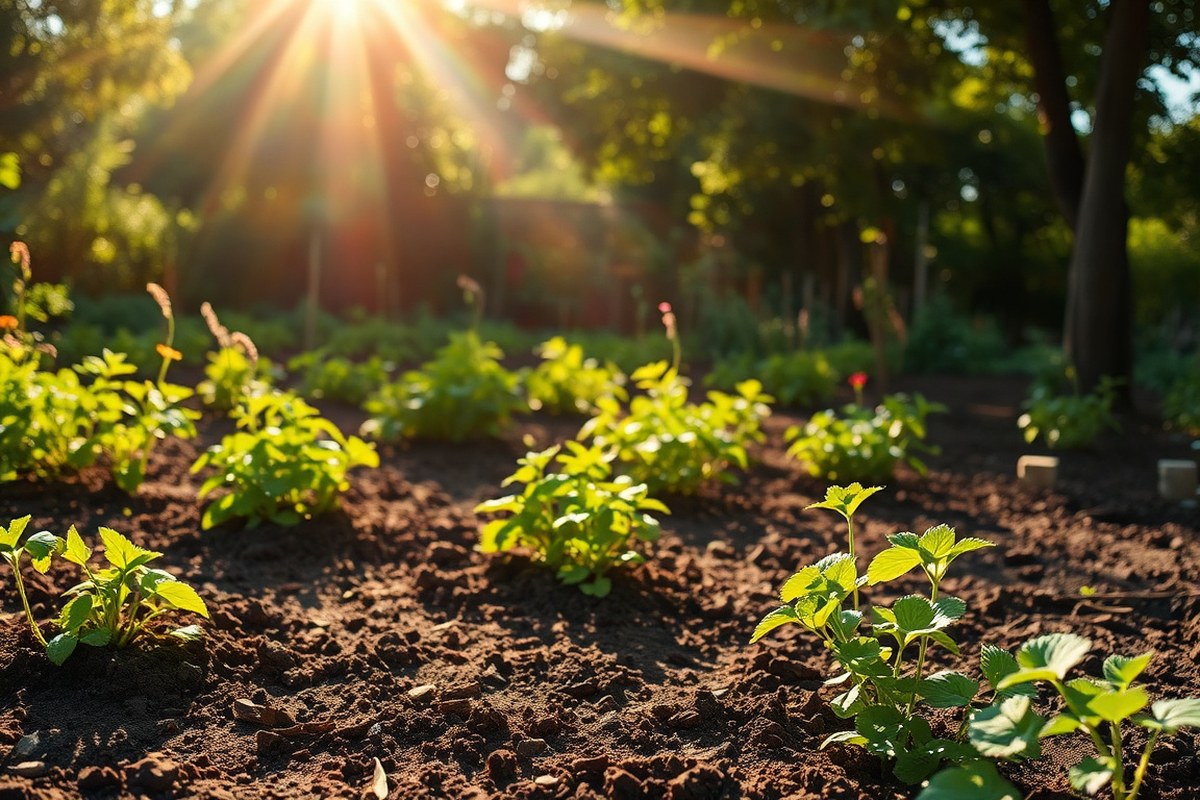
Most garden vegetables need at least six hours of direct sunlight daily. Plants like tomatoes, squash, and cucumbers thrive with full sun. Choose a spot with no shade from trees, shrubs, or buildings.
Plants grow better with plenty of sunlight. This helps them become strong and produce well.
Check your garden soil for drainage by digging a small hole and filling it with water. Water standing for hours shows poor drainage in the area. This can cause root rot over time.
Raise the bed to fix poor drainage problems. Adding organic matter like compost helps too. This improves soil texture and drainage.
Vegetables prefer soil with a pH close to 7, which is neutral. Test your soil with a kit from garden centers or online. Add lime to raise pH.
Use sulfur to lower it. Add well-rotted compost or aged manure to most soils.
It improves fertility and helps keep moisture in. This benefits your plants overall.
Pull up any rocks, old roots, or debris that block roots from spreading easily. Use a garden fork or spade to turn soil 8 inches deep. This loosens the soil before planting.
It helps roots spread easily. Spread 2 to 3 inches of organic matter over the soil surface.
Work it well into the soil for better health. This feeds the soil and plants.
Keep in mind, existing plants nearby will compete for water and nutrients. Give your garden space away from large shrubs or tree roots. Mulch with straw or shredded leaves after planting.
It lowers weeds and keeps soil moist. This means you water less and plants stay healthy.
Choose garden spots with no puddles after rain and at least six hours of sun. Poor drainage or shade can stunt growth and reduce your harvest.
Selecting Plants: Seeds vs Transplants and Choosing Varieties
Choose plants suited to your hardiness zone and garden microclimate. Decide between seeds or transplants based on the crop type and your timing.
Starting seeds indoors helps with early crops. Transplants offer quicker results for some plants.
Starting Seeds Indoors Step-by-Step
Start seeds indoors 6 to 8 weeks before your last frost date. Use seed trays or small containers with a light seed-starting mix. Keep the soil moist but avoid making it soggy.
Place trays in warm, bright spots near a window. You can also use grow lights for extra light.
Some cool-season crops like kale, broccoli, and Swiss chard need earlier indoor starts. This lets you plant young, stronger seedlings outside early in spring. Label each tray with the planting date and variety to stay organized.
Benefits and Drawbacks of Transplants
Transplants are young plants started in controlled conditions and sold ready to plant. They save time, helping you skip the early germination phase. Transplants work well for warm-season crops like tomatoes, peppers, and eggplants.
Seeds can cost just a few dollars per packet. Transplants often cost $3, $5 each.
Transplants might face transplant shock if not handled carefully. Some crops like root vegetables (carrots, beets) do better from direct seeding.
Use transplants if you want earlier harvests or if seeds take a long time to mature. Direct-seeded crops have a simpler start and can be more cost-effective overall, especially for hardy vegetables.
Matching Plant Varieties to Your Zone and Season
Check the USDA Plant Hardiness Zone Map to find your zone. The map shows average yearly low temperatures. Use it to plan your garden.
Choose seed or plant labels that specify your zone for better survival rates. Using varieties suited to your zone avoids constant fuss over plant stress.
Microclimates in your garden can help sensitive plants survive. For example, warm spots near south-facing walls allow marginal zone plants to thrive there. Plan your garden by grouping cool-season and warm-season crops in different areas.
Here’s a quick comparison to help you pick plants by zone and season:
| Plant Type | Best for Seeds or Transplants | Season | Zone Range |
|---|---|---|---|
| Kale, Broccoli, Swiss Chard | Start Seeds Indoors | Cool Season | Zones 3-9 |
| Tomatoes, Peppers, Eggplants | Use Transplants | Warm Season | Zones 4-10 |
| Carrots, Beets | Direct Seed | Cool or Warm | Zones 3-9 |
| Red Maple Tree (Example) | Transplant | Year-round (planting varies) | Zones 3-9 |
| Shrimp Plant (Example) | Transplant | Warm Season | Zones 9-11 |
Pick smaller starter plants from reliable nurseries like Bonnie Plants. Read labels carefully to confirm variety details and zone suitability. Allow enough space between plants by following recommended spacing on seed packets or plant tags.
Proper Planting Techniques and Garden Layout Tips
Plant seeds or transplants at the right depth and distance to help roots grow strong. Plan garden beds to use space well and avoid crowding plants. Proper layout makes watering and care easier while keeping plants healthy.
Recommended Plant and Row Spacings
Plant seeds 1/4 to 1/2 inch deep. This is about three times the seed diameter. Check the seed packet if it says something different.
Transplants need holes slightly bigger than their root ball. Space plants far enough apart to let leaves grow without touching each other.
Examples vary by species. For example, okra plants need 3 feet between rows.
Smaller herbs like basil can be spaced 6 to 12 inches apart. Pay attention to the seed packet or plant tag for specific spacing details.
| Plant Type | Seed Depth | Spacing Between Plants | Row Spacing |
|---|---|---|---|
| Carrots | 1/4 inch (0.64 cm) | 2 to 3 inches (5 to 7.5 cm) | 12 inches (30 cm) |
| Tomatoes (transplants) | Plant root ball deep | 18 to 24 inches (45 to 60 cm) | 24 to 36 inches (60 to 90 cm) |
| Okra | 1/2 inch (1.27 cm) | 12 to 18 inches (30 to 45 cm) | 36 inches (91 cm) |
Raised Beds Versus In-Ground Layouts
Raised beds make planting and soil care easier and improve drainage. They warm faster in spring, giving plants a good start. You can build raised beds with wood or bricks.
They cost about $50 to $150. The price depends on the bed’s size.
In-ground gardens can be bigger and cheaper but may have harder soil or drainage problems. Small gardens with well-prepared soil work best for beginners to practice planting and care. You can plant herbs in containers if you don’t have ground space at all.
Block planting in beds helps save space compared to single rows. Group plants with similar water and sunlight needs together to make care simpler.
Preventing Soil Compaction and Creating Walkways
Keep beds no longer than 10 feet so you don’t step into them. Soil gets compacted if you walk on it, which limits water and root growth. Use paths 12 to 18 inches wide between beds to access plants without damage.
Clear walkways help you water and harvest evenly. Raised beds often make organizing paths easier. Avoid crowding plants too close or roots will compete for nutrients.
- Mark garden edges with string or stakes
- Create 12-18 inch wide clear paths between beds
- Avoid stepping on planting beds
- Use mulch on paths to prevent weeds and mud
- Space plants wide enough to grow fully without crowding
Well-spaced beds and clear paths keep plants healthy and make garden work easier. Proper layout lets roots grow deep and wide without stress.
Watering, Fertilizing, and Soil Care Essentials
Garden plants need about one inch of water a week during the growing season. This usually means watering deeply once or twice weekly rather than light watering every day. Water early in the morning to reduce evaporation and help plants absorb moisture.
Your soil may not drain well. Avoid overwatering to stop root rot. Well-drained soil should feel loose and crumbly.
Heavy clay soil can be hard and dense. Mix in compost or organic matter. This helps drainage and air reach roots.
Vegetables benefit from fertilizing in midsummer when they need a growth boost. Use a balanced fertilizer with equal parts nitrogen, phosphorus, and potassium or one formulated for vegetables. Follow package instructions carefully and avoid over-fertilizing to prevent burning plant roots.
Apply fertilizer directly around the base of your plants, mixing it slightly into the topsoil. For small gardens, a hand spreader or scoop works well. Compost is another good nutrient source and improves soil health over time.
Mulching keeps soil moist and smothers weeds that compete for nutrients. After you plant, spread 2 to 3 inches of organic mulch around plants. Use straw, wood chips, or shredded leaves.
This keeps moisture and reduces weeds. This helps soil hold water longer, so you can water less often.
Mulching also stabilizes soil temperature, protecting roots from extreme heat or cold. Check mulch depth every few weeks, adding more if it thins out. Keep mulch a few inches away from plant stems to avoid rot.
Water your garden deeply but less often, aiming for one inch weekly, to encourage strong roots.
Managing Pests, Diseases, and Common Garden Challenges
Common pests like aphids, tomato hornworms, and cucumber beetles often nibble leaves or stunt growth. Diseases such as powdery mildew and blight can cause white spots or rotting stems. These problems matter because they reduce your garden’s health and yield over time.
Check plants weekly, focusing on the underside of leaves and stems. Early spotting helps catch problems before they spread. Look for spots, holes, or sticky residue to identify pests or diseases.
Organic prevention starts with clean soil and healthy plants. Rotate crops yearly to avoid pests that overwinter in soil. Remove plant debris in fall to reduce disease sources.
You can spray neem oil every 7 days to control pests. Use insecticidal soap too. Both won’t harm pollinators.
Encourage natural predators like ladybugs or lacewings by planting flowers nearby. Handpick large pests like hornworms off plants and drop them in soapy water. When you see disease, remove affected leaves right away.
Then destroy those leaves to stop spreading. Do this promptly to protect the rest of your garden.
Common mistakes include overwatering or crowding plants. Water in the morning to let leaves dry off. This prevents fungal diseases.
Give plants space to grow, as seed packets say. Usually space plants 12 or 24 inches apart. It depends on the crop size.
Transplant shock happens when big plants root-bound in small pots go into the garden. Avoid problems by planting seedlings in bigger containers at first. Or start seeds at home on a windowsill.
Use grow lights for best results. Harden off seedlings by gradually exposing them to outdoor conditions for a week before planting.
Over-fertilizing can cause lush green leaves with few fruits. Stick to recommended fertilizer amounts to avoid this.
Under-fertilizing shows as pale or yellow leaves and stunted growth. So feed plants regularly using balanced fertilizer.
Killing pollinators is another hidden mistake. Choose pest control options safe for bees and butterflies.
You want those insects around to help fruit set on tomatoes, cucumbers, and other crops. Avoid broad-spectrum pesticides that wipe out beneficial insects.
Extending Your Growing Season and Planning Fall Gardens
Plant cool-season crops in late summer to enjoy fresh vegetables into fall. Use your region’s average first frost date to time planting deadlines. Tools like cold frames can help keep your garden productive longer.
Cool-Season Vegetables to Grow
Many vegetables thrive when temperatures are cooler, between 40°F and 70°F. You can grow broccoli, kale, carrots, and lettuce for fall harvests. Peas, radishes, spinach, and Swiss chard also do well in cool weather.
Pick fast growers like radishes or spinach if you start late in the season. These crops mature in less than 30 days, giving you a quick harvest before frost hits.
Using Frost Dates to Time Planting
Find your area’s average first fall frost date from local extensions or weather sites. Count backward the number of days each vegetable needs to mature. This helps you know the last safe day to plant.
For example, carrots take about 70 days to mature. If your first frost is October 15, plant carrots no later than August 5. Starting seedlings indoors can add a few weeks to this timeline.
Follow these steps to calculate planting dates for your fall garden:
- Locate the first frost date for your region.
- List vegetables you want to grow and their days to maturity.
- Subtract the days needed from the frost date for each crop.
- Mark your calendar for each crop’s planting deadline.
- Decide if you’ll start seeds indoors or direct sow outdoors.
- Prepare your soil and plan your garden layout accordingly.
Season Extension Tools and Methods
Cold frames and row covers can protect plants from early frosts and wind. They raise soil and air temperatures slightly, prolonging harvest times by a few weeks. You can build simple cold frames with wood and plastic or buy ready-made covers.
Try planting shade cloth in late summer to reduce heat stress on young crops. Mulch around plants to keep soil temperatures steady. Water early in the day to minimize frost damage overnight.
For best results, check plants daily under covers for moisture or pests. Remove covers on warm days to avoid overheating and poor air circulation. These simple steps keep your fall garden healthy longer.
Growing Garden Plants in Containers and Small Spaces
Many vegetables grow well in containers. Tomatoes, peppers, lettuce, radishes, and herbs are good choices. These plants stay manageable in pots and fit well in small spaces.
Pick pots at least 12 inches wide and 10 inches deep for most vegetables. Use larger containers for bigger plants like tomatoes. The size gives roots room to spread and plants enough moisture.
Use a well-draining potting mix, not garden soil. Mix equal parts peat moss, perlite, and compost for good airflow and nutrition. This helps prevent root rot and feeding problems common in pots.
In containers, water more often than in ground soil. Check pots daily. Soil dries faster because containers lose water to air quicker than garden beds do.
Fertilize container plants every two weeks with liquid fertilizer. Choose a balanced formula like 10-10-10 or one for vegetables. This replaces nutrients pots lose with frequent watering.
Place containers where plants get at least 6 hours of sunlight daily. Most veggies need this to thrive. Rotate pots occasionally so no side gets weak light.
Small-space gardeners benefit from choosing compact or bush varieties. These use less space and fit better in containers. Check seed packets or plant tags for size info.
Watch for signs of overwatering such as yellow leaves or soggy soil. Roots can’t breathe if they’re sitting in water, and plants suffer. Make sure pot holes drain well.
Water container plants in the morning to avoid mold and give leaves time to dry.
Use a watering can or hose with a gentle spray to soak soil evenly. Avoid just wetting the surface; roots need deep water. Drainage holes must stay clear to prevent standing water.
Adding mulch on container soil holds moisture inside. It cuts down how often you water.
Use bark chips or straw in small amounts. This reduces stress on plants during hot days.
Step-by-Step Action Plan
Follow this easy plan to start your garden and see results. Each step helps you build on the last to grow healthy plants.
- Before you start: Choose a sunny spot with good drainage. Test the soil and fix any issues with compost or amendments.
- Day 1: Plant seeds or transplants according to the instructions. Check that they sit firmly and have space to grow.
- Week 1: Water gently but thoroughly every day or as needed. Soil should stay moist but not soggy.
- Week 2: Look for new growth and healthy leaves. Thin seedlings if too crowded to avoid competition.
- Weeks 3 to 4: Add balanced fertilizer following the product’s directions. Watch plants for signs of nutrient boost.
- Ongoing: Inspect plants regularly for pests or diseases. Remove or treat affected leaves right away.
- Weeks 6 and beyond: Harvest your plants as they mature. Use fresh produce and note what worked well.
Frequently Asked Questions
How to Grow Garden Plants?
Start by picking the right location with enough sunlight. Prepare your soil well and choose plants that match your climate for better growth. Water regularly and keep an eye out for pests and diseases early on.
How to Grow a Garden for Beginners?
Begin with easy plants like lettuce, carrots, cucumbers, and tomatoes. Focus on soil, sunlight, and watering needs. These simple steps help create a successful garden even if you’re just starting out.
What Is the 70/30 Rule in Gardening?
The 70/30 rule means 70% of your garden should be easy-care plants. The other 30% can be more challenging or experimental varieties. This balances your time and effort while still giving variety.
Do Baking Soda and Vinegar Help Plants Grow?
Baking soda and vinegar do not help plants grow and can harm soil health. Use safer fertilizers like Miracle-Gro Shake ‘n Feed instead.
It has natural ingredients that feed plants gently. This fertilizer helps plants grow without harsh chemicals.
What Is the Most Common Mistake of First Time Gardeners?
They often plant without checking soil or sunlight needs first. This leads to poor growth or plant loss. Take time to match plants with their preferred conditions for better results.
How Often Should I Water My Garden Plants?
Water most garden plants deeply once or twice a week. Check soil moisture to avoid over- or under-watering. Roots need steady moisture, but not soggy soil, for the best growth.
Key Points to Remember
Growing garden plants takes patience and care. But you get rewards in your own yard.
Start by picking your spot right today and prepping your soil. Enjoy the small wins, like new leaves and fresh veggies, as you go.