Does Heat Kill Ants? What Actually Works to Control Them
Does heat kill ants? Yes, it does, but only at certain temperatures.
You need to reach about 122°F (50°C) or higher to kill ants and their larvae effectively. Lower temperatures might only make ants more active instead of killing them.
Different ants handle heat in various ways. For example, fire ants can survive brief bursts up to 158°F (70°C). Carpenter ants can handle heat up to 122°F. This means you need consistent and high heat exposure to control them for good.
Before trying heat, know that ants often live in hidden places. So heating just one spot might not kill the whole colony.
Heating their entire area evenly is key. But it might require special equipment or professional help.
Key Takeaways
- Heat kills ants at 122°F (50°C) or above, including larvae.
- Short bursts below this temperature won’t kill many ants.
- Fire ants tolerate higher temps briefly, up to 158°F (70°C).
- Consistent heat exposure is needed for effective ant control.
- Ants often hide in places heat can’t easily reach.
- Heating only one area might miss parts of the colony.
Does Heat Kill Ants and at What Temperatures?
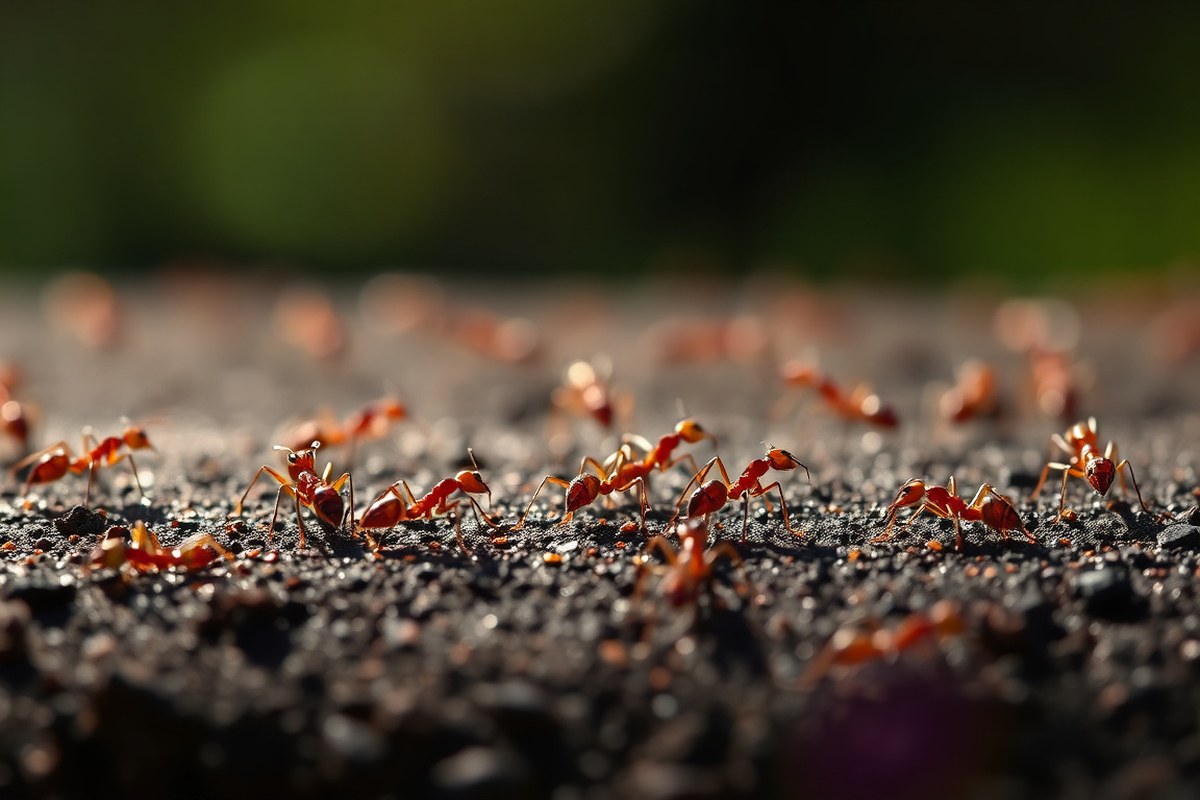
Heat does kill ants, but the temperature and exposure time matter a lot. Most temperate ants start dying after about three hours at 40°C to 42°C (104°F to 108°F). Desert ants can handle heat from 45°C to almost 50°C (113°F to 122°F).
They survive for a few hours at this temperature. After that, they start to die.
The length of time the ants stay at the lethal temperature changes outcomes significantly. Holding ants at 50°C (122°F) for an hour kills them all. This includes queens and larvae.
None survive this heat. Lower temperatures need longer exposure. Ants can survive short bursts at heat that would kill them if it lasted hours.
To kill ants with heat, keep the temperature at least 45°C (113°F). Maintain this for one to three hours. This timing is key.
This kills common house ants by causing dehydration and heat damage. Higher temperatures, around 50°C, work faster but can be harder to control safely. Heating nests deeply ensures no ants survive in hidden spots, unlike surface-only methods.
Lower heat or shorter times may only stun ants temporarily rather than kill them. Ants can hide or move to cooler areas, so uneven heating lowers success.
Professionals often raise temperatures above 50°C to guarantee killing all colony members. Doing this safely requires equipment that heats evenly and monitors temperatures closely.
Why Are Ants Vulnerable to Heat and How Do They Die?
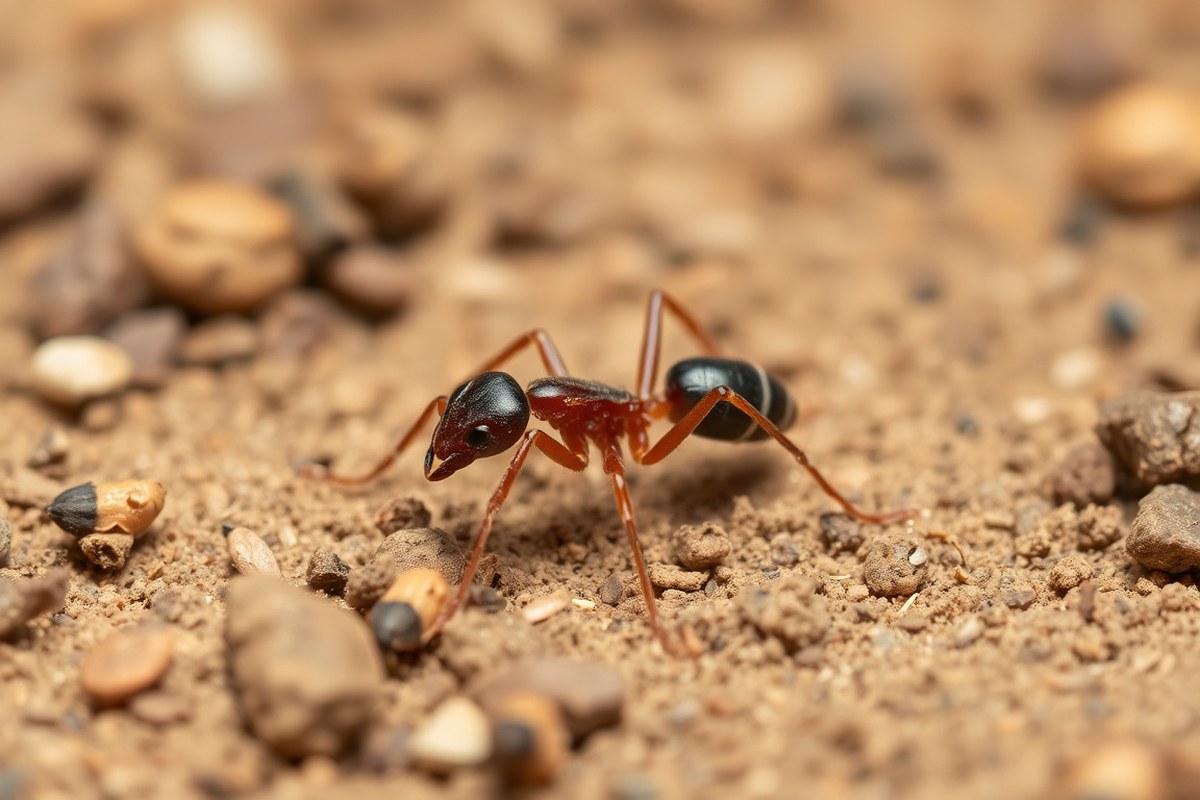
Ants are sensitive to heat because their bodies rely on precise temperature ranges to work properly. Their cells and proteins start breaking down when exposed to too much heat. High temperatures cause their nervous system to fail, leading to paralysis and death.
Inside an ant’s body, heat causes proteins to unfold, a process called denaturation. This stops important enzymes from doing their jobs and disrupts cell function. The ants also lose water quickly through evaporation, dehydrating their bodies and weakening them further.
Prolonged exposure to temperatures above 122°F (50°C) overwhelms their natural defenses. Some ants, like carpenter ants, can survive short bursts near this limit. They can’t tolerate it for very long.
Their survival time is quite short at these temperatures. Heat damages their internal organs quickly.
After 15 to 30 minutes at high temperatures, they can’t recover. This damage makes recovery impossible.
Living ants can regulate body temperature to some extent by moving to shaded or moist areas. But inside a heated home, they lose these options. Extreme heat works well to kill hidden ants.
It disrupts their body balance. It also dries them out fast.
Young ants and eggs are even more vulnerable since they can’t move away from heat. Nests that regulate temperature fail when heated artificially. This exposes all colony members.
They face deadly heat conditions. This stops ants from surviving and breeding inside buildings.
Raise ant hiding spots to at least 122°F. Keep this heat for 30 minutes. This kills all ants, eggs, and larvae.
How Different Ant Species Tolerate Heat
Ant species vary widely in how much heat they can handle. Desert ants generally survive much higher temperatures.
The Saharan silver ant can handle heat up to 122°F. It has special hairs that reflect the sun’s rays. These hairs help it stay cool in the hot desert.
Urban ants also handle heat fairly well, but not as much as desert species. City ants face hot pavement and buildings.
So they evolved higher heat tolerances than their rural cousins. Some species dig underground or seek shelter to avoid the worst heat.
| Ant Species | Habitat | Heat Tolerance Range (°F) | Special Heat Adaptations |
|---|---|---|---|
| Saharan Silver Ant (Cataglyphis bombycina) | Desert | Up to 122 | Reflective silver hairs deflect sunlight |
| Saharan Desert Ant (Cataglyphis bicolor) | Desert | Up to 120+ | Highly heat-resistant physiology |
| Urban Ants (general) | City | Up to 100, 110 | Behavioral adaptations, nest in cooler places |
| Leafcutter Ants | Forest and rural | Lower, avoid heat by burrowing | Escape behavior to burrow underground |
| Carpenter Ants | Woodland, urban | Moderate, sensitive to high heat | Build nests in cooler indoor spots |
These differences matter because some ants die quickly above 110°F. Others, especially desert ants, keep working well at much higher heat. The city ants’ heat tolerance reflects their need to survive in sun-baked streets.
Heat can kill many ants but not desert ants easily. They resist heat until it goes above their limit. You need high temperatures to remove desert ants.
Urban ants and species like carpenter ants die off at lower heat levels. Knowing the local ant species helps pick the right heat range for control.
How Ants React to and Survive High Temperatures
Ants use both behavior and body tricks to survive heat. They change their actions to avoid hot spots and adjust their bodies to handle warmth. These strategies keep colonies safe even when the sun turns up the heat.
Burrowing and Seeking Shade
Ants dig deeper tunnels to escape surface heat. They move their nests below the soil layers where it’s cooler. Shade from plants or debris also offers relief during the hottest parts of the day.
By staying underground or shaded, ants avoid lethal temperatures above 122°F (50°C). This behavior helps keep their nest temperature stable. It’s a natural shelter that weatherproofs their home.
Reducing Activity and Foraging
When it gets hot, ants slow down or stop moving outside. They reduce foraging trips during midday heat to avoid stress. Instead, activity peaks in the cooler morning or late afternoon hours.
This behavioral adjustment prevents overheating and conserves energy. Ants pick times when temperatures are typically between 60°F and 85°F for their work. It helps maintain colony health under tough conditions.
Physiological Adaptations Like Heat Reflection
Ants have body features that reflect sunlight and reduce heat absorption. Lighter colors and tiny hairs on their exoskeleton help scatter solar rays. These traits limit how much heat their bodies store.
Some desert species keep their body temperature between 60°F and 75°F, despite hot surroundings. They also sweat water through tiny pores for cooling. These adaptations improve their chance to survive in extreme heat.
- Move deeper underground to escape surface heat
- Seek shade during the hottest daytime hours
- Limit outside activity and foraging to cooler periods
- Reflect sunlight with light-colored or hairy bodies
- Regulate body heat through evaporative cooling
- Create stable microclimates in their nests
- Adjust colony behavior in response to changing temperatures
Using Heat for Ant Control: DIY Methods and Practical Tips
Using heat to kill ants at home can work if done carefully and safely. You need to target the right spots and keep temperatures high enough to be effective. Proper preparation and protecting your belongings are key to avoiding damage.
Identifying Ant Hotspots
Look for where ants are most active indoors or near entry points. These spots often include kitchen cracks, window sills, and baseboards. Ant nests may hide behind walls or under floors, making surface heat less effective.
Check for trails ants use to carry food or water. These trails lead to their nests or food sources. Identifying these allows you to focus heat treatment where ants gather or nest.
Selecting and Using Heat Sources Safely
Common DIY heat methods include using a hairdryer, heat gun, or infrared lamp. Each can raise temperatures to 120°F or higher, which can kill ants with enough exposure. Avoid using heat sources that risk fire or burn risks indoors.
Use the heat source at a safe distance to avoid scorching walls or floors. Move the device steadily over infested spots for even heat. Keep children and pets away during treatment.
Timing and Duration of Exposure
Maintain temperatures above 120°F for at least 30 minutes to affect ants through walls or floors. Ants need prolonged exposure because they retreat deeper into nests if heat starts too low. Repeat treatments may be necessary to reach all ants.
Monitor the heat by using an infrared thermometer to make sure spots stay hot long enough. Too short or too low heat may only send ants deeper, not kill them. Plan treatments during times when your home can stay undisturbed.
Precautions to Protect Home Materials
Remove or cover heat-sensitive items such as plastic, wax, or electronics before heating. Excessive heat can warp flooring or peel paint. Use fans or ventilation to avoid overheating and keep air moving during treatment.
Take care around wiring and insulation to prevent damage or fire risk. Use heat sensors or thermometers to avoid going beyond safe temperatures for your home’s surfaces. Follow these steps for a safe DIY heat treatment for ants:
- Scout and mark ant hotspots or trails indoors.
- Clear nearby items that heat could damage.
- Set up a safe heat source like a hairdryer or heat gun.
- Check surface temperature with an infrared thermometer.
- Apply heat steadily for 30 minutes or more at 120°F or above.
- Ventilate the room to keep air flowing and cool down safely.
- Repeat treatment as needed on new or stubborn areas.
Never leave a heat source unattended. Always watch your home’s temperature. This helps avoid damage and fire risks.
Professional Heat Treatment for Ant Infestations
Professionals use heat treatment to kill ants inside homes. They raise indoor temperatures to levels ants can’t survive. This method is very effective for indoor ant control.
Pest control experts use precise equipment to heat rooms evenly, usually reaching around 120°F or higher. This method targets the entire infestation, including hidden nests, without chemicals.
Heat Treatment Equipment and Setup
Technicians bring industrial heaters and temperature sensors to ensure even heat distribution. Large propane or electric heaters often raise room temperatures between 120°F and 140°F. Fans help circulate the hot air to reach cracks, walls, and furniture where ants hide.
Thermometers placed in various locations monitor temperature throughout the treatment. This data ensures each part of the home reaches the lethal temperature for ants. The heat treatment usually takes 3 to 6 hours.
The time depends on how large the area is. It also depends on how bad the ant problem is.
Preparation Before Heat Application
Before treatment, you’ll need to remove heat-sensitive items like plants, pets, and electronics. Pest control experts may ask you to open cabinets and clear clutter for better airflow. Closing doors and windows is critical to trap the heat inside and maintain required temperatures.
People and pets must leave the home during treatment. The process can take several hours, sometimes a full day if multiple rooms need heating. Professionals usually inspect the area for heavy ant activity to target hot spots efficiently.
Post-Treatment Procedures and Monitoring
Once the home cools to normal temperatures, technicians inspect for surviving ants. They carefully check typical hiding areas to confirm the treatment’s success. Ants left after the first treatment may need another.
A follow-up helps to remove all remaining ants. This ensures the problem is fully solved.
Heat treatment avoids chemical residues. So there is no waiting period before reoccupying the home.
However, follow-up monitoring is important for recurring infestations or new ant activity. Some professional services include a warranty or ongoing inspection for peace of mind.
Limitations and Common Mistakes Using Heat Against Ants
Using heat to kill ants can fail if you miss spots where ants hide. Ant colonies often retreat deep into walls, under floors, or inside wood. Heat might not reach these places enough to kill every ant or the queen.
Ant queens live deep within nests and need higher, sustained temperatures for complete control. Short heat treatments may kill surface ants but leave the colony alive. This lets ants come back soon after treatment.
Common mistakes happen during DIY heat methods. People often apply heat unevenly or too briefly. They don’t closely watch temperatures during heating.
Usually, heat stays below 120°F (49°C). This level is often too low to work well. Ants can survive mild heat if it doesn’t last long.
- Heating only visible areas, missing hidden nests, fix by scanning the area thoroughly.
- Using low heat or short heating time, maintain at least 120°F for 60 minutes.
- Not sealing entry points so ants return, block cracks and gaps after treatment.
- Ignoring queen presence, heat may kill workers but not queens deep inside.
- Relying on heat alone for heavy infestations, combine with other methods.
- Failing to use proper tools like heat guns or controlled heaters, invest in reliable equipment.
Heat treatments need careful timing and coverage to work well. Overheating furniture or walls can damage your home.
Also, ants can move around during heating, avoiding the hottest spots. You need to keep the heat steady long enough everywhere ants live.
Use heat as part of a broader strategy for serious ant problems. You spot multiple nests or persistent ants. Heating alone probably won’t fix the problem.
Combining heat with baits, sprays, or professional pest control ensures killing queens and colony members. Otherwise, heat may only reduce ant numbers temporarily.
Combining Heat with Other Ant Control Strategies
Heat treatments work best when combined with other ant control methods. Heat alone often makes ants scatter temporarily instead of killing them. You can use heat to flush ants out.
Then apply chemical or natural baits. These help control ants for longer.
Chemical controls, like ant baits, kill ants slowly. They carry poison back to the colony, affecting the whole nest. Heat kills quickly but doesn’t stop ants from returning if the colony is not destroyed.
Natural solutions control small problems and prevent ants from coming back. Heat helps these treatments by forcing ants into the open. Using both approaches can give better results for serious infestations.
| Situation | Heat Treatment | Chemical Control |
|---|---|---|
| Small, localized infestation | Effective if applied carefully at 120°F+ for 30+ mins | Usually not needed, natural controls preferred |
| Widespread infestation | Only spot treatments; may cause ants to scatter | Ant baits recommended for colony elimination |
| Ant nest hidden in walls | Professional heat treatment needed, costly | Baits work slowly; may take weeks |
| Outdoor garden ants | Heat may harm plants; not practical | Natural repellents and baits work better |
| Preventive control | Heat not suitable | Natural deterrents and sealing entry points |
To combine heat and chemical control, start by heating the affected area. Raise temperature above 120°F (49°C) for at least 30 minutes to drive ants out.
Then, place bait stations where ants flee. Check bait activity daily and replace baits as needed.
Monitor results for two weeks after treatment. Keep an eye out for ants. Apply more bait when you see them.
Reseal any entry points you find. Do not rely on heat alone for large infestations. Identify the ant species first.
Use heat carefully to flush them out. Then apply baits or natural products for control.
After heating, clean the area thoroughly before baiting to avoid repelling ants from food sources.
Step-by-Step Action Plan for Using Heat to Control Ants
Follow these steps to use heat safely and effectively against ants. Check your progress at each stage.
- Before you start: Locate the ant nests and trails inside and outside your home. This helps target heat where ants gather.
- Day 1: Heat small nest areas with a hairdryer. Use the heat gun for 10 to 15 minutes. Focus on small, targeted spots in the nest. Ants should stop moving or leave those spots.
- Day 2: Raise the room temperature to about 120°F (49°C). Use portable heaters in infested rooms. Keep it warm for several hours. Ant activity should drop noticeably.
- Week 1: Repeat spot heating on nests and trails daily for several days. Watch for fewer ants coming back.
- After 1 week: Place heat-sensitive food away from heated areas. Make sure pets and children stay safe.
- Week 2: Combine heat with baits or sticky traps along ant paths. This catches survivors and prevents colonies from rebuilding.
- After 2 weeks: Check again for new ant trails or nests. See ants still moving? Think about professional heat treatment or pest control services.
Frequently Asked Questions
Can Household Heating Systems Kill Ants Effectively?
No, typical home heaters don’t reach temperatures high enough to kill ants. Professional heat treatments reach higher temps needed to kill entire colonies.
Does Heat Treatment Harm Furniture or Belongings?
Heat treatment can damage heat-sensitive items if unprotected. Professionals advise moving or protecting fragile things before treatment.
How Long Should Ants Be Exposed to Heat to Die?
Ants usually need at least 30 minutes at 120°F or above to die. Shorter times may not kill the whole colony.
Can Heat Kill Ant Eggs and Larvae as Well?
Yes, high heat at 120°F or above can kill eggs and larvae. This is why heat is effective against entire colonies.
Is It Safe to Use Heat Alone to Stop Ant Infestations?
Heat alone isn’t always reliable for long-term control. Combining it with other methods is better for lasting results.
Do Ants That Live in Hot Climates Survive Heat Treatments Better?
Yes, ants from hot areas tolerate heat longer. Treatments must reach higher temperatures or last longer to be effective.
Wrapping Up
Heat can kill ants if you apply it right and hold the right temperature long enough. Use heat as part of your plan, not a one-time fix. Watch ant spots closely for a few days.
Repeat heat treatments if ants return. Call a professional if the problem continues.