
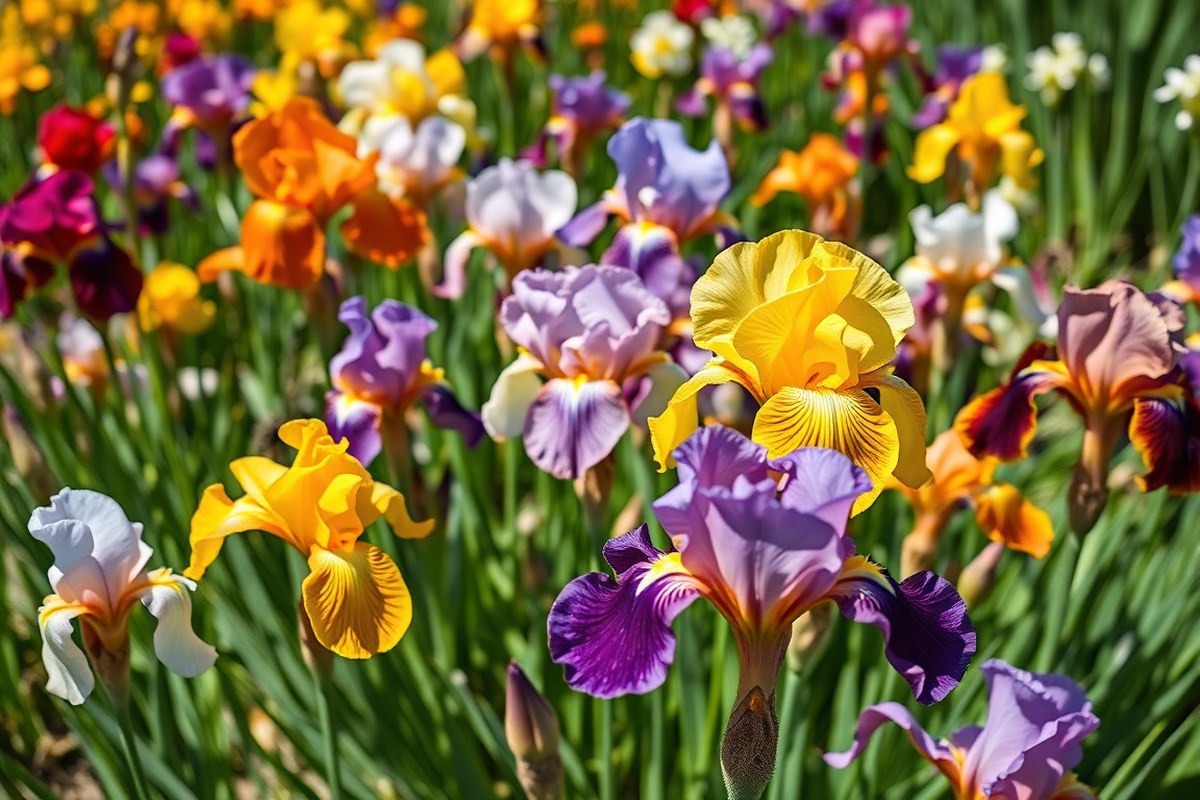
When Do Irises Bloom: Complete Guide to Timing, Types & Care Tips
When do irises bloom? Most irises start blooming in spring, but exact timing depends on the type.
Many varieties show flowers from April through early summer. Some irises can even extend their bloom time into fall if conditions stay favorable.
Different iris species and varieties bloom at different times. Dwarf irises usually bloom earliest, starting in April. Tall bearded irises tend to bloom later, often in May or June, depending on the weather.
Climate and sunlight also affect bloom times significantly. Irises need at least six hours of direct sun daily for a good, long blooming period. Mild winters often cause early blooms, while late freezes can prevent flowers from opening.
Soil quality and watering also play roles. Well-draining soil helps irises bloom well. Overwatering or poor drainage can delay or stop blooms entirely.
Key Takeaways
- Dwarf irises bloom as early as April, giving you an early spring show.
- Tall bearded irises usually bloom in June and prefer six to eight hours of sun daily.
- Plant irises in full sun to encourage longer and more vibrant blooming.
- Mild winters may cause irises to bloom up to three weeks earlier than normal.
- Freezes 6 to 8 weeks before bloom can kill buds and reduce or stop flowering.
- You can extend iris bloom to 4 weeks or more by choosing early and late bloomers.
When Do Irises Typically Bloom During the Year?

Irises generally start blooming in early spring or late winter depending on the type and climate. In colder zones like USDA 3 or 4, blooms start late May. Sometimes, they begin in early June.
This timing depends on the exact weather. Warmer areas, such as zones 9 and 10, can see irises flowering as early as January.
Most irises bloom two to three weeks. They bring a nice splash of color. This brightens your garden for a short time.
Siberian irises usually bloom for about two to three weeks. Some types bloom a little longer. Others may finish blooming sooner.
Bearded irises often flower in late spring or early summer. They might bloom again later in the same season. This gives extra color to your garden.
Dwarf irises are known to start early, sometimes appearing in April. Some irises bloom outside the usual spring to early summer time. You can have blooms up to six months by mixing early and late bloomers.
This stretches your garden’s flowering season. For long bloom periods, you’ll need several species with staggered bloom times.
How Bloom Times Differ by Iris Species and Varieties

Different iris species and varieties bloom at different times. Knowing their bloom periods helps you plan your garden for continuous color. Here’s a breakdown of major iris types and when they flower.
Dwarf Irises: Early Spring Bloomers
Dwarf irises bloom early, usually from March to April. They grow shorter, between 12 and 18 inches tall, making them good for front borders.
These irises need full sun to part shade and well-drained soil. They offer early color before taller types start blooming, brightening your garden in early spring.
Bearded Irises: Mid to Late Spring Bloom
Standard bearded irises bloom from April to May. They grow taller, from 24 to 48 inches high and come in many colors and varieties.
Some bearded irises even rebloom, giving you flowers in spring and again in fall. Reblooming varieties grow 24 to 36 inches tall and add extra interest.
Japanese and Siberian Irises: Late Spring to Summer Bloom
Siberian irises bloom a bit later, in late spring and early summer, usually May to June. They grow between 24 and 40 inches tall with slender leaves.
Japanese irises bloom last, from June to July. These tall plants, 36 to 48 inches, prefer moist soil and add late-season color.
| Iris Variety | Bloom Time | Height Range |
|---|---|---|
| Dwarf Bearded | Early Spring (March-April) | 12-18 inches |
| Standard Bearded | Mid Spring (April-May) | 24-48 inches |
| Siberian | Late Spring (May-June) | 24-40 inches |
| Japanese | Early Summer (June-July) | 36-48 inches |
| Reblooming | Spring & Fall | 24-36 inches |
This table shows bloom times and heights for popular iris types. Use it to pick varieties that suit your garden’s space and your color timing preferences.
Reblooming irises need good nutrition and deadheading to bloom twice a year.
How Climate and Growing Zones Affect Iris Blooming Schedules
Irises bloom timing depends on your climate zone. Colder zones usually see blooms in spring.
Warmer zones may have longer or multiple bloom periods. Understanding your region’s temperatures and frost dates helps you predict when irises will flower.
Warm Versus Cold Zone Bloom Timing
In cold zones (USDA 3-5), irises bloom mostly in late April or May. The plants rely on a cold winter dormancy to bloom properly. Warm zones 6-9 see blooms start earlier, sometimes in March.
These zones often have a longer bloom period. They may also get a second bloom in fall.
Gardeners in warm zones notice irises can bloom for 4 to 6 weeks, depending on care. Cold zone gardeners get a 2 to 3 week bloom window. Colder weather shortens the time flowers bloom.
This means the blooms last less time. The type of iris also influences this timing, but climate is a key factor.
Influence of Winter Length and Spring Freezes
Cold winters help irises build energy underground during dormancy. Mild winters may cause early blooming because plants skip a full rest. Early blooms risk damage from a late freeze.
A freeze can kill buds and stop flowering. This can ruin a whole season’s flowers.
Freezes 6 to 8 weeks before bloom often abort the buds. Late freezes after growth starts are most damaging. Watch the weather forecast to protect your irises.
Cover the buds if a freeze is expected. This helps keep the flowers safe in early spring.
Adapting Planting and Care to Your Zone
Match your iris variety to your zone; hardy bearded irises thrive in zones 3-9. In colder zones, plant rhizomes after the last frost and expect one bloom period per year. In warmer zones, plant earlier and consider watering or fertilizing for reblooming types.
Adjust your expectations for bloom timing based on local conditions. Use local frost dates to plan planting and protection. Extra care during unpredictable spring weather can help irises bloom on time and avoid damage.
The table below shows typical iris bloom windows by USDA zone for hardy varieties:
| USDA Zone | Typical Bloom Time | Bloom Length | Bloom Frequency |
|---|---|---|---|
| 3-5 (cold) | Late April to May | 2-3 weeks | Once per year |
| 6-7 (moderate) | March to May | 3-4 weeks | Once to twice per year |
| 8-9 (warm) | March to June | 4-6 weeks | Multiple possible with care |
Using your USDA zone to set bloom timing expectations lets you better plan iris care. Colder zones need patience and frost protection. Warm zones must watch for heat stress to encourage longer blooms.
Key Care Factors That Influence Iris Bloom Timing and Quality
Irises need full sun to bloom well. They should get at least 6 hours of direct sunlight daily. Less sun causes fewer flowers or no blooms at all.
The soil must drain freely. Irises grow best in sandy or loamy soil with good air flow around the roots.
Heavy clay soil holds too much water and can rot the rhizomes. Slightly acidic to neutral pH helps irises absorb nutrients like iron and phosphorus.
Watering irises requires balance. They are drought-tolerant but will not bloom if they stay dry for too long. Keep soil moist during growth and bloom.
Let it dry between watering to avoid root rot. Louisiana irises like wetter conditions than bearded types.
- Plant irises in full sun for at least 6 to 8 hours daily
- Use well-draining soil, sandy or loamy, avoiding heavy clay
- Maintain slightly acidic to neutral soil pH for nutrient uptake
- Water moderately; keep soil moist but not soggy during growing season
- Avoid overcrowding; space plants 12 to 24 inches apart for airflow
- Fertilize in early spring with low-nitrogen fertilizer to support blooms
- Deadhead spent flowers to encourage more blooms and healthy growth
Fertilization focuses on bloom support. Use a low-nitrogen mix in early spring to encourage flowers instead of leaves.
Over-fertilizing with nitrogen causes too much foliage, which can block sunlight and reduce blooms. A balanced fertilizer boosts nutrient supply without hurting bloom quality.
Check spacing. Irises too close together compete for nutrients and sunlight. Crowded plants grow weaker and bloom less.
Giving each plant room supports healthy flower production. Space bearded irises 12 to 18 inches apart. Larger species like Siberian need 18 to 24 inches.
Planting and Division Timing for Best Iris Blooms
Plant iris bulbs or rhizomes in fall for spring blooms. This timing lets roots grow through cool weather before hot summer.
Some irises, like Dutch and dwarf bulbs, especially need fall planting. Rhizomes usually go in late summer or early fall to get established well.
Plant rhizomes just under the soil surface with their tops slightly exposed. This shallow depth encourages quick bloom development. Too deep planting often stops flowers from forming.
For bulbs, plant them about 4 inches deep in loose, well-drained soil. Proper drainage prevents rot and supports root growth.
Dividing irises every 3 to 4 years renews bloom strength. Overcrowded rhizomes produce fewer and smaller flowers. Division is best done right after flowering, in late summer.
This lets new plants settle in before winter. Pick healthy rhizomes that have several fans of leaves.
Cut the leaves back to about 6 inches. This helps the iris focus on root growth after dividing.
Follow these steps to plant and divide irises for great blooms:
- Choose a sunny spot with well-draining soil for planting.
- Dig shallow holes or trenches for rhizomes; bulbs go deeper.
- Set rhizomes with their tops just above soil level.
- Cover with soil gently but don’t bury rhizomes deeply.
- Water well after planting to encourage root growth.
- Wait 3 to 4 years, then dig up and divide crowded plants.
- Remove old rhizomes and keep healthy sections with roots and leaves.
- Replant divisions quickly at proper depth and water again.
Keep rhizomes close to the soil surface. Planting too deep can stop irises from blooming next year.
Extending and Encouraging Multiple Iris Bloom Periods
You can extend iris blooming by choosing reblooming types and caring for them well. Some iris varieties bloom more than once a year, boosting your garden’s color span. Planting different types and timing helps stretch blooms from spring into late summer.
Recognizing Reblooming Iris Varieties
Most irises bloom once, but some types flower twice or more each year. Bearded irises with remontant traits bloom again on the same stems during the season. Look for Siberian, Louisiana, and Japanese irises, which also offer multiple bloom cycles annually.
Japanese irises shine late in summer, adding flowers when others fade. These types can grow up to 4 feet tall. They add height to your garden.
They also provide a second show of blooms. Dwarf irises bloom early. Planting them alongside later bloomers is smart for longer color.
Care Practices for Stimulating a Second Bloom
Good care encourages reblooming and keeps flowers healthy. Feed irises with a low-nitrogen, high-phosphorus fertilizer after the first bloom fades. This supports root and flower growth without excess leaf growth.
Keep the soil moist but not soggy during dry spells, especially around late summer bloomers. Deadhead faded flowers quickly to stop seed formation and boost new buds. Avoid cutting leaves until they yellow naturally, as they store energy for reblooming.
- Fertilize after first bloom with a bloom-boosting formula
- Water evenly, especially in dry weather
- Remove spent flowers promptly
- Let leaves die back naturally to feed rhizomes
- Divide crowded clumps every 3 to 4 years
Dividing overcrowded irises also helps them bloom again. Thin clumps in late summer or early fall to avoid interrupting bloom cycles.
Planting Schedules to Cover Multiple Seasons
Plant various iris types with different bloom times for longer seasons. For example, put early dwarf irises in front and taller Japanese irises toward the back. This staging blends flowers from early spring to late summer.
Space plantings so one type finishes as another starts blooming. Browns and yellows from early bloomers slowly shift to purples and blues with later varieties. This makes your garden look alive for months, not just a few weeks.
You can also time planting to get faster blooms. Irises usually bloom 14 to 16 weeks after planting, depending on the zone. Plant bearded irises in early spring or late summer.
This helps catch two bloom phases. It works well in mild climates.
Common Reasons Irises Fail to Bloom or Bloom Late
Irises with healthy green leaves but no flowers often suffer from a few common problems. One typical cause is overcrowded rhizomes, which compete for nutrients and space. You should separate and replant irises every three years.
Space rhizomes 12 to 24 inches apart. This gives each plant enough room to grow. Stuck blooms can also result from planting rhizomes too deeply.
Plant the rhizome so its top shows above the soil. This helps flower stalks push through easily. Avoid planting it too deep.
Environmental stress causes late or no blooming too. Irises hate excess moisture, especially in winter. Waterlogged soil can rot rhizomes and stop flower growth.
Drainage matters most in zones with wet winters, like Zone 8. Ensure soil drains well and avoid heavy mulching around rhizomes.
Irises also need six or more hours of sun for buds to form well. Plants that get less sun bloom later or might not bloom at all.
Planting errors that ruin blooms often show as only leaves without flowers. Planting rhizomes too late in the season can confuse their blooming cycle. Spring is best for planting iris rhizomes, allowing roots time to settle before bloom time.
Fertilizing too late or with too much nitrogen encourages leaves over flowers. Use a balanced fertilizer formulated for bulbs and apply it shortly before flowering season. A good rule is to stop nitrogen-rich feeding six weeks before expected bloom.
Check if non-flowering irises have rhizomes spreading wider than 24 inches. Also, see if they grow in dense clumps. These problems can stop blooming.
Dig up and inspect rhizomes each three years; discard soft or rotten parts. Confirm rhizomes sit just at soil level, not buried deeper than 1 inch. Dig a hole and pour water in to test soil drainage.
If water pools over 30 minutes, improve soil or use raised beds. Notice if plants get less than six hours of direct sun.
Move them to a sunnier spot. Watch flowering cycles over two years to see if blooms return.
Timeline from Planting to First Iris Bloom Explained
Irises usually bloom 1 to 2 years after planting rhizomes or bulbs. The first year often focuses on root and leaf growth, not flowers. Bloom delays happen if the plants face poor soil, too much shade, or dry conditions.
You can speed up blooming by planting well-established rhizomes in spring. Use rich, well-drained soil and give them full sun.
Water regularly but don’t let roots sit in water. Avoid moving or dividing newly planted irises until they bloom.
| Iris Type | Typical Bloom Delay After Planting | Common Conditions Affecting Bloom |
|---|---|---|
| Bearded Iris | 1 growing season | Needs full sun, moderate watering |
| Siberian Iris | 1 to 2 years | Prefers moist but well-drained soil |
| Japanese Iris | 2 years | Requires wet conditions, partial sun |
| Bulbous Iris (Dutch iris) | Bloom same season if planted in fall | Needs cool winter period |
For example, a new bearded iris planted in April often blooms the next spring. Siberian and Japanese irises need longer to establish.
So they bloom mainly in their second season. Bulbous irises, such as Dutch types, usually bloom in early spring.
Good care helps irises bloom sooner. That includes sun exposure, soil quality, and water balance.
Check growth each year and avoid disturbing roots. After bloom, cut the flower stalks but keep leaves to feed the rhizomes.
Never plant iris rhizomes too deep; this slows blooming and risks rot.
Step-by-Step Action Plan to Boost Your Iris Blooms
Follow these steps to time your iris blooms and keep them healthy. Watch your garden closely to spot each change.
- Early Spring: Check your irises for new shoots. Healthy green shoots show your plants will bloom soon.
- Mid-Spring: Apply a balanced fertilizer with low nitrogen. This feeds flowers, not just leaves, improving bloom quality.
- Before Blooming: Remove dead leaves and old flower stalks. This helps the plant use energy for new flowers.
- During Bloom: Water irises deeply once a week. Keep soil moist but not soggy to support petal growth.
- After First Bloom: Deadhead spent blooms promptly. This encourages some iris types to bloom again.
- Late Summer: Divide overcrowded iris rhizomes. Doing this every 3 to 4 years helps maintain strong blooms.
- Fall: Mulch lightly around your iris bed. Mulch controls temperature and moisture for winter protection.
Frequently Asked Questions
Can Iris Flowers Bloom More Than Once a Season?
Yes, some iris varieties can bloom multiple times each season. Reblooming types bloom in spring.
They can flower again in late summer or fall. Proper care and deadheading help make that happen.
Do Irises Bloom Better in Full Sun or Partial Shade?
Irises bloom best in full sun with at least 6 hours daily. They may bloom poorly or not at all if shaded too much.
Will Irises Bloom the Year After Planting?
Most irises bloom within 14 to 16 weeks after planting. However, blooms might be fewer in the first year as roots establish.
How Long Does Each Iris Bloom Last?
Individual iris blooms usually last about 2 to 3 weeks per flowering period. Extended bloom times need planting varieties that bloom at different times.
Can Irises Bloom Indoors or in Pots?
Irises can bloom in pots if kept in bright sunlight and well-drained soil. Indoor blooming is harder but possible with proper light and care.
How Does Pruning Affect Iris Blooming?
Pruning spent blooms helps irises bloom longer and healthier. Cutting seed pods stops energy drain and encourages new growth next season.
Key Points to Remember
Your irises bloom mainly in spring, but care and climate can stretch this season. Watch your plants closely to spot when they start growing each year. Start by checking for new shoots to know your irises will soon brighten your garden.


One Comment