How Long Does a Tomato Plant Take to Grow? A Complete Guide for Beginners
Wondering how long does a tomato plant take to grow? Typically, a tomato plant needs between 60 and 100 days from seed to harvest. This depends on the type of tomato and your growing conditions.
Tomatoes grow in stages: from seedling to flowering to fruit. Each stage can last a few weeks.
So it’s good to track your plant’s progress. Starting with the right soil temperature, about 70°F, speeds up germination and growth.
Choosing early-season or cherry tomato varieties can cut the growing time to 50-65 days after transplanting. Remember, the climate matters too; very hot days above 85°F can slow growth. Watch your plant closely and adjust care to help it grow faster.
Key Takeaways
- Tomato seeds usually germinate in 5 to 10 days under ideal conditions.
- The seedling stage lasts about 2 to 3 weeks after germination.
- Vegetative growth, focusing on leaves and roots, takes 4 to 6 weeks.
- Fruit development takes roughly 3 to 4 weeks after flowering.
- Early-season tomatoes can be ready to harvest 50 to 65 days post-transplant.
- Hot temperatures above 85°F slow tomato plant growth significantly.
How Long Does a Tomato Plant Take to Grow from Seed to Harvest?
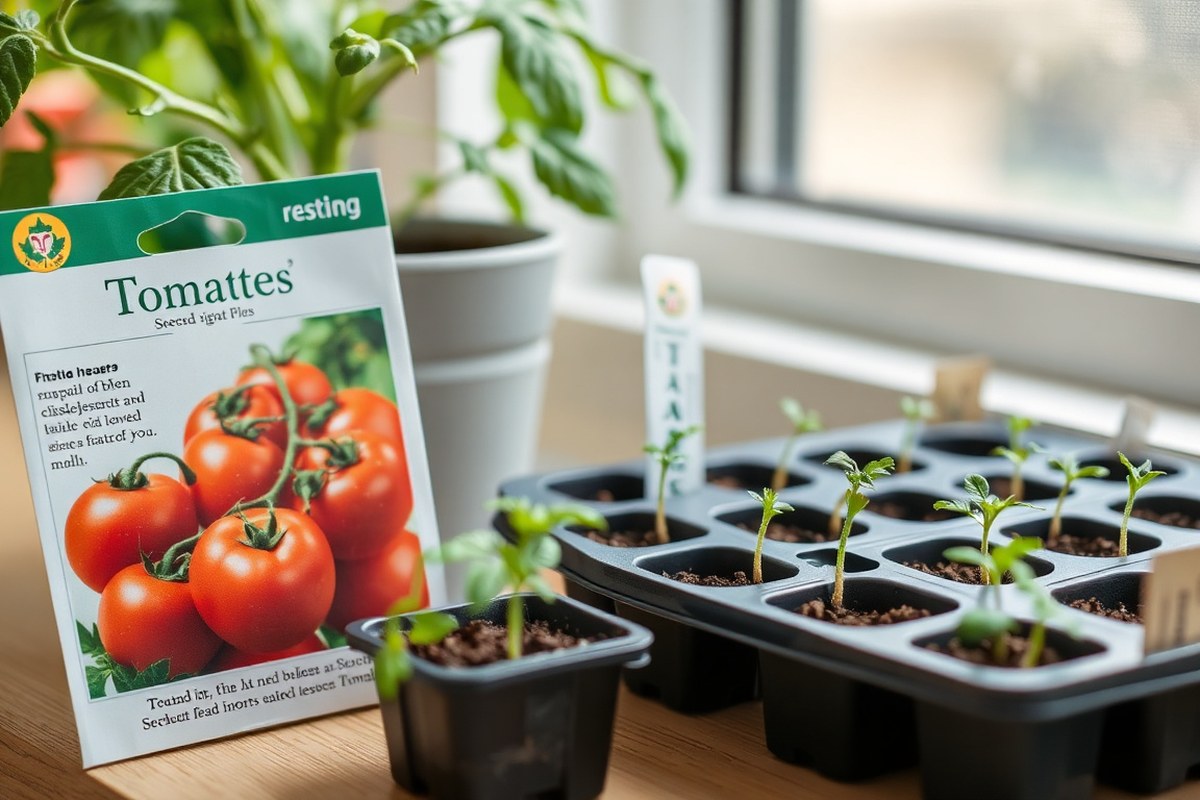
A tomato plant usually takes between 60 and 100 days to grow from seed to harvest. This includes about 5 to 14 days for seeds to germinate. The plant first grows leaves and stems.
Then it flowers. Finally, fruit develops before you pick ripe tomatoes.
Most tomato types are ready to harvest 50 to 85 days after transplanting. This count starts when you place seedlings in your garden. Count about 90 to 110 days from sowing seeds until you pick fruit.
This total includes the seed stage. Cooler conditions or slower-growing types can push this to as much as 120 days.
Timing depends heavily on the variety you choose and your growing conditions. For example, Early Girl tomatoes mature in about 50 to 62 days after transplanting. This means they grow fast.
Beefsteak tomatoes can take 80 to 90 days or more before harvest. Warmer temperatures and full sun can speed growth. Cold or shade slow it down.
Starting seeds indoors adds 5 to 14 days for germination. Plus, seedlings stay indoors for 30 to 40 days. That means from seed planting to harvest, expect anywhere from roughly 90 up to 140 days.
Direct sowing outdoors needs soil warmer than 50°F for best germination. Cooler climates can slow this process.
Growing tomatoes requires patience. But watching green tomatoes turn red takes about 20 to 80 days after flowers form. Early flowering tomatoes tend to produce fruit sooner.
Knowing your tomato type’s days to maturity helps planning planting time. Check your local climate too.
This helps avoid frost or heat damage. You get fully ripe tomatoes at the right time.
Understanding Tomato Growth Stages and Their Duration

Tomato plants grow in several clear stages, each lasting different lengths of time. These stages include germination, vegetative growth, flowering, fruit development, and ripening. Knowing what happens in each phase helps you care for the plants properly.
Germination Stage (5, 10 Days)
During germination, tomato seeds sprout and begin root growth. This phase lasts about 5 to 10 days under warm, moist conditions. The embryonic root, called the radicle, emerges first, anchoring the plant and absorbing water.
You should keep the soil moist and warm, ideally between 70°F and 80°F. Good air circulation prevents mold and damping-off disease. Seeds usually crack open, and tiny seedlings appear, marking the end of germination.
Vegetative Growth Phase (4, 6 Weeks)
After germination, seedlings develop leaves and roots rapidly. This stage lasts 3 to 6 weeks. The plant grows stems and leaves.
It builds a strong root system. Providing at least 12 to 16 hours of light daily helps this growth.
Use a balanced, nitrogen-rich fertilizer. Prune weak or crowded leaves.
This helps the plant grow strong. The plant will develop true leaves, and vines will start to thicken and lengthen.
- Ensure stable warmth between 65°F and 75°F
- Provide regular watering without waterlogging
- Use grow lights if indoors for consistent light
- Begin gentle pruning to promote airflow
- Fertilize every 1 to 2 weeks with a balanced fertilizer
Keep seedlings away from cold drafts to prevent stunted growth.
Flowering to Fruit Set (2, 4 Weeks)
Once plants mature, they enter the flowering stage, lasting about 2 to 4 weeks. Tomato flowers appear, which are critical for pollination and fruit formation. During this phase, flowers must be pollinated by wind, insects, or gentle shaking.
Support pollination by hand pollinating or encouraging pollinators in your garden. This helps form fruit faster and reduces the chance of flower drop. You’ll notice small, green fruit starting to develop after flowers are successfully pollinated.
- Provide steady water to avoid flower drop
- Maintain temperatures around 70°F to 85°F
- Encourage bees or hand-pollinate flowers daily
- Avoid nitrogen-heavy fertilizer to focus on fruit
- Use stakes or cages for support as vines grow
High heat or inconsistent watering can cause flowers to drop, stalling fruit set.
Fruit Development and Ripening (3, 6 Weeks)
Fruit development begins after pollination and lasts 3 to 6 weeks. Tomatoes get bigger and change color. They go from green to red or yellow.
The color depends on the variety. This ripening phase includes sugar accumulation and softening of the fruit.
Keep watering consistent and reduce fertilizer to avoid tough skins or poor taste. Watch out for pests and diseases during this vulnerable phase. The fruit is ready to pick when it feels slightly soft and has full color.
- Water deeply and regularly to prevent cracking
- Remove any diseased leaves to protect fruit
- Harvest tomatoes once they turn fully colored
- Mulch to conserve soil moisture and temperature
- Protect ripening fruit from birds and pests
Picking fruit too early hurts flavor; let tomatoes ripen on the vine when possible.
How Different Tomato Varieties Affect Growth Time
Tomato varieties differ widely in how fast they grow. Cherry types usually reach harvest sooner than large beefsteak kinds. Choosing the right variety helps you get tomatoes as quickly as you want.
Early-Season Tomato Varieties
Early tomatoes mature fast, often in 52 to 70 days after planting. They fit well if you plant in mid-summer and want fruit before fall. Early Girl is a popular early variety that often produces by mid-September.
They tend to be determinate or bush types, so they stay more compact. These plants generally grow 2 to 3 feet tall and stop producing after one big harvest.
Mid-Season Tomato Varieties
Mid-season tomatoes take around 70 to 85 days to mature. These offer a nice balance of growth speed and fruit size. You’ll get a steady harvest over a few weeks with these varieties.
Mid-season types work well in moderate climates where the growing season lasts about three months. Their growth usually slows if temperatures exceed 85°F for long periods.
Late-Season and Long-Season Varieties
Late-season tomatoes take 85 to 100 days or more before you can harvest. These include many large beefsteak types that need warm weather for ripening. These varieties keep producing fruit over a longer period.
They suit regions with long, hot summers but won’t mature in cold areas. In zones with short warm seasons, they risk not ripening before fall frost. Here’s a quick comparison of common tomato varieties by days to maturity:
| Variety Type | Days to Maturity |
|---|---|
| Cherry Tomatoes | 60, 70 days |
| Early Girl (Early Season) | 52, 70 days |
| Mid-Season Varieties | 70, 85 days |
| Large Beefsteak (Late Season) | 80+ days |
| Long-Season Heat Lovers | 100+ days |
Think about your local climate and how much growing time you have. In short seasons, pick early or mid-season tomatoes to ensure a full harvest. For longer summers, late-season varieties can deliver big, tasty fruit but require patience.
Cherry tomatoes provide the fastest harvest and are great for snacking or salads. Larger tomatoes need more time but often yield bigger fruit and more crops over time. Consider your space, patience, and what fruit size you want when choosing tomato types.
Environmental Factors That Influence Tomato Growth Speed
Tomato plants need 6 to 8 hours of direct sunlight daily. Without enough sun, plants grow slowly and produce fewer fruits. Place plants where they get morning and afternoon light.
Temperature affects both growth speed and fruiting. Tomatoes grow best between 70°F and 85°F (21°C to 29°C).
If temps fall below 50°F or rise above 90°F, growth slows down significantly. Keep soil temperature above 65°F before mulching to avoid shock.
Soil moisture is important. Water deeply until soil is well moist but not soggy.
Overwatering causes root rot, while underwatering makes plants struggle to grow and flower. Check soil moisture by sticking a finger 2 inches deep; it should feel damp.
Good soil quality supports fast growth. Use loose, well-draining soil rich in organic matter.
Adding compost or balanced fertilizer helps plants access nutrients. Poor soil drains water poorly and slows growth.
Stress factors like inconsistent watering, extreme heat, or old seeds can delay growth. Older seeds may not sprout well even at ideal soil temps of 77°F to 86°F. Avoid stress by keeping conditions steady and using fresh seeds less than 3 years old.
Tomato plants divert energy to survival under stress, reducing fruit formation. Pollination problems, nutrient imbalance, or pest issues add stress and slow harvest readiness. Regular checks and proper care cut risks and speed up growth.
Indoor vs Outdoor: How Growing Method Affects Tomato Timing
Starting tomato seeds indoors usually takes 6 to 8 weeks before transplanting. This allows seeds 7 to 10 days to start growing. Then they need 5 to 6 weeks to become strong seedlings.
You control the temperature, light, and moisture inside. This helps plants grow faster and healthier. It works better than direct sowing outside.
Plants started indoors often flower 4 to 6 weeks after transplanting outdoors. Direct sowing outdoors takes longer because seedlings face cooler soil and less controlled conditions.
You’ll get an earlier harvest by starting indoors, especially in cooler climates. However, it needs you to watch temperature and harden plants before moving them outside.
Tomato seedlings should be transplanted when outdoor temperatures stay above 50°F (10°C). This usually happens after the last spring frost date.
Seedlings will have 6 to 8 leaves at this point. They will be strong enough to live outside.
Here’s a step-by-step timeline for starting indoors and transplanting outdoors:
- Start seeds indoors 6 to 8 weeks before the last expected frost date in your area.
- Keep seeds in soil that stays 70°F to 80°F (21°C to 27°C). They usually sprout within 7 to 10 days.
- After sprouting, give seedlings 12 to 16 hours of bright light each day. Use grow lights or keep them in a sunny window.
- Grow seedlings until they develop 6 to 8 true leaves, about 5 to 6 weeks.
- Start hardening off seedlings 7 to 10 days before transplanting. Move them outside for a few hours each day.
- Transplant seedlings outdoors after the last frost date, when nighttime temps stay above 50°F.
- Plant tomatoes in full sun, giving them at least 6 hours of direct sunlight daily.
Never transplant tomato seedlings too early. Cold nights below 50°F can stunt growth or kill plants.
Care Strategies to Maximize Tomato Growth and Shorten Time to Harvest
Start watering tomato seedlings lightly once they sprout, about 1 to 2 times daily. Use a spray bottle or gentle watering can to moisten soil without flooding it. Once plants grow bigger, water deeply to reach the roots.
Water less often, about 1 inch per week. Give more water if the weather is hot.
Feed tomato plants with a balanced fertilizer when they develop their first true leaves. Switch to a phosphorus-rich fertilizer at flowering to support blooms and fruit set. Avoid over-fertilizing with nitrogen during fruiting because it delays ripening and causes too much leaf growth.
Mulch tomato plants after the soil warms to retain moisture and keep weeds down. Straw, shredded leaves, or black plastic mulch work well. Wait to mulch until the soil warms up in spring.
Mulching too early keeps soil cold and slows growth. Cold soil delays when you can harvest tomatoes.
- Water seedlings lightly and frequently, then deeply 1 inch weekly
- Feed seedlings balanced fertilizer, then phosphorus-rich at bloom
- Mulch soil after it warms, using straw or plastic
- Prune suckers when plants have 5, 7 true leaves to focus energy
- Stake or cage plants early to prevent damage
- Remove lower leaves as plants grow to improve airflow
- Watch for fruit set and reduce nitrogen feeding then
Pruning tomato plants helps concentrate energy on fruit, speeding ripening. Pinch off side shoots called suckers when plants have 5 to 7 leaves. These grow between the main stem and branches.
Removing them helps the plant focus on fruit. Don’t prune too early or too late. Wait until the plant is well established but before fruit fully forms.
Stake your tomato plants at planting time. Use sturdy stakes at least 6 feet tall or wire cages.
Tie plants loosely with cloth strips or twine every 10 to 12 inches as they grow. Proper staking prevents branches from breaking and improves air circulation to reduce disease risk.
Common Problems That Delay Tomato Growth and How to Fix Them
Tomato plants grow slowly when they don’t get enough water. Water them deeply but not too often, about 1 to 2 inches per week.
Check the soil; it should stay moist but not soggy. Inconsistent watering causes flower drop and fewer fruits.
Low light slows tomato growth too. Tomatoes need at least 6 to 8 hours of full sun daily.
If they get less, they grow leggy and produce fewer flowers. Try moving pots to sunnier spots or trimming nearby plants that block light.
Tomatoes also need balanced nutrients. Yellowing leaves or stunted growth can mean nitrogen is low. Brown edges may point to potassium deficiencies.
Use a tomato-specific fertilizer with around 10-10-10 NPK, following package directions. Overfertilizing can cause leaf burn or lush leaves without fruit.
Pests like aphids, whiteflies, and tomato hornworms slow growth by sucking plant juices. Aphids cluster on new growth and leave sticky residue. Spray plants gently with water to knock off aphids or use insecticidal soap.
Remove hornworms by hand, wearing gloves. Early pest control stops damage before it spreads.
Fungal diseases such as blight and fusarium wilt damage tomato leaves and roots. They block water and nutrient flow, stunting growth. Prevent diseases by planting resistant varieties and spacing plants for airflow.
Remove infected leaves promptly and avoid watering the foliage. Fungicides can help in severe cases but follow label guidance strictly.
Tomato plants stressed by temperatures under 55°F or above 85°F grow slower. Cold slows root activity, and heat causes flower drop.
Protect plants with row covers on chilly nights or shade cloth during heatwaves. Watch nighttime lows and hot daytime highs during early and late seasons.
Check your plants regularly for spotting slow growth signs early. Look at leaf color, flower count, and soil moisture. Adjust water, light, and nutrients first.
Then inspect for pests or diseases. Taking fast action can get your tomato plants back on track within one to two weeks.
Estimating Harvest Time Based on Planting and Variety
You can estimate your tomato harvest date using the seed sowing or transplant date. Adjust the timing for the variety type and your home’s growing conditions. That helps you plan when to expect ripe tomatoes.
Calculate Days to Maturity
Each tomato variety has a typical “days to maturity” range. Early types like ‘Early Girl’ take 50 to 60 days from transplant to harvest.
Use the days to maturity listed on seed packets or plant tags as a starting point. This gives a baseline for your timeline.
- Find the days to maturity for your variety (usually on the seed packet).
- Note the date you planted seeds or transplanted seedlings outdoors.
- To know the total time for seed planting, add days to maturity. Then add seedling growth time, which is usually 5 to 7 weeks.
- Use the days to maturity from the transplant date for transplanting.
- Write down the projected harvest date by adding these days to your planting date.
Early season tomatoes mature quickly. Check packets closely for specific maturity times. Avoid guessing.
Adjust for Transplant Timing
Usually, tomatoes take 50 to 65 days to mature after transplanting. But seed starting adds extra weeks. Keep track from the right starting point for better accuracy.
Say you start seeds indoors 6 weeks before moving plants outside. Add that 6 weeks to your total growth period. Calculating from transplant day alone ignores seedling growth time.
Factor in Growing Conditions
Temperature, sunlight, and soil quality all affect growth speed. Cooler temperatures can slow development, pushing harvest later.
In cooler or shaded gardens, expect 7 to 14 extra days to mature. Warm, sunny spots might speed things up by about a week.
Also, watering and feeding habits influence ripening. Regular care keeps your timing on track.
Step-by-Step Action Plan for Growing Tomatoes from Seed to Harvest
Follow these steps to grow healthy tomatoes and track their progress. Each phase helps you see clear signs of growth and adjust care.
- Day 1: Start seeds indoors in seed trays with moist seed-starting mix. Check daily for sprouting within 5 to 10 days.
- Week 2: Once seedlings show their first true leaves, begin thinning by removing weaker plants. Look for strong, healthy seedlings.
- Week 4: Harden off seedlings by placing them outside for a few hours each day. They’ll develop stronger stems and adjust to outdoor light.
- Week 6: Transplant seedlings to larger pots or outdoors after the last frost date. The plants should be 6 to 10 inches tall.
- Week 8 to 10: Provide full sun and consistent water. Wait for flower buds to appear and check for pests regularly.
- Week 11 to 14: Harvest tomatoes when fruits are firm and fully colored. Pick regularly to encourage new fruiting.
- Throughout growth: Support plants with stakes or cages. Prune side shoots if needed to improve air circulation and fruit size.
Frequently Asked Questions
How Long Does It Take for Tomato Seeds to Germinate?
Tomato seeds usually germinate within 5 to 10 days under good conditions. Warm soil around 70°F speeds up this process and helps sprouts appear faster.
When Do Tomato Plants Start to Flower After Transplanting?
Tomato plants often start to flower 20 to 30 days after transplanting. This timing depends on the variety and how warm the growing conditions are.
How Long Does Fruit Development Take on Tomato Plants?
Fruit usually develops over 3 to 4 weeks after flowers are pollinated. During this time, small green tomatoes grow and gradually ripen.
What Is the Fastest Tomato Variety to Harvest?
Early-season or cherry tomato varieties can be ready to harvest in 50 to 65 days. These types grow quickly and suit shorter growing seasons.
How Does Soil Temperature Affect Tomato Growth?
Soil below 50°F slows growth and germination, sometimes taking over 6 weeks. Warmer soil helps seeds sprout faster and plants grow better early on.
Can Fertilizer Speed Up Tomato Plant Growth?
Starter fertilizer at planting can help plants grow faster and flower sooner. But over-fertilizing might harm plants, so follow package instructions carefully.
Final Thoughts
Tomato plants usually take 60 to 85 days from seed to harvest. The time depends on the tomato variety you grow. How well you care for the plant also matters.
Watching your plants closely lets you spot issues early so you can act fast. Start your seeds now and enjoy fresh tomatoes in a few months.