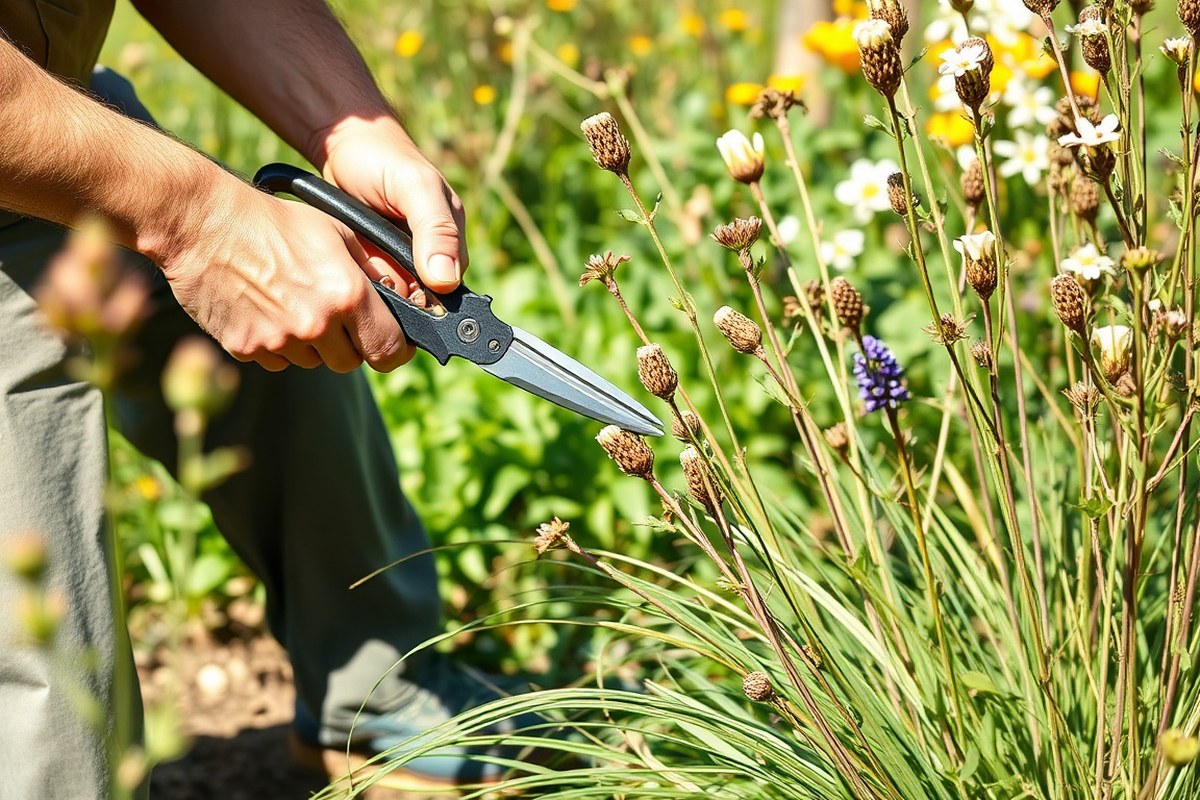
When to Cut Back Plants: A Complete Guide with Timing and Techniques
Knowing when to cut back plants depends on their type and growth cycle. The best time usually comes after flowering or in late fall when plants have stopped growing. Cutting at the right time helps plants stay healthy and bloom well next season.
For perennials, wait until their foliage dies back naturally before trimming. Removing spent annuals entirely in the fall clears space for new planting. Always cut back perennials to a few inches above the ground to protect roots during winter.
Hardwood branches thicker than 1.5 inches need proper tools like pruning saws or loppers. Use these tools to avoid damaging the plant. Knowing your plant type and timing makes a big difference.
It helps keep your garden healthy and blooming. You get better results when you match care to each plant.
Key Takeaways
- Cut back annuals entirely once they finish blooming in the fall.
- Trim perennials to about 3 to 6 inches above ground after growth stops.
- Cut herbaceous stems to 2 to 6 inches above soil during full cutback.
- Use pruning saws for branches thicker than 1.5 inches to avoid damage.
- Leave 2 to 3 inches of stem standing to protect crowns over winter.
- Cut peony foliage to 1 or 2 inches above soil after the frost.
When Is the Best Time to Cut Back Different Plants?
Prune shrubs that bloom in spring right after their flowers fade. This prevents removing buds that will bloom next year.
Cut summer-flowering shrubs in late winter or early spring, before new shoots start. Pruning at these times helps your plants stay healthy and flower well.
Cut back perennials and grasses in late fall or early spring. In fall, trim perennials to about 3 inches (8 cm) tall to get rid of dead parts.
This helps cut down disease chances. Trim grasses in late winter or early spring as new growth begins.
Vegetables need cutting back once they’re done producing. Remove dead or unwanted plants to prevent pest buildup. Some vegetables, like tomatoes, do well with a medium prune.
Cut back about 25-50% in the middle of the season. This helps increase fruit production.
Timing can shift with your climate. Warmer zones allow earlier pruning.
Colder zones require waiting until plants fully enter dormancy. Knowing your local frost dates helps pick the safest cutting window.
The table below shows pruning styles and typical percentage cut-offs. Match your pruning style to your plants and goals for the best result.
| Pruning Type | % Cut Off | What It Looks Like | Best For | Examples |
|---|---|---|---|---|
| Hard | 50-90% | Drastic – major branches gone | Rejuvenation, overgrown plants | Peach trees, roses, grapes |
| Medium | 25-50% | Balanced – shaped but full | Fruit production, health | Tomatoes, apples, hedges |
| Soft | 10-25% | Light trim – just tidy | Maintenance, flowering plants | Lilacs, viburnum, light herbs |
Spring-flowering shrubs need a soft or medium prune after blooming to avoid losing buds. Summer bloomers can handle soft trims earlier to keep them tidy.
For fruit trees and vegetables, medium or hard pruning helps produce better returns. Perennials and grasses usually receive soft cuts to clean up and get ready for new growth.
Using the right cutback timing and style fits your plant’s growth cycles. It also helps avoid disease, encourages flowering, and keeps your garden neat. Keep adjusting your pruning by climate to get the best growth and blooms each year.
Which Plants Should You Never Cut Back (and Why)?

Some perennials and ornamental grasses should be left standing through fall and winter. These plants provide food and shelter for birds and insects during cold months. Leaving their seed heads and dried foliage also adds natural beauty to your garden’s winter look.
Plants like coneflowers, sedum, asters, and many native perennials keep seeds that wildlife depend on. Ornamental grasses help protect soil and create a windbreak. Cutting these plants back too early removes important habitat and food sources.
Cutting back these plants prematurely can harm them. New growth may start late in the season.
Winter cold can kill it quickly. This wastes the plant’s energy and weakens it for springtime.
- Leave coneflowers, sedum, asters, and native perennials standing.
- Keep ornamental grasses to protect soil and provide windbreaks.
- Remove only dead, diseased, or damaged stems from these plants.
- Wait until late winter or early spring to cut them back.
- Cut back plants after the last frost to avoid winter damage.
Wait until you see new growth or after the last frost before trimming these plants.
Standing foliage also insulates plant crowns from freeze-thaw cycles. It helps reduce soil erosion caused by winter wind and rain.
Your garden attracts wildlife. Keeping these plants intact supports nature’s cycle.
To manage these plants, remove only stems with mold or obvious damage. Let others provide seeds through winter. Then prune back to about 6 inches above ground once spring arrives and growth restarts.
How Much Should You Cut Back Different Plants?
Cutting back perennials usually means leaving about 2 to 3 inches of stem above the ground. This small stub protects the plant’s crown during winter and supports healthy regrowth in spring. Cutting too close to the ground can damage the crown and slow recovery.
Herbs need gentler cutting. You should trim soft stems lightly, leaving enough green growth for photosynthesis.
Removing about one-third of the plant’s height encourages fresh shoots without stressing the herb. For woody herbs like rosemary, a medium cutback prunes older branches but keeps new growth intact.
Shrubs vary more. A hard cutback means removing most old wood. Cut it down to about 6 to 12 inches from the base.
This clears space for new growth. This encourages strong new branches but can reduce blooms for one year.
A medium cutback trims about one-third of new growth, balancing shape and flowering. Soft cutbacks just prune tips to shape and remove dead wood, supporting steady bloom production.
To decide how much to cut, think about the plant’s lifecycle. Also consider when the plant blooms. These guide your pruning.
Spring-flowering shrubs bloom on old wood, so cut back lightly after flowering. Summer bloomers usually flower on new growth, meaning harder trims in late winter help later blooms. Knowing the flowering time helps you choose soft, medium, or hard cuts.
Leave at least 2 to 3 inches of stem above the crown. This protects plants from cold damage. It also helps prevent disease.
It lets you avoid cutting too deep where the living tissue is. Cutting too severely can invite pests and slow plant recovery. Too little cutback can cause legginess and poor air circulation.
Cut back only as much as the plant’s type allows. Also consider the plant’s growth stage. This prevents harming the plant.
For perennials that die back yearly, wait until old foliage is fully dead. Then make hard cuts down to the base. This supports healthy regrowth.
For herbs and shrubs, trim both height and thickness. This keeps plants healthy and strong.
It also supports good flowering. Observe how your plants respond and adjust your cutting depth.
Step-by-Step Pruning for Key Plant Types
Cutting back plants needs the right tools and clear steps to avoid damage. Each plant type demands a specific approach to keep it healthy and productive. Knowing exactly how to prune helps you get the most from your garden.
Pruning Perennials
After frost hits, focus on removing dead and damaged growth from perennials. Use clean, sharp garden shears to avoid harming healthy stems. Cutting back lets new growth appear strong in spring.
- Wear gloves to protect your hands from sharp stems.
- Cut back all brown or blackened stems to the crown.
- Trim faded flower heads to tidy the plant.
- Leave healthy green shoots untouched for spring growth.
- Dispose of clippings to reduce disease risks.
- Apply a thin layer of mulch for insulation.
Sharp bypass pruners work best for clean cuts on stems under ½ inch thick. For thicker branches, choose loppers. Avoid using dull tools, which can crush stems and invite disease.
Trimming Shrubs and Hedges
Timing cutting for summer-flowering shrubs depends on when they bloom. Prune right after flowers fade to avoid cutting off next year’s buds. Tailoring the shape encourages fuller, bushier growth.
- Identify if your shrub blooms on new or old wood.
- Remove dead, damaged, or crossing branches first.
- Cut just above a bud facing outward for natural shape.
- Thin out crowded branches to improve air flow.
- Shape your shrub gradually, avoiding more than a third removal.
- Clean tools with alcohol to prevent disease spread.
Use hand pruners for small branches and hedge shears for shaping. Battery-powered trimmers are handy for large hedges but less precise. Clean cuts help shrubs heal faster.
Cutting Back Trees and Fruit Plants
Fruit trees need gentle pruning to promote airflow and sunlight to fruit. Focus on removing suckers and water sprouts that won’t produce fruit. Use sharp tools to make smooth cuts just outside the branch collar.
- Inspect the tree for dead or crossing branches.
- Cut out suckers growing at the trunk base.
- Remove thin, vertical water sprouts growing from older branches.
- Prune to open the center for light and air circulation.
- Make each cut at a slight outward angle near the branch collar.
- Sanitize pruners with a solution between cuts to avoid disease.
Use bypass pruners for small branches and loppers for 1-inch thick limbs. For larger branches, a pruning saw is best. Avoid heavy pruning in late fall to prevent cold damage.
Herbs, Grasses, and Vegetables
Herbaceous plants and vegetables need regular cutting to boost growth and productivity. Trim herbs before flowering to keep leaves flavorful. Cut back grasses after the growing season to clear dead stems.
- Pinch or cut herb stems early for bushier plants.
- Remove dead or yellowing leaves from vegetables weekly.
- Trim fading flowers on herbs to encourage more leaves.
- Cut ornamental grasses about 4 to 6 inches above ground after frost.
- Use sharp scissors or garden snips for clean herb cuts.
For vegetables, avoid removing more than one-third of the plant to prevent stress. Clean shears reduce infections, especially on herbs prone to fungal diseases. Timing and tool choice help keep your garden productive and healthy.
Why Timing Matters for Plant Health and Blooming
Cutting back plants too early can stop flowers from forming this year. Many plants bloom on old wood.
So pruning before buds develop removes their chance to grow. You should match pruning to your plant’s blooming cycle to avoid cutting off next season’s flowers.
Pruning too late also causes problems. It can leave wounds that stay open longer and let diseases in. Plants won’t heal well when they’re busy growing or when temperatures are high.
Many garden plants grow best when pruned before spring starts. This usually happens from late February to April. Pruning then helps new growth develop well.
Some pests increase during certain seasons, making pruning risky then. For example, iris borers lay eggs on leaves in winter. Cutting and destroying old iris leaves in early spring stops the pests before they hatch.
Don’t prune dense greenery when pests or diseases are active. Cuts open the plant to infection and attacks.
Wait until risks go down first. Light pruning on evergreens in late spring or summer reduces stress and keeps them healthy.
Pruning controls plant size, encourages healthy growth, and manages diseases. It keeps the garden tidy and prevents crowded growth where pests hide. You can wait to cut back plants with late blooms.
Do this in early spring before new growth begins. It lets the blooms finish their cycle. This timing helps the plant recover quickly and fill out with new flowering stems.
Never prune plants during peak pest activity; wounds heal slower and attract more insects.
Adjusting Cutback Techniques Based on Climate Zones
Adjust your pruning schedule based on your hardiness zone to protect plants from damage. Zones 6 to 10 differ in frost dates and winter severity, affecting when to cut back. Late frosts in cooler zones and mild winters in warmer zones call for careful timing.
Zone-Specific Pruning Dates
Different zones have typical times when pruning works best. In colder zones like 6, wait until after the last frost, often mid-April. Warmer zones like 9 or 10 can start pruning earlier.
They sometimes prune as early as late winter. The frost risk is usually low in these zones.
Below is a table showing common cutting back times. It covers typical garden plants in zones 6 through 10.
Use it to plan your pruning. Use it as a starting point and adjust based on your weather conditions.
| Zone | Cold Hardy Plants | Flowering Shrubs | Perennials | Evergreens |
|---|---|---|---|---|
| 6 | Late April, Early May | Late April, Early May | Early April | Early Spring |
| 7 | Early April | Early April | Late March | Late Winter |
| 8 | Late February, Early March | Late February, Early March | Late February | Late Winter |
| 9 | Late January, February | Late January, February | Late January | Late Winter |
| 10 | January | January | January | Late Winter |
These dates reflect typical frost-free periods and plant dormancy. Adjust timing if your local weather shifts from these norms.
Common Zone-Specific Mistakes
One common mistake is pruning too early in cold zones. Early pruning can expose plants to frost damage. Wait until frost danger passes before cutting back.
Plants pruned before dormancy ends often lose buds and grow weak shoots. On the other hand, in warmer zones, waiting too long can limit blooming.
Not accounting for plant types causes problems too. Flowering shrubs that bloom on old wood need pruning after blooming. Prune too soon and you will lose next season’s flowers.
Timing matters for good blooms. Cold hardy plants like boxwood require a late winter cut to recover properly before heat arrives.
Tips for Variable Weather Patterns
Late frosts happen in zones 6 and 7. This may delay pruning until mid-May. You can also wait until you see new growth starting.
Protect new cuts from frost with garden fabric if you prune early by mistake. Mild winters in zones 9 and 10 allow earlier pruning but watch for unexpected cold snaps.
During warm spells, resist cutting back too soon. Plants may break dormancy too early and become vulnerable if cold returns. A good rule is to prune on dry days soon after frost danger passes.
Signs Your Plants Are Ready to Be Cut Back
Look for leaves and stems that look dry, brown, or shriveled. These often mean the plant is spent or dead. Cutting them back helps the plant save energy and grow stronger stems.
Check flower heads for signs they’re fading or dropping petals. Snipping spent flowers just below the foliage stops unwanted reseeding and keeps the area neat. It also shifts the plant’s focus to new growth instead of seed production.
Avoid cutting back if the plant still shows healthy, bright green shoots. Active growth means the plant is still using energy to develop. Pruning now can slow growth and reduce flowering.
- Brown or shriveled leaves and stems signal pruning time.
- Spent flowers with dropping petals need removal just below leaves.
- Look for firm, green new shoots indicating active growth, don’t prune these.
- For light shaping, focus on smaller stems rather than big branches.
- Consider garden style and how cutting back affects bloom cycles.
To know exactly when to prune, watch the plant throughout its season. After flowering, many perennials and shrubs slow growth and show worn foliage. This stage is perfect for cutting back.
By cutting at the right time, plants direct energy to healthy parts. That means stronger new stems and more flowers next season. Cutting too early can shock the plant, while cutting too late may reduce blooms.
Best Practices for Handling Cuttings and Aftercare
After cutting back plants, managing your garden debris carefully helps prevent disease. Mulching and fertilizing at the right times also support healthy regrowth. Watering properly ensures your plants bounce back strong and fast.
Disposing of Garden Debris Safely
Remove any diseased or pest-infected cuttings immediately. These parts can spread infections if left nearby. Don’t compost infected material unless your pile gets very hot.
It must reach about 140°F for several days. This heat kills harmful pathogens.
Burning, bagging for disposal, or removing the debris from your garden area are safer options. Healthy cuttings can go into regular compost or mulch piles. Keep your tools clean too, wiping blades with rubbing alcohol after pruning.
- Gather all fallen leaves and cuttings after pruning
- Separate diseased or pest-infected debris from healthy material
- Dispose of disease-prone debris via trash or burning where legal
- Compost only healthy, untreated plant material
- Clean pruning tools with rubbing alcohol or diluted bleach
- Store cuttings away from garden beds to avoid spreading issues
Never leave diseased branches on the ground; they’ll infect your plants.
Mulching and Fertilizing Guidelines
You can apply mulch right after cutting back plants. Mulch keeps soil temperature steady and locks in moisture. Choose organic mulches like shredded leaves, bark, or straw about 2 to 3 inches thick.
Fertilizing depends on the season. Apply a balanced fertilizer in early spring for new growth. Avoid heavy fertilizing right after fall pruning to prevent weak shoots that freeze easily.
- Apply mulch within a week of pruning to keep roots warm and moist
- Spread a 2- to 3-inch layer of organic mulch avoiding direct stem contact
- Use a balanced fertilizer (e.g., 10-10-10) in early spring only
- Skip fertilizer immediately after heavy fall pruning to reduce frost risk
- Consider slow-release fertilizers for steady nutrient supply
Keep mulch a few inches away from plant bases to avoid rot.
Watering After Pruning
After pruning, water plants deeply and evenly to reduce stress. Check soil moisture regularly, especially in dry weather. Watering in the morning helps reduce disease risk by giving leaves time to dry.
Adjust watering based on plant type and weather. Newly pruned shrubs may need a soaking once a week if rainfall is low. For drought-tolerant plants, reduce watering but don’t let the soil dry out completely.
- Water deeply within 24 hours of pruning
- Maintain consistent soil moisture without waterlogging
- Water in the early morning to prevent fungal growth
- Reduce watering for plants prone to rot or drought-tolerant species
- Use drip irrigation or soaker hoses for efficient watering
Too little water slows healing; too much invites root rot.
Step-by-Step Action Plan to Cut Back Your Plants
Follow these simple steps to prune your plants effectively. You’ll see healthier growth and better blooms soon after.
- Before You Start: Identify the plant type to know its ideal pruning time. Use plant tags or a guide to confirm.
- Early Morning or Late Afternoon: Choose a cool time to cut back plants. This reduces stress and helps cuts heal faster.
- Day 1: Remove dead or diseased branches first. Healthy branches should look firm and green inside when cut.
- Week 1: Cut back no more than one-third of the healthy growth. Check if the plant still looks balanced and vibrant.
- Week 2: Watch for new buds or leaf growth near cut areas. This shows your pruning helped stimulate growth.
- After 3 Weeks: Apply mulch and water regularly to support recovery. Soil moisture and mulch will keep roots cool and moist.
- After 1 Month: Inspect plants for any signs of stress or disease. Healthy, green leaves mean your timing and method worked well.
Frequently Asked Questions
How Do I Know If Cutting Back My Plants Will Affect Their Bloom This Season?
Cutting back can delay or stop blooming if done at the wrong time. Check if the plant blooms on old or new wood before pruning. This helps you avoid removing buds that produce flowers.
Can I Cut Back Plants to Control Their Size Without Hurting Them?
Yes, many plants tolerate size control pruning but timing matters. Prune spring flowers right after they bloom. For summer bloomers, prune in late winter.
This helps avoid cutting off flower buds. Always avoid heavy pruning on stressed or diseased plants.
Should I Cut Back My Plants Before or After Pests and Diseases Are Noticed?
It’s best to cut back plants after pests or disease signs appear. Removing damaged parts reduces spread and helps plants recover. Clean tools between cuts to avoid spreading infections.
How Does Weather Impact When I Can Safely Cut Back My Plants?
Dry, cool weather is best for cutting back to avoid fungal infections. Avoid pruning during wet or freezing conditions since wounds heal slower. This reduces disease risks and stress on the plant.
Can I Cut Back Newly Planted Shrubs, or Should I Wait?
Wait at least one growing season before cutting back new shrubs. This lets roots establish and supports healthy growth. Early cutting back can stunt development and reduce survival chance.
What Should I Do with the Old Cuttings After I Prune Plants?
Remove and compost healthy cuttings away from healthy plants. Discard diseased cuttings in the trash to prevent spreading disease. Dry cuttings fully before composting for best results.
Final Thoughts
Caring for your plants with proper cutting back improves their health and blooms. Start pruning when your plants show clear readiness signs. Grab your pruners and get cutting today for a happier garden tomorrow.