Which Part of a Plant Makes Seeds? A Complete Guide to Seed Formation
Wondering which part of a plant makes seeds? The answer is simple: seeds form inside the flower of the plant.
Flowers have special structures that develop into seeds once pollination and fertilization occur. This means the flower is the key player in producing new plants.
Within the flower, the ovary holds ovules, which become seeds after fertilization. Fertilization happens when pollen reaches the ovule and joins with an egg cell. Watching how flowers mature can help you understand when seeds start to develop.
Since seeds grow inside flowers, you’ll see that not all plants make seeds the same way. Flowers come in many shapes and sizes, but their seed-making job is the same. Knowing this helps you spot seed formation in your garden or outdoors.
Key Takeaways
- The flower is the plant part responsible for producing seeds.
- Seeds develop from ovules inside the flower’s ovary after fertilization.
- Pollination must occur before ovules can turn into seeds.
- The ovary protects seeds as they form and grows into fruit.
- Seed size varies widely, from tiny orchid seeds to large coco de mer seeds.
- Seed production starts at flowering and ends when the seed matures.
Which Part of a Plant Produces Seeds?

The plant produces seeds through its flower, which has reproductive parts. Pollination and fertilization happen inside the flower, growing seeds there.
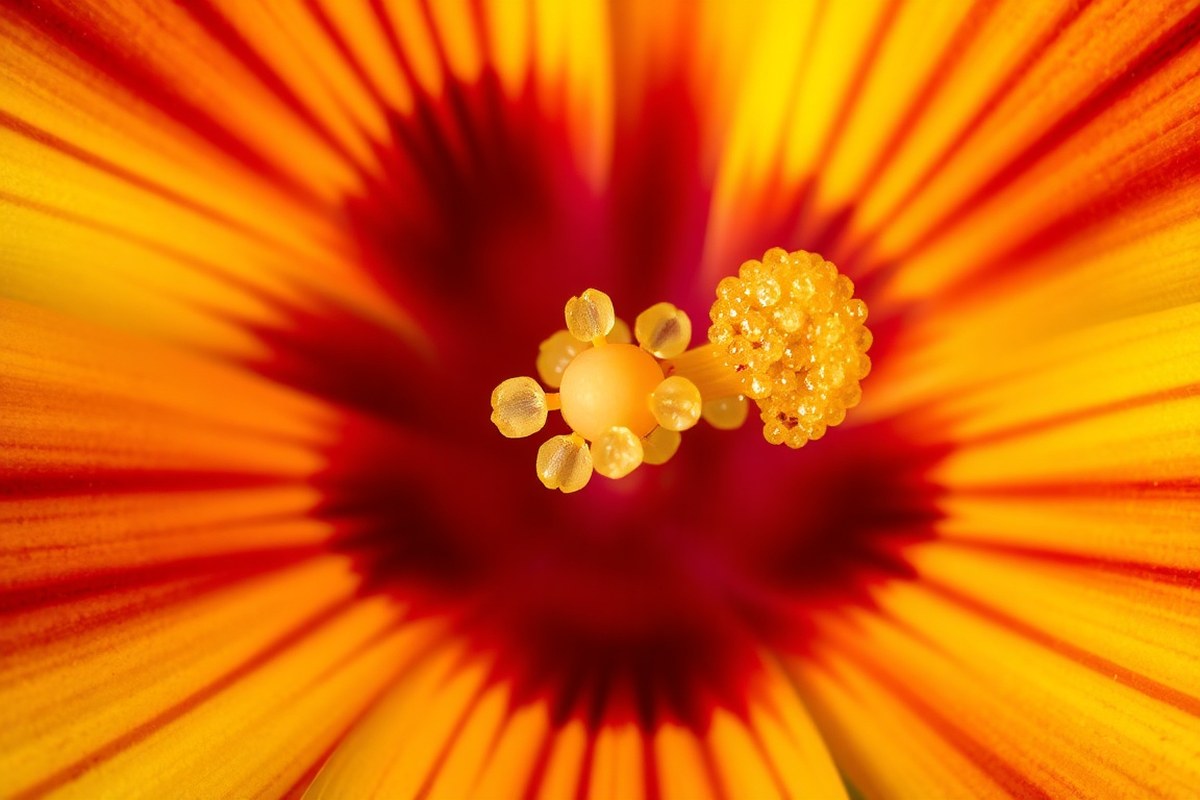
The flower has male and female parts that work together to produce seeds. The male part, called the stamen, makes pollen. The female part, called the pistil, contains the ovary, which holds ovules.
When pollen reaches the ovules, it triggers seed formation. The ovules then develop into seeds inside the ovary. This process shows why the flower plays an essential role in making seeds.
How the Ovary and Ovules Develop into Seeds

The ovary is the part of a flower that holds ovules. Ovules are small structures that turn into seeds after fertilization. Once pollen reaches the ovules inside the ovary, they develop into seeds.
The ovary itself transforms into a fruit. This process ensures the plant can produce seeds safely and later spread them for new growth.
Understanding the Ovary’s Role
The ovary is the base of the pistil, the female part of the flower. It contains ovules, which are like eggs waiting to be fertilized. The ovary protects these ovules and keeps them in place until fertilization occurs.
Each ovule holds the female genetic material and serves as the site where seed formation starts. After fertilization, the ovary changes its shape.
It often grows to form the fruit. The fruit holds the seeds inside.
The Function and Structure of Ovules
Ovules are tiny, sometimes microscopic, structures inside the ovary. They have cells that can become any kind of plant tissue.
These cells start the new plant’s life. This totipotent ability is essential for creating seeds that can grow into full plants.
Once pollen travels down the style and reaches the ovule, fertilization happens. The ovule then starts to change into a seed. It forms the embryo and the nutrient stores it needs to grow.
How Fertilized Ovules Become Seeds
Fertilization triggers the ovule’s transformation into a seed. The embryo forms from the fertilized egg cell within the ovule. Surrounding tissues develop into structures like the seed coat, which protects the embryo.
The seed also forms a scar called the hilum, where it was attached inside the ovary. This marks where nutrients passed from the parent plant during development.
Ovary Changes During Seed Development
The ovary doesn’t remain the same after fertilization. It starts to swell and turn into fruit. This fruits’ job is to protect the developing seeds and help spread them once mature.
In some plants, the fruit becomes fleshy and sweet, attracting animals to eat and disperse seeds. Others become dry and hard, using wind or mechanical action to spread seeds farther.
Variations in Seed and Ovary Development
Different plants have different numbers of ovules in their ovaries, ranging from one to hundreds. The size and complexity of the ovary and resulting fruit can also vary widely. Epiphytic orchids produce some of the smallest seeds, only 85 micrometers long.
Environmental factors affect how seeds develop inside the ovary. Light, temperature, and moisture influence fertilization success and seed quality. This shapes growth patterns seen in diverse plant species.
Keep flowers in a clean place without pollen. This controls seed development. It also stops unwanted fertilization.
The Fertilization Process That Starts Seed Formation
Seed formation starts when pollen delivers male gametes to female gametes inside the ovule. This process involves pollination followed by fertilization. Fertilization causes the formation of a zygote that grows into the seed’s embryo.
Pollination: Pollen Transfer
Pollination happens when pollen moves from a flower’s anther to its stigma. This can occur by wind, insects, birds, or other animals carrying pollen grains. The stigma’s sticky surface catches pollen, preparing for fertilization.
Here’s how pollen transfer generally occurs:
- Produce pollen grains in the flower’s male structures (anthers).
- Release pollen onto pollinators or into the air.
- Carry pollen to the stigma of a suitable flower.
- Deposit pollen grains on the stigma’s surface.
- Allow pollen grains to germinate and form pollen tubes.
- Guide pollen tubes down the style toward the ovule.
Fertilization: Fusion of Gametes
Once pollen tubes reach the ovule, fertilization starts. The sperm cells travel down the tube and meet the egg cells inside the ovule. Their fusion creates a zygote, the first cell of the new plant embryo.
Fertilization steps proceed as follows:
- Grow pollen tubes carrying sperm cells toward the ovule.
- Penetrate the ovule’s protective layers.
- Release sperm cells into the ovule.
- Fuse one sperm cell with the egg cell to form the zygote.
- In some species, fuse the other sperm with central cell nuclei to form endosperm.
Initial Seed Formation
After fertilization, the ovule begins changing into a seed. The zygote divides through mitosis to form the embryo. The surrounding tissue may develop into endosperm, providing nutrition for the embryo.
The early steps of seed formation include:
- Divide the zygote to form a multicellular embryo.
- Develop endosperm tissue in some plants for nourishment.
- Transform the ovule’s outer layers into the protective seed coat.
- Prepare the seed for maturation and eventual dispersal.
How Fruits Protect Seeds and Aid Dispersal
Fruits form from the mature ovaries of flowers after fertilization. The ovary wall thickens and develops into the fruit tissue around the seeds inside. This structure acts as a protective layer for the developing seeds.
Fruits shield seeds from harsh weather, pests, and diseases. The seed coat adds more protection, helping seeds stay viable for longer periods. Without fruits, seeds might get damaged before they can grow into new plants.
Fruits also help spread seeds in many ways. Some fruits are fleshy and delicious, attracting animals to eat them. Animals carry seeds far from the parent plant.
They drop or excrete seeds later. This helps seeds reach new places.
Other fruits have special features like wings, plumes, or hooks. Wings and plumes catch the wind, letting seeds glide or spin away, sometimes traveling miles. Hooks latch onto animal fur or feathers, hitching a ride to different locations.
Water dispersal happens when fruits float on streams or rivers. Seeds can travel long distances on water before settling in new soil. These various dispersal methods reduce competition and increase a seed’s chance to grow.
The fruit’s role is both to protect seeds and improve their spread. Without it, many seeds wouldn’t survive or move to suitable places. This combination supports the plant’s survival and helps new plants grow successfully.
Comparison: Seed Production in Flowering Plants vs Gymnosperms
Seed production in flowering plants and gymnosperms uses very different structures. Flowering plants have seeds inside flowers, specifically within the carpels. After fertilization, these seeds develop in a fruit, which protects them.
Gymnosperms do not form flowers or fruits. Instead, their seeds appear naked, usually in cones. Conifers like pines and firs show seed formation clearly.
Their seeds sit openly on cone scales. This makes it easy to see how they form.
These contrasting methods affect how seeds are formed and protected. The table below compares seed production in two plant types.
It looks at flowering plants and gymnosperms. This helps explain their differences clearly.
| Feature | Flowering Plants (Angiosperms) | Gymnosperms |
|---|---|---|
| Seed Location | Inside carpels within flowers | On scales of cones, exposed |
| Seed Protection | Enclosed within fruits | Seeds are “naked,” no fruit |
| Reproductive Organ | Flowers with carpels and stamens | Cones with seed and pollen scales |
| Seed Dispersal | Often with fruit aiding spread | Depends on cones opening naturally |
| Fertilization Process | Pollen reaches ovule inside flower | Pollen lands on exposed ovules in cones |
In flowering plants, pollination brings pollen inside a closed flower. The pollen fertilizes ovules deep within.
These ovules then turn into seeds encased in fruit. This fruit helps spread seeds and shields them from damage and drying out.
Gymnosperm pollination works differently. Their pollen lands directly on exposed ovules on cone surfaces.
Seed development happens without the fruit layer. This process means gymnosperm seeds stay vulnerable to weather changes for longer.
Check seed maturity carefully in gymnosperms. Without fruits, seeds are more prone to drying out or damage.
Understanding these differences shows you how nature adapted seed formation in plants. Knowing why flowers and fruits appear only in angiosperms helps you. This knowledge aids your gardening or plant studies.
It builds a strong plant biology base. Meanwhile, cones protect gymnosperms’ seeds in their own way, just without the fruit’s help.
Seed Structure: Parts and Their Roles
Seeds have three main parts: the embryo, the endosperm, and the seed coat. The embryo is a tiny, young plant ready to grow.
The endosperm stores food to help that growth. The seed coat protects everything inside.
Embryo: The Tiny Developing Plant
The embryo is the seed’s most important part. It contains the first leaves, stem, and root of a new plant. This tiny plant starts growing when the conditions are right.
Inside the embryo, you’ll find structures like cotyledons, which sometimes store food or help absorb nutrients. These parts give the embryo what it needs to grow into a healthy plant.
Endosperm: Seed Food Storage
The endosperm acts as a food supply for the embryo during early growth. It contains carbohydrates, proteins, and fats the young plant uses. This stored food helps the embryo grow until it can make its own food through photosynthesis.
Seeds vary in how they use the endosperm. Some absorb it early in development, passing the nutrients to the cotyledons instead. Others keep it as a long-term food source inside the seed.
- Provides energy for germination
- Stores key nutrients: carbs, proteins, lipids
- Supports growth before leaves develop
- Absorbed differently in various seeds
- Helps the seedling survive without immediate sunlight
The size and nutrient amount in the endosperm can vary with the plant species. This affects how long the seedling lasts before it needs sunlight.
Seed Coat: Protective Outer Layer
The seed coat forms from the ovule’s outer layers called integuments. It shields the embryo and endosperm from damage, diseases, and dry conditions. This outer layer can be tough or soft, depending on the plant.
Seed coats also help seeds survive in harsh environments by keeping germs and insects out. Some seeds even need their seed coats scratched or broken before they will sprout. This step is called scarification and helps water enter the seed.
Timeline of Seed Development from Pollination to Maturity
Seed formation starts right after pollination, but it takes time to finish. Typically, seeds develop and mature over several weeks, depending on the plant species. This timeline begins when pollen lands on the stigma and fertilizes the ovules inside the ovary.
Fertilization triggers the ovules to start developing into seeds. In the first few days, the fertilized egg divides, forming the embryo.
Meanwhile, the seed coat begins to form around it, protecting the growing embryo. This stage usually lasts one to two weeks after fertilization.
Following embryo formation, the seed enters the maturation phase. Over the next few weeks, nutrients collect in the seed to support future growth. The seed coat also hardens during this time, creating a barrier against damage and drying out.
Maturation length varies. It often takes two to four weeks. Conditions like temperature and water affect this time.
| Stage | Time After Fertilization | What Happens |
|---|---|---|
| Fertilization | Day 0 | Pollen fertilizes ovules, starting seed development |
| Embryo Formation | 1-14 days | Embryo cells divide; seed coat begins forming |
| Seed Maturation | 2-6 weeks | Embryo grows; nutrients accumulate; seed coat hardens |
| Seed Drying | End of maturation | Seed loses moisture, prepares for dispersal |
| Seed Dispersal | After maturation | Seeds separate from fruit or parent plant |
The whole seed formation can take three to eight weeks. The time depends on the plant type.
Smaller seeds tend to form faster than large or complex ones. Temperature speeds up or slows down these stages, warmer weather usually shortens the time needed.
Incomplete seed development happens if pollination was poor. Lack of water and nutrients also causes problems. Such seeds might be underdeveloped and fail to germinate.
Healthy seed formation means the embryo is well protected. It must have enough stored food for growth.
Factors Affecting Seed Formation and Common Myths
Seed formation depends on many factors in the environment and the plant itself. Temperature, light, water, and nutrient levels each affect how well seeds develop. For example, pollen production is controlled by the plant’s genetics but also by temperature and moisture.
Too much heat or too little water can stop a plant from making healthy seeds. Poor pollination also reduces seed success.
Pollination relies on pollen reaching the ovules, which needs insects, wind, or other pollinators. Without good pollination, the ovules won’t turn into seeds.
- Provide consistent watering: avoid drought or too much water.
- Ensure pollinators have access: avoid broad insecticides.
- Maintain temperatures near the plant’s natural range.
- Use fertilizers with balanced nutrients, especially phosphorus.
- Plant near other compatible plants to encourage pollination.
- Remove diseased or damaged flowers promptly.
Many believe all flowers produce seeds, but only the fertilized flowers do. Another common myth is that seeds always come from fruit. But some plants produce seeds without fleshy fruit.
Some think seeds form without pollination. This can happen in rare cases like self-pollination or seedless fruit production. But normally pollination is needed.
To improve seed production, focus on healthy plant care and conditions. Avoid stressing the plant with extreme drought or heat.
Keep pollinators around by planting flowers they like and minimize insecticides near flowering plants. Balanced soil nutrients also support seed growth.
Check your plants daily during blooming to catch issues and support pollination.
How to Observe Seed Formation in Your Plants
Watch your plants closely to see how seeds form and grow. Follow these steps to track the process from flower to seed.
- Before flowering: Identify flowers on your plant. Healthy flowers mean seed formation can start soon.
- Flowering stage: Notice pollen on flower parts. This shows pollination is likely happening.
- Right after pollination: Look for swelling in the ovary area. It hints that fertilization took place.
- One to two weeks post-pollination: See if small fruit or seed pods start to develop. This means seeds are growing inside.
- Several weeks later: Check if the fruit or pods change in size and color. This signals seed maturation.
- Full maturity: Observe drying or opening of pods. This usually means seeds are ready for collection or dispersal.
- Seed collection: Carefully remove seeds from pods if you want to save them. Healthy seeds feel firm and mature.
Frequently Asked Questions
Which Part of the Flower Specifically Forms Seeds?
Seeds specifically form from the ovules inside the flower’s ovary. When fertilized, these ovules develop into seeds containing the embryo and nutrients needed for growth. This process ensures the next generation of plants can grow.
Does Seed Production Occur in All Parts of a Flower?
Seed production only occurs in the female parts, mainly the ovary. The male parts produce pollen needed for fertilization but do not form seeds themselves. Fertilized ovules inside the ovary turn into seeds.
Why Do Some Plants Produce Seeds Without Flowers?
Some plants like gymnosperms produce seeds without flowers in cones. Their seeds develop on scales, not inside fruits like flowering plants. This is a different reproductive strategy found in species like pines and firs.
How Long After Pollination Do Seeds Develop?
Seed development usually starts within days after fertilization but can take weeks to months. This time depends on the plant species and environmental conditions. Each seed matures inside the fruit for protection before dispersing.
Do All Flowers Produce Seeds Every Season?
Not all flowers produce seeds every season; some are sterile or don’t get fertilized. Environmental factors like temperature and pollinator presence affect seed production. Gardeners should watch for healthy flowers and pollinators to ensure seeds form.
Can Seeds Form Without Fertilization in Some Plants?
Certain plants can produce seeds without fertilization through a process called apomixis. These seeds are genetic clones of the parent. This natural cloning bypasses the need for pollen and fertilization.
Wrapping Up
The ovary of a flower produces the seeds after fertilization. Seeds develop inside the fruit, which protects and helps spread them. Next, try watching flowers on your plant closely to see seed formation in action.