What Is the Drip Line of a Tree? Complete Guide to Tree Health and Watering
The drip line is the ground area beneath the furthest leaves of a tree. Rain or watering causes water to fall onto this spot from the canopy. Roots often extend around this same area under the soil.
The drip line is important because it indicates where the tree’s roots absorb most water and nutrients. Fine feeder roots gather mainly just inside and outside this line. Applying water or fertilizer here makes sure it reaches these roots effectively.
To find the drip line, locate the canopy’s outer edge and drop an imaginary line straight down to the ground. Avoid heavy foot traffic, digging, or construction in this zone since it can damage surface roots. Care focused around the drip line helps the tree grow strong and healthy.
Key Takeaways
- Measure a tree’s drip line by tracing the canopy’s outer edge down to the ground.
- Fine feeder roots tend to live right beneath and just outside the drip line.
- Water slowly near the drip line to soak deep into the soil, about 12-18 inches.
- Space drip irrigation emitters 18-24 inches apart around the drip line for best results.
- Mulch beds should reach at least 3 feet from the trunk. It’s best to extend them out to the drip line. This helps keep roots healthy.
- Test soil inside the drip line before fertilizing to avoid nutrient imbalances.
What Is the Drip Line of a Tree and Why It Matters
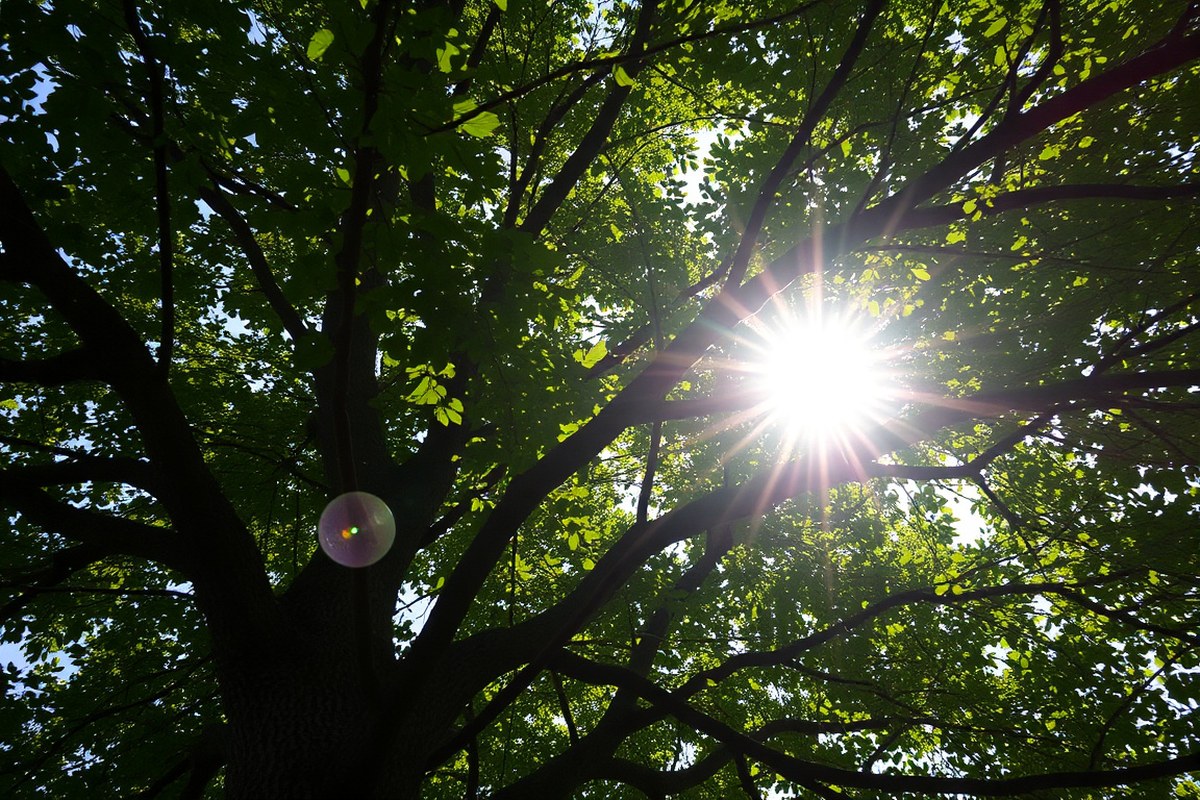
The drip line circles the spot right under the longest tree branches. It shows where roots mostly grow beneath the ground’s surface. This outline marks the tree’s farthest branch edges above.
Roots under the drip line include lots of fine, feeder roots. These roots absorb about 90% of the water and nutrients the tree needs. That makes the drip line area critical for the tree’s health and growth.
Water and nutrients naturally fall near the drip line because rain drips off the leaves there. The tree uses this root area to get water and nutrients. Tiny tubes in roots, called xylem, carry these to the tree.
They help the tree stay healthy and grow. Feeding and watering here helps the tree stay strong.
Knowing the drip line helps you care for your tree correctly. You avoid digging or compacting soil near this edge, which can harm the feeder roots. It also guides where to place irrigation emitters or mulch for the best effect.
Watering at the drip line helps water soak deeply into soil. It usually reaches about 12 to 18 inches down. This depth aids roots in drawing enough moisture for the tree.
This reaches the root zone better than watering near the trunk. You might use multiple emitters spaced around the drip line for trees with wide canopies.
Sometimes, tree roots extend beyond the drip line. But that area has fewer absorbing roots.
Caring only inside the drip line is often enough, especially for large trees. Protect this space from construction and heavy foot traffic to avoid stressing your tree.
How to Identify and Measure a Tree’s Drip Line Accurately
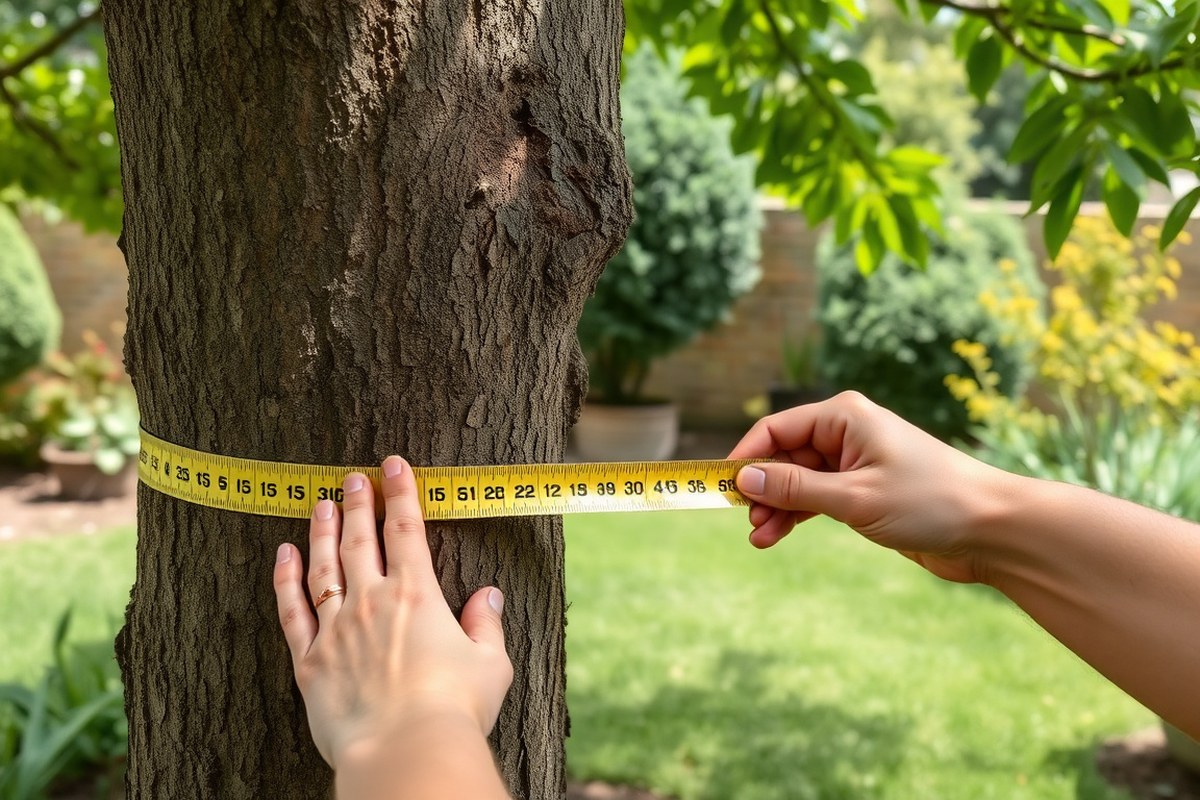
You can find a tree’s drip line by looking at its canopy. Map the outer edge on the ground around the tree. This line shows where water drips off the leaves.
Use simple tools like tape measures and markers to track the farthest branch tips. For uneven or pruned canopies, shadows and mid-day light help reveal the true drip line.
Measuring the Radius of the Canopy
Measure from the trunk base out to the furthest branch tip. This gives you the canopy’s radius. Use a tape measure for accuracy.
This radius defines the reach of the drip line, or where water falls off the leaves. Take measurements in several directions around the tree to get an accurate radius.
Here’s a step-by-step way to measure the radius:
- Stand at the tree trunk’s base facing outward.
- Use a tape measure to extend to the farthest branch tip in one direction.
- Note the distance and mark this spot on the ground with a flag or chalk.
- Repeat for the opposite side and additional points around the tree.
- Compare the measurements to determine the maximum radius.
- Use the maximum distance to draw an approximate circle for the drip line.
Measure canopy radius at midday when the sun is highest for less shadow distortion.
Marking the Drip Line on the Ground
Find the farthest branch tips of the tree first. Mark points on the ground below each tip. This helps map the drip line accurately.
Connect these points with a rope or stakes to outline the drip line clearly. This helps you plan irrigation, mulching, or pruning work inside this critical boundary.
To mark the drip line effectively:
- Walk around the tree, placing small flags where branches end.
- Use spray paint, string, or stakes to connect the outer points.
- Create a clear visible circle or shape matching the canopy edge.
- Check marks after rain or watering to confirm water drips inside your line.
- Adjust markings if branches grow or are pruned.
Adjustments for Non-Uniform Canopies
Irregular or pruned trees rarely have a perfect circle drip line. Look for mid-day shadows to locate the true drip edge.
Stand back at noon and map the shadow edge on the ground. This reflects where water drips naturally from uneven canopies.
For uneven ground or canopies with gaps:
- Note irregular shadow edges instead of a perfect circle.
- Use multiple marking points to trace the canopy shape accurately.
- Mark smaller or larger sections where branches are sparse or dense.
- Walk carefully on slopes, adjusting your measurements to ground level.
- Repeat measurements periodically as the canopy grows or changes shape.
Don’t rely solely on branch tips when pruning or reshaping trees. Shadows show true water fall zones.
Understanding Root Zones Beneath the Drip Line
Under the drip line, the tree’s root system splits into types. Large anchor roots hold the tree steady near the trunk. Fine, hair-like feeder roots spread out horizontally near and just beyond the drip line.
These feeder roots mainly stay within the top 6 to 18 inches of soil. This shallow depth keeps them close to water and nutrients. Avoid digging or heavy work here, as it easily harms these sensitive roots.
Feeder roots absorb most of the water and nutrients the tree needs. They are especially vulnerable to soil compaction. Foot traffic or machinery can reduce gas exchange, suffocating these roots within a month.
The drip line marks where the densest root feeding happens. Applying a 2- to 4-inch layer of mulch here helps keep soil moist and loose. This supports healthy root growth without disturbing the feeder roots.
Deep soaking irrigation within and slightly beyond the drip line promotes strong root growth. Feeding roots spread past the branch edge.
So watering 1.5 to 2 times the branch length helps. This encourages roots to spread and absorb nutrients better.
Understanding root depth and types helps avoid damage during landscaping. Keep heavy machinery off the drip line area to protect the feeder roots. Maintaining healthy roots here leads to a healthier, more stable tree.
How to Water Trees Effectively Using the Drip Line
Apply water just inside and slightly beyond the drip line, where most feeder roots live. Use slow drip irrigation to soak the soil without runoff. How often you water depends on soil type, weather, and tree age.
Emitter Spacing Recommendations by Soil Type
Soil type affects how water spreads, so space emitters accordingly. Sandy soils drain quickly. Place emitters closer to the trunk, about 6 to 12 inches apart.
Clay soils hold water longer. So space emitters 18 to 24 inches apart near the drip line.
Loamy soil is ideal and needs emitters spaced midway between sandy and clay guidelines. Always test soil moisture at different depths near the drip line to adjust spacing. This prevents water waste or root suffocation.
Setting Watering Frequency and Duration
Water deeply and slowly for 30 to 60 minutes to soak 12 to 18 inches deep. This encourages roots to grow outward toward the drip line.
Frequency varies based on season and rainfall. Most trees need watering every 7 to 10 days in dry weather.
Check soil moisture regularly. If the soil near the drip line feels dry 4 inches down, it’s time to water again. Adjust timing in hot months or if leaves begin wilting.
- Water early morning or late evening to reduce evaporation.
- Use a timer with your drip system for consistent irrigation.
- Pause watering in rainy periods.
- Increase watering frequency during drought stress.
- Soil tests every season help refine your schedule.
Keeping soil moist but not soggy avoids root rot and pest issues.
Adjustments for Young Versus Mature Trees
Young trees have smaller root zones. So place emitters closer, about 6 to 12 inches from the trunk. Water them more frequently but for shorter durations to keep soil evenly moist.
Mature trees require irrigation over a wider area extending just past the drip line. Use several emitters spaced at 12- to 18-inch intervals. Deep, less frequent watering encourages deep root growth and tree stability.
Watch young trees for signs of drying or overwatering, like leaf curling or yellowing. Mature trees typically handle irregular watering better but still need routine checks at the drip line.
Essential Mulching and Fertilizing Practices at the Drip Line
Essential Mulching and Fertilizing Practices at the Drip Line
Spread mulch between 3 and 4 inches thick over the drip line area. Keep mulch a few inches away from the trunk to stop rot. Apply slow-release organic fertilizer evenly from the drip line outward to feed roots safely.
The 3-3-3 Mulching Rule
Spread organic mulch at least 3 feet wide around the tree. Try to reach the drip line for best weed and grass control. This stops weeds and grass from taking nutrients away.
Use mulch about 3 inches thick to keep soil moist. Avoid piling mulch too deep because it can suffocate roots.
Check mulch depth regularly to keep it balanced. Leave a 3-inch gap between the mulch edge and the tree trunk to prevent moisture buildup.
Mulch retains soil moisture, regulates temperature, and suppresses weeds near the roots. This protective layer keeps the root zone healthy while letting the trunk breathe. A properly mulched root zone reduces the need for frequent watering and limits soil erosion.
Fertilizer Placement Best Practices
Use slow-release granular fertilizer and spread it evenly. Cover the area from the drip line and extend it two feet beyond. This helps feed tree roots without burning them.
Avoid concentrated fertilizer piles near the trunk, which can burn roots. This wide spread encourages balanced feeding of the feeder roots within the drip zone.
Apply fertilizer during the growing season, ideally in early spring or fall. So the tree can absorb nutrients efficiently. Put fertilizer nearer to the root zone for younger trees.
Keep fertilizer away from the trunk to avoid damage. Apply fertilizer carefully to support young tree growth. Regular feeding supports strong root growth and vigorous branches.
Avoiding Mulch-Related Root Suffocation
Never pile mulch directly against the trunk, as this traps moisture and invites rot or pests. This common mistake can lead to root suffocation and fungal diseases. Keep mulch several inches away from the trunk to promote airflow and dry bark.
Avoid building thick mulch mounds right next to the trunk. This hides the drip line and stops roots from getting water. Mulch piled too close can harm the tree’s life system.
Check mulch depth every season and correct it to the 3-4 inch range. Proper spacing protects the tree’s structural stability and longevity.
Always leave a 3-inch mulch-free zone around the trunk to prevent moisture buildup and decay.
Protecting the Drip Line from Damage During Landscaping or Construction
Soil compaction harms tree roots under the drip line by squeezing the soil. This reduces air pockets and water flow the roots need. Heavy foot or vehicle traffic inside the drip line damages trees.
It causes poor health and canopy dieback. This can happen within 3 to 5 years.
During construction, avoid any digging or heavy equipment use within the drip line. The drip line marks the critical root zone, where shallow feeder roots spread out.
Even shallow digging may cut roots or disturb soil. So use care every time you work near that area.
Get an arborist to map the tree protection zone. Do this before starting work. It’s important if your site has old or large trees.
Don’t assume soil outside the canopy is root-free. Leave a buffer zone around the drip line to keep roots safe from construction impacts.
- Keep equipment and vehicles away from the drip line to prevent soil compaction.
- Mark the drip line visibly with stakes or barriers before work begins.
- Use hand tools like spades, not heavy machinery, for digging near roots.
- Limit digging to the minimum depth, avoiding deep cuts that harm feeder roots.
- Put down mulch or boards around the root zone to spread out foot traffic.
- Water the root zone regularly to keep soil moist and support healing after work.
- Plan irrigation to cover 50 to 60% of the root area. This helps keep roots healthy. Proper watering is key for tree health.
Dig carefully in areas near the drip line to avoid cutting roots. Only cut roots blocking your path with sharp tools. Make sure cuts are clean.
Seal the cuts to protect the tree. Mulching can reduce soil stress and help roots recover from minor damage.
Heavy items like cars or patios inside the drip line increase soil pressure. This pressure risks killing roots. Avoid placing heavy things near your tree roots.
Keep these off the root zone to protect the tree’s water and nutrient supply. Correctly protecting the drip line saves trees from slow decline triggered by unnoticed construction harm.
How the Drip Line Changes over Time and Affects Tree Care
Your tree’s drip line will expand as the tree grows taller and wider. This happens because the branches stretch out, creating a larger canopy. Roots grow to match the tree’s spread.
They push the drip line farther from the trunk. This happens over years.
Seasonal changes also affect the drip line size. Trees grow more leaves in spring and summer. Branches also grow in these seasons.
This growth pushes the drip line out. In fall and winter, some trees lose leaves, making the drip line appear smaller temporarily. But the root zone remains active below ground.
Adjust your watering as the drip line grows. Water should reach the drip line perimeter, where most feeder roots lie.
Expanding the watering zone each year helps roots explore soil farther out, supporting stable growth. For example, if the drip line grows by a foot, move irrigation outlets or sprinklers accordingly.
Fertilize near the drip line too, because roots take nutrients there. Spread fertilizer in a circle just inside and outside the drip line. Avoid piling fertilizer against the trunk since roots are sparse closer in.
You might need more fertilizer as the drip area gets bigger. Check tree size and soil tests. Adjust fertilizer amounts accordingly.
Look for signs your drip line no longer matches root growth. These include yellowing leaves or stunted growth despite watering near the drip line. Roots may have grown beyond your current watering zone seeking water and nutrients.
Slowly move watering and fertilizing zones outward. Watch the tree’s leaves for improvement. This can take several weeks.
Pruning can shrink the drip line by cutting back branches. After pruning, scale back watering toward the new drip line edge. Too much water beyond it can drown roots.
You might cut irrigation time by 10 to 30 percent depending on the extent of pruning. Reassess every few months as the tree regrows.
Change irrigation to match the tree’s growing drip line. This saves water and supports healthy roots. Adjustments should be regular.
Drip irrigation fits well here. You can move water emitters outward in steps. This targets the tree’s growing root zone.
Irrigation updates usually take around 30 minutes. Costs range from $50 to $150. Prices depend on system size and parts.
Common Drip Line Care Mistakes and How to Fix Them
Ignoring the drip line during watering wastes water and stresses your tree. The feeder roots spread near the drip line. So watering closer to the trunk misses them.
This leaves roots dry and weak. Dampening the trunk area can invite rot and fungus.
Over-mulching near the drip line also causes problems. Piling mulch against the trunk traps moisture and can suffocate roots. Thick mulch layers over the feeder roots block oxygen, causing root dieback and poor growth.
Apply a 2 to 4 inch mulch layer around your plants. Keep the mulch 6 inches away from the trunk to avoid damage.
Yellowing or wilting leaves can signal root suffocation or compaction. Slow growth and hard or tight soil under the drip line are also signs.
Compacted soil stops water and air from reaching roots. Avoid heavy foot traffic or machinery near the drip line to prevent damage.
- Water evenly around the drip line, not just near the trunk
- Keep mulch 6 inches away from tree trunks
- Limit mulch to a 2-4 inch depth over roots
- Check soil softness near the drip line before watering
- Avoid stepping or parking near the drip line to prevent compaction
- Pull back mulch briefly to inspect root health if growth slows
Applying water directly to the drip line feeds the roots efficiently and keeps leaves drier. This lowers the risk of fungal diseases.
Water deeply but infrequently, letting soil dry slightly between watering. Monitor mulch thickness throughout the year and replenish only when needed.
Always keep mulch away from the trunk to prevent rot and pest problems.
Damaged roots under the drip line recover slowly, making early care key. Gently loosen hard or cracked soil using a hand tool. Avoid disturbing roots too much while doing this.
Use a mulch rake to spread mulch smoothly and avoid smothering roots. Adjust watering based on temperature and rainfall, adding more in hot, dry spells.
Step-by-Step Action Plan for Protecting and Using the Drip Line
Follow these steps to care for your tree’s drip line correctly and keep your tree healthy.
- Before planting: Locate the expected drip line based on tree species and size. Mark it with stakes or string to avoid later damage.
- Right after planting: Water around the drip line slowly and deeply. Check soil feels moist 6 inches down after watering.
- Week 2 to 4: Spread 2 to 4 inches of organic mulch. Put it just inside and a bit past the drip line. Look for mulch that stays moist but not soggy.
- Month 2: Start a monthly fertilizing routine using a balanced fertilizer around the drip line. Observe healthy, steady new growth as a sign of success.
- Ongoing: Avoid heavy foot or equipment traffic near the drip line to prevent root damage. Keep soil firm but not compacted underfoot.
- Every 6 months: Re-measure the drip line and adjust watering and mulching areas accordingly. Your tree’s drip line can widen with growth.
- Before any landscaping or digging: Confirm no work will disturb the drip line. Protect the area with barriers to reduce injury risk.
Frequently Asked Questions
What Is the Purpose of the Drip Line in Tree Care?
The drip line marks where the tree gets most water and nutrients. You should focus care like watering or mulching here.
How Do Feeder Roots Under the Drip Line Affect Tree Health?
Feeder roots absorb up to 90% of water and nutrients. Protecting this zone helps keep the tree alive and growing.
Can the Drip Line Help Decide Where to Place Garden Beds?
Yes, avoid planting beds too close to the drip line to protect roots. This area is sensitive due to many fine roots.
Why Shouldn’t Heavy Equipment Cross a Tree’s Drip Line?
Soil compaction damages fine roots in that zone. Always dig below roots at least 18 inches deep to prevent harm.
How Does Seasonal Growth Change a Tree’s Drip Line?
The drip line expands as branches grow. Adjust your care area annually to match the canopy’s new edges.
Is It Okay to Water a Tree Trunk Directly Instead of the Drip Line?
Water near the trunk doesn’t reach most feeder roots. Focus watering at the drip line for better absorption.
The Bottom Line
The drip line marks the key root zone your tree depends on most. Care around it by watering, mulching, and protecting roots properly. Start by marking your tree’s drip line today and adjust your routine as the tree grows.