How Much Sun Does Lavender Need: A Complete Guide for Healthy Growth
How much sun does lavender need? Lavender prefers at least 6 hours of direct sunlight daily.
This amount helps the plant grow strong and bloom well. Too little sun leads to weak growth and fewer flowers.
English lavender thrives with 6 to 8 hours of full sun each day. Lavandin tolerates a bit more shade but still needs good light to flourish. Place your plants where nothing blocks sunlight during peak hours.
Morning sun is especially beneficial because it dries dew quickly. This helps prevent fungal diseases that can harm lavender. Avoid locations shaded by buildings or tall trees in the afternoon.
Keep lavender spaced 18 to 24 inches apart to let air and sun reach every side. Good airflow reduces humidity and keeps the plant healthy. Watch out for shady spots that could stunt your lavender’s growth.
Key Takeaways
- Lavender needs at least 6 hours of direct sun to thrive and bloom.
- English lavender prefers 6 to 8 hours of full sun daily for best results.
- Lavandin handles up to 8 hours but tolerates some shade better.
- Space plants 18, 24 inches apart for airflow and to let sunlight reach all sides.
- Plants with under 6 hours of sun become weak and produce fewer flowers.
- Morning plus afternoon sun totaling 6 hours can support lavender growth if unblocked.
How Many Hours of Sun Does Lavender Need Daily?

Lavender needs full sun, which means at least 6 hours of direct sunlight daily. This minimum helps the plant grow strong stems and produce fragrant flowers. English lavender, for example, thrives best with 6 to 8 hours of full sun each day.
Lavender needs 8 to 10 hours of direct sun daily. This boosts flower quality. It also raises essential oil levels.
The extra sunlight supports more vigorous growth and earlier blooming. You can place your lavender in a south-facing spot outdoors to get the longest sun exposure.
Morning sun tends to be cooler and less intense than afternoon sun. Lavender benefits from steady morning rays that warm the plant without heat stress. Afternoon sun is hotter and stronger than morning light.
Lavender handles the heat well. This warmth helps plants in cooler areas.
For container lavender, sun matters even more because pots dry out faster. Place potted lavender where it gets 6 to 8 hours of full sun. This keeps it from wilting.
Your spot gets only 4 to 5 hours of sun. Choose a different plant for better growth.
Too little sun slows lavender growth and leads to leggy plants with fewer flowers. Too much, especially in extremely hot zones, can stress lavender.
So slight afternoon shade might help some varieties. Aim for consistent unfiltered sunlight six hours or more for the best results.
How Different Lavender Varieties Affect Sun Requirements
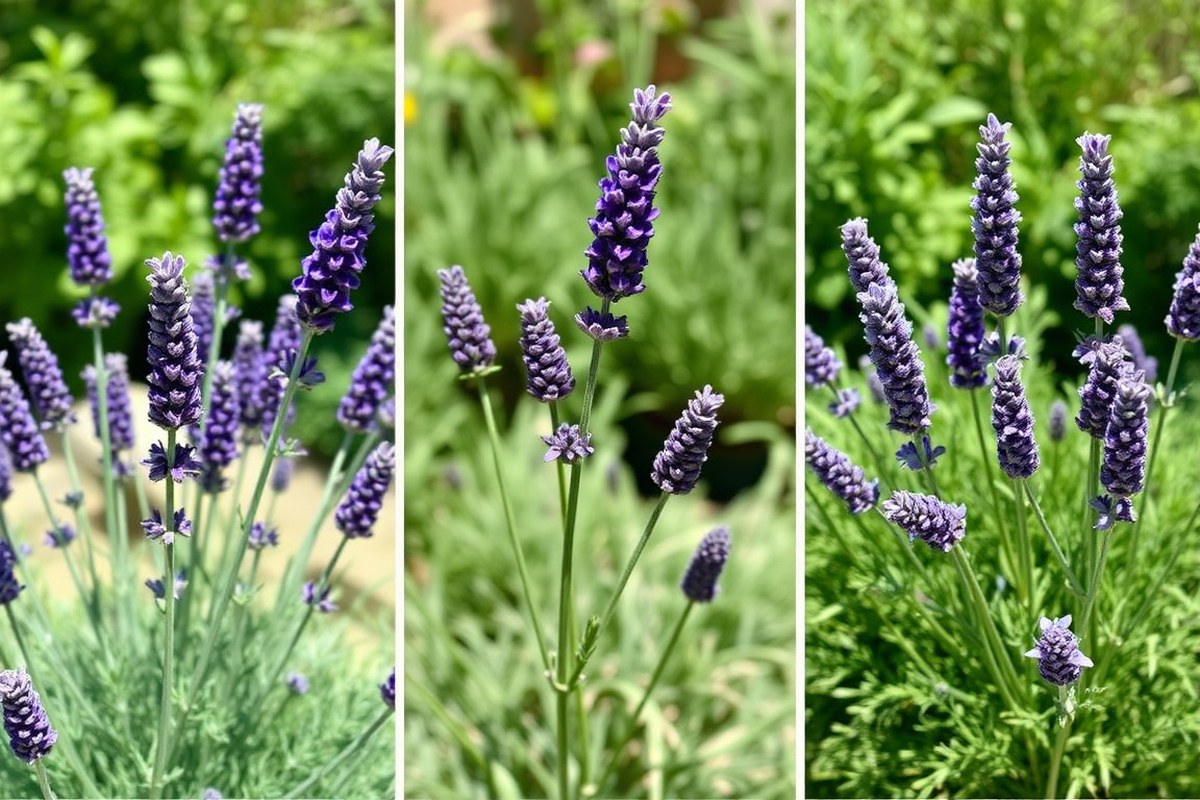
Lavender types vary in their sun needs to grow well. English lavender (Lavandula angustifolia) needs enough sun, at least 6 hours of direct light each day. French and Spanish varieties also like full sun but can tolerate less intense heat.
Lavandin and some hybrid lavenders, like ‘Grosso’ and ‘Phenomenal,’ tolerate partial shade better. They can grow with 4 to 6 hours of full sun and still produce good blooms. This is helpful if your garden doesn’t get sun all day or has shaded spots.
Choosing the right lavender variety depends on your garden’s sunlight. English lavender is a great choice for spots with full sun. This type offers strong fragrance and good flower quality.
It grows best with plenty of sunlight. Gardens with afternoon shade or less sun suit lavandin better. Certain hybrids also thrive with limited sun exposure.
| Lavender Variety | Sun Tolerance (Direct Sun Hours) | Floral Quality | Growth Behavior |
|---|---|---|---|
| English Lavender (Lavandula angustifolia) | 6-8 hrs (full sun) | Highly fragrant, dense flowers | Compact, 1-2 ft tall, needs good airflow |
| French Lavender (Lavandula dentata) | 6+ hrs (full sun) | Distinct bloom shape, moderate fragrance | Taller, needs well-drained soil |
| Lavandin (hybrid) | 4-8 hrs (tolerates some shade) | Strong scent, long flower spikes | Faster growth, often 2 ft or more |
| Hybrid Lavenders like ‘Grosso’, ‘Phenomenal’ | 4-6 hrs (shade tolerant) | Good flowers, slightly less delicate scent | Vigorous, suited for varied sun |
Gardens with less than 4 hours of sun are usually not good places for lavender. In those cases, pick lavenders that tolerate part shade and expect slower growth or fewer blossoms. Airflow and soil drainage remain important for all varieties to avoid fungal diseases.
Placing lavender too close in shade may cause weak growth and fewer flowers.
Once you know your sunlight hours, match the lavender variety to that spot. Gardens getting only 4 to 6 hours of sun fit ‘Grosso’ or lavandin. These varieties handle less sun and still grow well.
English lavender needs more light to bloom well and smell strong. Full sun helps produce denser flowers and better scent. It doesn’t do as well in shady spots.
Recognizing and Fixing Sunlight Problems in Lavender
Lavender that lacks enough sun often shows leggy, stretched-out stems. The plant reaches upward, trying to find more light. This growth drains energy, leaving fewer flowers and less fragrance.
Too much sun can burn lavender’s leaves and stems. Sun-scorched leaves turn dull or brown, especially on the top and edges. This usually happens during dry, hot afternoons when the plant isn’t watered enough.
Look for these signs of sun-related stress to diagnose your lavender:
- Leggy growth with long, thin stems and sparse leaves
- Few or no flower buds forming
- Leaves turning pale yellow, gray, or brown on edges
- Dry, brittle leaves, especially on the top side
- Wilting during hot afternoons, even with watering
Your lavender may stretch thin if it lacks enough sun. Place it where it gets a minimum of six hours of direct sunlight daily. Avoid spots shaded by buildings or trees in the afternoon.
Sunburned lavender needs some shade during the hottest part of the day. Use a light cloth to cast shade over your lavender. Alternatively, plant it where it receives morning sun only.
Keep it out of harsh afternoon sunlight. Keep the soil moist but not soggy to help the plant recover. For potted lavender, rotate the pot regularly to expose all sides to sun evenly.
Lavender grows best in slightly alkaline soil, pH between 6.5 and 7.5. Add lime to soil if it is too acidic.
Water thoroughly but let the top inch dry before watering again. Monitor soil moisture daily to prevent stress.
Fixing light problems early helps lavender bloom well and stay healthy. Plants with the right sun grow stronger stems, more flowers, and a better scent. Watch sunlight patterns as seasons change throughout the year.
New tree leaves can create unexpected shade. Adjust your lavender’s location if light conditions shift too much.
Choosing the Best Location for Lavender Based on Sun and Soil
Track where the sun moves across your yard from morning till afternoon. Note areas getting six to eight hours of full sun daily. Avoid spots shaded by tall trees or buildings during key sunlight times because lavender doesn’t do well in shade.
Good soil drainage helps lavender roots breathe when full sun heats the ground. Choose sandy or gravelly loam soil for better lavender growth. Add up to 30% coarse sand to improve your garden soil’s drainage.
This helps keep the roots healthy and dry. Poor drainage traps moisture around roots, causing rot even if the spot gets plenty of sun.
- Pick a spot with at least 6, 8 hours of direct sunlight daily
- Avoid shadowed areas under trees or near tall fences
- Test soil for quick drainage and mix in sand if needed
- Space plants 2 to 3 feet apart for clear airflow
- Keep plants away from areas where water pools after rain
Spacing lavender 2 to 3 feet apart avoids crowding and allows air to flow freely. Good airflow reduces humid pockets which can block sunlight and invite disease. Growing lavender in pots is a great option when your yard lacks sunny areas.
You can move the pots to follow the sun all day. This helps meet lavender’s light needs. You can move the pots to track the sun during the day or season.
Be careful not to plant lavender in soil that stays wet or shady. Even the sunniest spot won’t help if roots sit in soggy earth.
Pruning nearby plants that block light also improves sunlight reach. With sun and drainage working together, your lavender can grow bushy and healthy.
Adapting Lavender Sunlight Needs to Different Climates
Lavender’s sunlight needs shift with the climate you live in. Cooler areas need longer sun, usually 6 to 8 hours a day. This helps keep lavender healthy.
It also encourages more blooms. Hot or humid climates may require some afternoon shade to prevent leaf scorch and wilting.
Adjusting for these factors can save you from stressed plants and poor flower production. French lavender can handle some shade in hot zones. This makes it good where the afternoon sun is strong.
It’s more tolerant than some others. Watch soil moisture closely.
Lavender doesn’t like roots that stay soggy. This is true in cooler or humid places.
| Climate Zone | Recommended Daily Sun | Heat/Humidity Adjustment | Soil Moisture Tips | Ideal Lavender Use |
|---|---|---|---|---|
| Cool (USDA 5, 8) | 6, 8+ hours | Maximize sun, avoid shade | Very well-drained; avoid wet soil | Culinary and medicinal (L. Angustifolia) |
| Temperate | 6, 8 hours | Full sun; afternoon shade optional | Well-drained, monitor moisture | General purpose and flower production |
| Hot & Dry | 6+ hours | Provide afternoon shade; prevent scorching | Water deeply but infrequently, dry top 2 inches | Commercial oil production (L. X intermedia) |
| Hot & Humid | 4, 6 hours | Afternoon shade necessary; reduce humidity stress | Ensure good drainage; avoid root saturation | Hardier French lavender varieties |
| Extreme Desert (>100°F) | 4, 6 hours | Important afternoon shade; high heat protection | Water cautiously; let soil dry between watering | Heat-tolerant types with shade protection |
This table helps you match sunlight and watering to your climate. In hotter areas like Arizona, providing afternoon shade reduces heat stress. In cooler zones like USDA 5 and 8, give full sun.
Check soil often for dampness. Wet soil can damage lavender roots.
Watch your lavender during heatwaves, too much afternoon sun can scorch leaves fast.
Watering needs change with sun and climate too. Wait until the top 2 inches of soil dry before watering again. In hot, dry climates, watering too often makes roots weak and more prone to disease.
Choosing the right lavender variety helps. But sun exposure and soil care make the biggest difference. Your garden might get lots of sun or stay humid.
You can adjust shade and water levels. This helps lavender grow strong and bloom well.
Growing Lavender Indoors and Using Supplemental Light
Lavender can grow indoors if it gets enough light. Place it near a sunny window or use grow lights to supplement. This ensures your plant stays healthy and blooms well.
Ideal Window Directions for Lavender
The best window for indoor lavender is south-facing. It provides the most direct sunlight, usually 6 to 8 hours daily. East-facing windows work if south-facing isn’t available, but west windows give less morning light.
Afternoon sun through a west window can be strong but shorter. Lavender enjoys the hotter afternoon light more than morning light. Avoid north-facing windows because they rarely provide enough sunlight.
Determining When to Use Grow Lights
Use grow lights when natural light is insufficient, especially during shorter days. Lavender needs a minimum of 6 hours of strong light daily to thrive. Your window might not give enough light to keep lavender healthy.
Use grow lights to help during darker months. They provide steady light for plants all year long.
Check the light by watching how much direct sun hits your plant’s spot daily. When sunlight is less than 4 hours daily, use grow lights. This helps lavender get the light it needs to grow well.
Pick full-spectrum LED grow lights made just for plants. Regular LEDs don’t give the right light quality for lavender. These special lights support healthy growth better.
Keep grow lights 12 to 18 inches above the plant. Run them for 10 to 12 hours a day to mimic outdoor sunlight. Adjust height and timing based on your plant’s response.
How to Rotate and Position Indoor Lavender
Rotate lavender every few days to keep all sides getting sunlight. This prevents lopsided growth and encourages fuller plants. Turn containers about a quarter turn each time.
Try to move lavender pots to catch more sunlight as seasons change. Adjusting pot locations helps plants get more light when days shorten.
In winter, place them closer to the window or under grow lights for longer. Container growing lets you adjust sun exposure as daylight shifts.
Keep lavender away from drafts and heat sources like radiators. Too much heat can dry the plant out. Keep soil slightly moist but never soggy to avoid root rot.
- Find your sunniest window, preferably south-facing.
- Check how many hours of direct sunlight the spot gets daily.
- Place your lavender pot close to the window glass.
- Rotate the pot 90 degrees every 3 days for even light.
- Sunlight below 4 hours? Set up a full-spectrum grow light nearby. It gives lavender the light needed to thrive indoors.
- Set the grow light 12-18 inches above the plant and run 10-12 hours daily.
- Adjust the plant’s position seasonally to follow sun shifts.
- Keep soil moist but well-drained and avoid drafts or hot spots.
Acclimating Seedlings and Young Lavender Plants to Full Sun
Introduce seedlings to full sun gradually to avoid shock. Begin with a few hours of morning sun.
Increase sun exposure slowly over 7 to 10 days. Watch for signs like leaf curling or wilting that mean the plant is stressed.
Preparing Seedlings Indoors
Keep seedlings indoors where they get bright, indirect light. This helps them grow strong but prevents sunburn from harsh rays. Check that room temperatures stay above 60°F to avoid slowing growth.
Before moving outdoors, slowly expose seedlings to direct sunlight near a window. Start with 30 minutes of sun per day over two to three days. This step helps seedlings prepare their leaves for stronger light.
First Days of Outdoor Sun Exposure
Put seedlings outdoors in a shady spot first. Give them bright morning sun for 2 to 3 hours.
Afternoon shade is important, especially in hotter zones like 9 and 10, to reduce heat stress. Use a thermometer to check outdoor temps are above 65°F before starting.
Keep soil moist but not waterlogged during this stage. Avoid fertilizing until after the seedlings adjust to prevent further stress. Check daily for any change in leaf color or drooping.
Adjusting Exposure over 7 to 10 Days
Increase direct sun by one hour each day, focusing on morning and early afternoon light. Don’t move plants to full sun all at once.
This can cause leaf scorch or slow growth. In hot summer months, give plants some afternoon shade in zones 9 and 10.
Stop increasing sun exposure if you notice curling leaves, browning leaf edges, or delayed growth. Let plants rest in light shade for a day or two, then resume gradual sun increase. Once plants handle 6 or more hours of direct sun, reduce afternoon shade.
Here’s a simple step-by-step guide to help you acclimate your lavender seedlings safely:
- Start indoors with bright, indirect light and temperatures above 60°F.
- Expose seedlings to 30 minutes of direct sun near a window for 2, 3 days.
- Move seedlings outdoors to a shady spot with 2, 3 hours of morning sun.
- Keep soil moist and avoid fertilizing during the transition.
- Increase sun exposure by one hour daily for 7, 10 days.
- Provide afternoon shade in hot climates during peak summer.
- Watch for leaf curling or browning; pause sun increase if needed.
- Once seedlings handle 6+ hours of sun, remove afternoon shade.
Seasonal Strategies and Practical Tips to Maximize Sunlight
Adjust lavender’s sun exposure with the seasons to keep it healthy. In hot summer areas, give plants morning sun and afternoon shade. During fall and winter, remove anything blocking low sun angles to maximize light.
Using Reflective Surfaces for Light Boost
Reflective surfaces can brighten shaded spots without moving plants. Painting fences white or hanging foil sheets near your lavender pushes extra light onto leaves. This helps make up for partial shade or nearby trees blocking sunlight.
Here’s what you can use to reflect light around lavender plants:
- White-painted wood or metal fences
- Aluminum foil sheets hung vertically
- Light-colored stones or gravel around the base
- Mirrors placed safely away from heat buildup
- Outdoor reflective panels angled toward plants
Be careful to fix reflective materials well so wind doesn’t blow them away. Also, avoid shiny surfaces causing heat spikes near roots.
Managing Afternoon Shade in Hot Weather
Afternoon heat above 95 °F (35 °C) stresses lavender and can reduce oil quality. Providing some shade after midday still lets plants catch important morning sun. Use shade cloth to block harsh rays, especially in heatwaves.
Put up shade cloth this way:
- Secure cloth to a frame or poles about 3 to 4 feet above plants
- Use light-color or 30-50% shade cloth to keep enough light
- Install only during hottest months or heat spikes
- Remove in the fall to let maximum sun through
- Make sure cloth allows air flow to avoid humidity buildup
Too much shade lowers oil yield and invites diseases like powdery mildew.
Companion Plants That Help Increase Sun Exposure
Choose companion plants that stay low or have sparse leaves. This lets more sun reach your lavender without adding shade. Some limit soil moisture competition while boosting sunlight access.
Examples include thyme, oregano, and creeping sedum growing alongside lavender. These tolerate sun and dry soil well and keep low profiles. Avoid tall shrubs or dense ground covers that block light.
Step-by-Step Action Plan for Perfect Sunlight on Lavender
Follow these steps to give your lavender the right amount of sun each day. You’ll see healthier growth and more blooms in no time.
- Before Planting: Choose a spot with at least 6 hours of direct sun. Check the site at midday to ensure it’s bright enough.
- At Planting: Use well-draining soil and avoid shady spots. Lavender roots must not stay wet or dark.
- Week 1: Place young plants in partial sun for a few hours daily. Watch for any leaf burn before increasing sun exposure.
- Weeks 2, 4: Gradually move plants to full sun over two weeks. Leaves should turn a steady green, not brown or faded.
- Month 1 and Beyond: Ensure full sun for at least 6 hours each day. Adjust positioning if your lavender looks leggy or pale.
- Seasonal Check: In winter, protect plants from excessive shade or wet soil. In summer, water deeply but sparingly in the morning.
- Indoors: Use a bright south-facing window or a grow light for 10-12 hours daily. Lavender indoors needs stronger, longer light.
- Monthly Review: Inspect leaves and stems for signs of too much or too little sun. Make changes early for best results.
Frequently Asked Questions
Can Lavender Tolerate Afternoon Shade?
Yes, lavender can handle some afternoon shade, especially lavandin. It grows best with morning sun and a few hours of afternoon shade to avoid overheating.
How Much Space Should I Leave Between Lavender Plants?
You should space lavender at least 18, 24 inches apart. This helps airflow around plants and reduces humidity, keeping lavender healthy.
Does Snow Cover Protect Lavender in Winter?
Snow can protect lavender by insulating the roots from cold. But avoid wet soil under snow to prevent root rot.
Can Lavender Grow Near Taller Plants Without Affecting Sun?
Lavender needs direct sun, so taller plants can shade it out. Keep lavender on garden edges for full sun exposure.
Is Morning Sun Enough for Lavender Growth?
Morning sun combined with some afternoon sun, totaling 6 hours, can support lavender growth. Full 6-8 hours is best for blooms and fragrance.
How Does Soil pH Affect Lavender’s Sun Response?
Lavender prefers alkaline soil with pH between 6.5 and 7.5. This helps roots absorb nutrients better under full sun conditions.
Before You Go
Lavender thrives best with about 6 to 8 hours of direct sunlight daily. Pay close attention to your plant’s reaction to sun and adjust its location if needed. Start today by finding your sunniest spot for planting or moving your lavender outdoors.