How to Take Care of Lavender: A Complete Guide for Healthy, Fragrant Plants
Learning how to take care of lavender means knowing its key needs. Lavender thrives with lots of direct sunlight, ideally 6 to 8 hours every day. It also prefers well-draining, gritty soil and only needs watering when dry.
To succeed, plant lavender where it can soak up full sun and avoid soggy soil. Water deeply but infrequently, especially during the first few weeks after planting. Overwatering or heavy soil can cause root problems and kill your lavender.
Lavender benefits from occasional pruning to keep its shape and encourage new growth. Prune lightly after blooming to remove spent flowers and dead stems. This helps maintain a compact, healthy plant with strong branches.
Fertilize sparingly with a low-nitrogen feed once or twice a year. Too much fertilizer promotes leafy growth but reduces the fragrant flowers you want. Stick to these basics to keep your lavender alive and thriving for years.
Key Takeaways
- Provide at least 6 hours of direct sun daily for vibrant lavender growth.
- Use gritty, well-draining soil to prevent root rot and overwatering damage.
- Water lavender deeply only when soil is completely dry to conserve moisture.
- Newly planted lavender needs watering every 1 to 2 weeks until established.
- Keep potted lavender in containers no more than 2 inches larger than before.
- Fertilize container lavender with diluted liquid organic feed every 4 to 6 weeks.
What Lavender Needs to Thrive Every Day
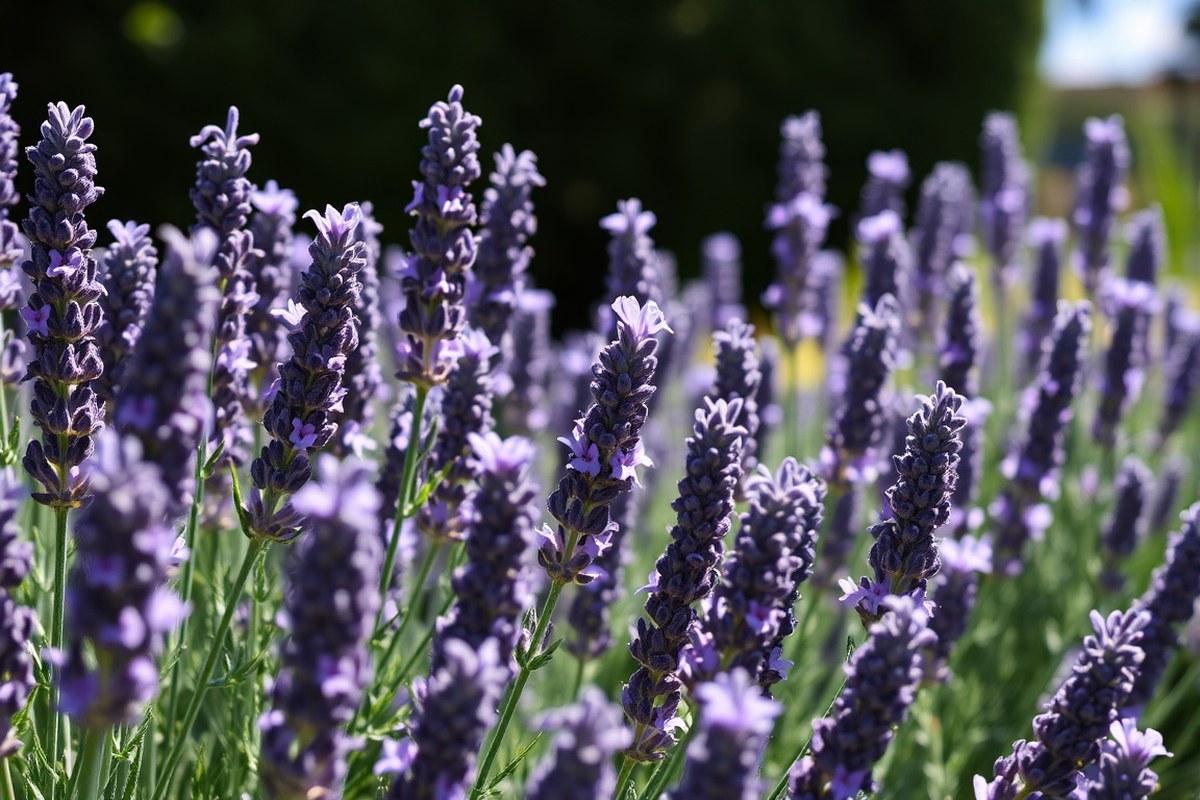
Lavender needs at least 6 to 8 hours of direct sunlight every day. This amount of light helps the plant produce vibrant flowers and strong growth. Place your lavender in a spot that gets sun most of the day.
A south-facing window works well. You can also put it outside in a bright area.
Temperature plays a big role too. Lavender thrives between 60 and 80 degrees Fahrenheit during the day. It prefers cooler nights, around 50 to 55 degrees.
Keep your lavender away from temperatures under 40 degrees or over 90. These extremes can stress your plant. Find a spot with milder conditions.
Use well-draining soil with a gritty or sandy texture. Lavender roots don’t like to sit in wet soil, which can cause rot. When soil feels heavy or like clay, add sand or small gravel before planting.
This helps improve drainage. This preparation helps water drain quickly after each watering.
Water your established lavender deeply but only when the top inch of soil is dry. On average, watering about once a week works well. But it varies with weather and pot size.
During hot, dry spells, check soil moisture every few days. When it stays dry longer, give a thorough soak.
Check your lavender every day for signs of good health. Bright green or gray-green leaves are good. Upright stems also show your lavender is doing well.
Wilted, drooping leaves or yellowing can mean overwatering or root issues. Similarly, slow growth signals not enough sun or poor drainage. Adjust light exposure or check soil conditions as needed.
Adjust your outdoor lavender’s watering depending on the weather. Water more when it’s hot and dry. Water less if it rains often.
During rainy or snowy times, hold off on watering to avoid soggy soil. In drier periods, light watering every few weeks helps prevent roots from drying out. Never let water pool beneath the roots.
Providing these basics keeps your lavender thriving for years. The right sunlight, temperature, soil, and watering balance means lush leaves and full blooms.
Pay attention to your plant’s daily signals. You’ll know exactly when to tweak its care.
Choosing and Preparing Soil for Lavender Planting
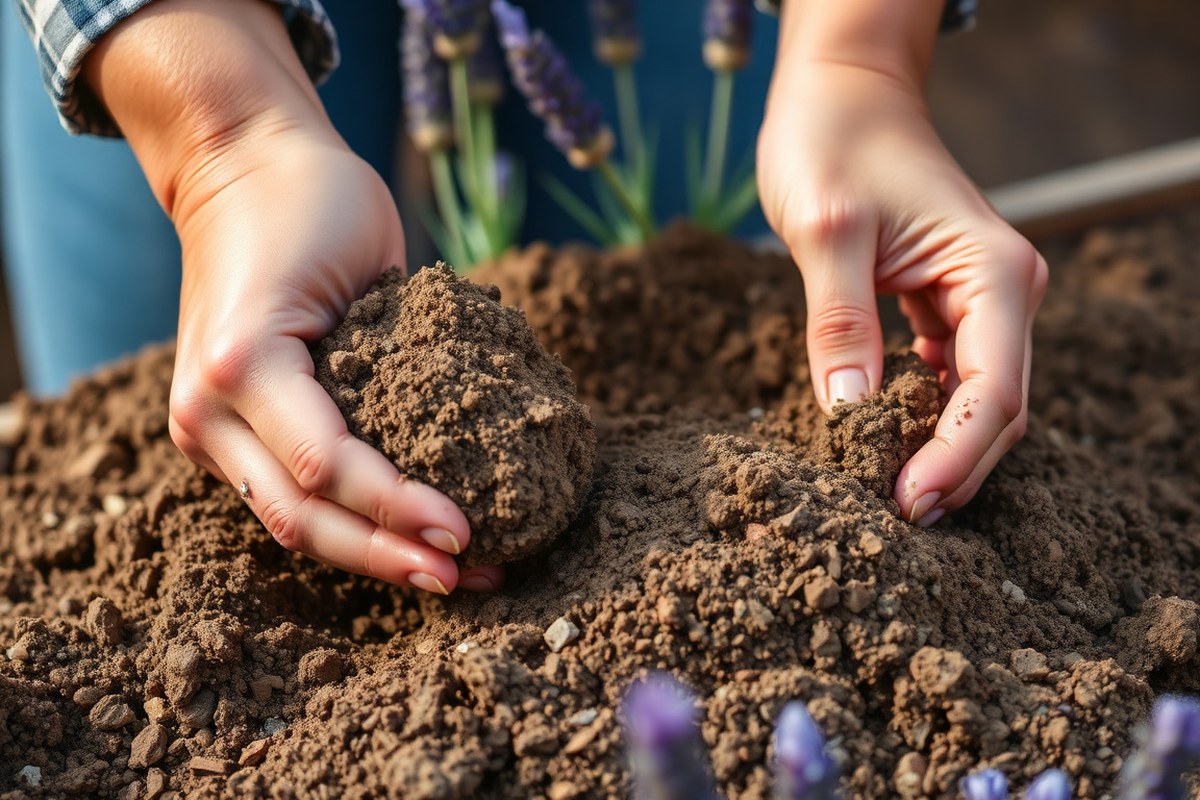
Lavender thrives in soil that drains well and leans toward sandy or gritty textures. Aim for a soil pH between 6.5 and 8.0 to match its alkaline preference. Preparing your garden or container soil well helps lavender grow better.
Good drainage and the right amendments are key. These steps set up lavender for success.
Ideal Soil Texture and Composition
Lavender grows best in sandy, loamy, or gritty soil that drains quickly. These textures prevent water from staying near the roots, which can cause rot. Soil that’s too dense or clay-heavy holds too much moisture and should be improved before planting.
To prepare your soil, check it by squeezing a handful. It probably has too much clay if it feels smooth and sticky. Sandy or gritty soil will feel coarse and crumbly, letting water pass through easily.
Adjusting Soil pH for Lavender
The ideal pH for lavender is from 6.5 to 8.0, meaning neutral to slightly alkaline. Mildly acidic soils below pH 6.0 can stunt growth or cause nutrient issues.
You can use a home kit to test soil pH at home. Or send samples to your local extension service for a more accurate test.
To raise the soil pH, mix in lime according to package instructions. Avoid overdoing it; test again after a few weeks.
Lower pH soils need more effort and may not be perfect for lavender. So try container planting if necessary.
Drainage Improvement Tips
Good drainage is key for lavender roots to avoid soggy conditions. You can improve drainage by mixing gravel or coarse sand into garden beds before planting. Raised beds work well because they naturally drain better than flat ground.
Check drainage by digging a hole about 12 inches deep and filling it with water. The soil is suitable if water drains in 1 to 2 hours. Drainage slower than 4 hours means you should add grit or create a raised bed.
- Add 1 to 2 inches of horticultural grit or small gravel to planting holes
- Mix in 25 to 50% coarse sand or grit with existing soil for containers
- Use raised beds at least 12 inches high for better water runoff
- Avoid compacting soil by tilling only lightly before planting
- Do not over-mulch with organic matter that holds water near roots
Safe Soil Amendments to Add
Lavender likes lean soil, so avoid adding rich composts or manures with high nitrogen. Instead, use well-rotted compost sparingly to improve soil texture without feeding it too much. Bone meal can boost phosphorus for stronger roots especially in poor soils.
Add organic matter only when improving clay soil to loosen it, but keep it moderate. Balanced slow-release fertilizers work if you want gentle feed without pushing too much leafy growth. Avoid fertilizers high in nitrogen, which cause lanky plants with fewer blooms.
Avoiding Heavy or Waterlogged Soil
Heavy clay or peat soil keeps too much moisture and suffocates lavender roots. Planting lavender in containers or raised beds is safer if soil can’t improve well. Dig bigger, deeper holes when planting in heavy soil to help water drain away.
Be sure your site never gets boggy after rain or watering. Wet conditions invite root rot and fungal diseases. Choose sunny spots with natural slopes or add drainage features like gravel layers and raised borders.
Avoid planting lavender in soil that drains slower than 4 hours per foot. Slow drainage risks root rot.
| Soil Characteristic | Ideal for Lavender | Avoid / Fix |
|---|---|---|
| Texture | Sandy, Loamy, Gritty | Heavy Clay, Peaty |
| PH Level | 6.5 to 8.0 (Neutral to Alkaline) | Below 6.0 (Acidic) |
| Drainage | Low to Moderate Moisture Retention | Saturated, Boggy |
| Nutrients | Lean, Low Organic Matter | High Nitrogen, Manure, Rich Compost |
Watering Lavender Correctly at Different Growth Stages
Watering lavender depends heavily on the plant’s age and the climate it grows in. Newly planted lavender needs more frequent watering to help the roots settle. Lavender needs less watering as it grows.
Its roots dig deep. These roots hold moisture well.
Check the soil 1 to 2 inches down before watering. Check the soil with your finger. If it feels dry or almost dry, water it.
Water your lavender deeply. Avoid soaking the soil too much. Wet soil causes yellow leaves.
| Plant Stage | Watering Frequency | Primary Goal |
|---|---|---|
| Newly Planted | 2-3 times per week (depending on heat) | Root establishment & survival |
| Developing (Year 1-2) | Every 7-10 days | Strengthening root architecture |
| Mature | Only during extreme drought | Maintaining health without over-saturation |
Newly planted lavender needs regular water until roots are well set. These plants are thirsty but avoid soggy soil. For lavender in its first two years, water every week or so to build strong roots.
Mature lavender rarely needs watering unless the soil stays dry for weeks. Commercial farms water just a few times yearly, showing how drought-tolerant this plant is.
Water very little in winter or humid places. You may grow lavender in a pot to prevent soggy soil.
Overwatering causes yellow leaves and soggy soil, while underwatering leads to dry, shriveled foliage. Watch for these signs.
Always aim to keep soil moist but barely damp, never soaked. Regular checks help you spot problems early.
When and How to Prune Lavender for Maximum Health
Prune lavender right after its main bloom ends, usually in late summer or early fall. This timing helps keep the plant compact and encourages new growth. Cut back tall varieties by about one-third to avoid woodiness.
For dwarf types, trim a few inches off. This helps the plant live longer.
Timing Pruning by Season and Bloom Stage
Prune lavender when the blossoms finish, often late summer or early fall. This timing lets your plant focus energy on new shoots instead of seed production. Avoid pruning in late fall or winter, as cold can stress the plant.
Lightly trim spent flowers during bloom to keep the plant tidy. Then cut deeper once flowering ends to shape the plant and promote fresh growth.
Pruning Methods for Tall Versus Dwarf Types
Taller lavenders, like English lavender, take a harder prune, cut back about one-third of the stems. This removes old woody growth and keeps the center open. For dwarf lavenders, cut back 2 to 4 inches above the woody base to maintain shape.
Always leave some green growth to allow new shoots to sprout. Avoid cutting into bare wood because lavender does not regrow from it.
Recommended Pruning Tools and Maintenance
Use sharp, clean pruning shears or garden scissors to get clean cuts that heal well. Bypass pruners work best to avoid crushing stems. Disinfect tools with rubbing alcohol between plants to limit disease spread.
Regularly sharpen your tools for smooth cuts. After pruning, dispose of cuttings to prevent pest or disease buildup around the plant.
How to Avoid Common Pruning Mistakes
Don’t prune lavender too late in cold climates; new growth may freeze. Avoid cutting down to old, leafless wood because lavender won’t regrow from it. Prune lightly during the first year to help plants establish strong roots.
Keep pruning balanced so the plant stays rounded, with no bare spots. Excessive pruning can stress lavender and reduce flowering the next season.
Signs Your Lavender Needs Pruning
Your lavender looks leggy with bare stems near the base, signaling pruning is overdue. The plant may also stop blooming well or grow poorly. Older, woody parts mean it’s time for a proper trim.
Flowers fading or stems flopping means it’s time to cut back. Do this after blooming to bring back shape. This boosts the plant’s strength.
Follow these steps to prune lavender effectively and keep it healthy:
- Wait until the main bloom ends, late summer or early fall.
- Gather sharp, disinfected pruning shears or scissors.
- For tall lavender, cut stems back by about one-third above green growth.
- For dwarf lavender, trim 2 to 4 inches just above woody parts.
- Remove faded flowers during bloom lightly to encourage longer flowering.
- Avoid cutting into bare wood or too close to soil.
- Clean up cuttings and dispose of them to prevent disease.
- Watch for leggy growth or poor flowering as signals for pruning.
Fertilizing Lavender Without Overfeeding
Lavender does not need much fertilizer. Adding too many nutrients can cause weak stems and reduce its scent. Use a thin layer of compost each spring to give the plant gentle nourishment without overfeeding.
For potted lavender, feed it monthly with half-strength houseplant fertilizer. Choose a fertilizer low in nitrogen to avoid too much leaf growth. Use one higher in potassium to help strong blooms.
This also supports woody stems in plants. Avoid manure-based composts and heavy fertilizers, which lead to leggy growth and less fragrance.
Garden lavender does well with just annual compost. Mulch can help keep moisture in and feed the soil slowly.
But it’s not a full substitute for fertilizer. In containers, regular fertilizing is more important because nutrients wash away faster.
Don’t fertilize after mid-summer; late feeding encourages soft growth that won’t withstand winter well.
Apply fertilizer carefully to avoid burn. Spread compost or diluted fertilizer evenly, staying a few inches away from the main stems. Water lightly after applying to help nutrients soak in.
Too much nitrogen makes lavender grow lots of leaves but fewer flowers. This lowers aroma and weakens the plant over time. Using the right amount on the right schedule keeps lavender healthy and fragrant for years.
Propagating Lavender: Step-by-Step Guide from Cuttings
Propagating Lavender: Step-by-Step Guide from Cuttings
Take lavender cuttings best in spring during pruning. Use healthy, 4- to 6-inch stems without flowers. Root them in small pots with well-draining soil and keep the soil moist but not wet.
Selecting Healthy Stems for Cuttings
Pick woody stems about 4 to 6 inches long from a healthy lavender plant. Choose stems with no signs of disease or damage. Late spring, at or just after pruning, is the best time for cuttings.
Softwood cuttings taken during early growth root faster but may be less hardy. Hardwood cuttings taken later root slower but produce stronger plants. For most home gardeners, pruning time works well for taking cuttings.
Preparing and Trimming Cuttings
Remove all leaves from the bottom 2 inches of each stem to avoid rot. Trim just below a leaf node to encourage root growth. Collect the cut stems in small bunches secured with rubber bands.
Snip off any flowers or buds to help the cutting focus energy on roots. Use clean pruners to prevent spreading disease. Leaving some leaves on top helps the plant create food while roots develop.
Choosing Soil and Pots
Use small pots around 2 to 3 inches wide filled with damp, well-draining potting soil. Mix a little cactus soil or grit into the potting mix for better drainage. Lavender dislikes wet feet and needs airy soil.
Wide, shallow containers like planter bowls mimic lavender’s natural root spread. Choose containers with drainage holes to prevent water buildup.
Growing indoors? Use good potting soil mixed with cactus mix.
Rooting and Watering Care
Insert each cutting into holes about 2 inches deep in the prepared pots. Keep the soil moist but never soggy to avoid stem rot. Place pots in a bright spot with indirect sunlight for several weeks.
Roots usually form in 4 to 6 weeks. Check rooting by gently tugging each cutting; some resistance means roots have started. Avoid overwatering, as lavender roots struggle in poor drainage.
Transplanting to Permanent Locations
Move rooted cuttings outdoors once roots are strong. This usually takes 4 to 6 weeks. You can also put them in bigger pots.
Harden off plants by slowly exposing them to sun. Do this over 1 to 2 weeks. Let them handle outdoor conditions gradually.
Plant new lavender in well-draining soil with full sun exposure. Use pots no more than 2 inches larger than the current container to prevent excess moisture. This helps prevent root problems and supports steady growth.
- Cut 4- to 6-inch healthy stems during spring pruning.
- Remove leaves from the bottom 2 inches of each stem.
- Trim stems just below a leaf node and snip off flowers.
- Fill 2-3 inch pots with well-draining, damp potting mix.
- Make holes about 2 inches deep for the cuttings.
- Insert cuttings into the holes and firm the soil gently.
- Keep soil moist and place pots in indirect bright light.
- Check for roots after 4 to 6 weeks by gentle tugging.
Identifying and Managing Common Lavender Pests and Diseases
Lavender usually resists bugs thanks to its strong smell and tough leaves. Still, a few pests can show up, like rosemary beetles. These beetles have purple and green stripes and eat the leaves and flowers.
Too much water or wet soil can cause root rot and fungal issues in lavender. You might notice your plant wilting or turning yellow even though the soil is moist. This problem often happens in rainy weather or heavy clay soil that doesn’t drain well.
| Pest or Disease | Symptoms | Treatment | Prevention |
|---|---|---|---|
| Rosemary beetles | Leaves and flowers eaten, beetles visible | Pick beetles off by hand or use insecticidal soap | Keep plants healthy and inspect regularly |
| Root rot (fungal) | Leaves yellow, wilting, plant collapses | Reduce watering, improve drainage, remove infected parts | Plant in well-draining soil, avoid overwatering |
| Fungal leaf spots | Brown or black spots on leaves | Prune affected leaves, apply fungicide if needed | Space plants for airflow, avoid wetting foliage |
You can help keep bugs and diseases away by planting lavender where it gets full sun. Lay down mulch or reflective materials to keep the soil dry. Removing weeds also helps by reducing places pests hide.
Using insecticidal soap costs about $10 to $15 for a spray bottle. Fungicide usually costs around the same.
These sprays work best when you catch problems early. If you see severe damage, prune away bad spots quickly to stop the spread.
Good care mostly stops pests and diseases. Keep your lavender healthy with right watering and sunlight. Watch plants closely, especially in wet weather, to catch problems fast.
Harvesting, Drying, and Storing Lavender Flowers
Cut lavender flowers when the buds are full and colorful but not open. This timing keeps the fragrance strong and the color vibrant. Late morning, after dew dries but before heat, offers the best harvest time to preserve quality.
Use clean garden shears to cut long stems about 3 to 4 inches below the blooms. Avoid woody, old stems, as lavender won’t grow new flowers on them. Gather loose bunches to allow air circulation while drying.
Dry lavender in a cool, shaded spot away from direct sun to keep color and scent. Air drying usually takes two to four weeks depending on humidity. Once dry, remove stems and store flowers in airtight containers.
- Check buds for plumpness and color without open flowers.
- Use sharp shears to cut stems 3 to 4 inches long, below flowers.
- Gather cut stems loosely; avoid tight bunches that trap moisture.
- Hang bunches upside down in a cool, dry, shaded place for 2-4 weeks.
- Feel stems and flowers to ensure they’re crisp and fully dry.
- Strip dried flowers from stems if you prefer loose petals.
- Store dried lavender in airtight jars or containers away from sunlight.
Don’t dry lavender in direct sunlight. It can fade the color and reduce scent.
Step-by-Step Action Plan for Growing Healthy Lavender
Follow this simple plan to get your lavender growing strong from day one. Each step shows you what to do and signs your plant is doing well.
- Before Planting: Choose well-draining soil and pick a sunny spot. Your lavender should look plump with no yellow leaves after the first week.
- Day 1: Plant lavender with roots spread gently. Water lightly and watch for no wilting by the next day.
- Week 1: Keep soil mostly dry but never bone dry. Check soil moisture 1 inch down; it should feel just moist.
- Week 3: Feed lavender with a balanced fertilizer, but only half the recommended dose. Leaves should be bright green and firm the following week.
- Month 2: Prune back about one-third of the plant to encourage bushier growth. New shoots should appear within two weeks.
- After 3 Months: Watch for pests like aphids or powdery mildew. Treat any spots early and check new leaves for damage.
- Before Blooming: Harvest flower buds just as they open for best fragrance. Cut stems feel firm, and blooms display bright violet color.
- Seasonally: Dry harvested lavender in a dark, airy place for two weeks. Properly dried flowers crumble easily and have a strong scent.
Frequently Asked Questions
How Often Should I Rotate My Lavender Plant Indoors?
Rotate your lavender pot every week to ensure all sides get sun. This helps the plant grow evenly and stay balanced instead of leaning toward one window.
Can Lavender Tolerate Humid Climates?
Lavender prefers dry air but can survive some humidity. Good airflow stops root rot and mold.
Avoid crowding your plants. Keep them in spots where air moves freely.
What Pot Size Is Best for Transplanting Lavender?
Use a pot one size larger than the current one, about 2 to 4 inches bigger. This gives roots room to grow without keeping too much moisture, which lavender dislikes.
Should I Mist My Lavender Plant to Increase Humidity?
No, misting is not recommended because lavender prefers dry air. Excess moisture on leaves can cause fungal diseases and weaken the plant.
Can I Use Tap Water for Lavender, or Does It Need Filtered Water?
Tap water is fine if it’s not too hard or salty. Let tap water sit for 24 hours before use.
This lets chlorine evaporate. Use it only if your tap water has lots of chlorine.
How Can I Tell If My Lavender Plant Is Getting Too Much Water?
Yellowing leaves and root rot smell are signs of overwatering. Check soil moisture with your finger. Let soil dry out between watering to keep roots healthy.
The Bottom Line
Growing lavender takes simple daily care. Start with the right soil and light, then keep watering, feeding, and pruning balanced. Check your plant regularly to spot problems early and enjoy its lovely blooms long-term.