How to Choose Garden Hose Under 500 for Best Durability and Value
Knowing how to choose garden hose under 500 means focusing on size, material, and durability. Pick a hose size that fits your yard’s watering needs without extra weight. A 5/8-inch diameter hose works well for most gardens.
Choose one between 50 and 75 feet long. This size is also easy to handle.
Next, pay attention to hose material to get the best durability for your budget. Rubber hoses last long but weigh more.
Vinyl hoses cost less but may crack faster. Look for blends like hybrids for a good balance of toughness and flexibility.
Also, check hose fittings and connectors for quality and rust resistance. They affect how well your hose seals and how long it holds up. Buy hoses with sturdy brass or stainless-steel connectors to avoid leaks and breaks.
Key Takeaways
- Choose a 5/8-inch diameter hose for solid water flow in most yards.
- Pick 50 to 75 feet length based on distance between spigot and garden.
- Rubber hoses last longer but weigh more than vinyl ones.
- Hybrid hoses offer better durability and easier handling over vinyl.
- Use brass or stainless-steel fittings for stronger, leak-free connections.
- Consider hose weight and flexibility for easier storage and use.
Choose the Best Hose Size and Length for Your Yard

Pick a hose length based on the distance from your spigot to where you water. Measure the farthest spot you need to reach with the hose. Add a few extra feet to avoid stretching the hose tight during use.
Most homes do well with a 50-foot hose. Small patios or balconies need only 25 to 50 feet. Large yards or multiple watering zones might require 75 to 100 feet or longer.
Avoid hoses longer than 100 feet unless your yard requires it. Longer hoses can lower water flow and feel heavier. Choose a shorter hose if possible for easier handling.
Hose diameter affects how much water flows through and how easy the hose feels. A 1/2-inch hose is good for light watering in small spaces. It carries about 9 gallons per minute.
Most homeowners like 5/8 inch hoses for lawns and gardens. These hoses carry 17 gallons per minute. They aren’t too bulky to use around the yard.
For big yards, a 3/4-inch hose delivers 23 gallons per minute. These hoses are heavier and tougher to move around. Use one only if you need the higher flow.
Check your watering tools too. Sprinklers and high-flow nozzles need a 5/8-inch diameter or larger. Narrower hoses work well for watering pots or using hand nozzles.
They’re lighter and easier to manage in these cases. Consider a thin hose if you mostly water small areas. For very long distances, use a thicker hose to keep water pressure steady.
To figure out hose length, measure from your spigot to the farthest spot. Add 5 to 10 feet to that distance to avoid stretching. For example, a 50-foot hose suits a 75-foot yard with plants 25 feet off a path.
Compare Garden Hose Materials: Rubber, Vinyl, Hybrid, and Steel
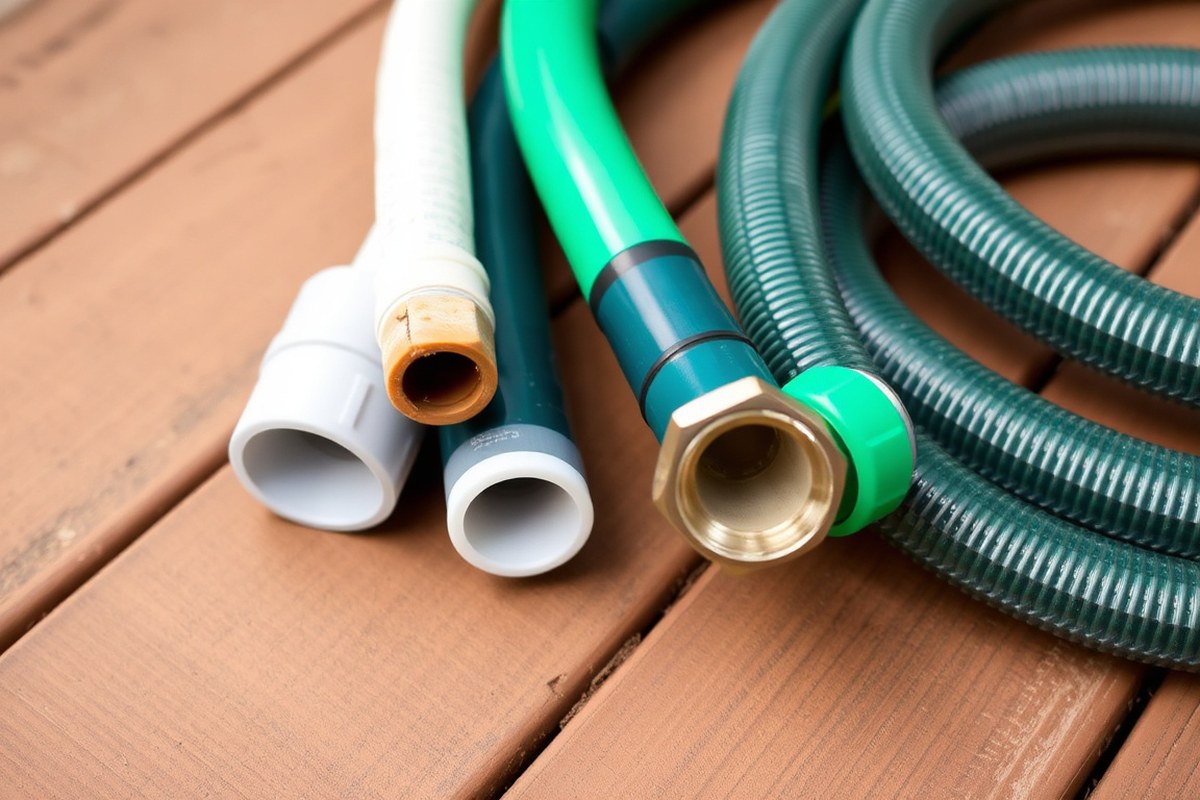
Choosing a garden hose under $500 means balancing durability and weight. You should also consider flexibility and price. Rubber, vinyl, hybrid, and stainless steel all vary in these areas.
Rubber hoses resist wear and heat but are heavy. Vinyl hoses are lighter and cheaper but can kink and crack.
Hybrid hoses offer a mix of features for general use. Steel hoses are rare but durable for special needs.
Rubber Hose Strengths and Weaknesses
Rubber hoses excel in durability and heat tolerance. They handle rough surfaces well and resist abrasion. Rubber lasts for many years with daily yard work.
It’s a great choice if you use your hose a lot. Many people trust rubber hoses for their durability.
They are heavier, weighing around 9.7 pounds for a 50-foot length filled with water. This weight makes them less handy for quick tasks. Rubber hoses tend to cost more than others.
Quality brands can sell for near $50 or more. Briggs and Stratton are examples of these higher-priced brands.
Vinyl and PVC Hose Features
Vinyl hoses usually cost less and weigh much less, some as light as 0.45 pounds for 50 feet. This makes them good for occasional light watering or small yards. However, they easily kink and may crack in cold weather or with rough handling.
Standard vinyl hoses are generally thinner and less durable. Some may contain chemicals like lead or phthalates, so avoid drinking water use. Vinyl hoses work best if you need a cheap, light hose for light-duty tasks.
Hybrid and Stainless Steel Benefits
Hybrid hoses combine materials for a balance of flexibility, weight, and durability. They usually weigh between 2 to 4 pounds per 50 feet. This makes them easier to handle than rubber but tougher than vinyl.
Hybrid hoses suit general home gardens, daily use, and moderate wear. Popular brands like Flexzilla and Giraffe offer flexible polymer blends.
They also have quality connectors. These hoses usually cost between $40 and $60.
Stainless steel braided hoses are unusual but very durable, rustproof, and kink-resistant. They cost more but fit specific needs like exposure to harsh climates or abrasion.
| Material | Durability | Kink Resistance | Weight (50 ft) | Price Range | Best Use |
|---|---|---|---|---|---|
| Rubber | High (abrasion, heat) | Good | ~9.7 pounds | $40 – $70 | Daily use, rough surfaces |
| Vinyl (PVC) | Low (prone to cracking) | Poor | ~0.45 pounds | $15 – $30 | Light watering, occasional use |
| Hybrid Polymer | Medium to High | Good | 2 – 4 pounds | $40 – $60 | General gardening, frequent use |
| Stainless Steel | Very High (rustproof) | Excellent | Varies (heavier than hybrids) | $70 – $120+ | Harsh climates, abrasion-prone areas |
Check your climate and hose use before choosing. Rubber works for hot sun and rough yards. Vinyl suits warm, dry spots with less use.
Hybrids do well in mixed conditions. Steel is for specialty needs, like rocky ground or extreme weather exposure.
Keep hoses out of freezing temperatures to avoid cracking, especially vinyl and hybrids.
Select the Right Hose Fittings and Connectors
Hose fittings play a big role in preventing leaks and lasting a long time. Brass fittings usually offer the best durability but cost more. Plastic fittings can work well if you pick quality ones and use them properly.
Brass Fittings: Durability and Leak Prevention
Brass fittings are strong and resist corrosion much better than plastic. Cast brass fittings are heavier but won’t bend, crack, or wear out easily. They handle rough use well.
You can step on the hose. Running over it with a cart won’t harm it.
You’ll pay more, usually $10 to $20 extra per hose. But the added toughness pays off.
Brass fittings also create a tighter seal, which lowers leak chances at connection points. Look for fittings that feel solid and don’t wiggle on the hose end when shopping in-store.
Brass fittings last a long time. They work well for irrigation systems. These systems often run and need durable parts.
They weigh more, which can make the hose less flexible. So keep that in mind for storage and everyday use.
Plastic Fittings: When They Are Suitable
Plastic fittings tend to be lighter and cheaper, often found on hoses under $30. Some high-quality composite plastics resist cracking and hold threads well for leak-free connections. They’re easier to hand-tighten, which suits small gardens or light watering tasks.
Avoid plastic if you connect to timers, prolonged sprinklers, or use your hose under high pressure. Look carefully for cracks, uneven molding, or loose fittings before buying.
Press the fitting and twist it slightly. No wobble or flex means better leak resistance.
Plastic fittings work well for short-term garden use. They suit lightweight hoses. Good for pots and patio plants.
Plastic fittings may not last through many seasons. They cost less at first. They also weigh less and are easy to handle.
Connecting Multiple Hoses Without Leaks
When joining hoses, choose matching fittings or use brass couplers to avoid leaks. Mixing brass and plastic fittings can cause stress points. These points wear the threads faster.
This can lead to drips. Use a rubber washer inside each connection to improve the seal.
Hand-tighten each hose connection firmly. Use a wrench for a quarter turn more. Do this if leaks appear.
Don’t overtighten, or you risk damaging threads or squeezing the washer too much. Check connections regularly during watering. A quick drip fix takes seconds but saves water and prevents damage.
Consider quick-connect fittings for joining three or more hoses. They make connections easy and watertight. They cost more but cut down on leaks and make swapping hoses fast and tool-free.
Understand Water Pressure and Its Impact on Hose Performance
Most U.S. Homes usually have water pressure between 45 and 80 PSI. This matches well with almost any garden hose you buy.
The PSI rating tells you the maximum pressure the hose can safely handle before bursting. This rating, often called “burst pressure,” helps you pick hoses that won’t fail if pressure spikes.
Hoses made from materials like rubber usually handle bursts up to 300 PSI. PVC hoses max out near 200 PSI. Specialty hoses can withstand pressures even beyond 500 PSI.
But that’s usually for pressure washers or heavy-duty use, not everyday garden watering. Knowing your home’s water pressure helps you avoid overpaying. You won’t pay for hoses made for much higher pressure.
Leave the faucet fully on to fill the hose with water. This can raise the pressure inside beyond what is at the spigot. That’s when weaker hoses might fail or kink.
Avoid cheap vinyl hoses with low burst pressure for big jobs. These can get damaged during long or large watering tasks. A thicker 3/4-inch rubber hose often handles pressure surges and resists kinks better.
Some people wrongly assume a higher PSI rating means better water flow. This isn’t true.
PSI shows strength, not volume or speed of water through the hose. For strong flow, focus on hose diameter and length rather than burst pressure.
Long hoses lose pressure as water travels through. So keep your hose short for best flow. Pick a hose with a wider diameter if you need a longer one.
This helps keep the pressure from dropping too much. Using a spray nozzle lets you change water pressure easily. You also get better control over the water pattern at the end.
Evaluate Hose Flexibility and Kink Resistance for Easy Use
Hose flexibility helps you move around your yard without strain. A flexible hose bends easily and avoids snags around corners. Kink resistance means the hose won’t get flattened or tangled when bent sharply.
Even the best kink-resistant hose can kink sometimes, but it will spring back quickly. Flexzilla has a 50-foot hose that resists kinks well. It also holds up in bad weather.
This makes it a top choice for hoses under $500. The Giraffe garden hose is another choice with layers designed to keep it supple and kink-free.
To test kink resistance before buying, bend the hose into tight loops in the store. Twist or fold it sharply, then watch if it stays pinched or smooths out.
Good hoses quickly return to shape without hard creases. Heavier, less flexible hoses may resist kinking but weigh more and can tire you out quickly.
- Bend the hose into a 180-degree loop to check for pinches.
- Twist the hose and see if it recoils without kinks.
- Test hose layers by feeling for firmness and suppleness.
- Pick a flexible hose if you need to navigate tight garden beds.
- Choose a stiffer hose for straight paths or heavy use, but expect more effort.
- Look for hoses labeled “kink-resistant” or “kink-free” on packaging.
- Consider the hose length and weight alongside flexibility for easy handling.
Flexible hoses help in gardens with winding paths or many plants. They let you water without pushing or pulling hard. These hoses coil easily on reels or hooks, saving storage space and avoiding tangles.
Heavier hoses resist kinking but test them for comfort. Carry or drag them around your yard to see how much effort it takes.
A heavy hose shorter than 50 feet can be hard to handle. It adds strain and tires you quickly.
Loop the hose in store before you buy it. This helps you avoid stiff and easy-to-kink hoses at home. Try bending it to see how flexible it is.
Practical Hose Storage and Handling Solutions
Using a hose reel is worth it for most homeowners. It keeps the hose from tangling and reduces wear by preventing kinks. Reels come in different types: manual crank, retractable, and wheeled carts.
Manual crank reels are affordable, often under $50. They work well for hoses up to 100 feet long but require some effort to rewind. Retractable reels spring-load the hose back automatically.
These cost $100 to $200 and need mounting on a wall or post. Wheeled carts make moving hoses easier and usually store 50 to 100 feet comfortably. They range from $70 to $150.
Proper coiling also helps if you don’t own a reel. Always drain the hose completely before storage. Coil it loosely in wide loops to avoid sharp kinks.
- Drain water after use to prevent frozen damage.
- Make loose coils about 18 to 24 inches wide.
- Avoid twisting while coiling to reduce stress on fittings.
- Store hose in shade or indoors during winter to extend life.
- Choose a reel that fits your hose length and weight.
- Pick reels with rust-resistant materials for durability.
- Consider how and where you’ll mount or store the reel.
Hose reels that fit your hose size protect it from crushing and tangling. Look for models rated for your hose diameter, usually 5/8 inch or 3/4 inch. A larger reel holds longer hoses with less effort.
It also lowers the strain when you pull the hose out. Mounting options vary: some attach to walls, others sit on the ground. Wheeled carts add mobility if you move the hose a lot.
Good storage prevents early wear and saves headaches. A hose left in a messy pile will kink and crack. A reel or careful coiling keeps water flowing and extends the hose’s useful life.
For cold climates, draining and storing indoors stops burst pipes and frozen damage. Putting effort into handling and storage helps your hose.
This care improves hose performance. It also helps the hose last beyond one season.
Watch Out for Common Mistakes That Cause Hose Problems
Leaks and kinks happen because hoses get bent, twisted, or left under pressure for too long. They also crack from sun damage or freezing temperatures. Avoid sharp bends and never leave the hose pressurized when you’re done watering.
Leaving water in a hose during freezing weather can cause it to crack or burst. Also, dragging the hose over rough surfaces causes wear and weak spots. Store your hose properly, off the ground and away from direct sunlight.
- Don’t leave the hose under water pressure between uses
- Avoid dragging it across sharp rocks or rough pavement
- Drain water out after use, especially before winter
- Coil the hose loosely to prevent kinks
- Store in a shaded area or use a hose reel
- Use a hose with kink-resistant construction for easier handling
- Water in the cooler parts of the day to reduce heat damage
Watering early morning or late evening helps protect the hose and your plants. Using a reel or hanger stops the hose from developing weak bends. Try to keep your hose length manageable, 50 feet is common and easier to store.
Routine maintenance saves you money and keeps your hose working longer. Check for leaks or cracks and patch small holes promptly with a hose repair kit. Replace washers in connectors yearly to prevent drips.
These small steps help your hose last over two years. That time is the average for replacing a garden hose. Taking care can stretch its life well beyond that.
Identify Drinking Water Safe Garden Hoses and Features
Not all garden hoses are safe for drinking water. Most ordinary hoses are meant for watering plants, not for human or pet drinking use. Choose hoses labeled “drinking water safe” or “lead free.”
These prevent harmful chemicals from leaking into your water. Always check these labels before buying.
Check the hose label or package for “BPA-free” and “lead-free.” Look for a trusted certification mark too. These show the hose is safer to use.
Certifications from neutral groups or government agencies confirm the hose meets health safety standards. Avoid hoses that only claim “lead-free couplings” without saying the whole hose is safe.
Many makers now sell hoses designed to carry safe drinking water. The Flexzilla SwivelGrip hose says “drinking water safe” on its label. It also meets federal safety rules.
This ensures it is safe for water. Another popular choice is the Dramm 17003 Rubber Garden Hose. It claims to be lead-free and drinking water safe, but it lacks independent certification.
A drinking water safe hose has no toxic chemicals that can leach out. The hose material should be clear or solid color without added harmful softeners or plastics. Also, keep in mind hoses for hot water use tend to be industrial-grade with thicker walls.
Vinyl hoses work well in mild climates for watering plants. But they might not be safe for drinking water. Check if they meet safety rules first.
Before buying, check the full product label and online specs. Look for a clear BPA-free statement on the hose. Also check for a known certification logo.
These confirm the hose is safe for drinking water. Drinking water safe hoses cost more than regular hoses.
They usually range from $50 to $150 based on length and quality. Plan your budget accordingly.
Always drain your drinking water safe hose after use. Standing water inside can promote bacterial growth and affect taste or safety. Using a safe hose keeps water clean for pets and family.
It stops unwanted chemicals from getting in the water. This protects everyone drinking it.
Only trust garden hoses with clear “drinking water safe” labels and certifications to avoid chemical risks.
Match Hose Type and Features to Your Specific Yard Needs
Pick your garden hose based on your yard’s plants, watering style, and how often you water. Different hoses suit different garden types and tasks better. Matching hose type to use keeps watering easy, saves water, and protects plants.
Soaker and Sprinkler Hose Uses
Soaker hoses slowly drip water directly into the soil. They work well for vegetable beds or flower gardens. This keeps the roots moist without wasting water.
They keep water at root level, reducing evaporation and leaf wetness. Sprinkler hoses are good for watering grass or large areas evenly.
For long, narrow areas like siding or raised beds, try a flexible sprinkler or soaker hose. The Gilmour Vinyl Sprinkler Hose doubles as a soaker and is very versatile. It costs roughly $20 to $40, making it a good option for precise watering needs.
Expandable Hose Advantages and Drawbacks
Expandable hoses stretch when filled with water and shrink when empty. They are lighter and easier to move around long distances or smaller yards. This makes them great for hand watering and simple tasks.
However, expandable hoses often cost $50 or more. They may not last as long under heavy use or high water pressure. For heavy-duty watering or larger yards, a sturdier hose might save money in the long run.
Small gardens or patios benefit from light, flexible expandable hoses. The Water Right 400 Series is one good example.
Avoid these hoses if you need one longer than 50 feet. They also don’t hold up well in tough conditions.
Standard Hose for General Watering Tasks
Standard hoses usually measure 5/8 inch in diameter. They fit most faucets and deliver water quickly.
This helps fill cans, wash tools, or rinse projects fast. Choose one with good kink resistance to avoid frustrating tangles.
For versatile watering, use a regular hose around 25 to 50 feet long. You can add a soaker hose or drip line for garden beds.
It gives plants slow, steady moisture they need. Standard hoses cost about $20 to $40 and work well for lawns or mixed use.
This simple guide shows how hose types suit yard sizes, garden types, and tasks.
| Hose Type | Best For | Yard Size | Approximate Cost |
|---|---|---|---|
| Soaker Hose | Vegetable beds, flower beds, landscaping | Small to medium | $20 – $40 |
| Sprinkler Hose | Grass, long narrow areas | Medium to large | $20 – $40 |
| Expandable Hose | Hand watering, small yards, patios | Small | $30 – $75 |
| Standard 5/8-inch Hose | General watering, versatile use | Small to large | $20 – $40 |
| Drip Irrigation Hose | Precision watering, root zones | Gardens with vegetables or shrubs | $30 – $50+ |
Use this table to match your watering needs and yard size with the best hose type. This helps avoid overpaying or picking a hose that doesn’t work for your garden.
Step-by-Step Action Plan for Choosing Your Garden Hose
Follow these simple steps to pick the best garden hose. Choose one that suits your yard’s needs and costs under $500. Check each step off to see clear progress.
- Before you start: Measure your yard’s watering area to decide on hose length. Make sure it reaches all points without stretching too tight.
- Day 1: Choose your hose material based on durability and flexibility needs. Rubber works well for toughness, vinyl if you want light weight.
- Day 2: Pick hose fittings that fit your outdoor spigot and tools firmly. Test connectors by attaching and checking for leaks before buying.
- Day 3: Check your home’s water pressure before buying a hose. Make sure the hose can handle the flow. Avoid hoses that burst or kink easily.
- Day 4: Feel the hose to see if it flexes easily and resists kinks. A smooth hose is easier to rewind and store.
- Day 5: Pick hoses labeled safe for drinking water. Use them for watering edible plants or filling pets’ water bowls.
- After 1 week: Store your hose on a reel or hanger. This keeps it neat and prevents damage. Note if it stays kink-free and ready for use.
Frequently Asked Questions
How to Choose Garden Hose Under 500?
Pick a hose size, length, and material that fit your yard and tasks. Focus on flexibility, kink resistance, and suitable fittings to get the best value under $500.
What’s the Best Garden Hose for the Money?
The Flexzilla SwivelGrip offers top value with flexibility and durability. It’s lightweight and safe for drinking water use, making it a great all-around choice.
Should I Get a 5/8 or 3/4 Garden Hose?
Most homeowners do best with a 5/8-inch hose for balance of flow and flexibility. A 3/4-inch hose suits larger lawns needing more water flow.
Where’s the Cheapest Place to Buy a Garden Hose?
Amazon often has competitive prices and deals on hoses like the LINUX Garden Soaker at $12.99. Check local stores for sales but compare online first.
How to Pick the Right Garden Hose?
Match hose diameter, length, and material to your common watering jobs. Also pick fittings and a hose type that prevent kinks and handle your water pressure.
Can I Connect Two Garden Hoses for More Length?
Yes, you can join two hoses with a coupling to reach farther areas. Just use durable connectors to avoid leaks and keep flow steady.
Before You Go
Choose a garden hose under $500 by matching size, material, and fittings. Think about what your yard needs most.
Focus on flexibility and pressure limits to avoid common hose problems. Start by measuring your yard and checking your water pressure today.