
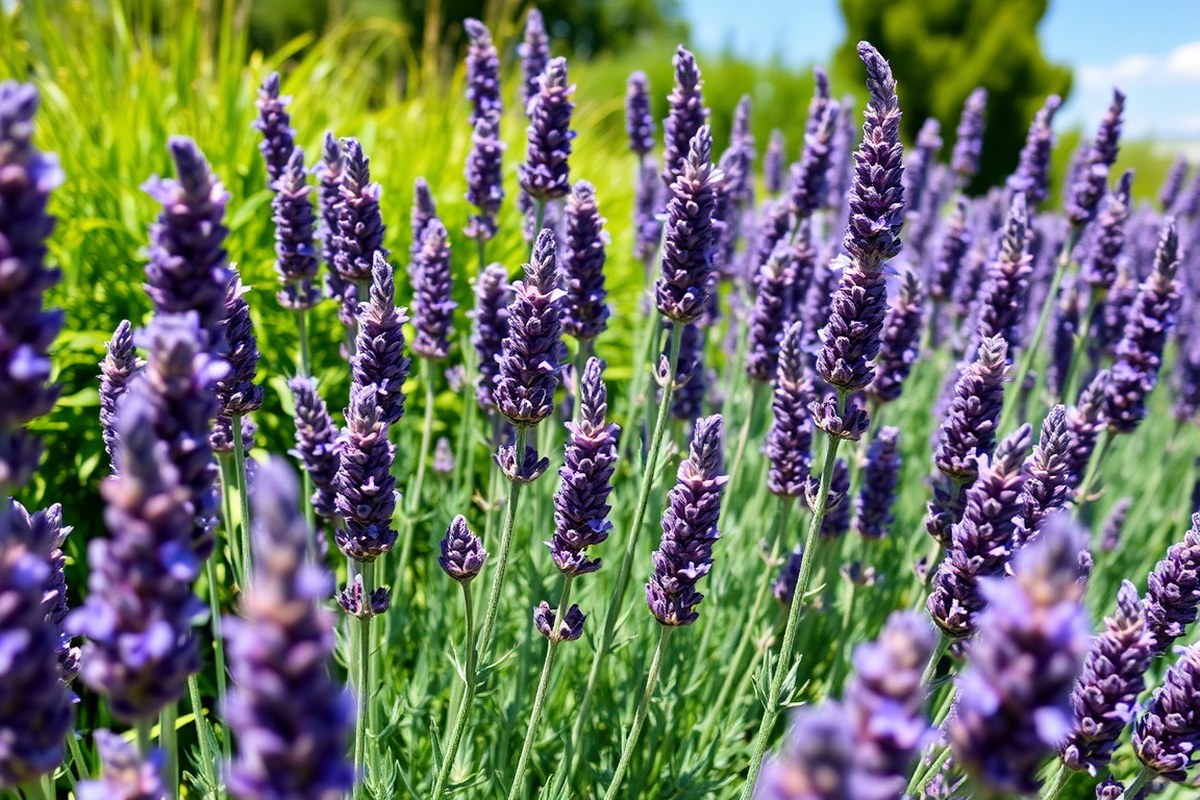
How Long Does Lavender Take to Grow: A Complete Guide for Fast, Healthy Results
How long does lavender take to grow depends on how you start it. From seed, lavender can take about 90 to 120 days to flower.
But full maturity takes up to 3 to 5 years. Cuttings or nursery plants grow faster, often blooming within the first growing season.
Seeds usually take 14 to 28 days just to germinate. After that, seedlings need 2 to 3 months before transplanting. Light, soil, and temperature also affect growth speed, so prepare for patience early on.
Starting with healthy cuttings about 3 inches long boosts your chance of quick growth. Indoor germination with a cool stratification period and good lighting helps seeds sprout faster. Watch your plants closely in the first few months to avoid shock and support steady growth.
Key Takeaways
- Lavender from seed takes around 90 to 120 days to bloom under good conditions.
- Cuttings grow faster; expect blooms within the first growing season.
- Seeds need 14 to 28 days to germinate, depending on conditions.
- Cold-stratify seeds for 2-3 weeks to improve germination rates.
- Transplant seedlings after 2-3 months when they are sturdy enough.
- Space plants 2 to 3 feet apart for healthy full growth.
How Long Does Lavender Take to Grow from Seed and Cuttings?

Lavender seeds usually take 2 to 3 months to germinate. You should wait about 2 years for full blooming. The plant needs 3 to 4 years to fully mature.
In the first year, seeds may grow roots and stems. They produce few flowers during this time.
Starting lavender from cuttings speeds up growth significantly. Cuttings can be ready to transplant in 1 to 3 months.
They typically bloom within one year and reach maturity in about 3 years. This method gives you a jumpstart on flowering compared to seeds.
English lavender from seed blooms in 90 to 120 days. It takes up to 4 years to reach full size.
From cuttings, it can bloom as soon as 6 to 8 weeks after planting outside. Transplants bought from a nursery bloom in the same year they are planted.
Transplanting seedlings is best after 2 to 3 months when roots are established. They will take 12 to 18 months to show consistent blooms.
Cuttings need a warmer environment to root well. So keep them in 65-75°F and moist soil.
| Propagation Type | Time Until Transplant | Time Until Bloom | Time Until Maturity |
|---|---|---|---|
| Seed | 2-3 months | 12-18 months | 3-4 years |
| Cutting | 1-3 months | 8-12 months | 3 years |
While seeds are cheaper and rewarding, cuttings are faster and easier for quicker blooms. Both methods require care during early growth.
Your choice depends on when you want flowers. Also consider how long you’re willing to wait.
Growth Stages of Lavender from Seed to Maturity

Growth Stages of Lavender from Seed to Maturity
Lavender goes through clear growth phases before it reaches full maturity and blooms. You’ll see small seedlings first, then steady leaf and root growth. Full bloom and mature size usually happen by the second or third year.
Germination and Early Seedling Growth
Lavender seeds usually take 18 to 28 days to sprout. Start seeds indoors with good light and loose soil for best results.
Seedlings grow to about 2-3 inches tall in 6 to 8 weeks. This size is ideal to transplant them into bigger pots or outdoors.
- Begin with fresh lavender seeds and soak them in water overnight.
- Cold-stratify seeds for 2-3 weeks in the refrigerator.
- Plant seeds in loose potting soil indoors under a 6500K LED grow light.
- Keep the soil moist without flooding.
- Watch for sprouts during weeks 3 to 4.
- Allow seedlings to reach 2-3 inches before transplanting.
Starting seeds indoors greatly improves germination rates and protects young seedlings.
Vegetative Growth and Root Development
For about 2-3 months, lavender focuses on growing roots and leaves. Roots can grow 18 to 24 inches deep, helping the plant access water and nutrients.
This stage builds the plant’s foundation. It must have good airflow, regular watering once a week, and some space around it.
- Transplant seedlings to larger pots or garden beds with well-drained soil.
- Provide at least 6 hours of direct sun daily.
- Water deeply but infrequently to encourage deep root growth.
- Space plants 12-18 inches apart for good airflow.
- Begin light pruning to encourage bushy growth.
Flowering and First Harvest Readiness
Lavender often starts blooming within the first year under optimal conditions. Flowers usually appear after 90 days or more depending on variety.
Harvest flowers early for better overall bloom cycles. This helps the plant produce more flowers before the season ends.
- Monitor for flower buds beginning to form in late spring or early summer.
- Prune spent flowers promptly to encourage rebloom.
- Harvest lavender blooms early in the morning when oils are strongest.
- Continue watering moderately to support flowering plants.
Harvest lavender blooms early; plants can often produce another bloom set later.
Reaching Full Size and Establishment
Lavender usually grows 1-2 feet tall and wide. It reaches full size by its second or third year.
This size works well in most home gardens. At this point, the root system is deep and strong.
Prune yearly to maintain shape and health. Fully mature plants yield the best flowers and fragrance.
- Let the plant grow undisturbed for 1-2 years after transplanting.
- Perform an annual pruning after the main bloom season.
- Amend soil lightly with compost to refresh nutrients yearly.
- Keep spacing clear to maintain airflow and prevent disease.
Factors That Affect Lavender Growth Rate
The type and quality of soil greatly affect how fast your lavender grows. Lavender prefers light, well-drained, gravelly soil with good air circulation. Avoid heavy clay or soggy soil because poor drainage slows growth and can cause root rot.
Unglazed terra cotta pots or fabric grow bags keep soil airy. Lavender needs dry soil to thrive. These containers help with that balance.
Sunlight is another key factor. Lavender needs 6 to 8 hours of direct sun daily to grow quickly and bloom well. Plants grown in too much shade tend to get leggy and produce fewer flowers.
Put lavender where it gets plenty of sun. A garden spot or a south-facing balcony works well. Sunlight is essential for healthy growth.
When planting seedlings or cuttings, keep soil temperature between 70 and 80°F for faster root development. You can use heating mats or place pots near a heater if temperatures drop.
Wait to plant lavender outside until after frost ends. Make sure soil temperature is above 60°F. This helps plants establish faster.
Spacing lavender plants 18 to 24 inches apart allows good airflow and room to grow large. Crowding causes slower growth and more disease problems. Give each lavender plant at least 2 feet of space.
That room is for spreading out in your garden or pots. Crowding can stunt growth.
Humidity and temperature affect lavender, too. This plant prefers dry air and moderate temperatures. High humidity or heat stress can slow growth and reduce flower quality.
Improve airflow in humid areas and avoid watering leaves overhead. Keeping leaves dry prevents fungal issues. Good air movement helps lavender stay healthy.
Fertilizing lightly after the plant has established speeds growth without overfeeding. Use a low-nitrogen fertilizer around early spring, about 4 to 6 months after transplanting seedlings. Over-fertilizing causes too much leaf growth and fewer flowers, so careful feeding matters.
Choosing the right variety matters, since some grow faster and bloom earlier than others. But your care and environment have the biggest impact on how quickly lavender matures. Use well-draining soil and full sun for lavender growth.
Keep plants spaced properly and monitor temperature. These steps help lavender grow strong and bloom earlier.
Best Lavender Varieties for Fast Growth and Early Blooming
Some lavender varieties grow faster and bloom earlier than others. Your choice depends on space, climate, and how soon you want flowers. Picking the right type speeds up your success and fits your garden or containers better.
| Variety | Growth Speed | Bloom Time | Size at Maturity | USDA Zones | Best Use |
|---|---|---|---|---|---|
| French Lavender (Lavandula dentata) | Fast (1-2 years to shrub size) | Late spring to early summer (1-4 weeks) | 3-4 feet tall | 8-10 | Outdoor in mild, warm climates |
| Spanish Lavender (Lavandula stoechas) | Fast (1-2 years) | Late spring to summer | 1-2 feet tall | 8-10 | Containers or warm garden spots |
| English Lavender (Lavandula angustifolia) | Medium (2-3 years to full size) | Early summer (up to 4 weeks) | 2-3 feet tall | 5-9 | Cold hardy garden beds |
French and Spanish lavenders grow fast but need warmer zones (8-10). They bloom early, lasting up to a month. English lavender takes longer to mature but fits colder zones and blooms reliably in early summer.
Lavender succeeds well in containers around 7-10 gallons. Those pots give enough room for fast-growing types to form nice bushes. For colder areas, growing English lavender in pots lets you move plants indoors during winter.
How to Prepare Lavender Seeds for Faster Germination
Lavender seeds need cold stratification to germinate faster. Prepare seeds by chilling them for about 3 weeks before planting. Use well-draining, slightly alkaline soil and keep soil temperature around 65-70°F for best sprouting.
Cold Stratification Process and Timing
Cold stratification tricks seeds into thinking they’ve gone through winter. This step improves germination speed and success. For lavender, a 3-week chill in the fridge mimics natural conditions.
Place lavender seeds between damp paper towels or in moist sand inside a plastic bag. Keep the bag in the fridge at about 35-41°F (2-5°C). Check once a week to keep moisture steady and avoid mold.
- Moisten a paper towel or clean sand until damp, not wet.
- Spread lavender seeds evenly on the damp material.
- Fold the towel to cover the seeds or cover sand in a sealed bag.
- Place the bag in the fridge fridge for 3 weeks at 35-41°F.
- Check moisture weekly, rehydrating if it dries out.
- Remove the seeds after 21 days to start planting.
Warning: Avoid freezing the seeds. Too cold and they could get damaged.
Choosing and Preparing the Growing Medium
Pick light, well-draining soil like sandy mix for lavender seeds. Mixing potting soil with perlite or coarse sand works well. The soil pH should be slightly alkaline, between 6.5 and 7.5.
Before sowing, moisten the soil but don’t make it soggy. Lavender seeds need evenly moist soil but too much water causes poor germination or rot.
Plant seeds just under the surface. Cover seeds lightly with soil or sand.
Make sure they get light. Keep them in place and moist.
Optimal Light and Temperature Settings
Keep the seed trays in a warm spot between 65-70°F for best growth pace. Using a heating mat can offer consistent warmth, boosting germination. Lavender seeds require light, so don’t bury them deeply or cover with thick soil.
Place trays near a window with indirect sunlight or under grow lights for 12-16 hours daily. Avoid direct strong sun that can overheat seedlings or dry the soil too fast.
Water lightly only when the top 1 to 2 inches of soil is dry. Overwatering slows seed sprout and risks damping-off disease.
Transplanting Lavender Seedlings: When and How to Avoid Shock
Transplant lavender seedlings once they have true leaves and reach about 3 inches high. This usually happens after 4 to 8 weeks of growth indoors. Transplant carefully to avoid root disturbance and shock.
Identifying the Right Seedling Size for Transplant
Wait until seedlings develop true leaves and stand around 3 inches tall. This means they have a stronger root system and are ready for moving. Seedlings usually need 4 to 8 weeks indoors before transplant.
Check that seedlings are healthy and not leggy. Thin or stretched seedlings need more light before transplanting them. Make sure they have sturdy stems and firm leaves.
Preparing the Planting Site or Pot
Choose a sunny spot outdoors with well-draining soil when moving seedlings outside. Lavender prefers full sun and soil that doesn’t hold water. You can also transplant to pots with 1-quart capacity or larger.
Harden off seedlings before transplanting. Put them outside for a few hours daily. Do this for one week.
This helps plants adjust to outdoor conditions and reduces transplant shock. Make soil ready by loosening it and mixing in some sand.
Post-Transplant Care and Watering
Water seedlings immediately after transplant but keep watering moderate. Lavender hates soggy soil, so only water when the top inch feels dry. Too much water may cause root rot or slow growth.
Give new seedlings morning sun and afternoon shade. Shade them if it’s over 85°F. Keep them comfortable.
This prevents heat stress while roots get established. Avoid fertilizing for 4 weeks after transplant to reduce stress.
Follow these steps to transplant lavender seedlings without shock:
- Check seedlings for true leaves and a height of about 3 inches.
- Harden off seedlings by exposing them gradually to outdoor conditions for 5 to 7 days.
- Prepare the outdoor bed or pot with well-draining, sandy soil.
- Dig a hole slightly larger than the seedling’s root ball.
- Gently remove the seedling from its container, keeping roots intact.
- Set the seedling in the hole, filling soil around roots without packing too tightly.
- Water the plant lightly right after transplanting to settle the soil.
- Place seedlings in partial shade if outside temperatures are high initially.
Pruning and Care Tips to Encourage Healthy Lavender Growth
Prune your lavender twice a year to keep it healthy and full. In spring, trim new growth just above the woody base, cutting about a third off. After it flowers in late summer, cut back spent blooms.
Shape the plant to prevent it from becoming too woody. Avoid cutting into old wood, as lavender rarely grows back from there.
Use sharp shears to make clean cuts. Regular pruning helps your lavender stay bushy and bloom more strongly next season. Skipping pruning makes the plant leggy and lowers flower production.
Water lavender deeply but infrequently to keep roots dry and healthy. Give it a good soak once or twice a week during dry spells.
Let the top inch of soil dry out completely before watering again. Overwatering causes root rot and yellow leaves, which stunt growth.
Check soil moisture regularly by sticking your finger down about an inch. When the soil feels dry, water your lavender plant. Use well-draining soil or pots with holes to prevent soggy roots.
Light fertilizing helps but don’t overdo it. Use a balanced, slow-release fertilizer once a year in early spring. Too much fertilizer can produce lots of leaves but fewer flowers.
Keep an eye out for yellowing leaves or slow growth, which suggest watering or nutrition issues. Adjust your care routine if you see these signs. Healthy lavender plants grow vigorously and bloom all summer long, giving you plenty of fragrant flowers.
Common Issues That Delay Lavender Growth and How to Fix Them
Slow lavender growth often signals a drainage or watering problem. Check if the soil is heavy or stays soggy long after watering. Lavender needs well-drained, sandy or gravelly soil that dries between deep waterings.
Overwatering causes root rot. This happens if soil stays wet. It also happens when pots lack drainage holes.
Root rot makes stems turn brown and wilted quickly. Stop overwatering to fix root rot.
Move the plant to a dry spot. Make sure the area has good airflow.
Space lavender 18 to 24 inches apart. This helps air flow better. It also lowers root rot risk.
Heavy clay soil can trap water around roots and slow growth drastically. Mix sand or small gravel into clay soil to improve drainage.
Pests rarely bother lavender, but root diseases like Phytophthora cause major slowdowns. This fungus thrives in wet, crowded conditions where roots suffocate and decay. Repotting your lavender yearly lets the roots spread and grow stronger.
Lavender doesn’t need much fertilizer and grows slower with too much nitrogen. Excess fertilizer leads to weak stems and fewer blooms. Use a low-nitrogen, balanced fertilizer once in grow season if growth looks stalled.
Water lavender deeply less often, only after the top 1 to 2 inches of soil dries.
Watch for leaf yellowing or soft spots, signs of nutrient problems or water stress. Adjust watering habits and amend soil with organic matter to keep roots healthy. Avoid compacted soil by gently loosening the surface annually to improve air flow.
Step-by-Step Action Plan for Growing Lavender
Follow these steps to get your lavender growing quickly and healthily. Keep an eye on each phase to see that your plant is on track.
- Before planting: Soak seeds in warm water for 24 hours to boost germination. Seeds that sink show they’re ready to plant.
- Week 1: Sow seeds in well-draining soil under light. Watch for the first tiny sprouts by the end of the week.
- Week 4: Thin seedlings so that only the strongest remain. Snap off the weaker ones close to the soil.
- Week 8: Start transplanting seedlings into pots with sandy soil. Leaves should look healthy and firm before moving.
- Week 12: Begin pruning top growth to encourage bushiness. New growth must appear within two weeks for success.
- Month 4: Check for any pests or mildew; treat with safe methods if needed. Healthy leaves show your care is working.
- Month 6: Expect first blooms on fast varieties. Pick the lavender flowers to help the plant keep growing strong.
- After 1 year: Move established plants outdoors to full sun if desired. The plant should look strong and deeply rooted.
Frequently Asked Questions
How Long Does Lavender Take to Produce Its First Flowers?
Lavender usually blooms within the first year. Some types like English lavender flower in about 90 days. Others need more time to bloom fully.
Can Lavender Grow Indoors and How Long Does It Take?
Lavender can grow indoors with enough light. It may take longer to bloom indoors.
Use a grow light. Keep the soil well-drained for best growth.
How Fast Does Lavender Grow After Transplanting?
After transplanting, lavender grows more quickly as it settles in. It usually grows steadily in appearance within months. But full maturity can take several years.
Does Lavender Grow Faster in Containers or Garden Beds?
Lavender often grows faster in garden beds due to better root space. Containers can limit growth, but good drainage and sunlight help speed up growth.
How Long Does It Take for Lavender Cuttings to Root?
Lavender cuttings typically take 3 to 4 weeks to root. Keep humidity high and avoid direct sun until roots develop for the best success.
When Can You Harvest Lavender After Planting?
You can harvest lavender when it has several flower spikes. This usually happens in the first or second year. Harvest in the morning to keep the aroma strong.
Before You Go
Lavender typically takes several months to flower but grows steadily if you follow good care. Watch your plant’s leaves and blooms to see progress. Start with proper soil and watering, then prune regularly to keep lavender thriving long-term.


