Does a Perennial Come Back Every Year? A Complete Guide for Gardeners
Does a perennial come back every year? Most do, but it depends.
Perennials typically return each growing season if you meet their basic needs. Good soil, appropriate climate, and keeping pests away help them live longer.
Some perennials last just a few years, while others can survive for decades. For example, peonies can live 50 to 70 years without much care. The key is planting them at the right depth.
Usually no more than 2 inches below the surface works best. This helps the plants grow strong and healthy.
Climate plays a big role in whether a perennial returns. Zones affect which plants thrive and when they bloom. Knowing your zone helps you pick perennials that come back reliably for your garden.
Key Takeaways
- Plant perennials no deeper than 2 inches for healthy growth.
- Check your USDA zone to select perennials suited to your area.
- Some perennials, like peonies, can live over 50 years with proper care.
- Regularly watch for pests to prevent damage that stops return growth.
- Choose drought-tolerant perennials for less maintenance and stronger returns.
- Perennials may live 3 to 10 years depending on conditions and care.
Do Perennials Always Come Back Every Year?
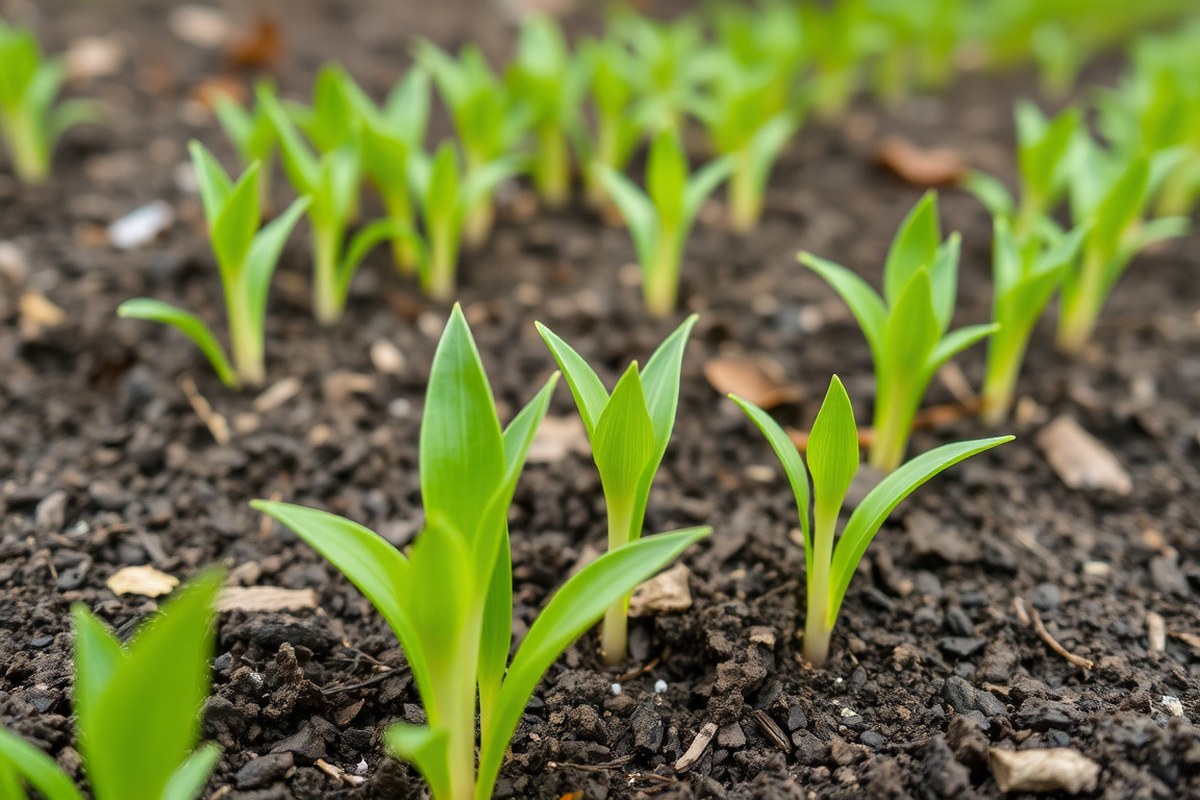
Perennial plants come back every year because their roots survive winter. They die back above ground but regrow from the same root system each spring. This is the key trait that defines a plant as perennial.
Not all perennials return without fail. A perennial needs the right climate and soil conditions to survive winter and come back strong.
For example, some perennials thrive in zones 3 to 9. Others need warmer or cooler areas.
Sometimes perennials don’t come back because of poor planting conditions, disease, or harsh weather. Overwatering, lack of sunlight, or damage to roots can stop them from returning. Picking the right plant for your zone helps it survive winters.
Caring for your plant properly helps it come back every year. Both steps increase your chances for a healthy perennial.
Established perennials usually return each spring and grow bigger with time. They often bloom in their own season, providing reliable garden color. You’ll notice bright green foliage growing back to replace last year’s dying leaves.
Each perennial species has its own growth habit and care needs. Black-eyed Susan and Yarrow come back every year. They can even spread if the conditions are good.
This makes them great choices for lasting garden color. Other perennials, like Astilbe, prefer shade and still come back reliably.
How Climate Zones and Seasons Affect Perennial Survival

USDA hardiness zones guide you in picking perennials that survive your winters. Each zone shows the coldest average temperatures in your area. This helps you pick plants suited to these cold levels.
You can match plants with zones easily. Perennials with a range covering your zone usually return reliably each year.
Perennials face stress during harsh winters or late frosts, especially when temperatures dip below their tolerance. Some plants need winter mulch to shield roots in colder zones. Mulch helps them survive freezing temperatures at the cold end.
You should mulch where winters get harsh. Without mulch, freezing kills new shoots or slows growth.
This can lead to weak plants or no spring growth. Mulch keeps shoots safe from freeze damage.
Planting a perennial outside its hardiness zone often means it won’t survive winter. For example, a plant rated for zones 5-9 may struggle in zone 4 during cold spells. You may see plant dieback that needs yearly replacement.
This adds extra cost and effort to your gardening routine. Protecting plants helps avoid this waste.
| Feature | Details |
|---|---|
| USDA Zones | 4-9 |
| Sun Needs | Part Shade |
| Height | 1-2 Feet |
| Spread | 1-2 Feet |
| Bloom Time | Late Winter to Spring |
Switchgrass is an example of a hardy perennial thriving from zones 5 to 9. It requires just one hard cutback each late winter to stay healthy. Plants barely hardy in zones 6 and 7 need thick mulch.
Mulch helps them survive sudden cold spells in winter. It improves their chance to live through cold.
A mulch layer around perennials can prevent root freeze and boost winter survival.
Some perennials grow bigger and stronger each year if winter conditions match their hardiness. Zones 4 to 9 cover many plants blooming late winter to spring. This range suits a wide variety of flowering plants.
Many will grow well in these zones. Always check your zone first to avoid disappointments after plantings.
Common Perennials That Consistently Return Year After Year
Some perennial plants come back year after year without extra work. Lavender is a top choice because it smells great and grows easily in full sun.
Yarrow is another hardy option that stands up to drought and poor soil. So it’s perfect for tougher spots.
Pick perennials by what you want in your garden through the seasons. Moonbeam, with pale yellow flowers, blooms long from late spring to fall.
Daylilies bloom in midsummer and survive in nearly any soil. These plants stay reliable even in colder zones like 3 through 8.
| Perennial | Features | Light | Bloom Season |
|---|---|---|---|
| Shasta Daisy | Extra-long bloom time | Full sun | Summer |
| Lavender | Fragrant flowers | Full sun | Early summer |
| Hosta | Striking foliage | Partial shade | Summer |
| Pinks | Bright flowers | Full sun | All summer |
| Spike Speedwell | Purple or blue flower spikes | Full sun to partial shade | Summer |
| Daylily | Tough and adaptable | Full sun | Midsummer |
| Bee Balm | Deer resistant, colorful flowers | Full sun | Summer |
Agastache, or Hyssop, adds a splash of color with tall spikes in many shades. Roundleaf Ragwort flowers early, making it a useful ground cover. Perennials vary from tiny six-inch plants to giants up to four feet tall.
These plants are a smart investment. Once established, many last decades with minimal care. Watch their light needs and bloom times to keep your garden full year-round.
Why Some Perennials Fail to Return and How to Fix It
Perennials sometimes fail to come back because of soil problems, pests, diseases, or care mistakes. Knowing these common causes helps you catch issues early and protect your plants. Fixing these problems usually involves adjusting soil, managing pests, and changing your care routine.
Soil Issues and Planting Depth
Soil quality matters a lot for perennial survival. Most perennials prefer soil pH between 6.0 and 7.5. If soil is too acidic or alkaline, roots can’t take up nutrients well.
Also, planting depth affects growth. Set the plant’s eyes no more than 2 inches below the soil. Too deep planting can cause rotting or delay growth.
You can use a soil test kit from garden stores for about $10 to $20. Adjust soil with lime to raise pH or sulfur to lower it.
Mixing compost into soil improves drainage and nutrient content. Poor soil often means weak or no comeback the next year.
Pests and Diseases That Harm Perennials
Insects like aphids, slugs, and caterpillars eat leaves and stems, stressing perennials. Diseases such as powdery mildew, root rot, or rust weaken plants or kill roots.
Wet, crowded conditions often increase diseases. Check plants often and look for spots, wilting, or holes.
Controlling pests starts with handpicking or spraying insecticidal soap early. Remove diseased leaves to stop spreading. Well-drained soil and proper spacing reduce root diseases.
Overuse of chemical pesticides can harm beneficial insects. So use them carefully and only when needed.
Common Care Mistakes That Reduce Longevity
Watering incorrectly is a big mistake. Too much water drowns roots, while too little causes stress.
Water deeply but only when the top inch of soil is dry. Overfertilizing can burn roots or cause lush growth that freezes in winter.
Cutting back foliage too early or too late also hurts perennials. Cut back dying parts after frost but leave some stem for winter protection.
Letting weeds crowd plants steals water and nutrients. Mulching with 2 to 3 inches of organic mulch saves moisture and controls weeds.
Ways to Boost Perennials’ Return Success
Good tools for success include below steps:
- Soil test and adjust pH between 6.0 and 7.5
- Plant with growth eyes no deeper than 2 inches
- Water only when soil is dry 1 inch deep
- Inspect plants weekly for pest or disease signs
- Remove diseased leaves promptly and discard them
- Cut back foliage after frost, not before
- Apply 2 to 3 inches of mulch around plants
Following these steps keeps your perennials strong. Regular attention and correct planting make the biggest difference in their comeback. Avoiding common mistakes saves time and money in the long run.
How Perennials Grow Through Their First Three Years
Perennials usually take three years to settle into steady growth and blooming. In the first year, they focus on root and leaf development. The next two years show stronger growth and fuller flowering.
Year One: Establishing Roots and Foliage
During the first year, a perennial spends most of its energy building roots and leaves. The roots dig deep to gather water and nutrients for future growth. Leaves provide food through photosynthesis but flowers may be few or small this year.
Many perennials don’t bloom well or at all in this period. They are still getting ready for stronger growth later. Good care, like watering deeply and avoiding too much fertilizer, helps build healthy roots.
Don’t expect plentiful blooms in year one. Focus on giving plants steady water and sun.
Year Two: Growth Expansion and Partial Blooming
Perennials start to grow bigger and develop more stems in their second year. You may see some flowers, but usually not a full display. The plant is still maturing its root system beneath the soil.
Most perennials need about six hours of sun daily. The water and sunlight needs stay the same. This amount works best for most of them.
Fertilizing once in early spring can support this growth phase. Avoid overfeeding, which can cause weak stems.
Year Three: Full Bloom and Stronger Returns
By the third year, perennials often reach full size and bloom capacity. Their roots hold more nutrients and water, supporting larger flower clusters. You’ll notice your garden looks fuller and more colorful.
At this stage, divide crowded clumps every three to four years to keep blooms strong. Healthy soil and proper watering remain essential. Some perennials, like coreopsis and echinacea, bloom heavily now if properly established.
Essential Care Steps to Help Perennials Come Back Stronger
Plant perennials in early spring or fall for best results. Choose a sunny spot with well-drained soil, especially for sun-loving types like catmint.
Dig a hole twice as wide as the root ball. Loosen soil at the bottom before planting.
Water newly planted perennials deeply after planting to settle the soil. Keep the soil moist for the first six to eight weeks until roots establish. After that, water about one inch per week during dry periods.
Feed perennials with a balanced slow-release fertilizer once in early spring. Avoid over-fertilizing, which can cause weak stems and fewer blooms. Organic options like compost or well-rotted manure also boost soil health.
- Plant in full sun and loosen soil well before planting
- Water deeply right after planting and maintain moisture for 6, 8 weeks
- Apply balanced slow-release fertilizer once in early spring
- Use organic mulch 2, 3 inches thick to retain moisture and control weeds
- Renew mulch annually to maintain soil temperature and moisture
Mulch perennials with organic material like shredded bark or straw after planting. Mulch keeps soil cool, holds moisture, and stops weeds that compete with your plants. Spread mulch around the base without touching stems to prevent rot.
Replace mulch in early spring before new growth starts. This keeps soil temperature steady and conserves water during summer’s heat. Mulching also helps protect roots in winter, improving the chances plants come back strong.
Best Practices for Growing Perennials in Containers
Yes, many perennials grow well in containers if you meet their specific needs. They need the right soil, drainage, and winter care to come back year after year. Containers add challenges but also let you control conditions closely.
Choosing Suitable Containers and Soil Mixes
Pick containers with drainage holes to prevent water buildup that harms roots. Clay pots are good because they breathe and help soil dry.
But plastic containers retain moisture better. Size matters: choose a pot large enough for root growth, usually 12 to 18 inches wide.
Use a well-draining potting mix, not garden soil, which compacts and holds too much water. Look for mixes with peat or coconut coir and added perlite or vermiculite for air flow. Adding some slow-release fertilizer keeps nutrients steady without overfeeding.
Providing Proper Watering and Fertilizing in Containers
Check soil moisture frequently because containers dry out faster than ground soil. Water when the top inch feels dry, usually every few days in summer. Avoid letting plants sit in water; empty saucers to stop root rot.
Feed container perennials monthly during growing seasons. Use a balanced, water-soluble fertilizer at half strength to avoid salt buildup.
Keep watch on leaf color and growth to adjust feeding. Don’t forget to reduce water and food after flowering fades.
Preparing Container Perennials for Winter Dormancy
Move containers to protected spots like garages or basements if your area freezes. Insulate pots with bubble wrap or burlap to keep roots from freezing. Some gardeners bury pots in garden soil to moderate temperature swings.
Stop fertilizing in late fall and cut back dead foliage as plants enter dormancy. Water sparingly through winter, just enough to keep roots alive. Overwatering or drying out too much both threaten the plant’s survival.
Identifying Perennial Plants and Knowing What to Expect
Perennial plants come back year after year, unlike annuals or biennials. Annuals complete their life cycle in one season and must be replanted. Biennials take two years: they grow leaves the first year and bloom the second before dying.
To spot a perennial, check if the plant regrows from the same root system each year. You might see new shoots in early spring. This happens even if the top died last fall.
Watch closely for fresh growth near the base. Perennials often take a year or two before they bloom fully and look their best.
Perennials have different bloom times depending on the species. Staggering their flowering times keeps your garden lively across seasons. Some bloom in spring, others in summer or even fall, giving you color almost all year.
| Plant Type | Life Cycle | Bloom Time | Example |
|---|---|---|---|
| Annual | One season | Spring to fall | Marigold |
| Biennial | Two years | Second year only | Foxglove |
| Perennial | Multiple years | Varies by species | Coneflower |
| Fall-blooming perennial | Multiple years | Late season (fall) | Asters, Sedum |
Look at how your plant behaves across seasons to confirm it’s perennial. Does it die back but regrow? That is a key sign.
It shows the plant is still alive. Watch for when flowering starts. Perennials may take two years to settle in before blooming steadily.
Don’t worry about ants on flowers, they don’t harm perennials and only seek nectar.
Keep track of bloom times to plan a garden with color all year long. Some perennials shine in fall, filling gaps when summer flowers fade. Knowing your plants’ cycle helps you water and feed them right for healthy growth over time.
Step-by-Step Action Plan for Ensuring Your Perennials Return Year After Year
Follow these steps to help your perennial plants come back strong each growing season. Each phase focuses on key care and monitoring tips.
- Before Planting: Choose perennials suited to your USDA climate zone. Success starts with the right plant for your winters and summers.
- First Season: Water regularly during dry spells, checking soil moisture weekly. Your plant’s growth shows if it’s getting enough water.
- End of First Year: Mulch around the base to protect roots through winter. Watch for frost damage in late winter or early spring.
- Early Spring, Year Two: Cut back dead stems to encourage new growth. Healthy green shoots mean your plant is ready to thrive again.
- Late Spring, Year Two: Apply balanced fertilizer to boost growth. Notice fuller leaves and stronger stalks within a few weeks.
- Summer Maintenance: Remove spent blooms to extend flowering. Check monthly for pests or disease and treat early.
- Fall, Year Three: Divide crowded perennials to prevent stress and promote vigor. New plants should show steady root and leaf development.
- Ongoing: Inspect soil drainage and amend if water stands after rain. Healthy soil prevents root rot and supports yearly comeback.
Frequently Asked Questions
Do All Perennials Come Back Every Year in My Garden?
Most perennials come back each year. They need the right climate.
Proper care helps them return strong. Poor conditions or extreme weather can prevent their return.
Can I Move a Perennial Plant Once It Has Stopped Coming Back?
Yes, moving a struggling perennial to a better spot can help it survive. Choose a location with proper sunlight and well-drained soil for best results.
How Do I Know When My Perennial Has Fully Established to Return Yearly?
A perennial usually takes two to three years to establish, then comes back stronger every spring. Watch for consistent growth and blooms as a sign.
Do You Need to Divide All Perennials to Ensure They Come Back?
Not all perennials need dividing. Crowded plants benefit from splitting every few years.
This keeps them healthy and bigger. Check plant types for specific needs.
What Kind of Soil Helps Perennials Return Year After Year?
Well-drained, nutrient-rich soil helps perennials thrive and come back annually. Adding organic matter improves soil health and supports long-lasting growth.
Are There Perennials That Come Back Stronger Without Yearly Care?
Some perennials handle little care and still return. Most grow better with regular watering.
Deadheading also helps them bloom more. Proper care boosts their health and bloom.
The Bottom Line
Most perennials do come back each year if you meet their needs. Focus on choosing the right plants and giving steady care. Start today by picking perennials suited to your local climate.