
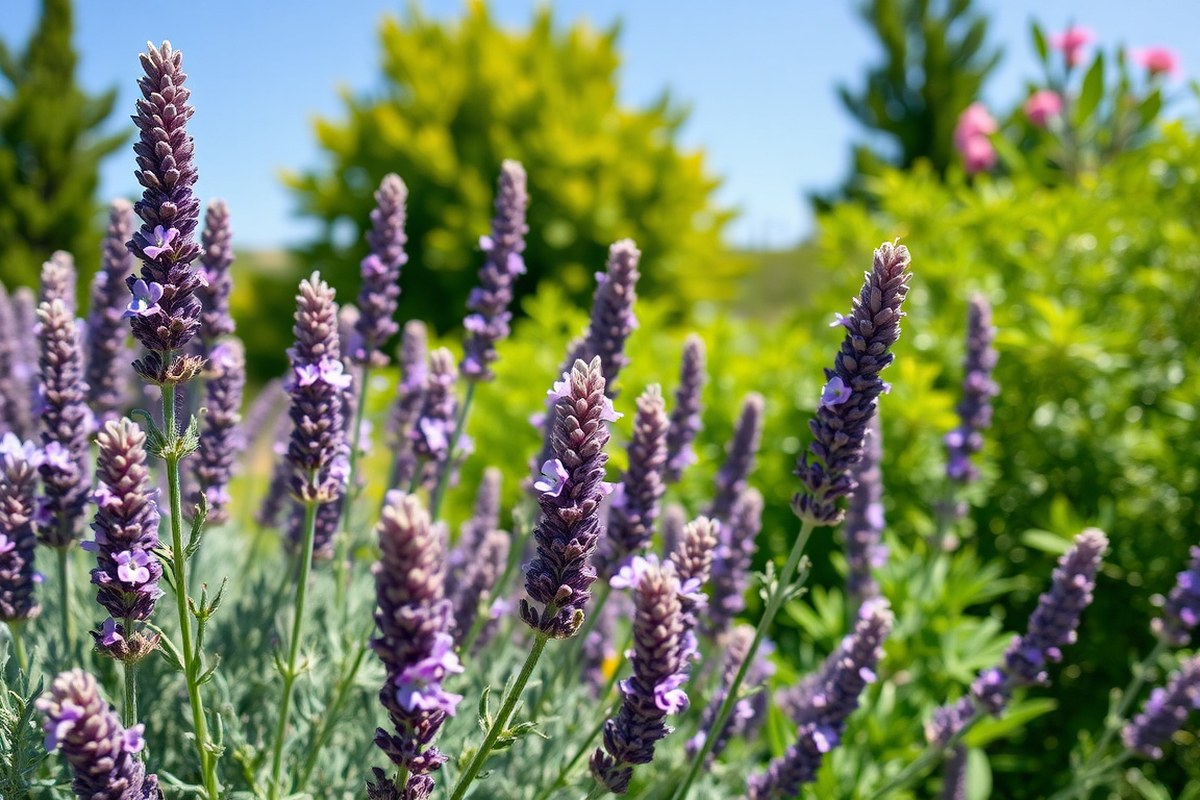
Does Lavender Come Back Every Year? A Complete Guide That Works
Does lavender come back every year? Yes, it usually does if the climate suits it. Lavender is a perennial plant.
So it can survive for many years with the right care. Plant lavender in USDA zones 5 to 9.
Winters there aren’t very harsh. This helps the plant survive better.
Lavender often dies back to woody stems in winter but regrows come spring. You want to prune these stems to about 6 inches every year to encourage fresh growth. Also, pick a sunny spot with good drainage to help your lavender thrive and return.
In colder zones, especially where temperatures drop below -30°F, lavender often won’t survive outdoors. Many gardeners treat it as an annual there or grow it in pots they bring inside. Choosing the right variety and preparing for winter are big parts of success.
Key Takeaways
- Lavender returns yearly mainly in USDA zones 5 to 9 with mild winters.
- Prune lavender stems to 6 inches in early spring for best growth.
- Plant lavender in full sun with well-drained, sandy soil to last longer.
- In very cold climates, grow lavender as an annual or in containers.
- Lavender often dies back in winter but regrows from its woody base.
- Replace clay soil with a sandy mix to prevent root rot and stress.
Does Lavender Come Back Every Year or Does It Die?

Lavender is a perennial plant, which means it can come back every year. It usually regrows from woody stems after winter, especially in USDA zones 5 to 9. This lets gardeners enjoy their lavender plants for many years without replanting.
The plant’s ability to return depends on the climate and variety you grow. Many lavender species don’t handle severe cold well. So they might die back in winter.
Hardy lavender keeps a stem that looks dry. The stem is still alive underneath. It’s ready to sprout in spring.
Sometimes lavender seems dead after winter because the top growth dies off. This happens when cold or wet conditions damage the outer parts.
Yet healthy lavender usually regrows from the woody base if it isn’t too damaged. You can help by cutting away dead stems in early spring to encourage fresh shoots.
Lavender dies if the soil stays wet or freezes too hard. Poor drainage lets roots rot, making regrowth impossible. Planting in well-draining soil and a sunny spot helps lavender survive winter and come back strong.
Your lavender may need replacing when no green shows in late spring. You could try moving it to a warmer spot.
Which Lavender Varieties Are Perennial and Hardy?

Lavender varieties differ in how well they come back every year. English lavender (Lavandula angustifolia) is the hardiest and usually returns for a decade or more. French and Spanish lavenders like warm areas.
They usually live 5 to 7 years. Their lifespan is shorter than some other types.
Cold hardiness varies mostly by species. English lavender grows well in zones 5 to 8. It can handle colder winters.
Adding gravel mulch helps protect it. French and Spanish lavenders prefer zones 7 to 10.
They often need care during harsh winters. Without it, they may not survive.
| Variety | Description | Lifespan (years) | Cold Hardiness (USDA Zones) |
|---|---|---|---|
| English | Classic, cold-hardy garden lavender | 10, 15 | 5, 8 |
| Lavandin | Hardy hybrid of English and Portuguese | 8, 12 | 5, 8 |
| French | Tender, warm-climate lavender | 5, 7 | 7, 10 |
| Spanish | Tender, warm-climate lavender | 5, 7 | 8, 10 |
With some winter shielding, English lavender can come back even in zone 6 gardens. Mulching the base with gravel helps. Burlap wrap can protect the plant during colder winters.
French or Spanish lavenders don’t survive cold zones well. You must bring them indoors or cover them. Heavy covering is needed in cold weather.
English lavender plants can handle harder pruning and still bounce back year after year. Tender French and Spanish lavenders don’t handle heavy cutting well. They may die back or fail to regrow.
Avoid heavy cuts if possible. These differences affect how long your lavender can thrive in your garden.
Protect tender lavenders by bringing pots indoors or covering them when temperatures dip below zone limits.
How Climate Zones Affect Lavender’s Winter Survival
Lavender comes back every year in many cases, but your climate zone matters. It grows best outdoors in USDA zones 5 through 9, where winters are not too harsh. How well lavender survives cold depends on temperature drops, snow cover, and your winter prep efforts.
Suitable Zones for Perennial Lavender
Lavender thrives outdoors in USDA zones 5 to 9. These zones have winters cold enough for dormancy but not so extreme they kill the plant. Spanish or English lavender may struggle below zone 5, where temperatures can fall below 10°F (-12°C).
In warmer zones like 8 or 9, lavender usually survives mild winters well. Hard winters in cooler zones can damage or kill your lavender unless you take precautions. Zone 5 gardeners often struggle without extra protection.
Survival and Temperature Limits
Lavender cannot survive extreme cold like -30°F. Harsh northern winters cause outdoor lavender to die. So it’s treated as an annual there. For plants near their zone’s low limit, repeated freezes or sudden temperature swings stress them.
Snow cover helps by insulating roots, keeping temperatures steady and preventing frost heave. Without snow or mulch, roots may suffer freeze damage during cold snaps. A layer of mulch can protect roots and improve survival chances.
Using Mulch and Snow Cover
Spread gravel or organic mulch around lavender’s root crown before freeze. This protects roots and keeps soil moisture stable. Mulch also reduces frost damage and wind drying, which are common in bare soil.
Snow cover acts like natural insulation during cold spells. Evergreen mulch or straw can substitute snow if you live in a low snow area.
Avoid thick mulch directly on stems to prevent rot. Keep mulch near the base only.
Winter Prep for Marginal Zones
In zones 5 and 6, gardeners often pot lavender for winter and move it indoors. This step protects sensitive varieties from temperatures under 20°F (-6°C). Bring pots inside a cool, sunny spot until March for best regrowth.
Position outdoor lavender on south-facing walls to capture winter sunlight and shield from wind. Gravel mulch helps drainage around roots and prevents standing water, which lavender dislikes. Good drainage is key to surviving cold more than temperature alone.
Care Tips for Better Lavender Survival
Start with well-draining soil to avoid root rot in winter moisture. Water lavender moderately before the first freeze to keep roots hydrated but not soggy. Dry soil increases risk of frost damage and weak root systems.
Regular pruning during the growing season keeps plants compact and hardy for winter. Avoid heavy pruning late in the season, which can stimulate tender new growth vulnerable to cold. Pruning also helps air circulation and reduces mold risk under mulch.
How to Prune Lavender for Best Regrowth and Health
Pruning lavender every year helps it grow back healthy and full. Cut back about one-third of the green growth.
But avoid cutting into old woody stems. Pruning is key to keeping your lavender alive and flowering well.
When to Prune Lavender
Prune lavender just before the buds break in early spring to encourage new growth. This timing helps produce strong shoots, though it may slightly reduce flowers that season. Avoid pruning after September since new growth won’t harden before winter.
Late summer pruning is another option. But it mainly shapes the plant and improves airflow. It doesn’t strongly affect next year’s blooms.
But it helps keep the plant tidy and less prone to disease. You can prune lavender throughout its life. But stick to these seasons for the best results.
How to Cut Stems Properly
Use sharp pruning shears to cut back the green, leafy stems by about one-third each time. Make your cuts just above a healthy leaf set to promote growth in the right places. Be careful not to cut into bare woody parts.
Lavender won’t regrow from old wood. Cut only new growth to help it grow back.
Older plants have more woody stems, so watch your cutting depth closely. Over-pruning more than 30% of woody stems can stress the plant and cause dieback. Let thick woody stems remain to preserve plant health and ensure steady regrowth each season.
Deadheading and Its Impact
Removing spent flowers, or deadheading, keeps lavender looking neat but has limited effect on regrowth. It mainly encourages the plant to use energy for new shoots instead of seed production. Deadheading in summer after flowering can contribute to a healthy, vigorous plant by fall.
Skip deadheading late in the season because lavender needs to toughen up before winter. Regular pruning combined with some deadheading helps keep lavender healthy and encourages bright flowers next year. Leaving dead flowers makes the plant use energy on seeds.
This can stop strong shoots from growing. Remove spent blooms to keep it healthy.
Preparing Lavender for Winter in Different Climates
Preparing lavender for winter depends on your climate zone and plant type. Cold zones need extra care like mulching and wrapping. Tender types like French and Spanish lavender require special protection or moving indoors.
Winter Protection for Cold Zones
In zones colder than 7, cut lavender stems to 6 inches. This helps protect it from freezing during winter.
Avoid heavy pruning late in fall to prevent new growth that freezes easily. You can also wrap plants with frost cloth or burlap for extra insulation during hard freezes.
Adjust watering as temperatures drop, watering only when the soil is dry. Overwatering in cold weather can cause root rot. Stop fertilizing after summer so the plant hardens off before winter sets in.
Mulching Techniques
Mulch helps keep the soil temperature stable and protects roots from freeze-thaw cycles. Put 2 to 3 inches of mulch like bark or straw around lavender.
This keeps roots warmer and moist. Keep mulch a few inches away from the plant stem to prevent rot.
This layer slows soil moisture loss and helps insulate against freezing. In warmer zones 8 and above, mulching is less critical but still helpful during cold snaps. Remove heavy mulch layers in spring to let soil warm and drain properly.
Guarding Tender Varieties
French and Spanish lavenders are often too tender for cold winters below zone 8. Move these plants indoors or to a frost-free greenhouse before the first frost arrives. Place pots where they get sunlight but avoid drafts or heating vents.
Wrap tender lavender in frost cloth outside. Add more mulch to keep cold out.
Avoid covering them with plastic directly, which can trap moisture and cause mold or rot. Monitor weather forecasts and bring plants indoors early if severe freezes are expected.
Check soil moisture before freezing weather; dry soil protects roots better than wet soil.
Signs Your Lavender Is Dormant, Not Dead After Winter
Check stems first by bending them gently. When lavender bends without snapping, it’s probably dormant. Dry, brittle stems that snap easily usually mean the plant did not survive winter.
Look closely at the plant’s base near the soil. A firm base with some green at the crown shows life. A soft, mushy, or blackened base suggests rot or death.
Try the scratch test by scraping a small patch of bark with your fingernail. Green or white layers underneath mean the stem is still alive. Brown or gray, dry-looking wood inside means the stem is dead.
New growth will start appearing low on the stems by mid-spring if your lavender will regrow. Wait until late spring before you worry since lavender is slow to break dormancy. No buds or shoots by late spring usually indicate the plant is dead.
Smell the stems or leaves gently by crushing them. A faint lavender scent suggests the plant is alive. Rotten or no smell shows decay and death.
Your lavender looks dead? Lightly prune it in early spring. Remove only dead or damaged wood to keep the healthy base intact.
This approach works well in cold zones. Lavender dies back to the ground but grows from the base.
Keep the soil well-drained during winter to prevent root rot, which can kill the plant. Avoid overwatering, especially when the weather is cool or wet. Healthy roots support recovery if the top looks dry.
Give struggling plants time and care. Lavender often takes longer to show signs of life in the spring than other perennials do. Patience and proper pruning increase your chances of seeing new growth.
Ideal Soil, Sunlight, and Water Conditions for Lavender Longevity
Lavender grows best in soil that drains quickly to keep roots healthy. Choose sandy or gravelly soil for your lavender. The soil pH should be slightly alkaline, around 6.7 to 7.3, to match lavender’s native environment.
Find a spot that gets at least six to eight hours of direct sun every day. Lavender needs full sunlight to produce strong stems and dense foliage. Without enough light, plants become weak and may not return well the next season.
Water lavender sparingly, only when the top inch of soil feels dry to the touch. Avoid overwatering, which makes roots soggy and leads to rot, especially in winter. Good drainage and drier soil between watering cycles keep lavender thriving year after year.
Caring for Potted Lavender to Ensure It Comes Back Annually
Lavender in pots has a harder time than garden plants surviving winter. Containers hold less soil, which means roots freeze faster or stay too wet. In-ground lavender benefits from the earth’s natural insulation and better drainage.
Keeping potted lavender alive starts with good drainage. Use pots with holes and fill them with sandy, well-draining soil.
When watering in fall and winter, hold back to prevent soggy roots. Standing water is deadly because it causes root rot in cold weather.
Move your potted lavender to a sheltered spot when temperatures drop below 40°F. A cold garage, unheated sunroom, or covered porch works well. These spots keep the plant cool but safe from freezing. Avoid warm rooms as they encourage new growth that the plant can’t protect.
Water only when the top inch of soil is dry. During winter, lavender stays mostly dormant and needs less water.
Too much watering leads to mold and weak plants. Check soil moisture every week or so to avoid problems.
Protecting lavender outdoors in pots means wrapping the container with bubble wrap or burlap. This slows heat loss from the roots. You can raise pots on bricks or wood to stop cold.
This helps keep frozen ground cold from seeping up. It also protects the roots during winter. These extra steps reduce winter kills drastically.
Keep your lavender outdoors all year. Prune off dead stems before winter starts. This helps the plant survive the cold.
This helps the plant focus energy on healthy growth next spring. Starter or young lavender in pots needs extra care.
They might struggle despite these tips. Watch them closely and water carefully.
Too much winter watering is the top mistake with potted lavender and often causes death.
Step-by-Step Action Plan for Growing Lavender Year After Year
Follow these steps to help your lavender come back strong every season. Each phase includes simple actions and clear signs of success.
- Spring, right after last frost: Prune your lavender to about one-third of its growth. Healthy new shoots prove it’s ready to thrive.
- Early spring: Check soil drainage and add sand or gravel if needed. Water won’t pool if the soil drains well.
- Throughout spring and summer: Place your lavender in full sun, at least 6 hours daily. The plant looks vibrant and grows steadily with enough sunlight.
- Weekly during growing season: Water deeply but infrequently. Soil should feel dry a few inches down before you water again.
- Late summer: Avoid heavy pruning; just trim spent blooms. Lavender continues to bloom if you cut flowers, not stems.
- Early fall: Apply a light layer of mulch if you live in colder zones. Mulch stays lightly in place without smothering the base.
- Late fall: Move potted lavender to a cool, bright spot indoors if you get freezing winters. Leaves stay firm and green, not wilted or mushy.
- Winter: Check plants monthly for signs of new growth beneath dry stems. Buds or green shoots mean the plant survived the cold.
Frequently Asked Questions
Does Lavender Come Back Every Year in Colder Climates?
Lavender can return yearly in colder zones if you select hardy varieties. Protecting plants with mulch helps them survive winter freezes better.
How Often Should I Prune Lavender to Ensure It Returns Each Year?
You should prune lavender once or twice a year. Pruning helps prevent woody growth and encourages fresh new stems for next season.
Can Lavender Survive the Winter Without Any Protection?
Lavender might struggle without winter protection in colder areas. Use mulch or cover plants to improve winter survival chances.
Does Lavender Grown in Pots Return Each Year Like Garden-Grown Lavender?
Potted lavender can come back yearly if you provide the right care. Make sure pots drain well and prune regularly to keep growth strong.
Will Lavender Still Come Back If I Don’t Have Sandy Soil?
Lavender prefers sandy, well-draining soil but can survive in other soils if drainage is good. Avoid heavy, wet soil to prevent root rot.
Can Lavender Come Back After Being Cut Back to Near the Ground?
Yes, lavender can regrow after heavy cutting if it’s healthy. Avoid cutting into old wood, which may not sprout new growth.
Key Points to Remember
Lavender often grows back yearly when given proper care and environment. Monitor your plant’s condition through the changing seasons. Begin by assessing the soil and sunlight your lavender receives today.


