What Does Powdery Mildew Look Like? A Complete Guide with Visual Clues
What does powdery mildew look like? It appears as a white or gray powdery layer on plant leaves and stems.
This powder feels dry and dusty and often covers the top of leaves first. You might see patches that look like flour sprinkled over the surface.
The infected leaves may curl, turn yellow, or dry out over time. The powdery coating can spread quickly, leading to leaf distortion and stunted growth.
You can spot it early by checking new growth for fine, powder-like spots. Acting quickly helps prevent this fungus from spreading to nearby plants.
Powdery mildew thrives in warm, humid conditions between 60 and 80°F. It tends to develop where air circulation is poor and plants are crowded. Watch for these signs especially during spring and fall when weather favors its growth. Also, keep leaf surfaces dry because moisture actually slows mildew’s spread.
Key Takeaways
- Look for white or gray powder on the surface of leaves and stems.
- Spot early signs by checking new growth for fine, powdery spots.
- Curling or yellowing leaves often indicate powdery mildew is present.
- Powdery mildew grows best in humid weather between 60 and 80°F.
- Drying leaf surfaces slows powdery mildew development and spread.
- Act fast to stop powdery mildew from spreading to other plants.
How to Recognize Powdery Mildew on Plants
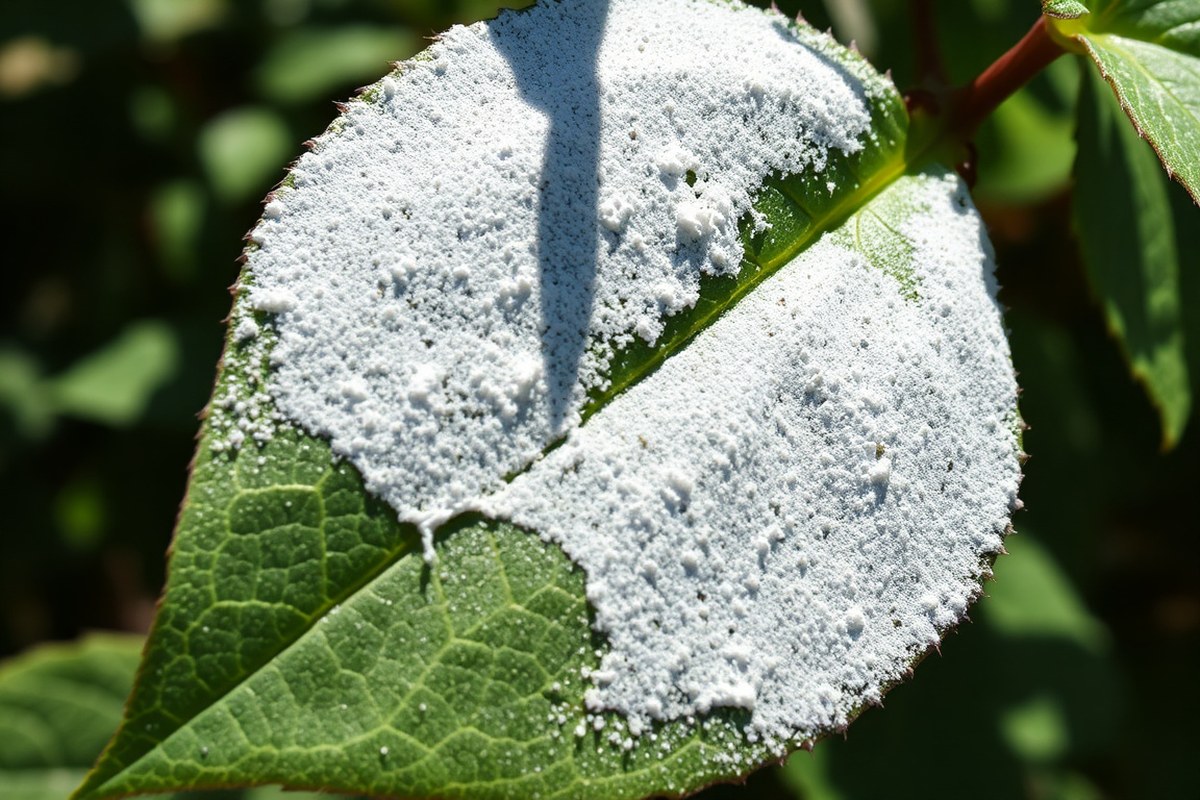
Powdery mildew shows up as a white or gray powdery coating on plants. It looks like someone sprinkled flour on the leaves, stems, and sometimes fruits. This powdery texture feels dry and dusty instead of wet or sticky.
The parts you usually see powdery mildew on include leaf surfaces, young shoots, and stems. Fruits might have it too, especially if the infection is advanced. Early on, you’ll spot small white spots that look like dust.
These spots grow bigger and merge, covering plant parts with a fuzzy, powder-like layer. Leaves with powdery mildew might curl, yellow, or get distorted as the fungus spreads. This growth is flat, not raised or fuzzy like some other fungi.
What sets powdery mildew apart is its dry, powdery look. Unlike some fungal diseases, it doesn’t make the plant parts wet or slimy. This helps you tell if the white dust on leaves is powdery mildew.
It could also be mold or just dust. Knowing this helps you decide what to do.
Early signs include scattered white spots that don’t wipe off easily. They start small and might only be on one side of the leaf. As the disease grows, these spots join up and get bigger.
The leaves start to turn gray or ash-colored. This shows the disease is getting worse.
Powdery mildew looks alike on many different plants. But each mildew type usually only infects certain plant families. It doesn’t spread randomly across all plants.
The white or gray coating looks almost the same on different plants. You see it on roses, cucumbers, and oak trees too.
The mildew looks very similar no matter the plant. This consistency helps you recognize it easily.
Noticing the powdery texture early matters. It guides you to act before the fungus takes over. Check your leaves often for tiny powdery spots on the top.
Doing this regularly helps catch powdery mildew early. It’s a good habit for any garden.
Visual Differences of Powdery Mildew Across Plant Types
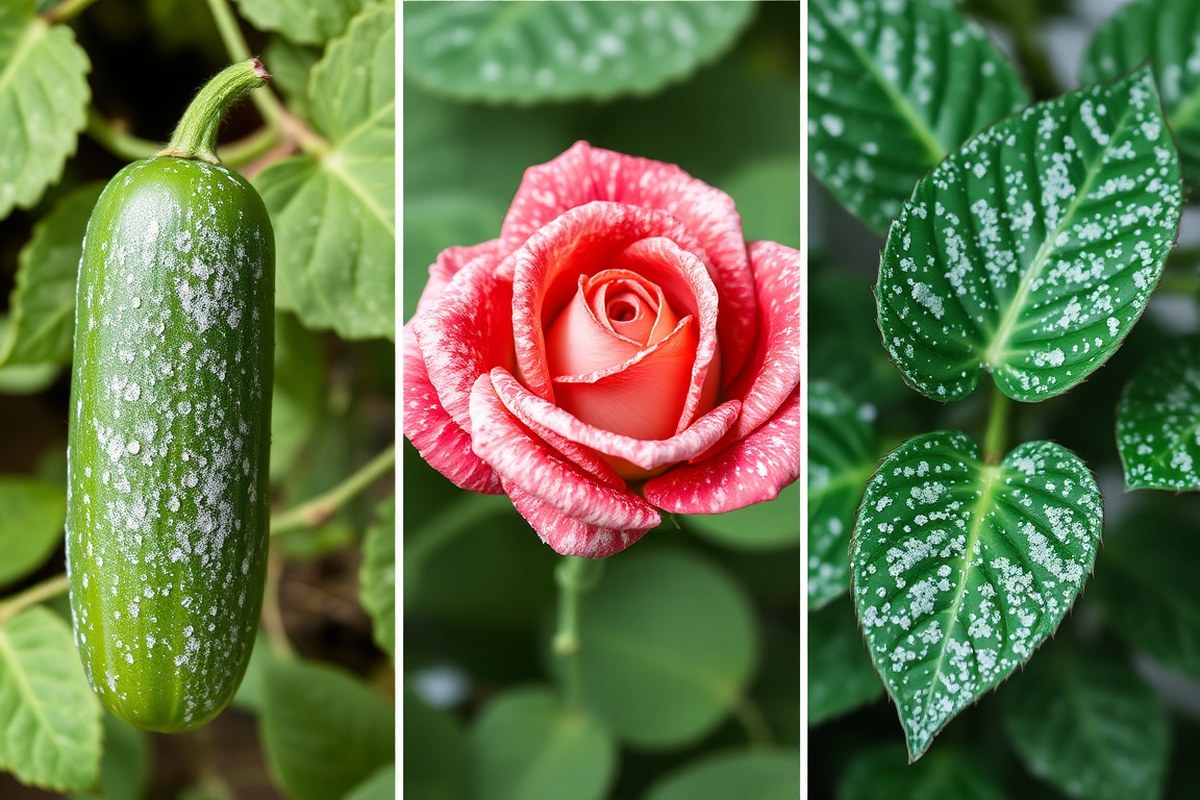
Powdery mildew looks different depending on the plant and location. Outdoor plants often show white, powdery patches on leaves and stems. Indoor plants get the same powdery film as outdoors.
It can spread quicker inside because air moves less. This makes indoor mildew a bigger problem sometimes.
Fruits infected with powdery mildew usually display a powdery coating on the skin. Leaves often show more diffuse patches with curled or distorted edges. Some plants have more obvious symptoms that help you spot mildew early.
| Plant Type | Common Powdery Mildew Traits | Distinctive Signs |
|---|---|---|
| Roses | White powder on upper leaves and buds | Leaf curling and browning edges |
| Cucumbers & Squash | White to gray powder on leaf surface | Yellow spots under leaves, fruit surface affected |
| Zinnias | Powdery white patches on leaves and stems | Stunted blooms and leaf drop |
| Phlox | White powder over leaves | Leaves may yellow or dry unevenly |
| Indoor houseplants (e.g., African violets) | White dusty spots on leaves and stems | Leaves may lose shine and wilt |
Plants like roses and cucumbers show more dramatic signs due to powdery mildew. The powder looks like a soft white or gray dust coating. On fruits like squash, you might also notice a graying or rough look on the skin.
Indoor plants tend to show mildew first on younger leaves near low airflow spots. Outdoor plants show patchy powder over broad leaf areas. Check under leaves for yellow shadows or early powder buildup.
Spotting mildew early means checking new growth and undersides of leaves regularly.
Different fungi cause powdery mildew on different plants, so the look changes.
Conditions That Affect Powdery Mildew’s Appearance and Spread
Temperature and humidity strongly affect how powdery mildew looks and spreads. The fungus thrives in warm weather between 60 and 80°F (15 to 27°C).
It prefers dry surfaces but needs humid air, not direct moisture on leaves. Too much humidity above 90% slows mildew growth because spores don’t spread well in wet conditions.
Powdery mildew often appears more visible in the early morning or late evening. Cool nights with high humidity help the fungus grow overnight. During hot, sunny days, mildew tends to dry out and looks less obvious.
Poor air circulation indoors or in shaded spots makes mildew spread faster. Fresh air and sunlight can slow it.
Here’s a table showing how temperature and humidity affect powdery mildew’s growth speed and look:
| Temperature (°F) | Humidity Level | Growth Speed | Appearance |
|---|---|---|---|
| 60-80 | Moderate (40-70%) | Fast | White powdery patches clear and dense |
| 60-80 | High (71-90%) | Moderate to fast | Cloudy, thick patches, sometimes fuzzy |
| 60-80 | > 90% | Slow | Patchy, less dense, spores don’t spread well |
| Below 60 | Any | Very slow | Pale, sparse patches, less visible |
| > 80 | Any | Variable | Often dries out and thins during heat |
Powdery mildew can spread quickly within a week under ideal conditions. You might see small white spots on leaves on day one. By day four, the patches grow larger and denser.
If humidity rises suddenly, growth may speed up or slow down. At night, cooler temperatures and high humidity make mildew more visible by morning.
This fungus spreads mainly through wind carrying spores in warm, dry conditions. Rain or heavy dew slows spreading by washing spores off leaves. That’s why powdery mildew becomes less aggressive during rainy weeks.
Indoors, spores linger longer if air is stale and humidity is high. Opening windows or using fans can reduce spread.
Early Signs vs Advanced Symptoms of Powdery Mildew
Powdery mildew starts with small, white specks that seem harmless. It spreads quickly, covering leaves and stems if you don’t act. Knowing its signs early helps you stop the infection before serious damage appears.
Initial Powdery Specks and Fuzzy Growth
The first sign is tiny white spots on leaves or stems. These look like light dust or talcum powder. You often find them on new, tender growth where the fungus likes to settle.
At this stage, spots are small, less than a quarter-inch across. They might also appear fuzzy from tiny fungal threads. Check leaves regularly, especially in cool, dry weather, when powdery mildew thrives.
Expanding White Patches and Leaf Distortion
Those white spots grow larger and begin to merge into patches. The whole leaf surface might be covered in a white or gray powdery layer. This powdery coating also spreads to leaf undersides and stems.
The infected leaves start to twist, curl, or wrinkle as the fungus takes hold. You might notice some yellowing or browning around the spots. Growth slows down, and the plant looks unhealthy but is still alive.
Severe Infection with Leaf Yellowing and Drop
Leaves often turn yellow, brown, or dry out in advanced infections. This leads to premature leaf drop and weak stems. Fruit and flowers may become deformed or stunted if the infection reaches them.
By this stage, large areas are covered with dense white powder. The plant looks fuzzy or dusty from a distance. Damage is visible, and the plant’s health seriously declines.
Spotting powdery mildew early helps you stop it from getting bad fast. Watch your plants closely and act quickly when you see these signs. Here’s how to catch it early:
- Check new growth weekly for tiny white specks.
- Look under leaves, where powdery mildew can hide.
- Note any twisting, curling, or discoloration of leaves.
- Compare suspect spots to healthy leaf areas for difference.
- Remove infected leaves carefully before the powder spreads.
- Keep humidity low and air flowing around plants.
- Use recommended fungicides or home remedies at first sign.
- Repeat treatments as needed every 7 to 14 days until clear.
Effective Visual Identification of Powdery Mildew vs Similar Issues
Spotting Powdery Mildew vs Dust
Powdery mildew is a white or gray powdery coating on leaves and stems. Dust looks similar but wipes off easily without damaging the plant.
Try rubbing a finger over the white surface. Smearing or coming off usually means it’s harmless dust.
Powdery mildew stays in place because it’s made of fungal spores. Dust often settles unevenly and can blow away in the wind. Check under leaves and on stem joints where dust rarely collects but mildew often appears.
Differences from Other Fungal Diseases
Most fungal diseases need wet leaves to grow, but powdery mildew doesn’t. It favors warm, dry weather with high humidity and shows up as a dry, powdery patch. Other fungi make spots that look sunken or slimy.
These spots can be black or rust colored. They often look different from powdery mildew.
Look closely for symptoms like fruiting bodies or mold colors. Powdery mildew lacks the fuzzy or slimy textures common in other molds. This clear texture difference helps you tell it apart when you see white patches.
Signs That Distinguish Powdery Mildew from Nutrient Issues
Nutrient problems usually cause leaf yellowing, spotting, or curling. But never the powdery white coating. Nutrient problems affect whole parts of the plant.
For example, a full leaf might turn yellow. This differs from mildew’s patchy, powdery spots.
Check if the white patches flake or come off. They don’t wipe off?
That means it’s mildew, not nutrient damage. Nutrient issues won’t rub off but might make leaves thin or dry.
Common Look-Alikes That Cause Confusion
Plants often have harmless white dust, leaf hairs that reflect light, or residue from sprays. These can mimic powdery mildew but don’t damage the plant.
Dust is usually on the top surfaces, clumping loosely. Powdery mildew looks denser and may also be under leaves.
Some other fungi like downy mildew appear white. But downy mildew patches look fuzzy and need moisture to develop. This texture and environmental difference helps spot which fungus is present.
Decision-Rule Checklist for Identification
Try a simple test: gently rub the white surface. It wipes off clean? It’s dust or spray residue, not mildew.
It stays on and the leaf looks damaged underneath? That’s powdery mildew. Check the weather too: if conditions were hot and dry with humidity, mildew is probable.
Look under leaves and at leaf stems for powdery patches. See if there are any dark spots, slimy textures, or yellow leaf edges. Those signs point to other fungal diseases or nutrient problems, not powdery mildew.
Always examine both sides of leaves and take note of the weather before diagnosing powdery mildew.
How to Identify and Remove Infected Leaves Safely
Remove leaves with heavy powdery mildew spots or white dusting. Focus on the most infected leaves first to slow the spread. Avoid cutting healthy parts unless the disease covers nearby areas.
Assessing Infection Severity on Leaves
Look for thick white patches or powder on leaf surfaces. Leaves with over half their area covered are the priority for removal. Mildly infected leaves can stay if the plant is strong and spread is low.
On plants like roses or ninebarks, prune branches if buds or stems show mildew. Removing only leaves may not stop mildew that overwinters on woody parts. Check for stunted or damaged buds that also carry the fungus.
Tools and Timing for Safe Removal
Use clean, sharp pruning shears or scissors to avoid plant damage. Prune early in the day when leaves are dry to limit spore spread. Wear gloves to protect your hands from spores and plants’ sap.
Disinfect tools before and after pruning with rubbing alcohol or bleach diluted 1:9 to kill spores. Do careful cuts to leave the stem intact and reduce stress on the plant. Avoid heavy pruning during extreme heat or frost risks.
Disposal of Infected Plant Material
Do not compost leaves or branches with powdery mildew. The spores can survive and infect new plants. Place all infected material in sealed bags and trash it with your yard waste.
Clean up fallen infected leaves and plant debris in the fall to reduce overwintering fungus. Wash gloves and tools after handling infected plants to prevent cross-contamination. Follow up with an organic fungicide if mildew remains after pruning.
Follow these steps to safely remove infected leaves without harming your plants:
- Inspect plants and select leaves with over 50% powdery mildew coverage.
- Put on gloves and prepare clean, sharp pruning shears or scissors.
- Cut leaves carefully at the base of the stem to preserve plant health.
- Collect leaves directly into a sealed plastic bag to contain spores.
- Disinfect your tools with rubbing alcohol or diluted bleach solution.
- Dispose of the sealed bag in the trash, never compost infected leaves.
- Wash your hands and gloves thoroughly after finishing.
- Check plants weekly and repeat removal when new infected leaves appear.
Visual Guide to Treatment Options and Their Effects
| Treatment | Visible Effect Timeline | Visual Signs on Plants | Notes |
|---|---|---|---|
| Sulfur-Based Fungicides | 3 to 5 days | White powdery patches fade and shrink | Organic, may cause allergies in sensitive people |
| Neem Oil Spray | 5 to 7 days | Leaves lose powdery spots, appear less dusty | Natural oil, also controls some insects |
| Baking Soda Mixture (baking soda + oil + water) | 7 to 10 days | Powdery areas begin to thin, leaves look cleaner | Affordable but slower, repeat applications needed |
| Sevin® 3-in-1 Spray | 2 to 4 days | Powdery spots quickly dry and drop off | Works fast; also controls mites and insects |
Fast-acting treatments show visible improvement within four to five days. Sevin® 3-in-1 Spray tends to clear powdery mildew the quickest.
The white powdery spots dry up, shrink, and fall off the leaves shortly after spraying. Sulfur-based fungicides follow close behind while also acting as a preventive measure.
Organic sprays like neem oil or sulfur leave a thin, wet layer on leaves after application. Powdery mildew may look damp but fades over several days.
Baking soda mixtures take longer and need repeated use. You’ll notice the powdery coating breaking up slowly and the leaves regaining their normal colour.
Look for shrinking or disappearance of the white patches to confirm treatment is working. If patches darken, spread, or don’t diminish after a week, switch or repeat the treatment. Also, watch leaf texture: healthy leaves appear firmer.
Infected areas stay powdery or sometimes curl. Patience matters since results can vary with weather, plant type, and mildew severity.
Common Identification and Treatment Mistakes to Avoid
Misdiagnosing powdery mildew often happens because of confusing it with other white residues. For example, some gardeners mistake dust or sap for powdery mildew. This leads to wrong treatments that don’t fix the problem and waste time.
Applying treatments at the wrong stage can also backfire visually. Spraying chemical fungicides when mildew is advanced may burn leaves or leave ugly marks. Spraying can harm beneficial insects like lady beetles.
This disrupts natural pest control in your garden. Try to spray when these insects are less active. Starting treatment quickly, right when you see the first powdery patches, improves results dramatically.
- Confusing powdery mildew with dust or leaf hairs, look for powdery texture and spread pattern.
- Treating only after mildew covers large leaf areas, act early for better control.
- Using harsh chemicals under hot sun, spray in morning or evening to avoid leaf burn.
- Ignoring plant care, healthy plants resist mildew better than neglected ones.
- Spraying during beneficial insect activity, avoid harming helpful predators like lady beetles.
- Applying treatments inconsistently, follow label instructions for frequency and concentration.
- Not removing infected leaves, cut off spots promptly to stop spread.
Getting visual cues right means checking patches closely. Powdery mildew looks like a fine white dust that spreads in rings or blotches. The white stuff might be fuzzy or sticky.
It could be a sap leak or a different fungal disease. Keeping leaves dry by watering at the base can reduce conditions favoring powdery mildew.
Start treatment right away when spotting white powdery spots to limit damage.
Preventing mistakes means also improving overall plant health. Give plants enough air, water, and nutrients.
This reduces mildew’s chance to take hold and keeps leaves looking fresh. Chemical options like Zerotol 2.0 use acetic acid and hydrogen peroxide to prevent and wash off mildew without harsh residues.
The goal visually is fewer white patches over time without burnt or spotted leaves from treatment. Act quickly to help your plants recover well. Adjust your care approach as needed.
This saves time and effort later. Avoid guesswork, watch carefully and follow product instructions closely for the best outcomes.
Step-by-Step Action Plan for Managing Powdery Mildew
Follow these steps to spot, treat, and prevent powdery mildew effectively. Check your plants often and act fast.
- Day 1: Inspect your plants closely for white, powdery spots on leaves and stems. Early detection helps stop spread.
- Day 2: Remove infected leaves gently with clean shears. Dispose of them far from healthy plants to avoid reinfection.
- Week 1: Apply a recommended fungicide or natural treatment like neem oil. Notice if powdery spots stop growing or fade.
- Week 2: Improve air circulation around plants by spacing them properly or pruning dense growth. Watch for fewer new spots.
- Week 3: Check soil moisture; water plants at the base early in the day. Leaves staying dry means less mildew risk.
- Month 1: Continue regular checks and repeat treatments if needed. Healthy, green leaves mean your plan is working.
Frequently Asked Questions
What Does Powdery Mildew Look Like on New Growth Versus Older Leaves?
Powdery mildew shows as white powder on both new and older leaves. New growth may look a little fuzzier than old leaves. The key sign is white dusting on any leaf, young or old.
Can Powdery Mildew Cause Discoloration Besides White Patches?
Sometimes it causes yellow or brown spots under the white powder. This happens when leaves start to die from the fungal infection, signaling more advanced damage.
Do Powdery Mildew Symptoms Differ Between Indoor and Outdoor Plants?
Symptoms are very similar indoors and outdoors, mostly white powdery spots. However, indoors the spread may be slower due to controlled humidity and less wind.
Why Does Powdery Mildew Look Heavier on Some Plants Than Others?
Some plants develop thicker fungal growth depending on leaf texture and humidity. Rough or hairy leaves may trap more spores, making mildew appear denser.
Can Powdery Mildew Form on Stems and Flowers Too?
Yes, it can cover stems and flower buds with the same white dust. Early detection on these parts helps prevent spread to the whole plant.
Does the White Powder of Powdery Mildew Come Off When Touched?
Yes, it often brushes off easily like flour dust. But spores remain on the plant and can spread. So physical removal doesn’t cure the disease.
The Bottom Line
Powdery mildew looks like a white, dusty coating on leaves and stems. Removing infected parts and treating early stops the infection fast. Start by checking your plants today and remove any powdery spots you see.