How to Care for a Monstera Plant: A Complete Guide with Proven Tips
Caring for a monstera plant means giving it water, light, and warmth. You need to know the right amount for each. These three things keep your plant healthy.
Water your monstera every 1 to 2 weeks, only when the top 2 inches of soil are dry. This helps avoid overwatering. Place your monstera in medium to bright indirect light to prevent leaf burn.
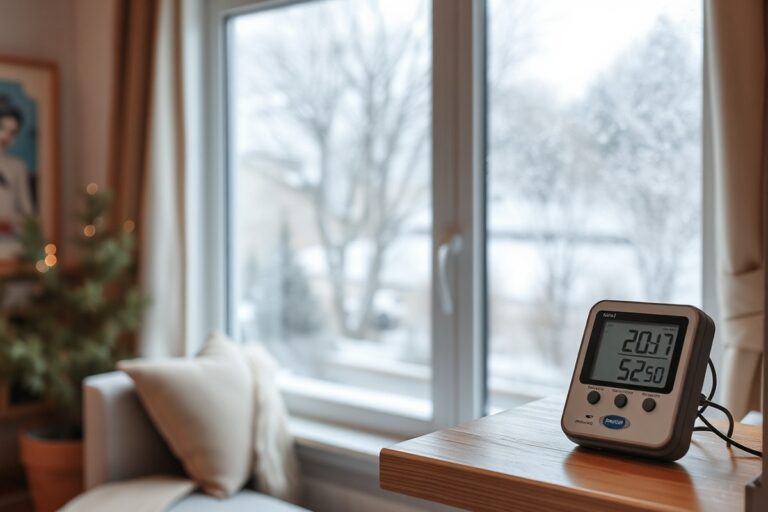
Keep your monstera’s temperature steady between 65 and 75 degrees Fahrenheit. Avoid cold drafts and hot spots because temperatures below 50 or above 85 degrees cause stress.
Put your plant 3 to 5 feet from south-facing windows or use sheer curtains to soften the light. Checking soil moisture before watering helps your monstera thrive indoors by mimicking its natural environment.
Key Takeaways
- Water your Monstera when the top 2 inches of soil are dry.
- Place your Monstera in medium to bright indirect light.
- Maintain indoor temperatures between 65 and 75 degrees Fahrenheit.
- Keep Monstera away from drafts and spots colder than 50°F or hotter than 85°F.
- Use a well-draining potting mix to prevent root rot.
- Position your Monstera 3 to 5 feet away from south-facing windows.
Watering and Light Needs for Indoor Monsteras

Water your Monstera every 1 to 2 weeks indoors. Check the top 2 inches of soil before watering. Only water when this soil layer feels dry to the touch.
Overwatering can cause yellow leaves and root rot, so don’t guess. When leaves turn yellow and soil stays wet, stop watering for now. Underwatering shows as yellow leaves with crispy edges and dry soil.
Monstera needs medium to bright indirect light for about 6 to 8 hours daily. Place it near an east or north-facing window for ideal sunlight. Avoid direct sun, which can burn the leaves.
Windows with harsh afternoon sun need sheer curtains to soften light. In low-light spots, you can use artificial grow lights that emit bright, indirect light. Keep grow lights 12 to 18 inches away from the plant.
Run lights 10 to 12 hours each day. This helps your Monstera get enough light indoors.
Light levels affect how often you water your Monstera. More light means faster soil drying.
So check soil moisture more often in bright spots. Larger pots hold moisture longer, so wait longer before watering those.
Terracotta pots dry out faster than plastic or ceramic ones. Terracotta pots dry out faster, so water more often during warm months.
Monstera grows faster then and uses more water. During colder months, reduce watering to once every two weeks or less.
Creating Ideal Humidity and Temperature Conditions

Monsteras thrive best in warm, humid conditions that mimic tropical rainforests. Aim for temperatures between 65 and 75°F and keep humidity near 60% or higher. These settings help the plant grow lush leaves and stay healthy indoors.
Optimal Humidity Range for Monstera Growth
Monstera plants do well with humidity levels around 60% to 70%. This range matches their natural rainforest environment, promoting healthy leaf growth. Lower humidity than 30% often causes crispy leaf edges and slows growth.
Humidity between 40% and 60% is acceptable but not perfect. You can maintain this range with occasional misting or a humidifier. Above 60%, the plant looks lush but be watchful for pests that like damp conditions.
Here’s a quick look at how humidity affects your Monstera and what you can do:
- Below 30%: Leaves get crispy edges, plant stress; humidifier needed
- 30-40%: Plant survives, growth is slower; use pebble trays and mist
- 40-60%: Healthy growth; maintain with humidifier or misting
- 60% and above: Optimal lush growth; monitor for pests
Safe Temperature Zones and How to Avoid Extremes
Keep your Monstera’s environment between 65 and 75°F for steady growth. Temperatures below 55°F slow the plant significantly and may cause damage. Avoid exposing the plant to sudden drafts or hot air from vents and radiators.
Monstera leaves may yellow or drop if the temperature swings too quickly. Staying in a stable zone prevents stress and supports new leaf production. Here’s how different temperatures affect your Monstera:
| Temperature Range (°F) | Effect on Monstera |
|---|---|
| Below 55 | Growth slows, risk of leaf damage |
| 65 to 75 | Best range for healthy growth |
| Above 85 | May cause overheating, leaf burn |
Effective Methods to Boost Home Humidity Levels
Raising humidity helps your Monstera thrive, especially in dry or heated homes. A humidifier is an easy way to add needed humidity. It costs around $30 to $60.
You can find it at most stores. Keep it running nearby the plant for steady moisture.
You might skip a machine and use natural ways for humidity:
- Place a tray with water and pebbles beneath your Monstera pot
- Group your Monstera with other plants to raise local humidity
- Mist leaves gently once or twice daily using a spray bottle
- Keep your Monstera in a bathroom with a window, if it gets light
- Avoid placing the plant near heating vents or drafty windows
These methods don’t require much effort or cost but provide enough moisture to reduce dry stress. Combining a few options works best in winter when indoor air is drier.
Do not keep leaves constantly wet from misting, as this invites pests and fungus.
Choosing and Preparing Soil for Monstera Plants
Monsteras need soil that drains well but holds some moisture. A mix with peat or coir, perlite, and bark works well. These ingredients create air pockets in the soil.
They stop water from sitting near the roots. This helps prevent root rot, a common problem.
You can buy a ready-made indoor potting mix or make your own by combining these parts. Water your plant when the top 1 to 2 inches of soil feel dry. This routine helps avoid overwatering, keeping roots healthy and growing.
Here’s a simple table showing the benefits of common soil ingredients used for Monsteras. They balance drainage, moisture retention, and aeration. Use this to prepare your mix or check labels when buying soil:
| Soil Ingredient | Benefit for Monstera | What It Does |
|---|---|---|
| Peat or Coir | Keeps soil moist but not soggy | Holds water and nutrients without compacting |
| Perlite | Improves drainage and aeration | Creates air pockets for root oxygen |
| Bark | Adds chunky texture and air space | Prevents soil compaction and waterlogging |
To mix soil, start with 2 parts peat or coir. Add 1 part perlite and 1 part orchid bark. Stir well for an even mix.
Mix these well for a loose, airy soil that drains quickly. Your Monstera roots will breathe and stay healthy in this blend.
Before watering, check if the soil surface is dry. Avoid pots without drainage holes because water can pool and cause rot. When repotting, fill soil around the roots carefully.
Make sure the soil sits 2 inches above the root ball top. This helps protect the roots and holds moisture. This gives roots room to grow and lets moisture spread evenly.
When and How to Repot Your Monstera Plant
Repot your Monstera every 1 to 2 years or when roots come out. Select a new pot 2 to 3 inches wider than the old one. Use fresh, well-draining soil and do this in spring for growth.
Signs Your Monstera Needs Repotting
Check your Monstera for roots poking out of the drainage holes. Also, the soil drying out very quickly after watering means roots may have crowded the pot.
A top-heavy Monstera or very slow growth means it needs repotting. Repotting can support healthier roots and better stability.
You can gently lift the plant from its pot to inspect the roots. When roots wrap tightly around the soil, it’s time to repot.
This shows your Monstera needs more space to grow. Watch for yellowing leaves, which can also signal root stress from a small pot.
Choosing the Right Pot Size and Drainage
Pick a pot that’s about 2 to 3 inches bigger in diameter. This size helps the roots spread without overwhelming the plant.
Too big a pot can hold excess moisture, which harms the roots. Clay or terracotta pots work well because they allow moisture to evaporate.
Make sure the pot has drainage holes to avoid waterlogging. Use a saucer to catch excess water under the pot but empty it often. Your Monstera will thrive best if the soil drains well and doesn’t stay soggy.
Repotting Step-By-Step Instructions
Spring is ideal for repotting because your Monstera is actively growing. Gather a new pot, fresh soil mix, water, and tools like scissors and gloves. Follow these steps carefully to avoid shocking the plant.
- Water your Monstera a day before repotting to ease root removal.
- Remove the plant gently by tipping the pot and easing out the root ball.
- Loosen the roots if they are circling tightly or compacted.
- Fill the new pot with fresh, well-draining soil, leaving space for the root ball.
- Place the plant in the new pot at the same soil depth it grew before.
- Fill around the root ball with soil and press lightly to remove gaps.
- Water the plant thoroughly to settle the soil and hydrate roots.
- Keep your Monstera out of direct sunlight and avoid fertilizing for a month.
Propagating Monsteras Successfully at Home
You can easily propagate your Monstera plant using stem cuttings. Select a healthy stem with at least two nodes, then root it in water or soil. Roots show up in 2 to 4 weeks in water.
Soil takes 4 to 8 weeks for roots. This depends on conditions like light and temperature.
Selecting the Right Stem for Cuttings
Pick a stem about 6 inches long that includes at least two nodes. These nodes are the small bumps where roots and leaves grow. Make sure the stem has healthy leaves and no signs of damage or disease.
A clean cut just below a node encourages root growth. Look for a stem without flowers or buds since they use energy needed for rooting. Choosing a vigorous, green stem helps the cutting establish faster.
Rooting Techniques: Water vs Soil
Water propagation is easier and lets you watch roots develop in 2 to 4 weeks. Use a clean jar and fresh water, changing it weekly to stop bacteria growth. When roots are 2 to 3 inches long, it’s time to plant.
Soil propagation takes longer, about 4 to 8 weeks, but reduces transplant shock. Use moist, well-draining soil and keep it consistently damp, but not soggy. Avoid overwatering because soggy soil can cause rot, especially when cuttings don’t have roots yet.
Sphagnum moss and perlite are alternatives that keep moisture balanced and help root health. These methods suit intermediate growers comfortable managing humidity and moisture carefully.
Post-Propagation Care and Planting
After roots form, plant cuttings in well-draining soil to avoid excess moisture. Place young plants in bright, indirect light to promote steady growth. Avoid direct sun, which can scorch new leaves and stress fragile roots.
Keep humidity around 60% to support root and leaf development. Mist the leaves lightly or use a humidity tray near your plant. Let the soil surface dry a bit between watering to prevent root rot.
After your cutting grows some leaves, check its roots. When roots get strong, treat it like a full-grown Monstera.
This means normal care and repotting. Repot into a larger container when roots fill the pot to avoid becoming pot-bound.
- Cut a 6-inch stem section with two nodes using clean scissors.
- Remove lower leaves to leave two or three leaves on top.
- Place the cutting in a water jar or a pot with moist soil.
- Put the cutting in bright, indirect light inside your home.
- Change water weekly if rooting in water; keep soil moist if soil rooting.
- Wait for roots 2, 3 inches long (water) or 4, 8 weeks (soil).
- Plant rooted cuttings in well-draining soil and maintain humidity.
- Move the new plant to a bigger pot when roots fill the soil.
Leaving too many leaves on the cutting can cause excessive moisture loss. Trim the lower leaves to keep your cutting healthy.
Pruning and Supporting Growth for Bushier Monsteras
Pruning your Monstera helps it grow fuller leaves and stay healthy. The best time to prune is in spring or early summer when growth speeds up. Cutting back old or leggy stems encourages fresh, bushier growth with better leaf splits.
Proper support plays a big part in your Monstera’s size and shape. Using moss poles or trellises mimics how Monsteras climb trees outdoors. These supports help your plant grow upward and develop larger leaves with deep fenestrations.
Gather pruning shears, a clean cloth, and rubbing alcohol before you start. Cleaning your shears prevents infections in the cuts. Follow these steps to prune and support your Monstera for the best results:
- Sanitize your pruning shears with rubbing alcohol to avoid disease.
- Find stems that are leggy, damaged, or crowded, focusing on older growth.
- Trim those stems just above a node, where leaves or roots grow, using sharp scissors.
- Remove any yellow or brown leaves to keep the plant tidy and healthy.
- Set up your support by placing a moss pole or trellis firmly in the pot.
- Tie the stem loosely to the pole with soft plant ties, helping it climb.
- Maintain humidity by misting moss poles regularly to prevent mold and support aerial roots.
- Monitor your plant and repeat pruning in growing seasons to keep it bushy and healthy.
| Support Type | Best Features | Limitations | Lifespan | Cost |
|---|---|---|---|---|
| Moss pole | Natural root attachment and moisture retention | Needs regular misting; can develop mold | 2-3 years | $$ |
| Coco coir pole | Sustainable and good for root grip | Less moisture retention than moss | 2-3 years | $$ |
| Bamboo stake | Affordable with natural look | Limited surface for root attachment | 5+ years | $ |
| Wooden trellis | Decorative and customizable | Less natural for aerial roots | 3-5 years | $$ |
| Metal plant support | Durable and minimalist design | May lack organic feel for attachment | 5+ years | $$$ |
Pruning your Monstera often helps keep its shape. It also stops the plant from growing too tall too fast. This way, you control its size more easily.
The moss pole encourages aerial roots to attach, helping the plant look neat and natural. Keep your plant’s environment humid to see deeper leaf cuts and bigger growth.
Identifying and Treating Common Monstera Issues
Spider mites show up as tiny specks and leave fine webbing on your Monstera. You’ll notice yellow dots or dull leaves when they attack. Dry air and warm rooms encourage these pests.
Spray your plant with water weekly to reduce spider mites. Use insecticidal soap if spray alone doesn’t work.
Mealybugs look like white cotton balls on leaves and stems. They leave sticky honeydew and cause yellow spots. Check leaf joints and crevices closely.
Wipe off bugs with a cotton swab dipped in rubbing alcohol for fast removal. Repeat this every few days until gone.
Scale insects appear as brown bumps that don’t move. They cause yellow leaves and sticky patches. Look under leaves and on stem joints.
Remove scale by scraping gently with a soft brush. Apply neem oil every seven days until pests disappear.
Thrips are tiny, slender insects that damage new growth and flowers. They leave silvery streaks and tiny black droppings.
Use blue sticky traps near the plant to catch them. Spray insecticidal soap carefully on affected leaves to control thrips.
Fungus gnats fly around the soil but their larvae damage roots. Let the soil dry fully between waterings to stop them.
Sticky traps will catch adult gnats. You can apply beneficial nematodes or a soil drench with Bacillus thuringiensis (Bt) for serious infestations.
Yellow, brown, or black tips on leaves usually show overwatering problems. Excess water can promote root rot and fungal diseases in your plant. Check that your pot has proper drainage and water only when the top 1 to 2 inches of soil feel dry.
This helps prevent root damage and excess moisture. Cut off any hurt leaves right away to prevent diseases from spreading.
Leaf blight and other fungal spots look like brown or black patches on leaves. Increase airflow by spacing plants out and away from walls.
Cut off affected leaves with clean scissors. Avoid misting leaves directly to reduce moisture that fungi love.
Root rot can kill your Monstera fast. Take the plant out of its pot if the roots smell bad or turn black.
Trim off rotten roots with clean scissors and repot the plant in fresh, well-draining soil. Water less often and check drainage carefully to prevent return.
Brown, crispy leaf tips can happen even when watering is right. Dry air or poor airflow can cause it.
Use a humidifier or set the plant on a tray with water. Avoid misting if air doesn’t move well to prevent fungus.
Fertilizing and Maintaining Monstera Health Year-Round
Fertilize your Monstera during its growing season, mostly spring and summer. Use a balanced, water-soluble or liquid fertilizer every 4 to 6 weeks. Follow the label’s dosage.
Usually, 1/4 to 1/2 teaspoon is enough. Mix it in a quart of water for most fertilizers.
Stop fertilizing by fall when growth slows naturally. Don’t fertilize at all in winter.
Overdoing it can hurt your plant’s roots and cause yellow leaves. In the off-season, also reduce watering to avoid soggy soil and stress on your Monstera.
Cleaning Monstera leaves removes dust that blocks light and slows growth. Wipe leaves gently with a damp cloth or sponge every 2 to 4 weeks.
Use plain water or add a tiny drop of mild soap for stubborn grime. Avoid harsh cleaners or soaking the leaves.
Rotating your Monstera helps keep growth even. Turn the pot about a quarter turn every week or two. This stops leaves from leaning on one side.
It helps your plant grow balanced. The plant looks symmetrical and healthy.
- Fertilize every 4-6 weeks in spring and summer only
- Use a balanced, water-soluble fertilizer at half strength
- Clean leaves with a damp cloth every 2-4 weeks
- Rotate pot a quarter turn weekly to avoid uneven growth
- Reduce feeding and watering in fall and winter
- Remove yellow or damaged leaves to prevent disease
- Check leaves for pests before winter starts
Don’t fertilize in winter; the plant rests and may suffer from overfeeding. Keep leaf cleaning gentle to avoid damaging the shiny finish.
Following these steps helps your Monstera develop large, bold leaves with nice holes. Clean leaves catch more light, and rotation promotes steady, even growth. Fertilizing right supports the plant’s energy to grow without burning roots or causing leaf problems.
Step-by-Step Action Plan for Your Monstera
Follow these steps to keep your Monstera healthy and growing strong indoors. Each step includes a sign that you’re on the right track.
- Day 1: Place your Monstera near bright, indirect light. Check if its leaves stay a vibrant green in the next few days.
- Week 1: Water your Monstera when the soil’s top 1-2 inches dry. Avoid overwatering to prevent droopy or yellow leaves. Check leaves after watering to see how the plant responds.
- Week 2: Spray the leaves with water or use a humidifier to raise humidity. Leaves should look fresh, not dry or brown.
- Month 1: Fertilize once with a balanced houseplant fertilizer diluted to half strength. Watch for new growth in the following weeks.
- Month 2: Look at the drainage holes to see roots. If roots show, your Monstera may need repotting. This helps give it more room to grow. Repot if crowded, and water after.
- Ongoing: Prune any yellow or damaged leaves. Use a stake to support the stem for upright growth if it leans.
- Every 3 months: Repeat fertilizing and check soil moisture regularly. Healthy leaves and steady growth mean your care is working.
Frequently Asked Questions
Can I Keep My Monstera Plant Outside During Summer?
Yes, you can place your Monstera outside in summer. Keep your Monstera in a shaded spot away from direct sun. Bring it indoors when temperatures fall below 50°F (10°C).
How Do I Know If My Monstera Plant Needs More Humidity?
Brown or curled leaf edges mean your Monstera needs more humidity. You can mist the leaves weekly or use a humidifier near the plant.
What Is the Best Container Type for Monstera Plants?
Terracotta pots are ideal because they allow soil to dry out evenly. Avoid plastic pots that can hold too much moisture and cause root rot.
Should I Rotate My Monstera Plant Regularly?
Rotating your Monstera every few weeks helps it grow evenly. This exposes all sides to light. This prevents the plant from leaning to one side.
Can Monstera Plants Tolerate Low Light in Bathrooms?
Monsteras tolerate low light but will grow slower in bathrooms. Bright, indirect light is best for fuller leaves and healthier growth.
Do Monstera Plants Shed Old Leaves Naturally?
Yes, Monsteras naturally lose older leaves as new ones grow. Remove yellow or brown leaves promptly to keep your plant tidy and healthy.
The Bottom Line
Monsteras can thrive indoors with the right care steps. Start with proper light and watering to see quick improvements. Check your plant weekly, and enjoy watching it grow better every day.