What Do Grass Seeds Look Like? A Complete Guide with Visual ID and Growth Tips
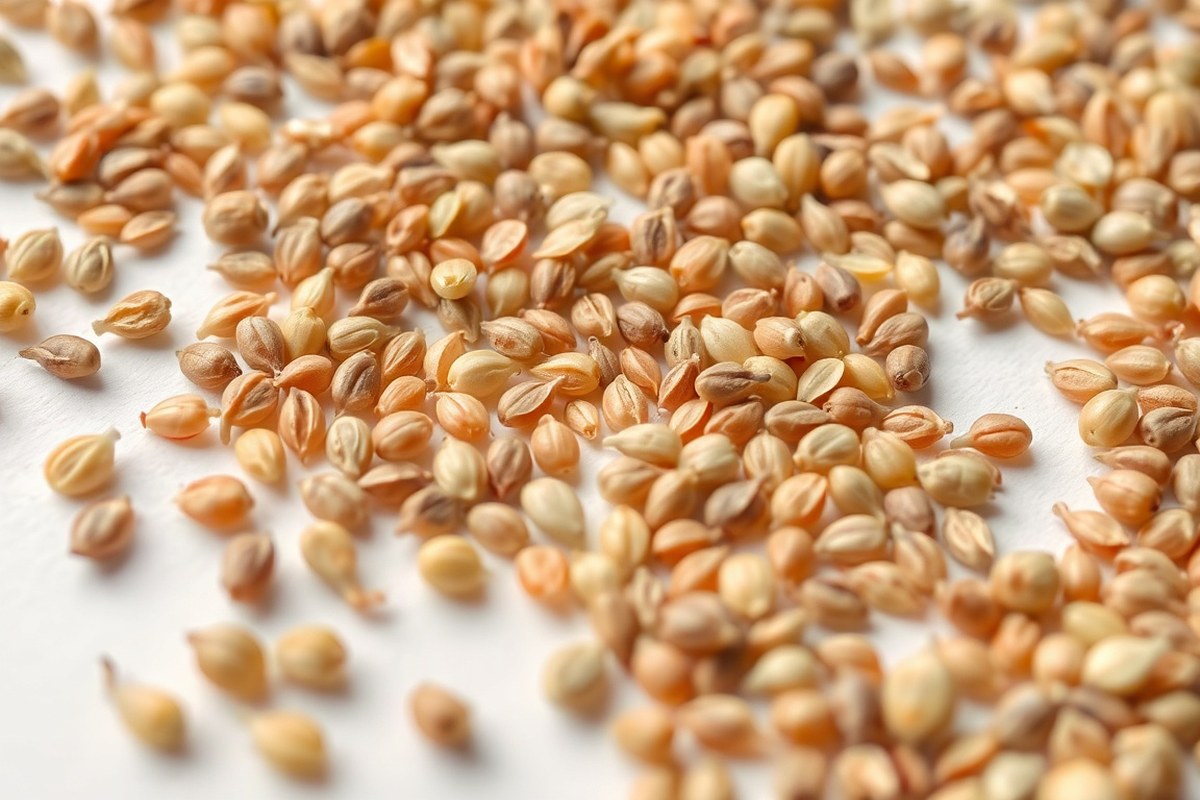
What do grass seeds look like? Grass seeds are small and vary widely in shape and color.
They typically range from tan to dark brown and can be oval, elongated, or round. These details help you spot the right seeds for your lawn.
Identifying seeds by appearance saves time and money. Most grass seeds look dry and smooth before planting. When shopping, check for clean, intact seeds without dust clumps or mold spots.
Grass seeds can be coated or uncoated. Coated seeds have a visible layer making them look larger and sometimes shiny. This helps with handling and slow water absorption but reduces the actual seed weight.
Some grass seeds might have tiny hair-like structures or be slightly rough to the touch. The size usually measures from 1/16 to 1/8 inch long. Knowing these traits makes it easier to pick healthy seeds suited for your climate and soil.
Key Takeaways
- Grass seeds vary in size from tiny to about the size of a grain of rice.
- Colors often range from light tan and beige to dark brown or black.
- Coated seeds appear bigger and smoother but contain less actual seed inside.
- Look for clean, dry seeds with no mold or clumping before buying.
- Cool-season seeds are usually smaller and thinner than warm-season seeds.
- Weed seeds can sneak in and are often lighter or have different shapes.
What Do Common Grass Seeds Look Like?
Tall Fescue Seed Characteristics
Tall Fescue seeds are oval-shaped and about 4 to 6 mm long. They have a rough texture that helps distinguish them from smoother seeds. Their color ranges from brown to reddish-brown, making them easier to spot in mixes.
These seeds often have stiff awns. Awns are hairlike bristles on the seed. These bristles make the seed feel rough.
These seeds are bigger and tougher than some others. They usually take 5 to 12 days to germinate. This happens after you plant them.
Kentucky Bluegrass Seed Features
Kentucky Bluegrass seeds are smaller, around 3 to 4 mm long. They have a pale beige color with a slightly tapered and smooth surface. Their boat-shaped form looks a bit like a tiny canoe or leaf.
These seeds are lighter and can be harder to see on soil. They take longer to sprout, often needing 14 to 30 days. Their size and color make them distinctive from taller, darker seeds like tall fescue.
Warm-Season Grass Seeds Overview
Bermuda grass seeds are very small and round, resembling poppy seeds in shape. They are tiny and light brown, which can make them easy to overlook. Zoysia seeds are also small, often light greenish, and have a distinctive seed coat texture.
Perennial ryegrass seeds look similar in size to tall fescue, about 4 to 5 mm. But have a smooth and shiny surface without awns.
Their pale color helps set them apart from darker seeds. These warm-season seeds generally prefer soil temperatures from 80 to 95 °F to sprout quickly.
Knowing seed differences helps you pick seeds for sun or shade. This ensures you plant grass that fits your lawn’s climate.
Below is a table. It shows common traits of popular grass seeds. Use it to identify seeds at a glance.
| Seed Type | Visual Characteristics | Size (Approx.) | Common Contaminant In |
|---|---|---|---|
| Poa annua (Annual Bluegrass) | Light tan, boat-shaped, slightly wrinkled lemma | 1.5 – 2.5 mm | Kentucky Bluegrass blends |
| Crabgrass (Smooth/Large) | Flat, oval, pale gray-green, distinct central ridge | 2 – 3 mm | Tall Fescue and Ryegrass |
| Orchardgrass | Clustered, wedge-shaped, pale yellow with stiff awns | 5 – 7 mm | Tall Fescue and Bluegrass |
This table shows you how size, shape, and color vary by seed type. Some seeds look alike but can still be told apart by size or texture. Keep your eye on these traits to avoid mixing in the wrong grass or weeds.
How Grass Seed Anatomy Helps Identification
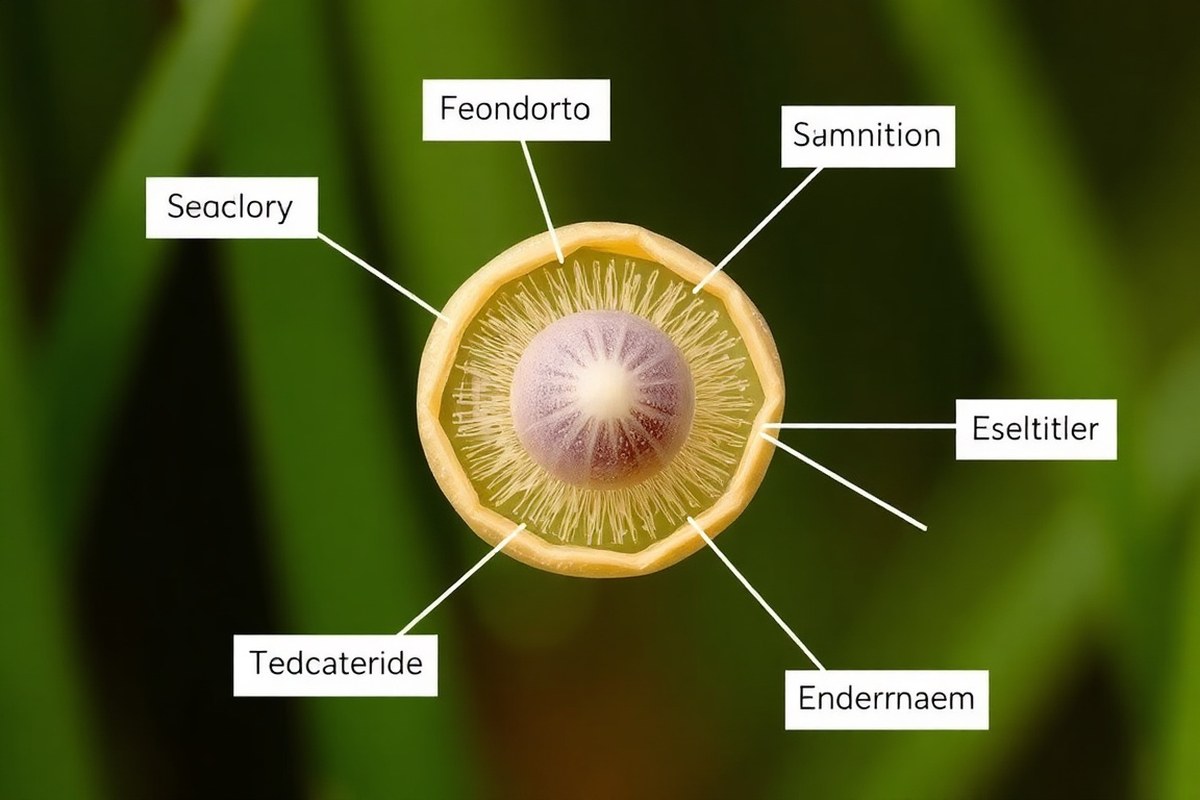
Grass seeds have a few visible parts that help you identify them. The outer layer you see is usually the seed coat, also called the lemma and palea. These parts create a slender, often tapered shape.
The seed coat affects how the seed looks and feels. It can be smooth, shiny, dull, or rough, depending on the grass type. This coat also protects the seed and holds moisture once you water it.
Inside the seed coat is an embryo. It is tiny. This part grows into a new grass plant.
Sometimes, you can spot an awn, a thin, bristle-like extension, especially in certain grass types. This can help you tell one seed from another.
Because grass seeds are tiny, using a magnifying glass is a smart move. This tool helps you see small details like the awn.
It also shows the embryo’s shape. You can compare these features to a labeled seed diagram for more accurate ID.
Handle seeds gently. Store them in a dry, cool place. This keeps the coat intact and seeds viable.
Visual Differences Between Cool-Season and Warm-Season Grass Seeds
Cool-season grass seeds and warm-season grass seeds look quite different. You can tell them apart by size, shape, and sometimes coatings. Knowing these traits helps you plant at the right time and get better lawn results.
Typical Cool-Season Seed Traits
Cool-season grass seeds like fescue, ryegrass, and Kentucky bluegrass tend to be small to medium-sized. These seeds usually have a smooth, sometimes shiny surface with colors from tan to light brown.
Perennial ryegrass seeds are a bit larger than tall fescue seeds. They weigh about the same.
This gives you a range of seed sizes. Their shapes are oval or slightly elongated, helping them spread evenly when sown.
These seeds often make flower heads in late spring. The flowers last into early summer. That time signals the best harvest and planting period.
Warm-Season Seed Characteristics
Warm-season grasses like Bermuda, zoysia, and buffalo grass have different seeds. Their seeds differ in shape and size from cool-season types. Bermuda seeds are small and more rounded, often with a rough texture.
Zoysia seeds appear elongated and can be slender, making them easy to spot in a mix. Buffalo grass seeds are typically small and lighter in color, sometimes with a slightly fuzzy coating.
Warm-season seeds often have coatings. These coatings protect them during long germination times. Germination usually takes between 10 and 30 days.
Implications for Sowing and Germination Timing
Seed size and coating affect when and how you plant grass seeds. Cool-season seeds usually sprout faster, often within 3 to 10 days. So they benefit from early spring or fall planting.
Warm-season seeds take longer (10 to 30 days) to germinate. They need warmer soil temperatures, so late spring or early summer is best. Their coatings require good moisture to soften and trigger growth.
- Cool-season seeds are smaller and smoother in texture
- Warm-season seeds are often larger and may have protective coatings
- Plant cool-season seeds when soil is 50, 65°F (10, 18°C)
- Plant warm-season seeds when soil exceeds 70°F (21°C)
- Water more carefully with coated seeds to ensure coat softening
- Appearance helps you pick the right seed for your climate
Having the right seed visuals helps you avoid planting at the wrong time. You get better germination and a fuller lawn by matching seed traits to growing season. Watching seed size and coat also means better coverage and less seed waste.
How Coated vs. Uncoated Grass Seeds Differ Visually
Coated grass seeds look noticeably different from uncoated seeds. They often have a smooth, shiny surface. The seeds come in bright colors.
Red, blue, or green are common shades. The coating makes seeds look larger and rounder.
Natural uncoated seeds are tiny and rough. Coated seeds stand out more when compared.
Seed coatings are a mix of materials like clay, polymers, or nutrients. Coatings keep the seed moist and protect it from pests. They also make the seeds easier to handle.
This helps when spreading the seeds. Coated seeds are often dyed to make spotting them on the soil easier during planting.
Coatings add weight. So a 50-pound bag may only hold about 25 pounds of actual seed. This means coated seeds cover less ground by weight than uncoated seeds.
For example, if you plant 5 pounds of uncoated seed per 1,000 square feet, you need about 10 pounds of coated seed. That gives you the same coverage.
The heavier coating also affects how you spread the seeds. Coated seeds flow more smoothly through spreaders, which helps with even distribution. On the downside, coated seeds cost more per pound due to the extra materials and processing.
Regarding germination, coatings improve the chances under challenging conditions. They keep seeds moist longer and protect them from soil pests. However, coated seeds may take a day longer to sprout because the coating slows water absorption.
Uncoated seeds germinate faster in good soil with the right temperature, usually between 50°F and 75°F. But uncoated seeds need better soil contact and care to survive pests and dry spells. Coated seeds are popular for overseeding or patching thin lawns.
They improve the chance of success. That’s why many people prefer them.
Identifying Weed and Contaminant Seeds Among Grass Seeds
Weed seeds often look different from good grass seeds in size, shape, and color. They tend to be darker, rougher, or larger than grass seeds. Some common weed seeds include crabgrass, chickweed, and clover.
Each has a different shape you can spot with your eyes. Knowing their look helps you identify them quickly.
Separating weed seeds visually means looking for differences in texture and size. Grass seeds usually have smooth, shiny coats and come in uniform sizes. Weed seeds are often irregular or have tiny hairs, bumps, or spots.
Sort the seeds on a white surface carefully. Pick out any seeds that don’t look the same. This helps separate good grass seed from weeds.
Contamination matters because weed seeds will compete with your grass for water and nutrients. This slows down or stops grass germination.
Weeds also make your lawn look patchy and unkempt. Buying cleaner seed reduces the risk and leads to a fuller lawn faster.
- Check seed size and shape against known grass seed photos.
- Look for dark spots, bumps, or fuzzy textures on the seeds.
- Compare seed colour: grass seeds are usually lighter or uniform in tone.
- Shake seed samples and separate lighter seeds from heavier, rougher ones.
- Use a magnifying glass if seeds look too similar at first glance.
- Avoid seed bags priced far below market, as they may have more contaminants.
- Ask the supplier for a purity test or seed analysis report.
Photos of common contaminant seeds like dandelion or bindweed help you learn their shape. Look at these photos before buying seed.
It makes spotting weed seeds easier. These tend to have irregular edges or elongated forms, unlike rounded grass seeds.
Even a small amount of weed seeds can take over your lawn quickly. So carefully check the seed bag before planting.
When you buy grass seed, examine the seed mix carefully and expect some variation. Some seed suppliers coat their seeds, which might make differences less obvious. Separating contaminants by hand takes time but pays off in better grass growth.
Watch closely during germination, too. Weeds may show up early in your lawn.
You might need to reseed with cleaner seed. Or use a treatment to clear the area first.
What Changes Occur in Grass Seed Appearance During Germination?
When grass seeds begin to germinate, you’ll first notice the seed coat softening and breaking open. This happens as the seed absorbs moisture, swelling in size. Soon, tiny white roots, called radicles, poke out to anchor the seed into the soil.
The seed coat often breaks down within a few days, depending on moisture and temperature. For cool-season grasses, germination usually happens in 7 to 14 days. Soil should stay around 50 to 65 °F during this time.
Proper soil temperature helps seeds sprout well. Warm-season grasses need warmer soil, around 65 to 70 °F. They might take slightly less time to germinate. Ideal conditions speed up their growth.
After rooting starts, you’ll see tiny green shoots emerge from the soil. These shoots are the first grass blades unfolding. The seed uses stored food to power growth first.
After the blade grows, it collects sunlight and starts photosynthesis. This process provides the plant’s energy.
Keep in mind that seed depth affects how fast you spot these changes. Seeds planted too deep might delay seed coat breakdown and sprout visibility by several days. Light doesn’t matter for sprouting but is important once blades appear to keep growing.
Here’s a step-by-step timeline of the visible changes during grass seed germination:
- Absorb water: Seeds swell and their coat softens within 1 to 3 days.
- Break seed coat: The seed coat cracks as roots start to grow. This usually happens between day 4 and 7. Roots emerging mark early seedling development.
- Root growth: White radicles grow downward to anchor seeds during the first week.
- Shoot emergence: Tiny green shoots poke above the soil surface around day 7 to 14.
- First blades unfold: Shoots develop into grass blades, reaching 1 to 2 inches high.
- Photosynthesis starts: Grass blades turn fully green and begin growing on their own.
- Root system strengthens: Roots expand deeply to support thicker shoots over several weeks.
- Young lawn appearance: Dense blade growth creates green cover, marking healthy establishment.
How to Choose the Right Grass Seed by Appearance and Climate
Picking the right grass seed starts by matching seed look with your climate and lawn use. Seed size, shape, and surface hint at growth speed and care needs. You want seeds that thrive where you live and suit your mowing and foot traffic plans.
Identifying Your Climate Zone
Grass types split mainly into cool-season and warm-season categories. Cool-season grasses do well between 60 and 75°F. Warm-season prefer 80 to 95°F. Knowing your average growing temperatures helps pick seeds that sprout and grow fast in your area.
Cool-season seed looks smaller and often shinier. Warm-season seeds tend to be larger with coarser surfaces.
For example, centipede seed is short and needle-like, ideal for low-maintenance lawns in warm zones. Ryegrass, with fine thin seeds, grows quickly in cooler spots.
Matching Seed Appearance to Lawn Conditions
Seed texture and size impact how well seeds settle in soil and catch water. Fine, small seeds cover quickly and suit smooth, sandy soils with good sun. Coarser seeds often survive shady or heavy soils better because they store more nutrients.
Coated seeds look shiny or glossy with added layers to help germination. Uncoated seeds usually rely more on soil and rainfall.
You might pay 10 to 20 percent more for coated seeds. But they reduce watering needs early on.
Considering Lawn Purpose and Maintenance
Seed appearance often links to growth rate and mowing needs. Fine-leaf, dense seeds, like those in Bermuda grass, mean fast green-up. These seeds also make your lawn need mowing less often.
Usually, mow Bermuda grass at 1 to 1.5 inches.5 inches. That suits golf greens or sports fields with high traffic.
Coarser seeds, such as St. Augustine, grow slower and demand taller cuts, 2.5 to 3.5 inches. These thicker blades handle shade but require moderate to high maintenance. Pick a seed size and look that fit your mowing plan.
Think about how much time you want to spend mowing. Also, consider how often you want to edge your lawn.
Use this checklist to pick the best grass seed based on appearance and climate:
- Check your USDA zone or average low and high temperatures.
- Choose cool-season seeds with small, fine, shiny appearance for temps 60-75°F.
- Pick warm-season seeds that are larger, coarser, and needle-like for temps 80-95°F.
- Match seed texture to your soil: finer for sandy, coarser for dense or shady soil.
- Decide if coated seeds are worth extra cost for faster germination and less watering.
- Consider lawn use: fine, dense seeds mean frequent mowing and high wear tolerance.
- Opt for coarser, slower-growing seeds for low-traffic or shaded areas needing less care.
- Review seed package minimum mowing height and days to germination for planning.
| Seed Type | Best Climate Zone | Appearance Traits | Uses | Maintenance Level |
|---|---|---|---|---|
| Bermuda | Warm & Transition | Fine, thin leaves, light green | Sports fields, golf putting greens | Low |
| Centipede | Warm | Short, needle-like seed | Low-maintenance lawns | Low |
| Ryegrass | Cool to Transition | Fine, shiny, thin leaves | Lawns, overseeding warm-season grasses | Low |
| St. Augustine | Warm | Coarse texture, long-lasting color | Shaded lawns, high tolerance areas | Moderate to High |
Common Grass Seed Mistakes and How to Avoid Them
Mixing up grass seeds is common, especially when seeds look similar. People often confuse small cool-season seeds, like Kentucky bluegrass, with weed seeds. Choosing the wrong seed can cause patchy lawn growth.
Your lawn might struggle in your climate. Picking the right seed is important for good grass.
Planting during the wrong season also causes issues. Cool-season seeds perform poorly in hot summers.
Warm-season seeds fail if sown too early in spring. Match seed type with planting time to avoid wasting effort and money.
Improper storage alters seed appearance and reduces viability. Seeds left in damp or hot spots can mold or lose their shine, signaling poor health. Keep seeds dry and cool to maintain their ability to sprout well.
- Check seed label carefully to match grass type and climate needs.
- Avoid buying seeds that look dull or clump together, signs of moisture damage.
- Store seeds in airtight containers below 70°F to prevent spoilage.
- Plant cool-season grasses in early fall or spring for best results.
- Pre-germinate seeds to boost germination rates for patch repairs.
- Test soil surface for proper sunlight and moisture before sowing.
Handle seeds gently to avoid damaging their outer coating and reduce germination rates.
Confusing seeds during purchase is an easy mistake. Always inspect closely for size, shape, and texture differences. Ryegrass seed is long and shiny.
Fine fescue seed looks rounded and matte. They are easy to tell apart by their shape.
Storing seed too long or in poor conditions can make faded or shriveled seeds more common. These weaker seeds won’t sprout well and can let weeds take over your lawn. Keep seeds sealed in a container.
Store them away from direct sunlight. Seeds last best for up to one year.
Step-by-Step Action Plan for Identifying and Using Grass Seeds
Follow these steps to pick and grow the right grass seeds for your lawn. Each step shows what to do and how to check your progress.
- Before you start: Gather samples of grass seeds you have or want to buy. Look closely for size, shape, and coating differences.
- Day 1: Sort seeds by look, separate cool-season from warm-season based on color and shape clues. You succeeded if they look noticeably different.
- Week 1: Plant seeds in a small test patch or pots. Watch for early germination signs, usually within 7 to 14 days.
- Week 2: Identify any weed seeds by their odd shapes or colors in your sample. Remove them to avoid contamination.
- Week 3: Check seed coatings for moisture retention and how well seeds sprout. Better coatings usually mean stronger grass starts.
- Month 1: Monitor seedling growth differences between seed types. Healthy shoots show you chose the right seed for your climate.
- Month 2: Adjust watering and mowing based on seed type. Cool-season grasses like cooler temps and more water; warm-season types do better in heat.
- Month 3: Evaluate your lawn’s coverage and thickness. Successful germination and growth mean you picked seeds well by appearance and needs.
Frequently Asked Questions
Can Grass Seeds Be Identified by Their Color?
Yes, grass seeds differ in color from light tan to dark brown. Color can help you guess the species.
Shape and texture work better. They make it easier to identify grass seeds.
Do Grass Seeds Vary in Size Within the Same Lawn?
Yes, seeds from different grass types or weeds in a lawn differ in size. Small variations usually show mixed seed types or unwanted plants.
What Do Grass Seeds Look Like After Rain?
After rain, grass seeds often swell and soften due to water absorption. This change can make it easier to spot newly germinating seeds.
Are All Grass Seeds Round or Do Some Have Unique Shapes?
Grass seeds don’t all look round. Bermuda grass seeds are round.
Others are long or oval-shaped. Shape helps distinguish grass species.
Can Scarred or Damaged Grass Seeds Still Grow?
Damaged grass seeds may still grow if the embryo inside is intact. However, seeds with cracked or crushed shells often fail to sprout.
How Do You Spot Grass Seeds in Soil Mix Visually?
Grass seeds in soil mix appear as small, firm grains among loose soil particles. Look for uniform shapes and sizes contrasting with soil texture.
Key Points to Remember
Grass seeds vary widely in look and type. Learning their differences helps you choose the best seeds. Start by closely examining your seeds today and planning your lawn care accordingly.