

What Is Dirt: A Complete Guide to Understanding Its Composition and Role
What is dirt? Dirt is the loose material covering the Earth’s surface. It mainly contains tiny mineral particles mixed with organic matter and air.
Dirt often means soil that’s not in the right place. It can also mean dust or yard grime. Unlike soil, dirt is usually less rich.
Dirt’s mineral part makes up about 45 percent of its volume after removing all living things. It also carries organic matter, usually only 2 to 10 percent by weight.
Yet this matter plays a big role. Living organisms inside dirt help break down materials and cycle nutrients.
Dirt forms slowly over hundreds of years as rocks break down and organic material builds. Its quality changes with moisture, temperature, and human activity. Keeping dirt healthy matters because plants rely on it to grow and support entire ecosystems.
Key Takeaways
- Mineral particles form about 45 percent of dirt’s composition by volume.
- Organic matter in dirt usually makes up 2 to 10 percent but is important for nutrients.
- Living organisms in dirt break down material and help nutrient recycling.
- Dirt forms very slowly, needing over 100 years to build just 5 millimeters.
- Temperature, moisture, and human actions affect dirt quality and its ability to support life.
- Dirt is less complex than soil and often refers to displaced or less fertile material.
What Exactly Is Dirt and How Does It Differ from Soil?
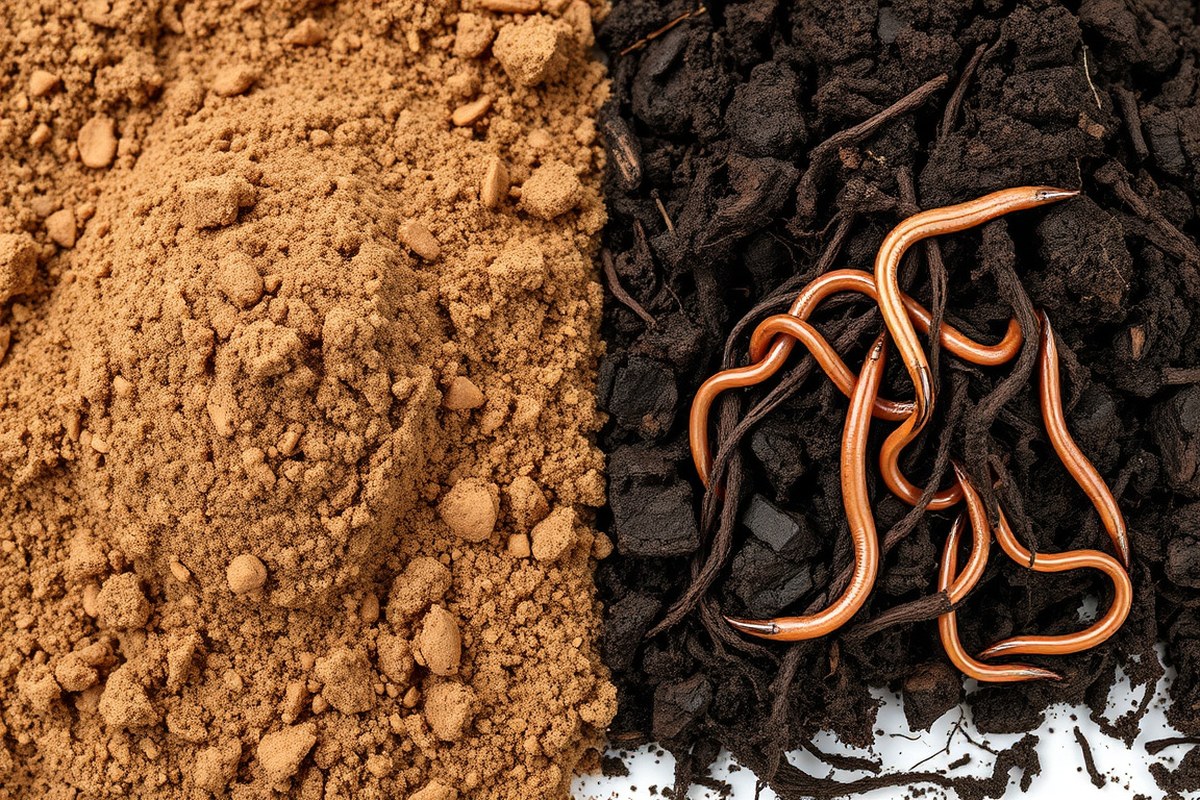
Dirt is basically displaced soil without its natural context. It’s the mineral part of soil. It includes tiny pieces of weathered rock.
These pieces are stripped of life and organic material. Dirt often looks dry and lifeless.
It lacks living organisms and organic matter. Soil, by contrast, contains these key components.
Soil, in contrast, is alive and full of activity. It includes minerals, water, air, dead organic matter, and living organisms like bacteria and fungi. These living parts help cycle nutrients and keep soil healthy, which supports plants and ecosystems.
The difference matters a lot when growing plants or managing land. Dirt removed from its place usually can’t support life well because it lacks microbes and nutrients.
Soil in its natural state serves many essential functions. This makes it important for farming, gardening, and natural habitats.
What Are the Main Components That Make Up Dirt?
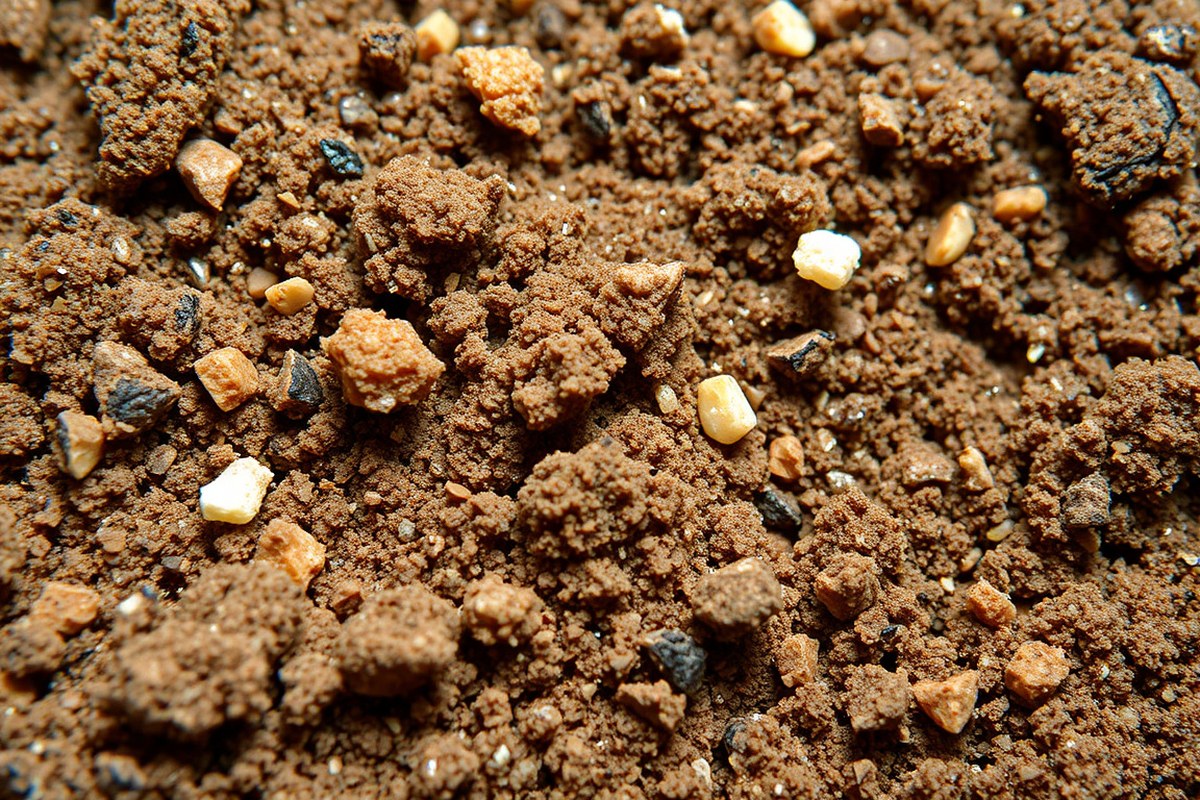
Dirt is made up of tiny mineral particles, organic matter, water, and air. Most minerals come from weathered rocks and break down into sand, silt, and clay. Sand is the largest grain, with rough texture and big pores that drain water quickly.
Silt has medium-sized particles that feel smooth and hold water better. Clay particles are very fine.
They hold water well. Their shape and tiny electric charge help them do this.
Organic matter in dirt is made from decomposed plants and animals. This material only makes up a small part, usually around 5% of the dirt by volume. It plays a key role by providing nutrients and helping the dirt hold moisture.
Water fills the spaces between mineral particles and organic matter. These pores also contain air, which plants and soil microbes need to live.
The balance of sand, silt, clay, organic matter, water, and air changes depending on location. Soils with a good mix often support healthy plants. Sandy dirt lets water drain fast but holds less nutrients.
Clay-rich dirt stores water but may drain poorly and become compacted. Gardeners often want a balanced soil mix.
This helps roots grow well. It also keeps moisture just right.
Check your dirt’s texture by feeling it wet. Sandy dirt feels gritty, while clay feels sticky and smooth.
Which Living Organisms Inhabit Dirt and What Roles Do They Play?
Dirt hosts countless living organisms that work hard to keep soil healthy and productive. Bacteria, fungi, and earthworms all play key roles in breaking down organic matter and cycling nutrients. You find billions of microscopic lifeforms in just one tablespoon of dirt.
Bacteria and Nutrient Cycling
Bacteria are some of the tiniest but most numerous lifeforms in dirt. They break down dead plants and animals, turning complex compounds into nutrients plants can absorb. This process releases nitrogen, phosphorus, and other important elements back into the soil.
Some bacteria fix nitrogen from the air, making it usable for plants. Others help create soil structure by producing sticky substances that bind soil particles. Their activity is healthiest in moist, warm dirt with organic material to feed on.
Fungi and Organic Matter Breakdown
Fungi live in and around dirt, feeding on living or dead matter. They send out thread-like structures called hyphae. These hyphae penetrate plant roots.
They help plants collect water and nutrients. This relationship is called mycorrhiza and is important for plant growth.
Fungi also secrete enzymes that break down tough plant materials like cellulose and lignin. This breakdown creates humus, a rich organic component essential for soil fertility. Cool, damp conditions tend to support active fungal life.
Earthworms as Natural Aerators and Mixers
Earthworms are some of the most visible dirt dwellers. They burrow through soil, improving aeration and mixing organic matter with minerals. This not only allows roots to breathe but distributes nutrients thoroughly throughout the soil.
As earthworms eat dead leaves and plants, their castings enrich dirt with nutrients and microbes. Healthy dirt should have several earthworms per square foot, especially in loose, moist conditions. Their presence often shows soil is fertile and well balanced.
- Rich in bacteria and fungi for active nutrient cycling
- Contains earthworms for natural aeration and mixing
- Supports microbial enzymes that break down organic matter
- Offers symbiotic fungi (mycorrhiza) to help plant roots
- Maintains moisture and temperature suitable for microbial life
- Includes protozoa and other tiny organisms feeding on bacteria
How Does Dirt Form and Change over Time?
Dirt forms very slowly, often taking decades to centuries. Rocks break down through weathering, which creates the tiny mineral particles in dirt.
Weathering includes physical breaks like freezing and thawing. Chemical changes caused by water, oxygen, or acids.
Physical weathering cracks rocks into smaller bits, while chemical weathering dissolves or alters minerals. Over time, these processes produce the sandy, silty, and clay particles you find in dirt.
The rate depends on climate, rock type, and exposure. Hot, wet climates speed up weathering because water and heat encourage chemical reactions.
Besides weathering, organic material also affects dirt formation. Dead plants and animals break down and mix with minerals, adding carbon and nutrients. Some organic matter attaches tightly to mineral particles, creating mineral-associated organic carbon.
Carbon can stay trapped in dirt for decades or centuries. This helps build richer layers over time.
The accumulation of organic matter changes the dirt’s chemical makeup and structure. It makes dirt darker and more crumbly. But not all organic matter lasts long.
Very fine materials like peat moss dissolve quickly. So they don’t stay in place to form stable layers.
The entire process relies on balance. Steady weathering supplies minerals to the dirt. Organic material breaks down to enrich it.
Managing these factors on farmland can shift the dirt’s composition. Better land care raised mineral-associated organic carbon by almost 150% in some soils. This shows humans can influence soil formation.
Collecting a sample helps you see these changes yourself. Dig 4 to 6 inches down and take about three-quarters of a cup. Mix it with water in a clear jar.
Over time, the fine particles settle, showing different layers. This simple test reveals how dirt forms from various materials mixing slowly.
What Factors Influence Dirt Quality and Composition?
Parent material is the rocky or mineral base from which dirt forms. It controls what kind of minerals and nutrients the dirt will have. For example, granite produces sandy, acidic dirt, while limestone creates clay-rich, alkaline dirt.
Climate influences dirt by shaping how fast weathering happens and what plants can grow. Hot and wet climates break down rocks quickly. These climates support more plants.
Plants add organic material to the dirt. Dry or cold climates slow these processes, resulting in less fertile dirt.
Living things like plants and animals change dirt. Fungi and microbes also help by breaking down organic matter.
Their activity adds nutrients and helps make dirt soft and crumbly. Without this biological mixing, dirt stays lifeless and less able to support plants.
Humans greatly affect dirt quality through actions like farming, construction, and pollution. Overusing dirt without adding organic matter or covering it can cause erosion and nutrient loss. Practices like crop rotation improve dirt health.
Adding compost also makes dirt healthier. Using fewer chemicals helps too.
| Factor | Effect on Dirt | Examples |
|---|---|---|
| Parent Material | Determines mineral content and texture | Granite leads to sandy, acidic dirt |
| Climate | Affects weathering rate and organic input | Wet, warm speeds nutrient buildup |
| Biological Activity | Breaks down organic material, adds nutrients | Microbes decompose roots into humus |
| Human Impacts | Can degrade or improve dirt quality | Crop rotation improves; over-tilling degrades |
Plants influence dirt by dropping leaves and roots that change its chemistry. Some plants prefer acidic dirt and can even lower pH.
Others grow best in neutral soils. Animals like earthworms mix and aerate dirt, making it easier for roots to grow.
Balancing these factors matters. Using practices like controlled grazing or planting cover crops protects dirt from erosion.
Adding organic compost feeds microbes to keep dirt alive. Avoid exposure that dries or compacts dirt, which damages structure and nutrient cycling.
Check your soil’s pH before planting; adjusting it helps plants access nutrients better.
Why Is Dirt Important for Plants and Ecosystems?
Dirt is important because it holds water, air, and nutrients plants need. Its mix of particles creates space for roots to breathe and absorb moisture. When dirt has too much sand, water drains quickly and nutrients wash away.
Clay particles hold nutrients well by trapping fertilizer in tiny nooks. This slow release supports steady plant growth.
The structure of dirt affects how well it absorbs and keeps water. Clumps of mineral and organic matter form aggregates that hold moisture longer. Good moisture means plants don’t dry out between rains.
Water also moves nutrients through the dirt, making them available to roots. This process helps leaves grow, roots spread, and flowers bloom.
Below the surface, dirt hosts a busy community of microorganisms. These tiny organisms break down dead leaves and roots into nutrients plants can use. They also help plants exchange water and nutrients with surrounding dirt.
A rich microbial population keeps these processes smooth and supports overall soil fertility. Without this life, dirt lacks the nutrients and structure plants need to thrive.
What Are the Common Ways Dirt Quality Can Degrade and How to Prevent It?
Dirt quality can get worse mainly through erosion, compaction, and pollution. These issues reduce its ability to support plants and hold water. You can protect dirt with careful farming methods.
These avoid damage and add organic matter. This helps keep dirt healthy.
Common Degradation Causes
Erosion happens when wind or water washes away the top layer of dirt. This top layer contains most of the nutrients and organic material plants need. Compaction happens when heavy machines or feet press down dirt.
This reduces air space. It also harms plant roots.
Pollution from chemicals like pesticides and fertilizers can kill important organisms in the dirt. Overuse of these chemicals also disrupts natural soil processes. Poor land management, such as overgrazing or clearing forests, speeds up these problems.
Effects of Poor Management
Lost topsoil leads to poor water retention and weak plant growth. Compacted dirt drains slowly and can become waterlogged, making plants sick. When pollution poisons the soil life, dirt loses its natural ability to recycle nutrients.
Farming without proper cover or mulching increases dirt’s exposure to wind and rain erosion. This exposes dirt to extreme temperatures and dries it faster. Without the right care, dirt becomes less diverse and more vulnerable to damage by weather.
Best Practices to Maintain or Restore Dirt Health
Using cover crops like clover or rye protects dirt from erosion while adding nutrients. Mulching with straw or leaves keeps dirt moist and cool, reducing loss from wind and sun. Avoiding heavy machinery on wet dirt helps prevent compaction and keeps air pockets open.
Limiting chemical use by rotating crops and adding organic compost supports a rich community of microbes. These microbes help break down material and build dirt structure naturally. Planting grass or creating gardens also covers the soil, offering protection and bringing life back.
- Use cover crops during off-seasons to shield and feed dirt
- Apply organic mulch to maintain moisture and temperature balance
- Avoid machinery on wet ground to stop compaction
- Rotate crops to prevent nutrient depletion
- Add compost regularly to nourish soil microbes
- Plant grasses or native plants to stabilize the soil surface
- Manage water runoff with terraces or swales to reduce erosion
Following these steps does take effort and planning but it protects dirt for decades. Healthy dirt improves plant growth and reduces the need for costly inputs. Poor results usually come from ignoring soil cover and using excessive chemicals.
How Can You Identify Different Types of Dirt in Your Area?
You can tell different kinds of dirt by feeling their texture. Look at the color and check how wet the dirt is. Also, see if there is organic stuff mixed in.
These steps help you sort dirt into sand, silt, or clay. They also show how good the dirt is for gardening.
This way, you know its best use. Testing at home or with simple tools gives clear insights without cost or special skills.
Identifying Sand, Silt, and Clay Content
Sand, silt, and clay differ by particle size and texture. Sand feels gritty and coarse because its particles are large, usually bigger than 74 micrometers.
Silt is smooth and floury, holding more moisture than sand. Clay particles are tiny and stick together, making the soil dense and compact.
You can estimate dirt type by touch to judge water retention and plant support. Clay soils hold moisture tightly but limit airflow.
Sandy soils drain quickly but dry out fast. Silt offers a moist, fertile middle ground, better for most plants.
Performing a Simple Soil Texture Test
Testing soil texture at home requires no special kit, just a jar, water, and dirt. This sedimentation test shows the share of sand, silt, and clay by how they settle. It helps you decide if your soil needs amendments like organic matter or drainage aid.
- Collect about one cup of soil from your yard, avoiding debris and roots.
- Fill a clear jar halfway with the soil sample.
- Add water until the jar is almost full, then shake vigorously to mix.
- Let the jar sit undisturbed for 24 hours.
- Observe the layers forming: sand settles first, silt in the middle, clay last on top.
- Measure the thickness of each layer to estimate the percentage of each particle size.
- Compare your results to standard soil texture triangles online to classify your soil.
Do not rush settling. It can take a full day or more for clear layers to appear.
Interpreting Color and Moisture Indicators
The color of dirt hints at its organic matter and mineral content. Dark brown or black soil usually means rich organic material, supporting healthy plants. Red or yellow tones suggest iron or other minerals presence.
Moisture level affects root health and nutrient uptake. Squeeze a handful of dirt: if it crumbles easily, it’s dry or sandy. It forms a sticky ball when it has more clay.
This type of dirt keeps moisture longer. Organic matter helps soil keep moisture and nutrients in balance.
Step-by-Step Action Plan for Understanding and Using Dirt
Use this plan to explore, test, and improve the dirt around your home or garden. Each step helps you learn more and make smarter choices.
- Day 1: Find a spot with bare dirt. Look closely at its color and texture to identify its type.
- Day 3: Take a small sample and try a simple squeeze test. Wet the soil slightly. See if it forms a ball or crumbles. This shows if it is clay, silt, or sand.
- Week 1: Check for living things like worms or insects by digging a few inches. Their presence means the dirt is healthy.
- Week 2: Sprinkle a bit of organic matter, like compost or leaves, on a test area. Watch if the dirt stays moist longer or supports plant growth better.
- Week 3: Avoid compacting the dirt by walking on the test area less. See if plants grow more easily without hard soil.
- Month 1: Plant quick-growing seeds in different spots to see which dirt works best. Note which plants thrive or struggle.
- Month 2: Check the test spots after rains to observe water drainage. Healthy dirt won’t pool water for long.
- Month 3: Add mulch or cover crops to protect the dirt and keep it loose. Watch for increased earthworm activity or plant health.
Frequently Asked Questions
How Did the Word “Dirt” Originate?
The word “dirt” comes from Middle English, around 1250-1300. It relates to Old Norse and Old English words meaning excrement. This shows how people long ago linked soil with waste or mess.
Can Dirt Exist Without Plant Life?
Yes, dirt can be found on roads or shoe soles without plants. It exists where soil loses its natural functions. Dirt in these places does not support growing plants or ecosystems.
What Exact Mineral Particles Are in Dirt?
Dirt contains tiny mineral particles like clay, silt, and sand. Together, these often make up nearly half of a soil sample. These minerals come from weathered rocks breaking down over time.
Why Do Soil Scientists Dislike the Word Dirt?
Soil scientists say “dirt” implies soil without life or purpose. They prefer “soil” or “media” for healthy ground supporting plant growth. Dirt often means displaced or lifeless soil to them.
How Can You Tell Soil Apart from Dirt by Feel?
Dry soil without nutrients and life feels dusty and loose as dirt. Soil with organic matter and moisture feels richer and holds together. This difference helps gardeners know if ground is healthy.
Can Dirt Support Microbe and Worm Life?
Sometimes dirt has few or no living organisms. Healthy soil usually hosts bacteria, fungi, and earthworms. These creatures help decompose material and support plants naturally.
The Bottom Line
Dirt is more than just ground beneath your feet. It supports life and controls water.
Start by learning the type of dirt where you live. Try one simple test today to get closer to the dirt’s secrets and care needs.


