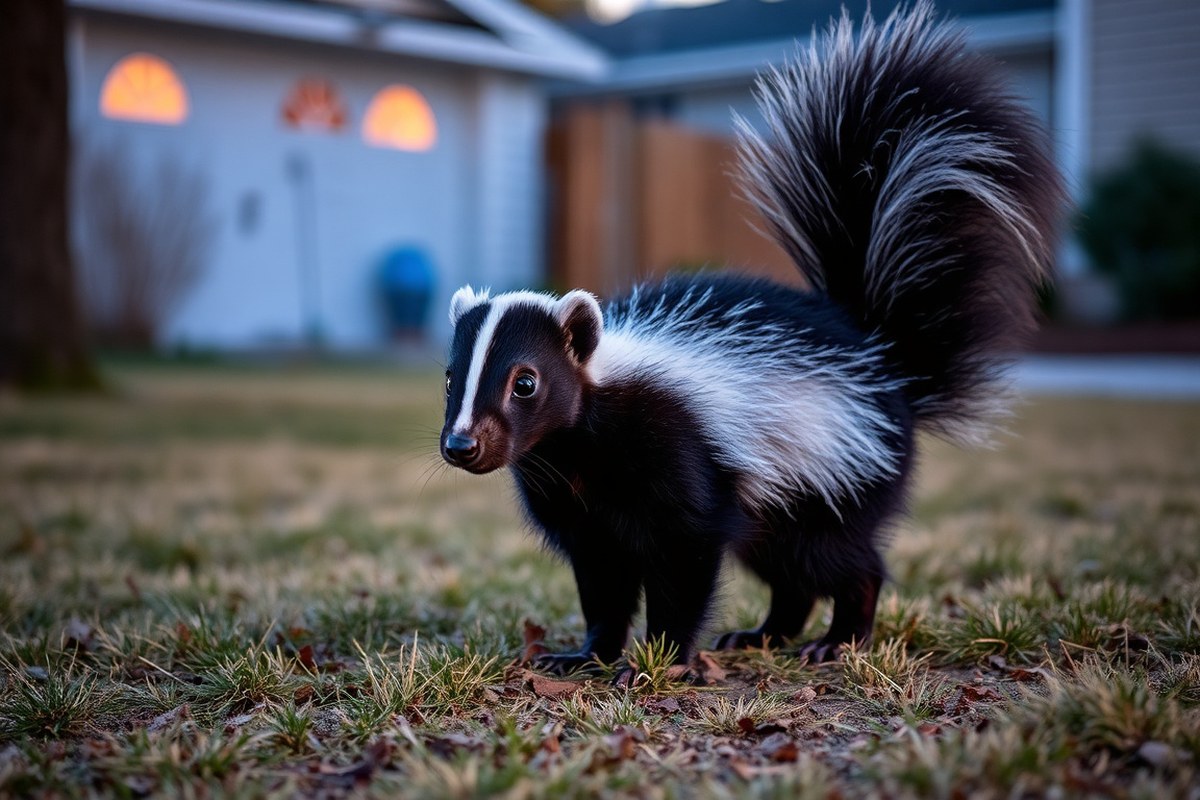
Do Skunks Always Spray? What Actually Triggers Their Smelly Defense
Skunks don’t spray every time they see people or pets nearby. They use spraying only when they feel very threatened. They try other signs first to warn you.
Skunks give clear signs before spraying. They stomp their feet, raise their tail, and hiss or growl.
Paying attention to these signals helps you avoid getting sprayed. Staying calm and giving skunks space is the best way to prevent a mess.
Skunks can spray as many as six times in a row. After that, it takes 8 to 10 days for them to refill.
Each spray is a powerful, smelly mist they aim accurately from 10 to 15 feet away. That’s why keeping your distance is so smart around skunks.
Key Takeaways
- Skunks only spray when they feel seriously threatened or cornered.
- Watch for skunk warning signs like foot stomping and tail raising.
- Giving skunks space stops them from using their limited sprays.
- A skunk can spray six times before needing over a week to refill.
- The spray is a strong, oily mist with a foul smell that lasts.
- Keep pets and kids away from skunks to prevent unwanted sprays.
Do Skunks Always Spray When Threatened or Nearby?

Skunks do not spray every time they see or hear humans or pets. They save their spray for serious threats.
Spraying is costly for them. So they use other ways to warn or escape first.
Skunks usually try to avoid conflict. They might freeze, stomp their feet, or raise their tail to warn you.
Staying calm and moving away slowly often stops the skunk from spraying. This is especially true for adult skunks, which are more cautious about using their spray.
Young skunks are more likely to spray even if the threat seems minor. They haven’t learned all the warning steps adults use.
A startled skunk pup might spray if it feels cornered or scared. But adult skunks choose to spray only when they feel their safety is in direct danger.
Skunks use spray as a last resort. Skunks spray to protect themselves when they can’t escape or scare a threat. Skunks have a limited spray supply.
They can spray about six times. They save it by not spraying too often. Skunks don’t spray after every noise or sight.
They save their spray for real threats. This helps them avoid wasting it.
When outdoors, it’s best to give skunks plenty of room. Staying quiet and backing away lowers your chance of getting sprayed.
Skunks want to avoid spraying too. It’s a strong defense reserved for serious trouble, not everyday encounters with humans or animals.
What Warning Signs Do Skunks Give Before Spraying?

Skunks usually warn you well before they spray. Their body language and sounds can tell you to back off. Watching for their signals helps you avoid a stinky surprise.
Tail-Raising and Posture Changes
A skunk typically raises its tail high when it feels threatened. This tail-raising is a clear sign it’s ready to spray if pushed. The skunk may also stiffen its body and lower its head, showing readiness to defend.
You might spot a skunk standing tall on its back legs as a warning. It often faces you squarely, making its stripes visible to signal danger. These changes in posture are meant to scare off threats before spraying.
Hissing, Stamping, and Foot Shuffling Sounds
Skunks often hiss or growl to warn you they feel cornered. You may hear rapid foot stomps on the ground or a shuffling sound. These noises mean the skunk wants you to back away right away.
These warning sounds are loud and clear, but dogs often miss them. Your pet might rush in anyway, so keep it on a leash near skunks. Recognizing the sounds lets you move away before the spray happens.
Warning Sprays and Accurate Aim Demonstrations
Before a full spray, skunks sometimes release a small warning burst. This mist gives you a chance to leave without a heavy spray hitting you. Skunks can aim directly up to 15 feet, so give them plenty of space.
They can also do a quick spray to show they mean serious business. If the skunk takes careful aim, it’s about to let loose its full defense. Moving slowly away then can help avoid getting sprayed.
- Watch for a raised, waving tail as a prime warning sign
- Look for stiffening body posture or standing tall on hind legs
- Listen for hissing, growling, or foot-stomping sounds
- Notice any quick, small spray bursts before a full spray
- Keep pets on a leash, they often miss all these signals
- Back away slowly and quietly if you see or hear warnings
- Stay at least 15 feet away to avoid accurate spraying
Start moving slowly backward once you notice the tail raise or foot stomping. Sudden movements might make the skunk spray immediately.
How Does Skunk Spray Work and How Often Can They Spray?
Skunk spray is a thick, oily liquid made mostly of sulfur-containing thiols. These compounds give the spray its sharp, strong smell that sticks around for weeks. Skunks produce this spray in two small scent glands near their tails.
When a skunk feels threatened, it squeezes its muscles. These muscles press the glands. Then, the skunk shoots out spray like a fine stream.
They can spray up to 10 feet with surprising aim. Young skunks may spray by accident. Adults control their aim to hit threats precisely.
One skunk can spray about 5 or 6 times. After that, the glands run dry. That’s why skunks usually think before spraying.
It usually takes 8 to 10 days for a skunk to refill its scent glands fully. This refill period is why skunks avoid spraying unless really necessary. During that time, they rely on other defenses because their spray supply is empty.
Here’s a quick look at how skunk spray works and how often they can use it:
| Aspect | Details |
|---|---|
| Chemical composition | Organic sulfur-containing thiols cause the smell |
| Spray delivery | Squirts in an accurate stream up to 10 feet (3 meters) |
| Number of sprays | About 5 to 6 sprays before glands empty |
| Replenish time | 8 to 10 days to refill scent glands |
| Spray odor duration | Lingers for 2 to 3 weeks after spraying |
Using their spray is risky for skunks since it takes several days to refill. This delay leaves them vulnerable to predators.
So they save their spray for serious threats. The skunk’s spray system is finely tuned to defend effectively but only when really needed.
Why Do Skunks Spray Only as a Last Resort?
Skunks only spray when really necessary because it takes days to refill. They don’t waste this defense on small threats. After spraying, they’re vulnerable until their glands refill.
They only spray if they feel cornered or seriously threatened. Most skunks try other ways first, such as stamping their feet or raising their tails. These behaviors warn you without using up their spray.
Skunks don’t spray just to be annoying or for fun. They reserve it for fights or when escape isn’t possible. A skunk might spray if surprised while eating.
It tries to avoid fights when possible. Defensive spraying is a last resort.
Differences in Spraying Behavior Between Young and Adult Skunks
| Aspect | Juvenile Skunks | Adult Skunks |
|---|---|---|
| Frequency of spraying | More frequent due to less caution and control | Less frequent; spray only when truly threatened |
| Spray accuracy | Poor accuracy; aim improves with age and practice | Highly accurate; able to hit targets up to 10 feet away |
| Triggers for spraying | Spray triggered by fear or nervousness, sometimes prematurely | Spray used mainly as a last defense when all warnings fail |
| Self-control | Limited; muscles controlling spray are weaker or unpracticed | Strong control of spray volume and direction |
Young skunks between three and six months old have working spray glands. Their muscles don’t control the spray well yet, so they spray more often.
This lack of control makes their spray less accurate and often messier than adults’. By six months, they usually learn when and where to spray properly.
Adult skunks spray less often. They reserve this defense for serious threats.
Their aim can hit targets up to 10 feet precisely, thanks to strong muscle control. Adults also recognize warning signs better and only spray when necessary.
Young skunks react to more minor stresses, like loud noises or new smells. Adult skunks focus on real danger, such as close predators. You might see juveniles spraying more randomly during curious or frightened moments.
Stay calm and slowly back away from baby skunks, as they spray unexpectedly more than adults.
- Watch for young skunks around April to August. This is their active spraying learning phase.
- Avoid sudden movements or loud sounds near juveniles to reduce spray risk.
- If you see a young skunk, give it plenty of space to prevent accidental spray.
- Adult skunks are easier to predict; watch for tail-raising or stamping before they spray.
- Use night lights outside your home to spot skunks early and avoid close encounters.
Knowing how juvenile skunks differ helps you avoid unwanted spray incidents. Keep in mind, younger skunks are less precise and may spray even when not truly threatened. Managing your distance and movements helps reduce surprises, especially during skunks’ spring and summer activity periods.
How to Prevent Skunk Spray Around Your Home and Yard
Preventing skunk sprays around your home means removing what attracts skunks and blocking their access. Skunks come for food and shelter, so cutting those off helps keep them away. Use barriers, remove food sources, and add lights or noise to discourage visits.
Food and Garbage Management Tips
Skunks are drawn to easy food like garbage and leftover pet food. Leaving trash cans open or pet food outside invites skunks to explore your yard. Secure garbage cans with tight lids and avoid leaving food scraps within reach.
Here are some ways to manage food sources that attract skunks:
- Use garbage cans with locking lids or secure bungee cords
- Bring pet food indoors, especially at night
- Clean up spilled birdseed promptly
- Remove fallen fruit from trees regularly
- Compost in sealed containers that skunks cannot open
Keeping food away reduces skunk visits significantly. Problems often start when trash or food spills attract them repeatedly.
Securing Pet Food and Compost Bins
Pet food left outside overnight is prime skunk bait. Bringing it indoors after your pets eat cuts down on nighttime skunk visits. Compost bins can also store food waste that draws skunks if not secured properly.
Use sturdy lids and place bins on concrete or metal stands to prevent digging underneath. Regularly turning compost helps minimize smells that attract animals. These steps block smells and access points for skunks.
Creating Physical Barriers: Fencing and Digging Prevention
Fences can stop skunks but need careful placement. Skunks dig, so the fence must go below ground. Bury fencing in an “L” shape extending 1 1/2 to 2 feet outward.
This underground barrier keeps skunks from digging under fences. Use sturdy wire mesh with small holes to keep them out. Wood or plastic fencing alone usually won’t stop digging skunks.
Using Lighting and Noise Deterrents Safely
Bright lights scare skunks since they are mostly nocturnal. Motion-activated lights can startle skunks away before encounters happen. Place lights near usual skunk paths or your pet’s feeding spots.
Noise helps if you make it before entering your yard. It gives skunks time to run off.
Avoid surprising skunks by making noise as you approach at night. These simple measures reduce close skunk encounters and spraying risk.
Safe Ways to Clean Up Skunk Spray from Pets and People
To get rid of skunk spray, mix hydrogen peroxide and baking soda. Add dish soap to the mix. Use this to wash pets or people.
This homemade solution neutralizes the odor and breaks down the oils causing the smell. Avoid using just water or vinegar, as they don’t work as well and can irritate skin.
Mixing the Peroxide, Baking Soda, and Soap Solution
Mix one quart of 3% hydrogen peroxide with a quarter cup of baking soda. Add one to two teaspoons of a grease-cutting liquid dish soap like Dawn.
Stir gently in an open container and use the solution right away. Don’t store it because pressure can build up and cause the container to burst.
Keep the ingredients measured exactly to avoid skin irritation or damage to fur. Avoid using higher concentrations of peroxide because they can bleach hair and harm skin. This mix is strong enough to neutralize the skunk smell but safe when used correctly.
Applying and Rinsing from Pet Fur or Skin
Wet your pet’s coat or the affected skin area with water first. Apply the solution gently with a sponge or cloth, avoiding eyes and mouth.
Let it sit for five to 10 minutes to break down the skunk oils. Rinse thoroughly with warm water afterward.
Repeat the process one more time when the smell stays. Don’t leave the solution on skin or fur longer than 10 minutes.
Overexposure can cause dryness or irritation. Pat dry with a clean towel and keep your pet warm until fully dry.
Clothing and Fabric Treatment Precautions
Wash skunk-sprayed clothes separately in hot water using regular detergent. Adding one cup of baking soda can help remove odor.
It lifts smell from fabric fibers in the wash. Avoid letting the skunk oils sit too long because it makes removal harder.
Do not put these clothes in the dryer until the smell is gone. Heat can set the odor permanently.
Soak clothes in hydrogen peroxide, baking soda, and soap. Then wash them again if the smell stays.
- Wear gloves when handling sprayed items or pets
- Keep the cleaning solution out of eyes and mouth
- Use warm water, not hot, to prevent skin irritation
- Mix solutions fresh; don’t store leftovers
- Rinse pets and skin thoroughly after application
- Wash clothing separately from other laundry
Eye and Mouth Exposure Emergency Advice
Skunk spray is an eye irritant and can cause discomfort or redness. Rinse eyes immediately with clean water for at least 15 minutes if spray contacts them. Avoid rubbing or touching your eyes during rinsing.
Seek medical care right away if spray enters the mouth. Also get help if a skunk bites.
Doctors can assess for infections or poisoning from saliva. Do not try to self-treat bites or oral exposure to skunk spray.
When to Seek Medical Help or Professional Wildlife Assistance
Skunk spray is not usually deadly but can cause strong irritation. The spray contains sulfur compounds that can make your skin or eyes burn and water heavily. Keep rinsing the area gently with water for at least 15 minutes.
Use gentle pressure so you don’t irritate the skin more. This helps reduce the effects of the spray.
Irritation is severe or swelling appears around your eyes? Seek medical care right away.
You should also get medical help if breathing becomes hard or if you feel dizzy. These symptoms can signal more serious reactions that need prompt treatment.
Pets can also suffer from spray exposure. Your dog or cat got sprayed? Wash them outside first.
Use a de-skunking solution or dilute shampoo to clean them. Call your vet if your pet shows breathing problems, weakness, or vomiting. These signs can follow skunk spray exposure.
Contact wildlife control if a skunk sticks around your property and causes problems. A local pest control expert can remove the skunk safely and humanely.
They will also make sure the animal won’t come back. This avoids risks like skunks spraying repeatedly or digging under buildings.
Skunks can carry rabies even if they spray you. Avoid touching any skunk, especially if it acts unusually tame or aggressive. Bitten or scratched by skunk?
Get a rabies check from a doctor or vet right away. Rabies treatment costs vary but getting it fast can prevent deadly illness.
Use the Poison Control online tool or call 1-800-222-1222 after exposure. They help decide if you need emergency care based on your symptoms.
Acting quickly lowers risks from skunk spray or bites. These steps help you avoid long-term problems.
Do not try to trap or move skunks yourself. Call a professional to handle them safely and legally.
Step-by-Step Action Plan to Avoid Skunk Spray Around Your Home
Follow these steps to reduce skunk encounters and keep your pets safe from spray. Check your progress after each step for better results.
- Day 1: Remove food sources like pet food and garbage cans outside. Confirm pests or skunks no longer visit your yard.
- Week 1: Seal all openings under sheds and decks to block skunks’ access. Look for fresh digging to check if skunks return.
- Week 2: Install motion-activated lights or sprinklers near your yard’s perimeter. Notice if skunks avoid lit areas or water bursts.
- Week 3: Use ammonia-soaked rags or commercial repellents cautiously around your yard’s edges. Watch for less skunk presence over several nights.
- Ongoing: Keep your lawn trimmed and remove brush piles where skunks hide. Keep pets supervised outside, especially at night.
- After a spray incident: Prepare a cleaning kit with pet-safe shampoo and dilute hydrogen peroxide solution. Use the kit immediately on pets to reduce odor.
- As needed: Contact a licensed wildlife expert if skunks act aggressive. Call a professional if skunks keep coming back despite your efforts.
Frequently Asked Questions
Do Skunks Always Spray?
No, skunks don’t always spray. They only spray when scared or threatened enough. They try to avoid spraying to save their smelly defense for serious danger.
Will a Skunk Spray If You Walk by It?
A skunk usually won’t spray just because you walk by. If you stay calm and quiet, it’ll likely try to escape instead of spraying.
What Do Skunks Absolutely Hate?
Skunks hate bright lights and loud noises. Turning on a bright porch light can sometimes make them leave your yard quickly.
Why Would a Skunk Not Spray?
A skunk might not spray if it feels it can escape safely. It uses spraying as a last defense, so it prefers to run first.
What Is a Skunk’s Worst Enemy?
Dogs and humans are skunks’ worst enemies because they often chase or corner skunks. This causes skunks to spray in self-defense.
Can Skunks Spray More Than Once in a Short Time?
Yes, skunks can spray up to six times before running out. But they need time to recharge their spray glands after that.
Final Thoughts
Skunks spray only when they feel deeply threatened. You can stop skunk sprays by spotting warning signs early and removing attractants. Start by securing your yard to keep skunks at a safe distance today.