What to Fill Raised Beds with: 8 Essential Layers and Soil Mix Tips
What to fill raised beds with starts with layers of compostable material. Then add quality soil on top for best growth.
This method feeds plants well and saves money. It helps your garden grow strong.
Start with a 6-8 inch layer of organic matter, like leaves or grass clippings. Next, add 6-8 inches of soil mix.
Use about 75% topsoil and 25% compost for good moisture and nutrients. This mix supports roots and drainage.
Keep soil at least 12 inches deep for most vegetables. Large wood pieces in shallow beds can shrink and cause dips.
Use smaller compostable materials if your bed is shallow. Fully fill taller beds with soil and compost to avoid issues later.
Key Takeaways
- Fill the bottom layer of raised beds with 6-8 inches of compostable materials.
- Top off with 6 inches of a 75% topsoil and 25% compost mix for best results.
- Raised beds 12 inches deep or more should be filled mostly with soil.
- Do not use hugelkultur or thick wood layers in beds less than 12 inches deep.
- Fill tall beds fully with soil and compost, leaving no gaps.
- Calculate soil needed by multiplying bed length, width, and fill height minus 1-2 inches.
What Materials Work Best for Filling Raised Beds

Raised beds fill best with a mix of compostable materials and quality soil. Start by filling the bottom 6 to 8 inches with chopped leaves or straw. You can also add grass clippings or small branches.
These materials create a good base layer. These bulk-up the bed cheaply and slowly break down, adding nutrients over time.
Leave 6 to 8 inches at the top for garden soil and compost. This layer is where most roots grow. So it needs to be nutrient-rich and well-draining.
Don’t fill the whole bed with cheap or bulky stuff. These materials take a long time to break down. They also don’t support plants right away.
Free or cheap materials work well if you wait to plant. Let them decompose for one or two growing seasons. This helps improve soil quality.
These materials break down naturally, creating healthy soil underneath. Cover the base with 1 or 2 inches of garden soil.
Add a thin mulch layer on top to protect it. Mulch helps the bed break down gently.
Stay away from materials that contain chemicals, glue, or staples. Avoid using a lot of fresh sawdust or wood chips. They take nitrogen from the soil as they break down.
This can hurt plant growth. Also, do not use materials prone to harbor pests or disease.
If your bed is deeper than 12 inches, keep the compost layer shallow. Fill the rest with good garden soil. This keeps the soil balanced.
This method saves money and weight in the bed. It also gives plants plenty of quality soil. Strong roots need good soil to grow.
Aim for a raised bed mix that supports microbes well. Make sure it drains water efficiently. Healthy soil helps plants thrive.
A proper mix improves soil health steadily, leading to better plant growth and easier garden care. Filling beds this way usually costs less upfront.
Buying all soil or premium mixes is more expensive. Using a mix saves money over time.
How to Layer Materials Inside a Raised Bed for Optimal Growth

Fill raised beds by layering materials to build fertility and drainage. Start with coarse materials at the bottom of the bed. Then add organic matter over that.
Finish by adding quality soil on top. Each layer helps plants grow strong and healthy.
They hold moisture but let air reach roots. This mix keeps plants comfortable and happy.
Bottom Layer: Logs, Branches, and Coarse Material
Place large pieces of wood, logs, or branches on the bottom to create air pockets. Cardboard can also go here to block grass and weeds from growing into the bed. This layer helps with drainage and slowly breaks down to feed soil over time.
Aim for about 6 to 8 inches deep in the bottom layer. Use any rough organic stuff like sticks, wood chips, or shredded leaves mixed in. This base stops water from pooling in your bed.
It’s key for spots with heavy soil or poor drainage. The coarse material lets excess water drain.
Middle Layer: Organic Matter Like Leaves, Straw, and Kitchen Scraps
Add 6 to 8 inches of brown and green material next. Use dried leaves, straw, grass clippings, or food scraps. This layer helps nourish your bed as it breaks down.
These materials slowly decompose to release nutrients into the soil above. Mix these organic bits well to avoid compacting them.
This layer works as compost in place, feeding soil microbes and improving structure. Use chemical-free kitchen scraps only and avoid meat or oily waste. Fill any gaps around bigger pieces with straw or dried leaves to keep the layer even.
Top Layer: Quality Soil Mix with Compost and Amendments
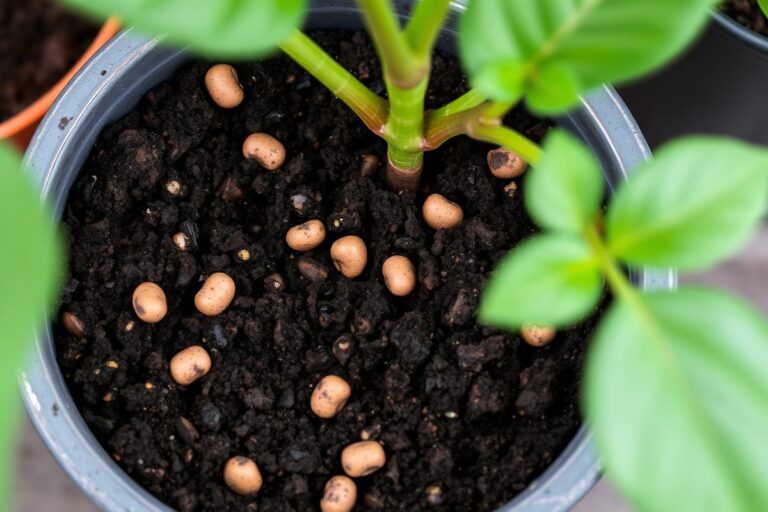
Finish by topping the bed with 8 to 10 inches of a fertile soil mix. Use about 75% topsoil combined with 25% compost or manure for best results. This rich mix holds moisture and nutrients where roots grow while draining well.
Adding some sand or perlite improves drainage if your soil is heavy clay or compacted. Spread the soil evenly and level it out before planting. This top layer is where plants put down roots and get most of their nutrients.
Follow these steps to layer your raised bed for the best growth:
- Place a 6 to 8 inch layer of logs, wood chips, or cardboard at the bottom. It blocks weeds and improves drainage. This layer forms a solid base for the bed.
- Add a 6-8 inch middle layer mixing dried leaves, straw, grass clippings, and kitchen scraps.
- Fill any gaps in the middle layer with straw or dry leaves. This keeps the layer even and creates air pockets. These pockets help roots breathe and grow well.
- Mix 75% topsoil with 25% compost or manure for the top layer. This blend provides nutrients and good texture. It makes the soil fertile and great for planting.
- Spread 8-10 inches of this soil mix evenly over the middle layer.
- Add sand or perlite if needed to improve drainage and aeration in the topsoil.
- Level the surface to prepare for planting.
Don’t pile kitchen scraps too thickly or they may attract pests and rot unevenly.
How Deep Should Raised Beds Be Filled and Why Bed Height Matters
Fill raised beds at least 12 inches deep to give roots enough room. Beds between 12 and 18 inches are ideal for most vegetables. Deeper beds over 24 inches work best for root crops and allow extra layering.
Minimum Depth Recommendations for Raised Beds
Raised beds should be at least 12 inches deep to support healthy root growth. This depth lets plants spread roots freely, boosting growth and yield. Anything less risks cramped roots and poor drainage that can stunt plants.
For beds under 12 inches deep, fill them entirely with soil only. Avoid using wood or bulky base layers in these shallow beds. Soil alone in shallow beds helps roots access nutrients without obstacles.
Keep the soil level 1 to 2 inches below the top edge of the bed. This small gap prevents water overflow when it rains or you water your plants.
Differences for Shallow vs Deep Beds
Shallow beds under 15 inches need simple filling with mostly soil. Expensive layered fills or hugelkultur aren’t recommended for beds this shallow. Dense or soggy soil happens more easily in less than 12 inches depth.
Beds deeper than 18 inches can hold base layers with branches or twigs. These materials improve drainage and add nutrients as they break down. Deep beds also encourage strong root systems in root vegetables like carrots or potatoes.
Deeper beds cost more to fill since they need more soil and base materials. For example, a 17-inch bed requires around 32 cubic feet of soil.
A 26-inch one needs 49 cubic feet. Plan your budget accordingly to fill them properly.
Adjusting Filling Materials by Bed Height
Match your filling materials to your bed depth for best results. Use these guidelines for deciding layers based on height:
- Under 12 inches: Fill with quality soil only to avoid poor drainage.
- 12 to 18 inches: Include a small base layer of twigs (about one-sixth depth) for nutrients.
- Over 24 inches: Add more base layers like branches and compost to improve soil structure.
- Keep soil levels below the bed edge to prevent overflow.
- Plan soil volume needs: measure length × width × height minus 1, 2 inches.
- Remember deep beds support larger vegetables needing more root space.
Choosing the right depth and fill mixture affects plant health, watering, and soil quality. Adjust your layers to fit your raised bed height and the plants you want to grow.
Calculating How Much Soil and Compost You Need
Start by measuring your raised bed. Calculate its volume in cubic feet. This shows how much soil and compost you need.
Compost should be about 25% of the total volume for healthy soil mix. Multiply length, width, and depth for full volume. Adjust for layers without purchased soil.
Measuring Length, Width, and Fill Depth
First, use a tape measure to find the length and width of your raised bed. Measure to the top inside edges where soil will sit, not the outer frame.
Measure your desired fill depth. Most vegetables need 8 to 12 inches.
Choose depth based on what you want to grow. Root vegetables need more depth, while herbs need less. Make sure to measure accurately to avoid buying too much or too little soil.
Calculating Cubic Feet or Cubic Yards Needed
Volume equals length times width times depth. A bed 8 by 4 feet, filled 1 foot deep, holds 32 cubic feet of soil.
Convert 10 inches to feet by dividing 10 by 12. This equals about 0.83 feet.83 feet) and use that in the volume calculation.
For larger projects, convert cubic feet to cubic yards. Divide total cubic feet by 27 since one cubic yard equals 27 cubic feet. This helps when ordering bulk soil or compost.
Adjusting Volumes for Layered Filling Approach
Layering means you don’t fill the entire bed with soil or compost. Put coarse materials like leaves or wood chips at the bottom.
Fill the top with soil and compost mix. Only measure the top layer for purchased soil and compost.
Compost should make up about 25% of the mixed soil layer for nutrient balance. Estimate 75% topsoil and 25% compost amounts for the top soil layer only. Here are steps to calculate your soil and compost needs:
- Measure the inside length, width, and desired fill depth of each bed in feet.
- Calculate total volume per bed by multiplying length × width × depth.
- Add volumes of multiple beds if applicable.
- Calculate volume only for the top soil and compost layer when layering.
- Decide compost percentage, usually 25% of soil mix volume.
- Multiply soil mix volume by compost percentage to get compost amount.
- Subtract compost volume from soil mix volume to get topsoil amount.
- Divide final amounts by soil bag volume (like 1 or 2 cubic feet) and round up.
Saving Money When Filling Raised Beds Without Sacrificing Quality
You can fill raised beds cheaply using free or low-cost materials without hurting soil quality. Start with untreated yard waste like leaves and grass clippings. Add small branches to create the bottom layer.
These materials help with drainage and aeration. These materials break down over time and help hold moisture and nutrients near the roots.
Buying soil or compost in bulk lowers the overall cost compared to bagged products. Plan ahead by starting your own compost pile months before filling the beds. This compost will improve soil structure and provide natural nutrients.
- Use shredded leaves and grass clippings for organic matter
- Collect small branches or twigs to add bulk and aeration
- Add well-rotted manure if available for added nutrients
- Source free topsoil from local landscaping projects with permission
- Buy bulk compost from local garden centers for better prices
- Place purchased or homemade compost in the top 6-12 inches
- Avoid old soil from unknown sources to prevent pests or disease
Layering cheap materials at the bottom avoids costly soil waste. The top 6 to 12 inches should have quality compost or soil mix. This layer feeds plant roots and holds moisture.
Use rich soil for healthy root growth. Mixing in compost from your own pile reduces the amount of store-bought soil needed.
Don’t add treated wood debris or anything with chemicals. It harms soil life and plants.
Bulk soil costs about $15 to $30 per cubic yard. This price is cheaper than buying bags at $5 to $10 each. Buying in bulk saves money if you need a lot.
Quality compost from a local supplier may cost about $20 to $40 per cubic yard. Combining free materials with some purchased soil makes filling beds affordable without losing fertility.
Common Mistakes to Avoid When Filling Raised Beds
One big mistake is filling raised beds with only compost. Compost dries out fast and shrinks a lot as it breaks down. So, add soil or other materials to keep moisture and prevent the bed from sinking.
Don’t skip layering properly. Put coarse stuff like sticks and leaves at the bottom. These help with drainage and stop soil from packing too tight.
Then add a mix with compost and soil on top. Skipping this can make the soil waterlogged or too hard for roots.
Avoid using plastic liners inside raised beds. They stop water and air movement, which plants need.
Instead, use breathable fabric liners if you need to protect wood. They keep soil healthy and roots happy.
Using pure compost may seem great but can cause problems. It warms up fast in spring but dries and shrinks as it breaks down. Fill raised beds with fresh compost, coir or peat, and perlite or vermiculite.
This blend helps soil stay moist and loose for longer. It works well for garden beds.
Don’t forget to check your local supply for raised bed mixes. Outside dry places, mixes with worm castings and moisture retainers work best. These materials cost a bit more but help plants thrive and save you watering time.
Use yard waste like sticks and leaves if you only have a little for the bed bottom. They’re low cost and improve airflow. Just make sure the pieces aren’t too big and pack them down lightly.
Also, avoid piling materials too thick without mixing. Thick layers of wood chips or leaves take a whole season or more to break down. They decompose slowly.
Be patient with these materials in your bed. They might lock nutrients away from plants if they sit too long.
For colder climates, don’t fill the bed too deeply right away. Let the organic layers settle through the first season.
Add more soil or compost next spring to keep beds full and fertile. This topping maintains good growing conditions year after year.
Finally, watch for shrinkage during the first year. Top off with compost or soil as needed.
Plan on adding about 20% more mix than the bed’s volume to account for settling. This keeps your plants growing without gaps or dry spots.
When to Plant After Filling and How Decomposition Affects Timing
You can plant right after filling raised beds. But choose plants that handle fresh soil.
This soil has many organic materials still breaking down, which affects nutrients and root support. Short-rooted plants like lettuce, kale, herbs, beets, and arugula work well in this stage.
The bottom layers are made from wood chips, leaves, or straw. They take about one growing season to fully decompose. These materials break down slowly because microbes need time.
They also need moisture to turn them into rich soil. During this time, deep-rooted plants may struggle to grow well. The soil is loose and unstable at the bottom.
Wait at least one full season before planting long-rooted plants. This includes tomatoes or carrots. This gives the bottom layers time to compost and settle.
You can speed this up by adding finished compost on top. Water regularly to feed microbes and keep layers moist.
Fertilizer needs are usually low in the first season with high-quality bagged soils and compost. These bags often include nutrient amendments.
Adding 1 to 2 inches of fresh compost each season helps. It maintains soil health and boosts nutrients as it breaks down.
Running your raised bed this way costs less and builds healthy soil over time. A downside is you don’t get perfect soil for all plants right away.
Rushing to grow heavy feeders early may cause slow growth. These plants will need more care.
The best approach is planting quick-growing, shallow-rooted greens and herbs the first season. By year two, the soil will be richer, more stable, and ready for heavier feeders.
Keep an eye on moisture and add compost every year. This keeps your raised bed healthy for many seasons.
Adjusting Soil Mixes and Filling Strategies by Plant Type
Different plants need different soil mixes and filling depths. Root crops like carrots and beets require deeper soil, about 12 to 18 inches. So their roots can grow straight and strong.
Shallow-rooted vegetables and flowers grow well in less soil depth. Use loose, well-drained soil mixes that still hold moisture. This mix helps plants stay healthy and strong.
Adjusting the soil mix means adding the right amendments. For vegetables, you want a balance of compost and garden soil for nutrients and drainage.
Flowers often benefit from extra organic matter like peat moss or leaf mold to hold moisture. Root crops need loose, sandy soil to prevent roots from splitting or stunting.
| Plant Type | Soil Depth (inches) | Key Soil Mix Ingredients | Amendment Focus |
|---|---|---|---|
| Root Crops (carrots, beets) | 12, 18 | Light, sandy soil with compost | Drainage, loose texture |
| Vegetables (lettuce, tomatoes) | 10, 14 | Garden soil, compost, balanced mix | Nutrients and moisture retention |
| Flowers (annuals, perennials) | 8, 12 | Soil with peat moss or leaf mold | Water retention and aeration |
The filling process can shift between seasons or plant types. Early spring beds for root crops need a lighter mix and deeper soil.
Summer beds for flowers can use a richer, moisture-holding soil at a shallower depth. Adjust the soil amendments before planting each crop cycle for best results.
Mix the amendments well into the top 12 to 18 inches of soil. Avoid compacting soil during filling. Fill your bed in layers to fit plant needs.
Always put the best soil mix for the roots on top. This helps crops grow their best. Water the bed after filling and before planting to settle the soil.
Don’t pack the soil too tightly; roots need air and room to grow freely.
Step-by-Step Action Plan for Filling Your Raised Beds
Follow these steps to fill your raised beds correctly for healthy plants and soil.
- Before you start: Measure your bed’s length, width, and height. This helps you figure out how much soil and amendments to buy or mix.
- Day 1: Clear out any weeds or debris. Check if the bed frame is sturdy. Fix it if it’s weak. It needs to hold the soil well.
- Day 2: Add a bottom layer of coarse materials like small branches or straw. This improves drainage and stops soil from compacting.
- Day 3: Mix garden soil with compost at about a 60 to 40 ratio. Fill your bed with this mix almost to the top, about 10-12 inches deep.
- Week 2: Check soil moisture often. Water gently when the soil is dry. Watch it settle down. Add more soil mix if it sinks.
- Week 3: Adjust soil amendments depending on the plants you want to grow. Add sand for root vegetables or more compost for leafy greens.
- Week 4: Start planting seeds or seedlings after soil feels loose and warms to about 60°F. This avoids stunted growth from cold or compacted soil.
Frequently Asked Questions
Can I Use Purely Compost to Fill a Raised Bed?
Pure compost alone can be too nutrient-rich and break down quickly. Mixing it with other soil helps balance nutrients and improves soil structure over time.
How Often Should I Top Off Raised Bed Soil After Initial Filling?
Top off raised beds yearly to replace soil lost through compaction and plant growth. Adding a few inches of compost or mulch maintains nutrient levels and soil health.
Is It Okay to Fill a Raised Bed with Native Soil from My Yard?
Native soil can be used if it drains well and is free of debris or contaminants. Mixing it with compost improves fertility and avoids compaction issues common in native dirt.
Do Raised Beds Need Special Soil During Winter or Off-Season?
You don’t need special soil for winter. Adding mulch helps protect soil.
Mulch also boosts microbes’ activity. Leaving beds covered helps prevent erosion and nutrient loss in colder months.
Should I Mix Fertilizer into the Soil When Filling My Raised Bed?
Mix fertilizer according to the requirements of your plants and soil test results. Too much fertilizer at the start can harm seedlings. Side-dress plants instead during growing seasons.
How Do Worms Affect Soil When Filling Raised Beds?
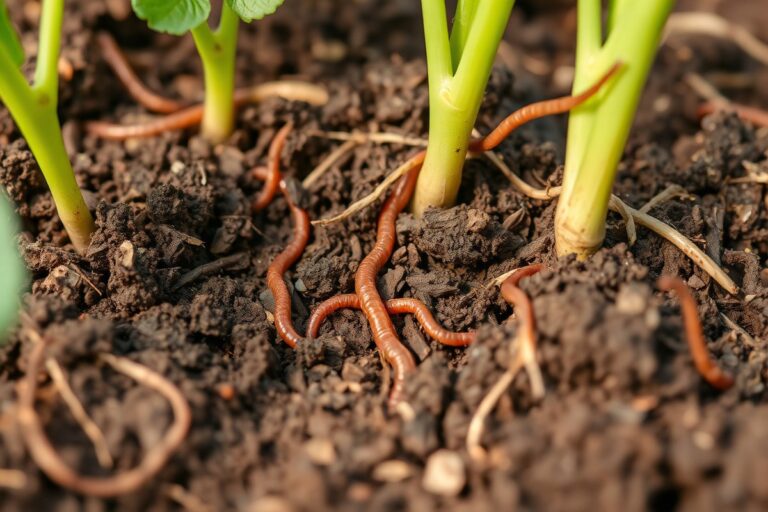
Worms naturally improve soil by aerating it and breaking down organic matter. Their presence indicates healthy soil, so avoid harsh chemicals that could kill beneficial worms.
Before You Go
Filling your raised beds carefully makes growing easier and your plants healthier. Take time to get the right soil mix and layer it well. Next, focus on consistent watering to keep your new garden thriving.