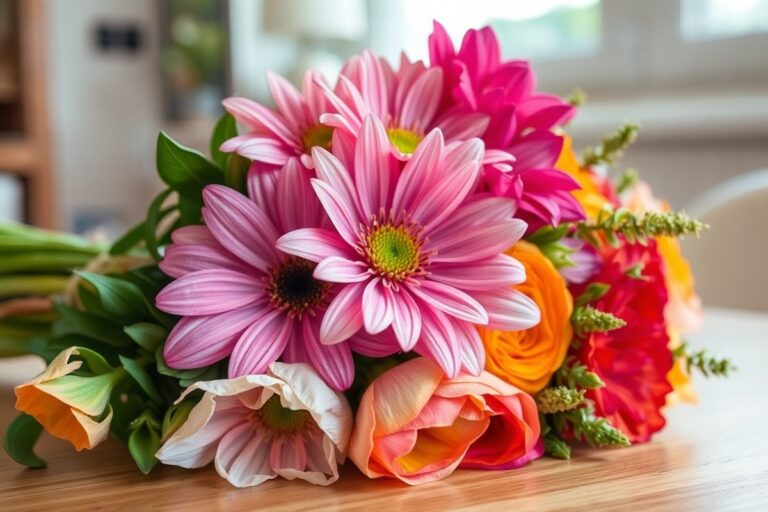
What Does Iris Flower Mean: A Complete Guide to Its Symbolism and Uses
What does iris flower mean? The iris commonly symbolizes faith, wisdom, and courage.
Its many colors add layers of meaning, like royalty, passion, or purity. This makes it a versatile flower choice for meaningful gifts or garden additions.
The iris also stands for 25 years of marriage, representing a long-lasting bond. It’s February’s birth flower, making it perfect for birthday or anniversary gifts around that month. Knowing these meanings can help you choose the right iris color for your occasion.
When giving an iris, consider its history and cultural symbols. The flower is tied to Greek mythology and symbolizes a rainbow of ideas and hopes. This deep backstory adds meaning whenever you present or plant irises in your garden.
Key Takeaways
- The iris flower symbolizes faith, wisdom, courage, and often royalty or passion.
- It’s the birth flower for February and marks the 25th wedding anniversary.
- Pick iris colors carefully to match the message you want to send.
- The iris is linked to ancient Greek myths and symbolizes a rainbow.
- Irises can add symbolic meaning and beauty to gifts or gardens.
- The flower serves as Tennessee’s state cultivated flower.
What Does the Iris Flower Symbolize?

The iris flower commonly symbolizes wisdom, hope, faith, courage, and communication. Its meaning comes from its shape and colors, which carry different messages. The three upright petals mean faith, wisdom, and valor.
These are qualities this flower is known for. They show what the flower stands for.
Many cultures connect the iris with royalty and respect due to these qualities. The purple iris, in particular, links closely with dignity, admiration, and royal traditions. People often use purple irises to honor wisdom during graduations or important milestones.
These symbolic meanings matter when you choose the iris as a gift or decoration. For example, giving a purple iris can show respect and admiration.
White irises often signal purity or innocence. Using the correct color helps communicate your intentions clearly through the flower’s rich symbolism.
How Do Iris Flower Colors Affect Their Meaning?

Each iris flower color changes its meaning slightly. Purple irises symbolize wisdom, royalty, and admiration. Blue irises stand for faith, hope, and trust.
White irises mean purity, innocence, and remembrance. Yellow irises represent passion, joy, and warmth. Knowing these can help you choose the right iris for your message.
Flower colors don’t always mean the same in every culture. For example, the blue iris means hope and faith in the West. It might not mean the same everywhere else.
Meanings can vary by culture or region. The purple iris’s association with royalty comes from European traditions. These differences show you should learn local flower meanings.
This is important if you’re giving flowers abroad. It also helps when exploring cultural art.
| Color | Meaning | Typical Associations | Important Note |
|---|---|---|---|
| Purple | Royalty, Wisdom | Respect, Admiration | Color meanings vary by culture |
| Blue | Faith, Hope | Trust, Encouragement | Not a universal code |
| White | Purity, Tranquility | Innocence, Remembrance | Varies with artistic context |
| Yellow | Passion, Joy | Warmth, Friendship | Often signifies happiness |
Choosing an iris color depends on what you want to say. A purple iris sends respect or admiration at formal events. Blue irises work well in messages about hope during tough times.
White ones suit weddings or sympathy bouquets because they suggest purity and peace. Yellow, bright and cheerful, fits celebrations or to cheer someone up.
Look closely at the flower’s shade and the recipient’s culture to keep your message clear. Pink irises sometimes signal romance or affection but are less common in official symbolism.
Some irises mix shades, giving ideas about individuality or uniqueness. Consider this if you want to highlight a personal trait or feel.
Always check local flower meanings before gifting irises overseas. This matters in formal settings too. It helps avoid miscommunication with your gift.
What Is the History and Mythology Behind the Iris Flower?
The iris flower has deep roots in history and mythology. It links to gods, royalty, and powerful symbols over time. Its story began with the Greek goddess Iris and gained fame through French nobility.
Iris in Greek Mythology
The iris flower honors the Greek goddess Iris, who acted as a divine messenger. She used a rainbow bridge to link the gods with earth. Because of this, the iris stands for messages and spiritual guidance.
Iris was also seen as a companion for souls heading to the afterlife. Her role tied the flower to hope, faith, and spiritual connection. The ancient Greeks viewed the iris as a sacred flower because of its divine meaning.
The Fleur-De-Lis and French Royalty
The fleur-de-lis is a royal symbol tied to French rulers and aristocracy. Experts think it actually depicts a yellow flag iris, not a lily. The monarchy adopted this flower design as its official emblem in medieval times.
This emblem showed power and purity, tying the iris to the holy trinity in Christian belief. The fleur-de-lis appeared on flags, shields, and royal clothing. It made the iris a lasting symbol of royalty and authority in France.
Historical Uses and Symbolism over Centuries
The iris flower has held many roles in cultures beyond mythology and royalty. Ancient Egyptians used it in perfumes and royal ceremonies, highlighting its precious scent and status. The flower also appears in art and literature, symbolizing wisdom and admiration.
In later times, iris flowers became popular in Victorian flower language. People chose them for their rich meaning during sympathy and remembrance occasions. This tradition carries on today, as the iris still represents messages of hope and respect.
Across Asia, the iris symbolizes protection and honors the deceased. Its broad cultural importance shows how deeply this flower connects to human stories. The iris continues to carry ancient meanings into modern times.
What Are Common Iris Flower Types and Their Characteristics?
There are many iris species, each with unique traits and symbolism. The main types gardeners recognize are bearded irises, Siberian irises, and Japanese irises. These groups show different flower shapes, colors, and meanings.
Bearded Iris (Iris Germanica)
The bearded iris, or Iris germanica, is the most familiar variety to many. It has large blooms with “beards,” which are fuzzy hairs on the lower petals. These irises come in many colors and are often bred for garden shows and decorations.
Bearded irises prefer drier, well-drained soil once established. They bloom mainly from late spring to early summer. This type symbolizes courage and valor, reflecting its bold look and historic ties.
Siberian and Japanese Irises
Siberian and Japanese irises belong to a beardless group. They have slimmer petals and grow well in moisture-rich or even wet soils. These irises tend to bloom later in spring and can last into early summer.
Japanese irises link to vigor and protection in Japanese culture. Siberian irises are admired for their slender foliage and elegant stems. Both types offer a different aesthetic and symbolic meaning than bearded irises.
- Siberian irises thrive in moist soil and partial shade.
- Japanese irises prefer wet or boggy garden spots.
- Both types bloom from late spring to early summer.
- Beardless irises have no fuzzy “beard” on petals.
- These species often suit pondsides and wetter garden areas.
These irises tend to represent themes like resilience and seasonal change. Their structure and colours also inspire traditional Japanese art, especially Ikebana.
Other Notable Iris Species
Several other iris species are worth mentioning for their unique looks and symbolism. These include Iris pallida, the “Dalmatian iris,” known for fragrant flowers and pale colors. Iris fulva, or the copper iris, offers fiery red blooms.
Smaller types like crested irises grow only 14 to 20 cm tall. They suit rock gardens and smaller spaces. Some bulbous irises bloom early in spring and fit well with spring bulbs like tulips.
- Iris pallida features sweet-scented, pale flowers.
- Iris fulva has bright orange-red petals.
- Crested irises are small and grow low to the ground.
- Bulbous irises bloom earlier than rhizome types.
- Louisiana irises prefer wet soils and bright blooms.
Different species link to varied symbolic themes, like spirituality or seasonal transition. Picking a type depends on your garden’s conditions and the message you want to send.
How Is the Iris Flower Used Across Different Cultures?
In Japan, the iris flower is a strong symbol linked to protection and heroism. During the Boys’ Festival, families put iris leaves by windows. They do this to keep evil spirits away.
The festival is also called Tango no Sekku. The Japanese water iris is also called iris ensata.
It has soft pink petals with ruffled edges. People often grow it in traditional water gardens.
Ancient Egypt saw the iris as a sign of power and nobility. They often used the flower in royal decorations and spiritual ceremonies. Meanwhile, ancient Greeks believed the iris symbolized the connection between heaven and earth.
They believed the flower looked like a flowing veil. The veil connected gods and humans in their stories. Sometimes, people used it to mark 25 years of marriage.
In the U.S.The purple iris is important at the state level. Tennessee especially values it as the official state flower. This flower is well known in that region.
This recognition highlights the iris as a symbol of hope and faith. Local growers sell iris blooms in spring and early summer.
This makes them popular in floral arrangements. People also enjoy growing them in personal gardens.
Place iris leaves in water for cut flowers and change the water every two days. This keeps the blooms fresh longer.
What Occasions Are Best Suited for Giving Iris Flowers?
The iris flower fits well for several occasions, especially for February birthdays. It is one of the official birth flowers for February, symbolizing love, hope, and new beginnings.
Giving iris flowers this month adds a personal touch. They mean a lot to someone who values their colors or meanings.
For anniversaries, iris flowers convey admiration and faithfulness. Purple and blue irises work well here, as they express deep respect and spiritual connections. White irises suit sympathy occasions, offering peace and spiritual grace to those grieving.
Different iris colors share distinct messages. Pink irises express romantic love and close friendships. Blue irises promote calmness and trust, suitable for spiritual or calming gifts.
Yellow irises convey passion and positive energy. But they are less common as formal gifts.
- February birthdays: Purple, blue, or mixed iris arrangements.
- Anniversaries: Deep purple or blue irises symbolize faithfulness.
- Sympathy: White irises send peaceful, respectful thoughts.
- Romantic messages: Pink irises for love and understanding.
- Spiritual gifts: Blue or white irises for calm and grace.
Use iris flowers to mark key milestones like birthdays, anniversaries, or moments of sorrow. They suit occasions honoring loyalty and new starts. The iris can bridge a personal connection with its rich symbolism and color variety.
When giving iris flowers, consider the recipient’s taste and the event’s mood. For February birthdays, offering iris jewelry or a bouquet fits well. For sympathy, pair white irises with simple greenery for an understated display.
How to Care for Iris Flowers to Maximize Longevity?
How to Care for Iris Flowers to Maximize Longevity?
Cut irises usually last about five to seven days in a vase. To keep them fresh, trim the stems by one inch at a 45-degree angle. Place irises in clean water at room temperature and change the water every two days.
When planting irises in your garden, choose a sunny spot. They need at least six hours of full sun daily to bloom well. The soil should drain well for most irises.
Louisiana irises prefer wetter soil. The type of iris affects how wet the soil gets.
Iris plants benefit from regular watering, especially during dry spells. Water deeply about once a week, but avoid letting the soil stay soggy. Overwatering can cause rhizomes to rot, so balance wet and dry conditions carefully.
- Cut stems early in the morning or late evening for peak freshness
- Remove leaves below water line to prevent bacterial growth
- Use flower food or add a teaspoon of sugar in the vase water
- Plant irises in spring or fall for best root establishment
- Divide iris clumps every three to four years to stimulate growth
- Apply a low-nitrogen fertilizer after blooming finishes
- Deadhead spent flowers to encourage more blooms
Iris division happens best in late summer to early fall after blooming. Lift and separate rhizomes, then replant with the tops exposed above soil. Dividing prevents overcrowding and helps irises produce stronger flowers the next season.
Healthy irises develop upright, sword-shaped leaves and vibrant flowers. Watch for quick yellowing leaves or fading flowers.
Check drainage and pests to fix it. Good care will help your irises stay lively in bouquets and gardens alike.
What Are the Spiritual and Tattoo Meanings of Iris Flowers?
Iris flowers hold deep spiritual meanings and are popular in tattoo art for their rich symbolism. They represent hope, protection, and remembrance through unique designs. In religious art, the iris often symbolizes divine messages and faith.
Iris Symbolism in Spiritual Beliefs
The iris traditionally symbolizes hope and renewal in many spiritual beliefs. Its blooming period signals fresh starts and growth. People see it as a sign of courage through life’s challenges.
Spiritually, the iris also represents wisdom and faith. The three petals symbolize hope, valor, and wisdom together. This connection makes it a strong symbol for guiding personal journeys.
Meaning Behind Iris Tattoos
Many pick iris tattoos to mark personal transformation or honor loved ones. The flower’s link to hope makes it a healing symbol. Designs vary from simple outlines to detailed color work showing the petals’ shape.
Tattoos with irises often signal pride and strength. People appreciate how the flower’s symbolism fits their stories. Placement matters too; wrist and forearm tattoos keep the meaning visible daily.
Choose a tattoo artist skilled in fine lines to capture iris details clearly.
Religious Interpretations of the Iris Flower
In Christian art, the iris sometimes represents the Virgin Mary’s purity and sorrow. Its three petals mirror the Holy Trinity. This gives it a sacred status in churches and religious items.
The flower also appears in other faiths as a symbol of hope after hardship. It often decorates places of worship during festive seasons. These uses show how the iris blends beauty with spiritual messages.
Step-by-Step Action Plan for Using and Caring for Iris Flowers
Follow these steps to enjoy iris flowers and make the most of their meaning and beauty.
- Before you buy: Choose iris colors that match your intended message. Check blooms for firmness and no spots.
- Day 1: Cut stems at an angle and place in clean water. Renew water daily to stop bacteria growth.
- Week 1: Keep irises in a cool spot away from direct sunlight. Watch for wilting or browning petals.
- After 2 weeks: If planting outside, pick a shaded, well-drained spot. Look for strong green leaves as a sign of health.
- Seasonal care: Trim dead stems after blooming to promote new growth. Use mulch to protect roots in cold months.
- For gifts: Pair iris flowers with a note explaining their meaning. This boosts the personal touch and thoughtfulness.
- Choosing tattoos or decor: Pick iris designs based on the colors you like. Each color has its own meaning to show. Choose carefully what feeling you want to share. Make sure it fits your style and message.
Frequently Asked Questions
What Does the Iris Flower Symbolize in Art?
The iris often represents hope, faith, and wisdom in art. Vincent van Gogh famously featured irises in his 1890 painting called “Irises.” This shows the flower’s beauty inspired many artists for centuries.
Why Is the Iris a Popular Flower for February Birthdays?
The iris is February’s birth flower in the United States. It symbolizes faith and hope, qualities that suit this late winter month. Giving iris flowers for February birthdays is a meaningful tradition.
What Does the Iris Flower Represent in a 25th Wedding Anniversary?
The iris is the traditional flower for a 25th wedding anniversary. It symbolizes admiration and valor between long-married couples. Couples often choose these flowers to honor their lasting bond.
Is the Iris Used as a State Symbol Anywhere in the US?
Yes, the iris is Tennessee’s state cultivated flower since 1973. The state recognized its beauty and versatility officially. It’s a common flower in Tennessee gardens and celebrations.
How Many Types of Iris Flowers Are There?
There are roughly 260 to 300 species of iris flowers. This wide variety grows globally in gardens and wild areas. Each species can have a unique shape or color.
What Significance Does the Name “Iris” Carry?
Iris” means rainbow in Greek and refers to the eye’s colored part. The flower was named after the Greek goddess Iris, a messenger of hope. This myth adds to its rich symbolic meaning.
Key Points to Remember
Iris flowers carry strong and varied meanings tied to colors and culture. They bring a unique touch to gifts, gardens, and personal expressions. First, pick the iris that fits your message.
Care for it well to keep it looking good. That way, you can enjoy its meaning longer.