How Big Is 160 Acres: Clear Comparisons and Practical Size Guide
How big is 160 acres? It equals about 6,969,600 square feet or 0.65 square kilometers. Imagine about 30 football fields side by side.
Each field is 360 feet long and 160 feet wide. That’s a massive space for any property.
160 acres often form a square about 2,640 feet long on each side. This size fits well for farming or ranching, offering enough land for crops or livestock.
You can measure land by walking with a GPS. Or count fence posts set every 10 feet.
The shape of the land affects how you use that space. A long, narrow 160 acres needs more fencing than a square parcel. Knowing this helps with budgeting and planning development or farming activities.
Key Takeaways
- 160 acres equals roughly 6.97 million square feet or 0.65 square kilometers.
- Visualize 160 acres as about 30 football fields placed together.
- A perfect square 160 acres measures about 2,640 by 2,640 feet.
- Walking the land with GPS gives a practical way to measure acres.
- Fence post spacing every 10 feet means you’ll need 264 posts for 160 acres.
- A square shape reduces fencing costs compared to irregular layouts.
How Big Is 160 Acres in Square Feet and Dimensions

One hundred sixty acres equals 6,969,600 square feet. To picture the size as a square, each side would measure 2,640 feet long. That’s half a mile by half a mile, making the total area exactly 160 acres.
Knowing the square feet, you can convert acres into other units. For example, 160 acres is about 0.65 square kilometers. Since 1 acre equals 43,560 square feet and 0.00405 square kilometers, multiplying these by 160 gives the totals you need.
Here’s how to find the side length of a 160-acre square. Multiply 160 acres by 43,560 square feet. You get 6,969,600 square feet in total.
Next, take the square root of 6,969,600 to get 2,640 feet for each side. This number shows the total size of the land in square feet.
It tells you about the property’s dimensions. This works if the land is a perfect square.
Common Land Comparisons to Visualize 160 Acres

Visualizing 160 acres gets easier when compared to familiar places or objects. For example, you can fit about 121 full American football fields into 160 acres. That lets you picture just how much space you have to work with.
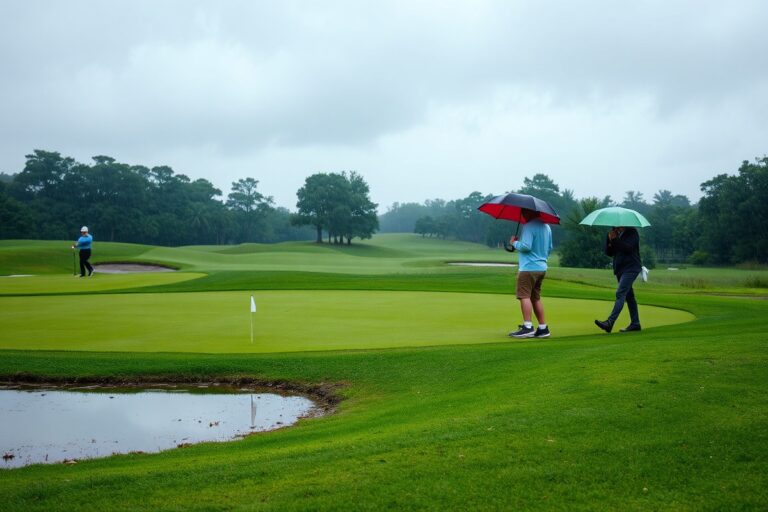
Public parks and large outdoor areas often cover around 160 acres. Some golf courses with multiple fairways and facilities also take up about this much land. A 160-acre ranch or farm is common in rural areas.
It offers plenty of room for animals and crops. You can use this space for many different purposes.
| Land Type | Size Equivalent | Notes |
|---|---|---|
| Football Fields | 121 fields | Based on 1 field ≈ 1.32 acres |
| Large Golf Course | About 160 acres | Includes multiple fairways and practice areas |
| Public Parks | Large community parks | Space for sports, wildlife, and events |
| Residential Development | Neighborhood plus parks | Room for multiple homes and amenities |
| Ranch or Farm | Typical mid-sized property | Used for crops or livestock |
| Central Park Comparison | ~1/6 size | Central Park is 843 acres |
You can think of 160 acres as a big piece of land. It is large enough to hold your own sports fields. Imagine several fields for your community or family activities.
It’s enough space for farming or having a large backyard with plenty of privacy. Visualizing the number helps when deciding if a parcel of land fits your plans.
Golf courses need a lot of space because of their many holes and tees. A 160-acre course can hold about 18 holes, depending on layout. Farms of the same size can support mixed crops and livestock with room to spare.
The shape of your land affects how useful the 160 acres are. Long narrow land works less well for some tasks. Square or regular shapes usually offer more flexibility.
What 160 Acres Is Used for in Farming, Ranching, and Development
One hundred sixty acres fits many uses in farming, ranching, and development. It can support crops, livestock, residential projects, and protected open space. Understanding how to use this land helps you decide if it fits your goals and budget.
Cropping and Agricultural Uses
160 acres often grows a variety of crops like corn, soybeans, or wheat. This size gives room for both small and medium-scale farming without heavy machinery. Typical small family farms fit well in this space for multiple growing cycles each year.
Depending on soil and climate, you could plant a lot of corn. 160 acres can feed dozens of people or be sold commercially.
Farming success depends on many factors like weather and soil quality. Crop rotation fits well here to keep the soil healthy and improve yields.
- Crop 100 to 150 acres, leaving some for infrastructure and roads
- Use machinery like tractors suited for medium-size plots
- Rotate crops seasonally for better soil health
- Establish irrigation for dry areas to improve yields
- Keep space for access paths and storage buildings
This land can generate a stable income, especially when crops suit your climate. Many 160-acre farms integrate diverse crops to spread risk.
Livestock and Grazing Capacity
160 acres supports various livestock depending on pasture quality and rainfall. In wetter regions, you may graze 30 to 50 cattle.
Drier areas host fewer animals. You must rotate pasture to avoid overgrazing and keep animals healthy.
Here’s roughly what fits on 160 acres in pasture:
- 30 to 50 cow-calf pairs in cool, moist pastures
- 5 to 10 horses with sustained grazing
- 120 to 200 sheep or goats in managed pasture
- Smaller herds with supplemental feed during dry seasons
- Space for exercise paddocks and shelter
Rotating grazing areas every few weeks boosts forage growth. You’ll also need fencing and watering sources across the property. Keeping animals healthy requires ongoing pasture management.
Residential and Commercial Development
160 acres is a solid size to plan subdivisions or commercial projects. You can split the land into lots between 30,000 and 40,000 square feet. These are common sizes for suburban and rural housing developments.
This division fits many land use plans and zoning rules. That yields dozens of homes or small commercial buildings.
This acreage lets you design open space, roads, and utilities while fitting many units. Zoning rules strongly affect what you can build here.
- Divide into 40 to 50 residential lots averaging 0.6 to 1 acre each
- Create space for community parks, small commercial buildings, or schools
- Design roads for easy access and emergency vehicles
- Plan utility corridors for water, power, and sewage
- Reserve natural areas as buffers or green space
Costs run high for infrastructure but increase land value significantly. Good planning avoids problems with traffic and services later.
Conservation and Recreational Uses
160 acres can serve wildlife habitat or outdoor recreation like hiking and hunting. Many landowners use this space to preserve native plants, woodlands, or wetlands. These uses require less intensive management but need fencing and signage for protection.
Recreation options include campgrounds, trails, or small lakes. The right plan balances public access with conservation goals.
- Set aside fenced areas for wildlife nesting and habitat
- Create walking or riding trails for public access
- Add campgrounds or picnic areas with minimal facilities
- Manage invasive species to protect native plants
- Partner with local conservation groups for funding or management
Conservation easements can reduce taxes and protect land forever. Smart recreational design improve property value and enjoyment.
How to Walk and Measure 160 Acres Practically
Walking and measuring 160 acres depends on your pace and the land’s shape. At a steady speed, walking around 160 acres takes about 7 minutes per lap. Knowing how to use GPS helps you measure land accurately.
Measuring tapes also help find exact boundaries. These tools make your measurements reliable and clear.
Walking Times for Different Speeds
Walking quickly along the boundary of 160 acres takes roughly 7 minutes at 3 mph. Walking slower can take more time per lap. Some may need up to 10 minutes.
Your walking pace changes the total time needed. To walk across one acre, expect to spend 30 to 60 seconds depending on your speed.
For example, walking across 160 acres in a straight line is impractical. Instead, walking the perimeter gives a clear idea of size and takes less time. Remember terrain also slows down your pace, especially if the land isn’t flat.
Tools for Measuring Acreage
A GPS device or smartphone app with land-measuring features helps track distance and area accurately. You can also use a measuring wheel or tape measure for short distances and straight boundaries. Combining these gives you both perimeter length and total acreage.
Steps to measure land perimeter using GPS or traditional tools:
- Walk along each boundary line, recording distance with a GPS or measuring wheel.
- Mark each corner on a map or with a flag as you go.
- Complete a full lap around the property, noting total distance.
- Use mapping software or apps to calculate the total acreage from your measurements.
- Double-check your measurements by repeating the walk or measurement if possible.
Calculating Perimeter and Its Effects
The shape of your 160-acre plot changes the perimeter length and walking time. A square 160-acre land has a shorter perimeter. A long, narrow strip of the same size has a longer border.
Shape affects the total boundary length. Longer perimeters mean more walking and more fencing if you choose to enclose the land.
For a typical square layout, the perimeter around 160 acres is about 5,280 feet. A narrow rectangle can increase perimeter dramatically and add hours to walking times. Understanding perimeter helps with planning fences or deciding how to handle the land efficiently.
Fencing a 160-acre Property: Costs and Considerations
Fencing a 160-acre property usually means enclosing roughly 2 miles of boundary. A perfect square 160-acre parcel has a perimeter of 10,560 feet.
Real land often isn’t square. So the fence length can increase if the land shape is irregular.
Shape affects fencing costs. If your land is narrow or has many corners, you’ll spend more on fencing material and labor. Straight, square plots need the least wire and simpler installation, which reduces costs.
Fence material choice also changes the price. Common options on farms and ranches include barbed wire, woven wire, and wood or metal panels. Each has a cost range and suits different needs like livestock control or security.
| Fence Material | Cost per Foot (Approx.) | Total for 2 Miles (10,560 ft) | Notes |
|---|---|---|---|
| Barbed Wire | $0.50 – $1.00 | $5,280 – $10,560 | Common for cattle, cheapest option |
| Woven Wire | $1.50 – $3.00 | $15,840 – $31,680 | Better for mixed livestock, more secure |
| Wood Post & Rail | $3.00 – $6.00 | $31,680 – $63,360 | Attractive, sturdy, requires maintenance |
| Metal Panels | $4.00 – $8.00 | $42,240 – $84,480 | Durable, often used for horse fencing |
Calculate wire needed by multiplying the land’s perimeter. For example, a square 160-acre plot needs about 10,560 feet.
Irregular shapes might require 15%-30% more wire. Plan extra to cover gates, repairs, and overlaps.
Labor and installation cost add 20%-50% above materials. You could pay more if the land has rocks, hills, or trees.
Adding gates or electric fencing also raises expenses noticeably. Budget for these before buying your wire.
Measure your land carefully and consider shape to avoid running short on fencing material.
Getting professional help to survey the property makes fencing easier. They can help avoid costly mistakes from underestimating fence length. Remember, fencing your land is a big upfront cost but protects your investment and livestock.
Historical and Legal Significance of 160 Acres in the US
The 160-acre parcel became standard through the 1862 Homestead Act. This law gave 160 acres to settlers. They had to live on the land.
They also improved it for five years. It aimed to encourage westward expansion and develop public land into farms.
Choosing 160 acres matched what lawmakers thought a family could farm effectively. This size balanced enough land for crops and livestock without overly large holdings. Settlers had to build a home.
They also had to farm the land. This proved they earned ownership.
The Homestead Act sped up US settlement in the Midwest and Great Plains. It opened millions of acres for small farmers rather than wealthy landowners. By 1900, about 80 million acres were claimed under the law, shaping rural America.
Today, 160 acres often remains a legal parcel size in rural zoning and land sales. Some counties still use this size as a common minimum for agricultural lots.
But modern property divisions vary widely. Many parcels are smaller or larger depending on location and local rules.
Here’s how 160-acre land grants worked. You filed a claim first. Then you lived and farmed on it for five years.
After satisfying these rules, you can apply for a deed through the local land office. This process required patience and real effort to maintain your claim and avoid losing it.
Sometimes families bought neighbors’ land. This made bigger farms or ranches. It suited their needs better.
Yet 160 acres remains a symbol of individual farming opportunity. It reflects a key chapter in how the US government promoted land ownership and rural growth.
The Homestead Act expired in 1976, except in Alaska, where it lasted until 1986. Modern land buyers should check local laws to know if the 160-acre standard applies. Property sizes often depend on county rules, soil quality, and land use planning.
How Shape and Layout Affect 160-acre Fencing and Usability
Fencing 160 acres usually means about 5,280 feet of boundary fence. That’s one full mile around if the land is square. But when the land isn’t square, the fence length rises sharply.
If the land is a narrow rectangle, the perimeter gets longer. That means more fence materials and higher costs. It also changes how easily you can farm or develop the land.
The shape affects usable land too. A square field is easier to manage with machinery. Narrow shapes waste space and complicate irrigation and planting layouts.
| Shape | Dimensions (feet) | Perimeter (feet) | Fence Cost Estimate* (dollars) |
|---|---|---|---|
| Square | 2,640 × 2,640 | 5,280 | ~5,280 |
| Rectangle (1:2 ratio) | 1,760 × 5,280 | 14,080 | ~14,080 |
| Narrow strip (1:10 ratio) | 528 × 15,840 | 32,736 | ~32,736 |
*Fence cost estimates assume $1 per linear foot for basic materials and installation.
You can see the fence length almost triples from a square to a 1:2 ratio field. A very long, narrow strip, the fence length is over six times the square’s perimeter. This shows why shape matters for fencing costs and planning.
Pick a square or nearly square 160-acre plot to avoid excessive fencing expenses. Choose this shape if you want simpler irrigation and easier farm equipment use. Narrow or irregular plots may look cheaper but add costs and limit farming or building options.
Visualizing and Mapping 160 Acres on Your Property
You can picture 160 acres by using maps or marking boundaries on-site. Mapping tools help you see exact borders from anywhere. Physical markers make it easier to understand size on your land.
Using Online Mapping Tools and Apps
Satellite maps and property apps show 160-acre outlines clearly. These tools let you measure distances, view terrain, and plan layouts before visiting in person. Free apps often include measuring rulers and overlays for acres.
Use mapping tools to see 160 acres by outlining your property in a few steps. For detailed views, use apps like Google Earth or dedicated property apps with parcel data.
- Open Google Earth or similar app on your phone or computer.
- Find your property location by entering the address or coordinates.
- Select the polygon drawing tool to start outlining boundaries.
- Click points on the map to mark corners of a 160-acre area.
- Use the app’s measuring feature to check that the area matches 160 acres.
- Save or screenshot the map for your records and future use.
Confirm your property lines with official records to avoid errors.
Marking Property Boundaries Physically
Placing physical markers helps you walk and see the space 160 acres covers. Stakes or flags at corners give a real-world sense of size. You can rent a GPS or laser distance measurer for more accuracy.
Start by getting boundary measurements from your property deed or survey map. Then head to each corner with stakes and mark where the boundaries intersect. A common mistake is to miss a corner or place markers too close together.
- Get a printed survey map or legal description of your property.
- Gather stakes, flags, a measuring tape, or a GPS device.
- Locate the starting corner using a known landmark or marker.
- Measure straight lines to each corner as described in the survey.
- Set stakes or flags at each corner and along long boundaries.
- Double-check your measurements to keep corners square and accurate.
Wearing boots and bringing water is key when marking large, rough land.
Estimating Size with Common Landmarks
Comparing 160 acres with familiar places helps you visualize the size fast. For example, a volleyball court is 60 feet long and 30 feet wide. Since 160 acres is big, think of fitting many volleyball courts side by side.
An acre is about 43,560 square feet. So 160 acres makes a very large rectangle. One hockey rink covers about 40% of an acre.
So 160 acres would fit over two dozen rinks. Use these landmarks to picture boundaries in sections.
- Remember a volleyball court size: 60 feet by 30 feet.
- Visualize how many courts fit lengthwise and widthwise across 160 acres.
- Picture two-car garages measuring 20 by 24 feet as smaller land units.
- Imagine dozens of hockey rinks fitting inside this land area.
- Break 160 acres into smaller blocks to better estimate sections visually.
Visual guesses work well before you buy but don’t replace official measures.
Step-by-Step Action Plan to Understand and Assess 160 Acres
Use this plan to understand how big 160 acres really is. It shows what that size means for your land use. You can plan your activities better with this knowledge.
- Day 1: Measure the perimeter with a measuring wheel or GPS app. Check if it matches about 5,280 feet by 1,320 feet (a square mile quarter).
- Day 2: Walk the property edges to get a real sense of size. Notice how long you walk and compare to a mile.
- Week 1: Sketch the land shape on graph paper or use mapping software. Mark key points like trees and fences.
- Week 2: Check fencing needs by measuring the perimeter again and estimating fence materials. Get quotes from local suppliers.
- Week 3: Plan land use based on your goals. Decide if farming, ranching, development, or conservation fits best.
- Month 1: Visit neighboring properties to see how they use 160 acres. Ask about zoning and land restrictions.
- Month 2: Call your local extension office for advice on land use. You can also talk to a land planner. They help you decide the best use for your property.
- Month 3: Take steps to begin your project, like clearing, fencing, or building infrastructure. Track progress weekly.
Frequently Asked Questions
How Long Would It Take to Walk the Perimeter of 160 Acres?
Walking the perimeter of 160 acres takes about 2 to 3 hours at a normal pace. That varies based on the land’s shape and walking speed.
Can 160 Acres Support a Small Livestock Farm?
Yes, 160 acres can support a small livestock farm well. You’ll have enough space for grazing, shelter, and some crop production.
How Does Rainfall Affect the Usefulness of 160 Acres?
Rainfall impacts soil moisture, crop growth, and grazing quality on 160 acres. Consistent water is key for farming or ranching success.
Is 160 Acres Enough for Hunting on Private Property?
Yes, 160 acres can provide a good hunting area for deer, turkey, or small game. It offers privacy and varied terrain for wildlife.
What Tools Help with Measuring 160 Acres Today?
GPS devices and drone mapping make measuring 160 acres accurate and faster. They reduce human error compared to old surveying methods.
How Does Zoning Affect What You Can Do with 160 Acres?
Zoning controls land use types, affecting agriculture, housing, or commercial projects on 160 acres. Always check local zoning rules before buying.
Final Thoughts
160 acres covers a large area with many uses. Walking and measuring it helps you grasp its true size. Start by measuring and visualizing your land today.