
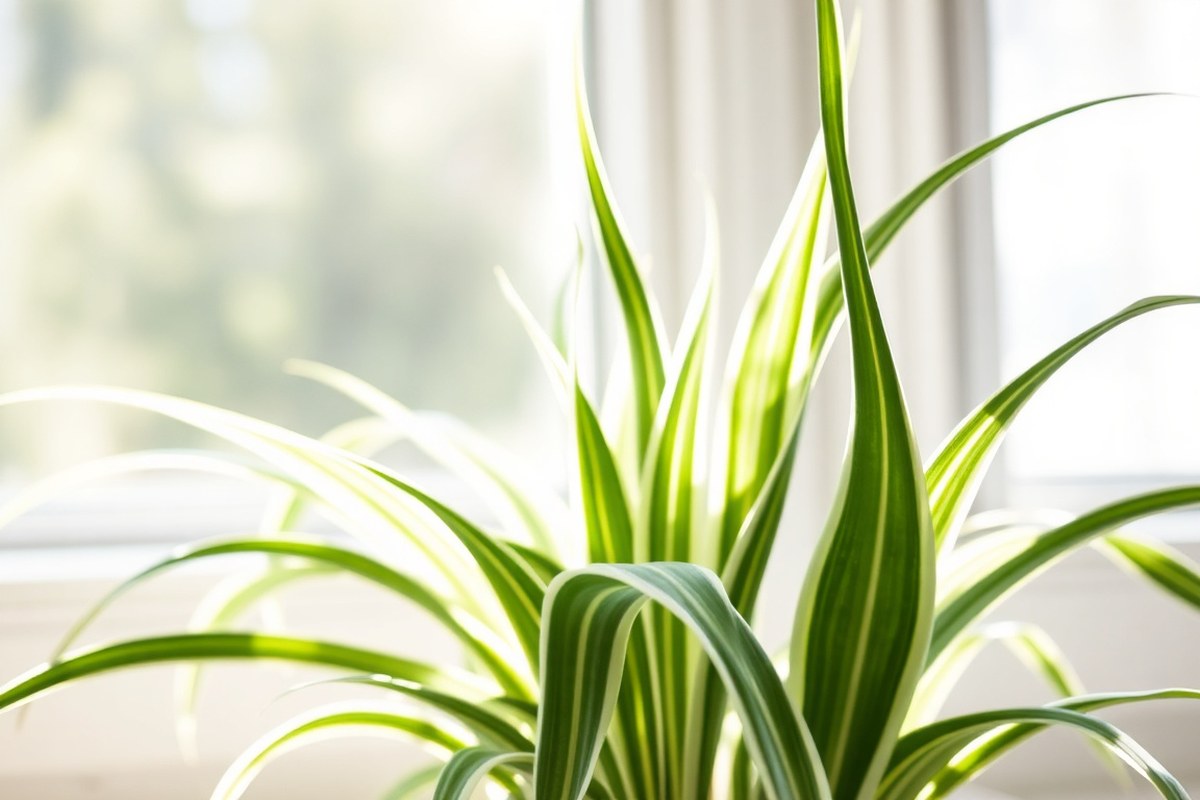
How Much Sun Does a Spider Plant Need: A Complete Guide with Proven Tips
Spider plants need about 8 to 10 hours of bright, indirect sunlight daily. Direct sunlight, especially through uncovered glass, can burn the leaves. Keep your plant in a bright spot away from harsh, direct rays.
Place the spider plant near a window with filtered light, like behind sheer curtains. Avoid spots close to south-facing windows where sun is strongest midday. Pale or yellowing leaves usually mean too much light.
Choose a spot where the plant gets steady, gentle light throughout the day. East or west-facing windows often provide just the right balance of light. Make sure no objects block the light for long periods.
Spider plants thrive in indoor temperatures between 60 and 80 degrees Fahrenheit. Don’t put the plant more than 6 feet from a window. Too little light can hurt the plant’s health and growth.
Key Takeaways
- Provide 8 to 10 hours of bright, indirect sunlight daily.
- Use sheer curtains to diffuse strong afternoon sun from west-facing windows.
- Avoid placing spider plants closer than 5 feet to southern windows.
- Move plants 1 to 3 feet from bright glass for best light exposure.
- Yellowing white stripes on leaves signal too much sunlight.
- Keep indoor temperature between 60 and 80 degrees Fahrenheit.
How Much Sunlight Does a Spider Plant Need Daily?
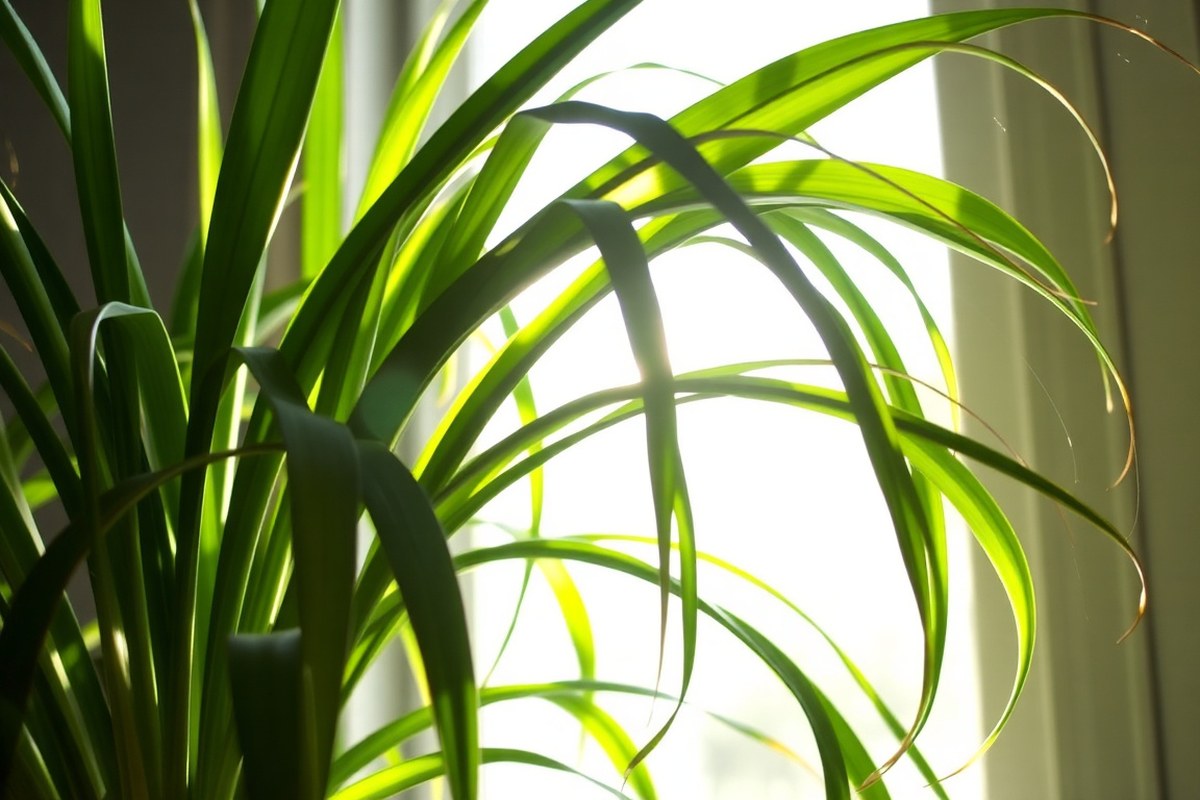
Spider plants need about 4 to 8 hours of bright, indirect light each day. This light level mimics the dappled shade they receive in their natural habitat. Avoid direct sunlight for long periods.
It can burn the leaves. The leaves may also fade from too much sun.
Bright indirect light means lots of natural light. The light is not harsh or direct. The plant avoids getting sunburned this way.
For example, an east-facing window works well because it offers gentle morning sun. Put your spider plant a few feet away from the window.
Or place it behind a sheer curtain. This softens the bright light it gets.
Spider plants photosynthesize best in light between 10,000 and 20,000 lux. This is far less intense than direct sunlight, which often exceeds 100,000 lux.
Pale or scorched leaves mean the plant gets too much sun. On the other hand, dull or floppy leaves can signal too little light.
To decide the right spot, observe your home’s natural light throughout the day. Put your spider plant near a window with indirect light. It should get indirect light most of the day.
This helps it grow well. You can move it closer or farther to find that balance. Avoid windows with strong afternoon sun unless they have a sheer curtain.
In rooms with less light, 6 to 10 hours of indirect light helps. This keeps variegation and helps new plantlets grow.
This might mean rotating the plant closer to the window on dim days. Keep in mind that too much direct sunlight, especially midday sun, can bleach the leaves quickly.
Best Indoor Locations for Spider Plant Light Exposure
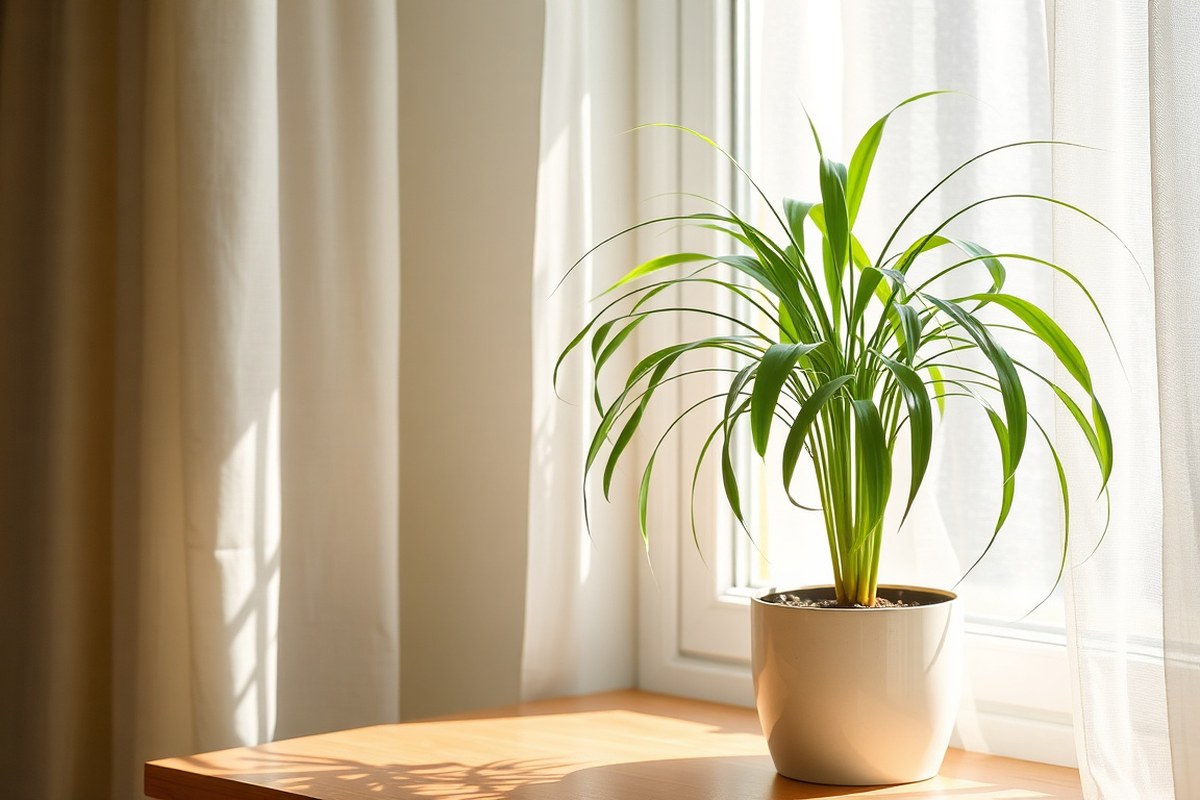
Spider plants grow best in bright, indirect light. Place them near east or north windows for gentle light. Move them several feet back from south or west windows to prevent leaf burn.
East-Facing Windows: Gentle Morning Sun
East windows give bright morning light that’s soft and safe for spider plants. The sunlight is usually gentle, making it one of the best spots. You can place your plant close to the window without much risk of damage.
Place your spider plant within 1 to 2 feet of an east window. This location gives it morning light that’s gentle and bright.
This position provides enough sun without overheating the leaves. Usually, no curtains or adjustments are needed here.
South-Facing Windows: Intense Light Precautions
South-facing windows get strong, direct sunlight for most of the day. Keep your spider plant 3 to 6 feet away to avoid harm. A sheer curtain can also soften the harsh sun rays.
Keep an eye on any brown, crispy tips or bleached leaves. These signs mean sun damage.
Adjust the plant’s position by moving it farther from the window. Filtering the light protects the plant while still giving bright indirect exposure.
West-Facing Windows: Manage Afternoon Sun
West-facing windows provide warm, often hot afternoon light. This can scorch spider plant leaves if they face direct sun. Put your plant a few feet back or off to the side.
Make sure the light there stays indirect most of the day. This helps prevent leaf burn and keeps the plant healthy.
Using a sheer curtain or a light curtain can help reduce intensity. Afternoon sun damage usually shows as bleached or curled leaves.
So move the plant promptly if you see this. This placement is good if you watch sun intensity carefully.
North-Facing Windows: Steady Indirect Light
North windows offer consistent but dim light, no direct sun. This spot works well if your window is large and unobstructed. Growth may slow in dark winters or rooms far from the window.
Your spider plant might look leggy or dull without enough light. Add a grow light nearby to boost its brightness and growth.
Otherwise, keep the pot near the sill to get the most light possible. This location rarely causes sun damage or stress.
Review this table to help pick the best spot by your window direction and light quality:
| Window Direction | What to Expect | Placement Recommendation | Watch For |
|---|---|---|---|
| East-facing | Gentle morning sun, indirect rest of day | Place within 1-2 ft of window, usually no filter needed | Rare shading issues |
| South-facing | Brightest, often intense direct sun | 3-6 ft back or behind sheer curtain | Leaf bleaching and brown tips |
| West-facing | Strong afternoon sun, sometimes hot | Set back a few feet or use curtain | Leaf scorching and curling |
| North-facing | Consistently dim, indirect light | Keep near window, add grow light if needed | Leggy, slow growth |
Spider plants hate long exposure to harsh, direct sun. Shifting the pot just a few feet can save the leaves. Keep an eye on the light’s intensity each season for best results.
Move a sun-damaged spider plant at least 3 feet away from bright windows immediately.
How to Identify If Your Spider Plant Is Getting Too Much or Too Little Light
Knowing if your spider plant gets too much light is helpful. You can also learn if it gets too little light. This helps you move it to a better spot.
Watch your plant’s leaves and growth closely to catch early signs. Fixing light problems quickly keeps your spider plant healthy and growing well.
Signs of Too Much Light
Spider plants exposed to too much sunlight often have scorched, faded leaves. The white stripes may turn pale yellow or green, a clear sign of stress. This means the plant’s getting more direct light than it can handle safely.
Leaves might also develop brown tips or crispy edges, especially on spots facing the sun. Bright spots on leaves that look bleached or washed-out are other clues. Too much light can dry out the soil faster, so check moisture levels too.
Signs of Too Little Light
Low light causes spider plants to grow slowly and produce fewer new leaves. New leaves may be thin, small, and dull instead of full and vibrant. The plant may also droop, as it struggles to photosynthesize enough energy.
The green parts of the leaves may fade or look pale. This often happens in rooms with no windows. Low light causes this color change.
Drooping or stunted growth usually means your spider plant needs more light. You might notice the plant leaning toward the nearest light source.
Common Mistakes and Quick Fixes
Many spider plant owners put their plants too close to sunlight. Others put them too far from the windows. Both can cause problems for the plant.
This causes leaf burn or weak growth. Moving your spider plant just a foot or two away helps.
It stops damage from too much sun. This small move can protect your plant.
Another mistake is not adjusting light as seasons change. Less winter sunlight means your plant may need a brighter spot or supplemental grow lights. Use a grow light 8 to 10 hours daily if natural light is low.
- Check leaf color: pale yellow or green stripes signal too much light
- Look for droopy or small new leaves to spot low light issues
- Move plant away from strong direct sun to avoid scorched leaves
- Switch to an east or west window with indirect light for best growth
- Use grow lights 8-10 hours daily in dim rooms or no natural light
- Water when top inch of soil dries to suit light conditions
- Adjust plant position seasonally as daylight hours change
Catch issues early to avoid leaf damage or stunted growth. Regularly check light levels and leaf condition. Simple moves and light adjustments often fix these problems quickly.
Using Grow Lights to Supplement or Replace Natural Sunlight
Spider plants do well under artificial lighting when natural sun is limited. Use a full-spectrum LED or fluorescent grow light daily for about 10 to 14 hours. Place the light 12 to 18 inches above the leaves for best results.
Choosing the Right Grow Light Type
LED grow lights are energy efficient and produce less heat. They give off a full range of light. This helps your spider plant keep its color.
It also helps the leaves grow thick and lush. Fluorescent bulbs are another option but tend to burn out faster and use more electricity.
LEDs last longer and cost less to run monthly. Choose a full-spectrum LED light with a color temperature around 5000K to mimic natural daylight. This type supports your spider plant’s growth and variegation well, even in low natural light.
Setting Daily Grow Light Duration
Spider plants need around 10 to 14 hours of light daily under grow lights to thrive. Twelve hours is a good target for healthy foliage and maintaining variegation.
Avoid running lights for too long. 16+ hours can stress the plant and lead to leggy growth.
Use a timer to keep your light schedule steady. Turn the lights on for 10 hours a day. You can keep it on up to 14 hours daily.
Your plant gets some daylight already. Give it closer to 10 hours of grow light.
Adjust as needed for natural light it gets. For darker rooms or winter months, use 12 to 14 hours daily.
Positioning Grow Lights Properly
Keep your grow light 12 to 18 inches above the leaves. This distance stops the leaves from burning. Check often so the light doesn’t get too close.
Too close means heat stress. Too far reduces the light intensity and slows growth. Adjust distance as your plant grows taller or bushier.
Mount the light so it spreads evenly over the plant’s top and sides. Hanging a light above or using adjustable desk lamps work well. Avoid harsh direct light that can scorch the leaves.
Follow these steps for effective grow light use on your spider plant:
- Pick a full-spectrum LED grow light around 5000K for balance and efficiency.
- Find a spot where the light can hang 12 to 18 inches above your plant’s leaves.
- Use a timer to give 10 to 14 hours of daily light. Change the hours based on how much natural light your plant gets. Make sure the timing stays consistent.
- Turn the light off during the dark cycle to mimic natural day and night rhythms.
- Check the leaves weekly for signs of light stress, like brown tips or fading color.
- Adjust the distance or duration if the plant shows any stress symptoms.
- Keep humidity moderate and water regularly for best results alongside artificial lighting.
Seasonal Adjustments to Light for Healthy Spider Plant Growth
Spider plants need more light in winter when days get shorter and dimmer. Moving your plant 12 to 18 inches closer to the window helps. It soaks up more indirect sun this way.
You’ll see it thrive with better light. Just watch out for cold drafts from windows or doors. Your spider plant doesn’t like temperatures below 50°F near its leaves.
Don’t push the spider plant into direct sunlight even if it seems dark. They tolerate low light but grow slower and look less full. Pull the plant a bit closer to filtered light.
This keeps it healthy. It also prevents leaves from burning in harsh sun.
In fall and winter, move your plant nearer to a bright window. This helps it get the light it needs. It will stay healthy this way.
In spring and summer, move it back so it avoids strong midday brightness. Use curtains or blinds to filter harsh sunlight.
They protect your spider plant from strong rays. The plant still gets enough light to grow.
Light also ties into watering and feeding. Growth slows in winter with low light, so cut back on fertilizer. Keep watering light but regular to prevent drying out without overdoing it.
Keep your spider plant at least a foot from cold windows in winter. This stops chill damage to its leaves and roots. It stays healthier with this distance.
You can add a small grow light if your home is very dark in winter. Position a cheap LED light above your plant for 8 to 12 hours daily. It replaces missing sunlight well.
The light won’t raise the temperature much. Just adjust the distance based on brightness to avoid leaf scorch.
Watch your spider plant’s leaves for clues. Yellowing or dull foliage often means too little light or cold drafts. Healthy plants have bright green, variegated leaves and some new growth offshoots even during winter.
How Light Affects Spider Plant Variegation and Growth Rate
Spider plants show their best variegation with bright, indirect light. A Vittatum type has off-white stripes down its center. It needs medium to bright light.
This helps keep its leaf stripes sharp. When put in low light, the stripes start to fade.
Leaves slowly turn solid green. This change happens over time.
The change happens because pigment production slows down in low light. Chlorophyll takes over, drowning out the lighter variegation. A spider plant in a north-facing window loses its stripes.
It can happen in just a few weeks. This happens if it’s far from light. Move the plant closer to filtered sun near a window.
The leaves can regain their stripes. This process takes one to two months.
Light also impacts the plant’s growth rate and how many runners it produces. Bright, indirect sun helps the plant grow stronger. It also produces more baby plantlets.
These hang from long runners. In dim light, spider plants grow slowly and may hardly produce any babies at all.
Too much direct sunlight causes bleaching or browning of leaves. Gentle light from east or west is best. This keeps the leaves healthy.
For example, a west-facing window with a sheer curtain gives 3 to 5 p.m. Light around 18,000 lux is good for spider plants. Make sure the glass is clear but diffused.
This light level suits their needs well. Under these conditions, you’ll see crisp variegation and healthy new runners in just a few weeks.
Finding the right light balance costs nothing but attention. Place your spider plant near a bright window but out of direct mid-day sun. Adjust its location over time and watch the leaf color and baby production change.
Move your spider plant between low and high light every few weeks. This lets you see how it reacts. You can then pick the best spot.
Protecting Spider Plants from Harsh Midday and Direct Sunlight
Spider plants can’t handle intense midday or direct sunlight well. The strong rays can bleach leaves or cause dry, crispy patches, especially on the window-facing side. Filtering or diffusing sunlight protects their delicate leaf tissue from damage.
Use sheer curtains or light-filtering blinds on windows that get harsh sun. Apply window treatments before placing your spider plant nearby.
That way, the leaves get soft, indirect light, not harmful beams. You can find affordable sheer curtains for around $15 to $30 online or at stores.
Besides window covers, try moving your spider plant a few feet back from the window. This distance reduces light intensity and cuts the risk of leaf scorch. A north- or east-facing window gives gentler morning sun.
The morning light is better than the stronger afternoon rays. South- or west-facing windows get harsh afternoon sun.
- Use sheer curtains or blinds to diffuse harsh sunlight
- Place plants several feet away from brightly lit windows
- Avoid south- and west-facing windows during afternoon hours
- Consider plant stands or shelves to raise plants above hot spots
- Rotate the plant periodically for even light exposure
Heat, dry air, and low humidity around windows also raise sun damage risk. Dry air causes leaf tips to brown faster.
Avoid putting plants where indoor heat vents blow directly on them near sunny windows. Keep humidity between 40 and 60 percent using a humidifier or pebble tray for healthier leaves.
Spider plants evolved in shaded forest understories, so harsh light quickly harms them. Filtering light and moving plants away from direct sun keeps foliage firm and vibrant. Brown and pale leaf spots show the plant got burned.
Too much sun or dry air causes this damage. The plant is stressed when these spots appear.
How Light Exposure Affects Spider Plant Watering and Soil Moisture Needs
Your spider plant will dry out faster in bright light. Light boosts water uptake by the roots and speeds moisture loss through soil evaporation. Check the top 1 inch (2.5 cm) of soil every few days to decide if watering is needed.
When the soil feels dry at the top, water the plant thoroughly. Use a potting mix that drains well to avoid soggy soil and root rot. Always empty the saucer after watering so water doesn’t sit around the roots.
Watering frequency changes with seasons and light exposure. In warm and bright spots, water about once a week, checking soil dryness regularly. Cooler or low-light spots let soil stay moist longer.
You can water every 10 to 14 days there. These spots slow down soil drying quite a bit.
A snug pot helps keep moisture steady. A too-large pot holds extra soil and water, which can lead to overwatering problems. Aim for a pot that fits your plant’s root ball closely but still allows drainage.
Temperature also interacts with light to affect watering. Keep watering once a week in bright light. The ideal temperature is 65 to 75°F (18 to 24°C).
This matches the plant’s water needs well. Hotter or drier air means watering more often helps your plant.
Check the soil top inch daily during bright, hot days to prevent underwatering or soggy roots.
Step-by-Step Action Plan for Spider Plant Light Care
Follow these steps to give your spider plant the right light. Check its leaves often to see how it’s doing. Adjust the light as needed to help it thrive.
- Before you start: Choose a spot with bright, indirect sunlight. Check that no direct midday sun hits the plant.
- Day 1: Place the spider plant near a north or east-facing window. Look for soft morning light, not harsh afternoon sun.
- Week 1: Monitor the leaves daily. Healthy color and no brown tips mean the light level is good.
- Week 2: Watch for leaves fading or brown edges. Move your plant away from the window if this happens. You can also add a sheer curtain to reduce light.
- Week 3: Use a grow light when your home is too dark. Keep it on 8-10 hours a day. This helps your spider plant grow better indoors. Watch for steady, bright leaf color.
- After 4 weeks: Adjust plant position seasonally. Move closer to light in winter and away during harsh summer midday rays.
- Monthly: Check soil moisture regularly. Less light means slower drying; water only when the top inch feels dry.
Frequently Asked Questions
Can Spider Plants Survive in Low Natural Light?
Yes, spider plants can survive in low light but grow slower. They may lose some leaf variegation and appear less vibrant without enough indirect sun.
Does the Type of Window Affect Spider Plant Light Needs?
Yes, west-facing windows deliver more intense afternoon light. Use sheer curtains to diffuse sun and prevent leaf burn during peak hours.
Can Spider Plants Tolerate Direct Morning Sun?
Spider plants usually tolerate gentle morning sun better than afternoon rays. Limit exposure to avoid leaf scorch, especially if the sun is intense.
How Does Light Influence Spider Plant Flowering Indoors?
More indirect light encourages occasional small white flowers indoors. Bright but indirect light gives spider plants a better chance to bloom.
Is It Necessary to Rotate Spider Plants for Even Light?
Yes, rotating your spider plant ensures all sides get balanced light exposure. This prevents one side from growing unevenly or leaning toward the window.
Do Spider Plants Need Less Light in Winter?
Spider plants generally need less light in winter due to shorter days. Keep them in bright indirect light but avoid placing them near cold drafts.
Final Thoughts
Your spider plant needs bright, indirect light to grow strong and stay colorful. Watch leaf changes to catch light problems early. Start by finding a spot with gentle morning sun and adjust it as the seasons change.





One Comment