How to Germinate Tomato Seeds: 8 Essential Steps for Reliable Success
How to germinate tomato seeds starts with providing warmth, moisture, and light. Seeds sprout best in soil kept around 70 to 80 degrees Fahrenheit. Keep the soil moist but never soaked, since too much water causes rot.
Start tomato seeds indoors in small seed trays or pots with good drainage. Use a good seed-starting mix rather than garden soil to avoid pests and diseases. A heating mat helps keep soil temperatures steady for faster germination.
Watch for seeds pushing through soil in 5 to 10 days if conditions are right. Avoid overwatering and cold drafts, which can delay or stop germination. Once seedlings appear, give them bright light to grow strong and healthy.
Key Takeaways
- Keep soil temperature between 70 and 80°F for best germination.
- Maintain moist, not wet, soil to prevent seed rot.
- Use light, well-drained seed-starting mix, not regular potting soil.
- Begin planting seeds inside 6 to 8 weeks before the final frost date.
- A heating mat can speed up germination with consistent warmth.
- Expect tomato seeds to sprout within 5 to 10 days.
1. How to Germinate Tomato Seeds Successfully Indoors
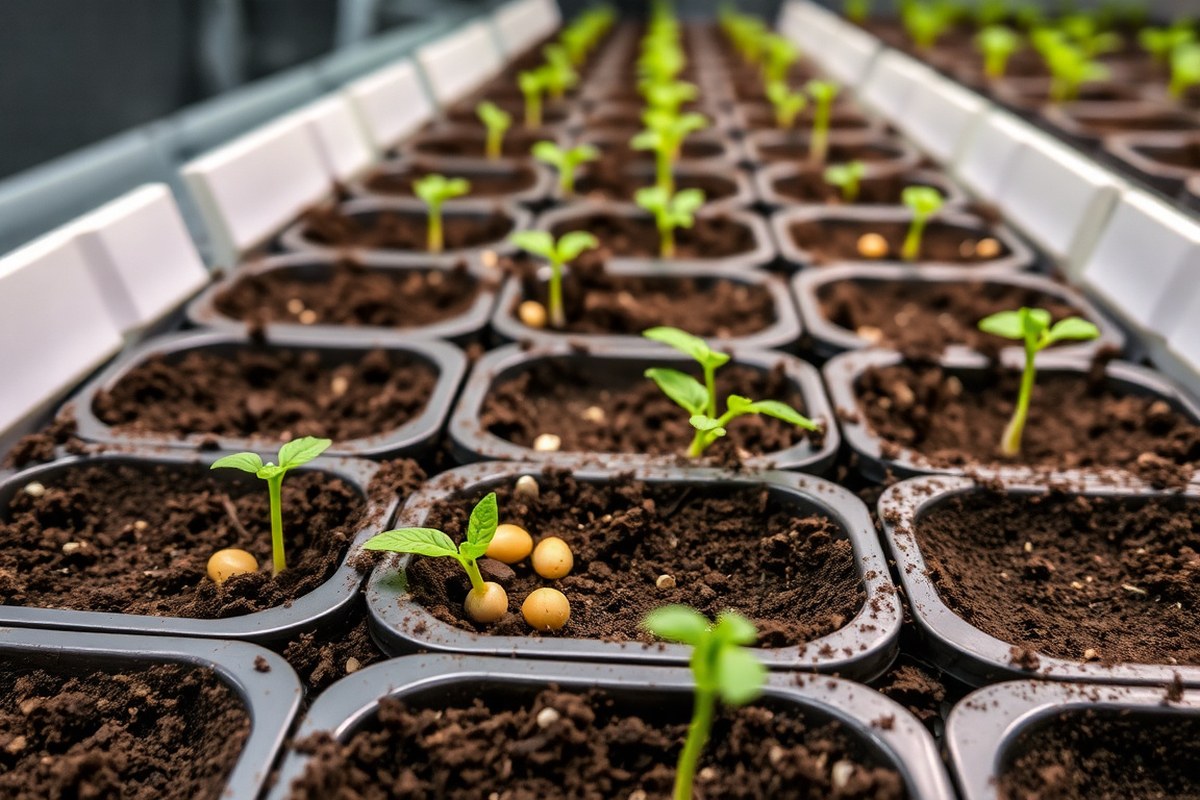
Starting tomato seeds indoors gives you better control over their growing conditions. Use clean seed trays or small pots with drainage holes. Fill them with a quality seed starting mix, which holds moisture without staying soggy.
Plant your seeds shallowly, about ¼ inch deep. Keep the soil moist and warm. This helps the seeds sprout.
Usually, it takes 5 to 10 days. Avoid overwatering; the soil should feel damp but not soaked.
- Prepare your containers. Use clean seed trays or pots with drainage holes. This prevents water buildup that can rot seeds.
- Fill with seed starting mix. Choose a light mix meant for seedlings. Avoid regular garden soil, which can be too dense.
- Moisten the soil. Water the mix until it feels evenly damp but not soggy. Use a spray bottle or gentle watering to avoid washing seeds away.
- Plant seeds ¼ inch deep. Use your finger or a pencil to make shallow holes. Place one or two seeds per hole, then lightly cover with soil.
- Maintain warmth. Keep the trays in a spot between 70 and 80°F. You may use a heat mat if your home is cooler.
- Provide light once sprouted. While seeds don’t need light to germinate, seedlings do. Use a bright window or grow lights for at least 12-16 hours daily.
- Keep soil moist. Check daily and mist if the surface starts drying. Avoid puddles or standing water.
Good germination depends on keeping soil moist and warm but not wet. Planting too deep can cause seeds to run out of energy before breaking the surface. Seedlings should appear between 5 and 10 days if conditions are right.
2. Optimal Conditions: Temperature, Light, and Moisture for Germination
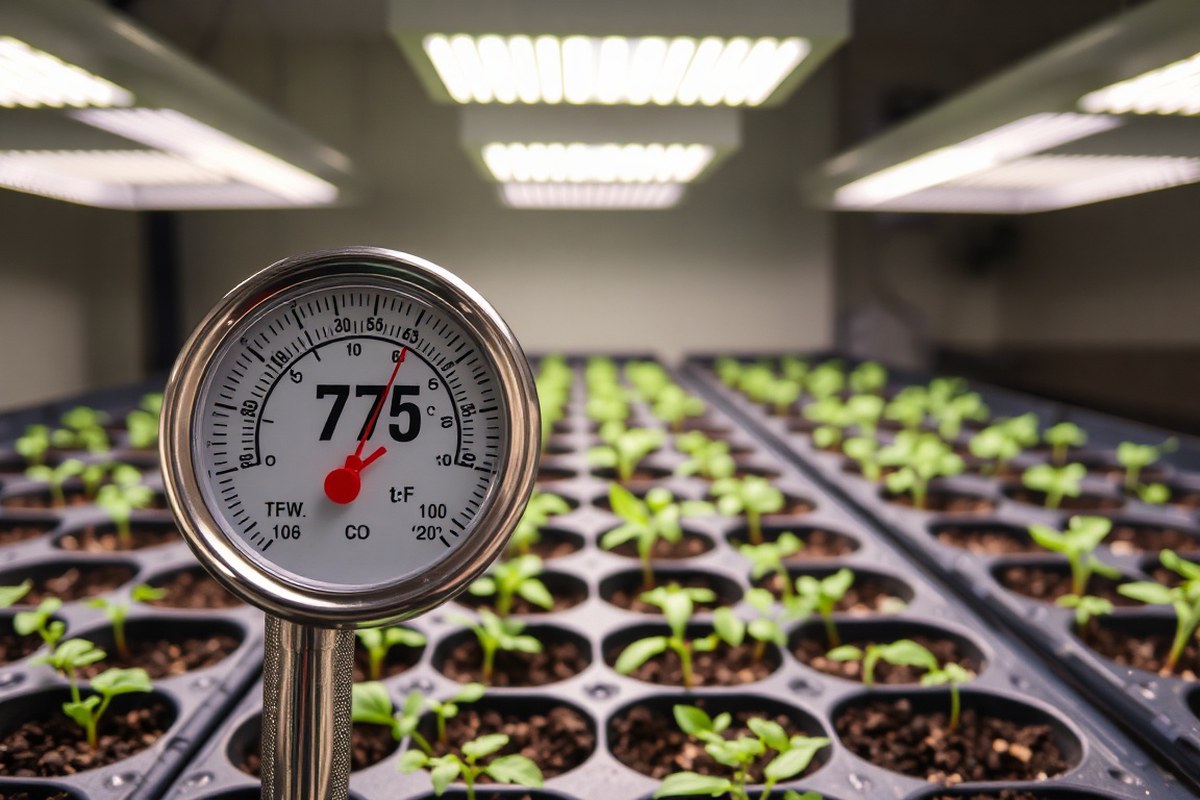
T tomato seeds germinate best between 70 and 80 degrees Fahrenheit (21 to 27 degrees Celsius). You can speed up germination by using a seedling heat mat under your seed tray. It gently warms the soil and retains heat, often cutting germination time to 5, 10 days.
Keep a humidity dome or plastic cover over the tray to hold moisture and warmth. Maintaining consistent moisture without soaking the soil is key.
Water lightly whenever the surface feels dry. Moist but not soggy soil encourages seeds to sprout.
Tomato seeds don’t need much light until they begin to emerge. During germination, indirect or low light works fine. After seedlings appear, place them in bright light or a sunny window.
This helps avoid leggy growth. It also keeps seedlings strong.
The soil must stay moist. Dry soil can shrivel seeds and stop them from sprouting.
Too much water can cause seeds to rot or encourage fungal growth. Using a spray bottle to mist the surface helps control moisture better than pouring water directly.
Once you see seedlings pop up, remove the heat mat and humidity dome. The young plants prefer cooler room temperatures around 65 degrees Fahrenheit (18 degrees Celsius). This temperature slowdown helps seedlings grow sturdy instead of stretching tall and weak.
A heat mat warms the soil for tomato seeds. A humidity dome keeps moisture in the air. This combo helps seeds sprout faster.
3. Comparing Tomato Seed Germination Methods: Soil, Paper Towel, and Direct Sowing
Tomato seeds can germinate in soil, on a damp paper towel, or by direct sowing outdoors. Each method has clear pros, cons, and timing.
Choosing the best way depends on your space and timing. It also depends on how closely you want to watch seedlings sprout.
Soil-Based Germination
Sowing tomato seeds in seed-starting soil mix is the classic indoor method. It provides nutrients and a natural environment for seedlings to grow. Plant seeds about 1/4 inch deep and keep the soil moist and warm around 70, 80°F.
This method usually takes 5 to 10 days for seeds to sprout. It works well if you want to grow seedlings right away with minimum fuss. One downside is you can’t easily see which seeds have germinated without disturbing the soil.
Use seed trays or pots with drainage holes. Keep them inside under a grow light or a sunny window. Expect to transplant seedlings outdoors after frost danger ends and soil warms above 60°F.
Paper Towel Method
This approach places seeds between damp paper towels inside a sealed plastic bag. It lets you watch seeds sprout without soil. This method is good for testing old seed batches or seeing germination rates before planting.
Keep the towel warm (70, 80°F) and check after 4 to 5 days for sprouts. Once roots appear, transfer seeds gently into soil. This two-step process takes longer total but ensures you only plant viable seeds.
Risks include drying out or damaging tiny roots when moving sprouts. Use clean towels and mist regularly. It costs almost nothing but takes careful handling compared to soil planting.
Direct Outdoor Sowing
Planting tomato seeds directly outdoors skips indoor start but needs warm soil and frost-free weather. Sow seeds 1/4 inch deep in rich, well-prepared soil after last frost date. This suits gardeners with long, warm seasons.
Seeds may take longer to sprout due to variable outdoor conditions. Birds, pests, and uneven moisture can cause problems. Use this method if you have good garden soil and want less transplant shock.
Direct sow only when soil is consistently above 60°F and nights are frost-free. Otherwise, young plants risk stunted growth or death from cold stress. Here is a quick look at the differences between these germination methods:
| Method | Typical Germination Time | Cost | Control & Monitoring | Suitability | Main Risks |
|---|---|---|---|---|---|
| Soil-Based | 5, 10 days | Low (seed-starting mix and trays) | Moderate (can’t easily see seeds) | Indoor planting, early start | Overwatering, poor light |
| Paper Towel | 4, 5 days to sprout start | Very low (paper towels, bag) | High (watch seeds closely) | Testing seeds, indoor sprouting | Drying out, root damage during transfer |
| Direct Outdoor Sowing | Varies, often 7+ days | Lowest (just garden soil) | Low (not visible) | Warm climates, long growing seasons | Cold soil, pests, moisture swings |
Use soil-based germination if you want strong seedlings ready to grow indoors. Try paper towel to save old seed batches or check germination rates first. Direct sow outdoor seeds only if the weather and soil conditions are reliably warm and frost-free.
4. How Long Does Tomato Seed Germination Take and What to Expect
Tomato seeds usually sprout within 5 to 14 days. This time depends on warmth, moisture, and seed freshness. Seeds kept at the ideal 70 to 80°F will sprout closer to 5 days.
Older seeds take longer, sometimes over 20 days. Low temperatures or dry soil slow germination too. If you see no sprouting after 3 weeks, those seeds might be dead.
The first visible sign is the tiny root, or radicle, pushing out. Then the seed coat breaks open.
You’ll see two oval seed leaves called cotyledons. They often appear within the first week.
True leaves show up about 7 to 14 days after the cotyledons. These leaves look like regular tomato leaves with a serrated edge. Once your seedling has two sets of true leaves, it’s ready for transplanting.
Signs of healthy germination include steady seedling growth, bright green cotyledons, and a firm stem. Wilting, discoloration, or slow growth can signal problems like overwatering or poor light. Mist seeds daily for 7 to 10 days to keep moisture even but avoid soaking.
5. Troubleshooting Common Germination Problems and Their Fixes
Tomato seeds might not sprout because the temperature is too low. At 50°F (10°C), germination can take over 40 days, according to the University of California.
Low temperatures slow down or stop seed sprouts. So keep your seed trays between 70°F and 80°F for faster results.
Mold or fungal problems often come from overwatering or poor air circulation. Damp, soggy soil invites fungi, leading to damping off, which kills seedlings at the base.
Avoid this by watering moderately and making sure your containers have holes for drainage. Use clean soil and good airflow to prevent fungal growth.
Uneven germination or seeds taking too long may result from inconsistent watering or poor seed quality. Some seeds might be old or not viable. You can test seeds before planting.
But if many fail after several weeks, it’s best to discard them and try fresh seeds. Healthy seeds sprout within 5 to 10 days with proper care.
- Keep soil moist but not wet; avoid puddles or dry spots
- Use a seed-starting mix that drains well and is fine-textured
- Place trays in a warm spot with indirect light, about 70°F to 80°F
- Check containers have drainage holes and remove excess water after watering
- Space seedlings once they reach 3 to 4 inches tall, to stop overcrowding
- Discard seeds that don’t sprout after three weeks in good conditions
- Improve air circulation by opening lids or using a small fan
You should fix overwatering by easing up on watering schedules. Let the top layer of soil dry before watering again.
Poor drainage calls for repotting in containers with holes or mixing in perlite. This helps excess water drain and prevents mold growth.
Seeds taking over three weeks to sprout need a close look at temperature and moisture. Seedlings that never sprout likely mean dead seeds or unfavorable growing conditions. Don’t wait too long to toss these seeds; starting fresh saves time and effort.
Keep an eye on watering habits. Too much water invites mold and kills seedlings quickly.
6. How to Test Tomato Seed Viability Before Planting
You can check if tomato seeds are still good by testing their germination rate. A simple paper towel test shows how many seeds sprout before planting. This saves time and avoids wasting soil or space on poor seeds.
Setting Up a Paper Towel Test
The paper towel method is simple to do at home. It only needs a few common materials. You probably already have them.
It lets you see clearly which seeds start growing roots before moving any to soil. You’ll only need seeds, paper towels, a plastic bag, and water.
- Moisten two paper towels until damp but not dripping wet.
- Spread 10 tomato seeds evenly on one towel.
- Cover the seeds with the second damp paper towel.
- Place the towel sandwich inside a clear plastic bag.
- Seal the bag but leave a small air hole for breathability.
- Put the bag in a warm spot, ideally around 70°F to 80°F.
- Check seeds daily for sprouting, keeping paper towels moist.
- Count seeds that sprout after 5 to 7 days.
Interpreting Germination Results
Calculate germination rate by dividing sprouted seeds by tested seeds and multiplying by 100%. A rate above 80% means seeds are healthy and ready to plant. Below 50% suggests poor viability, so expect low success.
Good seeds show small white roots breaking through the seed coat. Roots that look shriveled or seeds that don’t sprout after 10 days won’t grow well.
You should discard those seeds. Keep the test controlled with moisture and warmth to avoid false results.
Deciding on Seed Use or Disposal
Plant 2 to 3 seeds in each pot or cell. This helps if some seeds don’t sprout. It increases your chances for growth.
High germination seeds mean you can plant fewer seeds to save space. Low germination seeds should be either discarded or planted extra thickly to improve chances.
Using this test helps you focus your effort and resources on seeds that will grow. Avoid wasting soil and time on seeds that don’t sprout. It’s a simple step that makes your tomato gardening more reliable and fun.
7. Caring for Tomato Seedlings: Thinning, Transplanting, and Hardening Off
Thin tomato seedlings when you see two or more sprouts in one pot. Transplant seedlings after they grow two or three sets of true leaves. Harden off seedlings by putting them outside a little at a time.
Do this over 7 to 10 days. This helps them get used to outdoor weather before planting.
Recognizing When to Thin Seedlings
Thin seedlings once they grow their first true leaves. This happens 1 to 2 weeks after sprouting. Remove smaller or weaker plants at this stage.
Pots often start with 2-3 seeds to avoid empty containers. Removing extras prevents overcrowding and helps the strongest plants thrive.
Use small scissors or gently pinch weaker seedlings at the soil line to thin. Avoid pulling seedlings, as disturbed roots can harm neighbors. Thin seedlings to keep one healthy plant per pot.
If planting outdoors, space them 18 to 36 inches apart. This gives each plant room to grow.
Transplanting Seedlings Properly
Wait to transplant until seedlings have two or three sets of true leaves. Move seedlings from small starter pots into larger containers or outside after the last frost date. Using bigger pots prevents root crowding if outdoor conditions aren’t ready yet.
Handle seedlings carefully by the leaves, not stems, to avoid damage. Water seedlings well a few hours before transplanting to reduce stress.
Garden soil can contain diseases. So use clean potting mix when transplanting indoors or direct into the garden.
Support seedlings with stakes or cages shortly after transplanting. Keep soil moist but not soggy for best growth after moving plants.
Step-by-Step Hardening Off Process
Hardening off is a gradual process that takes about 7 to 10 days. It helps seedlings adjust to sun, wind, and outdoor temperature swings. Skipping hardening off can cause wilting or shock after planting.
Follow this simple step-by-step hardening off schedule to prepare your tomato plants:
- On the first day, put seedlings outside in a shaded, protected spot. Leave them out for 1 to 2 hours only. This starts their toughening process gently.
- Increase outdoor time by 1 or 2 hours daily, gradually adding sun exposure.
- On day 4 or 5, leave seedlings outside all day long. Bring them back indoors before nightfall. Keep doing this to help them adjust safely.
- By day 7 to 10, seedlings can handle full sun. They tolerate overnight temperatures above 50°F (10°C). Now, they are ready for permanent planting.
- Check plants daily for signs of stress like wilting or leaf curl. Adjust shade or timing if needed.
- Water seedlings lightly before moving outside and after bringing them back indoors.
- Once hardened off, transplant seedlings into the garden after the last frost date.
8. When to Start and Sow Tomato Seeds for Your Climate Zone
Start your tomato seeds indoors about 6 to 8 weeks before your last expected frost date. This timing gives seedlings enough time to grow strong before moving outside. You can find your last frost date by checking local extension services or gardening websites.
In warmer USDA zones 9 to 11, you can plant seeds outside. Tomatoes do well when planted directly in the garden there.
The soil should be at least 60°F consistently before you sow outdoors. Planting too early in cold soil slows growth and can kill young plants.
Don’t plant tomato seedlings outside until at least two weeks have passed since the last frost. This waiting period helps avoid frost damage to tender plants. You can check soil temperature with a simple probe thermometer to be sure.
Starting seeds indoors less than 6 weeks before the last frost slows growth. Plants will also be smaller when grown this way.
Seeds started only 4 weeks before frost might not mature well before hot weather arrives. In that case, starting indoors still beats sowing outdoors in cold soil.
For direct sowing outdoors, wait until the soil stays warm, usually above 60°F. Choose sunny spots with well-drained soil rich in organic matter. Cold, wet soil delays germination and increases risk of rot.
Starting seeds indoors too late shortens your growing season and chances of a good harvest.
Start seeds 10 weeks before the last frost if you have strong lights. You also need enough space to grow the seedlings properly.
Otherwise, seedlings might grow leggy and weak. Stick to 6 to 8 weeks for balanced growth and easier transplanting.
Your best bet is to plan seed starting carefully based on your local climate. Use frost date data to pick the right sow date and avoid chilling or crowding seedlings. By timing things well, you’ll get sturdy plants ready to thrive outdoors when the warmth arrives.
Step-by-Step Action Plan for Germinating Tomato Seeds
Follow these simple steps to get your tomato seeds growing strong indoors or outdoors. Each step helps you check that your plants are on the right track.
- Before You Start: Test your tomato seeds for viability. Soak seeds overnight and see if they sink; sinking seeds usually germinate better.
- Day 1: Plant your seeds in seed-starting soil or use paper towels. Keep the medium moist but not wet to avoid rotting.
- Days 2, 10: Maintain a temperature around 70, 80°F. Check daily for sprouts and keep light bright but indirect.
- Day 10: Once seedlings appear, place them where they get 12, 16 hours of light daily. Use a grow light if needed.
- Week 2, 3: Thin your seedlings by snipping the weaker ones at soil level. This gives the strongest plants room to grow.
- Week 3, 4: Start hardening off seedlings before moving them outside. Place them outdoors for a couple of hours daily, increasing time each day.
- After 4 Weeks: Move seedlings to bigger pots or garden areas. Do this when they have 2 or 3 true leaves. Also, wait until outdoor soil is at least 60°F.
Frequently Asked Questions
Can I Soak Tomato Seeds Before Planting to Speed Germination?
Yes, soaking tomato seeds in warm water for 4 to 6 hours can speed up germination. It softens the seed coat and helps seeds sprout faster once planted. Avoid soaking longer to prevent seed rot.
How Deep Should I Plant Tomato Seeds for Best Germination?
Plant tomato seeds about 1/4 inch deep in moist soil or seed-starting mix. This depth keeps seeds moist and warm while allowing sprouts to reach the surface easily. Planting too deep may delay or stunt germination.
Should I Cover Tomato Seeds with Plastic Wrap During Germination?
Covering seeds with plastic wrap keeps humidity high and soil moist, aiding germination. Remove the wrap once sprouts appear to prevent mold and let airflow reach seedlings.
Can I Reuse Soil for Germinating Tomato Seeds?
It’s better to use fresh, sterile seed-starting mix. Used soil may harbor diseases or pests that harm seedlings. Sterile soil ensures a clean start for delicate tomato seeds.
Does Watering Method Affect Tomato Seed Germination Success?
Yes, gentle watering keeps soil moist without displacing seeds. Using a spray bottle or misting helps maintain moisture while avoiding washing seeds away.
Can I Germinate Tomato Seeds Without Light?
Tomato seeds do not need light to germinate; warmth and moisture matter more. Once sprouted, seedlings need light to grow strong and healthy.
Key Points to Remember
Tomato seeds will sprout well when you control warmth, moisture, and light. Testing seeds early saves you time and frustration. Get your seeds started today and watch your garden grow.