Can Peppers and Tomatoes Be Planted Together? Complete Growing Tips
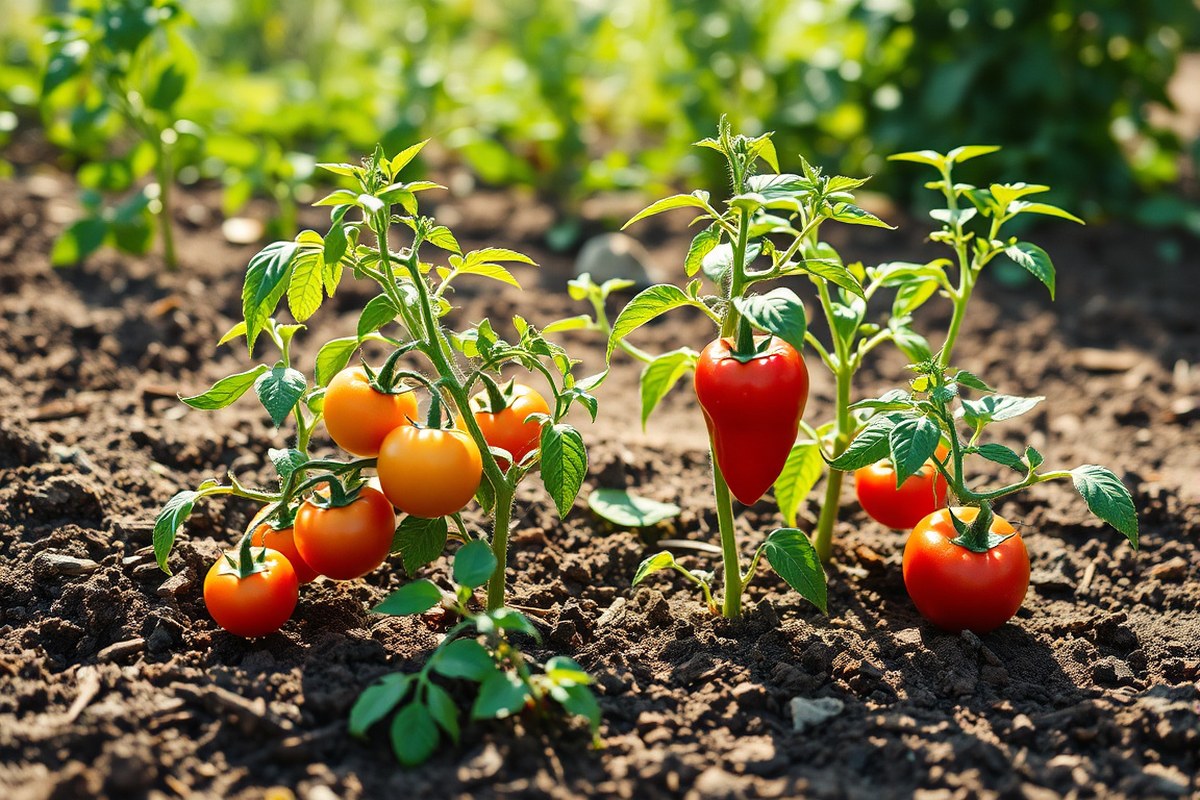
Can peppers and tomatoes be planted together successfully? Yes, they can grow well side by side if you give them enough space and light.
Both plants need at least 6 hours of direct sun daily. They grow best in warm temperatures of 70°F to 85°F. This helps them thrive in your garden.
Make sure to keep tomato plants about 24 to 36 inches apart. Peppers need roughly 18 inches between them. Good airflow and sunlight help prevent common pest and disease problems when you space them properly.
Plant tomatoes after the last frost date in your area. Make sure soil temperature reaches about 60°F before planting.
Add pepper plants one or two weeks after tomatoes. This timing helps peppers avoid cold stress and keeps your garden healthy during the growing season.
Key Takeaways
- Space tomatoes 24 to 36 inches apart to allow for healthy growth.
- Plant peppers 18 inches apart for optimal air circulation and sun exposure.
- Ensure both crops get at least 6 hours of direct sunlight every day.
- Plant tomatoes first, then peppers one to two weeks later after frost.
- Wait until soil temperature reaches 60°F to start planting peppers and tomatoes.
- Maintain air flow between plants to help prevent diseases and pests.
Can Peppers and Tomatoes Be Planted Together Successfully?
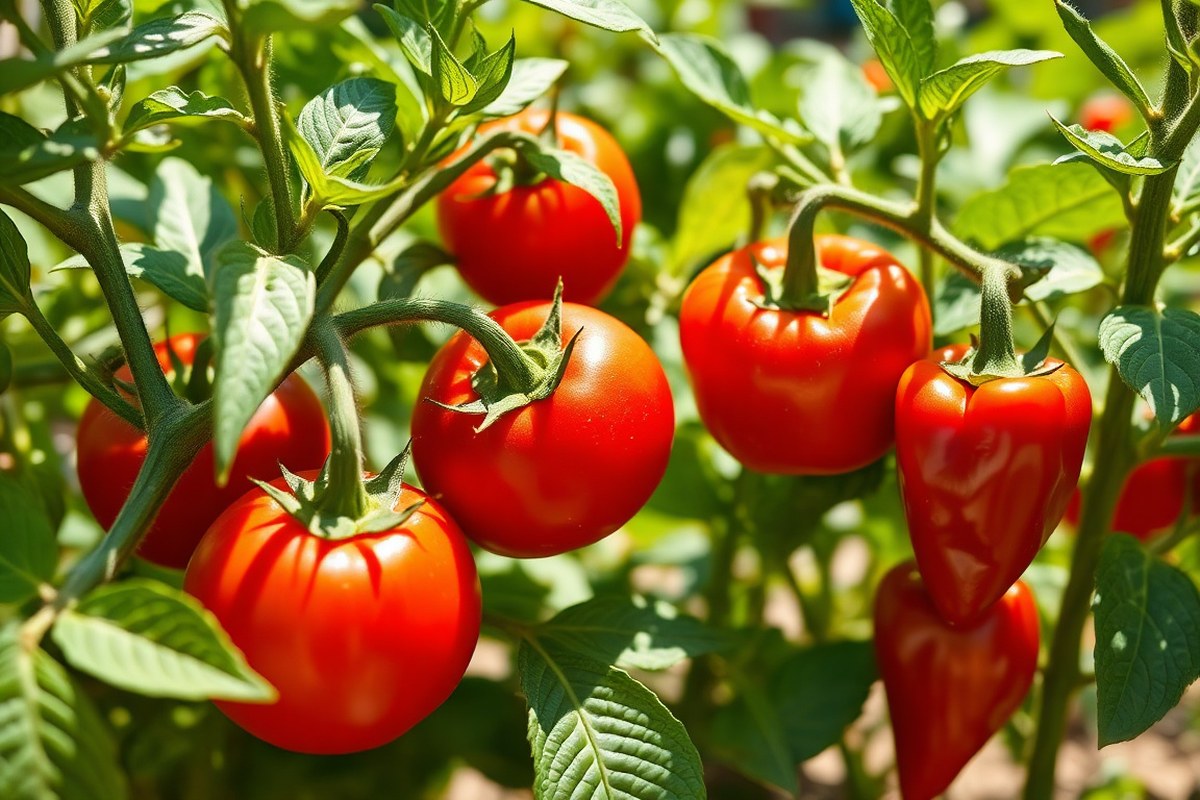
Yes, you can plant peppers and tomatoes together successfully. They share similar needs for sunlight, water, and nutrients. This makes them good companions in small garden spaces.
The main benefit is using space efficiently while meeting their similar growing needs. Both plants attract the same pollinators, which helps with fruit production. They also keep the soil conditions optimized by having comparable nutrient demands.
However, these crops do compete for nutrients and water. Tomatoes usually grow bigger, so they can shade peppers if planted too close.
Give tomatoes 24 to 36 inches between plants. Space peppers about 18 inches apart to reduce competition.
Planting them together works best if you manage competition carefully. Use consistent watering and fertilize based on soil tests to avoid shortages. Keep other nightshade family plants away to reduce shared pest and disease risks.
Companion planting with smaller herbs or vegetables can benefit both tomatoes and peppers. These smaller plants don’t take much space and can deter pests. If you notice stunted growth, check spacing and nutrient levels first.
Keep an eye on pests since both plants attract similar bugs. Flowers like marigolds nearby can help by attracting beneficial insects and keeping pests away. This way, your peppers and tomatoes can both thrive.
Ideal Spacing and Sunlight Requirements for Both Crops
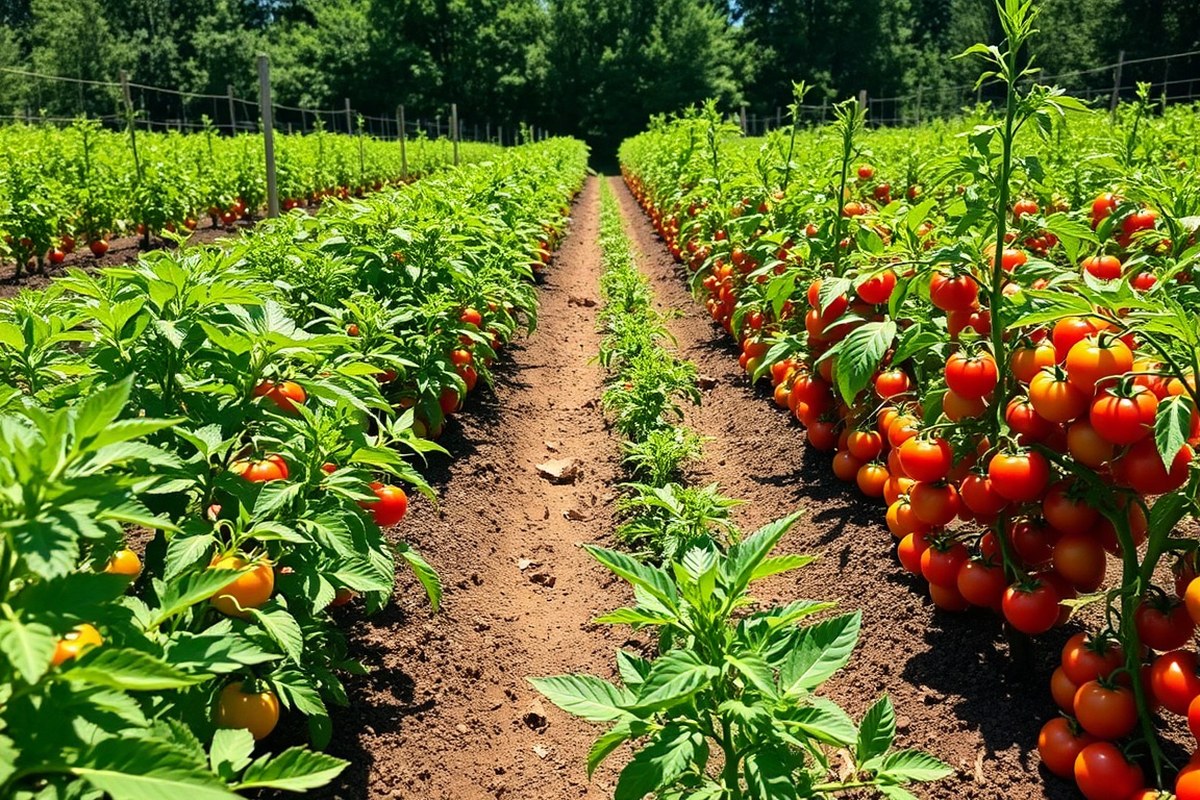
Tomatoes and peppers need plenty of sun and enough space between them to grow well. Plant them at least 24 to 36 inches apart to help air flow around the plants. Both crops need at least 6 to 8 hours of direct sunlight each day to thrive.
Spacing Guidelines for Tomatoes and Peppers
Tomatoes usually require 24 to 36 inches of room between plants. Peppers need slightly less space, around 18 to 24 inches apart. When you plant these crops, leave 24 inches between each.
This spacing stops crowding. It also helps air flow well around plants.
Good spacing helps reduce moisture buildup on leaves, which cuts down fungal problems. Crowded plants also compete for water and nutrients, which can stunt growth. Aim to space tomato and pepper plants evenly and avoid clumping them together.
Sunlight Needs for Both Crops
Both tomatoes and peppers need full sun to produce the best fruit. They should get 6 to 8 hours of direct sunlight daily. Plants without enough sun grow thin and bear less fruit.
Think about where you place your plants in the garden. Avoid spots shaded by taller plants or structures. Morning sun is especially good since it helps dry dew and reduce disease risk.
Ensuring Good Air Circulation
Keeping space between plants allows air to move freely around the foliage. This airflow helps keep leaves dry and healthy. Without proper air, humidity rises and encourages fungal diseases like blight.
Planting tomatoes and peppers at least 2 feet apart works well in most gardens. Support your plants with stakes or cages to improve air access further. This also helps direct energy into fruit development instead of tangled stems.
Tips for Spacing and Sunlight Setup
- Place tomatoes 24-36 inches apart based on variety size
- Space peppers around 18-24 inches apart for best growth
- Keep at least 24 inches between tomatoes and peppers
- Choose a planting area with 6-8 full sun hours
- Use planting rows with alternating tomatoes and peppers
- Stake both crops to open canopy and boost airflow
- Rotate planting location yearly to lower disease pressure
Following these spacings and sunlight tips gives plants room and energy. Healthy plants grow more fruit and suffer fewer diseases.
Planting tomatoes and peppers too close increases disease risk and reduces yields.
Preparing Soil and Providing Nutrients for Both Plants
Tomatoes and peppers both grow best in soil with a pH between 6 and 7.5. This slight acidity helps them absorb nutrients effectively. You can test your soil’s pH with an inexpensive kit from garden centers before planting.
Good drainage is key for both plants because soggy soil causes root problems. To get well-drained soil, mix in organic matter like compost or aged manure. This also adds nutrients and improves the soil’s texture for roots to grow deep and strong.
Both crops are heavy feeders, especially when fruit sets and matures. Before planting, use a balanced slow-release fertilizer. Choose one with equal nitrogen, phosphorus, and potassium.
Look for labels like 10-10-10 or 14-14-14. Spread it evenly across the soil and mix it into the top 6, 8 inches deeply.
After planting, feed tomatoes and peppers every 3 to 4 weeks during the growing season. Use a liquid fertilizer or foliar feed higher in potassium and phosphorus to encourage fruiting. Follow the label instructions to avoid overfertilizing, which can harm plants.
Starting your soil prep 2 to 4 weeks before planting gives nutrients time to settle. For heavy clay or sandy soil, add more compost or peat moss. These help improve moisture control and drainage.
Raised beds are a good choice for improving poor soil. But keep in mind they may need more frequent watering.
Watch out for compacted soil or water pooling after a rain, signs you need better drainage. Plants with yellowing leaves or poor fruit set might need more nutrients or a pH adjustment.
You can add lime to raise pH or sulfur to lower it. But do this carefully following soil test results.
Managing Watering and Mulching When Growing Peppers and Tomatoes Together
Water tomatoes and peppers regularly, aiming for about 1 to 2 inches per week. Check the soil twice a week; water when the top inch feels dry. In hot weather, you may need to water your plants more.
Water daily if plants are young or in containers. These plants dry out faster in the heat.
Using drip irrigation is a smart way to water these plants together. It delivers water straight to the soil, reducing leaf moisture that can cause disease. Place drip lines near each plant’s base.
Run them 20 to 30 minutes daily or every other day. Do this during hot weather spells. This keeps moisture steady and avoids overwatering.
Mulching helps hold soil moisture and stops weeds, which compete for water. Use organic mulches like straw, shredded leaves, or compost. Spread mulch 2 to 3 inches thick around plants.
Leave a few inches away from the stems. This prevents moisture from building up near stems. Mulching also keeps soil temperatures steady, which peppers and tomatoes appreciate.
Add mulch carefully if your soil drains slowly or is heavy clay. This helps avoid making roots soggy. Proper care protects your plants.
Mulch holds water well in dry or sandy soil. This cuts watering needs by a day or two. It helps soil stay moist longer.
One cubic foot of mulch covers 10 square feet at 3 inches depth. Common types cost about $5 to $10 for that amount. You can plan your budget accordingly.
Watch out for signs of under or overwatering. Wilting in the morning often means underwatering. Yellowing leaves or soggy soil suggest too much water.
Adjust watering times based on weather and observing your plants. Mulch and drip irrigation let you keep soil moist without wetting leaves, cutting disease risk.
Keep pepper plants to the south or east of tomatoes to avoid shade blocking. That placement also helps irrigation water soak evenly, giving each plant its best chance. Check moisture by feeling soil with your finger or using a moisture meter.
These tools help during dry spells or heat waves. Keep an eye on soil moisture regularly.
Support Structures and Pruning Techniques for Both Crops
Both tomatoes and peppers need support to keep plants upright and healthy. Using cages or stakes helps maximize airflow and sunlight, which reduces disease risks. Proper pruning further opens up the plants so air can circulate well.
Choosing the Right Support Structures
Tomatoes usually grow larger and heavier than peppers, so they need sturdy support. Thick wire cages or tall stakes work well. Peppers can use smaller cages or stakes since their stems are thinner and lighter.
Space supports about 24 inches apart to avoid crowding and to keep airflow strong. Secure plants to stakes gently using soft ties or cloth strips. Avoid tight fastenings that can damage stems.
- Use tomato cages at least 5 feet tall for varieties like indeterminate types
- Choose stakes 6 to 8 feet long, driven 12 inches into the soil
- Smaller tomato varieties and peppers do well with 3-foot cages or stakes
- Tie plants loosely with soft garden ties or old stockings
- Set supports as soon as you plant to avoid root damage later
Putting supports in early prevents breaking roots or stems after plants grow. The right supports keep fruit off the ground, which helps prevent rot and pests.
Pruning Methods for Tomatoes
Pruning tomatoes mainly involves removing suckers, the small shoots in the leaf joints. Take these off every week or so. This directs the plant’s energy into producing fruit instead of extra leaves.
Prune lower leaves to keep air flowing near the ground and reduce disease risk. Cut off yellow or diseased leaves promptly. Pinch or cut shoots cleanly with your fingers or sharp tools.
Pruning Methods for Peppers
Peppers don’t require as much pruning as tomatoes, but light pruning increases airflow. Trim the lower leaves and any overcrowded branches. This helps sunlight reach all parts of the plant.
Pinch off the growing tips if plants get too tall. This encourages bushier growth, which can support more fruits. Check plants weekly and prune sparingly for best results.
Common Pruning Mistakes to Avoid
Cutting too many leaves at once can stress plants and reduce their ability to make food. Avoid heavy pruning early in the season when plants are still growing. Take care not to tear or bruise stems while pruning.
Leaving dead or diseased leaves on plants raises the chance of infections spreading. You should also avoid pruning on wet days to prevent bacteria entering cuts. Use clean, sharp scissors or pruners to make smooth cuts.
Never prune plants with dirty tools or when they’re wet; it spreads disease.
Identifying and Managing Shared Pests and Diseases
Tomatoes and peppers often share pests like aphids, whiteflies, and hornworms. Early signs include curled leaves, sticky residue, or small holes. Check plants near the leaf edges and undersides every few days for these signs.
Diseases such as powdery mildew and blight affect both crops. You might notice white powder spots or dark, wet patches on leaves early on. Catch problems early.
Remove affected leaves to stop spread. This keeps plants healthy.
You can protect young seedlings by covering them with a light row cover. This stops hornworm moths from laying eggs and adds warmth during cool nights. Remove the cover once plants grow taller to allow pollination.
Crop rotation matters because peppers and tomatoes share soil diseases. Avoid planting them in the same spot for at least two years. This reduces the chance of soil-borne infections.
Planting different pepper and tomato varieties nearby can cut down pest attacks. Some pests prefer certain types, so mixing plants lowers overall damage. Adding basil nearby also helps by repelling aphids and whiteflies.
Marigolds planted next to peppers and tomatoes keep nematodes away. These pests attack roots and stunt plant growth. A few marigold plants cost less than $10 at garden centers.
They last all season. Spread them around your garden for best effect.
Check your garden regularly for pests. If more than 10% of leaves are affected, take action. Use this simple rule to decide.
Start with handpicking bugs or spraying insecticidal soap at dawn. Repeat every week as needed to avoid harmful pesticides.
Planting Timing and Crop Rotation Guidelines to Protect Soil Health
You can plant tomatoes and peppers outdoors after the soil warms to at least 60°F. Staggering the planting dates helps each plant get enough space and nutrients. Crop rotation is important to avoid disease buildup and keep soil healthy.
Ideal Soil Temperature for Transplanting
Wait until your soil temperature reaches 60°F or warmer before transplanting peppers and tomatoes outdoors. Cooler soil can slow growth and increase disease risk. Use a soil thermometer to check temperature about 2 inches deep on a sunny day.
This timing usually falls in mid to late spring depending on your region. Avoid planting too early even if the air feels warm. Cold soil stresses young plants and limits root development.
Staggered Planting Schedule
Start pepper seedlings 2 to 3 weeks earlier indoors than tomato seedlings. This gives peppers a head start since they grow slower. You can transplant peppers outside as soon as soil hits 60°F.
Plant tomatoes outdoors about one or two weeks after the peppers. This helps avoid crowding and reduces competition for nutrients and water. Staggering can improve air flow and lower chances of disease spreading.
Rotation Planning for Nightshade Crops
Tomatoes and peppers both belong to the nightshade family. Planting these crops in the same soil every year increases disease risk. Rotate these crops to different garden beds every 3 to 4 years to reduce soil pathogens.
This rotation helps soil recover nutrients and breaks pest cycles. Avoid planting other nightshade plants like potatoes or eggplant in the same bed during this period. Crop rotation can be planned using a garden map or journal to track locations yearly.
Common Mistakes and How to Fix Them When Planting Together
Packing tomatoes and peppers too close limits airflow and raises disease risk. Give each plant about 18 to 24 inches apart.
This spacing helps keep leaves dry and reduces mildew and blight development. Crowded plants trap moisture, inviting fungal diseases like Phytophthora capsici, which affects both crops.
Watering mistakes often mean overwatering or wetting foliage. Water at the base, avoiding leaf wetness. Using drip irrigation or a soaker hose saves water and cuts foliar diseases.
Water early morning so plants dry before evening. Fungi thrive on damp leaves overnight.
Fertilizer errors include feeding too much nitrogen or neglecting key nutrients. Excess nitrogen boosts leafy growth but lowers fruit quality and yield. Use a balanced fertilizer designed for vegetables.
Apply according to label directions, usually every 3 to 4 weeks once fruits set. Also, prune lower leaves touching soil. This removes disease havens and boosts airflow around stems.
- Space plants 18 to 24 inches apart to improve airflow
- Water early morning directly at soil to keep leaves dry
- Use drip irrigation to conserve water and avoid wet foliage
- Choose balanced vegetable fertilizer; avoid excess nitrogen
- Prune lower leaves that touch soil to reduce disease risk
- Insert companion plants like onions or garlic between rows
- Rotate crops yearly to break disease cycles in soil
Keep leaves dry and prune regularly to prevent fungal diseases like blight.
Ignoring airflow and pruning invites diseases that kill tomato and pepper leaves. Proper fertilizer use helps plants resist stress and produce better.
Companion plants like garlic can reduce pests and diseases. Crop rotation also stops disease buildup in soil, especially when tomatoes and peppers share a bed.
Step-by-Step Action Plan for Planting Peppers and Tomatoes Together
Follow these steps to grow peppers and tomatoes together easily. You will get better results with less hassle. These tips help your garden thrive.
- Before planting: Choose a sunny spot with well-drained soil. Check soil pH between 6.0 and 6.8 for both plants.
- Planting day: Space tomato plants 18 to 24 inches apart. Keep pepper plants 12 to 18 inches apart. Proper spacing helps them grow well. This ensures enough air and sunlight.
- Week 1: Add mulch around plants to retain moisture and reduce weeds. Look for consistent soil moisture without puddles.
- Week 2: Install sturdy cages or stakes for tomatoes and smaller supports for peppers. Make sure plants grow upright and stable.
- Week 3: Begin pruning tomato suckers between main stems and leaves. Prune less on peppers, just remove damaged leaves.
- Weeks 4 to 6: Watch for pests like aphids and diseases such as blight. Use organic sprays or remove affected leaves quickly.
- Midseason: Fertilize with balanced feed every 3 to 4 weeks. Watch for dark green leaves and steady fruit growth.
- Harvest time: Pick ripe tomatoes and peppers regularly. This encourages more fruit and keeps plants healthy.
Frequently Asked Questions
Can Planting Peppers and Tomatoes Together Increase Pest Risks?
Yes, they share some pests like aphids and whiteflies. Keep an eye on pest activity and act early to avoid spread.
Do Tomatoes and Peppers Compete for Nutrients When Planted Together?
They can compete if soil nutrients are low. Regular feeding and good soil preparation help reduce this problem.
Is Cross-Pollination a Concern Between Tomatoes and Peppers?
No, tomatoes and peppers do not cross-pollinate. So fruit quality won’t be affected by planting them together.
Can Peppers Benefit from the Shade of Tomato Plants?
Peppers tolerate some shade, so tomatoes can offer mild protection in hot climates. This helps peppers avoid heat stress.
Should Peppers and Tomatoes Be Planted at the Same Soil Depth?
Yes, they both like planting at similar depths. Planting too deep can cause stem rot in tomatoes.
Are Harvest Times Affected by Planting Peppers and Tomatoes Side by Side?
Not really, tomatoes usually ripen earlier than peppers. You can stagger harvesting for fresh produce over more weeks.
Key Points to Remember
Peppers and tomatoes can grow well together with the right care. Start by planting them with proper spacing in sunny, rich soil. Watch your plants closely and adjust water, support, and pruning as they grow.