Do Monsteras Like Humidity? 8 Essential Tips to Help Them Thrive
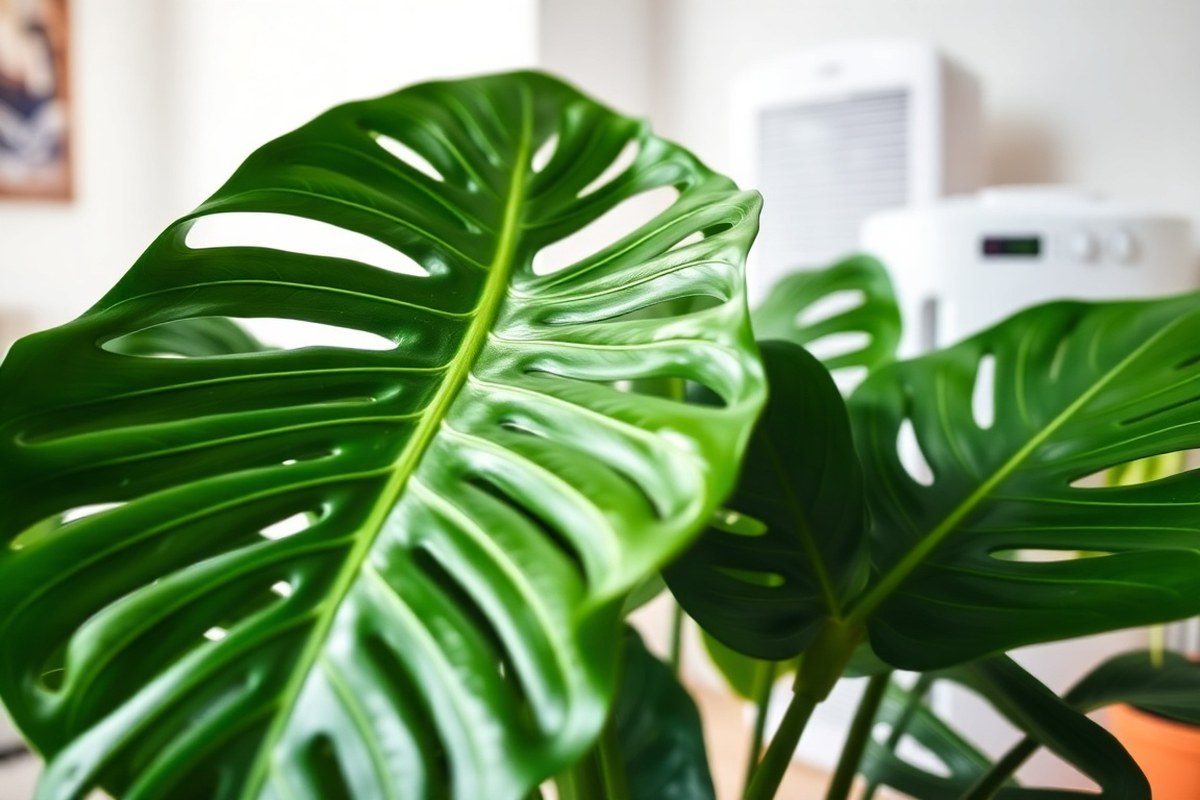
Do Monsteras like humidity? Yes, they do.
These tropical plants grow best when humidity stays between 60 and 80 percent. Keeping your Monstera in this range helps it stay healthy and vibrant.
Monsteras can handle lower indoor humidity, but they won’t flourish as well. Too much humidity, above 80 percent, can cause problems like mold or root rot. Good air circulation is important to avoid those issues when humidity is high.
Start by measuring your room’s humidity level with a simple hygrometer. If it’s below 60 percent, raise humidity gently using a humidifier or grouping plants. Watching your plant’s leaves will help you spot if it needs more or less moisture.
Key Takeaways
- Keep your Monstera’s humidity between 60 and 80 percent for best growth.
- Use a hygrometer to check humidity levels around your plant regularly.
- Avoid letting humidity rise above 80 percent without good air circulation.
- Raise humidity with a humidifier or by grouping plants close together.
- Lower humidity can slow growth and cause leaf edges to brown.
- High humidity without ventilation risks root rot and fungal issues.
1. Do Monsteras Like Humidity and What Levels Are Ideal?
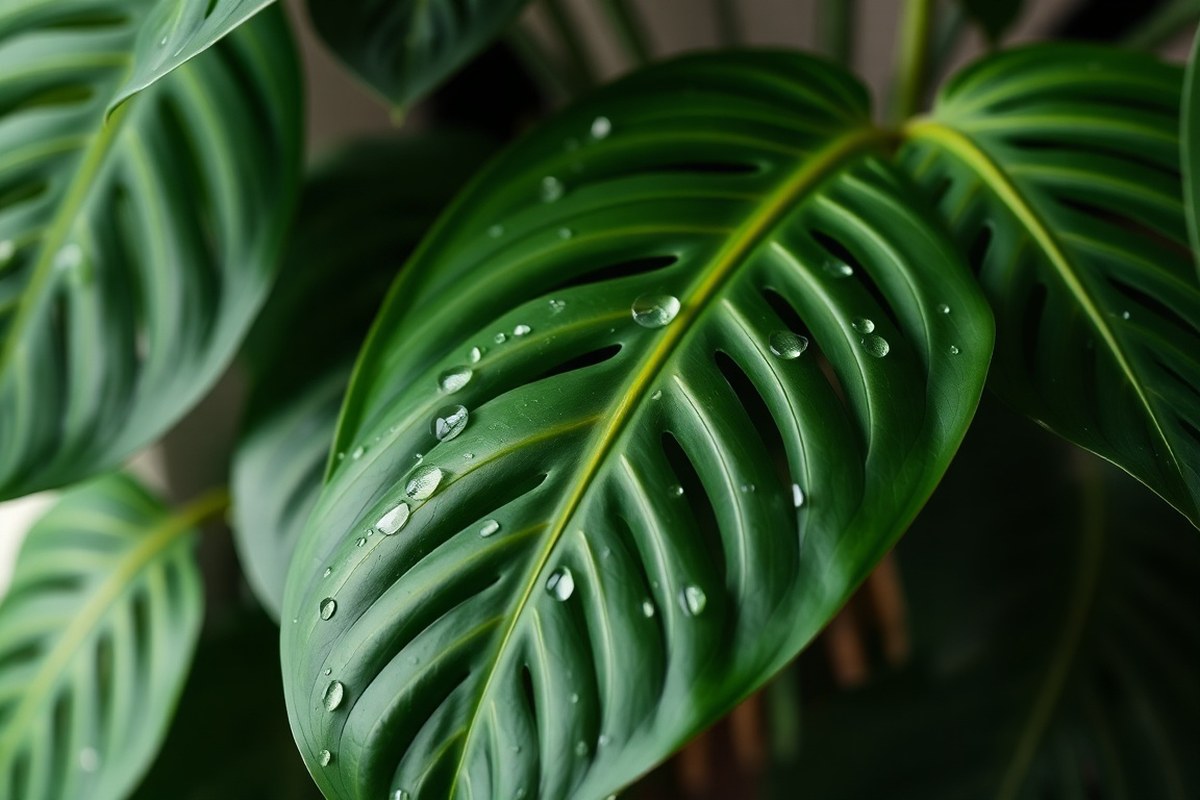
Monsteras like humidity to grow well and stay healthy. They prefer humidity between 60% and 70%, which mimics their tropical homes. This range helps keep their leaves lush and encourages steady growth.
They can survive typical indoor humidity around 40% to 50%. But humidity below 40% often causes dry, brown leaf edges and slow growth.
Dry air inside can stress your Monstera. Adding moisture helps it grow well.
Keeping humidity in the 60% to 80% range supports strong leaf development and overall plant vigor. To reach this, try grouping plants or using a humidifier. You don’t need pricey tools to add moisture.
A small humidifier costs $20 to $40. It keeps your home’s air just right.
High humidity above 90% can create problems like mold or root rot. Too much moisture isn’t good either.
Open a window or turn on a fan for airflow. Good ventilation helps keep your Monstera’s environment balanced and healthy.
2. How Does Humidity Affect Monstera Growth and Leaf Health?
Monsteras grow best in medium to high humidity, ideally between 50% and 70%. When humidity drops below 40%, leaves may get brown edges. The tips then dry out and become crispy.
This often happens when air is too dry. Low humidity slows growth because the plant loses water faster through its leaves, causing stress.
High humidity above 80% can also harm Monsteras. Damp air combined with poor airflow encourages diseases like fungal infections or mildew. Keep your Monstera healthy by making sure air flows well.
Avoid wet leaves that stay damp for long. If humidity goes over 70%, dry the leaves quickly.
Humidity affects Monsteras quickly. Brown edges can show within days in dry air. Growth slows noticeably over weeks.
Keeping humidity steady around 50% to 60% supports fast, healthy leaf unfurling and prevents damage. You can boost humidity with grouping plants or a humidifier if indoor air dips too low.
Watch your Monstera for brown edges. That’s an early sign you need to raise humidity gradually.
3. Signs Your Monstera Needs More or Less Humidity
Low humidity affects Monstera leaves first. You might notice crispy, brown tips and margins.
These symptoms also show if underwatering or too much salt is building up in the soil. Dry air causes the leaves to lose moisture faster than the roots can replace it.
Plants can also develop stunted growth when humidity is too low. Watch for smaller new leaves or slow growth overall. The stems may feel weak or dry.
Root health can decline too, leading to brown roots or rot if watering isn’t adjusted. Keep in mind that recent repotting can cause similar signs temporarily. So check your plant’s history.
- Brown, crispy leaf edges or tips suggest low humidity.
- Leaves curling or looking dry means they need more moisture.
- New leaves smaller or slower growth indicate stress.
- Soft, weak stems can signal moisture loss from dry air.
- Mold or mildew on soil or leaves points to too much humidity.
- Roots turning dark brown or mushy often result from poor airflow combined with high humidity.
High humidity shows different issues. Leaves may stay limp or get a yellowish shade if airflow is poor.
Excessive moisture encourages mold growth on leaves or soil, which harms your Monstera. To tell high humidity problems apart, check for sticky residue or fungal spots on leaves.
To decide if your Monstera needs more or less humidity, feel the air near the plant. If you notice static electricity or dry skin nearby, the humidity is likely too low. Using a simple hygrometer helps you track it precisely.
Aim for about 50% to 60% humidity. This range fits most Monsteras and keeps leaves healthy without inviting disease.
4. How to Measure Humidity Around Your Monstera Accurately
Use a digital hygrometer to measure humidity near your Monstera. Check it close to the plant, about once a day, for accurate readings. Track when humidity rises or drops to adjust your care steps well.
Choosing the Right Hygrometer
Pick a digital hygrometer with good accuracy, usually ±2% to ±5% relative humidity. These cost around $15 to $30 and can show temperature too. Analog models exist but don’t update as quickly or precisely.
Look for devices with a clear digital display and easy calibration options. Some apps pair with Bluetooth sensors for remote tracking. These can be helpful if you want to monitor several plants.
Where to Position Humidity Sensors
Place the hygrometer 6 to 12 inches from Monstera leaves. Put it near the soil line or on the pot rim.
Avoid areas near open windows, heaters, or vents as they skew readings. Keep it out of direct sunlight for stable humidity measurements.
Check positions that reflect the plant’s natural environment. Areas near kitchens or bathrooms often have higher humidity. So note that if your Monstera sits there.
Use multiple devices by placing one near the plant. Put the other device nearby to compare readings.
Creating a Humidity Tracking Schedule
Make checking humidity a daily habit, especially during dry months or when heating runs. Record the numbers at the same times each day. Do this in the morning and again in the evening.
That way, you can track moisture changes daily. Note any care changes you try in the same log.
Keep a notebook or digital spreadsheet to log these results for at least two weeks. This shows patterns you might miss with just casual checks. Check humidity more often if it stays below 50%.
- Choose a digital hygrometer that fits your budget and needs.
- Place the sensor 6 to 12 inches from your Monstera leaves and soil.
- Check the reading at least once daily, ideally morning and evening.
- Write down humidity levels and note any care changes or weather differences.
- Watch for trends, like sharp drops during heating or rises near water sources.
- Adjust humidity methods based on your tracked data and Monstera’s response.
- Recalibrate your hygrometer according to the manufacturer’s instructions every few months.
Interpreting Humidity Readings for Care Adjustments
Readings between 60% to 70% relative humidity usually support healthy Monstera growth. Levels below 50% may signal the need to add humidity. Above 80% could invite mold or pests, so increase airflow or use a dehumidifier.
Match your care moves with what the readings show. Add a pebble tray or humidifier if humidity stays low. Keep these close to your Monstera.
Open windows or use a fan if humidity is always high. This helps improve air movement around the plant.
5. Humidifiers vs. Pebble Trays: Effective Humidity Solutions Compared
Humidifiers and pebble trays both raise humidity around Monsteras, but they work differently. Humidifiers boost overall room moisture, which helps most indoor plants during dry spells. Pebble trays add local humidity just around the pot by slowly evaporating water under the plant.
Benefits and Drawbacks of Humidifiers
Humidifiers are the most reliable way to keep humidity above 60%, especially in winter. You can set them to maintain a steady level, which prevents stress on Monsteras. They work well for large spaces or many plants.
Pebble trays only affect small areas. So, these are better for big rooms or groups of plants.
The main downside is that humidifiers need regular cleaning and refilling. They can cost $30 to $100 or more, depending on capacity and features. Also, some humidifiers produce white dust or must be placed safely away from electrical outlets.
Pros and Cons of Pebble Trays
Pebble trays are an easy and affordable way to raise humidity near a single pot. Fill a shallow tray with pebbles and water. Then set the pot on top.
Make sure the pot bottom does not touch the water. The water evaporates slowly, creating a moist microclimate just around the plant.
This method raises humidity just a little. It works best in rooms that are already somewhat humid. Avoid it in dry rooms.
Pebble trays don’t fix very dry air and need frequent refilling, usually every few days. Pooling water can attract mold or pests if left too long.
Maintenance and Safety Considerations
Humidifiers require weekly cleaning to prevent mold and bacteria buildup. Using distilled water can reduce mineral deposits, which cause white dust or clog the machine. Keep the humidifier away from the Monstera’s leaves to avoid wet spots increasing mildew risk.
Change the water in pebble trays every 2 to 3 days. This stops algae and mosquito larvae from growing. Keeping the water fresh helps plants stay healthy.
Using fresh water and cleaning the tray weekly helps prevent problems. Always keep the pot raised above the waterline to avoid root rot from sitting in water.
Cost and Practicality Comparison
Costs vary with your choice. Small pebble trays cost under $10 for materials and last years.
Humidifiers range from $30 to $100+, depending on size and features, like automatic humidity control. Pebble trays suit tight budgets or single-plant setups better.
Humidifiers suit rooms with multiple plants or dry winter air where consistent humidity is key. Pebble trays help in moderately dry rooms as a humidity booster next to a Monstera. Combining methods also works, use a humidifier for overall air and pebble trays as a backup.
| Method | Monstera-Specific Note | Setup Details |
|---|---|---|
| Humidifier | Best for winter rh around 20s, 30s% | Place several feet from plants; keep clean and filled |
| Pebble Tray | Modest local bump in humidity | Tray filled with water and pebbles, pot above waterline |
| Plant Grouping | Creates microclimate with several plants | Group plants tightly but allow airflow |
| Room Choice/Placement | High humidity spots like bathrooms can help | Ensure adequate light and no direct drafts |
Keep the pot on pebbles, not sitting in water, to avoid root rot risk.
6. Misting, Grouping Plants, and Other Simple Ways to Raise Humidity
Raising humidity for Monsteras can be simple and low-cost with a few key tricks. Misting your plant helps add moisture to the leaves. Group your plant with others to boost humidity.
You can also put it in a naturally humid spot. These methods work best when done the right way and suited to your space’s conditions.
Proper Misting Techniques and Frequency
Misting adds moisture by lightly spraying your Monstera’s leaves, raising humidity temporarily. Use a spray bottle with room-temp water for misting.
Spray leaves until they feel damp but not wet. Avoid soaking leaves with too much water.
Avoid misting if your room’s relative humidity is already 60% or higher. Misting once or twice a day works below 60% humidity.
This timing keeps leaves happy without mold risks. Over-misting can cause fungal issues.
For best results, mist your plant in the morning. This timing lets water evaporate during the day and prevents dampness overnight, reducing rot risk.
How Grouping Plants Affects Local Humidity
Putting several plants close together creates a small humid zone called a microclimate. Plants release moisture through their leaves into the air.
The air between plants becomes more humid than nearby areas. This humidity boost stays close to the plants.
You can group Monsteras with other tropical plants that enjoy similar humidity. The humidity increase stays just inches or a few feet wide.
It doesn’t change the humidity for your whole house. Keep your expectations local to the plant area.
To create effective plant clusters:
- Place pots closer, about 6 to 12 inches apart
- Use shelves or a corner to hold several plants
- Include plants that also prefer humid spots
- Avoid overcrowding to keep airflow moving
- Water plants well but don’t over-saturate soil
This setup boosts humidity nearby and looks better with a lush display.
Using Water Trays and Bathroom Placement
Put a tray of water and pebbles under your Monstera pot. The water slowly evaporates, raising humidity around the plant.
This helps your Monstera feel comfortable indoors. Make sure the pot sits on the pebbles, not in water, to avoid root rot.
Bathrooms and kitchens tend to have higher humidity due to showers and cooking steam. You can put your Monstera in these humid spots for a natural moisture boost.
These spots require low maintenance and cost nothing extra, but remember Monsteras need light. Pick a bright bathroom window or a spot near indirect sunlight.
Avoiding Overuse or Mistakes with Simple Methods
Over misting or crowding plants can cause problems like fungal diseases or soggy soil. Avoid spraying leaves late in the day to prevent long wet periods.
Don’t rely only on misting if your home air is dry below 40%. It only raises humidity briefly and might frustrate you if the air dries too fast.
Remember to check the soil before watering or misting. Overwatering risks root rot faster than low humidity will cause damage.
7. How Temperature and Ventilation Influence Monstera Humidity Needs
Room temperature affects how much water vapor air can hold, changing humidity around your Monstera. Warmer air holds more moisture.
So temperatures between 60 and 80°F (15 to 26°C) work best. Outside that range, your plant may struggle with either too dry or too damp air.
Good ventilation keeps humidity balanced and prevents problems in your Monstera’s soil and leaves. High humidity without airflow causes stagnant air, leading to mold or root rot. Use a fan or open a window to move air gently.
This helps if humidity is above 60%. Good airflow keeps your Monstera happy.
Aim for about 55% humidity and a 70°F room temperature. Your Monstera will thrive and stay healthy this way. This fits between the ideal moisture for plants and healthy air for you.
Keep your plant away from direct air conditioning or heating vents to avoid sudden changes. Try placing it where air moves without being cold or dry.
8. Common Mistakes When Adjusting Monstera Humidity and How to Avoid Them
Overdoing humidity or poor air circulation can cause leaf spots and mold. Watch for black or dark brown spots on leaves. These signs mean too much moisture stays on the leaves and air isn’t moving well.
Misting often seems helpful but can cause issues. Excess water on leaves invites fungal infections.
Over-misting can also make soil too wet, leading to root rot. Always check soil moisture before watering again to avoid trouble.
Combining high humidity with too much watering or low light creates problems. Balance humidity by keeping soil moist but not soggy. Provide bright, indirect light so your Monstera stays healthy and grows new leaves.
Never water your Monstera at night because wet leaves and soil encourage fungal growth.
Here’s a checklist to keep your Monstera’s humidity safe and sound:
- Use a hygrometer to track room humidity and keep it near 50-60%.
- Place humidifiers a few feet away to avoid directly wetting leaves.
- Mist leaves lightly once or twice daily, not more often.
- Check soil moisture before watering to prevent root rot.
- Keep air moving using a fan or open windows for 15-30 minutes daily.
- Adjust watering if new leaf growth slows despite good humidity and light.
- Consult a plant specialist if fungal problems persist despite adjustments.
Sometimes, humidity issues hide behind other symptoms, like slow growth. When that happens, improving airflow and adjusting watering helps. If your Monstera still struggles, getting expert advice is smart to catch subtle problems early and save your plant.
Step-by-Step Action Plan for Healthy Monstera Humidity
Use this plan to keep your Monstera happy with humidity. Follow each step and check your plant’s response.
- Day 1: Measure your room’s humidity with a hygrometer near your Monstera. Note the current level to start.
- Week 1: Add a pebble tray or group plants to gently boost humidity. Watch for leaf shine and no dry edges.
- Week 2: If humidity stays below 50%, try a small humidifier close to your plant. Check that the leaves look fuller and not droopy.
- Week 3: Adjust room temperature between 65°F and 80°F to help your Monstera use humidity well. Look for steady growth without brown leaf tips.
- After 4 weeks: Assess your plant weekly for signs of too little or too much humidity. Tiny brown spots or curling leaves mean change your approach.
- Ongoing: Keep air moving gently near your plant, but avoid strong drafts. Healthy, glossy leaves show your setup works.
Frequently Asked Questions
What Humidity Level Should I Maintain for a Monstera Plant?
Aim for humidity between 60% and 80% for best growth and leaf health. This range mimics their tropical home and supports their large leaves without causing moisture problems.
Can Monsteras Adapt to Low Humidity Environments?
Yes, established Monsteras can tolerate lower humidity but may grow slower. Leaf edges can turn brown if the air is very dry.
Watch your plant for stress signs. This helps you catch problems early.
Does Overly High Humidity Harm Monsteras?
Humidity above 90% can cause problems like fungal growth and root rot. Keep your Monstera’s environment well-ventilated to prevent these issues if humidity spikes.
Is Misting Enough to Keep a Monstera Happy with Humidity?
Misting helps but only raises humidity briefly around the plant. Using a humidifier or grouping plants can provide steadier moisture levels.
How Can I Tell If My Monstera Needs More Humidity?
Brown leaf edges and dry leaf tips often show low humidity. You might also notice slower growth or curling leaves if the air is too dry.
Can I Use a Regular Room Humidifier for My Monstera?
Yes, a room humidifier works well to maintain steady humidity. Choose one with adjustable settings to match the ideal 60-80% range for Monsteras.
Final Thoughts
Monsteras grow best with steady, moderate humidity near 60%. Use easy tools to keep this level and watch for leaf changes. Start by measuring your room’s humidity today to help your Monstera thrive.