Snow Melts at What Temp: Complete Guide to How and When Snow Melts
Snow melts at what temp is a common question during winter. The simple answer is that snow melts at 32°F, or 0°C, which is water’s freezing point. But just because the air hits that temperature doesn’t mean snow instantly melts away.
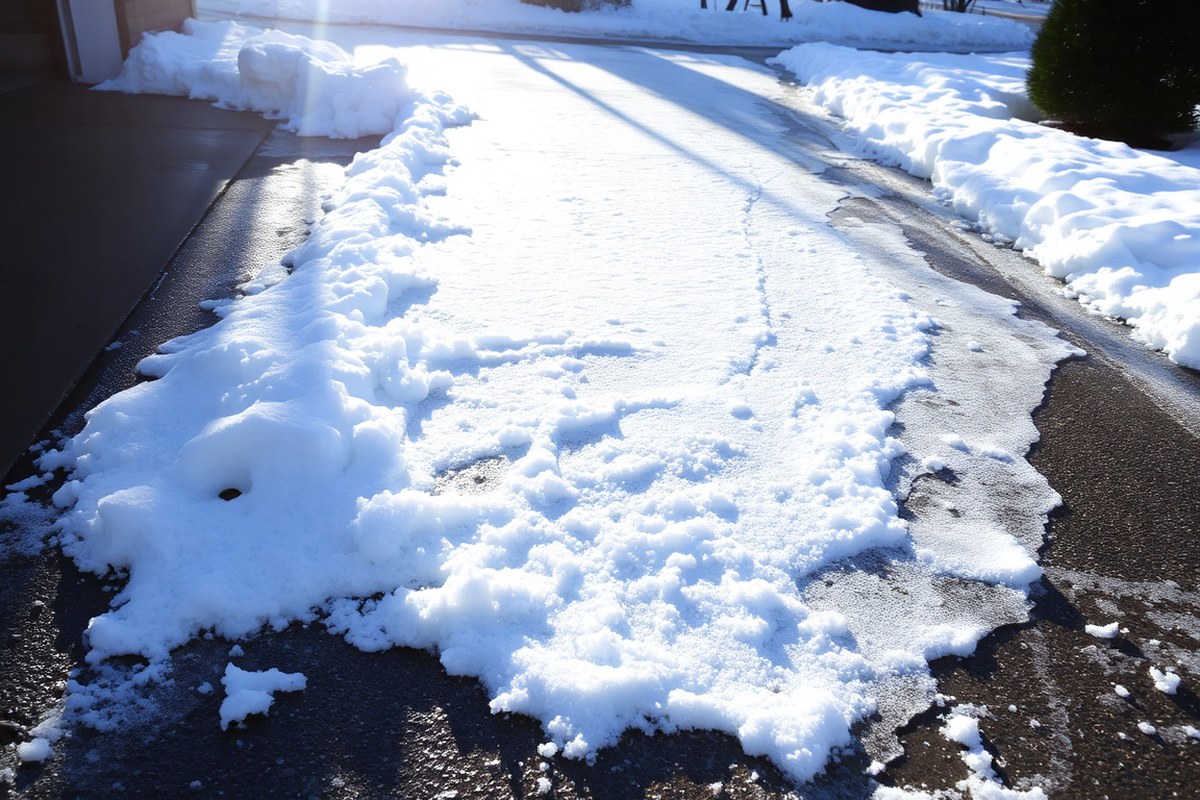
Snow takes time to melt even at 32°F because heat energy needs to reach it first. Sunlight and warm surfaces can raise the snow’s temperature faster than the air alone. That’s why snow on a sunny driveway melts sooner than snow in the shade.
Snow can start melting just below 32°F. This happens if surfaces soak up extra heat. Keep this in mind during cold days. Watch the sun and surface colors closely.
Notice how the air moves too. These clues help predict when snow melts away.
Key Takeaways
- Snow melts at 32°F or 0°C, the freezing point of water.
- Snow doesn’t melt instantly at 32°F; it needs heat energy first.
- Sunlight can warm surfaces above air temperature to melt snow early.
- Dark surfaces like asphalt melt snow faster than light or shaded areas.
- Snow may melt just below 32°F if surfaces capture enough heat.
- Wind and humidity affect how quickly snow turns into water.
At What Temperature Does Snow Melt Exactly?
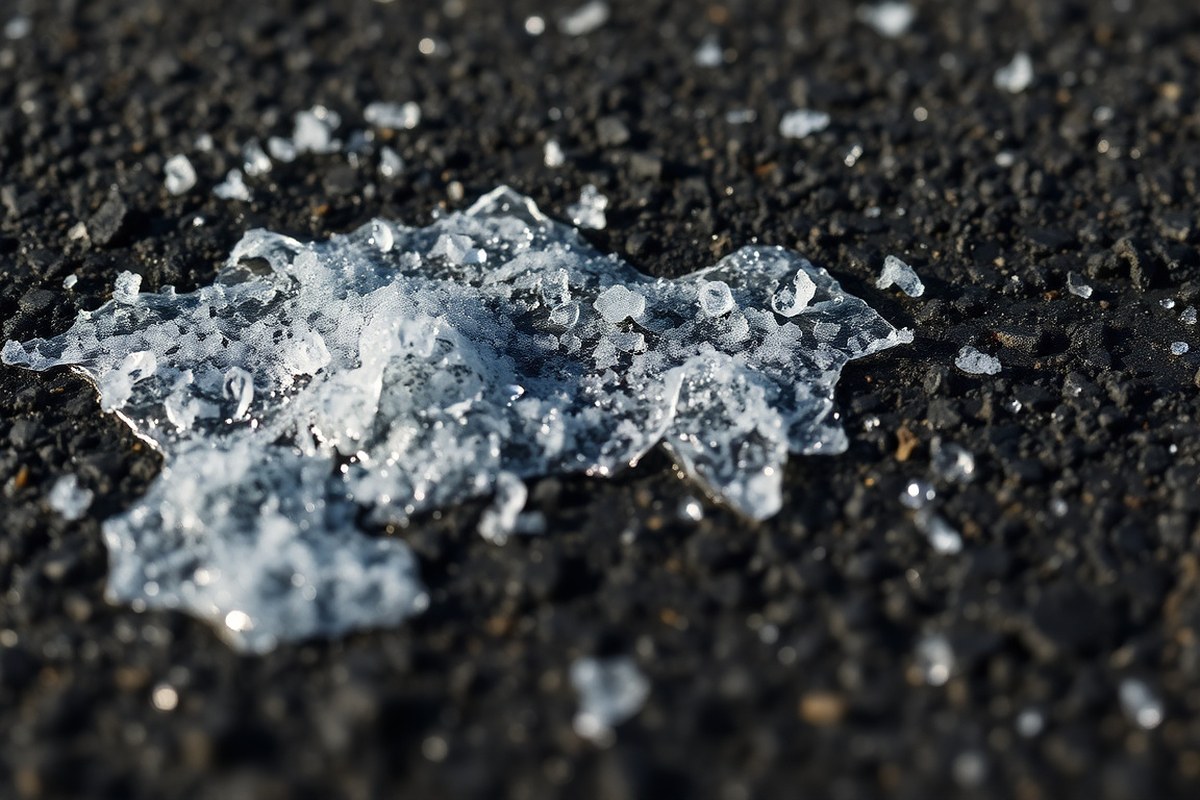
Snow melts at 32°F (0°C) under ideal, pure physics conditions. This is the temperature where solid ice changes to liquid water. At this point, the solid and liquid forms of water exist together in balance.
In reality, snow might start melting just below or above 32°F due to other factors. Sunlight can warm snow on dark surfaces. This causes melting even if air stays below freezing.
The snow melts due to the heat from the sun’s rays. This happens because the sun’s energy heats the snow directly, raising its surface temperature above 32°F.
Melting usually starts at 32°F because pure ice melts then. This happens under normal air pressure. It’s the typical point where ice changes to water.
This temperature is also when water freezes. But outside of labs, snow melting often involves more than just air temperature. Things like sunlight, surface type, and snow depth affect how much heat snow actually absorbs.
The melting process takes time even at 32°F. Snow won’t instantly turn to water when the thermometer shows freezing. Heat must transfer through snowpack for melting to become visible. Snow near the ground changes temperature based on what’s under it.
The surface type affects how cold or warm the snow stays. Moisture also changes its temperature around the base.
Snow can also remain solid above 32°F if the snow is dense or insulated. Thick layers hold cold longer, slowing melt even in warm air.
This means 32°F is a guide, not a precise switch for melting. Small temperature changes and environmental effects shift exactly when snow starts to soften and drip away.
How Sunlight and Surface Types Influence Snow Melting
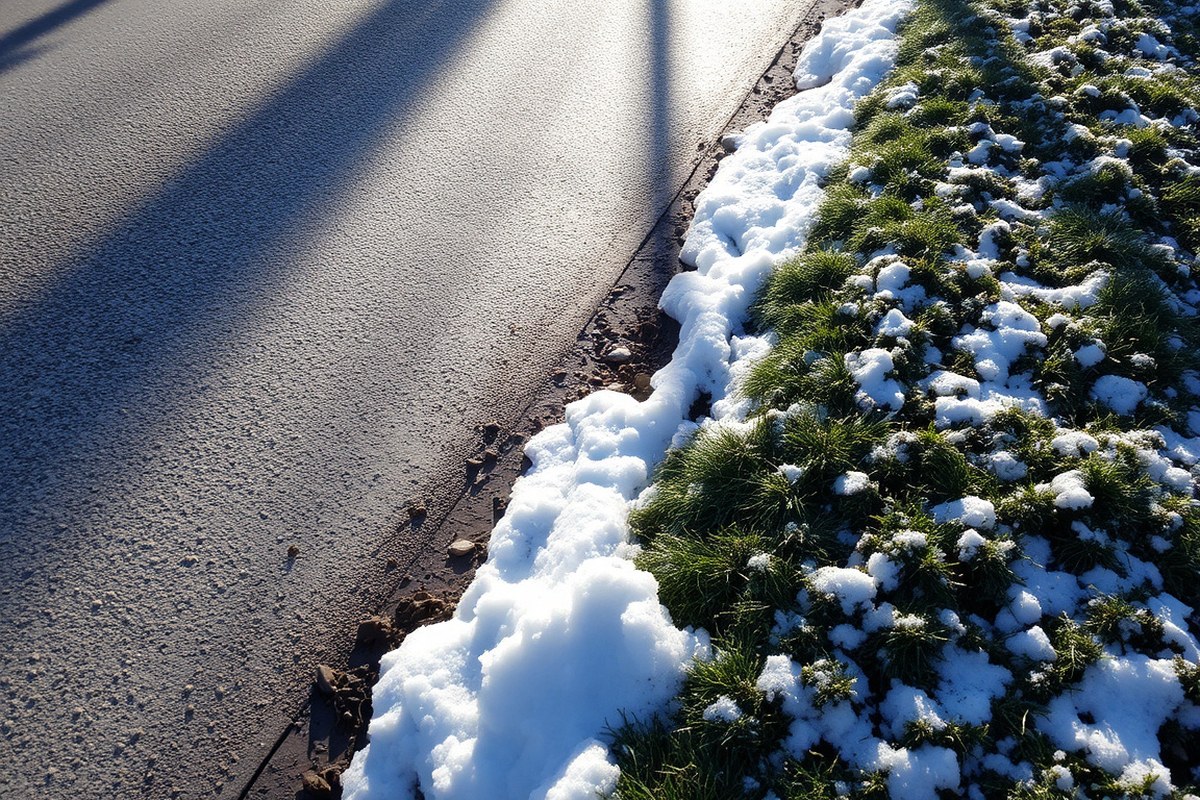
Snow melts faster under direct sunlight because sunlight heats the snow and the surface beneath it. Dark surfaces absorb more heat than light surfaces, warming snow quicker. Even if the air is below freezing, sunlight can still cause snow to melt.
Effect of Solar Radiation on Snow
Solar radiation transfers heat directly to snow, speeding up melting. Sunlight can raise surface temperature above the air’s temperature, sometimes by several degrees. This is why snow melts faster on sunny winter days than on cloudy ones.
Direct sunlight adds heat energy that melts snow even if it’s cold. The air can be just below 32°F (0°C). Sunlight still helps snow melt faster.
Snow melts faster in strong sun because the rays break ice crystals. The sun’s rays weaken the snow structure.
This causes the snow to lose mass quicker. Solar radiation also warms the ground beneath snow, adding extra heat from below.
Here’s how sunlight affects snow melting:
- Heats the top layer of snow directly
- Warms the ground and objects under snow
- Increases the overall temperature at the snow surface
- Accelerates melting even below freezing air temps
- Causes daytime melting and nighttime refreezing cycles
Influence of Surface Color and Material
Dark surfaces like asphalt, roofs, and soil absorb more sunlight than white or reflective ones. They heat up quickly, raising the temperature around snow resting on or near them. That extra warmth melts snow faster around dark surfaces.
Light-colored surfaces reflect much of the sunlight, keeping snow cooler. Clean snow itself reflects about 80% of sunlight, limiting melting. Dirt or dust makes snow melt faster by darkening its surface.
Dark snow absorbs more heat than clean white snow. This extra heat speeds up melting.
Dark surfaces conduct heat into snow from below. Lighter surfaces mostly warm the snow from above.
This difference changes how quickly snow disappears in different places. On a black asphalt driveway, snow can melt while air still reads in the teens.
Sunlight’s Role on Sub-Freezing Snow Melt
Snow can start melting even if the air temperature stays below freezing. Strong sunlight can push surface temperatures above 32°F (0°C), especially on dark or sun-facing areas. This melt phase is common in winter afternoons with clear skies.
Because of sunlight, snow on car hoods, roads, or black roofs melts first during cold days. Snow away from sunlight or on light surfaces stays frozen longer. The melting around dark or sunlit surfaces can cause patches of ice from refreezing snow.
Watch for icy spots near driveways or cars after sunny winter days with cold air.
The Role of Air Temperature, Wind, and Humidity in Snowmelting
Wind moves air over snow, speeding up how fast it melts. It carries cold air away and brings warmer air in. This change helps the snow thaw faster.
Strong winds can warm the snow surface closer to air temperature. This is true especially when the air is above freezing. The snow warms up more quickly then.
On calm days, snow melts slower than on windy days. Cold air stays over the snow, keeping it cooler. This slows down the melting process.
Humidity controls how much moisture surrounds the snow. When the air is humid, moisture slows the snow surface from cooling by evaporation. Low humidity encourages evaporation, which cools the snow and slows melting.
Dry, windy weather can make snow shrink without water runoff. This happens because snow evaporates, not because it melts into water. You’ll see less water but smaller snow patches.
Snow can vanish directly into water vapor through sublimation, skipping melting. This happens mostly when the air is cold but dry and windy. Sublimation is common on sunny, windy winter days with below-freezing air temperatures.
Snow may slowly vanish without any muddy puddles forming. This means the snow turns directly into vapor, skipping melting. It’s a dry process called sublimation.
Why Snow Sometimes Melts Below Freezing Temperatures
Snow can melt even when air temperatures are below 32°F. This happens when sunlight warms surfaces like dark pavement. The heat transfers to the snow, causing it to melt despite the cold air.
Moist air also helps snow melt below freezing. Water vapor in the air carries heat to the snowpack, speeding melting. This means snow shrinks even if a thermometer says it’s still freezing outside.
This melting below freezing is common on sunny winter days. You might see fresh snow disappear from driveways or roofs before the temperature rises above freezing. The effect depends on sunlight intensity, surface color, and humidity levels.
Ground temperature matters too. Snow will stick around if the earth beneath it stays cold. Dark, sunlit surfaces soak up heat.
They pass it to snow. This heat melts snow below 32°F.
Snow density affects melting as well. Fluffy snow with lots of air melts faster near freezing. Old, compact snow retains cold longer and needs warmer air to melt.
So, melting below freezing happens when sunlight, surface warmth, and moist air combine. It’s not only air temperature that controls snow loss. This explains why snow sometimes seems to vanish on freezing winter days.
How Latent Heat and Energy Influence Snow Melting Process
Snow begins melting at 32°F, but it won’t turn to water immediately. This delay happens because snow requires extra energy called latent heat. This energy makes snow change from solid ice to liquid.
The temperature does not rise during this change. The snow melts without warming up.
Definition of Latent Heat
Latent heat is the energy absorbed or released during a phase change. For snow melting, it is the heat needed to turn ice into liquid water. This heat does not increase temperature but breaks ice bonds.
Think of it as invisible energy that helps snow particles separate. Without latent heat, snow stays frozen even if the temperature hits 32°F.
Energy Requirements for Phase Change
After the snow reaches 32°F, adding heat doesn’t warm it more. Instead, all energy goes into melting snow crystals. This energy is called the latent heat of fusion.
The surrounding air, sun, or ground must supply enough latent heat. High albedo or cold ground can slow this energy transfer even above 32°F. That’s why snow sometimes lasts longer on bright, cold days.
Snow absorbs solar radiation, which helps supply latent heat directly. Thin snowpacks melt faster because they need less total energy.
Implications on Snow Melt Timing
Latent heat explains why snow takes time to melt even during warm days. The snow temperature stays near 32°F until all ice turns to water. Ground temperature and snow thickness add more delay.
This is why snow holds its shape for hours or days. This happens even if the air stays above freezing.
The snow doesn’t melt right away. The latent heat requirement acts like a hidden energy barrier to melting.
Environmental factors like wind and sun speed up latent heat supply. That causes snow to melt faster than air temperature alone would suggest. To understand and predict snow melting, here are the key steps to consider:
- Measure air temperature reaching 32°F or higher.
- Check snow temperature, which will stay near 32°F during melting.
- Identify sources of latent heat like sunlight or warm ground.
- Estimate snowpack depth to understand total energy needed.
- Monitor solar radiation available to the snow surface.
- Watch for delays in visible melting despite warm air.
- Consider wind and humidity as factors affecting energy transfer.
Tip: Snow can stay unchanged at 32°F for hours. That’s because latent heat melts ice instead of warming snow. Incoming energy goes to melting, not heating.
Comparing Fresh Snow and Old Snow Melting Characteristics
New snow melts slower because it reflects most sunlight. Fresh snow has a high albedo that can reflect up to 90% of incoming solar radiation. This reflection means less heat gets absorbed by the snow.
Melting slows down, even when temperatures reach 32 °F (0 °C). The snow holds its form longer because of this effect.
Old snow changes structure and melts faster. It becomes denser with larger ice crystals and traps less air.
This lowers its albedo. So it absorbs more sunlight and melts quicker, sometimes even below freezing if conditions allow.
Old snow also behaves differently due to compaction. Its packed structure holds more water as melting starts. This speeds up melting because of heat moving through the water.
The water helps spread warmth faster inside the snow. Older snow melts faster than fresh snow on similar surfaces.
This happens even when the air temperature stays the same. The snow’s age changes how quickly it melts.
| Characteristic | Fresh Snow | Old Snow |
|---|---|---|
| Albedo (Reflectivity) | Up to 90% | Lower, decreases over time |
| Structure | Light, fluffy, many air pockets | Dense, larger ice crystals |
| Melting Rate | Slower, needs more heat | Faster, absorbs more heat |
| Melting Temperature Threshold | Near 32 °F (0 °C) | Can melt slightly below freezing |
Fresh snow stays colder longer because it traps air well. This air insulation keeps melting slower unless the temperature rises above freezing. In contrast, old snow’s tight structure conducts heat better and melts at a lower temperature.
Knowing these differences helps in managing snow removal and safety outdoors. For example, you might expect fresh snow on shaded grass to last through the day. Meanwhile, old snow on pavement can become slippery quickly when temperatures reach just below freezing.
How Salt and Other Ice Melters Change the Snow’s Melting Point
Salt lowers the temperature at which snow melts by creating a salty water solution called brine. This brine has a lower freezing point than pure water. Salt melts into snow or ice.
It stops water from freezing. This works unless temperatures drop very low.
Rock salt, or sodium chloride, works well above about 20°F (-6°C). Below that, it melts ice slower and needs more salt or moisture to work.
Around 15°F (-9°C) and lower, salt becomes less effective. It doesn’t suddenly stop working but becomes impractical for keeping surfaces clear.
Chemical deicers like calcium chloride and magnesium chloride work at even colder temperatures. They have lower eutectic points, meaning their brines stay liquid far below freezing. This allows them to melt snow and ice where rock salt cannot.
| Deicer | FHWA-Listed Eutectic Temperature | How to Interpret It |
|---|---|---|
| Sodium chloride (rock salt) | -5.8°F (-21°C) | This is the theoretical chemical limit; field use becomes impractical below 15°F (-9°C) |
| Calcium chloride | -60°F (-51°C) | Lower eutectic point allows use in very cold conditions, but not a guarantee |
| Magnesium chloride | -28°F (-33°C) | Performance varies by formula but works better than rock salt at low temps |
| Calcium magnesium acetate | -17.5°F (-27.5°C) | Non-chloride option with different practical performance and limits |
| Potassium acetate | -7°F | Useful in moderate cold but melts less effectively than calcium chloride |
Rock salt is cheapest and common. But it only works well above 20°F. Use about 2 to 5 pounds of salt per 100 square feet.
Spread it evenly to control ice. Below 15°F, switch to calcium chloride or magnesium chloride, which cost more but stay effective.
Alternative deicers require careful handling and may damage concrete or vegetation. Use them sparingly and only when temperatures are too low for rock salt. Applying any deicer also needs some moisture to dissolve and start melting snow.
Estimating Snow Melt Time Under Various Weather Conditions
Snow melt above 32°F (0°C) varies widely based on weather and conditions. On mild days around 35 to 40°F, snow may clear fast. A few inches of snow can disappear from pavement within 4 to 8 hours.
This happens without heavy work or salt. Sunshine, wind, and snow depth all affect this timing.
Key Factors Affecting Melt Duration
Sunshine is the main driver of snow melt because solar radiation supplies energy directly. Even with air just above freezing, sunlight speeds melting a lot. Cloudy days slow snow melting down significantly.
Sunlight adds warmth and melts snow faster. Shaded areas keep snow longer by blocking that radiation.
Wind dries and warms snow surfaces, helping melt happen faster. Cold, cloudy, or deep snow slows the melting process more. Thick snow holds cold air better and reflects sunlight.
This blocks the heat that melts snow. Wet, heavy snow melts slower than dry, powdery snow at the same temperature.
Worked Calculation Example
Think about 3 inches of snow on a driveway at 38°F. The sun shines partly. A light breeze moves the air. These mix to affect how snow melts.
Given mild conditions like this, snow usually melts within 5 to 7 hours. This range factors in slower melt if clouds appear or deeper layers cool from nighttime frost.
The temperature rises to 40°F with bright sun shining. Melting time drops close to 4 hours. Each hour adds heat, melting snow faster than before.
Clouds block the sun, making snow melt take longer. The melting time can stretch beyond 8 hours.
Less sunlight means slower energy for melting. Deep snow or heavy ice layers can double these times.
Checklist for Estimating Melt Time
Check the air temperature first. Above 35°F, expect snow to melt within hours if the sun shines. Look at cloud cover and wind next.
Full sun with a drying wind cuts melt time significantly. Heavy snow or ice means to plan extra hours or days.
Assess the surface type too. Dark pavement heats better and melts snow faster than grass or bright gravel.
Keep in mind nights can refreeze melted snow, delaying clearing. Plan your timing based on these points for driving, walking, or outdoor chores.
Snow melts faster on sunny pavement around 40°F but slows under clouds or deep layers.
Step-by-Step Action Plan to Manage Snow Melting Effectively
Use this plan to predict and control snow melting around your home or workplace. Follow the steps to adjust your approach as conditions change.
- Before snow arrives: Prepare your surfaces by clearing debris and repairing cracks. This helps snow melt evenly and prevents ice buildup.
- During snowfall: Spread salt or ice melter early if temperatures hover around freezing. Check if snow softens or slush forms within an hour.
- Right after snow stops: Use a shovel or snow blower to clear fresh snow. This helps the snow melt faster. Removing snow early prevents ice buildup. Notice if the surface feels warmer and less slippery.
- Daily monitoring: Track air temperature, sunlight, and wind forecasts. Use this info to time deicing and snow removal for biggest effect.
- When temperatures rise above 32°F (0°C): Allow natural melting but remove slush to prevent refreezing. Confirm if runoff drains away without pooling.
- At night or during freezes: Spread salt or ice melters again. These lower snow’s melting point. This stops ice from forming overnight. See if black ice risk decreases on walkways.
- After repeated thaw-freeze cycles: Inspect for icy patches or old compact snow that melts slowly. Break it up manually to expose fresh surface.
- Weekly review: Adjust your plan based on weather changes and surface conditions. Success means safer paths and reduced ice hazards.
Frequently Asked Questions
Can Snow Melt on a Sunny Day If the Air Temperature Is Below Freezing?
Yes, snow can melt if the sun warms the ground or surface above freezing. Sunlight heats surfaces, causing localized melting even when the air stays below freezing.
Does Snow Melt Faster on Dark-Colored Surfaces Compared to White Ones?
Snow melts faster on dark surfaces because they absorb more sunlight and heat. Dark asphalt or roofs can reach higher temperatures, speeding up snow melt.
Can Wind Affect How Quickly Snow Melts?
Wind can speed up snow melt by removing cold air near the snow surface. It helps warm air reach the snow and increases evaporation, which cools the snow less.
How Does Humidity Play a Role in Snow Melting?
Higher humidity slows down snow melting by reducing evaporation. Dry air pulls moisture from the snow.
This dries out the snow faster. Removing energy helps snow melt quicker.
Does the Age of Snow Affect Its Melting Speed?
Old snow melts faster than fresh snow because it is denser and holds less air. This makes it absorb sunlight better and feel warmer under the same conditions.
How Do Ice Melters Lower the Snow’s Melting Temperature?
Ice melters, like salt, mix with water and dissolve. This lowers water’s freezing point.
Snow melts below 32°F because of this. This process is called freezing point depression and helps clear icy surfaces faster.
Wrapping Up
Snow starts melting at 32°F (0°C) under ideal conditions. Knowing the mix of factors like sunlight, surface type, and salt will help you plan. Take one step today by checking your local temperature and preparing your walkways.