What to Feed Worms: A Complete Guide with Safe Foods, Amounts, and Tips
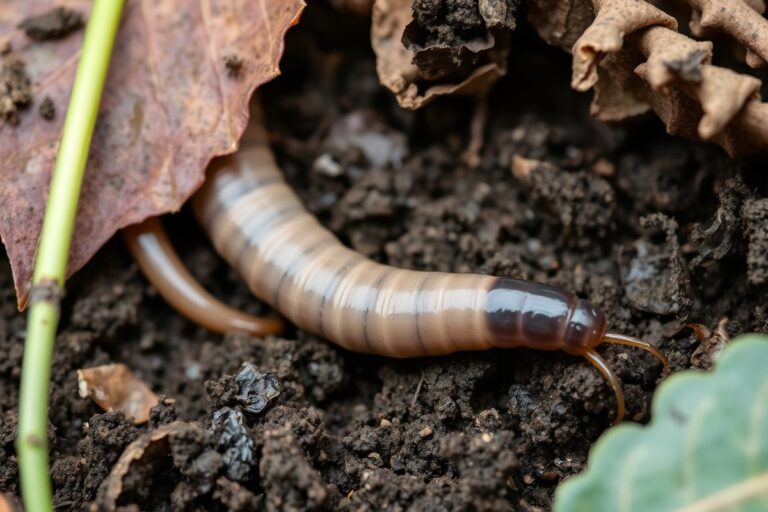
What to feed worms is a common question for anyone starting worm composting. You want to give them scraps that are easy to digest and won’t harm their health. Safe foods include fruit and vegetable peels.
Coffee grounds and crushed eggshells also help. They keep the pH balanced.
Avoid feeding worms citrus peels in large amounts because the oils can stress them. Chop food scraps into small pieces to help worms break them down faster. Feeding worms every two or three days works well after they finish their previous meal.
Keep worm bedding moist and add some carbon-rich materials like shredded paper. Worms thrive best in temperatures between 55 and 77 degrees Fahrenheit.
This helps them stay active and speeds up composting. So keep your bin out of extreme heat or cold.
Key Takeaways
- Feed worms fruit and veggie scraps, coffee grounds, and crushed eggshells.
- Limit citrus peels to under 10% of food for bin health.
- Chop scraps finely to speed up worm digestion and reduce mess.
- Feed worms every 2 to 3 days or when previous food is gone.
- Keep bedding moist and add carbon materials like shredded paper.
- Maintain bin temperature between 55 and 77°F for active worms.
What Foods Are Safe and Beneficial for Worms?
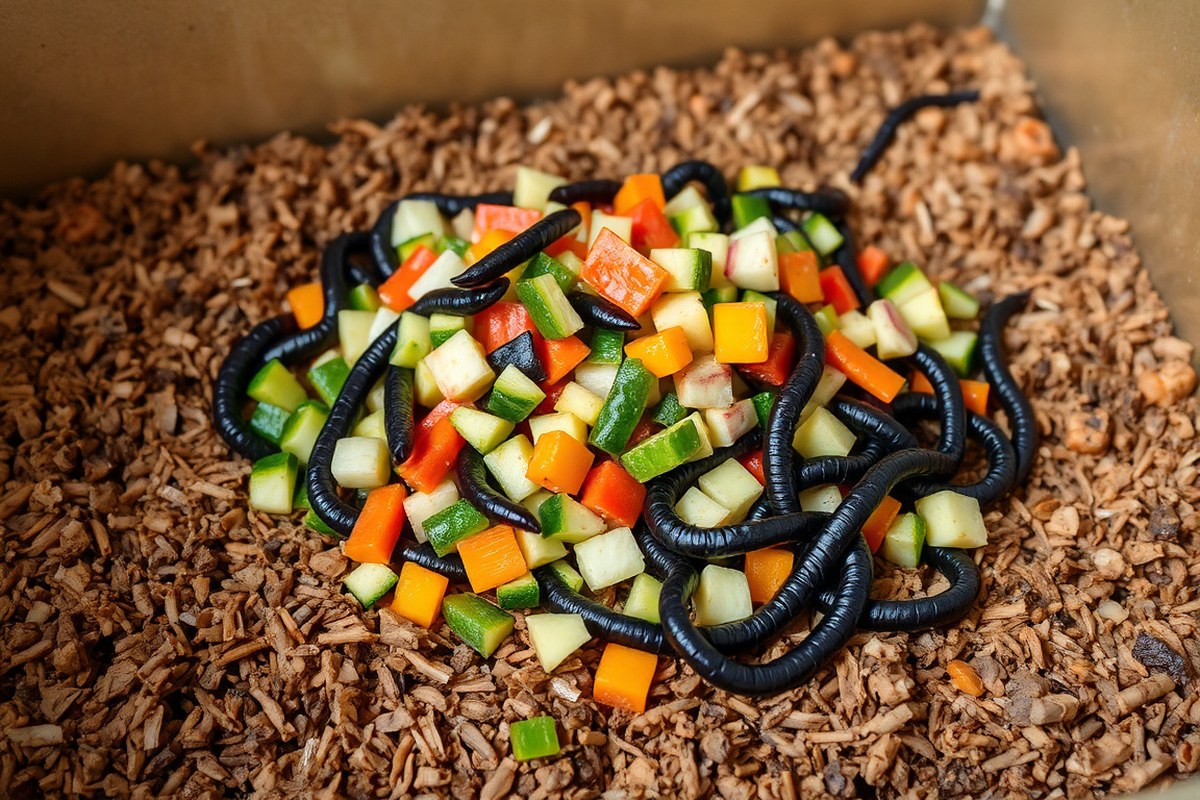
Worms eat soft fruit and veggie scraps well. Banana peels, apple cores, melon rinds, and berries are good choices. Lettuce, carrots, squash, and cucumber also work.
Cut scraps into small chunks to help worms digest faster. Keep citrus peels under 10% to prevent too much acid.
Used coffee grounds and tea leaves feed worms well. But keep coffee under 12% of the total bedding. Brewed coffee grounds are not acidic, so worms digest them easily.
Remove staples from commercial tea bags or avoid them if they contain plastic. Plain grains like rice, pasta, and oatmeal suit worms.
Add them in small amounts only. Avoid putting in sauces or butter with grains.
Crushed eggshells provide calcium and help balance pH in the worm bin. Rinse and crush them before adding to avoid odors or attracting pests.
Shredded paper, cardboard, egg cartons, and newspaper act as bedding and brown material. They hold moisture and carbon, complementing food scraps and improving bin structure.
Aged manure from animals like horses, cows, or rabbits is a nutritious addition. It boosts worm growth and activity when mixed with kitchen waste. Avoid fresh manure as it can burn worms due to high ammonia levels.
Worms also eat vegetable-based grain feed if you want faster growth. But this food should be given moderately.
Fruit and vegetables form the bulk of a worm’s diet because they decompose quickly. Coffee grounds and eggshells add variety and nutrients without harm. Paper products help maintain the right moisture and air balance inside the bin.
Feed worms a mix daily or every few days. This helps the worm group stay healthy and grow strong. Check how they respond and adjust feeding amounts.
Which Foods Should You Avoid Feeding Worms?
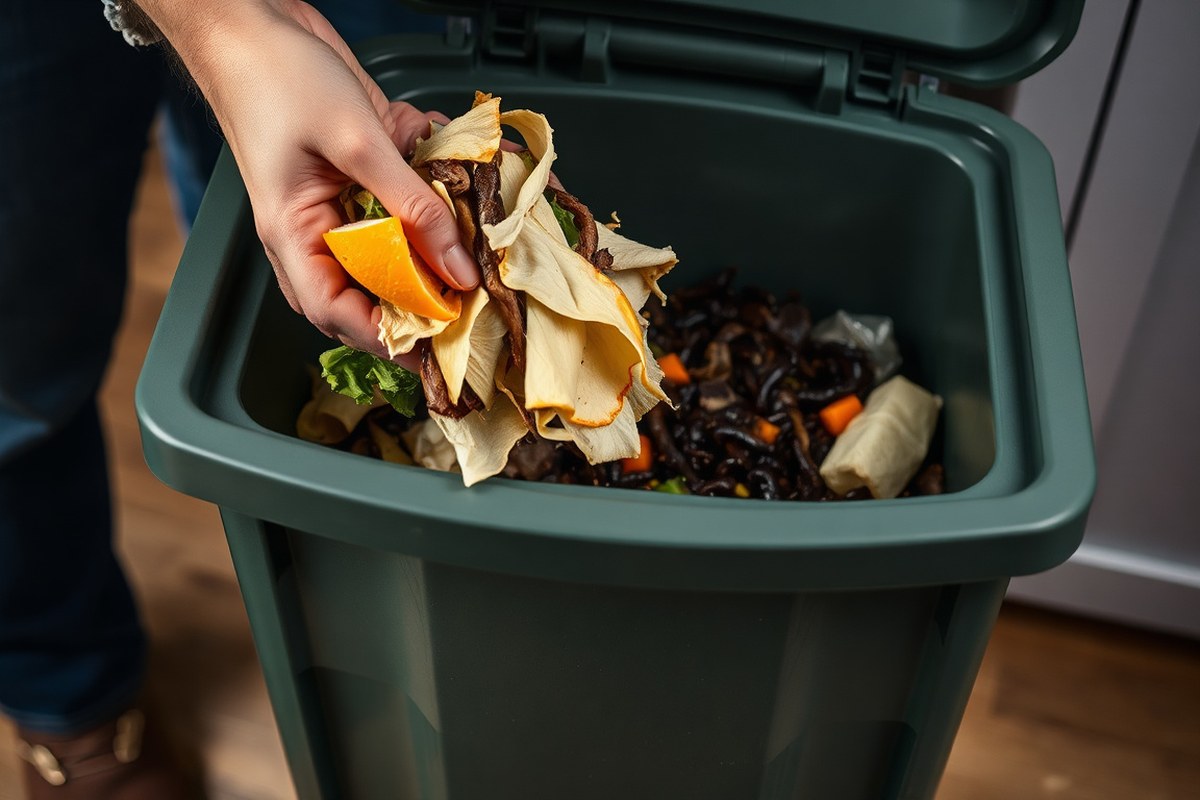
Some common foods can harm your worms or upset the bin’s balance. Avoid feeding meat, dairy, oily, salty, and spicy foods. These attract pests and cause bad smells.
Keep your worm bin fresh by avoiding these scraps. Citrus peels also hurt worms if you give too much. But small amounts are okay.
Why Meat, Dairy, Oily, and Salty Foods Are Harmful
Meat and fish scraps draw unwanted bugs and smell bad quickly. They also harbor dangerous bacteria that can harm worms and you. Dairy products spoil fast and cause a rancid smell while attracting pests like fruit flies.
Oily and greasy foods coat the bedding and block air flow. This creates wet, anaerobic spots where worms can’t breathe well. Salty foods dry out worms and upset the bin’s natural moisture level.
Effects of Harmful Foods on Your Worm Bin
Feeding the wrong scraps leads to odors, fruit flies, and maggots. Your bin might get soggy and slimy from excess oils and protein. Worms may try to escape or slow their feeding when stressed by these conditions.
Also, harmful foods break down slowly or not at all. Uneaten scraps stick around for weeks, making your worm bedding messy and unhealthy. A smelly, bug-infested bin shows feeding problems clearly.
Handling Citrus Peels Safely
Citrus peels have d-limonene oil and acids that high amounts harm worms. Limit citrus scraps to under 10% of the total feed to avoid stress or pH drop. Dry peels on a tray for a day before adding them to reduce harmful compounds.
Small bits buried in bedding are usually fine. Avoid feeding large chunks all at once or adding citrus every time you feed. Rotating feeding spots and mixing citrus with other scraps help protect worm health.
Other Foods to Avoid
- Onions, garlic, and other alliums because they are too acidic
- Spicy foods like hot peppers or curry that irritate worms
- Processed or salty snacks that disrupt worm digestion
- Pet waste, which can carry diseases harmful to worms
- Rotten fruits and vegetables that smell strongly and attract pests
Avoid adding these to keep your worm bin balanced and healthy. Choose fresh, mild scraps instead for a thriving worm population.
How to Manage Feeding to Prevent Problems
Bury scraps under bedding after chopping to reduce smell and flies. Feed in small amounts and change feeding spots around the bin each time. Watch the bin moisture and add dry bedding if it gets too wet or smelly.
Regularly removing uneaten or moldy food keeps pests away and worms happy. Pests or odors can mean your bin needs a break. Cut back on feeding to help it recover.
Give the bin time to get better. Proper feeding keeps your worm bin odor-free and productive.
Always bury new scraps in fresh bedding to stop fruit flies and smells.
How Much and How Often Should You Feed Worms?
Feed your worms about one-third to one-half their weight in food each time. Avoid overfeeding by adding new scraps only when the old ones are mostly gone. Adjust feeding amounts and timing based on worm activity and seasons to keep the bin healthy.
Calculating Food Amounts by Worm Weight
Worm food amounts depend mostly on worm weight rather than bin size. A good starting point is feeding one-third to one-half the worms’ weight in food per feeding. For example, 1 pound of worms will eat roughly 0.3 to 0.5 pounds (5 to 8 ounces) of food per feeding.
Smaller bins with fewer worms need less food and slower feeding to avoid overloading. Large bins with many worms can handle more food but still follow the same weight ratio. Gently take out your worms before weighing them.
Use a kitchen scale and place worms in a sealed container. This stops them from escaping during weighing.
To feed 1 pound of worms, give 5 to 8 ounces of food. Offer the food in one feeding session.
Adjust amounts as you watch how much they eat. Monitor how quickly they eat it to adjust future feeding amounts.
Signs You Are Overfeeding or Underfeeding
Watching your worm bin helps you spot feeding problems early. You’re overfeeding worms if leftover food starts rotting. Bad smells from scraps mean too much food is given.
Cut back feeding to fix this. Worms not eating might hide or die.
This could mean you’re underfeeding them or the food is bad. Check the food’s quality and amount.
Check your bin every 3 to 5 days to decide if it’s time for more food. When worms eat all scraps in 2 to 3 days, raise food a little. Increase the feeding amount gradually.
This helps you avoid overfeeding. Food left after a week means you’re feeding too much.
Reduce the amount for the next feeding. Avoid waste and smells.
Balance feeding by mixing “green” foods like fruit scraps with “browns” such as shredded paper. This helps worms digest their food faster and reduces odors.
Adjusting Feed Frequency for Seasons and Temperatures
Feed indoor worm bins every 3 to 5 days. This depends on how fast the worms eat. Check and adjust feeding as needed.
Outdoor worm bins can be fed about once a week. Natural weather slows worm activity and feeding needs.
This schedule saves effort. Worms slow their eating in cold weather, so feed smaller amounts in winter.
During active growing seasons, you may feed more often or feed larger amounts. In cooler months, cut back feeding to avoid leftover food buildup. Worms grouped on old food or the surface signal a problem.
You may be feeding too much or the bin is too cold. Adjust feeding or temperature.
Seasonal changes also affect moisture, so keep bedding damp but not soggy. Proper moisture helps worms digest food and stay healthy all year round.
- Weigh your worms to estimate how much food they need per feeding.
- Start with one-third of their weight in food, a small amount.
- Add a mix of moist greens and dry browns for balanced nutrition.
- Wait until worms mostly eat the food before adding more.
- Check the bin every 3 to 5 days for leftover scraps or odors.
- Adjust food amounts based on how fast food is eaten.
- Feed less in winter or cooler indoor conditions.
- Feed outdoor bins weekly, indoor bins every 3 to 5 days.
How to Prepare Food to Maximize Worm Health and Bin Cleanliness
Preparing worm food helps keep your worm bin clean and healthy. Drying or freezing scraps prevents pests and mold from growing. Burying food deep in bedding stops bad smells and fruit flies.
Drying and Chopping Scraps
Dry scraps before adding them to the worm bin to reduce moisture and slow decay. High moisture foods break down fast but cause odors if left wet on the surface. Chopping scraps into small pieces helps worms digest food quickly.
Cut banana peels, melon rinds, and leafy greens into small pieces. Pieces should be about one inch or smaller. This helps them break down faster in your worm bin.
Spread chopped scraps thin to air dry for a few hours or overnight. Dry cardboard on top of your bin also soaks up extra moisture and cuts odors.
Freezing Food to Kill Pests
Freezing food scraps kills eggs and larvae of pests like fruit flies. This step helps keep flies and moths from invading your bin. Bananas, melon peels, and other soft scraps benefit from freezing before feeding.
Save scraps in a freezer bag or container and freeze at least 24 hours. Thaw frozen scraps before burying them in bedding.
So worms can access the food easily. Avoid feeding fresh scraps without freezing during warmer months.
Burying Food and Feeding Spots Rotation
Bury food scraps at least 4 to 6 inches deep in the bedding. This keeps fruit flies away and prevents bad smells. Make sure the scraps are well-covered.
Cover fresh scraps with dry bedding or shredded newspaper to keep the surface dry. Rotating feeding spots every few days gives worms plenty of fresh space and prevents sour patches.
Adding extra dry bedding after feeding controls moisture levels. Remove any uneaten scraps within a week to avoid mold buildup. Keep the bin lid ventilated to let air flow and stop odors.
- Collect fruit and vegetable scraps, avoiding fatty or processed foods.
- Chop scraps into small, one-inch pieces for easier digestion.
- Spread scraps in a single layer to air dry for several hours.
- Place dried scraps in a freezer-safe container and freeze for 24 hours.
- Thaw frozen scraps before feeding your worms.
- Bury the thawed scraps 4 to 6 inches deep in the bedding.
- Cover feeding spots with dry bedding or shredded cardboard.
- Rotate the feeding spot around your bin every few days.
Why Bedding and Carbon-to-Nitrogen Balance Matter in Feeding
A good worm diet needs a balance of carbon and nitrogen to work well. The ideal ratio is about 1:1 by weight. Worm bedding supplies carbon, while food scraps give nitrogen.
Feeding too much nitrogen without carbon makes your bin smell bad. It also gets slimy very fast.
Materials like shredded newspaper, cardboard, dry leaves, coconut coir, and straw work great as bedding. These hold air and moisture well, which makes worms happy and helps break down food. Aim to mix food scraps and bedding in equal parts by weight.
For example, add 2 pounds of shredded paper or leaves. Match that amount if you add 2 pounds of vegetable scraps.
| Material | Carbon:Nitrogen Ratio |
|---|---|
| Shredded newspaper | 150:1 |
| Dry leaves | 60:1 |
| Straw | 80:1 |
| Coconut coir | 50:1 |
| Vegetable scraps | 15:1 |
| Fresh grass clippings | 20:1 |
Bedding cushions worms and keeps your bin from getting soggy or too acidic. It also gives bugs and microbes a place to live.
Adding a fresh layer of bedding every few feedings helps keep conditions stable. This prevents build-up of excess ammonia and bad smells.
Good bedding absorbs moisture while letting air flow through. When worms can easily move, digest, and breathe, they process food faster.
Dry or compacted bedding slows worm activity and can cause die-offs. Wet, slimy bedding usually means you need to add more dry carbon material right away.
Always avoid fresh manure as bedding or food because its high nitrogen can harm worms. Aged manure is safer once it’s no longer hot or smelly.
How Temperature and Worm Species Affect Feeding Habits
Red wigglers are the most common worms used for composting at home. European nightcrawlers and African nightcrawlers are other popular types. Each species has a slightly different feeding rate based on their size and temperature preferences.
Worms eat most actively between 55°F and 77°F. Outside that range, their feeding slows down significantly. Below 50°F, worms become sluggish and barely eat. Above 85°F, they may stop eating and try to escape the heat.
You should feed red wigglers about once every two weeks during mild weather. They eat faster when temperatures are near 70°F. European nightcrawlers eat a bit slower and prefer cooler temps around 60°F.
Hot summers require cutting back feeding to prevent food from rotting too fast. Try feeding only small amounts every 10 to 14 days during heatwaves above 85°F. Move your worm bin to the shade or indoors if possible.
In cold winters under 50°F, worms almost stop eating. Feed lightly every 3 to 4 weeks to avoid mold buildup. Keep the bin insulated with extra bedding and place it where temperatures stay above freezing.
Grinding food scraps finely helps worms eat more efficiently. It is especially useful when feeding less often. This works well in hot or cold weather.
Always let frozen food thaw to room temperature before adding it. Feeding room temperature food avoids shocking the worms and keeps their digestion steady.
Check your worm bin regularly to see how fast the worms consume their food. Adjust how often and how much you feed based on feeding speed and temperature changes. This way, your worms stay healthy and your compost stays balanced all year.
Troubleshooting: Signs of Feeding Problems and How to Fix Them
Watch for worms trying to escape or not eating. They usually do this if the bin is too wet, smelly, or lacks oxygen. A soggy bin often smells sour because bad bacteria take over and worms find it uncomfortable.
Bad smells and fruit flies mean overfeeding or too much moisture. Worms like their bin between 59°F and 77°F. Worms slow down and eat less when it gets colder. You should change how much you feed them depending on temperature.
Feed them based on how fast they finish their food. Adjust feeding frequency and amount to keep worms healthy.
Fruit flies or mold show up when food sits too long or stays uncovered. Cover your bin with a thick layer of dry bedding or wood chips after feeding.
This cuts smells and blocks pests. Avoid feeding too much wet food at once, or the bin gets waterlogged quickly.
- Worms not eating or climbing out: Reduce food and check moisture.
- Sour smell or damp bin: Add dry bedding and feed less.
- Fruit flies: Cover food, feed smaller amounts, and remove excess scraps.
- Mold growth: Remove moldy spots, and cut back on feeding.
- Slow feeding in cold weather: Feed less or wait for warmer days.
- Excess moisture: Drain liquid or mix in more shredded paper or cardboard.
Start by feeding every 2 or 3 days but only when old food nearly disappears. Cut food into small pieces and bury it under bedding. Keep the bin covered and avoid meat, bones, or oily scraps.
Stop adding food when the bin gets too wet. Wait for it to dry out before feeding again. Remove any visible mold or pests right away.
Fixing overfeeding takes weeks and slows composting. Take your time adjusting feed amounts.
You want worms active, eating regularly, but not drowning in scraps. A healthy worm bin smells earthy, not sour, and has no fruit flies buzzing around.
Advanced Feeding Tips: Homemade Worm Food and Supplement Additions
You can make worm food with shredded newspaper, veggie scraps, and eggshells. Use equal parts of each. Mix them together well before feeding your worms.
Add a small scoop of aged manure to provide extra nutrients every 2 to 3 weeks. This mix gives worms a balanced diet with carbon, nitrogen, and grit for digestion.
Shred newspaper into small pieces like confetti. Soak it in water until damp. Avoid making it soggy.
Chop vegetable scraps into small pieces so worms can break them down quicker. Mix the newspaper, veggie scraps, and eggshells well.
Add small amounts to your worm bin. This prevents overfeeding the worms.
Crushed eggshells, azomite, and used coffee grounds add grit to help worms. Grit helps worms digest their food better. Adding supplements improves worm digestion.
Worms need this grit to grind up their food inside their gizzards. Add about a tablespoon of crushed eggshells or azomite each feeding.
Feed your worms every two weeks. Use finely crushed supplements to help digestion.
Aged manure supports worm growth and reproduction by supplying beneficial microbes and nutrients. Add 1 to 2 inches of aged manure to your worm bed surface. Do this every 2 to 3 weeks.
Well-aged manure helps provide nutrients and bedding. Avoid fresh manure since it can be too strong and burn the worms.
Watch your worm farm to see when they finish eating before adding more food. Worms slow down if the food is too fresh or if grit is missing. Try feeding less if your worms aren’t eating much.
Mix in crushed eggshells to help them break down food better. This encourages worms to feed again.
Don’t add too much fresh food at once. It can cause mold and slow worm digestion.
Step-by-Step Action Plan for Feeding Your Worms
Start feeding your worms right with these simple steps. Watch for healthy worm activity as your guide.
- Before you start: Set up fresh, damp bedding with shredded newspaper. Worms like dark, moist places and this keeps them comfy.
- Day 1: Add a small handful of chopped vegetable scraps. Check worms eat through it in 2 to 3 days.
- Week 1: Feed every 3 to 4 days, increasing scraps slowly. Worms should stay active and not smell bad.
- Week 2: Mix in a little crushed eggshell or dry leaves monthly. This adds grit and balances acidity in the bin.
- Week 3: Watch for leftover food or wet spots. Cut feeding by half if scraps pile up or bin smells. Increase if food disappears fast.
- After 1 month: Add small pieces of fruit or coffee grounds occasionally. Avoid citrus and oily foods to keep worms healthy.
- Ongoing: Keep bedding moist. But not soggy, and maintain a fair balance of green scraps and dry material. See healthy worm castings forming.
Frequently Asked Questions
Can I Feed Worms Meat or Dairy Scraps?
No, avoid meat and dairy. They rot, smell bad, and attract pests. Worms eat decaying plant matter, not animal products.
What Role Do Crushed Eggshells Play in Worm Feeding?
Crushed eggshells help balance bin acidity and add calcium. They prevent too much moisture and make the environment better for worms.
Will Coffee Grounds Harm My Worms If Fed Regularly?
Coffee grounds are safe in small amounts and provide nitrogen. Let them dry a day before adding to prevent bin acid buildup.
How Does Feeding Frequency Differ Between Indoor and Outdoor Worm Bins?
Indoor worm bins need feeding every 2 to 3 days or when food runs out. Outdoor composting worms eat about once every 2 or 3 weeks.
Can I Feed Worms Cooked Vegetables or Only Raw Scraps?
Cooked vegetables are okay but avoid oily or salty foods. They break down faster but less fiber helps worm digestion slower.
Is It Necessary to Rotate Feeding Spots in the Worm Bin?
Yes, rotating feeding spots prevents leftover food buildup and odors. It also helps worms move evenly and keeps the bin fresh.
Wrapping Up
Feeding worms the right things keeps them happy and productive. Start small and watch them finish your scraps quickly. Next, try adding a bit of crushed eggshell to help digestion.