When to Start Vegetable Seeds Indoors: A Complete Guide with Timing Tips
Knowing when to start vegetable seeds indoors can save you time and effort. Generally, seeds go in pots about six weeks before your last frost date. This timing helps seedlings grow strong before they face outdoor weather.
First, find out your area’s last frost date using a trusted calendar or online tool. Count backward six to eight weeks to pick your seed-starting day. The soil and air temperature indoors need to be warm enough for seeds to sprout easily.
Make sure the soil temperature stays between 65 and 75 degrees Fahrenheit for most seeds. Cooler soil slows growth, while warmer soil speeds up germination. Starting seeds indoors too early or late can weaken the plants before transplanting outdoors.
Key Takeaways
- Start most vegetable seeds indoors about six weeks before last frost.
- Check your local last frost date using an online frost date calculator.
- Maintain indoor soil temperature between 65 and 75 degrees Fahrenheit.
- Count backward from last frost to schedule your seed-starting day.
- Later starts can work but delay harvest times in your garden.
- Warm soil helps faster germination and stronger seedlings.
When to Start Vegetable Seeds Indoors Based on Your Frost Date

Your last frost date shows when your area usually stops having freezes in spring. Knowing this date helps you decide the best time to start seeds indoors. Seeds started too early can become leggy and weak before planting outside.
You can find your last frost date online. Use local frost date calculators. The Old Farmer’s Almanac also has this information.
Enter your ZIP code or location to get the average last frost date. Note this date so you can count backward for indoor seed starting.
Count the number of weeks recommended on the seed packet before your last frost date. This tells you when to start seeds inside.
For example, tomatoes usually need 6 to 8 weeks before the last frost. Zucchini only needs 3 to 4 weeks.
Follow these steps to plan your indoor seed starting schedule:
- Find your last expected frost date using an online frost date calculator.
- Check your seed packets for the recommended weeks to start seeds indoors.
- Count back from your frost date the required number of weeks.
- Mark this date on your calendar as your indoor seed-starting day.
- Set up your containers, soil, and lights around this date to begin sowing.
- Adjust timing if you live in a colder or warmer microclimate near you.
- Remember to harden off seedlings 1 to 2 weeks before transplanting outdoors.
For example, if your last frost date is April 15, start tomatoes indoors 8 weeks before. That means sow seeds around February 18. Counting back eight weeks helps you avoid starting too soon or too late.
Forms of the last frost date differ by region. So use a local source to be sure. Some years might have unexpected late frosts.
So watch the weather before moving plants outside. Seedlings transplanted after the frost date but before the soil is warm enough can still struggle.
Which Vegetables Should Be Started Indoors Versus Sown Outside

Starting vegetable seeds indoors works best for crops with long seasons. These crops also include those sensitive to cold. Tomatoes, peppers, and eggplants are common examples that need an early head start.
You control temperature and light better when starting seeds indoors. This helps plants grow strong seedlings before moving outside.
Many cool-season crops like lettuce, onions, and broccoli also do well started indoors. They benefit from getting a jump on the growing season, especially in colder zones. Root vegetables like carrots, beets, and radishes grow easier outdoors.
You can start them indoors if you keep soil moist. Transplant quickly to avoid problems.
Some vegetables, such as peas, beans, cucumbers, and squash, grow fine both ways. Beans and peas prefer direct sowing because they dislike root disturbance. Cucurbit crops can be started indoors for earlier harvests.
Direct sowing is simpler and can work well. It needs warm soil and the right conditions.
| Vegetable | Best Method | Notes |
|---|---|---|
| Tomatoes, Peppers, Eggplants | Start Indoors | Need warm temperatures and a long season |
| Lettuce, Broccoli, Onions | Start Indoors | Benefit from early growth indoors |
| Carrots, Beets, Radishes | Direct Sow / Start Indoors | Usually direct sow; indoor start possible but tricky |
| Peas, Beans | Direct Sow | Prefer direct sowing; dislike root disturbance |
| Cucumbers, Squash | Direct Sow / Start Indoors | Both methods work; indoors for earlier harvest |
Using this table, pick the best starting method based on the plant’s needs and your climate. In colder regions, indoor starts give sensitive plants a boost.
Warmer areas can often direct sow many crops successfully. Keep in mind, starting indoors requires more time and a sunny spot or grow lights.
Plant root crops indoors only if you can transplant them quickly to avoid damaging roots.
Direct sowing avoids transplant shock and can be easier for some crops. Starting indoors demands extra care but extends your growing season. Match your seed-starting choices to how much time and space you can dedicate indoors.
Optimal Soil Temperatures and Conditions for Indoors Seed Germination
Most vegetable seeds need soil temperatures between 65° and 75°F for best germination. Warm-weather seeds like tomatoes and peppers prefer 70° to 75°F. Cooler seeds such as lettuce do well closer to 65°F. You should check your seed packet for the exact temperature range.
Heating mats can help maintain these temperatures if your indoor space is cool. They cost about $20 to $40 and plug into a standard outlet.
Put the mat under your seed tray to gently warm the soil from below. Avoid setting the mat too hot or leaving it on 24/7, as overheating can kill seeds.
Humidity also supports germination by keeping the seed moist. Cover seeds with a plastic dome or plastic wrap to retain moisture.
Remove the cover once seedlings appear to prevent mold. Maintain air circulation around the tray to avoid fungus growth.
Light requirements vary. Some seeds, like lettuce, need light to sprout. They should sit on the soil surface.
Or cover them with a thin layer of soil. Beans and carrots need burying at the right depth. They do not need light to germinate.
Use a fluorescent or LED light for seedlings. Place it a few inches above them. This helps prevent them from stretching.
After sprouting, lower temperatures at night to 55° to 60°F. Keep daytime temperatures at 65° to 70°F. This helps seedlings grow strong. Keep humidity moderate and provide at least 12 to 16 hours of light daily. Proper warmth, moisture, and light balance reduces seedling problems like legginess and disease.
Timing Guidelines for Popular Vegetable Seeds Indoors
Starting vegetable seeds indoors at the right time helps your plants grow strong. It prepares your garden for a healthy season. Timing matters for better results.
Warm-season crops like tomatoes and peppers need 6 to 10 weeks indoors before outdoor transplant. Cool-season brassicas like broccoli and cabbage do best started indoors. Start them 4 to 6 weeks before the last frost date.
This timing gives them a good head start. Cucurbits like cucumbers and squash only need 2 to 3 weeks indoors.
After that, you can move them outside. They grow fast and don’t need long inside.
Sowing too early makes seedlings grow tall and weak. They become root-bound in small containers and struggle outside. Starting seeds too late can cause weak, small plants.
These plants take longer to grow. They may also struggle with changing outdoor weather.
| Crop | Start Indoors | Transplant Outside | Direct Sow Instead? |
|---|---|---|---|
| Tomatoes | 6, 8 weeks before last frost | 2 weeks after last frost | No |
| Peppers | 8, 10 weeks before last frost | 2, 3 weeks after last frost | No |
| Eggplant | 8, 10 weeks before last frost | 2 weeks after last frost | No |
| Broccoli | 4, 6 weeks before last frost | 2, 4 weeks before last frost | Yes (for fall crop) |
| Cucumbers | 2, 3 weeks before last frost | After soil warms (around 50°F) | Yes (direct sow when warm) |
For example, if your last frost is May 1, start pepper seeds indoors around late February. This gives 10 weeks of indoor growth. Transplant peppers in mid-May when warm nights return.
On the other hand, start broccoli seeds indoors about mid-March, 6 weeks before last frost. So you can set them out by late April for a spring or fall harvest.
Longer indoor periods suit heat-loving vegetables that need time to mature. Tomatoes, peppers, and eggplants grow indoors 6 to 10 weeks. They also need bigger pots as they grow.
Cooler crops, like brassicas, need less time and flourish with shorter indoor starts. Cucurbits usually do better when started closer to transplant time to avoid leggy seedlings.
How to Harden Off Seedlings Before Transplanting Outdoors
Hardening off means slowly exposing seedlings to outdoor sun, wind, and temperature. This process usually takes 7 to 10 days before planting. It protects young plants from shock and helps them adjust to the garden.
Timing for Starting Hardening Off
Begin hardening off about a week to ten days before planting outside. Seedlings should be strong but not too old or tall yet. Starting too early indoors leads to big, leggy seedlings that struggle outdoors.
Timing depends on your last frost date and weather. Seedlings for warm-season crops like tomatoes and peppers need careful timing. Cool-season crops like lettuce may need less indoor care but still benefit from hardening.
Daily Exposure Routine
Start by placing seedlings in dappled shade outside for 1, 2 hours. Increase outdoor time by an hour each day. Gradually give them more sun, wind, and cooler night air.
Bring seedlings inside at night until they fully adjust. Protect them from harsh wind and direct sun at first. Avoid rain or cold below 50°F (10°C) during hardening.
- Place seedlings outside in a shaded spot for 1, 2 hours on day one.
- Bring them indoors overnight to protect from cold and wind.
- Increase outdoor time by 1, 2 hours each day, adding sun exposure.
- Move seedlings into more sunlight gradually, from shade to full sun.
- Watch for signs of stress like leaf wilt or sunburn, adjust if needed.
- Continue for 7 to 10 days until seedlings can handle full outdoor conditions.
- Transplant outdoors after the final day of hardening off.
Keep a close eye on weather; sudden cold snaps can harm unprepared seedlings.
Signs Seedlings Are Ready
Ready seedlings stand upright and look healthy after full sun exposure. Leaves should be firm, not wilted or scorched. The plant handles wind without drooping or damage.
If seedlings show yellowing, wilting, or leaf edges burning, slow down hardening. Give them more shade or shorter outdoor times until they improve. Proper hardening off reduces transplant shock and boosts growth.
Common Mistakes in Timing Indoor Seed Starting and How to Fix Them
Starting seeds indoors too early means they often get leggy and weak. Seedlings grow tall and spindly because they wait too long for transplant time. Starting seeds too late means seedlings have less time to grow strong roots.
Without time, they won’t be ready for outdoor planting. You want strong roots before moving them outside.
Seedlings left in seed flats too long face crowding and less airflow. This raises the risk of diseases like damping-off, where stems rot at soil level. Watching your seedlings daily helps catch such problems early and prevents major losses.
You can still help seedlings recover if your timing was off. For seedlings that grew early and tall, give them more light. Move them closer to grow lights or sunny windows.
This helps them grow stronger. Give seedlings about 12 to 16 hours of light each day. This helps reduce leggy growth and keeps plants sturdy.
For late-started seeds needing quicker growth, use a warm spot with temperatures around 70 to 75°F. Adding a heating mat can boost soil temperature to speed germination and root development. Also, start hardening off seedlings sooner by gradually moving them outdoors to toughen them up.
- Check seeds daily for germination and soil moisture
- Move seedlings to stronger light as soon as they sprout
- Thin crowded seedlings to prevent disease and stunted growth
- Use heating mats for slower or late-start seeds
- Repot seedlings if roots crowd the seed tray
- Begin hardening off at least one week before transplant
Seedlings that look too old in flats should be moved to bigger containers. Transplanting helps them grow better roots and get more space. This reduces crowding and improves air circulation.
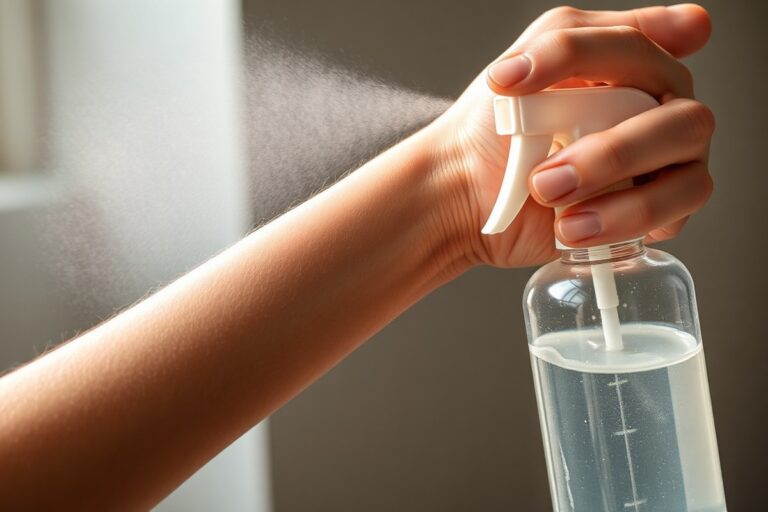
Avoid letting seedlings dry out. Use a spray bottle to mist soil gently to keep moisture even.
Remember, poor timing might mean more frequent care, such as extra light, watering, and repotting. The extra effort helps seedlings catch up and stay healthy. Avoid rushing the process by planning indoor seed starting dates around your last frost date.
Choosing Containers, Soil Mix, and Light for Successful Seed Starting
Starting vegetable seeds indoors needs the right containers, soil mix, and light. Containers with good drainage keep roots healthy.
A light seed-starting mix lets delicate roots grow well. Seedlings also need 14 to 16 hours of light daily.
Best Containers for Drainage and Growth
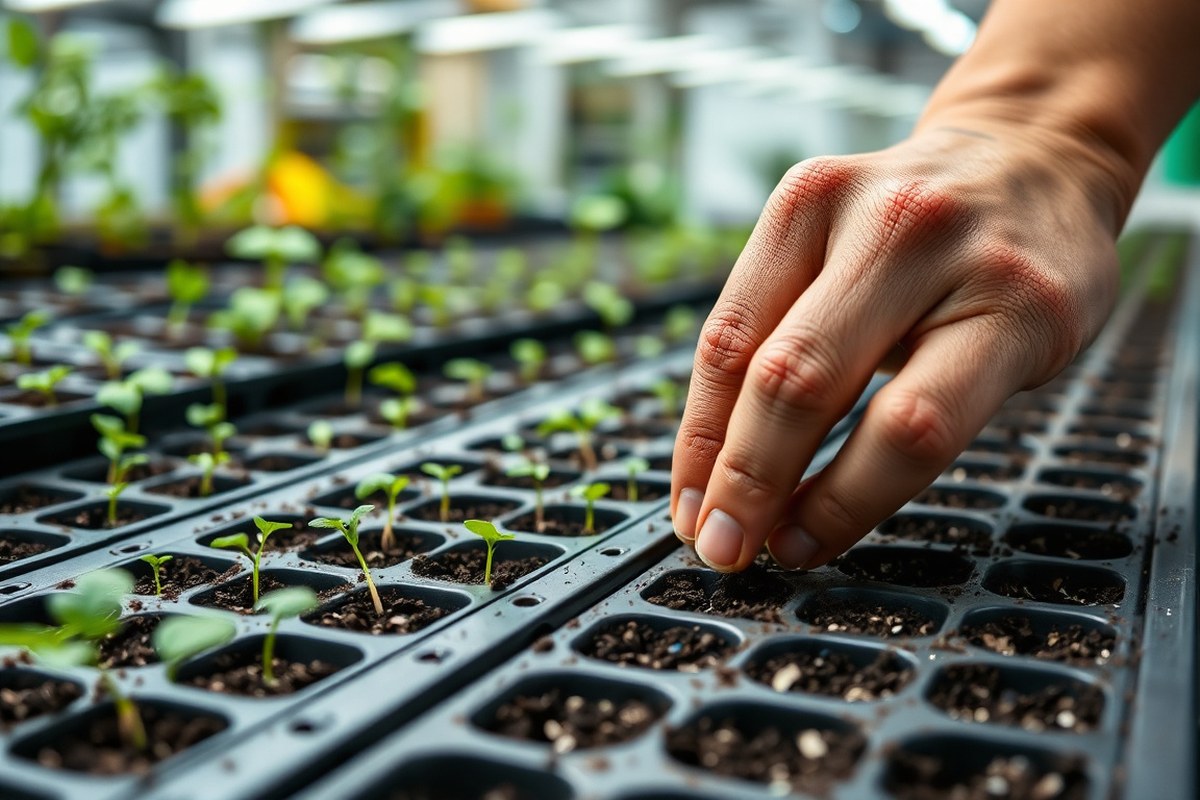
Use containers with drainage holes to avoid soggy soil and root rot. Seed-starting trays or small pots work well because they hold enough soil without compacting it. Open flats let you plant rows of different seeds and save space.
Fill containers with soil so it’s full but not packed tightly. Loose soil keeps air flowing and allows roots to spread. You can recycle small yogurt cups or egg cartons.
Poke holes in the bottom for water drainage. This keeps plants from sitting in water.
Choosing the Right Seed-Starting Mix
A seed-starting mix usually contains peat moss, vermiculite, and coconut coir. This mix holds moisture and air without heavy chunks that block root growth. Don’t use regular garden soil.
Avoid potting soil with large wood chips or rocks. They can smother seedlings.
Sift your mix through a fine screen. This removes big bits. It also makes filling cells easier.
A good mix should stay moist but not soggy. Dry soil slows germination and stunts growth. So check moisture daily and water gently when needed.
Lighting Options and Duration
Seedlings need 14 to 16 hours of light a day to grow strong. A sunny south-facing window only provides 2 to 4 hours, which isn’t enough early in spring. Most gardeners use fluorescent or LED grow lights positioned 2 to 4 inches above the plants.
Set a timer to keep light consistent for the full 14 to 16 hours. Too little light makes seedlings leggy and weak. Keep the lights close but not touching leaves.
This avoids burning the leaves. It gives bright, even light for growth.
Adjusting Indoor Seed Starting Schedules by Climate Zone and Vegetable Type
Adjust your seed starting schedule by knowing your USDA zone and the crops’ needs. Cooler zones require starting seeds earlier indoors. Warmer zones let you delay or get extra crops.
Some vegetables need more time indoors, especially in cooler regions. So plan your sowing dates accordingly.
Understanding Your USDA Hardiness Zone
USDA zones show the average low temperatures and frost dates for your area. Zones go from 1 (coldest) to 13 (warmest). They help you know when to plant outdoors safely.
This info helps you count backward. You find the right indoor seed start date for vegetables.
For example, know your last frost date from your zone’s data. Your zone 5 last frost date is about May 15.
Use that date to plan indoor seed sowing. This helps avoid starting too soon or too late, keeping seedlings healthy and ready.
Timing Adjustments for Cooler Zones
Cooler zones like 3 or 4 have later last frost dates. So start seeds indoors 8 to 12 weeks before outdoor planting. Root crops like carrots or beets need less indoor time.
You can sow them outdoors when soil warms. Tender plants such as tomatoes and peppers need 8 to 10 weeks inside. This helps them reach transplant size.
Longer indoor time means you’ll need stronger grow lights and more space for seedlings. Make a calendar counting backward from your frost date.
For a May 30 frost date, start tomato seeds indoors by March 1. This ensures they are big enough to move outside.
Timing Adjustments for Warmer Zones
Zones 8 to 10 face earlier last frost dates, often before March. So start seeds indoors 4 to 6 weeks prior.
You can grow cool-season crops twice by setting one batch early and another in late summer. Some heat-sensitive crops like lettuce might need shading or faster planting after indoor growth.
Your zone’s last frost is March 15. Sow peppers indoors between February 1 and 15.
This timing takes advantage of the longer growing season. Warmer zones also require monitoring for early heat that can stress young plants when you transplant.
Counting backward from your local frost date is the simplest way to plan seed starting.
Step-by-Step Action Plan for Starting Vegetable Seeds Indoors
Follow these steps to start your seeds indoors on time. You’ll get healthy seedlings ready to move outside. Timing helps your plants grow strong before transplanting.
- Four to six weeks before last frost: Choose seeds suitable for indoor starting for your zone. Confirm seed packet dates and select containers with drainage holes.
- Three to five weeks before last frost: Prepare a sterile seed-starting mix and fill containers. Moisten the soil until damp but not soggy.
- Day 1 of planting: Sow seeds at the depth shown on the packet. Cover lightly and label each container with seed type and date.
- First week after planting: Place containers in a warm spot matching the seed’s preferred soil temperature. Keep soil moist using a spray bottle.
- Once seedlings emerge: Move containers under grow lights or near a sunny window. Rotate seedlings daily to encourage even growth.
- Two weeks before transplanting: Begin hardening off your seedlings. Put them outside for 1-2 hours daily. Use a shady, sheltered spot for protection. Increase time each day.
- Day before transplant: Stop watering in the late afternoon to toughen seedlings. Check that outdoor soil is warm and ready for planting.
- Transplant day: Plant seedlings carefully in prepared garden beds. Water thoroughly and protect from strong sun or wind for several days.
Frequently Asked Questions
How Do I Find My Last Frost Date for Starting Seeds Indoors?
Use an online frost date calculator by entering your zip code. It gives a range to guide when to start your seeds indoors. Tracking this date is key to timing your seed starting right.
Can I Start Vegetable Seeds Indoors Without Grow Lights?
Yes, but make sure your seedlings get 12 to 16 hours of bright light daily. Place them by a south-facing window or use a fluorescent light to prevent legginess.
What Temperature Should I Keep My Indoor Seed Trays At?
Maintain soil temperature around 70° to 80°F for most vegetable seeds to germinate well. Using a seedling heat mat helps keep the temperature steady.
How Long Should Seedlings Grow Indoors Before Transplanting?
Generally, allow seedlings to grow 4 to 6 weeks until they have a few true leaves. This time helps them develop strong roots before moving outside.
Can I Start Different Vegetable Seeds Indoors at the Same Time?
You can, but check each seed’s ideal start time and soil needs. Group seeds by similar requirements to manage watering and temperatures easily.
How Do I Avoid Damp-Off Disease in Indoor Seedlings?
Avoid overwatering and ensure good air circulation around seedlings. Use sterile seed-starting mix and remove any weak plants quickly.
The Bottom Line
Start seeds indoors based on your local frost date. Timing is key to growing strong, healthy plants. This helps seedlings survive when they move outside.
Watch temperature and light closely during germination to avoid common pitfalls. Pick your first seed packets today and begin preparing soil and containers.