How Does a Worm Eat? A Complete Guide to Worm Feeding and Digestion
Worms use their muscles to pull organic material into their mouths. They swallow small bits of soil mixed with decaying plants and leaf litter. Inside, worms break down this material with enzymes and mild acid to extract nutrients.
Their segmented bodies have muscles and tiny bristles called setae to move food along. Worms detect food by chemical signals and use mucus to trap microscopic organisms. Their digestive system is designed to process soil and dead plant matter efficiently.
Worms eat continuously, grinding soil with a structure called a gizzard. This mechanical action breaks down food before it reaches the intestines. The process helps recycle nutrients back into the soil, supporting soil health.
Offer soft, moist organic waste like vegetable scraps for easier digestion. Avoid dry or sharp materials that can harm their delicate insides. Keeping food moist helps worms process it faster and stay healthy.
Key Takeaways
- Worms use muscles to pull food into their mouth and swallow soil bits.
- Chemical signals help worms detect food nearby before they eat it.
- Digestive acids and enzymes break down food inside a worm’s gut.
- Worm bodies have segments with muscles and bristles for moving food.
- Feeding soft, moist food helps worms digest with less effort.
- Avoid dry or sharp materials that can damage worms’ internal organs.
How Does a Worm Eat and Digest Food?

Worms eat without teeth by using a muscular pharynx. This part acts like a suction pump to pull in food and soil. The food gets coated with saliva to begin gentle breakdown.
The food then moves into the gizzard, which works like the worm’s teeth. The gizzard grinds the food with small stones the worm swallows. This mechanical process breaks food down into tiny pieces, making digestion easier.
Inside the intestine, digestive enzymes mix with the crushed food. These enzymes further break it down so the worm can absorb nutrients. The nutrients pass through intestinal walls into blood vessels, feeding all parts of the worm’s body.
Digestion usually takes about 24 hours from eating to excretion. Worms eat organic matter along with soil and expel waste called castings. These castings are rich in nutrients and beneficial for garden soil.
Here is how the food moves and gets processed inside a worm:
- Push food and soil into the mouth using the pharynx.
- Coat the food with saliva to soften it.
- Move the food to the gizzard, where grinding with swallowed stones occurs.
- Mix food with digestive enzymes inside the intestine to break it down chemically.
- Absorb nutrients through intestinal walls into the worm’s bloodstream.
- Transport nutrients to organs and muscles for energy and repair.
- Excrete undigested bits and soil as worm castings to complete digestion.
This system lets worms digest tough materials like decaying leaves and fruit. The smaller the food pieces, the faster and more fully they digest.
Worms can eat about twice their body weight in one day. This keeps their digestion process very active.
Without teeth, worms rely on grinding and enzymes to break down food well. Too large pieces slow digestion and reduce nutrient absorption. This process helps worms stay healthy and create rich soil amendments from their castings.
What Do Worms Eat in Nature and Captivity?
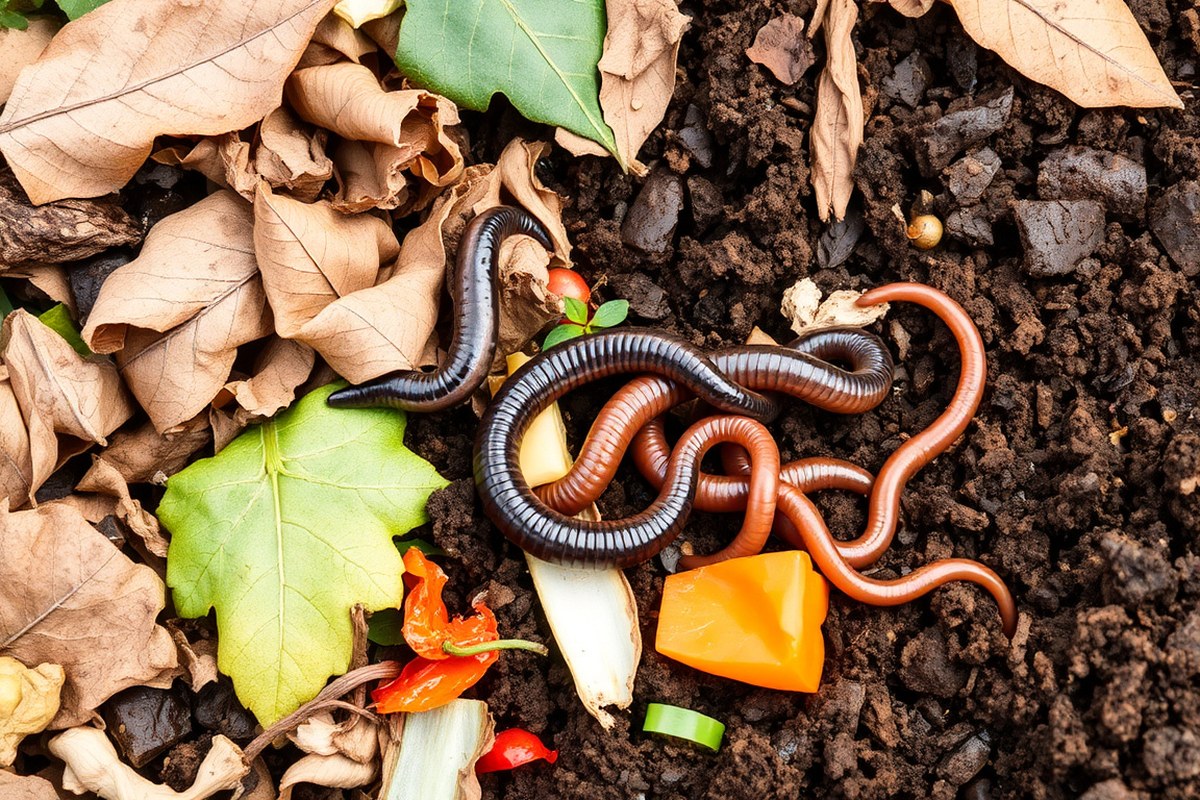
Worms eat mostly decaying plant and animal matter in nature. In worm farms, their diet shifts to kitchen scraps and specific organic waste. Knowing these differences helps keep your worms healthy and your compost productive.
Wild Worm Foods: Soil, Leaves, Decaying Matter
Wild earthworms feed on soil rich in organic matter, dead leaves, and other decaying plants. They also consume small microorganisms and bits of dead roots or wood. This natural diet recycles nutrients and improves soil health.
They break down tough materials like leaves, stems, and roots over time. Their constant tunneling mixes soil layers, moving organic matter deeper underground. This helps plants access nutrients more easily.
Common Worm Farm Foods: Fruits, Veggies, Coffee Grounds
In worm farms, worms enjoy fruit and vegetable scraps, paper, and coffee grounds. They eat melon rinds, eggshells, old newspaper, and cooked vegetables. These foods provide the nutrients worms need for growth and reproduction.
Worm composting turns kitchen waste into vermicompost, a valuable soil additive. Supplying a variety of scraps encourages worms to stay active and reproduce. Keep the food moist but not wet to avoid smell and pests.
| Food Type | Wild Worms | Worm Farms | Benefits |
|---|---|---|---|
| Soil | Primary food source | Used if mixed with bedding | Provides minerals and microbes |
| Decaying leaves/plants | Main diet | Supplemental | Rich in nutrients and fiber |
| Fruit and vegetable scraps | Occasionally, if fallen on ground | Primary food source | High nutrient content, easy to digest |
| Coffee grounds and tea leaves | Rarely found | Commonly fed | Rich in nitrogen, good microbial growth |
| Paper and eggshells | Minimal presence | Regular feed | Provides carbon and grit for digestion |
Offering a mix of these foods supports worm health and compost quality. Overfeeding any one type can cause odors and slow processing.
Foods to Avoid: Citrus, Meat, Dairy, Oils
Worms avoid citrus fruits because of their acidity and toxins. Large amounts of citrus can kill worms or make them sick. Avoid adding meat, dairy, and oily foods that attract pests and cause smells.
These materials break down slowly and disrupt the worm bin’s balance. Stick to plant-based scraps and moderate amounts of coffee grounds. Keep your worm bin tidy to prevent problems.
Avoid feeding worms citrus or meat scraps to keep them healthy and active.
How Do Worms Locate Food in Their Environment?
Worms locate food mainly through chemoreceptors located on their skin. These sensors detect tiny amounts of chemicals released by decaying organic matter. This ability works like a biological compass, helping worms follow chemical trails underground toward food sources.
Worms respond strongly to certain smells, especially those from rotting leaves and decomposing plants. They tend to avoid strong, unpleasant odors that may signal toxins or spoiled materials. Worms like high-carbon “brown” matter, such as fallen leaves.
Leaves give off chemicals worms recognize and prefer. These chemicals attract worms to the leaves.
The mucus worms secrete also helps trap microorganisms near food. The sticky slime works like glue. It holds bits of organic matter and tiny creatures.
Worms can sense and eat them easily. They rely on damp, dark environments to carry these chemical signals effectively.
To attract worms in your compost or garden, use finely chopped organic scraps. Smaller pieces release scent and moisture more easily, making it simpler for worms to detect them. Avoid foods with strong acid or pungent smells, which may repel worms and reduce feeding activity.
So, to help worms find food, keep the organic matter moist and broken down. Good airflow and regular turning encourage microbes that release chemical cues worms track. The result: worms move toward these areas, improving compost breakdown and soil health.
What Is the Role of Microorganisms in Worm Digestion?
Worms host bacteria, fungi, and other tiny microbes inside their guts. These microbes help worms break down tough organic materials like dead leaves. Without them, worms would struggle to digest and absorb many nutrients.
Gut bacteria and fungi act like tiny helpers, breaking complex compounds into simpler forms. They produce enzymes that digest cellulose and lignin, common in plant matter. This process releases sugars and nutrients that worms can absorb easily.
Worms also consume microorganisms such as nematodes, protozoa, and rotifers found in soil. These microbes add to the nutrient mix inside the worm’s gut. They help speed up organic matter breakdown and improve worm health.
Without these microbial partners, worms would not digest food efficiently. Their digestive system relies on symbiotic microbes to extract nutrients from soil and decaying plant matter. This teamwork turns waste into nutrient-rich worm castings, which benefit soil and plants.
Worms feeding on fresh organic matter ingest a mix of decomposing fungi and bacteria. These microbes partially pre-digest the material before the worms eat it. That makes digestion faster and less energy-intensive for the worm.
Good worm digestion means faster composting and healthier soil in your garden. It takes time for worms to establish a balanced gut microbiome when you start worm farming. Avoid strong chemicals that can kill these helpful microbes.
Microbial partners vary slightly between worm species and environments. Composting worms like red wigglers may host different bacteria than those in wild soils. Temperature, moisture, and food sources influence which microbes thrive inside worm guts.
To support these microbes, provide diverse organic waste for your worms. Add plant scraps and decayed leaves for worm food. Include some soil from your garden too.
This soil supplies natural bacteria and fungi worms need. Keeping worm bedding moist and aerated also helps microbes stay active.
How Do Baby Worms Eat Differently from Adults?
How Do Baby Worms Eat Differently from Adults?
Baby worms start feeding right after they hatch. They eat similar materials as adults but need smaller, softer particles. Their diet and care change as they grow to support healthy development.
Baby Worm Development Stages
Baby worms hatch from cocoons looking like tiny adults. They are about 1/8 inch long and very delicate. In the first few weeks, they grow rapidly and need moist bedding to stay healthy.
During the first 2 to 3 weeks, baby worms soak up nutrients. They get these from broken-down organic matter and tiny microbes. This helps them grow strong and healthy.
Their tiny size limits their ability to handle tough food pieces early on. By about 4 weeks, they start resembling adult feeding patterns more closely.
Early Feeding Habits
Right after hatching, baby worms seek fine, soft compost materials. They prefer decaying leaves, fruit scraps, and paper bedding that microbes have started breaking down. This helps make digestion easier for their small digestive systems.
Feed baby worms small amounts of fresh kitchen scraps. Use veggie peels and coffee grounds. These foods are balanced and easy for baby worms to digest.
Avoid anything too dense or hard, such as eggshells or thick cardboard. Keep feeding moderate to prevent bad odors and pests.
Feed baby worms small, soft food pieces regularly and keep bedding moist.
Transition to Adult Diet
As baby worms grow past 4 to 6 weeks, their diet broadens to include tougher materials. They start breaking down more fibrous things like grass clippings and shredded paper. This shift prepares them for fully processing adult compost.
Adult worms eat bigger food bits and more types. This includes decayed plants and some animal manure. They can handle tougher food than babies.
Supporting this growth means gradually increasing food quantity and variety while monitoring moisture and temperature. Near 3 months, they reach maturity and can reproduce.
Proper feeding through these stages affects worm health and compost quality. Overfeeding or poor diet slows growth and causes problems like foul smells or weak worms. A steady, gentle transition lets baby worms thrive into strong adults.
What Are the Differences in Feeding Among Worm Species?
Worm species have different diets and feeding methods. Red wigglers, nightcrawlers, and parasitic worms all eat in distinct ways. Knowing these differences helps you pick the best worms for composting or other uses.
Red wigglers like to eat fruit scraps, vegetable waste, coffee grounds, and crushed eggshells. They feed near the soil surface and move slowly to collect bits passively. Nightcrawlers eat many materials found in the soil.
They like decaying leaves and organic stuff deep underground. These worms help break down stuff buried deeper than surface feeders. Unlike red wigglers, they burrow actively to find food.
| Worm Type | Diet | Feeding Mechanism | Best Use |
|---|---|---|---|
| Red Wiggler (Eisenia fetida) | Fruit and vegetable scraps, coffee grounds, eggshells | Passive collection, stays near surface | Vermicomposting |
| Nightcrawler (Lumbricus terrestris) | Decaying leaves, organic matter, soil | Active burrowing and hunting | Soil aeration, organic matter breakdown |
| Parasitic Worms (various species) | Host tissue or fluids | Attach and consume host nutrients | Not used for composting |
| Red Worm (Lumbricus rebellus) | Similar to red wigglers: scraps and decomposed matter | Surface feeding, passive collection | Vermicomposting |
Parasitic worms feed differently by attaching to hosts and consuming their tissues or fluids. This behavior makes them unsuitable for composting. Earthworms like red wigglers or redworms thrive on decomposed scraps and blend well into compost bins.
Choosing red wigglers is smart for composting because they process waste quickly. Nightcrawlers work well in garden soil by loosening it and mixing organic material.
Their different feeding strategies show how some worms suit compost bins. Others best support soil health.
How Environmental Factors Affect Worm Feeding Habits
Worms eat best when temperatures stay between 55°F and 77°F. Cooler temperatures make worms slow and less hungry. Worms move deeper when soil temperature rises above 85°F. They seek cooler spots and stop feeding there. Extreme cold also slows their digestion and appetite.
Moisture is important for worm feeding because worms breathe through their skin. They absorb water directly from the soil, which keeps them hydrated and healthy.
Dry soil makes worms shrink back into their tunnels and stop eating. Too much water causes a lack of air and can drown the worms.
Soil pH affects how well worms can digest food. Worms prefer soil that is slightly acidic to neutral, around 6.5 to 7.0 pH. This pH range helps dissolve food particles and activates digestive enzymes in their gut.
Soil that is too acidic or alkaline causes problems for worms. This messes up their processes. They eat less because of this.
- Keep soil temperature between 55°F and 77°F for steady worm activity.
- Water soil enough to feel like a wrung-out sponge, not soaking wet or dry.
- Check soil pH with test kits. Adjust towards neutral if needed using lime or sulfur.
- Provide well-drained soil that holds moisture but allows air flow.
- Harvest worms in the morning when they are near the surface.
For wet climates, ensure worm beds drain well to avoid drowning worms. In dry climates, water the soil regularly to keep worms active. Adjust pH carefully over weeks to avoid shocking the worms.
Check your worm farm every day at the start. Look for slow feeding or changes in worm burrowing. These signs show stress early.
Tips for Feeding Worms and Avoiding Common Mistakes
You should feed worms only as much as they can eat within a few days. Avoid throwing large piles of scraps in their bin all at once. Proper feeding keeps worms healthy and stops bad smells or pests from showing up.
Optimal Food Quantity per Worm Weight
Feed about half of the worm bin’s weight in food each day. For one pound of worms, provide about half a pound of scraps. Feed them slowly to avoid overloading their bin.
Watch leftovers to adjust feeding amounts. Start with small amounts and increase feeding as your worm population grows.
Too much food causes rotting and attracts fruit flies or other pests quickly. Less food slows worm growth and compost production. Adjust your feeding by checking how fast the scraps disappear.
Waiting three to five days between feedings helps worms fully digest current scraps. You’ll notice no leftover food or sharp odors when you get the amount right.
Foods That Harm Worms
Avoid meat, bones, dairy, and oily foods in your worm bin. These attract pests like rats and flies, and they decompose slowly. Keep your worms safe by sticking to plant-based scraps.
Stay away from acidic foods like citrus peels and onions in large amounts. They can hurt worms and disrupt the bin’s pH. Coffee grounds and crushed eggshells are fine in small amounts.
- No meat, bones, or dairy products
- Avoid oily, greasy leftovers
- Limit citrus and onion scraps
- Skip spicy or salty foods
- Do not add pet waste or chemically treated plants
Organic, cooked food scraps and vegetable peels work best. Worms also enjoy crushed paper and cardboard mixed into their bedding for extra food.
Prepping Food Scraps for Better Digestion
Chop or blend scraps into small pieces before feeding worms. Smaller bits help worms consume and digest their food faster. A blender or food processor works well for this job.
Dry or partly dry food scraps prevent the bin from getting too wet. When scraps are wet, mix shredded paper or cardboard.
This helps soak up extra moisture and keeps worms happy. Avoid adding large chunks that slow down worm digestion.
Keep food scraps fresh and do not add rotten or moldy items. Fresh scraps allow worms to recycle nutrients more effectively and keep your compost healthy.
Indicators of Worm Feeding Health
Watch how quickly worms finish food to check their hunger. Slow consumption signals overfeeding or low worm numbers. Fast disappearance means you need to add more scraps carefully.
Look for healthy, moist worm castings in the bin. This shows worms are digesting their food well.
Notice a bad smell or plenty of uneaten scraps? Reduce how much food you give your worms right away.
Too much food causes bad smells and pests; slow feeding may starve worms. Balance is key.
Worms may also leave the bin if food is scarce or conditions are poor. Keep feeding steady and observe your worms for signs of stress or discomfort.
Step-by-Step Action Plan for Feeding Your Worms
Follow this plan to feed your worms effectively and watch your worm farm thrive. Each step helps you spot signs your worms are healthy and eating well.
- Before you start: Prepare a balanced mix of kitchen scraps and shredded paper. This mix should be moist but not soggy to keep worms happy.
- Day 1: Add small amounts of food scraps to your worm bin. Watch for worms gathering near the food, which shows they’ve found it.
- Week 1: Monitor moisture and temperature. Keep bedding damp like a wrung-out sponge and between 55, 77°F for best feeding.
- Week 2: Add more food based on how quickly worms finish the first batch. Slow eating means reduce food or chop scraps finer.
- Week 3: Check for worm castings, dark, crumbly material. Castings mean worms are digesting well and breaking down food.
- After 4 weeks: Begin harvesting castings and refresh bedding. This gives worms fresh space and food to keep eating actively.
- Ongoing: Avoid citrus, oily, or spicy foods. These can harm worms and slow feeding. Stick with veggie scraps and paper products.
Frequently Asked Questions
How Fast Do Worms Eat Compared to Other Soil Creatures?
Worms can eat about twice their body weight daily. Worms eat faster than many small soil creatures.
This makes them good at breaking down organic stuff. That helps speed up your compost process.
Can Worms Digest Meat or Dairy Products?
Worms do not digest meat or dairy well. Some foods can rot and smell bad in worm bins.
It’s better to feed worms only plant scraps. That keeps your worm bin healthy and odor-free.
How Do Worms Use Saliva in Their Eating Process?
Worms use saliva to coat food as they eat. Worm saliva breaks down their food.
It helps make the food easier to digest inside. This aids their digestion as food moves through their gut.
Do Worms Prefer Fresh or Decomposed Food?
Worms tend to prefer decomposed or partially broken down food. It’s easier for them to digest. They find it more nutritious than fresh plant matter.
Why Do Worms Eat Soil Alongside Organic Material?
Eating soil provides worms with minerals and grit to aid digestion. Organic-rich soil also includes microorganisms that help break down food inside the worm’s gut.
Can Worms Eat Synthetic Materials Like Plastics?
Worms cannot eat or digest plastics. Introducing synthetic materials to a worm bin can harm the worms and disrupt their digestive processes.
Key Points to Remember
Worms eat by breaking down organic matter with help from tiny microbes. Feeding them the right stuff and conditions keeps them active and healthy. Start by giving your worms small amounts of kitchen scraps and watch them work fast.