
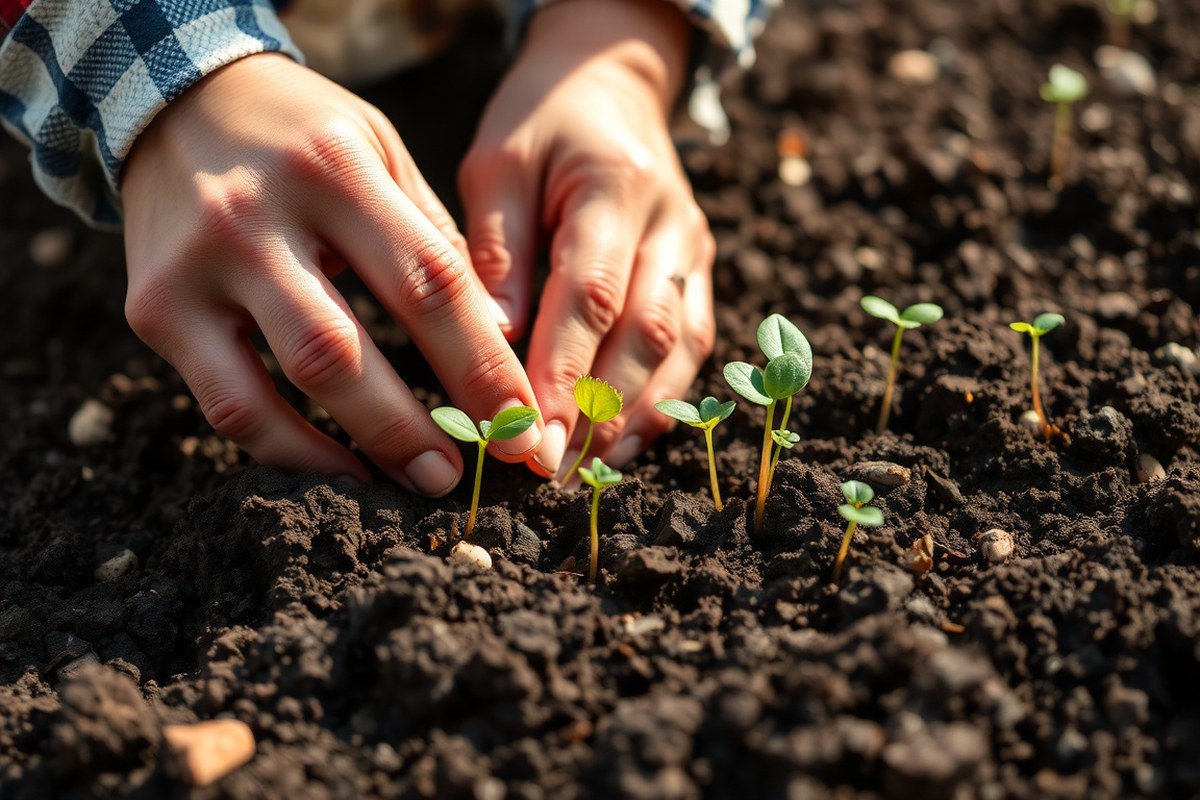
How Long Does It Take Seeds to Sprout? A Complete Guide for Fast Results
How long does it take seeds to sprout? Most seeds sprout within 3 to 14 days under ideal conditions. Radishes can appear in just 3 to 7 days.
Tomatoes usually take 5 to 14 days. Soil temperature and moisture are the biggest factors for quick sprouting.
Chilly soil temperatures really slow seed sprouting. Tomato seeds may need as long as 6 weeks to grow at 50°F (10°C).
You get faster sprouts by keeping soil warm and correctly moist. Planting depth also affects how quickly seeds emerge.
Some seeds take longer even when conditions are right. Parsley might need up to 21 days. Celery seeds can take 2 to 3 weeks.
Soaking hard seeds in warm water before planting often speeds things up. Starting seeds indoors where you can control warmth helps too.
Key Takeaways
- Keep soil temperature between 65°F and 75°F for faster seed sprouting.
- Water soil evenly but don’t let it stay soggy or dry out.
- Plant seeds at the depth recommended on the seed packet.
- Soak hard seeds in warm water for a few hours before planting.
- Start slow-germinating seeds indoors to control temperature and moisture.
- Check soil warmth with a thermometer to avoid slow germination.
How Long Does It Take for Seeds to Sprout Under Ideal Conditions?

Seeds usually sprout within a wide range of days, based on the plant type. Typical sprouting times fall between 2 and 30 days under ideal conditions.
Some seeds, like radishes, pop up quickly. Others take much longer to show signs of life.
The speed depends on the seed’s species and its specific needs. A warm soil temperature from 65°F to 75°F and steady moisture help seeds wake up faster. Seeds that need more time often have thicker coats or natural oils that slow water absorption.
| Category | Typical Emergence (Days) | Examples |
|---|---|---|
| Very Fast | 2, 5 | Radish, turnip, lettuce, bean, pea |
| Fast | 5, 10 | Tomato, cucumber, basil, marigold, zinnia, cosmos |
| Moderate | 10, 14 | Pepper, eggplant, carrot, beet, parsley |
| Slow | 14, 30+ | Celery, leek, parsnip, rosemary, thyme, lavender |
Seeds like celery and leeks take about two to three weeks to sprout. Long germination times often mean the seeds have natural dormancy or tough seed coats. Most herbs start sprouting in 5 to 28 days.
The exact time depends on the herb type. Be patient and watch for signs of growth.
The variation between species shows how important proper care is during germination. Keep moisture, temperature, and soil conditions just right. This cuts waiting time for seeds.
It also helps seeds grow strong and healthy. Quick germinators give fast results, but slow ones need patience and careful monitoring.
What Factors Influence How Quickly Seeds Germinate?

Several factors change how fast seeds sprout. Soil temperature, water, light, seed age, and soil type all affect germination speed. Understanding each helps you get seeds growing on time.
Soil Temperature and Germination Speed
Soil temperature matters most for sprouting. Most vegetable and flower seeds germinate fastest around 70-80°F (21-27°C). Below 60°F, many seeds slow down or stop growing.
For example, tomato seeds can take up to six weeks to sprout at 50°F (10°C). Keeping soil warm speeds enzyme action inside the seed, making growth faster. Use a heating mat or indoor trays for your seeds.
Keep the temperature right for the seed type. This helps seeds grow well indoors.
Moisture and Oxygen in Seed Sprouting
Seeds need enough moisture to soften the seed coat and start metabolism. Overwatering kills seeds by blocking oxygen, so the soil must stay damp, not soaked. Seeds also need oxygen to breathe and grow.
Plant seeds with good soil contact to get both moisture and oxygen. Avoid hard or compacted soil, which can suffocate seedlings. Water gently and monitor soil moisture daily to keep the balance right.
Seed Age and Storage Effects
Old seeds often take longer to sprout or may not sprout at all. Seed quality drops about 10-15% each year, depending on storage. Cool, dry storage keeps seeds viable longer.
Buy fresh seeds and store them in airtight containers in a cool, dark place. Look at seed packets for the harvest year.
Throw out seeds older than two years. Keep only seeds known to last longer.
Light Requirements and Sprouting
Most seeds do not need light to sprout but do need warmth and moisture. Some small seeds, like lettuce or petunias, need light or shallow planting to germinate well. Other seeds, like beans, sprout better buried deeper.
Check seed packet instructions or plant guides to know if your seeds need light exposure. Plant seeds that require light on the soil surface and keep moist. For those needing darkness, cover with the right depth of soil.
Soil Type and Quality Impact
Soil that drains well and holds moisture helps seeds sprout faster. Sandy or clayey soils slow water or oxygen flow, delaying germination. Use loose, fine-textured soil like seed starting mix for best results.
Good soil makes it easier for seedlings to break through. Avoid heavy soils or garden dirt full of debris. Adding compost or peat moss improves moisture retention while keeping soil light.
Check seed packets to match temperature and light needs exactly. Ignoring them often slows or stops sprouting.
Typical Sprouting Times for Popular Vegetables, Herbs, and Flowers
Different seeds take various times to sprout based on their type and soil temperature. Knowing these times helps you plan your garden better. Warm-season seeds generally sprout faster than cool-season ones in their preferred soil temperatures.
Fast-Germinating Seeds Under a Week
Radishes and lettuce sprout fast. You see green shoots in under a week. They are among the quickest seeds to grow.
Radishes can sprout in 3 to 5 days in soil temperatures between 45 and 90°F. Lettuce seeds sprout fast, usually within 2 to 7 days. They like cooler soil temperatures from 45 to 65°F. Cooler soil helps lettuce germinate better.
These seeds need consistent moisture but not soggy soil, or they might rot. Fast germination means you’ll see seedlings quickly, which helps with early planning. Seedlings that don’t appear in two weeks may need replanting or extra warmth.
Medium Sprouting Seeds Within 1 to 3 Weeks
Tomatoes and carrots take 5 to 21 days to sprout. They belong to the medium-speed sprouting group.
Their seeds take longer to break the soil. Tomato seeds sprout in 5 to 10 days when soil temperature stays between 70 and 85°F. Carrots take longer, about 6 to 10 days, preferring 50 to 80°F soil.
Peppers, peas, and spinach sprout in about one to two weeks. Peppers need soil warmer than 70°F. Peas and spinach prefer cooler soil temperatures. Plan your seed starting to match these sprouting times.
Start indoors early or sow outside at the right season. This helps plants grow well. Keep soil at ideal temperatures using heat mats if needed for warm-season seeds.
| Vegetable/Herb | Germination Time (Days) | Optimal Soil Temperature (°F) |
|---|---|---|
| Radishes | 3-5 | 45-90 |
| Lettuce | 2-7 | 45-65 |
| Tomatoes | 5-10 | 70-85 |
| Carrots | 6-10 | 50-80 |
| Peppers | 8-14 | 70-85 |
Regularly check soil temperature to keep it within these ranges for best sprouting results. Seeds outside their temperature range may wait longer or fail to sprout. Heating mats help for warmth-loving seeds like tomatoes and peppers.
Slow Sprouting Seeds Requiring Several Weeks to Months
Some flower seeds take much longer, sometimes up to a year. Certain trumpet-shaped flowers need 180 to 365 days to germinate, demanding patience and special care. Native plant seeds can also delay sprouting until cold stratification is complete.
Peas take 6 to 10 days to sprout as cool-season veggies. They slow down if soil drops near 40°F. Cold soil stalls their growth.
Warm-season seeds risk rotting if soil is too cold or wet. Watch for signs of healthy seedlings before replanting in long sprouting cases.
Seed Treatments and Preparation Techniques to Speed Sprouting
Preparing seeds properly can help them sprout faster and more reliably. Techniques like soaking, scarification, cold stratification, and a paper towel test can speed things up. Each method suits different seed types and situations.
Soaking Seeds to Soften Seed Coats
Soaking seeds before planting helps soften their hard outer layer. This step makes it easier for roots to break through and start growing. It works well for seeds with tough shells like parsley, beans, and peas.
Soaking takes about 12 to 24 hours in room-temperature water. Avoid soaking longer because seeds might rot or lose oxygen. After soaking, plant seeds right away in moist soil for best results.
- Fill a container with room-temperature water.
- Submerge seeds fully without crowding them.
- Let seeds soak for 12 to 24 hours, no more.
- Drain the water and gently pat seeds dry.
- Plant seeds in prepared soil immediately.
Scarification Methods for Hard-Coated Seeds
Scarification means nicking or scratching a seed’s hard coat to help water enter. Seeds like sweet peas or morning glories often need this step. It speeds up sprouting by mimicking natural wear found in soil or animal digestion.
Scrape or sand the seed coat lightly without damaging the inner part. You can also soak seeds after scarification for extra softening. Use fine sandpaper or carefully nick with a knife.
- Hold the seed firmly between your fingers.
- Lightly rub the seed coat with fine sandpaper.
- Or, carefully nick the seed coat with a small knife.
- Soak the scarified seeds for 12 to 24 hours, if desired.
- Plant the seeds right after soaking.
Cold Stratification for Dormant Seeds
Cold stratification tricks dormant seeds into thinking they passed winter. This process encourages them to sprout when warmer weather comes. Many native perennials, trees, and some herbs need this step.
Mix seeds with moist sand or vermiculite inside a sealed bag. Store the bag in the fridge around 34 to 41°F for 2 to 8 weeks. Keep the mix damp but not wet, check weekly for mold or dryness.
- Mix seeds with slightly moist sand or vermiculite.
- Place the mixture in a labeled plastic bag.
- Seal the bag and put it in the fridge (34-41°F).
- Leave the seeds there for 2 to 8 weeks.
- Check moisture weekly and re-moisten if needed.
- Plant seeds immediately after cold stratification.
Using the Paper Towel Germination Test
The paper towel method checks if your seeds are still good and ready to sprout. It’s ideal for older seeds or if you’re unsure about seed quality. This test also gives you a preview of how quickly they will sprout.
Place seeds between moist paper towels in a warm spot around 71°F. Check daily for sprouting over 7 to 10 days. If most seeds open or show roots, they’re viable and ready for planting.
- Wet a paper towel and wring out excess water.
- Place seeds evenly spaced on one half of the towel.
- Fold the towel over the seeds to cover them.
- Put the towel in a warm spot around 71°F.
- Check the towel daily, keeping it moist.
- Look for root tips or sprouting within 7 to 10 days.
- Plant sprouted seeds immediately or discard unviable ones.
How Planting Depth and Soil Type Affect Seed Sprouting Time
Planting depth influences how fast seeds sprout and if they survive. Seeds should be buried just deep enough to stay moist. They need to be shallow enough to get light quickly.
This helps them grow properly. Small seeds, like lettuce or petunias, usually need about 3 to 5 millimeters (0.12 to 0.20 inches) of soil cover. Large seeds like beans or squash need planting two to three times their diameter deep.
This is usually half an inch to one inch deep. Planting at this depth helps them grow.
Soil type also affects seed sprouting speed. Loose, well-draining soil with good organic content creates air pockets for seed oxygen intake. Clay-heavy or compact soils block air and water flow.
A light seed-starting mix with peat or coconut coir works best for most seeds. It holds moisture steady but avoids sogginess.
This prevents seed rot. It also helps roots grow faster.
Planting too deep slows or stops seedlings from emerging. Deep planting means seeds use more energy to push upward and delay sprouting. Shallow planting risks drying out or washing away seeds.
For example, small lettuce seeds that get buried more than ¼ inch often fail to sprout. Use a ruler or your finger to measure planting depth so seeds aren’t buried unevenly.
Check seed packet instructions for depth and soil type. Adjust planting depth carefully to suit seed size and soil conditions for faster, healthier growth.
Using the right soil and planting depth also affects watering. Soil that stays moist but drains excess water allows seeds to swell and break dormancy quickly.
Overly wet soil can cause seedlings to rot before they push through. After planting, water gently to moisten the soil evenly.
Some seeds like peas and beans grow well in cooler soil. They usually sprout in four to seven days. Cooler soil suits them best.
Warm-weather seeds like watermelon or eggplant need warmer soil. They do best at about 60 to 65 degrees Fahrenheit. This helps them sprout well.
Warmer soil speeds metabolism and germination. You can start seeds indoors using trays filled with light soil.
This gives you better control over the temperature and moisture. Indoor starting improves success.
Why Aren’t My Seeds Sprouting? Common Problems and Fixes
Old or poorly stored seeds often fail to sprout. Seed coats can get damaged over time, letting too much water in or not enough. This stops the embryo inside from growing properly, causing delays or no sprouting at all.
Seeds that are very hard may take a long time to sprout. They can need up to 90 to 120 days to show growth. Soaking them in warm water before planting can help speed things up.
Wait 3 to 4 days more than the usual sprouting time. If nothing appears after that, throw out those seeds. Plant fresh seeds instead.
Soil temperature plays a big role in sprouting success. Seeds stop growing or slow down when soil is too cold. Also, they struggle if the temperature rises and then drops.
All seeds have a range of temperatures where they like to sprout best. Keep your soil steady and warm within that range for faster results.
Too much water can drown seeds, and too little drys them out. A soil that stays soggy often leads to rotted seeds before they start growing.
Use a light mist to keep soil moist but not wet. Check the soil by touch; it should feel damp, not soaking.
Planting depth also matters. Seeds sown too deep can use up their energy before reaching the surface.
Planting them too shallow means soil can dry out quickly or wash away the seed. Follow the seed packet’s instructions for the right depth to avoid this problem.
Most seeds sprout in a standard time frame, but genetics also affect it. Very old seeds will sprout slower no matter the warmth. Still, giving fresh seeds a good environment will reduce waiting and failure.
Add 3 or 4 extra days to the sprouting time to check. No sprout after that means start over with new seeds.
Indoor vs Outdoor Seed Starting: How Location Affects Sprouting Speed
Seeds usually sprout faster indoors than outdoors. Indoors, you control temperature, moisture, and light more easily. These factors keep the soil warm and moist, speeding germination.
Artificial light indoors helps, but it’s not as strong as sunlight. Seedlings need 12 to 16 hours of grow lights daily to mimic natural light. Keeping the light close, about 2 to 4 inches above seedlings, stops them from getting leggy.
Outdoors, natural conditions change daily. Cooler temperatures or dry soil can delay sprouting. Direct sunlight helps soil warm quickly, which can speed seed emergence if weather is consistent.
Some seeds need steady warmth around 65 to 75°F to sprout well. Indoors you can keep a heat mat under trays for that exact temperature. Outdoors, temperature swings may slow or stop seeds from opening.
Moisture control is easier inside. A spray bottle or bottom watering keeps soil evenly moist. Outdoors, rain or drying winds change soil moisture fast, which affects seed sprouting speed.
Starting seeds indoors usually takes a week or two less than sowing directly outside. Tomato seeds can sprout indoors in 5 to 10 days.
Outdoors, they usually take 7 to 14 days to sprout. Cooler outdoor soil is often the reason for delays.
Plants with long germination times, like peppers, benefit from indoor starts. You can keep them warm and moist until you transplant them outdoors. Direct sowing these can mean waiting several more weeks.
Keep in mind costs. Starting seeds indoors needs trays, soil mix, lights, and sometimes heat mats.
This may add $20 to $50 or more. Outdoor sowing costs almost nothing, but you lose timing control.
When sowing outdoors, choose a day with warm, calm weather. Cover seeds with light mulch or floating row covers. These keep moisture in and protect seeds from temperature drops or birds.
In short, indoors gives you faster, steadier sprouting with more work and cost. Outdoors is easier and cheaper but can delay seed emergence if the weather isn’t ideal.
Maintaining Ideal Temperature and Moisture for Fastest Germination
Most seeds germinate best between 65 and 75°F soil temperature. This warmth triggers enzymes to start growth inside the seed. You can use a seedling heat mat to keep soil warm.
It works well in cooler homes or early spring. This keeps the soil temperature steady at this range.
Keeping soil evenly moist but not soggy is a must. Water lightly using a spray bottle. Or use a bottom watering tray.
Keep the soil damp but well drained. Overwatering makes seeds rot or drown by cutting off oxygen, which stops germination.
Humidity domes can help by holding moisture and warmth. But remove them as soon as you see sprouts.
Leaving domes on too long causes too much moisture and mold. Bottom watering works well for steady moisture without disturbing seeds.
Check soil moisture daily by touching the surface. It should feel like a wrung-out sponge, never wet or dry.
A simple checklist includes using a seed tray with drainage holes and light seed-starting mix. Place trays on a heat mat if your room is below 65°F. Mist the soil surface daily or set a water tray underneath for bottom watering. Cover with a clear dome but lift it daily for air circulation once sprouts appear.
Seedlings should have tiny leaves in a few days to two weeks. It depends on the seed type. Watch for this early growth.
Cut back on watering if the soil smells bad or looks slimy. Also, air out the seedling cover to improve airflow. Adjust watering until soil stays damp without pooling water.
Step-by-Step Action Plan to Get Your Seeds Sprouting Fast
Follow these clear steps to start your seeds right and watch them sprout quickly. Each step helps you check your progress and adjust if needed.
- Before You Plant: Choose fresh seeds suited for your climate. Check the packet for sprouting times and storage dates.
- Day 1: Soak seeds that need extra moisture, like beans or corn, for 8-12 hours. See if they swell or crack slightly.
- Day 1: Plant seeds at the right depth in a light, well-draining seed-starting mix. Gently press the soil to avoid air pockets.
- Days 1, 3: Keep soil evenly moist but not soggy. Check daily by feeling soil, should be damp, not wet or dry.
- Days 3, 7: Maintain temperature around 65, 75°F for most seeds. Use a heat mat if indoor temps are low.
- Days 5, 10: Watch for sprouts. If no sprouting after the listed time on the seed packet, adjust moisture or warmth.
- Week 2: Once sprouts show, move the seedlings to bright light. A sunny window or grow light works well to prevent legginess.
- Week 3: Thin seedlings to avoid crowding. Keep the strongest plants and carefully remove weaker ones at soil level.
Frequently Asked Questions
Why Are My Seeds Not Sprouting?
Seeds might not sprout due to poor moisture, temperature, or planting depth. Check if the soil feels too dry or too cold.
See if seeds are buried too deep or too shallow. Adjust for better sprouting.
Can I Just Throw Seeds on the Ground?
You can throw seeds on the ground but germination may be low or uneven. Plant seeds at the right depth in the soil.
Make sure seeds touch the soil for moisture and warmth. This helps them sprout faster.
Will 20 Year Old Seeds Still Germinate?
Seeds this old may have poor germination rates but some might still sprout. Test seeds by soaking them in water first.
Use the paper towel method to check seed viability. Do this before planting a large batch.
Is It Better to Germinate Seeds in Water or Paper Towel?
Paper towel germination allows you to watch sprouting and control moisture better. Water soaking works well to soften hard seed coats before planting, speeding up germination.
How Long Does It Take Seeds to Sprout?
Most seeds sprout within 3 to 21 days depending on the type and conditions. For example, radishes sprout in about 3 to 7 days, carrots in 14 to 21 days.
How Do I Know If Seeds Need Soaking Before Planting?
Seeds with hard coats or slow germination, like parsley or celery, benefit from soaking. Soak them in room temperature water for 24 hours to soften coats and improve sprouting.
Before You Go
Seeds usually sprout within days if conditions are right. Watching soil moisture and warmth helps speed it up. Start a small seed tray today and see your garden grow from tiny seeds.




4 Comments