What Does Diatomaceous Earth Kill? Complete Pest List and Effective Use Tips
Diatomaceous earth kills soft-bodied insects like ants, earwigs, slugs, and aphids. Its natural powder scratches their exoskeletons, causing dehydration that kills them in 24 to 48 hours. The powder’s sharp particles are tiny but tough on pests’ outer layers.
This powder also targets stored pests like rice weevils, grain beetles, and flour mites. It can kill over 90% of these insects after a few weeks of contact. Using more powder speeds up the control process.
The silica pieces in diatomaceous earth cut through insect shells made of silica. This breaks down their protective outer layer slowly and makes the powder effective longer. It works well even in dry spots.
Use only food-grade diatomaceous earth to stay safe around kids and pets. Sprinkle it where insects travel and where moisture is low. Avoid applying it before rain or watering since wetness reduces its power.
Key Takeaways
- Diatomaceous earth kills soft-bodied crawling insects by dehydrating them.
- It causes fatal scratches on insect exoskeletons made of silica.
- High application rates improve kill rates on tough pests like rice weevils.
- Use food-grade diatomaceous earth only to avoid health hazards.
- Apply DE in dry areas and avoid rain for at least 24 hours.
- Focus treatment on where insects walk or hide for best results.
What Pests and Insects Does Diatomaceous Earth Kill?
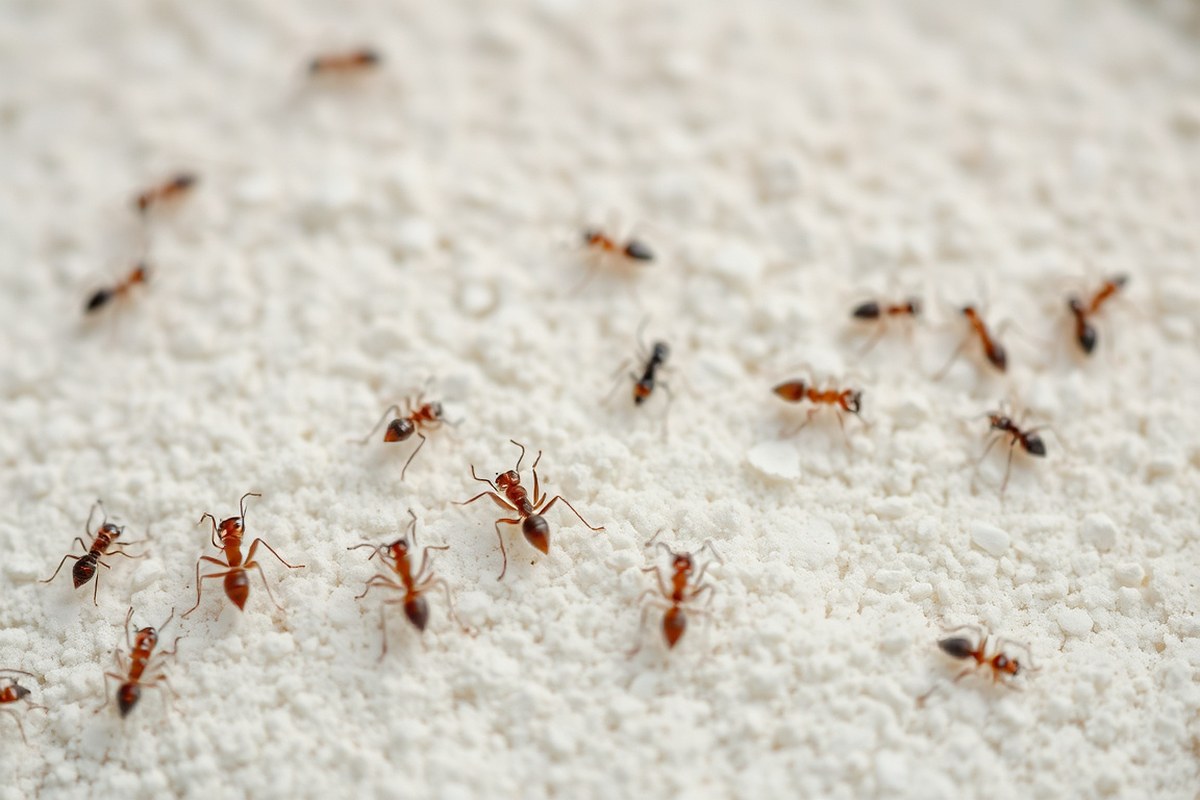
Diatomaceous earth kills many common garden and household pests. It’s especially effective against soft-bodied crawling insects like ants, aphids, earwigs, and slugs. The sharp silica particles scratch their exoskeletons, which causes dehydration within 24 to 48 hours.
This natural powder also works on some hard-bodied insects, but results vary. For instance, it kills cockroaches, bed bugs, and grain beetles, though it might take longer.
Larger pests like caterpillars and grubs are affected but often less so. DE’s effect depends on the insect’s size and the powder’s dryness and spread.
Be careful applying DE near flowering plants. It can kill beneficial insects such as pollinators. Applying it on plants that bees visit risks reducing their number in your garden.
Also, DE doesn’t work well on wet surfaces. Keeping the area dry before and after application is key to success.
| Pest Type | Examples | Effectiveness |
|---|---|---|
| Soft-bodied insects | Ants, aphids, earwigs, slugs | High; kills within 24-48 hours |
| Hard-bodied insects | Cockroaches, bed bugs, grain beetles | Moderate; may take longer |
| Caterpillars and grubs | Various garden pests | Variable; less consistent kill |
| Pollinators and beneficial insects | Bees, butterflies | High; avoid application near flowers |
| Wet or damp pests | Any insects in moist areas | Low; ineffective in wet conditions |
DE is a mechanical insecticide, so pests can’t develop resistance to it. However, it kills beneficial insects just as well as pests.
You’ll want to spot-treat and avoid broad applications near plants bees or other helpful bugs visit. That lets you protect pollinators while still controlling pests.
Some pests don’t die from DE. Some insects live mostly in wet soil. Others have thick shells.
These insects resist it better. Also, once DE gets wet, it stops working until it dries out again. Preparing dry, open areas for treatment helps improve its success against more pests.
How Diatomaceous Earth Kills Insects and Why It Works
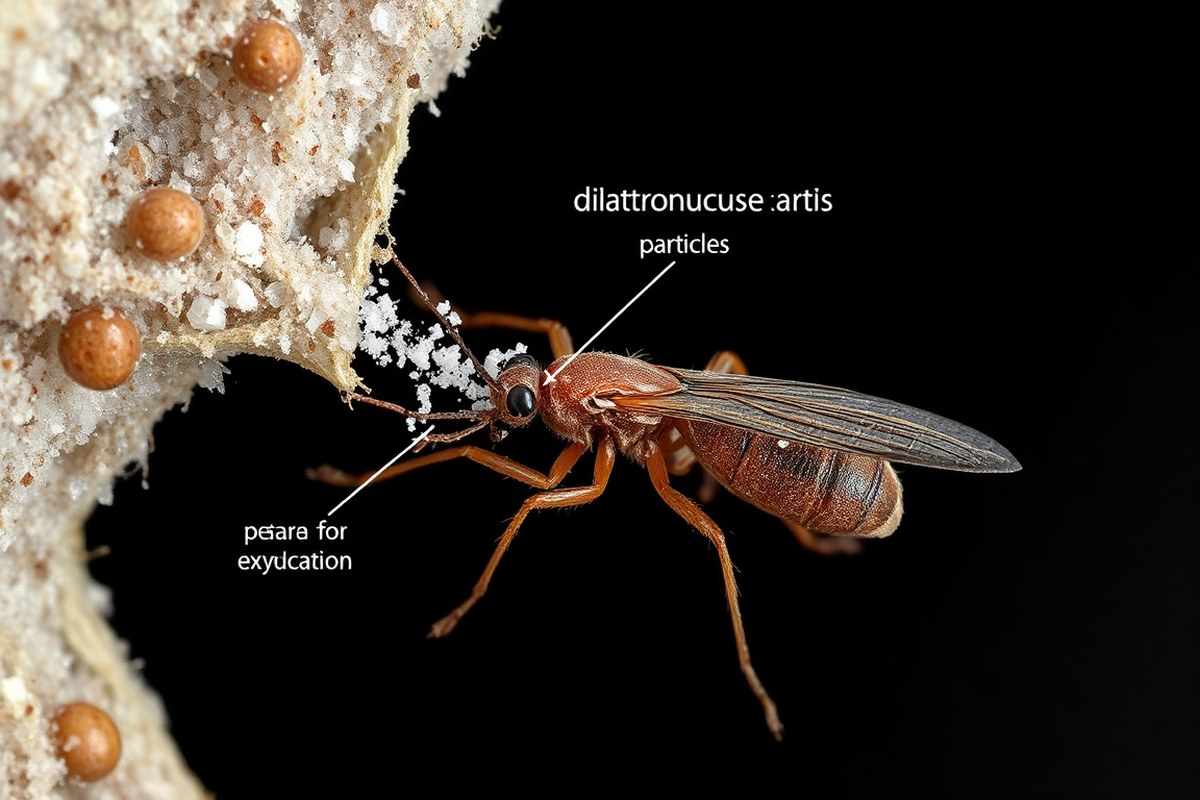
Diatomaceous earth kills insects by physically damaging their outer shells. The dust consists of tiny, sharp particles made from fossilized algae. These particles pierce the insect’s exoskeleton, which acts as their protective outer layer.
This piercing isn’t a poison but a mechanical action. The cuts allow moisture inside the bug’s body to leak out quickly.
Without moisture, the insect dries out and dies quickly. This usually happens in one or two days after contact.
For diatomaceous earth to be effective, it must touch the insect directly. Bugs wandering across the dust pick it up on their bodies.
There isn’t any damage if the dust doesn’t touch the insect directly. The shell stays safe, and the insect won’t dehydrate.
Insects with an exoskeleton, such as beetles, fleas, and cockroaches, are the main targets. Their hard shells are vulnerable to these tiny scratches. Soft-bodied insects like caterpillars can also get harmed by the dust.
Their outer layers are sensitive to the rough surface. Aphids are also vulnerable.
The process fails against pests lacking a hard or soft outer layer. Worms and slugs are examples that the dust won’t affect.
Those animals don’t have a protective shell for the dust to damage. This makes knowing the insect’s type important before using diatomaceous earth.
The speed at which diatomaceous earth kills depends on how much dust covers the insect. Larger infestations or bigger insects take longer to control. Dust the paths and spots where pests often crawl.
This increases the chances the bugs will touch dust. They die faster this way.
Apply diatomaceous earth only to dry surfaces. Avoid wetting it, or the dust won’t stick or work well.
How Long Does It Take for Diatomaceous Earth to Kill Pests?
Diatomaceous earth (DE) usually kills insects within 24 to 72 hours. Larger pests or heavy infestations can take longer, often up to a week.
You can start to see a decline in pest numbers within a day. But the full effect depends on the pest type and infestation size.
Smaller insects or nymphs often die faster than bigger ones. For example, adults may reach 100% mortality within 24 hours after contact.
Nymphs might need around 12 hours of continuous exposure. Harder exoskeletons and larger bodies, like beetles and roaches, can take between 3 and 7 days.
Applying diatomaceous earth evenly and repeating weekly helps manage larger infestations. Evening applications prove best because pollinators are less active then.
Consistent application ensures even slow-killing pests eventually decline. The pest population shrinks steadily over a few days.
| Insect Type | Exposure Time to DE | Mortality Rate |
|---|---|---|
| Adults (various insects) | 24 hours | Up to 100% |
| Nymphs | 12+ hours (immersion) | Full kill after 12 hours |
| Larger insects (beetles, roaches) | 3 to 7 days | Complete mortality |
| General pest control (light infestation) | 24 to 72 hours | Visible decline |
| Severe infestations | Up to 1 week | Gradual decline |
Results appear sooner for smaller and softer-bodied pests, often within 24 hours. Larger pests require repeated DE treatments and more time for death.
Watch the pest population after the first day. Ongoing declines mean the DE is working.
Best Practices for Applying Diatomaceous Earth for Maximum Effectiveness
Diatomaceous earth works best when applied as a thin, even layer where pests travel or hide. Use food-grade DE to stay safe around people and pets. Check the treated area regularly and reapply after rain or watering.
Preparing the Target Area
Clear debris and dry out the area where you plan to apply diatomaceous earth. Wet or damp surfaces make DE less effective because it needs to stay dry. Focus on cracks, crevices, and known pest paths indoors or garden beds outdoors.
Remove any clutter and vacuum or sweep cracks before application. This helps the powder contact pests better. Avoid applying to wet soil or wet plant leaves since moisture reduces its power.
Application Methods and Tools
Apply DE using a duster, brush, or squeeze bottle to place it thinly and evenly. Avoid clumps because pests can avoid those. A manual or battery-powered applicator helps spread powder over larger areas without a mess.
For indoor use, spray baseboards and under furniture. Aim for pet resting areas and tight spots near pest entry points. These spots help stop pests from hiding or coming in.
Outdoors, dust soil around plants, mulched areas, and fence lines. Protect beneficial insects by staying away from flower petals when possible.
Maintenance and Reapplication Schedule
Check your DE-treated areas once a week, especially after rain or watering. Any rainfall over 0.5 inches washes away the powder. Reapply whenever the white powder disappears or seems thinner.
Keep applying every few weeks during peak pest seasons for ongoing control. Outdoors, DE breaks down into the soil over time, so regular reapplication is needed. Indoors, it lasts longer unless disturbed by cleaning or foot traffic.
- Clear loose dirt, debris, or clutter from the target area.
- Wait until surfaces are fully dry before applying DE.
- Put on a dust mask and gloves for safety.
- Load food-grade DE into a duster or applicator tool.
- Apply a thin, even layer along pest-prone spots or paths.
- Avoid applying on wet soil or moist plant leaves outdoors.
- Check the treated area weekly and reapply after rainfall or watering.
- Repeat treatment every 2 to 4 weeks during active pest periods.
Environmental Factors That Affect Diatomaceous Earth’s Effectiveness
Diatomaceous earth loses much of its pest-killing power when it gets wet. Rain, heavy dew, watering, or even wet soil can clump the tiny particles. That prevents them from sticking to insects and cutting their outer shells.
Humidity also plays a key role. In tests with khapra beetle larvae, kill rates dropped when humidity rose above 55%.
At 75% humidity, more beetles survived because moisture dulls the sharp edges of diatomaceous earth. This means your DE must stay dry to work well.
Temperature affects the pest control results, too. Warm to moderate temperatures allow better insect activity.
So DE particles have more chances to attach. Extreme cold or heat may reduce insect movement and DE effectiveness.
UV light from the sun can also reduce DE’s ability over time. Direct sun breaks down the minerals slowly. Rainstorms soak the powder.
It then dries repeatedly, speeding the process. You’ll see the powder break down or blow away in bright, windy spots.
- Apply DE during dry weather, ideally early morning or late afternoon
- Reapply after heavy rain or watering to keep the powder dry
- Use shade or cover treated areas when possible to reduce UV damage
- Keep soil and plant surfaces as dry as possible near DE applications
- Store DE in a sealed container to prevent moisture absorption
- Wear a mask and gloves to avoid inhaling dust when applying
Applying DE just before rain will wash it away quickly. That wastes your product and leaves pests unharmed. Checking the forecast helps avoid this and keeps your efforts effective.
Always reapply diatomaceous earth after rain or watering to maintain pest control.
You own plants in humid climates. This means you might need more DE. You might also apply it more often.
Watch how quickly the powder loses its dryness and fix it fast. You’ll get better results with drier weather and careful timing.
Safety Guidelines for Using Diatomaceous Earth Around Pets and People
Diatomaceous earth (DE) is safe for pets and people if used right. Only certain types are safe. Always follow safety steps when using DE.
Food-grade DE is what you want. It’s non-toxic but can irritate eyes and lungs as dust during application.
Choosing the Right Type of DE
Food-grade DE is made from amorphous silica, which differs from hazardous crystalline silica. It’s safe around pets and kids once the dust settles. Pool-grade DE is mostly crystalline silica and should never be used in homes or gardens.
Pool-grade DE contains 60 to 70% crystalline silica. Inhaling it can cause serious lung problems. Check the package before buying.
Look for food-grade DE or safe gardening use. Make sure it’s fine for pest control.
Protective Gear During Application
Dust from DE can irritate lungs and eyes. Wear a dust mask to avoid breathing in particles. Goggles can protect your eyes during dusting.
Apply DE lightly. Too much dust can make the air uncomfortable and cause coughing. Keep your movements steady to avoid stirring up too much dust at once.
- Wear a dust mask rated for fine particles
- Use eye protection like goggles or safety glasses
- Apply DE in well-ventilated areas
- Use a sock or a duster to spread a thin layer
- Avoid dusting on windy or breezy days outdoors
- Wash hands thoroughly after application
Use an applicator or a sock filled with DE for precise dusting. Let the dust settle for 30 to 60 minutes before returning to treated areas.
Keeping Pets and Children Safe
Keep kids and pets out of the room while you spread DE. Dust irritates their lungs just like it does yours. After applying, wait at least 30 minutes for the dust to settle.
Food-grade DE is safe if pets don’t breathe in dust clouds. Avoid heavy dusting on pet bedding and use a thin layer. Vacuum or wipe treated areas before letting pets back inside if possible.
Store DE in a sealed container out of reach of children and pets. Watch your pets for sneezing or coughing when using DE indoors. Stop use and ventilate the area if irritation occurs.
How to Protect Beneficial Insects When Using Diatomaceous Earth
Diatomaceous earth can kill beneficial insects like bees and ladybugs. It harms them if they touch it directly. Be careful where you apply it.
To protect these helpful bugs, apply DE carefully where it won’t reach pollinators. Using strategic timing and placement helps keep your garden safe for all insects.
Timing Applications to Avoid Pollinator Activity
Apply diatomaceous earth early in the morning or late in the evening. Pollinators like bees and butterflies are less active during those times.
So they avoid fresh DE. Avoid application during the middle of the day when flowers are busy with pollinators.
Wait for dry weather before spreading DE. Rain can wash it away and may force insects to move through treated areas more often. Look at weather forecasts before using diatomaceous earth.
Pick a dry, calm day for applying it. This helps lower risks to good insects.
Targeted Application Zones
Never apply diatomaceous earth directly on flowers or areas where pollinators gather. This will kill visiting bees, butterflies, and other helpful bugs. Instead, use DE as a barrier around plants that pests attack.
Create narrow lines or small piles at the base of plants or along garden beds. These zones stop pests from moving in specific areas. Keep diatomaceous earth away from flower tops or open leaves.
This protects pollinators and beneficial bugs. Avoid broad, heavy coverage, which increases the chance of harming good insects.
- Apply only near stems and ground level
- Keep DE away from flowers and open leaves
- Use small amounts, just enough to form a visible barrier
- Target pest entry points like garden borders or soil cracks
- Reapply only when needed, not daily
- Observe insect activity before and after application
The goal is to protect your plants while minimizing exposure to pollinators. Carefully watching the spots you treat helps catch issues early.
Physical Barriers and Alternative Methods
Combine diatomaceous earth with physical barriers like row covers or mesh screens. These prevent pollinators from brushing against DE-covered soil or plants. You still get pest control without exposing beneficial insects directly to DE.
Use alternative natural controls where possible to reduce DE use near flowering plants. Introducing ladybugs, handpicking pests, or applying neem oil can solve problems safely. Rotate pest control methods to protect your whole garden’s ecosystem.
Common Mistakes Using Diatomaceous Earth and How to Fix Them
Diatomaceous earth stops working when it gets wet. Water clumps the powder and blocks the sharp particles from damaging insects’ outer layers.
Once wet, you must let the DE dry completely before expecting it to kill pests again. Low humidity and warm temperatures speed up drying.
Many use the wrong grade of diatomaceous earth. Always pick the “food grade” type for safety and effectiveness.
Other grades might contain harmful additives or lack the right particle size. Smaller, sharper particles contain the right silica to cut the insects’ shell and absorb oils.
Poor coverage makes DE useless. Applying a thin or uneven layer leaves safe areas for bugs to hide. Cockroaches, for example, often avoid dusted spots if the powder is patchy.
You need a thin layer of dust across all pest areas. Focus on cracks, edges, and baseboards. Make sure the dusting is even everywhere.
- Apply only when surfaces are dry to prevent clumping
- Use a duster or powder applicator for even coverage
- Pick food grade diatomaceous earth for safety and effectiveness
- Reapply after heavy rain or cleaning to restore the layer
- Target cracks, crevices, and pest hiding spots with dust
- Use a thin, uniform layer around infested areas
Cleaning or water exposure washes away the DE layer. Spray or wipe surfaces won’t bring it back to life. You’ll need to reapply powder after rain or cleaning.
The powder usually dries in 10 to 24 hours. This happens when it gets wet by air moisture or dampness. Dry powder works best to kill pests.
Good results come when you apply DE dry and evenly once or twice a week. Check for missed spots or wet dust if pests linger.
You might need to reapply powder there. Using a spreader or small brush can help you reach hidden places where bugs hide.
Use only food grade diatomaceous earth at home. Pool grade or industrial types are unsafe for people and pets. Keep your family and pets safe.
Step-by-Step Action Plan for Using Diatomaceous Earth
Follow these steps to get the best results with diatomaceous earth in your home or garden.
- Before you start: Check that you have food-grade diatomaceous earth. Make sure pests are actively present.
- Day 1: Apply a thin, even layer where you see pests. Avoid wet surfaces to keep it dry and effective.
- Day 3: Inspect the treated areas. Look for fewer insects and signs they are dying.
- After 1 week: Reapply diatomaceous earth if it looks disturbed or wet. This keeps killing power strong.
- Week 2: Clean up dead insects and debris to prevent new pests from hiding.
- Week 3: Monitor pest activity. If you still see bugs, expand treatment to new areas.
- After 1 month: Stop applying once pest numbers drop significantly. Store leftover diatomaceous earth in a dry spot.
Frequently Asked Questions
Can Diatomaceous Earth Kill Bed Bugs?
Yes, diatomaceous earth kills bed bugs by damaging their outer shell. This damage causes them to dry out.
They cannot survive after this harm. Apply it lightly and avoid wet areas for best results.
Does Diatomaceous Earth Work on Fleas in Carpets?
Diatomaceous earth can kill fleas in carpets by scratching their exoskeletons and drying them out. Apply to dry carpet areas and vacuum after a few days.
Can Diatomaceous Earth Control Cockroaches?
It kills cockroaches on contact by harming their outer layer. For big infestations, you may need extra treatment.
One application might not be enough. Use it in cracks and dry spaces.
Is Diatomaceous Earth Effective Against Silverfish?
Yes, diatomaceous earth kills silverfish by dehydrating them after contact. Spread it in damp or hidden areas where silverfish hide but keep areas dry.
Does Diatomaceous Earth Kill Mosquitoes?
Diatomaceous earth does not kill mosquitoes. Mosquitoes fly, so they don’t crawl through it.
They avoid contact with the powder. Use other control methods for mosquitoes.
Can Diatomaceous Earth Eliminate Garden Slugs?
Yes, it kills slugs by damaging their soft bodies and causing dehydration. Apply a thin layer around plants on dry days for better effect.
Final Thoughts
Diatomaceous earth kills many pests by drying out their exoskeletons. It works best when dry and reapplied as needed. Start with a small area and watch it reduce pests fast and naturally.