How to Use Diatomaceous Earth: A Complete Guide for Safe, Effective Pest Control
Knowing how to use diatomaceous earth can solve many pest problems at home. Use food-grade diatomaceous earth for a natural, safe way to kill bugs. Apply it as a dry powder where pests like to hide.
It works by drying out their protective coating. This stops the pests from surviving.
Sprinkle diatomaceous earth in cracks, corners, and pet bedding. It takes one to five days to reduce pests after they contact the powder. Wait at least 24 hours before vacuuming to give it time to work fully.
Wear a mask while applying to avoid breathing in dust. Use a duster or gloves for an even, light layer. Always choose food-grade DE to protect your family, pets, and plants from harm.
Key Takeaways
- Always use food-grade diatomaceous earth for safe pest control indoors and outdoors.
- Apply a thin, even layer of dry DE in pest-prone areas for best results.
- Leave DE down for 8 to 12 hours before vacuuming to kill all pests.
- Reapply DE after two weeks to catch any newly hatched pests or eggs.
- Wear a dust mask while spreading DE to avoid irritation from fine particles.
- Do not use pool-grade or heated DE because they contain toxic crystalline silica.
How to Apply Diatomaceous Earth for Pest Control
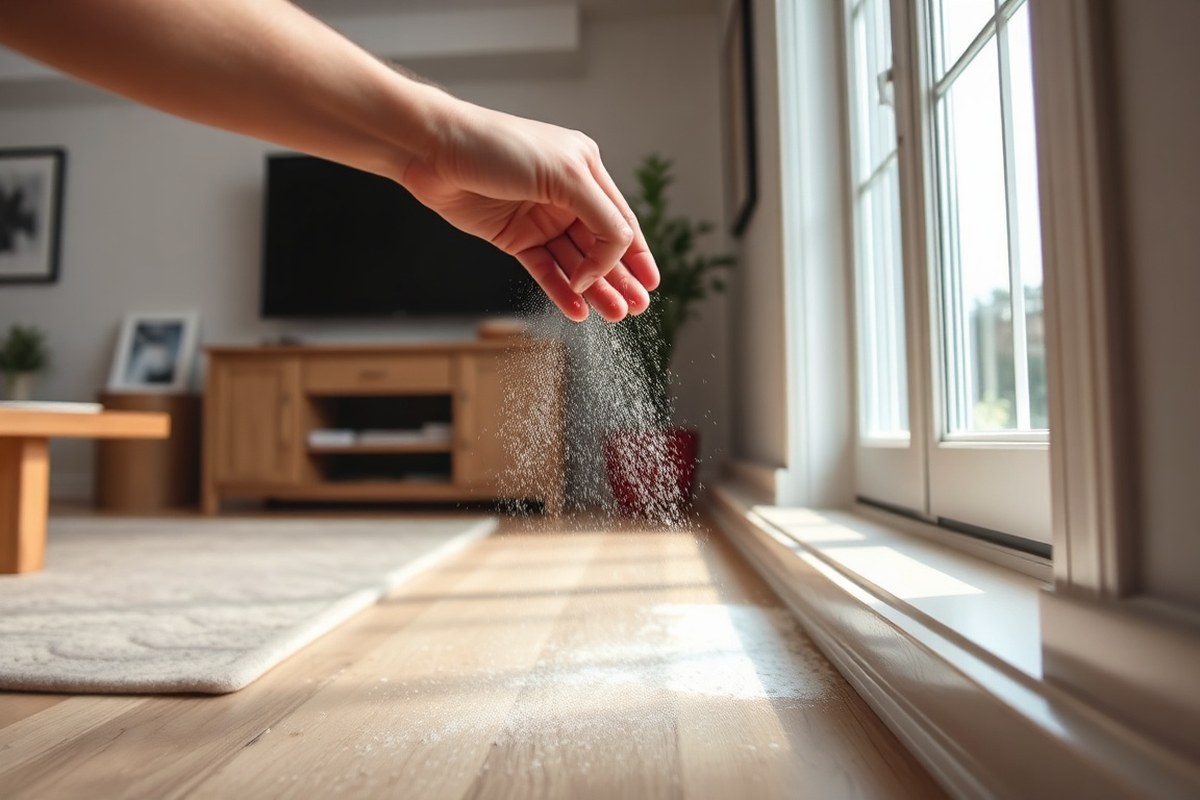
Before applying diatomaceous earth (DE), clear the area of clutter and dry any moist surfaces. Moisture reduces DE’s effectiveness because the powder won’t stick or work properly when wet. Use food-grade DE only, and avoid filter-grade products indoors or around pets and children.
Apply DE lightly to areas where pests hide or enter your home. Common indoor spots include cracks, crevices, baseboards, and under appliances.
Outdoors, sprinkle it around plant bases, garden beds, and along patios. For pets, gently dust their bedding and fur, taking care to avoid their eyes and nose.
- Remove clutter and vacuum the area to reduce existing pests and dirt.
- Dry all surfaces, especially in damp places like kitchens and bathrooms.
- Wear a mask and gloves to avoid breathing in DE dust during application.
- Use a garden duster or a sifter to apply DE. Spread a thin, even layer where pests are or may enter. Cover all spots carefully for best results.
- Focus indoors on cracks, baseboards, under appliances, and pet bedding for fleas or bed bugs.
- Sprinkle outdoors around garden plants, patios, and any moist areas where pests hide.
- Lightly dust pets by hand, staying away from their eyes and nose to avoid irritation.
- Let DE settle for 1 to 5 days before vacuuming or sweeping up excess powder.
Keep children and pets away until the powder settles to prevent irritation. You can repeat the application after two weeks. This helps catch new pests like fleas or bed bugs.
Make sure to check affected areas again. DE’s effects build over days. It won’t kill pests instantly but works as a safe, long-lasting barrier.
Understanding How Diatomaceous Earth Works to Kill Pests
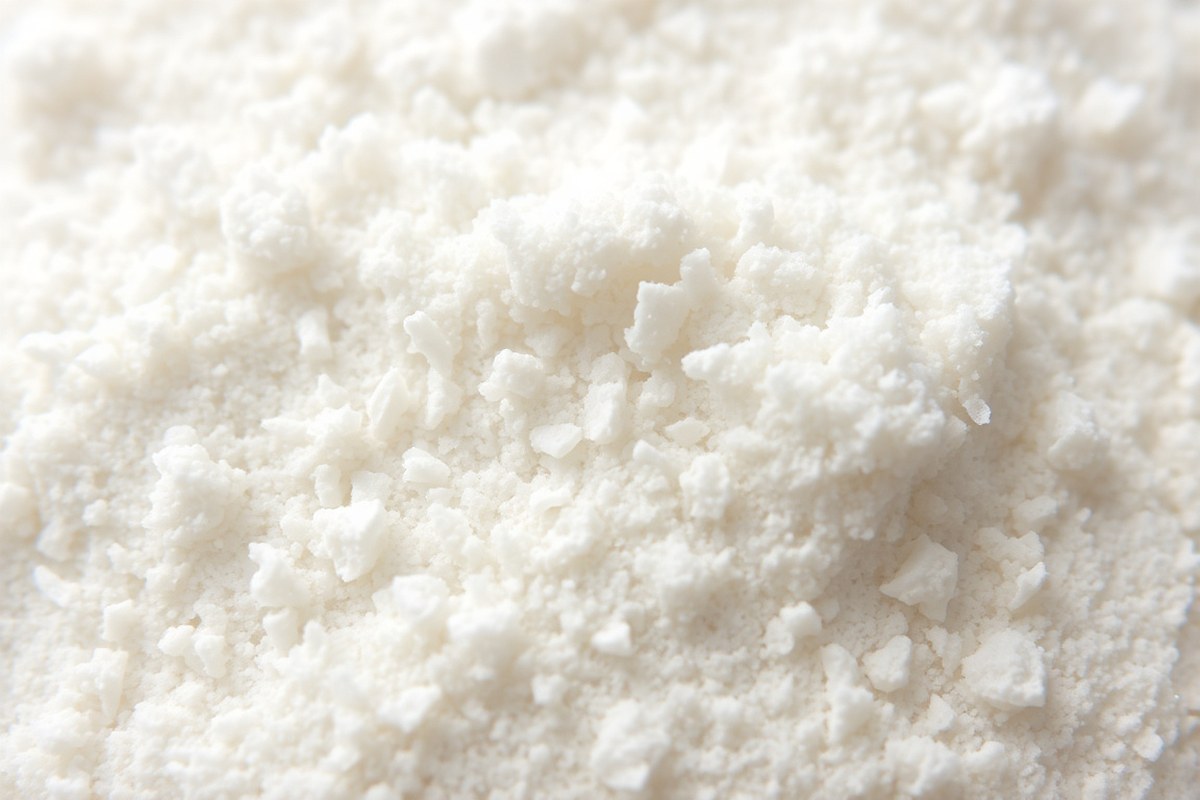
Diatomaceous earth is a fine, naturally occurring powder made from fossilized algae called diatoms. Its active component is tiny, sharp mineral particles that damage insects’ outer shells. These cuts cause dehydration, leading to the pest’s death without using chemicals.
Once insects touch the powder, the diatomaceous earth starts working right away. Fleas usually begin dying within 24 hours. Bedbugs can take about 48 hours to die.
The exact time varies by insect type. It also depends on their contact with the dust.
Moisture is a big factor in how well diatomaceous earth works. It needs to stay dry because wet DE clumps and loses its sharp edges. Applying it in damp areas will make it almost useless for killing pests.
Only use food-grade diatomaceous earth indoors or in dry garden spots and avoid wet areas.
DE kills only adult insects and larvae that walk over the powder. It doesn’t affect eggs.
So repeated application is necessary to catch new pests as they hatch. This mechanical action makes resistance nearly impossible, unlike chemical pesticides.
Temperature can also influence effectiveness. DE works best in dry, warm conditions. Heat dries the insects faster when their shells break.
This makes diatomaceous earth ideal for summer pest control. Use it outdoors or in dry home areas.
Choosing the Right Type and Grade of Diatomaceous Earth
Choose food-grade diatomaceous earth (DE) for safe pest control in your home and garden. Other types like pool-grade and feed-grade contain a lot of crystalline silica. This is harmful to people, pets, and birds.
Keep it away from your home and garden. Using the right grade prevents health risks and keeps your pest control natural and effective.
Food-Grade vs Pool-Grade DE
Food-grade DE is purified and safe to use around people and animals. It has very low crystalline silica, between 0.5% and 2%, making it non-toxic but still an irritant if inhaled. Pool-grade DE is also called filter grade.
It is heat-treated to increase crystalline silica to about 60%. This makes it toxic and unsafe for home use.
Feed-grade DE is sometimes called food-grade but can vary in quality and safety. Always check the package for “Food Grade” when buying DE. Avoid any labeled pool or industrial grade.
This keeps you safe from harmful chemicals. Food-grade DE has no harmful additives.
It is safe to use on pets and plants. You can also use it around your family safely.
Crystalline Silica and Safety
Crystalline silica is a mineral that causes lung problems if inhaled in large amounts. Food-grade DE contains mostly amorphous silica, which is safer but still dusty. Wear a mask when applying DE to avoid breathing dust.
Work in an area with good airflow. This helps protect your lungs and health.
Pool-grade DE has 60% crystalline silica, which can harm lungs. Children and pets are especially at risk. Avoid breathing it in at all costs.
Avoid use inside the home or near your garden where dust can spread. Choose food-grade DE to reduce health risks while still controlling pests effectively.
Recommended Uses for Each Grade
Use only food-grade DE for pest control in your house, garden, and on pets. It is the safest option for areas you frequent and around animals. Only use pool-grade DE for industrial jobs like cleaning filters.
Never use it near your home or garden. It’s unsafe for those areas.
Feed-grade DE can be cheap if it is also food-grade. Always check how much silica it contains. This keeps you within safety limits.
Remember, cheaper options that don’t specify food-grade may contain harmful crystalline silica and should be avoided. Stick to trusted brands that clearly list “Food Grade” on the label.
Below is a helpful table summarizing these differences to guide your choice.
| Type | Crystalline Silica Content | Safety Around Humans & Pets | Common Uses |
|---|---|---|---|
| Food-Grade DE | 0.5% to 2% | Safe for home, pets, garden (with dust precautions) | Pest control, parasite cleansing, gardening |
| Pool-Grade DE (Filter Grade) | Around 60% | Not safe for humans or pets; toxic and irritating | Pool filters, industrial filtration |
| Feed-Grade DE | Varies; sometimes similar to food-grade | Safe only if clearly marked “Food Grade” | Pest control in livestock, parasite treatment |
Use this table to pick the right DE for your pest control needs. Always check for “Food Grade” on the label before buying. This simple step helps avoid risk and ensures safe, effective pest control.
Dry vs Wet Application Methods: When and How to Use Each
Diatomaceous earth (DE) can be applied dry or mixed with water for spraying. Dry DE works best on hard surfaces and cracks. Wet DE helps treat plants and outdoor areas where powder might blow away.
How to Apply Dry Diatomaceous Earth
Dry DE comes as a fine powder that you sprinkle on infested areas. Use a duster or your fingers to apply a thin layer.
Spread it evenly on floors, pet bedding, or garden soil. Apply it in cracks, crevices, and edges where insects walk.
Make sure the dry layer stays dry because moisture stops DE from working. Avoid using it outside if rain is expected soon, or apply it again after a rain. Dry applications can be messy but work quickly on crawling pests like ants or bed bugs.
Preparing a Wet DE Spray Solution
Combine 1 to 4 tablespoons of diatomaceous earth with one gallon of water. Stir well so the powder stays mixed before spraying. Use a spray bottle or garden sprayer for easy application.
Spray the solution on all sides of plants or your home’s foundation. Let the DE dry completely before it starts killing pests. When the powder dries, it acts as an abrasive and dries out insects.
Situations Best Suited for Each Method
Dry DE works best inside and in pet bedding. It also works well mixed into soil for a lasting effect.
Use it where you want a long-lasting barrier. It works well on pests that crawl on surfaces and can’t escape the powder.
Wet DE sprays suit outdoor plants and garden beds. They help keep the powder from blowing away on windy days. Spray the mixture evenly over the area.
It’s good after rain or watering because wet powder won’t work until dry again. Wet sprays help cover broad areas evenly.
Apply dry DE in tight spaces and on furniture. Use wet spray for plants and large outdoor areas where wind is a factor. Always check the DE brand instructions before spraying, as not all powders suit wet use.
| Aspect | Dry DE Application | Wet DE Spray Application |
|---|---|---|
| How to apply | Sprinkle powder in thin layers using a duster or fingers | Mix 1, 4 tablespoons DE per gallon water, spray plants or surfaces |
| Works best on | Indoor cracks, pet bedding, soil, furniture | Plants, garden areas, foundations, outdoor surfaces |
| Effectiveness timeline | Works immediately if dry; loses effect when wet | Inactive while wet; works once dry after spraying |
| Reapplication required | After rain or cleaning removes powder | Apply again after heavy rain or watering |
| Messiness | Can be dusty and spread easily in air | Less dust, easier to target hard-to-reach areas |
| Best pests to target | Crawling insects like ants, bed bugs, fleas | Aphids, soft-bodied insects on plants |
Choosing between dry and wet DE depends on your pest problem and environment. Use dry powder where you want a lasting effect on surfaces. Use wet spray when you need to cover plant leaves or wash-off areas.
Safe Handling and Protective Measures When Using Diatomaceous Earth
Diatomaceous earth (DE) is natural but its dust can irritate your lungs. Avoid breathing it in because the fine particles may cause respiratory problems. When handling DE, protect your skin to prevent itchiness or dryness.
Wear protective gear to keep safe during application. A mask blocks the dust from entering your nose and mouth.
Gloves stop the powder from drying out your hands. Goggles shield your eyes from irritation.
- Use a dust mask rated N95 or better for fine particles
- Wear disposable or sturdy gloves to cover your hands
- Put on safety goggles or glasses without vents
- Wear long sleeves and pants to limit skin exposure
- Apply DE outdoors or in well-ventilated spaces only
- Keep children and pets away while applying and for several hours after
- Store DE in a sealed container out of reach of children and animals
Apply DE gently to avoid raising clouds of dust. A small scoop or shaker works well.
After applying, wait 8 to 12 hours for it to work. Then vacuum thoroughly to remove extra powder.
Protect children and pets by applying DE when they are not around. Pets may inhale or lick heavy deposits, which can cause harm. Place DE on high shelves or areas out of reach to prevent accidental contact.
Always keep pets and children away during and after application to avoid breathing or contact risks.
How to Use Diatomaceous Earth on Pets Without Harm
How to Use Diatomaceous Earth on Pets Without Harm
Gently apply diatomaceous earth (DE) on your pet’s fur. Spread some on the bedding too. This helps control fleas and parasites.
Use only food-grade DE and avoid inhalation of the dust for you and your pets. Some animals, like birds and reptiles, are too sensitive for DE treatment.
Preparing the Pet and Area
Start by giving your pet a thorough brushing to remove dirt and loose hair. Remove all small items like toys and throw blankets that can be washed separately.
Clean your pet’s sleeping area well before using DE. This lets the DE work better on pests.
Ensure pets are calm and secure before applying DE. Use a well-ventilated area to avoid dust buildup. Keep birds and reptiles away since DE can irritate their respiratory systems.
Applying DE on Pet Fur and Bedding
The key is to apply DE in thin, even layers directly on fur and bedding. Use a dusting applicator or a sock filled with DE. Spread the powder carefully to avoid dust clouds.
Use about a teaspoon of DE for small pets. Larger dogs may need up to a tablespoon. Adjust by your pet’s size.
Lightly rub the powder into the fur, avoiding sensitive areas like eyes, nose, and mouth. Dust the pet’s bedding and resting spots as well. Let your pet lounge in the treated areas for at least two days for best effect.
- Brush your pet to remove loose fur and dirt.
- Remove small washable items from the area.
- Clean the pet’s bedding and floor space.
- Sprinkle food-grade DE lightly on bedding and floor.
- Use an applicator to dust your pet’s fur with DE.
- Avoid DE contact with your pet’s eyes and nose.
- Allow your pet to rest on treated bedding for two days.
- Bathed your pet with a moisturizing shampoo after treatment.
Monitoring and Aftercare
Watch your pet for any signs of skin dryness or irritation while using DE. Bathe your pet with a gentle shampoo after a few days.
This stops the skin from getting too dry. Repeat application every 7 to 10 days if fleas persist, especially during warm months.
Avoid DE use on pets that have respiratory issues or are very young, old, or sick. Stop using DE if your pet scratches too much or gets irritated.
See your vet in this case. Always store DE in a sealed container out of reach of pets and children.
Common Mistakes and How to Fix Them When Using Diatomaceous Earth
Inhaling too much diatomaceous earth (DE) can irritate your lungs and cause coughing. DE dust is very fine.
So use a mask and ventilate the area well when applying. Avoid heavy dust clouds to protect your breathing and those around you.
Using pool-grade DE indoors by mistake is a serious error. Pool-grade DE is treated with high heat, making it toxic if inhaled or ingested.
It also does not kill insects because the heat changes its structure. Always buy and apply food-grade DE for pest control inside your home.
Check your application method when DE seems ineffective at controlling pests. Over-application can repel insects like cockroaches, making them avoid the DE.
Light dusting on areas where pests travel works best. Also, make sure the surface is dry since wet DE loses its ability to kill pests.
- Choose only food-grade DE for indoor and garden use.
- Wear a dust mask and gloves during application.
- Apply a thin, even layer on dry surfaces.
- Keep pets and children away while dusting.
- Ventilate the room to reduce dust buildup.
- Reapply after cleaning or if DE gets wet.
Light watering of potted plants with dry DE can control pests without overdoing it. Avoid heavy, thick layers, which can block pest movement.
Reapply a fine layer when pests remain after a week. Adjust application to the pest type and surface for best results.
Expected Timelines and When to Reapply Diatomaceous Earth
Diatomaceous earth starts killing pests as they move over it but the results take time. Most insects die within 24 to 48 hours from dehydration, depending on the pest type.
Fleas and mites usually take closer to 24 hours. Tougher pests like bedbugs may need 48 hours or more.
After applying diatomaceous earth, watch for fewer live insects and more dead ones around the area. You might see pests crawling slower or trying to avoid the powder. These signs mean the treatment is working well and the pests are dying off gradually.
Monitor the area daily for at least two days after applying. See active pests after 48 hours? Reapply the treatment then.
Also, reapply any time the powder looks wet or gets blown away. Moisture reduces its effectiveness since DE works best dry.
Leave the powder for 24 hours before vacuuming. Vacuum up dead pests and the powder together. Make sure to reapply every few weeks if pests continue to return.
Reapply often for outdoor plants or humid areas. Rain and dew can wash it away fast.
When applying indoors, use specialized tools to spread a thin, even layer. A dusting applicator or sieve works well for this.
Too heavy a layer wastes powder and can make cleanup harder. But too light won’t kill pests effectively.
Reapply diatomaceous earth when it looks wet. Do it after 48 hours if pests persist.
Step-by-Step Action Plan for Using Diatomaceous Earth
Follow these clear, timed steps to apply diatomaceous earth safely and effectively. Track your progress by checking pest levels and visible DE residue.
- Before you start: Choose food-grade diatomaceous earth for safety indoors, outdoors, and on pets. Read the label thoroughly.
- Day 1: Spread a thin layer of dry DE around entry points. Do the same along baseboards or on plant soil. Make sure the layer is even and thin. Check that the powder clings well and is dry.
- Day 3: Inspect treated areas for pest activity and powder condition. Add more DE to any bare or disturbed spots.
- Week 1: For pets, lightly dust their fur avoiding nose and eyes. Do this in a well-ventilated space and rub in gently.
- Week 2: Use wet DE spray on outdoor plants if rain washed off powder. Reapply after watering or heavy rain. Keep soil and plants covered lightly. Reapply after drying.
- Week 3: Look for reduced pests or none in treated spots. Clean the area well when pests stick around. Then apply a thin layer of DE again. Check the spots carefully before reapplying.
- Ongoing: Monitor monthly during pest seasons. Always wear a mask and avoid inhaling dust when reapplying indoors.
Frequently Asked Questions
Can I Use Diatomaceous Earth in My Garden Near Edible Plants?
Yes, you can use food-grade diatomaceous earth near edible plants safely. Dust a thin layer on leaves or soil only.
Avoid strong winds. This stops you from inhaling the powder.
How Much Diatomaceous Earth Should I Use Compared to Other Pest Control Powders?
Use about the same amount as other powders, usually a thin dusting. For example, one teaspoon per pound of food or light spraying indoors. Use it sparingly to avoid mess and waste.
Is Diatomaceous Earth Safe Around Children Inside the Home?
Yes, food-grade diatomaceous earth is safe when used carefully around kids. Keep the area well-ventilated and avoid excessive dust inhalation. Always store the product out of children’s reach.
Can I Mix Diatomaceous Earth with Other Natural Pest Control Methods?
Yes, diatomaceous earth works well alongside natural pest control like beneficial insects. Use it as a supplemental barrier to reduce pest numbers effectively without harsh chemicals.
What Is the Best Way to Clean Up Diatomaceous Earth After Treatment?
Vacuuming thoroughly after at least 8 to 12 hours works best. This removes the powder and dead pests efficiently. Avoid using water immediately to keep its pest-killing effect intact.
Does Diatomaceous Earth Harm Earthworms or Beneficial Soil Insects?
Food-grade diatomaceous earth has minimal impact on earthworms and beneficial soil insects. Use it carefully by applying only where pests appear to minimize harm to helpful soil creatures.
The Bottom Line
Diatomaceous earth works well when used thoughtfully on pests around home, garden, and pets. Make sure you apply it safely and watch for dry powder to stay active. Start your first application today to see how it helps your pest problem.