How to Spread Diatomaceous Earth in House: 8 Easy Steps for Safe, Effective Pest Control
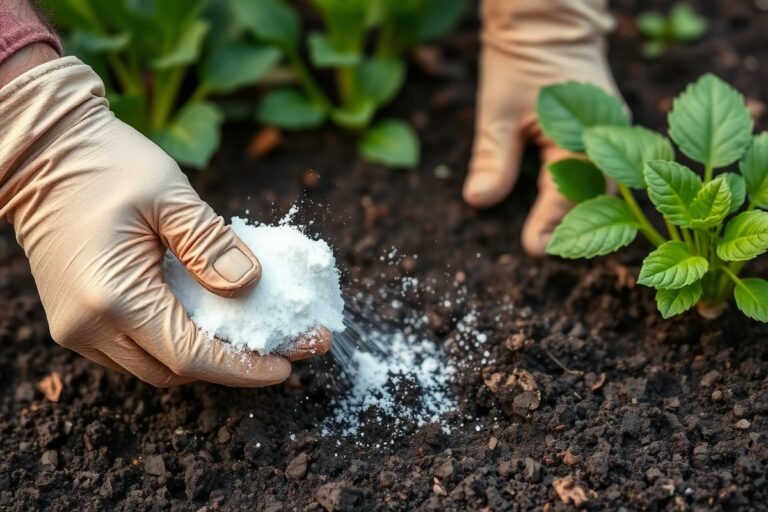
Knowing how to spread diatomaceous earth in house is key to stopping pests safely. Use food-grade diatomaceous earth only; it’s safer and effective. Spread a thin, even layer in problem spots to kill bugs by drying out their shells.
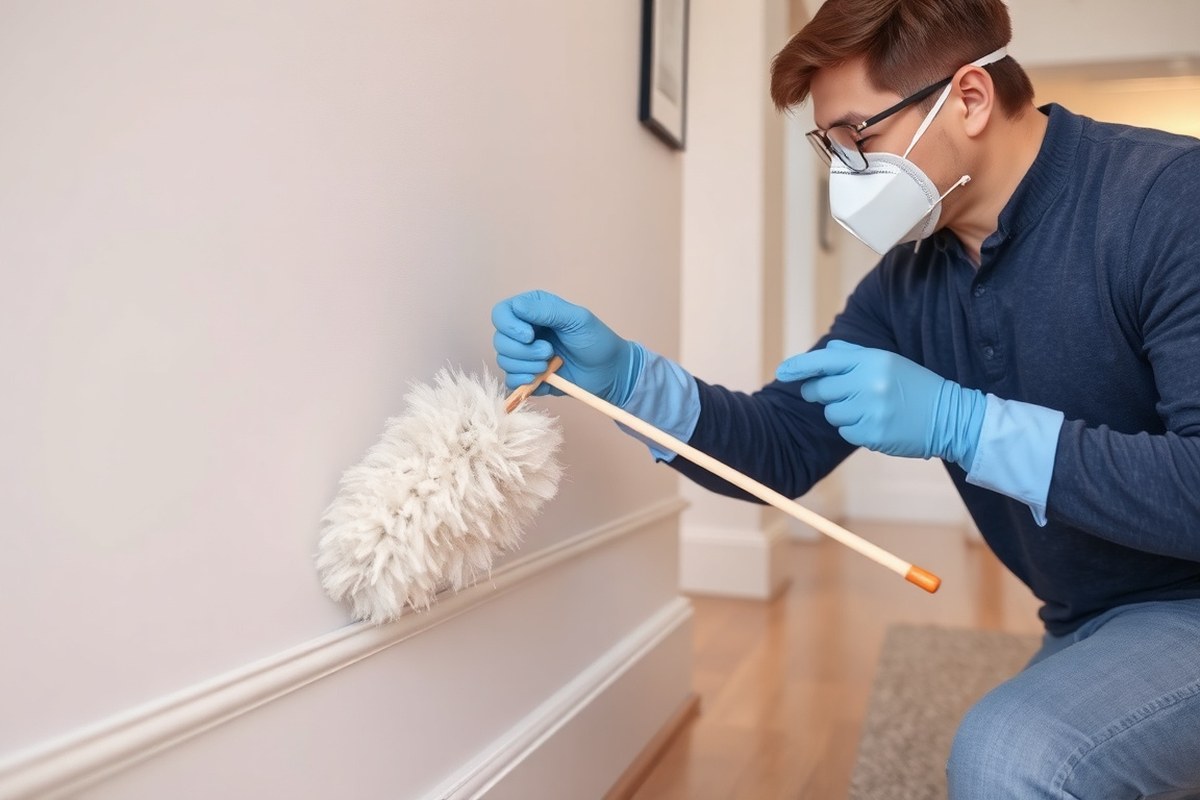
First, wear a dust mask to avoid breathing in powder. Keep the area dry because moisture clumps the powder and stops it from working. Apply it in cracks, behind appliances, and along baseboards where pests hide most.
After application, pests should start dying within a couple of days. Check areas regularly and vacuum lightly if needed, avoiding removing the powder. Reapply after two weeks to catch any new pests from eggs hatching.
Diatomaceous earth works best when it touches insects directly. So keep it undisturbed for several days to maintain its drying effect. Store leftover powder in a sealed container away from moisture for future use.
Key Takeaways
- Use only food-grade diatomaceous earth for indoor pest control.
- Wear a mask to avoid inhaling dust during application.
- Apply a thin layer on dry surfaces for the best effect.
- Keep the treated areas dry to prevent clumping.
- Allow 3 to 7 days for the powder to kill pests effectively.
- Reapply after two weeks to control newly hatched insects.
1. Choose and Prepare the Right Diatomaceous Earth and Safety Gear
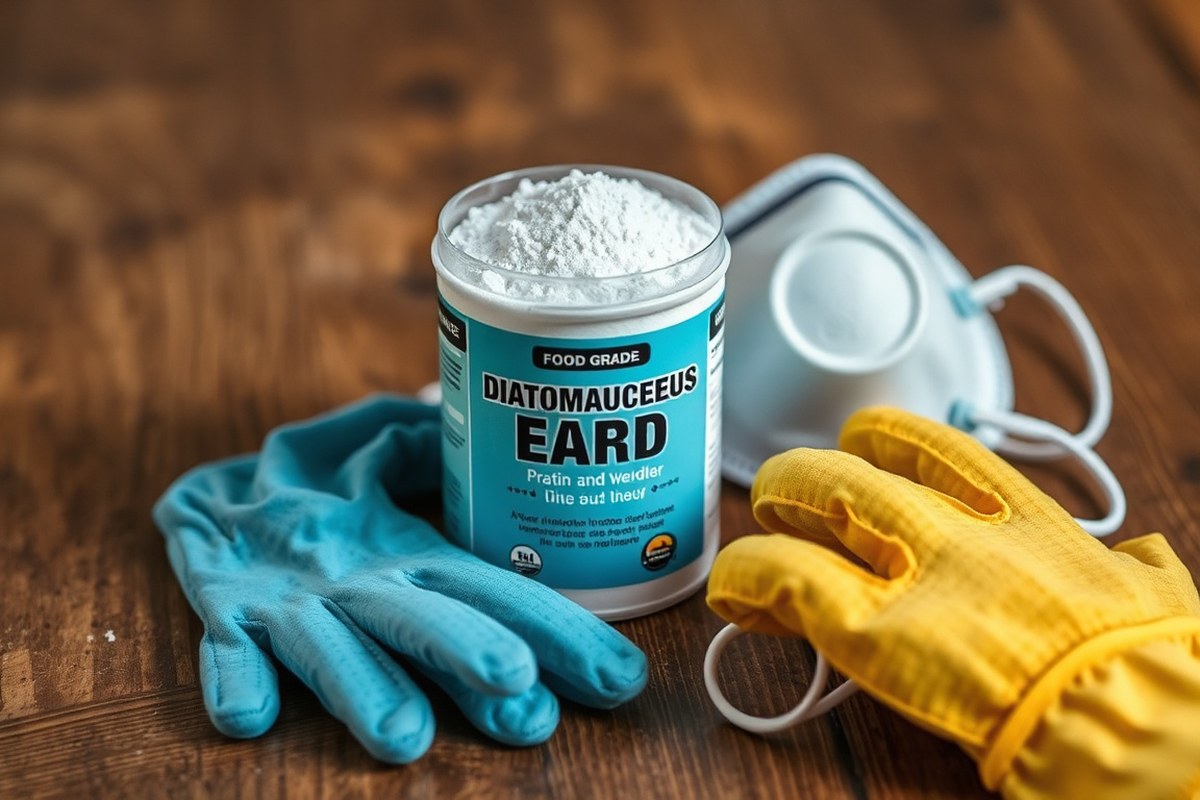
Use food-grade diatomaceous earth for indoor pest control. It contains 0.5% to 2% crystalline silica, making it safer than other types. Avoid pool-grade or industrial DE, which have higher silica and can harm your lungs and skin.
Wear a dust mask to protect your lungs during application. Diatomaceous earth is a fine powder and can irritate your respiratory system. Gloves protect your skin from drying out.
They also stop irritation. This helps especially if your skin is sensitive.
Protect your eyes with safety goggles or glasses. The powder can sting or cause discomfort if it gets in your eyes.
Apply DE carefully to avoid creating dust clouds inside your home. Use a duster or shaker to spread it smoothly and lightly.
To apply safely, first put on a mask, goggles, and gloves. Pour DE into a garden duster or spreader for controlled release.
Lightly dust the areas where pests hide, like cracks and baseboards. Avoid puffing large amounts or stirring up thick dust clouds.
Take breaks outside if you feel any coughing or sneezing. Keep pets and children away during application and let the powder settle before re-entering rooms. This will reduce the chance of irritation and keep everyone safe.
Check your local store or garden center for food-grade diatomaceous earth. It usually costs between $10 and $20 per pound.
You only need small amounts for indoor use. Proper safety gear often costs under $15 and protects you from irritation during the process.
2. Prepare Your Indoor Areas for Effective Application

Start by cleaning the rooms where you’ll spread diatomaceous earth (DE). Sweep or vacuum floors to remove dust, crumbs, and dirt. This ensures the powder sticks to dry surfaces and reaches pests hiding in cracks.
Dryness is key for DE’s effectiveness. Avoid applying it to wet floors or damp spots.
Let damp areas dry fully for at least 24 hours before applying DE. If the floor is regularly moist, focus on raised surfaces or dry corners.
Move or cover fragile and frequently handled items like dishes, food containers, toys, and electronics. This prevents powder from settling on them and reduces cleanup. Furniture can stay but should be moved slightly to access edges and underneath.
- Clear floors and vacuum corners thoroughly
- Dry damp or wet areas before spreading powder
- Move or cover food and fragile items
- Identify baseboards, under appliances, and cracks for treatment
- Check behind furniture and near pet beds
- Keep pets and children out during application
- Wear a mask to avoid inhaling dust
Pests hide in cracks, baseboards, and near food sources. Shine a flashlight along floor edges and behind appliances to spot dark, narrow gaps.
These spots are ideal for applying DE because insects frequently travel there. Inspect pet areas too, as fleas often hide near bedding.
Always keep DE dry inside your home; moisture makes it ineffective and messy.
3. Tools and Applicators to Spread Diatomaceous Earth Indoors
Several tools help spread diatomaceous earth indoors neatly and precisely. Bulb dusters, turkey basters, and paintbrushes are popular choices, each useful for different spots and situations. Choosing the right tool keeps the powder in place and reduces mess.
Bulb Dusters and Powder Puff Applicators
Bulb dusters work well for even spreading over large flat areas indoors. Fill the duster about one-third full with powder for smooth, controlled release. This keeps the powder inside until you puff it out onto surfaces like carpets or baseboards.
These dusters deliver a steady flow of fine powder. Diatomaceous earth is very light and can blow away easily. Consistent flow helps you coat the surface well.
A powder puff or bulb applicator costs around $10 to $20. They let you cover bigger spaces quickly without losing much powder to the air.
Turkey Basters and Paintbrushes for Tight Spaces
Turkey basters offer great precision for cracks, corners, and hard-to-reach spots. They deliver small amounts of powder directly where pests hide. Use a tight squeeze for areas like behind appliances or window sills.
Paintbrushes are another option for detailed work. Dip the brush in the powder and sweep it carefully into narrow gaps or crevices. Brushes cost a few dollars and work well.
They help apply a thin, even layer. This keeps dust from spreading too far.
Loading and Controlling Powder Flow
Loading each applicator properly helps avoid mess and waste. For bulb dusters, scoop diatomaceous earth slowly and fill no more than one-third full. This slows powder movement inside the duster so you don’t spill it prematurely.
With turkey basters, use a funnel or a folded paper to add powder neatly. Squeeze gently to release a small puff of powder. For paintbrushes, dip lightly and tap off excess powder before applying to avoid clumps.
Supporting surfaces with towels or plastic sheeting also cuts down tracking powder through your house. Being slow and steady helps keep diatomaceous earth exactly where you want it.
| Applicator | Best Use | Cost | Powder Control |
|---|---|---|---|
| Bulb Duster | Large flat areas like carpets, baseboards | $10, $20 | Good, fill 1/3 full for even flow |
| Turkey Baster | Cracks, corners, hard-to-reach spots | $5, $10 | High precision, gentle squeeze for small amounts |
| Paintbrush | Detailed work in narrow gaps and crevices | $2, $5 | Careful dipping and tapping off excess powder |
Each tool works best in different indoor places. Bulb dusters cover broad zones quickly.
Turkey basters and paintbrushes target tight spaces with care. Pick tools based on your room layout and how precise you want to be in application.
4. Dry Application Method: Step-by-Step Indoor Distribution
Spread dry diatomaceous earth lightly and evenly where pests travel. Use just enough powder to coat surfaces, about 1/16 inch thick. Focus on cracks, baseboards, and less visible spots to avoid mess or clumps.
Step 1: Preparing the Powder and Applicator
Make sure diatomaceous earth is dry and loose before use. Use a purpose-built dust applicator or a clean, dry paintbrush. These tools help you apply a fine, even layer instead of dumping powder in piles.
Keep a mask and gloves handy for safety to avoid inhaling dust. Open windows for ventilation and work carefully around furniture and fabrics. Preparing your tools first saves time and keeps your application neat.
Step 2: Applying Light, Even Coats Along Cracks and Edges
Hold the applicator just above the surface to puff a thin dusting. Move slowly along cracks, baseboards, and behind appliances where pests hide. A light powder layer about 1/16 inch thick works best.
It won’t clump or fall off easily. This thickness is easy to manage and effective.
Apply powder in multiple light passes instead of dumping a thick layer all at once. The dry residue sticks well in dry areas and stays effective for days. Do not cover visible areas heavily to avoid tracking powder into rooms.
Step 3: Avoiding Overapplication and Clean-Up Tips
Too much powder makes a mess and loses effectiveness as it clumps. See visible piles or thick dust? Brush or vacuum the excess lightly.
Avoid disturbing treated cracks. Spot test a small area first to check how your tools spread the powder.
Reapply only after cleaning old layers if pests remain after a week. Keep pets and kids away until the dust settles to avoid inhalation. A fine, even layer looks like a light haze over surfaces, not thick white patches.
- Check that diatomaceous earth is dry and loose before starting.
- Fill a dust applicator or load a paintbrush with a small amount of powder.
- Wear a dust mask and gloves in a well-ventilated room.
- Gently puff or brush a thin coat along cracks, baseboards, and edges.
- Keep the layer around 1/16 inch thick to avoid clumps and mess.
- Repeat light passes rather than heavy single application.
- Clean excess powder immediately with a soft brush or vacuum with filter.
- Reapply only after a week if you still see signs of pests.
5. Wet Application Method: When and How to Spray Diatomaceous Earth Indoors
Mixing diatomaceous earth with water lets you spray it where powder won’t work well indoors. This method targets houseplants and hard-to-reach cracks without dust floating in the air. Use about 4 tablespoons of DE per gallon of water for a smooth spray mix.
Mixing the Water and DE for Spray Application
Start with cool, clean water in a bucket or sprayer reservoir. Slowly add 4 tablespoons of food-grade diatomaceous earth per gallon of water. Stir the mixture well to break up clumps and keep the DE suspended evenly.
For better results, use a pump sprayer with a wide nozzle to prevent clogging. Shake or stir the mix every few minutes during use to stop settling. Avoid adding too much DE to keep the spray easy to apply.
- Fill a clean container with 1 gallon of cool water.
- Measure 4 tablespoons of food-grade diatomaceous earth.
- Add the diatomaceous earth slowly to the water.
- Stir thoroughly until the DE spreads evenly without clumps.
- Pour the mixture into a pump sprayer with a wide nozzle.
- Shake or stir the sprayer every few minutes while working.
- Test the spray on a small area to check coverage and flow.
Use food-grade diatomaceous earth. Avoid inhaling dust during mixing.
Applying Wet DE to Houseplants and Hard-to-Dust Surfaces
Spray plants lightly on all sides for complete coverage without drenching them. The wet DE will cling to leaves and stems, controlling pests without dust flying out. Use this method on plants and spots where dry powder could be messy or ineffective.
This approach also works well in wall voids, cracks, and tight gaps where powders settle slowly. Spray surfaces lightly. Wait for the water to dry.
This lets the DE dust layer form. Avoid spraying wet DE on already damp surfaces to keep it from clumping.
Test a small patch on leaves before spraying entire plants to avoid damage.
Drying and Reapplication Considerations
Allow sprayed areas to dry completely before touching them. The water evaporates, leaving a thin, even layer of DE behind. This dry layer kills pests by abrasion and absorbing oils.
Reapply spray after heavy cleaning, or if the DE wears off over time. Drying speed depends on room temperature and ventilation but usually takes a few hours. Avoid wetting the treated surface again too soon, as moisture lowers DE effectiveness.
Let surfaces dry fully before vacuuming or wiping to keep DE working well.
6. Best Spots to Treat Inside Your House for Pest Control
Diatomaceous earth works best in dry, undisturbed indoor spots where pests hide and travel. Focus on cracks, crevices, baseboards, and under appliances where insects crawl. These places let the powder stay dry and effective longer.
Carpets and pet bedding are tricky but useful treatment areas. Lightly dust carpets and let the powder settle for a few hours before vacuuming thoroughly.
Apply diatomaceous earth to pet bedding. But make sure to vacuum and wash bedding once pests are gone.
Use a duster or a small brush to treat cracks and gaps. This method works best for hidden and hard to reach places. It helps get diatomaceous earth deep inside cracks.
Puff a thin, even layer of powder into tight spaces without overdoing it. Too much powder clumps up and loses effectiveness.
- Sprinkle a thin layer along baseboards and under furniture edges
- Use a bulb duster to puff powder into wall cracks and around window sills
- Lightly dust carpets and rugs, then vacuum after several hours
- Apply to pet bedding and sleeping areas, then clean bedding thoroughly later
- Avoid heavy application in humid or wet areas like bathrooms
- Steer clear of direct application on kitchen counters or food prep spots
Moist areas reduce diatomaceous earth’s effectiveness fast. Avoid bathrooms, sinks, or spots where water pools. Avoid applying diatomaceous earth on kitchen surfaces.
Keep it away from exposed food too. This keeps your home safe and clean.
Treat the bedding your pets use, not the animals themselves. This helps stop pests from coming back.
This targets bugs without exposing pets to powder. Use food-grade diatomaceous earth for safety and keep it away from kids and pets during application.
7. Timing, Reapplication, and Conditions Affecting Effectiveness
Diatomaceous earth usually takes about 10 minutes to an hour to start killing indoor pests. The time depends largely on the humidity level in your home. Lower humidity helps the powder dry faster.
This makes it work better. It cuts through the insect’s outer layer more easily.
You should plan to check the treated areas every few weeks for pest activity. Reapply diatomaceous earth inside your house every 6 to 12 months. Focus on spots where bugs hide.
Check wall voids and behind appliances. Dust can settle or wash away there.
Moisture is the biggest factor that reduces DE’s effectiveness. The powder clumps when wet or in high humidity. Clumps stop it from working well.
Keep the dust dry. This helps it stick to insects better. The dust cuts their waxy coating.
Applying DE in damp areas won’t kill bugs quickly. Instead, wait until surfaces are dry before spreading the powder. Moist areas may need more dust reapplications.
Use dry spots if possible. Reapply more often in wet places.
For example, if you use DE around a bathroom or kitchen, check those areas monthly. Sometimes bugs retreat to these moist areas. Keeping the powder dry and fresh gives you much better chances of control.
Reapply dust based on area use and moisture. Busy spots need more often reapplications. Moisture breaks down dust faster.
Low-traffic, dry locations last longer. High-humidity spots need more attention.
8. Cleaning Up, Storage, and Handling After Application
Cleaning up excess diatomaceous earth requires care to avoid stirring up dust clouds. Use a damp cloth or vacuum with a HEPA filter to gently capture loose powder. Avoid sweeping or dry dusting, as it can send particles into the air and cause irritation.
Store leftover diatomaceous earth in a dry, sealed container. Moisture reduces its effectiveness. So keep it away from humid areas like bathrooms or near kitchen sinks.
Label the container clearly. Store it in a cool, dry place. Keep it away from children and pets.
It’s safe to use food-grade diatomaceous earth around pets and children after application. Keep children and pets out of treated areas. Let the dust settle first.
Wait until wet applications dry. Keep the room well-ventilated during and after applying DE to help clear airborne particles quicker.
- Wear gloves and a dust mask while cleaning up DE
- Use a damp cloth or vacuum with a HEPA filter for cleanup
- Seal leftover DE in a labeled, airtight container
- Store DE in a cool, dry place away from humidity
- Keep pets and kids out of treated rooms until dust settles
- Ventilate treated areas well for faster dust clearance
- Apply DE only in bug entry points and pest-prone zones
Never sweep dry DE dust; it creates clouds that irritate lungs and eyes.
After finishing pest control, check the treated spots regularly to see if reapplication is needed. Sticky residues from vacuuming or spills of other liquids can reduce DE’s drying power. Also, keep children and pets from licking or touching treated areas until it is dry and safe.
Step-by-Step Action Plan to Spread Diatomaceous Earth Indoors
Follow these steps to apply diatomaceous earth effectively and safely in your home. This plan helps you get rid of pests while keeping your space clean and healthy.
- Before application: Wear gloves and a mask to protect yourself from dust. Check product labels for any specific instructions.
- Day 1: Clear clutter from floors and corners where pests hide. Apply dry diatomaceous earth in thin layers along baseboards and under furniture. Signs of success include seeing fewer pests in these areas within a week.
- Day 2: Use a duster or brush to spread powder evenly in cracks and crevices. Avoid large piles to prevent mess and keep it effective.
- Day 3: Mix diatomaceous earth with water for the wet method. Spray it on walls and other surfaces. Allow it to dry fully before letting pets or children enter.
- One week later: Check treated areas for pest activity. Reapply diatomaceous earth if pests persist or if powder has been disturbed.
- After 2 weeks: Vacuum or sweep up excess powder from floors and surfaces. Store remaining diatomaceous earth in a sealed container in a dry place.
- Monthly: Inspect your home for new signs of pests. Spot-apply diatomaceous earth where needed to maintain control.
Frequently Asked Questions
How Do I Avoid Making a Mess When Spreading Diatomaceous Earth Indoors?
Use a duster or applicator with a controlled release to avoid powder clouds. This helps you apply just enough and keeps your floors cleaner.
Can I Use a Vacuum After Applying Diatomaceous Earth Inside My House?
Avoid vacuuming right after application because it removes the powder. Wait at least a week before cleaning so it kills the pests effectively.
Is It Safe to Apply Diatomaceous Earth Around Pet Bedding Indoors?
Yes, use food-grade diatomaceous earth around pet areas safely. Keep pets out for a few hours to avoid inhaling dust.
How Long Should Diatomaceous Earth Sit Before Cleaning It Up Inside?
Let it stay for 3 to 7 days for the best bug-killing effect. This gives enough time to reach most pests before tidying up.
Can I Apply Diatomaceous Earth in My Kitchen Without Risks?
Apply lightly and focus on cracks, not food prep surfaces. Clean any powder off counters before cooking to keep food safe.
What’s the Best Way to Reach Tight Spots with Diatomaceous Earth?
Use a small brush or duster to apply powder carefully in cracks. This helps treat hiding places without spreading powder everywhere.
Key Points to Remember
Diatomaceous earth works well for indoor pest control when applied precisely and safely. Protect yourself with the right gear and focus on key pest areas. Grab your powder and start treating those problem spots today.