How Long Does It Take Thompson’s Water Sealer to Dry | Complete Drying & Curing Guide
How long does it take Thompson’s water sealer to dry? Usually, it dries to the touch in about 2 to 4 hours.
Full curing takes around 21 days, depending on weather conditions. You can expect the surface to be rain-resistant after 2 hours under good conditions.
The drying time depends mostly on temperature and humidity levels. If it’s colder than 50°F or very humid, drying can take much longer. Keeping the surface warm and dry speeds up the process.
Before applying the sealer, make sure the surface is completely dry for 24 to 48 hours. Adding the sealer on a damp surface will delay drying. Also, plan your recoats within 24 hours for best results.
Key Takeaways
- Thompson’s water sealer dries to the touch in 2 to 4 hours under ideal conditions.
- Full curing takes around 21 days, so avoid heavy use during this time.
- Apply sealer when temperatures are above 50°F and humidity is below 50%.
- Let surfaces dry 24 to 48 hours before sealing to ensure proper adhesion.
- Recoating should happen within 24 hours after the first coat is touch-dry.
- Avoid applying sealer before rain or on damp surfaces to prevent slow drying.
How Long Does Thompson’s Water Sealer Take to Dry and Cure?

Thompson’s Water Seal takes around 2 to 4 hours to dry to the touch. This means the surface feels firm and not sticky but is not fully hardened yet.
It becomes rain-resistant in about 2 hours under ideal conditions. But you should avoid heavy use or placing furniture until fully cured.
The full curing time usually ranges from 24 to 72 hours. Full cure means the sealer has bonded completely to the surface. At that point, the wood or concrete is fully protected.
It is safe for normal traffic and weather. You can use the surface without worry.
| Stage | Typical Timeframe | What It Means | Can You Walk on It? |
|---|---|---|---|
| Touch Dry | 2, 4 Hours | Surface is no longer tacky | Only with extreme caution |
| Dry to Handle | 12, 24 Hours | Most moisture has evaporated | Yes, but avoid heavy furniture |
| Full Cure | 24, 72 Hours | Sealant is fully bonded and hardened | Yes, full usage permitted |
Touch dry means you can lightly touch the surface without sticking fingers to it. You should still avoid heavy traffic because the sealer hasn’t fully set. Full cure means the sealant is hard, no longer reactive, and water-resistant.
Allow at least 48 hours of dry weather for full curing. Rain within 24 hours of application can prevent proper adhesion. Low temperatures or high humidity can extend drying time significantly, sometimes doubling it.
Which Weather Conditions Affect Thompson’s Water Seal Drying Time?
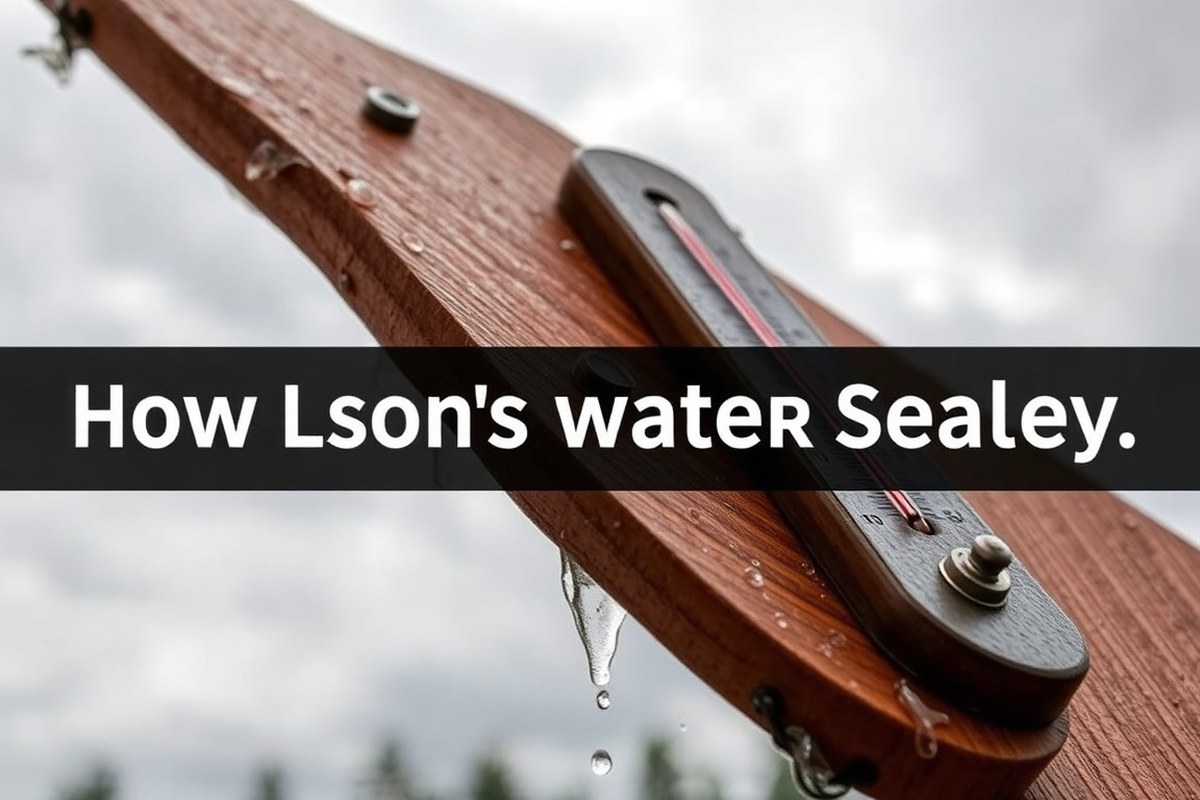
Temperature and humidity heavily affect how fast Thompson’s Water Seal dries. It dries best when temperatures stay above 50°F (10°C) and humidity is below 50%.
Higher heat speeds up the solvent evaporation. Lower humidity allows moisture to escape quickly.
Rain delays drying and can ruin fresh sealer. Avoid applying if rain is expected within 24 to 48 hours. Rain on not fully cured sealer causes blotches and shortens the finish’s lifespan.
You can plan your sealing job by checking the weather forecast carefully. Aim for dry, warm days with steady temperatures and low humidity. Choose mornings with no rain forecast at least through the next day.
| Weather Condition | Drying Impact | Reason |
|---|---|---|
| Hot & Dry | Fast | Rapid evaporation; air holds little moisture |
| Warm & Humid | Slow | Heat helps, but saturated air blocks evaporation |
| Cool & Dry | Moderate | Slower molecular movement; dry air absorbs liquid |
| Cold & Damp | Very Slow | Minimal evaporation; risk of improper curing |
Applying in cold or damp weather can trap moisture in the wood. This causes the sealer to stay tacky or peel later. Keep the application thin and avoid multiple coats if the weather is borderline.
Check the forecast carefully before you start. Plan to apply only when 24 to 48 dry hours are expected. Avoid sealing if rain is likely within that time.
Good air circulation helps sealer dry faster. Avoid windy days, though. Dusty days can drop dirt on your wet sealer.
Also, thicker coats take longer to dry. Spread thinner layers for a quicker, uniform cure.
How to Prepare Surfaces for Optimal Thompson’s Water Seal Drying
You must prepare the surface well before applying Thompson’s Water Seal. Clean, dry, and moisture-free wood or concrete help the sealer stick and dry faster. Each material needs slightly different prep steps for the best results.
Cleaning the Surface
Remove dirt, mildew, old finishes, and debris from the surface first. Use a deck cleaner for wood; a pressure washer works well for concrete. Dirt and old coatings stop the sealer from soaking in properly.
After cleaning, rinse thoroughly with water and allow the surface to dry fully before sealing. Avoid cleaning products that leave residues, as residues block sealer absorption.
Checking Moisture Levels
Wood must be completely dry with low moisture to dry the sealer fast and well. The ideal moisture content is 15% or less. Anything over 20% can prolong drying or cause peeling.
Use a moisture meter to check wood before sealing. Press the pins into the wood, and read moisture percentage on the display. You can buy a good meter for $30-$50.
When moisture reads high, wait several days in warm, dry weather. Only apply the sealer once the surface is dry enough. This prevents trapping moisture under the finish.
Drying Time Before Application
After cleaning and checking moisture, let the surface dry in the sun and air. For wood, this can take 24 to 72 hours, depending on humidity and temperature. Concrete usually dries in 48 hours or less.
Avoid sealing after rain or heavy dew until you confirm dryness. Proper drying means the sealer won’t bead up or slide off.
Surface Condition for Concrete and Pavers
Concrete and pavers require extra prep to remove oils, dust, and stains. Scrub with a stiff brush and a mild detergent before rinsing with clean water. Let it dry fully for two days in warm weather.
Concrete can handle some surface roughness. It must stay free of all coatings and sealers. These block Thompson’s Water Seal from penetrating and drying properly.
Follow these steps to prepare your deck or patio before sealing:
- Clear debris and loose dirt with a broom or blower.
- Apply a suitable cleaner (deck cleaner for wood, detergent for concrete).
- Scrub thoroughly using a stiff brush or broom.
- Rinse off all cleaning solution with a hose or power washer.
- Use a moisture meter to check wood moisture content (aim for 15% or less).
- Wait for the surface to dry thoroughly in warm, dry weather.
- Inspect for any existing paint, stain, or sealer and remove it if found.
- Check the surface texture and condition; remove grease or oil stains on concrete.
What Are the Best Application Practices to Ensure Fast Drying?
Apply Thompson’s Water Seal in thin coats to let it dry properly and fast. Wait at least 2 hours before adding a second coat. This approach prevents tacky layers and avoids long drying times.
Applying Thin Coats
Each coat should cover the surface evenly but stay thin. Thick puddles cause the sealer to remain wet and tacky for days. Thin coats soak in better and dry faster.
Use a brush, roller, or sprayer to apply a light layer. Avoid heavy brush strokes that leave visible buildup. You want barely noticeable moisture on the surface.
Timing Between Coats
Wait at least 2 hours between each coat. This gives the sealer time to dry on top and soak in. Rushing to add another coat locks in moisture and slows curing.
Drying time can be longer in cooler or humid weather. Add extra wait time when below 50°F or humidity exceeds 70%. Patience helps the sealer form a strong barrier.
Avoiding Over-Application
Don’t apply multiple thick layers. More than two coats or thick layers cause sticky, never-dry spots. Extra sealer sits on top and traps moisture inside.
Stick to two thin coats total. This protects wood or concrete well without drying problems. Too much product wastes money and time.
Recoating Window Guidelines
Recoat once the first layer is dry to the touch but not fully cured. This usually means waiting at least 2 hours but within 24 hours. After a day, sanding or cleaning may be needed for adhesion.
Applying the second coat too late risks poor bonding and a patchy finish. Applying too soon keeps the sealer wet. Aim for a recoating window between 2 and 24 hours for best results.
Follow these steps for smooth application and fast drying:
- Clean and dry the surface thoroughly before sealing.
- Stir the sealer gently to mix without bubbles.
- Apply a thin, even coat using a brush, roller, or sprayer.
- Wait at least 2 hours for the first coat to dry.
- Check the weather, avoid reapplication in rain or high humidity.
- Apply a second thin coat within 24 hours for better protection.
- Let the entire surface dry for 24 to 48 hours before use.
How to Tell When Thompson’s Water Seal Is Truly Dry
Knowing when Thompson’s Water Seal is dry helps you avoid damage. It also ensures your wood lasts longer.
You can check dryness by feeling the surface, observing visual cues, and even measuring moisture levels. These methods combined give you a clear picture of the sealer’s condition.
Performing a Touch Test
Check the surface by gently pressing your fingertip on it. The sealer should feel dry and firm, not sticky or soft. Your finger picking up residue means the sealer isn’t dry yet.
Take care to lightly touch different areas, especially ones with thicker coating. All spots feeling dry means the sealer is probably ready next.
Signs of Tackiness or Improper Curing
Sticky or tacky spots mean moisture or cold weather slowed drying. These spots won’t harden properly and can collect dirt or cause peeling later. Look for shiny, wet-looking patches hours after application too.
Surface bubbling or peeling within 24 hours also shows poor curing. Avoid walking on the wood or applying another coat until this clears up. These issues often happen below 50°F or with heavy humidity.
Using a Moisture Meter for Accuracy
Moisture meters help you check if the wood beneath the sealer is dry enough. Stick the meter’s probes slightly into the surface to read moisture percentage. Reading under 15% means the wood is dry and sealant is curing.
Higher readings suggest trapped moisture, meaning wait longer or improve ventilation. Moisture meters cost about $20 to $50 and can save you from poor sealing and damage.
Steps to Test Dryness of Thompson’s Water Seal
Follow this step-by-step guide to confirm the sealer’s dryness. Use your finger, a flashlight for checks, and a moisture meter. If possible, use all these tools together.
- Choose an area with the average sealer thickness to test.
- Press the tip of your finger lightly against the surface and lift.
- Look for any residue or stickiness on your finger.
- Use a flashlight to check for wet-looking glossy spots.
- Check for bubbling or peeling on the surface under good light.
- Place moisture meter probes gently on the wood’s surface when testing.
- Read the moisture level and note if it is below 15%.
- Decide to wait longer or apply the next coat based on findings.
A quick check with your finger is usually enough. But don’t skip the moisture meter for precision on damp or tricky spots.
Adjusting for Different Surfaces and Conditions
Concrete and wood surfaces show dryness differently. Wood may feel warmer and softer if damp, while concrete stays cool. Moisture meters can help with both surfaces.
Cold, humid days slow drying and make touch tests less reliable. In these cases, rely more on moisture readings and wait extra time before recoating.
How to Speed Up Thompson’s Water Sealer Drying Time Safely
Using fans can help dry Thompson’s Water Seal faster by boosting airflow. Place a fan near the wood or concrete surface to move air over it gently. Avoid hairdryers when drying sealant on your deck or concrete.
Hot air can soften the sealant. This may cause tackiness or uneven drying.
Improving airflow and sunlight speeds drying too. Move outdoor furniture and vegetation away to open up the space. Sunlight raises the surface temperature, which helps solvents in the sealant evaporate quicker.
Aim for temperatures above 50°F with low humidity. High humidity slows evaporation and doubles drying times, so choose dry days for sealing.
- Do apply thin, even coats to prevent long drying times
- Do use fans or natural breezes to increase airflow
- Do wait for cooler mornings or sunny afternoons when humidity drops
- Don’t apply sealant in direct heavy afternoon sun to avoid blistering
- Don’t use heat sources like hairdryers or blowtorches on the sealant
- Don’t apply during humid or damp weather conditions
- Don’t pile items on the sealed surface until fully dry
Choosing days with low humidity and temperatures between 50°F and 85°F gives the best results. Keeping surfaces clean and dry before applying sealant also helps it dry faster.
Avoid wet or damp wood, as trapped moisture can prevent the sealant from curing properly. Let each coat dry fully before adding another to stop tackiness.
Common Problems That Cause Thompson’s Water Seal Not to Dry Properly
A sealer that stays sticky usually means it didn’t dry properly. This often happens because the coat is too thick.
It might also be from applying it in cold or humid conditions. Rain falling on the surface before it dries can stop the sealer from curing fully, too.
Cold nights below 50°F during the 48 hours after application are a common problem. Even one cold night can leave a tacky finish. High humidity slows the drying process by keeping moisture trapped in the wood or concrete.
Rain within 12 hours after sealing can cause blotches and sticky spots. Waiting at least 24 dry hours is the best way to avoid this.
Another usual cause is applying too much sealer at once. Thick coats don’t dry right. Pooled sealer takes ages to dry and can look blotchy.
Sealing wood already sealed can stop drying. The new sealer can’t soak in. This blocks proper drying.
- Apply only one even, thin coat at a time.
- Check the forecast and avoid sealing if rain is possible within 24 hours.
- Make sure temperatures stay above 50°F for two days after application.
- Lightly sand the surface before resealing if it’s sealed already.
- Use a brush or roller to spread sealer evenly without puddles.
- Let a tacky sealer dry in warm, dry air without disturbance.
Sand the sticky parts gently if your sealer feels tacky. Then apply a thin second coat only if the weather is good. Avoid slapping on a thick new layer because that will just trap more moisture.
Patience helps here. Waiting until the temperature rises and humidity drops gives your sealer the best chance to cure.
Moisture can ruin the seal badly. Wait a dry stretch of a couple days. Then sand the entire area down to bare wood or concrete.
Apply a fresh coat following the weather rules closely. Tools and sealer cost about $30 to $50 for an average deck. So it pays to get it right the first time.
Differences in Drying Time Between Sealers and Surfaces
The drying times for Thompson’s Water Seal vary depending on the sealer type and the surface. Clear sealers dry faster than tinted ones. Tints add pigments that slow drying.
That slows the whole process down. Wood also takes longer to dry than concrete or pavers since wood absorbs moisture differently.
Concrete and pavers usually dry quicker because they don’t soak in much sealer. Wood can stay tacky for a long time, sometimes over 24 hours. It might feel damp after you think it’s dry.
High humidity can cause this. Dense wood takes longer to dry too.
| Sealer Type | Surface | Typical Drying Time |
|---|---|---|
| Clear Sealer | Wood | 24-48 hours, tacky up to 30 days before full cure |
| Tinted Sealer | Wood | 48+ hours, tacky longer due to pigment |
| Clear Sealer | Concrete/Pavers | 12-24 hours, dries faster due to surface |
| Tinted Sealer | Concrete/Pavers | 24 hours or more, slower with tint |
Tinted sealers take longer because pigments block some light and heat, slowing drying. On wood, moisture has more space to escape, so drying is slower.
Concrete and pavers do not absorb much liquid. So the sealer dries on the surface faster.
Direct sunlight can overheat surfaces, causing uneven drying and finish problems. Wait at least 30 days before resealing wood. This time lets the first coat cure fully.
You avoid trapping moisture this way. Wipe off sticky residue with warm water and dish soap.
Do this while the sealer is soft. It helps prevent problems later.
Wipe tacky sealer with soapy warm water while still soft; this prevents finish problems.
Step-by-Step Action Plan for Using Thompson’s Water Seal
Follow this plan to get your deck or concrete sealed and dry quickly. This will reduce mistakes and speed up drying time safely.
- Before you start: Clean the surface well. Make sure it’s dry and free of dirt or old sealers to help new sealer stick.
- Day 1: Apply Thompson’s Water Seal in thin, even coats. Avoid heavy layers so drying won’t slow down.
- Within 2 hours: Check for early drying signs like no sticky feel. Good airflow helps speed this phase.
- After 4 to 6 hours: Test the surface gently to see if it’s fully dry. No damp spots should remain.
- Day 2: Wait until the first coat feels dry to the touch. Only then, apply the second coat if needed.
- Day 3 to 7: Keep the area dry and shaded. Avoid rain or heavy dew while the sealer cures fully.
- After 1 week: Inspect for even coverage and hardness. The sealer should now protect your surface well.
- After 2 weeks: The surface is fully cured and sealed now. You can clean and use it as normal.
Frequently Asked Questions
How Long Does Thompson’s Water Seal Take to Dry on Different Wood Types?
Drying time can vary by wood type. Softwoods dry faster than hardwoods because they absorb sealer better, speeding evaporation. Hardwood may need longer drying, especially dense types like oak.
Can I Apply Thompson’s Water Seal on a Damp Surface?
Applying on damp wood slows drying and lowers adhesion. Always wait for wood to dry fully, usually 48 hours without rain. Dampness traps moisture and prevents the sealer from setting properly.
Does the Thickness of Sealer Coats Affect Drying Time?
Yes, thick coats take much longer to dry due to more solvents evaporating. Thin, even coats dry faster and give better protection. Avoid heavy layers for quicker drying.
Is It Safe to Walk on a Deck Right After Sealing?
Wait at least 24 hours before walking to avoid marks and smudges. Full curing can take up to a week for heavy use. Walking too soon affects the finish and drying consistency.
How Does Previous Sealing Affect Thompson’s Water Seal Drying?
Old coatings block absorption and slow new sealer drying. Remove or sand previous sealers for better adhesion. Applying over old sealer risks uneven drying and patchy results.
What Happens If It Rains Before Thompson’s Water Seal Dries Fully?
Rain on wet sealer causes streaking, blotches, and weak protection. Protect surfaces from rain for 24 to 48 hours after sealing. If rain occurs sooner, expect to reapply the sealer.
Final Thoughts
Thompson’s Water Seal dries in 4 to 6 hours on average. It takes about a week to fully cure. A clean, dry surface and good weather help it dry right.
Choose a clear day to start your sealing project. This helps protect your wood or concrete better.