

How Do You Spell Perennial Correctly? Complete Guide & Tips
How do you spell perennial? It’s spelled p-e-r-e-n-n-i-a-l, with nine letters.
The tricky part is the double “n” right in the middle of the word. Remember to write two “n’s” in a row after the “e.”
“Perennial” has three syllables: per-en-ni-al. You can break it down like that to help with the spelling. Saying the word slower might make it easier to spot the double “n.”
Focus on the root “peren-” which comes from Latin meaning lasting all year. That root shows why the word often means things that repeat. It also relates to things that keep going over and over.
The word usually connects to constant or repeated actions. Keeping that in mind can guide you toward the correct spelling.
Key Takeaways
- Spell perennial with two “n” letters right after the “e.”
- Break the word into three syllables: per-en-ni-al.
- Focus on the “peren-” root when recalling the spelling.
- Remember it has nine letters: p-e-r-e-n-n-i-a-l.
- Practice writing it slowly to avoid missing the double “n.”
- Think of “perennial” as something lasting year-round or repeated.
How Do You Spell Perennial Correctly?

The word perennial is spelled p-e-r-e-n-n-i-a-l. It has nine letters. One reason people often check the spelling is because of the double “n” in the middle.
The double “n” appears because perennial comes from Latin roots. The prefix “per-” means through or throughout, and the root “ennial” relates to years. Doubling the “n” helps keep the correct pronunciation when combining these parts.
To spell perennial, start with “per.” Then add “enni.” Finish with “al.”Think of this mnemonic: Persistent Every New Nature Is Naturally Alive Long.
It helps you remember the double n. This makes it easier to recall the spelling when writing or typing.
What Does Perennial Mean and How Is It Used?
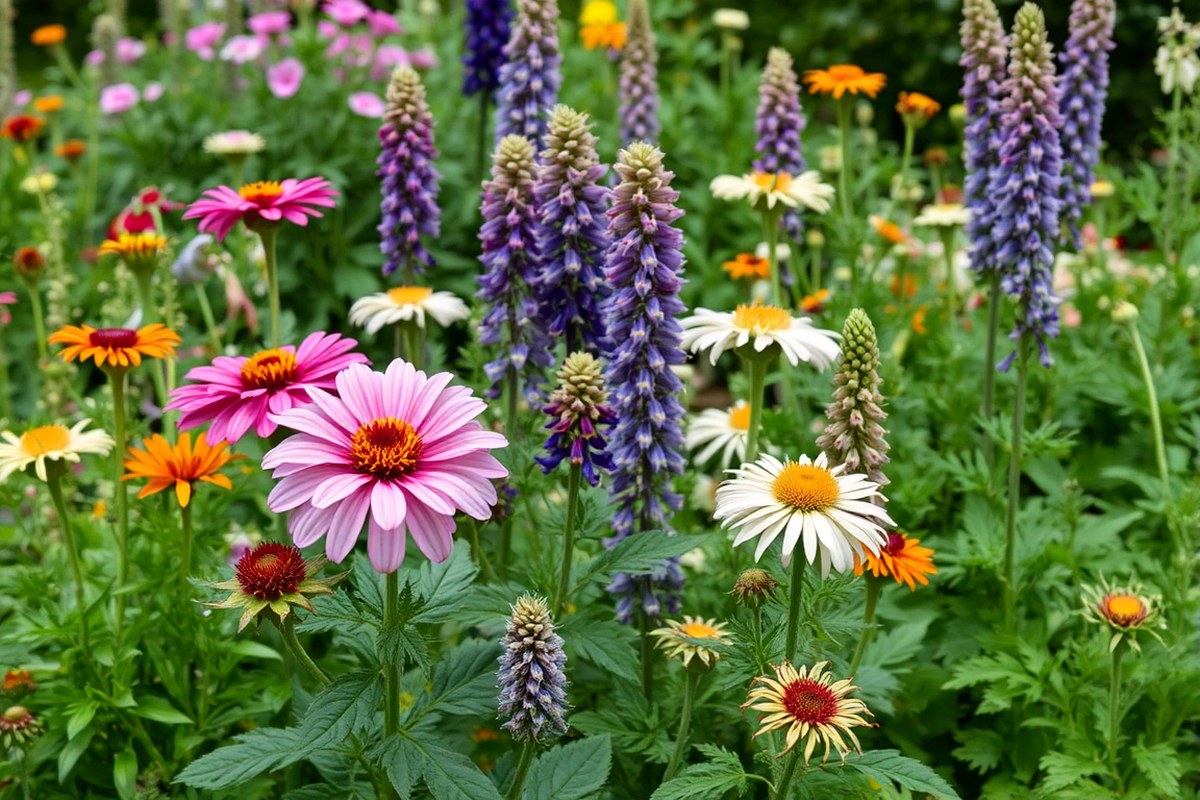
Perennial means something that lasts for a long time or comes back every year. In gardening, it refers to plants that grow again each spring without needing replanting. These plants survive through winter and bloom for several seasons.
Yes, perennials do grow back. Unlike annuals, which live for only one growing season, perennials return year after year. A common example is hostas, which die back in winter but regrow in spring.
You can also use perennial outside gardening. It describes things that are constant or keep happening over time. For example, you might say “a perennial problem” to mean an issue that keeps coming back.
Here are some sample sentences using perennial. The rivalry between those teams is perennial. She’s known for her perennial kindness.
This street has a perennial traffic jam every morning.” These sentences show how the word fits both plants and ongoing situations.
Remember that perennial plants need time to establish but save effort by not replanting yearly.
The word comes from Latin, where it means “through the year.” That root helps explain why perennials last across many seasons.
You’ll often hear perennial describing streams or events. For example, “perennial streams” flow all year.
People sometimes use perennial to describe someone whose habits or interests don’t fit their age group. For example, a “perennial traveler” might keep exploring new places regardless of age. It shows the word’s flexible use beyond just plants.
How to Pronounce Perennial Correctly
The word perennial has four syllables, broken down as pe-ren-ni-al. You say each part clearly to avoid slurring the word. The correct pronunciation in the International Phonetic Alphabet is /pəˈrɛn.i.əl/.
Focus on the stress, which falls on the second syllable: “REN.” Say it like “puh-REN-ee-uhl.” The first syllable sounds like “puh,” with a soft “uh” sound.
The third syllable is “nee.” The last part sounds like “uhl.” It’s like the “uhl” in “colonel.””
The double ‘n’ in perennial can confuse speakers. It doesn’t sound stronger or longer. Instead, it marks the start of the third syllable “nee.”
Keep your tongue steady on the roof of your mouth for the “n” sound. Don’t rush it; say “ren” followed naturally by “nee” without blending the sounds.
Practice saying the word slowly at first. Break it into its four parts, then speed up once you feel confident.
You can repeat it as “puh-REN-ee-uhl” several times, emphasizing “REN.” Over time, this helps your mouth move smoothly and naturally make the sounds.
Some people shorten the last syllable to just a quick “uhl” sound, especially in casual speech. That’s okay, and it still sounds correct. But for clear, standard pronunciation, say all four syllables fully.
Listening to native speakers say “perennial” can help. Use online dictionaries with pronunciation audio or language apps.
Repeat after the speaker and compare the sounds carefully. Practice the stress pattern and the tricky double ‘n’ to get it right every time.
Origin and Word Structure of Perennial
The word perennial comes from Latin roots that mean “lasting through the year.” It combines the prefix per- and the root annus, which means “year.The word began appearing in English in the 1600s. It has a suffix that makes it an adjective.
Latin Roots Behind Perennial
Perennial comes from the Latin word perennis, which means “lasting the whole year through.” The prefix per- means “through” or “thoroughly,” and it adds a sense of completeness. Annus means “year,” giving the word its time-related meaning.
The combination of per- and annus shows that something is continuous or recurring every year. This root makes sense for plants or ideas that keep coming back. These Latin roots form the core idea behind perennial’s meaning today.
Historical First Uses in English
The first recorded English use of perennial dates between 1635 and 1645. It came from Latin perennis with an English adjective suffix added. Early uses described plants or things that lasted more than one year.
By the 17th century, the word meant lasting every year. It also meant coming back year after year.
This history shows how English borrowed and adapted Latin words for natural cycles. The timeline helps explain why the word fits well in science and everyday speech.
Word Parts and Suffix Meaning
Structurally, perennial has three parts: the prefix per-, the stem annus, and the suffix -al. The prefix means “through,” annus means “year,” and -al turns the word into an adjective. This suffix means “related to” or “characterized by.”
This structure makes perennial describe something that continues through each year. The suffix also helps it agree with nouns, like perennial plants or problems.
Knowing each part shows how the word is made. It also explains why it has that meaning.
Common Spelling Mistakes and How to Avoid Them
Perennial often trips people up because of its tricky letter pairs. The double “n” and the “e” after “r” are common spots for errors. People sometimes forget one “n” or mix up the order of vowels near the middle.
Common misspellings include dropping an “n,” turning “perennial” into “perenial” or “perenial.” Sometimes, the “e” after “r” changes places with the “a,” producing “perannial.” These errors make the word look unusual and can confuse readers.
- Missing the second “n” (e.g., perenial)
- Swapping vowels near the middle (e.g., perannial)
- Adding extra letters, like “perenniel”
- Dropping the “e” after “r” (e.g., pernennial)
- Spelling it as “pernial,” missing both the “e” and one “n”
One good way to avoid these mistakes is by breaking the word into smaller parts. Say “per-en-ni-al” slowly to notice each sound and letter. You can practice spelling it out loud.
Write it down several times. This helps you get used to the pattern.
It helps to use online flashcards or quizzes from trusted sites like Vocabulary.com. Reviewing the word in different ways, writing, reading, and hearing, builds a stronger memory. Add the word to your personal study list.
Doing this keeps it fresh in your mind. Review the list often.
Check for the double ‘n’ carefully; it’s the letter pair most often missed.
Spelling “perennial” correctly signals careful writing and understanding. Taking a moment to spot the double “n” and remember the vowel order can save embarrassment. Spot a misspelling?
Compare it to a trusted dictionary or word tool first. Check carefully before moving on.
Synonyms and Related Words to Perennial
Words like perennial describe things that last a long time or come back every year. Synonyms you’ll find useful include “everlasting,” “enduring,” and “persistent.These words describe something ongoing in different situations.
It could be a problem or a friendship. You use them to show lasting or repeated things.
In gardening and botany, perennial often refers to plants that grow back every year. Related words include “biennial.” That means a plant lives two years.
“Annual” means a plant finishes its life in one year. Knowing these terms helps you understand how plants behave and how to care for them.
To contrast, use “temporary” or “short-lived.” These words highlight things that don’t last or recur. They work well when you want to stress something ends soon.
It doesn’t repeat. This is the opposite of what perennial means.
Here is a table of synonyms, related botanical terms, and contrasting words related to perennial. Use this as a quick reference for different situations, both in everyday and scientific language.
| Category | Words | Use Case |
|---|---|---|
| Synonyms | Everlasting, enduring, persistent, constant | Describe ongoing or repeated things outside plants |
| Botanical Terms | Annual, biennial, perennial | Describe how long plants live or grow |
| Contrasts | Temporary, short-lived, fleeting | Highlight things that end quickly or don’t recur |
Choosing the right word depends on your specific meaning and context. “Persistent” works well when you mean something keeps happening.
“Perennial” fits best with plants or repeated events like a perennial festival. Don’t confuse botanical terms: an annual plant only lives one season, unlike a perennial.
Mixing these words up can cause confusion about how long something lasts. Always match your word to the time frame or nature of what you describe. Using this list helps you pick exactly the right term for writing or conversation.
Perennial vs Annual: What’s the Difference?
Perennial and annual describe two common types of plants based on how long they live. Perennials grow for at least two years.
Annuals complete their life cycle in one year. These terms also apply outside gardening to mean lasting or recurring for different lengths of time.
Definition of Perennial Plants
Perennial plants live for at least two years, returning each growing season. They can be woody trees or herbaceous plants that die back but regrow from the root. This longer life cycle makes them popular for gardens where lasting plants are desired.
Because perennials come back every year, they often require less replanting work. Their root systems grow deep, helping them survive harsh conditions better than annuals.
Definition of Annual Plants
Annual plants complete their life from seed to flower to seed within one year. After producing seeds, the whole plant usually dies. Gardeners often use annuals for quick color or seasonal planting.
These plants grow fast but need to be replanted each year. They suit people who want a fresh look every season. They also fit gardeners with poor soil where perennials won’t grow well.
Non-Botanical Uses of Both Words
Outside plants, Perennial means something that lasts or returns over a long time. A perennial problem is one that keeps coming back.
Annual can describe something that happens once every year, like an annual event or report. The focus is on repeating yearly rather than lasting many years.
Using these words helps you show if something lasts a short time. This works for plants, events, or habits. It clears up what you mean.
The table below shows how perennial and annual plants differ. It looks at traits like lifespan and growth habits. You also see their garden uses.
| Trait | Perennial | Annual |
|---|---|---|
| Lifespan | At least 2 years | One year |
| Growth cycle | Returns each season; may die back but regrows | Completes growth, flowers, seeds, and dies in one year |
| Types | Woody or herbaceous plants | Herbaceous plants only |
| Garden use | Long-term landscaping, less replanting | Seasonal color, quick growth |
| Survival traits | Deep roots, more winter hardy | Fast growing, less hardy |
This comparison helps you choose plants or use these words properly. Perennials save effort over years. Annuals offer variety each season.
Tips to Remember How to Spell Perennial
Remember how to spell perennial by breaking it into parts. Use a short phrase to help you remember. This method makes spelling much easier.
The double ‘n’ in the middle is key to recall. Using a step-by-step approach helps avoid common mistakes.
Breaking the Word into Chunks
Split perennial into smaller parts for easier spelling: “per,” “en,” “ni,” and “al.” Each piece acts like a block you put together. This method makes the word less overwhelming to write or say.
Practice saying each chunk clearly. It helps your brain link sounds to letters. This way, you don’t forget any part.
Focus on the Double ‘N’
The double ‘n’ can confuse many people. It’s easy to write just one ‘n’ or add too many.
Watch out for this common mistake. This key feature separates perennial from similar words like “perineal,” which has different spelling and meaning.
Hold onto the idea of “perennial” having two rounds of the letter ‘n.’ Picture it as two steady beats in the middle. This visual and sound clue sticks better than trying to guess.
Mnemonic Sentence Example
A quick phrase can stick in your memory for spelling perennial. For example: “Pretty Eagles Rest Near Every Nest In All Leaves.” Each capital letter stands for a letter in perennial, reminding you of the full spelling.
Use the mnemonic whenever you write or spell aloud. Repeating it a few times helps you lock the spelling in your head. You can also make your own sentence that feels personal and easy to recall.
Follow these steps to spell perennial correctly every time:
- Say the word slowly and listen for each sound.
- Break it into four parts: per – en – ni – al.
- Focus on the two ‘n’s in the middle as a pair.
- Use a mnemonic like “Pretty Eagles Rest Near Every Nest In All Leaves.”
- Write the word down while saying the mnemonic aloud.
- Check your spelling by matching each chunk to the word.
- Repeat the process until you feel confident.
Always double-check the middle double ‘n’ in perennial. Missing it or adding one extra changes the word. This small slip can change the meaning entirely.
Step-by-Step Action Plan to Master “Perennial”
Start practicing “perennial” today to get the spelling, meaning, and use right. Follow this plan to track your progress clearly.
- Day 1: Write “perennial” five times, saying each letter out loud. This helps lock in the correct spelling.
- Day 2: Use “perennial” in three sentences about plants or lasting things. Check if the meaning feels right.
- Day 3: Listen to a pronunciation guide online. Repeat the word until it sounds natural to you.
- Week 1: Read a short article or dictionary entry about “perennial.” Note any new uses or synonyms.
- Week 2: Compare “perennial” with “annual” in writing. Make two sentences highlighting their differences.
- Week 3: Test yourself by spelling “perennial” without help. Write a paragraph using it correctly.
- After 1 Month: Review your notes and sentences. If you spell and use “perennial” well, keep practicing other tricky words.
Frequently Asked Questions
Does Perennial Mean It Grows Back?
Yes, a perennial plant grows back every year, often from the same root. This means you don’t need to replant it each season like annuals.
What Is the Most Popular Perennial Plant?
The most popular perennial plant varies by region but common ones include daylilies and hostas. These plants return yearly without much care.
What’s Another Word for Perennial?
A common synonym for perennial is “everlasting.” It means something that lasts or repeats over time. Use it when describing long-lasting or constant things.
What Does “Perennial” Mean in Simple Terms?
Perennial means something that lasts for a long time or comes back every year. People use it for plants and ideas that are always relevant or ongoing.
What Is a Perennial Plant?
A perennial plant grows back every spring and lives over two years. It blooms and makes seeds using the same roots each year.
How Many Syllables Are in the Word “Perennial”?
The word “perennial” has three syllables, making it per-en-ni-al when spoken clearly. This helps with spelling and pronunciation.
The Bottom Line
You now know how to spell and use “perennial” with ease. Try inserting the word into your next conversation or writing. That small step will help it stick for good.


