Can Ants Live Without a Queen? What Actually Happens to Colonies
Can ants live without a queen? The simple answer is no.
A queen is essential for a colony’s survival because she lays all the eggs. Without her, new ants can’t be born to replace workers who die.
Worker ants can survive some time without a queen. But they will eventually die off.
This is because workers don’t reproduce, and colonies shrink without new ants. You should watch for signs of colony decline if the queen is missing.
Queens can live for many years, up to 20 to 30 total. They usually live this long in captivity. This helps colonies thrive for a long time.
The queen’s role is important, and losing her starts the colony’s slow decline. Understanding this helps explain what happens in queenless colonies.
Key Takeaways
- Ant colonies depend on their queen for reproduction and survival.
- Worker ants do not lay eggs and can’t sustain the colony alone.
- A queen ant’s lifespan ranges from 5 to over 30 years depending on species.
- Colonies lose strength gradually after queen loss, sometimes taking months.
- Watch for reduced activity and worker numbers as colony decline signs.
- Providing a new queen is key to restarting a queenless ant colony.
Can Ants Live Without a Queen? The Basic Truth
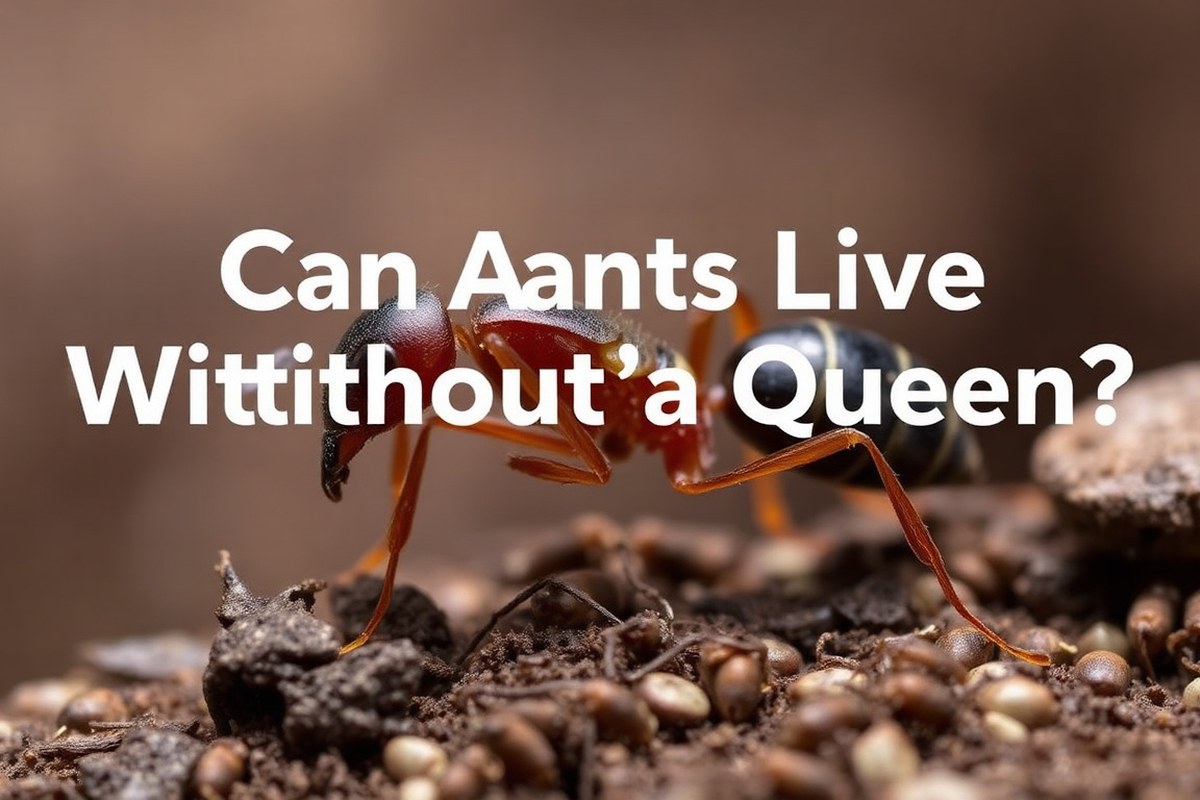
Ants can live without their queen for a limited time but not indefinitely. The queen produces all the eggs, so without her, no new ants are born. Worker ants keep foraging and caring for the colony.
They do this as usual right after the queen leaves. The colony still functions without the queen at first.
Right after losing the queen, ants experience a kind of “ant chaos.” The queen’s pheromones keep the colony organized, so her absence disrupts their normal routine. Worker ants continue to function and find food to survive.
The colony slowly begins to decline without their queen. Life goes on but less smoothly in time.
Worker ants survive without a queen mostly on their stored energy and food they find. Worker ants usually live months to a year without a queen. This depends on the species of the ants.
Their lifespan is shorter without the queen’s presence. During this time, the colony cannot grow, and older ants die off, shrinking the group gradually.
How Long Do Ants Survive After Losing Their Queen?
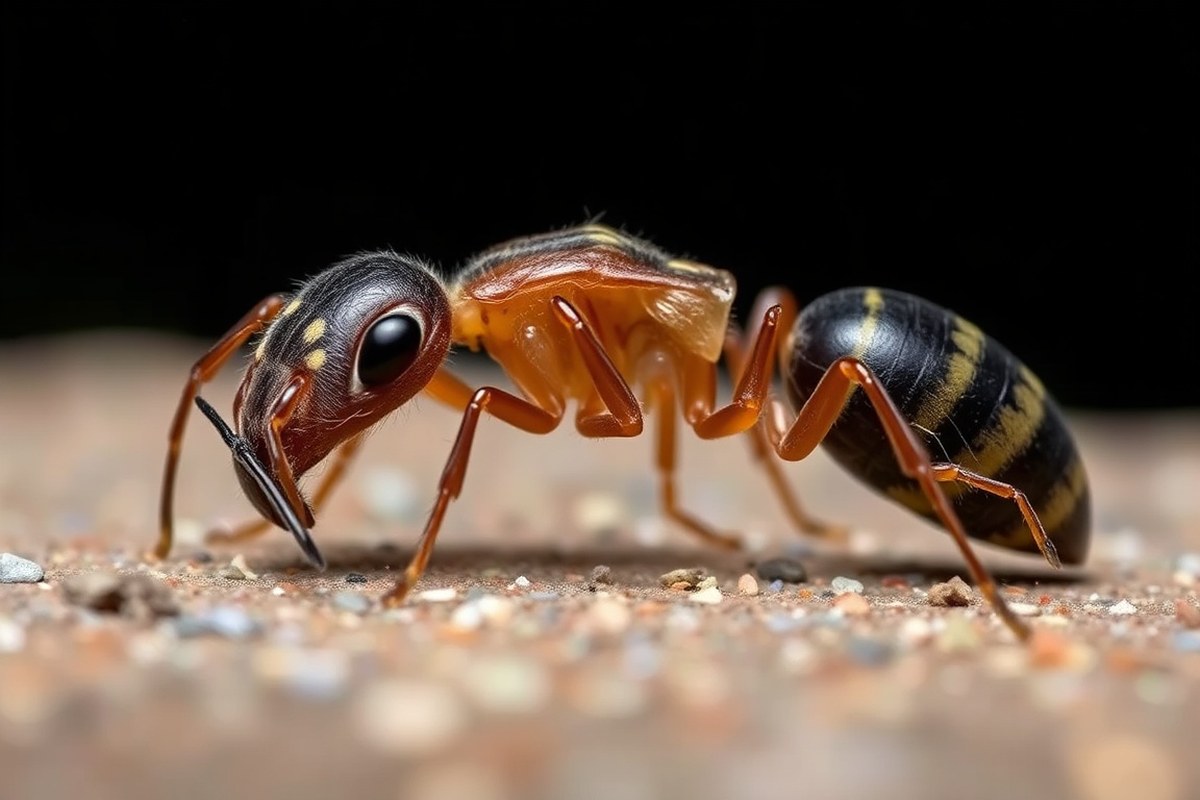
Worker ants typically live out their normal lifespan even without a queen. A worker ant that lives seven months can survive that long after her queen dies. She keeps going despite losing the queen.
This applies to her full lifespan. However, the queen’s death stops new eggs. So no new workers replace the aged ones.
The survival time of a queenless colony varies by species. Colonies with naturally longer-living workers last longest after queen loss. Having more workers at the start helps the colony live longer.
They support tasks and feed leftover larvae. This keeps the colony going after the queen dies.
Food availability and temperature also influence survival. Well-fed workers in moderate temperatures can last months, using stored food and existing brood. Harvester ants survive only one to two weeks without food.
Moisture and heat affect how long they last. They need those to stay alive longer.
| Ant Species | Worker Lifespan | Colony Survival Without Queen | Notes |
|---|---|---|---|
| Fire Ants | Several months | Up to a few months | May raise new queens if larvae present |
| Harvester Ants | Several months | 1-2 weeks without food | Survive longer with food and water |
| Common Worker Ant (General) | About 7 months | Several weeks to months | Depends on number of workers and stored resources |
| Queen Ant | 15 to 30+ years | Not applicable | Queen lifespan far exceeds workers’ |
Colony pheromones help keep reproductive roles clear while the queen lives. Her death removes these signals. Workers might become stressed searching for her, which shortens their effective survival time.
Check for larvae capable of becoming new queens to extend colony life after queen loss.
Workers cannot lay fertile eggs on their own in most species. So no new workers come without a queen.
Without replacement, the worker population dwindles, and colony tasks suffer. How long the colony lasts depends on storing food and caring for existing brood effectively.
The Queen’s Role: Why She’s important to the Colony
The queen ant is the only one who lays eggs in the colony. She produces new workers, soldiers, and future queens. Without her steady egg-laying, the colony cannot replace workers that die off.
Besides reproduction, the queen controls the colony with chemical signals called pheromones. These pheromones keep workers organized and maintain colony harmony.
When the queen’s pheromones stop, workers act differently. The colony’s social order breaks down.
Workers usually do not lay eggs when the queen is around. Their roles focus on gathering food, caring for the brood, and defending the nest. Most species depend on the queen because workers cannot become new queens or lay fertilized eggs.
In some species, workers start making unfertilized eggs. These eggs turn into male ants. This happens after queen pheromones fade.
Then, the colony might try to raise a new queen from larvae. Still, these cases are rare, so the queen’s presence remains critical.
The queen’s long lifespan, up to 30 years in labs, contrasts with workers living only months. This difference matters because only the queen continuously replenishes the colony workforce. Losing her means the colony cannot sustain itself over time.
Exceptions: Ant Species That Can Operate Without Queens
Some ant species can operate without a single queen. Army ants and certain others survive through different social structures. These species rely on workers or special reproductive ants called gamergates to reproduce.
Army Ants and Queenless Colonies
Army ants are well known for their queenless colonies during certain phases. Instead of a permanent queen, they have nomadic groups led by worker ants. These workers take turns laying eggs, but only a few reproduce at a time.
Army ants’ colonies often cycle between stationary and nomadic phases. During nomadic phases, the colony moves constantly to hunt and survive. This lifestyle reduces dependency on a single queen and spreads reproduction responsibilities.
Role of Gamergates in Reproduction
Gamergates are worker ants that gain reproductive abilities. They replace queens in species where queens are absent or rare. Gamergates can mate and lay fertilized eggs that become female workers or future reproductives.
The reproductive shift happens naturally when the queen dies. Some species never have a queen at all. In those cases, reproduction changes on its own.
Gamergates maintain colony survival by producing new workers and soldiers. Their presence prevents colony collapse without queens.
Other Queenless Species Examples
Some species like certain Harpegnathos ants rely solely on gamergates. Others form small colonies without queens by cloning or parthenogenesis. These types reproduce without males, producing all-female colonies that grow differently.
This list shows examples of queenless or queen-replacing ant systems:
- Harpegnathos saltator (uses gamergates)
- Army ants (nomadic colony phases, no permanent queen)
- Clonal raider ants (parthenogenetic, all females)
- Some Dinoponera species (worker reproduction without queens)
- Species with multiple gamergates replacing queens
These examples show nature’s flexibility in ant colony structure. Queenless survival means reproduction shifts to other colony members.
What Happens to a Colony When the Queen Dies?
What Happens to a Colony When the Queen Dies?
When the queen dies, the colony loses its source of new ants. Worker ants continue living, but without new eggs, the population starts to shrink. Over time, the colony becomes unorganized and eventually dies out.
Loss of Queen Pheromones
The queen produces pheromones that keep the colony functioning smoothly. These chemical signals tell workers she is alive and regulate their behavior. When she dies, the pheromone levels drop sharply within hours to days.
Without these signals, workers become confused and agitated. They may stop cooperating or even show aggression to each other.
The loss of queen pheromones shows the colony’s stability is at risk. This triggers behavioral changes among the ants in the colony.
Worker Behavioral Changes
Without queen pheromones, workers start searching erratically for the missing queen. This restless behavior causes disorganization. Some workers may become aggressive or stop performing essential tasks like foraging or caring for larvae.
Over days to weeks, the colony loses its social structure. Tasks that keep the nest alive become neglected. Without coordination, food gathering and brood care decline, accelerating the colony’s downfall.
Colony Decline and Collapse
No new eggs means no new ants to replace aging workers. The colony’s population slowly drops over months as workers die naturally. This leads to a gradual loss of workforce necessary for colony survival.
Within about a year, the colony usually collapses completely. All remaining workers die, and the nest is abandoned. Without a queen, the colony lacks the ability to sustain itself long-term.
These steps explain the decline process after queen death:
- Detect the loss of queen pheromones within hours.
- Workers become restless and change normal behaviors.
- Tasks like foraging and brood care decrease over weeks.
- Egg laying stops immediately as there is no queen.
- Worker population slowly diminishes over months to a year.
- Colony structure breaks down with no new ants born.
- Colony eventually collapses and workers die off completely.
Without quick help, a colony without a queen cannot survive past a year. Most cases end before they reach one year.
Can You Start or Maintain an Ant Colony Without a Queen?
Starting or keeping an ant colony without a queen is possible but limited. You can maintain a queenless colony by collecting worker ants and providing specific care. These colonies usually last weeks or months, depending on the species and environment.
Collecting and Transferring Worker Ants
Begin by gently collecting worker ants from an existing colony or outdoors. Use a small container or vial with ventilation holes to avoid suffocation. Avoid disturbing or capturing the queen, as she is important for long-term survival.
Choose species like Lasius niger, the common black ants. They can survive longer without food or a queen. This makes them easier to keep.
A small group of workers, around 20 to 30 ants, provides enough activity to observe. Transfer them carefully to your formicarium to reduce stress and injury during the move.
Creating Ideal Conditions for Survival
Set up your ant farm with stable temperature and humidity, which boost survival. Keep the temperature between 70 and 80°F (21 to 27°C). Maintain moderate humidity around 50%.
This matches their natural home. Avoid direct sunlight or drafts, as these stress ants and shorten their lifespan.
You can help maintain moisture by misting the habitat lightly every few days. But do not flood it.
Keep the enclosure clean to prevent mold and bacteria buildup, which harm queenless colonies. Provide shelters or dark hiding spots to reduce stress and encourage natural behavior.
- Keep temperature between 70 and 80°F
- Maintain humidity near 50%
- Provide dark, moist hiding areas
- Avoid direct sunlight or strong air currents
- Clean habitat regularly to prevent mold
- Mist habitat lightly every 2 to 3 days
Following these conditions helps your queenless colony stay active longer. Without a queen, the colony won’t grow but can survive with well-controlled care.
Feeding and Maintenance Tips
Feed your workers small bits of protein and sugar daily to keep them energized. Insects like small fruit flies or bits of cooked egg provide protein.
Sugar water or honey gives quick energy. Remove any leftovers promptly to avoid mold or bacterial growth.
Water is essential. Provide a shallow water source or a moist cotton ball for hydration. Black ants can live up to two weeks without water.
They do better if they always have water nearby. Constant access helps them thrive. Monitor ants daily for signs of stress or illness and adjust conditions as needed.
- Offer protein sources like small insects or cooked egg
- Give sugar water or honey for energy
- Provide fresh water or a moist cotton ball
- Remove uneaten food daily to prevent mold
- Observe ants regularly for health and activity
Queenless ant farms require consistent attention and care to extend worker lifespan. These hobbies let you enjoy watching ants without forming a full colony with a queen.
Common Myths and Mistakes About Queenless Ant Colonies
Many people think ants don’t need a queen because worker ants keep moving and feeding. They see ants active and assume the colony stays healthy without a queen. This misunderstanding causes mistakes like removing the queen.
It also leads to buying colonies without queens. These colonies often fail in the long run.
Some common errors hurt queenless colonies more than new keepers realise. People might feed them too little or store the ant farm in the wrong spot. Without a queen laying eggs, the colony can’t grow.
It survives only as long as current ants live. Survival time varies from weeks to months by species.
To avoid colony collapse caused by queen removal, follow a few simple steps. Always buy your ants from trusted suppliers who provide fertile queens.
Keep the farm clean and at the right temperature, usually about 70-80°F. So the workers stay active. Never remove or ignore the queen once the colony is established.
- Source queen ants from trusted, reputable breeders or suppliers
- Maintain stable temperatures between 70, 80°F (21, 27°C) for best activity
- Feed species-appropriate diets, like plant material for leafcutter ants
- Avoid disturbing or removing the queen once she is present
- Choose habitat setups suitable for the ant species, avoiding gel farms
- Regularly clean the farm to prevent mold or pests
- Keep the colony undisturbed as much as possible for long-term survival
Ignoring these tips leads to quick decline in queenless groups. A queenless colony stops growing and loses workers without replacing them. Without a fresh supply of eggs, no new ants emerge.
So the colony shrinks until all ants die. Following these care rules helps keep colonies thriving and prevents guesswork that causes collapse.
How Environmental Factors Affect Queenless Colony Survival
Queenless ant colonies need steady temperatures between 22 and 25°C to survive longer. When it gets colder or hotter, workers struggle to keep up.
They find it hard to carry out their tasks. Rapid temperature shifts can cause stress and reduce survival time.
Humidity is another key factor. Colonies thrive best around 80% humidity. Lower humidity dries out the ants and their brood.
Higher levels encourage mold and bacteria growth. Both extremes shorten how long a queenless colony can last.
Nutrition also plays a big role in their health. Workers depend on carbs-rich food for energy when no queen is present to reproduce. Supplying sugar water or honey helps keep worker ants active.
Lack of food or bad nutrition uses up ants’ energy fast. They often die within weeks from this.
Carpenter ants can last two to six weeks without food under good conditions. That range depends mostly on temperature and humidity.
Cooler temperatures slow metabolism, extending survival without feeding. Hot dry air makes energy run out faster.
Keeping the environment stable helps stop severe disturbances inside the colony. Sudden changes in oxygen, heat, or moisture stress the ants and cause them to die faster.
You must watch and adjust humidity and temperature all the time. This helps a queenless colony survive longer.
Watch humidity closely. Too much moisture breeds mold, but too little dries your colony out fast.
Step-by-Step Action Plan: Managing a Colony Without a Queen
Use this plan to learn what to expect after the queen dies. It also shows how to care for ants without their queen. Follow these steps to keep your colony healthy.
- Immediately after queen loss: Identify the queen’s absence by no eggs or larvae in the nest. This shows the colony lost its queen.
- Within the first week: Observe worker ants behavior for stress signs like aimless wandering. Normal foragers show less coordination when queenless.
- Week 2: Remove dead brood gently if any. Clean nest areas to reduce disease risk since no new brood will replace losses.
- Week 3: Provide extra food and water to help stressed workers survive. Increased nutrition can help them last longer without new ants.
- After 4 weeks: Assess colony size and activity. Expect gradual population decline; no brood means fewer ants over time.
- Month 2 and beyond: Decide whether to introduce a new queen or dissolve the colony. New queens can restart brood production, but acceptance varies.
- Maintenance step: Keep the habitat clean and stable to prevent disease and loss of workers. This supports the remaining ants as long as possible.
Frequently Asked Questions
How Long Will Ants Live Without a Queen?
Ants can survive for several weeks to months without their queen. The exact time depends on the species and the number of workers left in the colony.
Why Should You Never Squish Ants?
Squishing ants can release alarm pheromones, warning others to attack. This can cause more ants to swarm or become aggressive, making the problem worse.
Can Ants Hear You Talk?
Ants don’t have ears but sense vibrations through their legs and body. They can detect sounds or movement nearby but can’t hear your voice like humans do.
What Do Ants Do If There Is No Queen?
Without a queen, ants keep working but no new ants are born. The colony slowly dies out as workers age and no new brood replaces them.
What If You Removed the Queen from the Colony?
Removing the queen stops new ants from being born. But workers survive for a while. The colony declines and eventually collapses after several weeks or months without her.
Can Worker Ants Turn into Queens Without a Queen Present?
Most worker ants cannot become queens without a queen’s presence. Only certain species or special conditions allow new queens to develop after the original dies.
Wrapping Up
Ants can survive some time without their queen, but their future is limited. Watch your colony closely to spot queen loss early. Act fast if you want to save or manage the ants long term.