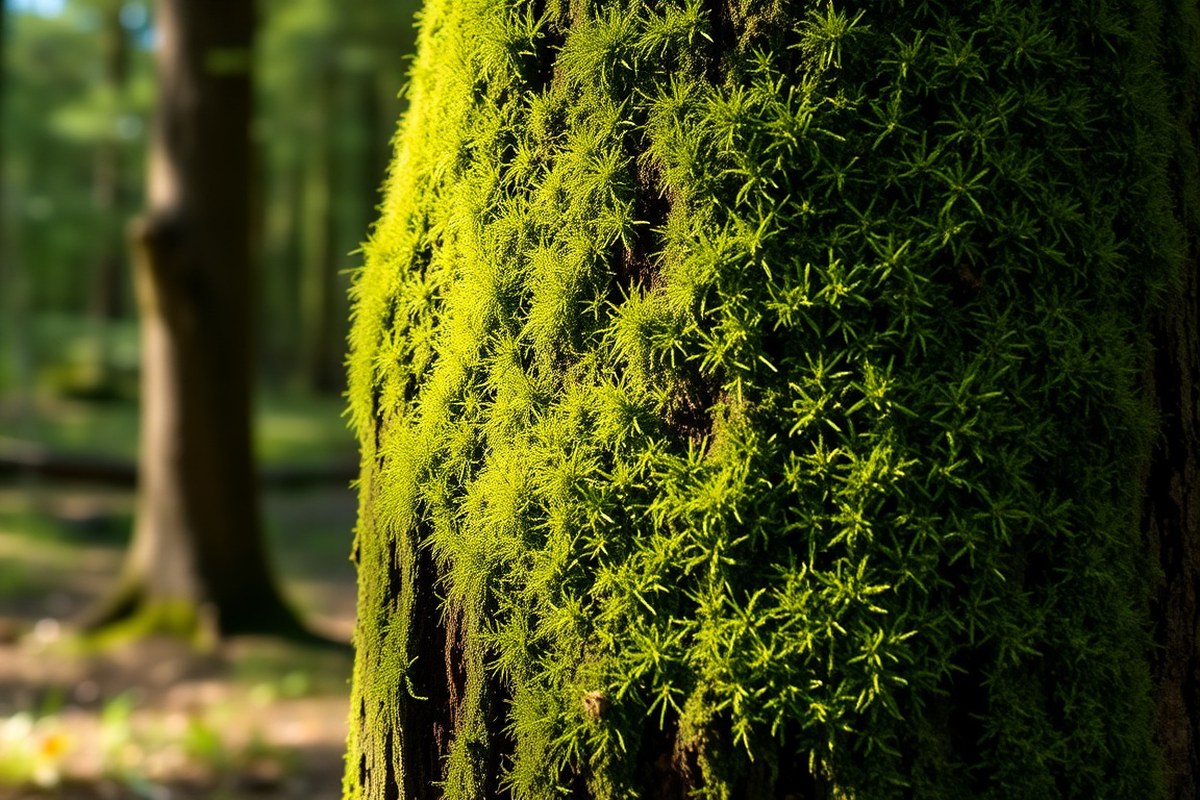
Does Moss Grow on the Side of the Tree? A Complete Guide to Growth, Effects, and Control
Yes, moss can grow on any side of a tree trunk. It often prefers shadier, damper sides but isn’t limited to the north side.
In the northern hemisphere, moss tends to be thicker on the north side of trees. This is because moss likes cooler, shadier spots there.
Moss grows best in areas with high humidity, usually above 70%. It often stays away from direct sunlight and favors damp soil nearby. These moist spots help moss thrive and indicate wetter or shaded conditions around your tree.
Moss itself is not harmful to trees. However, heavy moss growth means the bark may stay too wet.
Wet bark can cause other problems, so watch your tree for damage signs. Start by checking where the moss grows and if the bark looks healthy underneath.
Key Takeaways
- Moss grows on any tree side but prefers shaded, moist areas.
- North side moss growth is common but not exclusive.
- High humidity levels above 70% encourage moss growth on bark.
- Moss absorbs water, potentially keeping bark wet longer.
- Heavy moss doesn’t directly harm trees but signals damp conditions.
- Watch tree bark health under moss for signs of damage.
Does Moss Grow Only on the North Side of Trees?
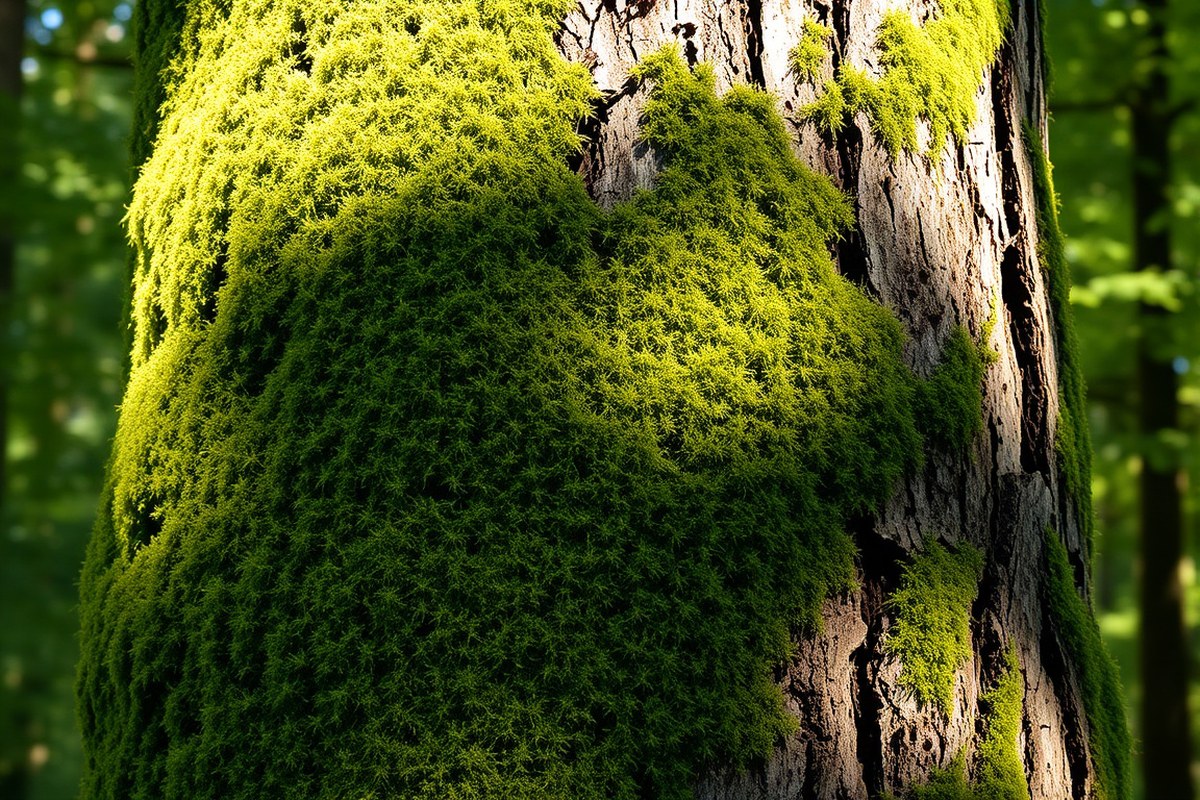
The idea that moss grows only on the north side of trees is mostly a myth. Moss likes shady, moist spots. On trees, these spots are usually north-facing.
This happens because of how sunlight hits the tree in the northern hemisphere. The Woodland Trust says moss prefers cooler, damper spots.
These conditions help moss survive winter’s freeze and dry air. Moss is why it grows more on the north side.
Still, moss doesn’t grow exclusively on the north side. Michigan State University Extension says moss can grow anywhere on a tree. It depends on moisture and shade, not just direction.
Moss needs the right conditions to stay alive. In very damp regions, such as the Pacific Northwest, moss covers all sides of trees. The direction matters less than the tree’s local environment and sun exposure.
People believe moss only grows north to help with navigation in forests. Since north sides are usually shadier in the northern hemisphere, moss was a handy compass mark.
But in the southern hemisphere, moss often grows on the south side for the same reason. The idea depends on the hemisphere’s sun angle, not strict tree sides.
In practice, you’ll find moss where shade and moisture meet, regardless of direction. It favors shaded bark patches, shaded crevices, or areas near damp ground.
On trees in the northern hemisphere’s mid-latitudes, thicker moss usually grows north. In the southern hemisphere, the opposite happens due to southern sun angles.
Knowing this helps you spot moss naturally without relying on outdated rules. For example, if you live in Minnesota, you’ll see more moss on north sides.
But in New Zealand, the moss prefers the south sides. That switch shows the sun’s position drives moss growth, not a magical north-only rule.
What Environmental Conditions Encourage Moss Growth on Tree Bark?
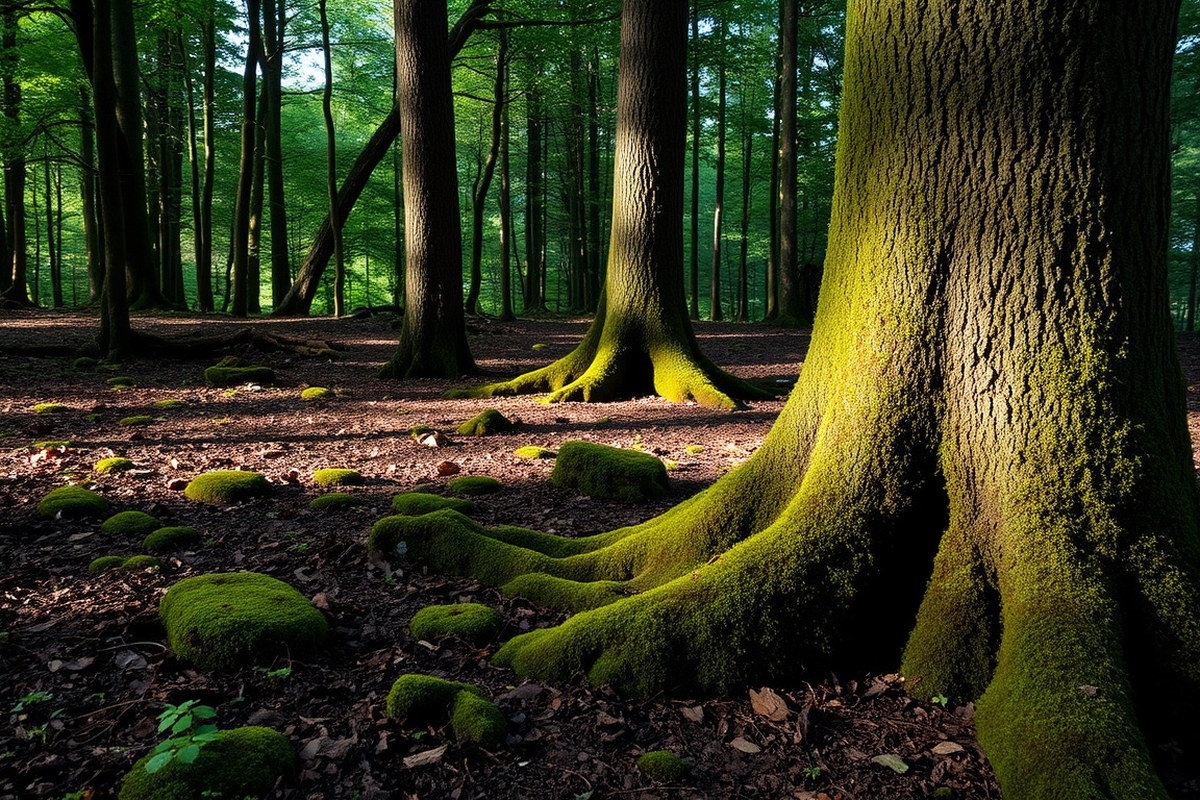
Moss grows best where shade and moisture meet. It thrives in places shielded from direct sunlight.
So trees with thick canopies or those in dense woods often support moss on all sides. The moss stays green because shade helps prevent it from drying out under hot sun.
Humidity matters a lot for moss. The tiny plants absorb water through their leaves instead of roots. Areas with steady moisture, like forests near streams, favor moss growth.
Places with high rainfall also encourage moss on tree bark. Moss thrives in these damp environments. Dry spots won’t keep moss healthy for long.
The texture of tree bark influences moss growth too. Rough bark has grooves and cracks that hold water well. These spots give moss spores a safe place to settle.
That helps moss grow better on trees. Older trees often have this kind of bark. Smooth-barked trees, like beech, attract less moss than rough-barked ones, such as oak.
- Shade from dense tree canopies or nearby structures
- Cooler temperatures in shaded areas, usually under 70°F during the day
- Consistent humidity or frequent rain, keeping bark damp
- Rough, grooved bark that traps moisture and spores
- Mature trees with larger, shaded canopies
- Locations sheltered from strong winds that quickly dry out surfaces
Look for trees in moist, shady spots during spring and summer. Check bark texture too; rough bark means moss might take hold. Areas where sunlight barely hits the trunk usually stay cooler and damper, ideal for moss growth.
Too much moss on trees can trap moisture and harm bark. So keep an eye on heavy growth to avoid damage.
Moss prefers the north sides of trees in the northern hemisphere. These sides get less sunlight than others. That shade helps moss grow thicker.
Still, heavy tree cover and landscape conditions can cause moss to spread evenly around trunks. Watch how light, moisture, and bark texture all work together to create moss-friendly zones.
How to Identify Moss Versus Lichen and Algae on Trees
You can tell moss from lichen and algae by their look. Check how they feel. Also, notice where they grow on trees.
Moss feels soft and has tiny leaf-like parts. Lichen looks crusty or leafy and grows slowly. Algae usually looks slimy or greenish and grows in damp spots.
Moss Characteristics and Growth Patterns
Moss has small, leafy stems that feel soft when you touch them. It grows thickly in moist, shady places on tree bark or rocks.
The color can be bright green to dark green. It often forms a fuzzy mat.
Moss does not harm a tree because it doesn’t feed on the bark. It simply uses the tree as a base to hold onto. Moss often grows on lower, shady parts of the trunk.
It appears where water collects. These spots stay wetter.
Lichen Appearances and Biology
Lichen looks quite different from moss. It can be crusty, leafy, or scaly and grows very slowly. Lichen is actually a partnership between algae and fungi, which lets it survive harsh conditions.
They tend to grow on sunnier, exposed tree parts. The fungi protect the algae from drying out while the algae produces food through photosynthesis. Lichens often appear in colors like gray, white, yellow, or light green.
Algae Features and Common Locations
Algae on trees looks slimy or like a thin green or blue-green coating. It usually grows where the bark stays wet or in spots with poor air flow. Algae does photosynthesis and needs water to thrive.
You can find algae often on lower trunk areas or near water sources like streams. Algae grows faster than lichen but is less fuzzy than moss. It often mixes with moss or lichen where conditions are right.
Moss, lichen, and algae often grow together on one tree. They like moist environments. So, you usually see them close.
Each affects the tree differently, though none feed on it directly. Moss might trap moisture. Algae and lichen do not harm the bark but may signal high humidity.
Use this table to tell them apart by their key traits:
| Feature | Moss | Lichen | Algae |
|---|---|---|---|
| Texture | Soft and fuzzy | Crusty, leafy, or scaly | Slimy or smooth |
| Growth Speed | Moderate | Slow | Fast |
| Color | Bright to dark green | Gray, white, yellow, light green | Green to blue-green |
| Preferred Location on Tree | Lower trunk, shady, moist | Sunny, exposed ridges | Wet bark, poor air flow |
| Biology | Non-vascular plant | Fungi-algae partnership | Simple aquatic plant |
| Impact on Tree | Does not feed on tree | Does not feed on tree | Does not feed on tree |
Checking these traits helps you identify which growth is on your tree. Moss feels fuzzy and soft to the touch. Lichen looks crusty or leafy.
Algae has a slimy texture. Each one grows where it suits best, sometimes side by side.
Which Types of Moss Commonly Grow on Trees and Where?
Moss on trees often belongs to several common species. These mosses differ by their look, where they grow, and their moisture needs. Knowing these differences helps you identify and understand them better.
Cushion Moss and Its Preferred Environments
Cushion moss forms dense, rounded clumps on tree trunks and branches. It looks like soft green pillows, ranging from bright to dark green in color. This moss prefers shaded, moist locations and grows well in cool, temperate forests.
You’ll find cushion moss mostly in areas with steady humidity and low sunlight. It often grows on maple, oak, and other deciduous trees where the bark stays damp. It handles moderate drying but thrives best when moisture is consistent.
Haircap Moss Features and Range
Haircap moss stands out with tall, fine stalks topped by tiny capsules. It looks like miniature green tufts or spikes sticking up from tree bark. This moss favors acidic soils and can handle both dense shade and some sunlight.
This species grows mainly on conifers and sometimes deciduous trees in cooler climates. It survives winter cold well and prefers locations where moisture is available but not overly saturated. Haircap moss tolerates a wider light range than cushion moss.
Fern Moss Appearance and Favored Climates
Fern moss has flat, feathery fronds that spread outward like tiny ferns on bark surfaces. Its color varies from yellow-green to dark green depending on moisture and sunlight. It prefers very moist, shaded environments typical of rainforests or damp woodlands.
You’ll usually spot fern moss on trees in humid climates or near water sources. It often covers large patches of bark, trapping moisture underneath. This moss does not survive well in dry or hot areas since it needs steady dampness.
Comparing common moss species quickly helps you identify them on trees. Knowing the differences makes spotting them much easier. You can do this by focusing on key features.
| Moss Type | Description | Preferred Trees | Moisture Needs | Common Regions |
|---|---|---|---|---|
| Cushion Moss | Rounded, dense green clumps | Maple, oak (deciduous) | Moderate, steady moisture | Temperate forests |
| Haircap Moss | Tall stalks with capsule tips | Conifers and some deciduous | Moderate to low moisture | Cool, acidic soils |
| Fern Moss | Flat, feathery fronds | Various, often wet bark | High moisture, very damp | Humid woodlands, rainforests |
Knowing these traits helps spot the moss you have on your trees. It avoids confusion with lichen or algae, which look quite different. These mosses add texture to the bark and usually signal moist conditions nearby.
Does Moss Harm Trees or Can It Signal Health Issues?
Moss on trees usually does not harm them. It grows on bark but does not take nutrients from the tree. Moss is a type of bryophyte that forms green clumps or mats on the surface.
Still, thick moss can hide problems like decay or insect damage. When you can’t see the bark under moss, look closely for damage.
Look for soft spots, cracks, or holes under the moss. These might show where the tree is weak or sick.
When moss covers much of the trunk and branches, it may trap moisture. Constant dampness can lead to fungal growth or rot in some trees.
Moss growing too thick can also add weight and block sunlight from the bark’s surface. Both can stress the tree over time.
To know when moss is a concern, look for signs of tree stress. These include dead or falling branches, thinning leaves, or unusual leaf colours.
Bark that feels soft or peels easily under moss is another warning. You should check mossy areas regularly during growing seasons.
Inspect trees in shady, humid yards where moss thrives. Use a small stick or glove to gently move moss aside. Discover rotten or soft bark?
Ask an arborist for their advice. Healthy bark should feel firm and look consistent in colour.
Removing thick moss safely can help reveal problems early. You can use a soft brush or your hands. But avoid scraping or using chemicals.
Moss removal costs nothing except time. But professional help may be needed if decay is serious.
Checking moss-covered trees yearly helps catch hidden problems before they get worse.
Step-By-Step Guide to Removing Excessive Moss from Trees Safely
Removing excessive moss from your tree is best done gently to protect its bark. Use soft brushes or mild sprays to clear moss without damaging the tree. Avoid harsh chemicals or power washing, which can hurt bark and tree health.
Gathering Safe Tools and Protective Gear
Choose tools that won’t harm the bark or plant tissue of your tree. A soft-bristled brush and garden gloves make a good start. You may also want a bucket, mild soap, and spray bottles for gentle cleaning solutions.
Wear gloves to protect your hands from dirt and any irritants in moss or cleaning mixes. A ladder can help you reach higher spots carefully.
But only use it on stable ground. Avoid power washers, which may strip bark or force water too deep.
Manual Removal Techniques and Precautions
Start by gently brushing off moss with a soft-bristled brush. Move in a downward direction to loosen moss from the bark. Avoid scrubbing hard; this can damage the bark and create wounds that invite pests.
Your goal is to reduce moss without removing it all. Moss usually doesn’t hurt healthy trees. Keep some moss on the bark for balance.
Focus on removing moss patches that trap moisture or look heavy. Always stop if the bark feels tender or starts peeling.
Using Gentle Sprays and Vinegar Solutions
A mild soap solution can help rinse moss without chemicals. Mix one tablespoon of dish soap into a gallon of water for spraying. Spray mossy areas lightly and rinse with clean water after about 10 minutes.
Use a diluted vinegar solution only when soap water isn’t enough. Mix one part vinegar with four parts water in a spray bottle. Apply it gently on moss patches only.
Rinse after 10 to 15 minutes carefully. This helps avoid damage to the bark.
Here’s a step-by-step method for safe moss removal:
- Put on gloves and gather your soft brush, bucket, mild soap, water, and spray bottles.
- Inspect the tree and choose areas with heavy moss build-up that traps moisture.
- Gently brush moss patches downward with a soft-bristled brush without scrubbing hard.
- Spray the moss lightly with soapy water. Let it sit for 10 minutes. Brushing alone might not remove all the moss.
- Rinse the soapy spray off with clean water using a hose at low pressure.
- Try a diluted vinegar solution for stubborn moss. Spray and leave it on for 10, 15 minutes.
- Rinse off vinegar thoroughly and avoid repeated applications to protect bark health.
- Check the tree regularly and repeat the gentle removal as needed during moist seasons.
Natural Methods and Tips to Control Moss Growth on Trees
Moss grows well in damp, shady spots. You can slow its growth by managing these conditions around your trees.
Proper pruning opens the tree canopy, letting sunlight in and drying the bark faster. This reduces the damp shade moss needs.
Watering carefully also helps. Avoid overwatering near the tree’s base since moss loves excess moisture.
Check that soil drains well by aerating it, which stops water from pooling around roots. Compost or organic mulch can improve soil without holding too much water.
Some plants nearby can shade the soil but still allow air flow. Plants like ornamental grasses or low-growing herbs fit well.
They compete for moisture but don’t create deep shade, which moss likes. Removing dense shade from other trees also makes a difference.
- Prune branches in late winter to let more light reach the bark
- Aerate soil in early spring for improved drainage
- Replace compacted soil with organic mulch each fall
- Water trees deeply but infrequently to avoid standing moisture
- Keep grass and weeds trimmed to reduce crowded shade
- Thin surrounding trees to improve airflow and sunlight exposure
Seasonal care matters. Pruning early lets trees heal before growing vigorously in spring. Aerating soil before heavy rains prevents water logging.
Applying mulch in fall protects roots and maintains good soil structure. These steps together help keep moss from gaining a foothold.
Controlling moss doesn’t mean killing it completely. Moss can provide benefits like soil protection and moisture retention. Too much moss means there is too much shade or moisture.
This shows you need to change how you care for your trees. Taking action helps keep your trees healthy. Regular trimming helps keep trees healthy and controls moss growth.
Watering your trees properly also reduces moss buildup. Together, these steps balance tree growth and moss levels.
Seasonal Changes in Moss Growth and Survival Strategies in Winter
Moss growth changes with the seasons, slowing down during cold months. In winter, moss doesn’t die but goes dormant to survive harsh conditions. It reduces water use and metabolic activity until warmth and moisture return in spring.
During spring and fall, moss grows thicker because these seasons offer more moisture and mild temperatures. Moss thrives in damp and shaded areas, making these times ideal for growth. Summer heat and winter cold both limit its activity by drying or chilling the moss.
In winter, dry cold winds can dry moss quickly, causing some layers to die off. But moss has survival strategies like absorbing moisture from fog or dew. These strategies help moss endure until conditions improve again.
The best time to remove moss or apply treatments is when the tree is dormant. This usually means late fall to early spring, before new growth starts. Removing moss at this time avoids damaging the tree’s fresh bark or leaves.
Power washing in spring or fall works well because temperatures are moderate. Avoid power washing in freezing cold or hot summer weather to protect tree health. For immediate control, peel moss off carefully; it often comes off in one sheet.
Winter observation can help you track which areas of your tree have moss that survives well. Knowing where moss lasts through winter allows you to focus control efforts there. In colder northern climates, moss may retreat more than in milder southern areas.
Only remove moss when trees are fully dormant to avoid harming new growth. Applying treatments in winter reduces stress on your tree.
Step-by-Step Action Plan to Manage Moss on Trees
Use this plan to check moss growth in your yard. Decide if you want to keep it. Learn how to control moss safely.
- Day 1: Walk around your tree and note where moss grows most. Check shady and moist spots.
- Week 1: Learn to identify moss versus lichen and algae using a guide or app. Confirm what you see.
- Week 2: Decide if moss bothers you or not. Moss may show damp spots that harm your tree.
- Week 3: Remove excessive moss gently using a soft brush and water, avoiding bark damage.
- Month 1: Apply natural control methods like pruning nearby branches to increase light and airflow.
- Seasonal check: Watch how moss changes with weather. Note if winter moisture increases moss again.
- Ongoing: Maintain tree health by watering during dry spells and keeping bark intact to prevent issues.
Frequently Asked Questions
Does Moss Grow on the Side of the Tree?
Yes, moss can grow on any side of a tree. It prefers shady, damp areas, but it’s not limited to one side only.
Does Moss Grow on the North-Facing Side of a Tree?
Moss often grows thicker on the north side in the northern hemisphere. This side gets less sun, creating a cooler, moister spot where moss thrives.
Why Can’t I Touch Spanish Moss?
Spanish moss can carry tiny insects or allergens that might irritate your skin. It’s safer to avoid touching it unless you wear gloves and check for bugs.
Is Moss the Oldest Plant on Earth?
Mosses belong to one of the oldest groups of land plants. They appeared hundreds of millions of years ago, long before many modern plants.
Can You Use Moss to Tell Direction?
Moss may help find north but only under certain conditions. It grows thicker on the cooler, shaded side, usually north in northern climates.
Does Moss Harm Trees or Just Grow on Them?
Moss doesn’t usually harm trees. It grows on bark but doesn’t take nutrients or damage the tree itself. Sometimes, heavy moss might suggest wet conditions that affect tree health.
Before You Go
Moss grows mainly where shade and moisture meet on your tree’s bark. It rarely harms trees but signals damp areas.
Walk around your yard to find moss patches. See what moss says about your tree health.