

How Much to Install Sprinkler System: Complete Cost Guide & Tips
How much to install sprinkler system depends mostly on your lawn size and system type. Typically, you’ll spend from about $4,000 to $7,000 for a standard in-ground system. For example, a 5,000-square-foot lawn costs between $4,500 and $8,500 to cover fully.
The number of irrigation zones plays a big role too. Each zone can add $600 to $1,000, so more zones raise the price quickly. It’s good to plan the zones based on different parts of your lawn and watering needs.
Labor costs vary from $120 to $1,600, mostly linked to the installer’s work and difficulty. DIY installation cuts some costs but requires time and tools you might not have. Starting with a clear layout and checking local permits helps avoid surprises later.
Key Takeaways
- Expect to pay $0.90 to $1.70 per square foot for in-ground sprinklers.
- A quarter-acre lawn typically costs around $3,100 to install a system.
- Adding more zones increases cost by $600 to $1,000 each.
- Labor usually costs between $120 and $1,600 depending on system complexity.
- DIY installation averages $1,500 to $2,500 but needs proper tools and skills.
- Consider lawn shape and watering needs to plan efficient zone layout.
Typical Cost to Install a Sprinkler System
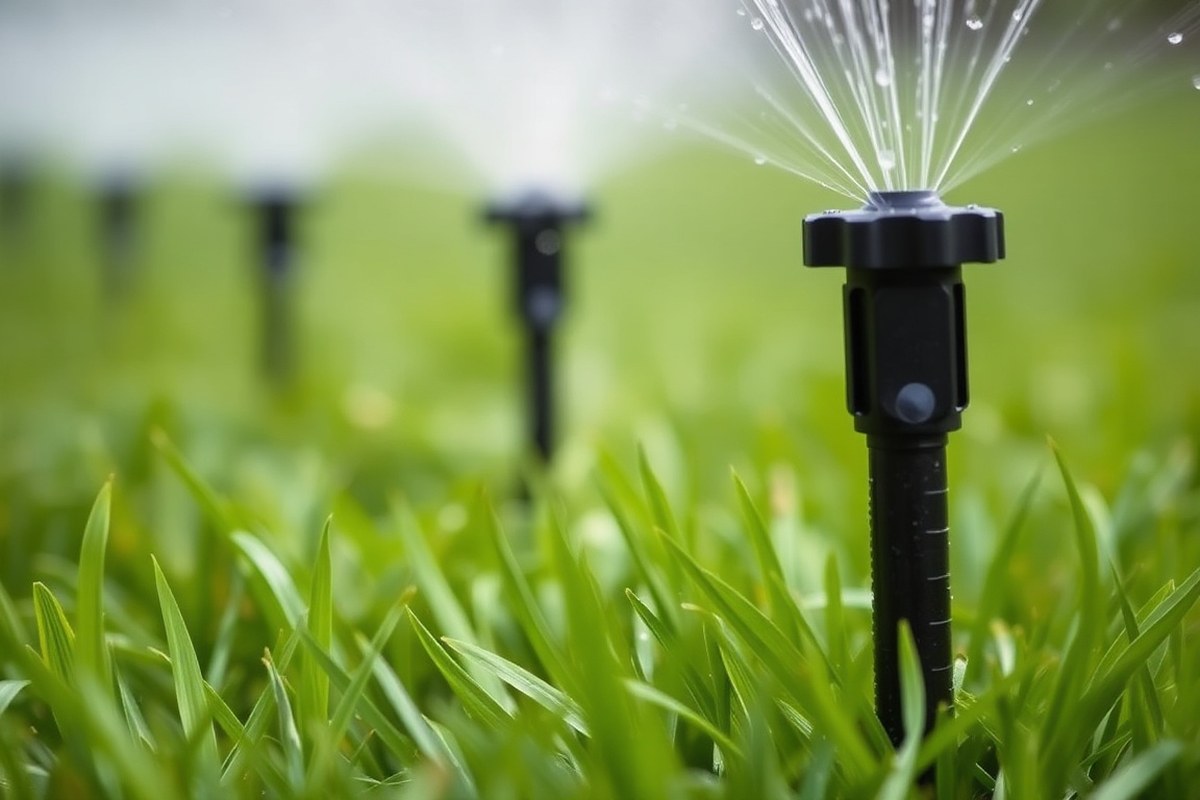
The cost to install a sprinkler system usually falls between $0.55 and $1.75 per square foot. For a 5,000-square-foot lawn, expect to pay between $2,750 and $8,750. The price depends mostly on materials, labor, and how many zones your system needs.
Materials generally make up a large part of the price. Sprinkler heads, pipes, and controllers tend to drive the cost up. Labor costs usually range from $120 to $1,600, depending on the system’s complexity and size.
| Cost Item | Low Estimate | High Estimate |
|---|---|---|
| Materials | $1,100 | $4,800 |
| Labor | $1,650 | $3,950 |
| Estimated sprinkler system cost | $2,750 | $8,750 |
| Installed cost per square foot | $1.00 | $2.00 |
Zones usually cost between $600 and $1,000 each. More zones mean more pipes and heads plus additional labor. This is common for larger or irregularly shaped lawns.
For example, a 5,000 sq ft lawn might need 5 zones. At $700 per zone, that adds $3,500 to your total. Materials and labor together can cost between $2,750 and $8,750.
The number of zones affects this price a lot. More zones mean higher costs.
How Lawn Size, Zones, and System Type Affect Price

The size of your lawn affects installation cost. The number of irrigation zones matters too. The type of sprinkler system also changes the price.
Larger lawns need more zones to deliver water evenly, which raises material and labor costs. The system type also changes the price based on complexity and automation features.
Sprinkler System Types Explained
There are several sprinkler system types to consider. Automatic systems use an electronic controller to water your lawn on a set schedule. Underground systems hide pipes and sprinkler heads.
This makes them cost more to install. The trenches keep everything out of sight. Drip irrigation uses low water flow and targets plants.
They cost less but do not suit lawns well. These systems work best for garden beds.
Costs vary a lot. Automatic systems typically cost between $1,800 to $2,630. Underground systems can range from $1,740 to $3,410.
Drip systems are less expensive, around $450 to $650 but serve different uses. Rainwater collection systems exist too, but these vary widely in cost and installation style.
| Irrigation Method | Average Cost Range | How It Works |
|---|---|---|
| Automatic sprinkler system | $1,800 to $2,630 | Operates automatically with a scheduled controller |
| Underground sprinkler system | $1,740 to $3,410 | Uses hidden trenches and automatic timers |
| Rainwater collection system | $120 to $21,000 | Collects and distributes rainwater for use |
| Drip irrigation system | $450 to $650 | Low-flow drip lines for efficient watering |
Choosing the right system type depends on your budget and lawn watering needs. Automatic and underground systems fit most lawns well. Drip systems are better suited for garden beds or small areas.
Typical Zone Counts by Lawn Size
Zones divide your sprinkler system into separate watering areas. Each zone can run at different times to balance water pressure. A small lawn may only need two to three zones to cover all areas evenly.
For medium lawns around a quarter-acre, expect four to six zones. Bigger lawns usually need six or more zones. This helps water all parts evenly.
It also prevents water pressure from dropping too much. More zones keep water distribution efficient.
Keep in mind that too few zones can cause uneven watering and dry patches.
How Zones Impact Installation Price
More zones mean more valves, pipe runs, and wiring to control the system. Each zone adds to material costs and labor time for installation. Installing four zones instead of two can raise costs by several hundred dollars.
Water pressure influences zone requirements too. Lower pressure requires additional zones, which can push up the price. The system controller must support your zone count, which affects costs when you upgrade or expand.
Adding complex features like rain sensors or smart watering can also increase zone costs. Keeping zones balanced prevents pressure drops and helps your lawn get watered reliably without wasting water.
Sprinkler Heads and Controllers: Choosing the Right Components
Choosing the right sprinkler heads and controllers affects both cost and performance. Prices vary widely depending on type and features. Picking components carefully helps you balance budget, coverage, and convenience.
Types of Sprinkler Heads and Their Uses
Sprinkler heads come in several types for different lawn needs. Basic pop-up spray heads cost around $1.50 to $35 each. They suit general lawn watering but differ in spray radius and pattern.
Rotor heads cover larger areas with rotating streams. They cost more, usually near the higher end of the range. Shrub or drip nozzles target specific plants and save water but might increase installation complexity.
For small areas, hose-end sprinkler heads are a low-cost option at about $15 each. Kits with multiple heads cost up to $80 and suit temporary or small-scale setups.
Controller Options and Pricing
Controllers manage watering zones and schedules. Basic timers cost between $25 and $150. They operate manually or on simple programs, fitting smaller or budget systems.
More advanced controllers handle multiple zones and fine timing adjustments. Prices run from $150 to $600 or more. Controllers with zone programming support better water management and lawn health.
Adding zones increases the total cost by $500 to $1,500 per zone. This happens because of extra wiring, valves, piping, and trenching.
Smart Controllers and Add-Ons
Smart controllers add Wi-Fi, weather sensors, and app control. These features cost an additional $200 to $300 on average. They adjust watering automatically based on rain or temperature changes.
Smart controllers save water and protect your lawn with hands-free schedules. Extra add-ons like rain sensors and soil moisture monitors improve precision but increase upfront cost.
Installing low-pressure correction devices can cost $500 to $3,000. They help if your water pressure is too low to run all heads properly.
| Item | Price Range | Why It Adds Cost |
|---|---|---|
| Basic Spray Heads | $1.50, $35 per head | Simple coverage, easy install |
| Hose-End Sprinkler Heads | About $15 each | Low-cost, good for small or temporary use |
| Controllers (Basic) | $25, $150 | Manual or simple scheduling |
| Controllers (Advanced) | $150, $600+ | Multiple zones, programming features |
| Smart Controllers | $200, $300 (added) | Wi-Fi control, weather adjustments |
| Extra Zones | $500, $1,500+ | More heads, piping, wiring, valves |
| Low Pressure Correction | $500, $3,000+ | System redesign to fix flow issues |
Choosing components depends on lawn size, water pressure, and your watering needs. A small yard with good water pressure will need fewer zones and simpler heads. Large areas or tricky terrain usually require more heads and a smart controller.
Labor, Installation Timeline, and DIY vs Professional Costs
Labor for installing a sprinkler system usually costs between $45 and $100 per hour. Installation time depends on your yard’s size and complexity. Prices vary by region due to different labor rates and living costs.
Installing your own sprinkler system can save money but requires time and patience. You’ll need to dig trenches, lay piping, connect sprinkler heads, and set the control system. Following online tutorials helps.
The installation process can take a full weekend or more. It lasts longer if you don’t have irrigation experience. So, plan extra time when doing it yourself.
The professional installation timeline often follows these steps:
- Day 1: Site evaluation and layout planning
- Day 2: Digging trenches and installing pipes
- Day 3: Installing sprinkler heads and control valves
- Day 4: Connecting the system to your water supply
- Day 5: Testing and system adjustments
Professional installers handle permits and use specialized tools, which helps avoid costly errors. They often include warranties and support, giving you peace of mind. Hiring a pro usually costs $500 to $1,500 or more, depending on system size and features.
DIY sprinkler kits cost less upfront, often between $100 and $400 for basic setups. Labor is free but requires several days of work. Mistakes during DIY installation can cause leaks or poor water coverage, which means extra fixes later.
Hire a pro for quick, dependable sprinkler system results. They can handle tough yard layouts or obstacles well. This option suits busy people or difficult sites best.
Here’s a simple checklist to decide between DIY and hiring a pro:
- Do you have time for several days of hands-on work?
- Are you okay with digging trenches and setting up water lines?
- Is your yard layout straightforward, or does it need custom design?
- Do you want a warranty and professional testing?
- Is your budget tight, or can you spend more for convenience?
Following these points helps you pick the best route for your sprinkler system project. Remember that professional costs include skilled labor and quicker turnaround but come at a higher price. DIY gives control and savings but demands time, effort, and a willingness to troubleshoot.
How Terrain, Soil, and Permits Influence Installation Costs
Steep or uneven terrain adds cost by making trenching and pipe laying harder. Equipment might need extra protection or special handling, which takes longer. Expect labor to rise by 20% to 40% if your yard slopes sharply or has hills.
Hard soil types like clay or compacted dirt increase labor and material wear. Workers use stronger tools and more effort to dig trenches, raising costs. Sandy or loamy soils cut digging time and reduce pipe damage risk, saving money.
Local permits often apply before starting sprinkler installation. Permit costs usually range from $50 to $200 depending on city rules. Check with your city building or public works office first.
They can give you the requirements and paperwork. Ask about the timeline for approval too.
Planning permits require submitting your sprinkler layout and zone plans for approval. Some areas also require inspections after installation. This process can add 1 to 3 weeks to your project.
You might also pay some small fees for inspections. Sometimes you need revisions, which is another cost.
For rocky or hilly yards, renting a jackhammer or skid steer may also push costs up. Soft soil may allow simpler tools and shorter job time.
Ask your installer about local soil data. They might adjust your quote for these factors.
Confirm if your municipality enforces irrigation permits and follow their checklist. Missing permits can lead to fines or forced removal of the system later. Always include permit fees and waiting time in your project plan and budget.
Check local permit requirements early. Waiting until after installation can cause expensive delays and fines.
Additional Costs: Maintenance, Repairs, Winterizing, and Future Expenses
Sprinkler systems need regular upkeep to work well and last longer. Expect to pay about $75 to $85 yearly for a maintenance check. This usually happens during the growing season when your lawn uses the most water.
Winterizing your system protects it from freeze damage. This involves draining pipes or blowing out water with compressed air.
Homeowners often hire pros for winterizing, which costs around $75 to $150. You should do it by late fall when temperatures drop toward 32°F to prevent broken pipes.
Repairs are common if sprinkler heads or pipes get damaged. Minor fixes usually run about $250 on average.
Rerouting sprinkler zones to cover new landscape areas can cost between $600 and $800 per zone. These changes take time but help keep your watering efficient.
- Annual spring startup and inspection
- Seasonal winterizing in late fall
- Fixing broken heads or leaks as needed
- Replacing worn-out valves or pipes
- Rerouting or adding zones for landscaping changes
- Controller updates or timer replacements
- Cleaning or adjusting sprinkler heads
Maintaining your system well can recover about 25% to 45% of its original cost. Regular checks catch problems before they get costly. You can save money by spotting leaks or broken heads early and fixing them quickly.
Controller timers usually need little extra work. But some may need new batteries or programming yearly.
The cost for these devices ranges between $10 and $300, depending on the model. Keeping them in good shape keeps your watering on schedule and avoids wasting water.
Common Cost Surprises and How to Avoid Them
Unexpected costs often pop up during sprinkler installation, mostly from hidden problems or last-minute changes. Underground pipes might need fixes. Soil could require extra work too.
This adds $200 to $500 or more. Delays happen if permits take longer or if weather interrupts the schedule.
To avoid surprises, ask the installer detailed questions upfront. Confirm the total price includes everything: pipes, heads, controllers, digging, and any extra charges.
Check if you need permits and who handles that fee. Make sure your contract says how delays or changes affect the cost.
- Extra trenching or rock removal – confirm if included
- Permit fees – verify who pays and the exact amount
- Additional pipe or sprinkler heads – check maximum quantities quoted
- Landscaping repairs after installation – clarify responsibility
- System adjustments for soil or slope issues – ask about possible costs
- Unexpected utility line location – confirm process and fees for relocation
- Weather or scheduling delays – check terms for timeline extensions
Read your contract carefully before signing. Ensure it lists all system parts and labor, plus pricing for extras.
It should state how to approve extra costs and project delays. Ask for a clear timeline with start and finish dates to avoid extended work periods.
Good contracts usually require a signed change order for unexpected expenses. This step controls costs and lets you approve any additions. Avoid paying large upfront deposits without a detailed written estimate.
Project delays often come from weather or waiting for the right soil conditions to dig. You can help by scheduling installation in dry seasons when soil is easier to work with. Also, confirm the installer’s experience with local soil and terrain to lessen surprises.
When to DIY and When to Hire a Professional Installer
Installing a sprinkler system yourself can save money but demands time and skills. You should hire a professional if your lawn is large or your layout complex. Also, get a pro for tricky soil or strict local rules.
Assessing Your DIY Readiness
Start by measuring your lawn and mapping out irrigation zones. Check if you have basic plumbing knowledge and tools like a trenching shovel and pipe cutter. DIY suits you if your lawn is small, level, and you can follow detailed instructions.
Review local codes for permits or restrictions before digging. Expect to spend 1 to 3 days installing a basic system yourself. Materials for a DIY setup often cost $500 to $1,500, much less than hiring pros.
Consider your physical ability to dig trenches and work with pipes under pressure. Small sprinkler jobs with straightforward patterns make DIY easier. Large zones or mixed sprinkler types usually mean a pro should handle installation.
Risks and Challenges of Self-Installation
Without proper planning, you risk uneven watering which harms your lawn. Improper pipe connections can cause leaks, raising water bills or damaging your yard. Trenching incorrectly damages underground utilities or roots, costing more to fix.
Accurate head placement is critical. Too close or far leaves dry spots or puddles. Inexperienced installers often misjudge spray radius or zone timing, lowering system efficiency.
Budget surprises happen when tool rentals or extra parts add up. Mistakes might need professional fixes, costing over $100 per hour. Also, winterizing wrong leads to frozen pipes and breaks, costing $59 to $144 to repair.
Dig carefully and call 811 before you dig to avoid hitting underground cables or pipes.
How to Find and Hire a Pro
Look for local professionals with good reviews and years of experience. Use apps like LawnStarter to find prescreened installers near you. Check if they offer warranties or maintenance plans for long-term value.
Ask for written estimates breaking down labor, parts, and permits. Compare at least three bids to get fair pricing for your lawn size. Make sure contractors are licensed and insured to protect yourself.
Discuss winterizing and repair services upfront so you know ongoing costs. Verify their track record by asking for references or photos of past jobs. Good pros explain your options clearly and stand by their work.
- Check reviews on websites and apps
- Confirm proper licenses and insurance
- Request detailed written estimates
- Ask about warranty and service plans
- Consult neighbors or friends for recommendations
- Ensure they follow local permit rules
- Clarify timeline and payment terms upfront
Step-by-Step Action Plan to Budget and Install Your Sprinkler System
Follow these steps to plan your sprinkler system installation smoothly and stay within budget.
- Before you start: Measure your lawn and sketch zones. This helps estimate parts and water needs.
- Week 1: Research sprinkler heads and controllers to match your lawn. Check reviews and prices.
- Week 2: Get quotes from professionals based on your yard’s soil and terrain. Compare costs carefully.
- Week 3: Decide if you will DIY or hire a pro depending on budget and skills. Remember permits may be needed.
- Week 4: Buy parts or confirm installer’s plan. Check that everything fits your zones and preferences.
- Installation week: Schedule the install. Watch for delays caused by weather or inspections.
- After installation: Test each zone fully. Adjust heads to avoid dry patches or waste.
- Monthly: Check for leaks and keep the system winterized in colder months to avoid damage.
Frequently Asked Questions
What Is the Average Total Cost to Install a Sprinkler System in a Typical Yard?
The average cost to install a sprinkler system in a quarter-acre yard is about $3,100. This reflects a balance of materials, labor, and system complexity for many homeowners.
How Does the Number of Zones Affect the Cost of a Sprinkler System?
Each irrigation zone adds between $600 and $1,000 to the installation cost. More zones mean better water control but increase the overall price.
What Might Increase Sprinkler System Installation Costs Beyond Basic Lawn Size?
Factors like sloped terrain, soil type, and necessary permits can raise costs. For example, a sloped yard may need special equipment to water evenly.
Can I Install a Sprinkler System Myself and Save Money on Labor Costs?
DIY can save labor fees, usually between $120 and $1,600, but requires skill. Mistakes may lead to higher repair costs later, so consider your experience.
What Should I Expect to Pay for Sprinkler System Components Like Heads and Controllers?
Sprinkler heads and controllers often make up most material costs. Choosing efficient, durable parts adds to upfront cost but can save water and money over time.
How Often Will Maintenance and Repairs Add to the Cost of Owning a Sprinkler System?
Maintenance and repairs bring ongoing costs including parts replacement and winterizing. Budgeting for yearly upkeep helps keep your system working well longer.
Key Points to Remember
Sprinkler systems cost more than just parts and labor. Terrain, permits, and upkeep add up too. Start by measuring your lawn and getting multiple quotes today.


