

How to Take Care of Tomato Plants: 8 Essential Steps for a Bountiful Harvest
Figuring out how to take care of tomato plants means focusing on sunlight, water, and temperature. Tomatoes need at least six hours of direct sun daily to bloom well. Keep their daytime temperature between 55°F and 85°F for the best growth and fruit set.
Water is key, but it has to be right. Your plants need about 1 to 1 1/2 inches of water weekly. Water deeply so the roots get soaked well.
This helps the plants grow strong. Avoid overwatering by checking soil moisture before adding more water.
Humidity also matters a lot. Tomato plants like 80 to 90 percent humidity in the day. At night, they prefer 65 to 75 percent humidity.
This balance keeps them healthy and happy. This balance helps them produce healthy fruit and avoid common problems like blossom drop.
Key Takeaways
- Plant tomatoes where they get at least six hours of direct sunlight daily.
- Maintain daytime temperatures between 55°F and 85°F for healthy growth.
- Water deeply with 1 to 1 1/2 inches weekly, checking soil moisture first.
- Keep daytime humidity high (80-90%) and nighttime humidity moderate (65-75%).
- Space tomato plants about 24 inches apart to allow good airflow.
- Remove leaves from bottom foot of stems after plants grow 2 to 3 feet tall.
1. How to Take Care of Tomato Plants for Healthy Growth

Tomato plants need full sun to grow well. Aim for six to eight hours of direct sunlight each day.
This light level helps flowers develop and fruits ripen properly. Keep plants in a spot that doesn’t get shaded by trees or buildings.
Temperature affects tomato growth too. They thrive when daytime temperatures stay between 55°F and 85°F. Cooler or hotter conditions can slow growth or cause blossoms to drop. During hot spells, you might need to water daily and provide shade to protect your tomatoes.
Water your tomato plants deeply to keep soil evenly moist. Most need about one to one and a half inches of water per week.
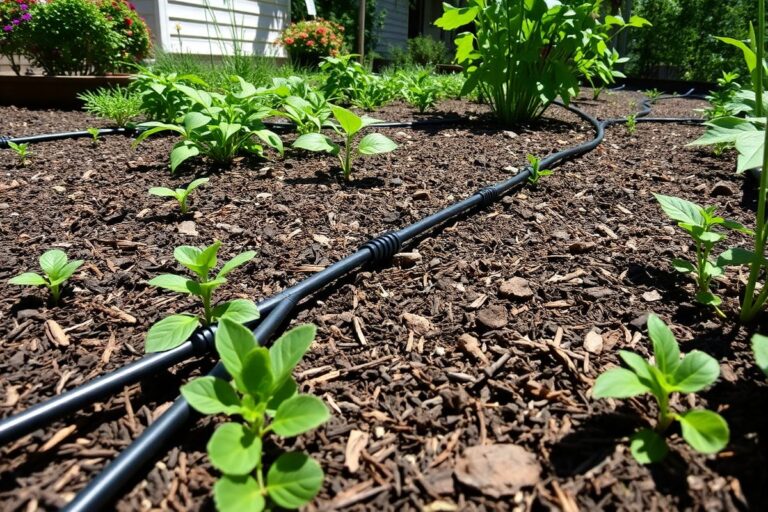
Check soil moisture before watering; avoid letting it get soggy or too dry. Soaker hoses or drip irrigation work best to reach the roots without wetting leaves.
Tomatoes do best in soil rich with nutrients and good drainage. Aim for a soil pH between 6.0 and 6.8 for healthy growth.
Mixing compost or old manure into your garden bed adds nutrients and helps keep moisture. Loose soil lets roots spread easily and absorb water and nutrients efficiently.
Daily care includes checking soil moisture and watching for wilting or pests. Keep weeds down to reduce competition for water and nutrients. You should prune small suckers from your tomato plants every week.
Tie the vines to supports regularly to keep them strong. This also keeps air flowing better around the plant.
Mulching after the soil warms up helps retain moisture and controls weeds. Use straw, grass clippings, or shredded leaves around your plants.
Also, avoid watering overhead to limit fungal diseases. Focus on the base of each plant instead.
2. Choosing the Right Tomato Variety for Your Garden

Tomato plants come mainly in two types: determinate and indeterminate. Determinate tomatoes grow bushy and stop once they reach about 24 to 30 inches tall. Indeterminate tomatoes grow tall continuously, needing support and regular pruning.
Choosing between these types depends on your space and care ability. You want a compact plant or have limited space? Choose determinate varieties.
They take less work and are ready to harvest all at once. Indeterminate tomatoes suit tall plant spaces.
You must prune often. Pruning helps air and fruit growth.
| Feature | Determinate Tomatoes | Indeterminate Tomatoes |
|---|---|---|
| Growth Habit | Bushy, stops growing at 24, 30 inches | Vine-like, grows until frost |
| Support Needed | Minimal, stable bush | Requires stakes, cages, or trellises |
| Pruning | Remove suckers below lowest flower cluster | Rarely pruned, can be trained by removing side shoots |
| Harvest Time | Fruits ripen all at once | Fruits ripen over a long period |
| Space Between Plants | 18, 24 inches | 24 inches or more due to sprawling habit |
Climate greatly affects which tomato varieties will thrive. Warm or hot zones benefit from plants placed where they get some afternoon shade. Tomatoes do tolerate full sun but a bit of shade helps prevent heat stress.
In humid areas, opt for humidity-tolerant varieties like ‘Ferline’ or ‘Legend’ to reduce disease risk. Cooler climates can use varieties that mature earlier, such as ‘Early Girl’ or ‘4th of July.’
Think about fruit size and taste too. Slicing tomatoes weigh 150 to 350 grams and taste great fresh. Classic examples include ‘Moneymaker’ or ‘Big Boy.’
Smaller tomatoes often ripen faster and are less prone to cracking. Disease-resistant varieties like ‘BHN 589’ are smart choices if you want less trouble.
Tip: Leave at least 24 inches between indeterminate tomato plants. Use strong supports for their size.
3. Starting Tomato Seeds and Transplanting Outdoors Successfully
Start tomato seeds indoors about six to eight weeks before your area’s last frost. Keep seedlings healthy under consistent light and warmth. Harden seedlings gradually outside for 7 to 10 days before transplanting them into your garden.
Seed Starting Timing and Conditions
Sow your tomato seeds indoors 6 to 8 weeks before the last spring frost. This timing gives seedlings a head start on the growing season. Starting too early risks leggy plants; too late means short grown tomatoes.
Use seed trays or small pots with seed starting mix. Keep soil moist, not soaking wet, and place trays on a heat mat.
The soil temperature should stay below 95°F to promote germination. Lightly cover seeds with soil about 1/4 inch deep.
Once seedlings sprout, move them to a brighter spot. Provide 12 to 16 hours of light from fluorescent or LED grow lights daily. Keep temperatures around 65°F to 75°F. When seedlings grow 2 to 3 inches tall, move them to pots.
Use 4-inch pots to help roots grow strong. This keeps the seedlings healthier as they grow.
Hardening Off Seedlings Properly
You need to harden off seedlings before moving them outdoors permanently. Hardening off helps young plants adjust to sunlight, wind, and cooler temperatures. This process reduces shock and death after transplanting.
Begin by putting seedlings outside in shade and shelter. Leave them there for 2 to 3 hours the first day. This helps them adjust slowly to outdoor conditions.
Increase exposure by 1 to 2 hours daily while slowly introducing direct sunlight. Avoid strong wind and frost during this period. After 7 to 10 days, seedlings become ready for transplant.
Bring seedlings inside overnight when temperatures fall under 50°F. This protects them from cold damage. Make sure to watch the forecast carefully.
Carry on hardening off until the plants consistently handle full outdoor conditions. Well-hardened seedlings look firm and upright, not wilted or weak.
Transplanting Tomato Plants Outdoors
Only transplant tomato plants outside once all frost danger has passed. Soil temperatures need to stay above 60°F for roots to grow. Pick a partly sunny to sunny garden spot with well-draining soil.
Start transplanting by digging holes spaced 18 to 24 inches apart. Plant seedlings up to their first set of true leaves deep to encourage strong root growth. Firm soil around the base gently but avoid compacting it.
Water plants thoroughly right after transplanting to settle soil and reduce shock. Add mulch around the base to keep soil moisture consistent. Watch for wilting the next few days; water again if soil feels dry.
- Start seeds indoors 6 to 8 weeks before last frost. Use seed trays and soil mix.
- Keep seeds moist, warm (below 95°F), and provide 12-16 hours of light daily.
- Transplant seedlings to 4-inch pots once they have 2-3 inches height.
- Begin hardening off by placing seedlings outside 2-3 hours daily in shade.
- Increase outdoor exposure by 1-2 hours daily over 7-10 days, adding sun gradually.
- Wait until soil is above 60°F and frost risk is gone.
- Plant seedlings 18-24 inches apart, deep enough to cover first true leaves.
- Water well after planting and mulch to preserve moisture.
4. Watering and Feeding Tomato Plants for Optimal Yield
Tomato plants need consistent watering to keep the root zone moist but not waterlogged. Aim for about 1 to 1.5 inches of water weekly, including rainfall.
Check moisture by feeling the soil one inch down. Water when it feels dry there.
Water early in the morning using a drip system or soaker hose to reduce disease risk. Overhead watering or watering late can cause fungal problems.
For example, in hot weather above 90°F, tomatoes may stop fruiting. So increase watering carefully but avoid saturation.
Signs of underwatering include wilted leaves and dry soil. Overwatering causes yellowing leaves and soggy soil. Both can hurt fruit production.
Adjust watering during rainy spells or hot, dry periods. Container plants need more frequent watering than those in the ground.
Tomatoes need balanced nutrients, especially after they set fruit. Too much nitrogen leads to leafy growth but fewer tomatoes. Fertilize with a balanced liquid organic fertilizer like fish emulsion.
Do this every 1 to 2 weeks during fruiting. Use it to help your tomato plants grow strong.
Amend soil beforehand with compost or well-rotted manure to improve fertility and moisture retention. Aim for a soil pH of 6.2 to 6.5, which helps nutrient uptake. Mulch around plants using straw or grass clippings to retain moisture and reduce weeds.
Water deeply twice a week if the soil is dry. Or water once a week plus rainfall totaling 1 inch. This keeps your plants healthy and hydrated.5 inches.
Check soil moisture to fine-tune. Give fertilizer every 10 to 14 days once fruit sets.
Use about 1 teaspoon of fish emulsion per plant. Mix the fertilizer in water before applying it.
5. Supporting, Pruning, and Managing Tomato Plant Growth
Supporting and pruning tomato plants help prevent damage and improve fruit quality. Using stakes or cages keeps plants upright. Removing suckers and lower leaves boosts airflow and reduces disease risks.
Selecting and Installing Supports
Choose stakes or cages based on your tomato type. Indeterminate tomatoes need strong support because they grow tall and keep producing fruit. Stakes should be 6 to 8 feet long and at least 0.5 by 2 inches wide.
Install supports early, soon after transplanting. This prevents root disturbance and plant stress. Push the stake 6 to 12 inches into the soil near the main stem.
Secure plants to stakes with soft ties every 8 to 12 inches. Use wide strips or cloth to avoid cutting stems. Tomato cages are a good alternative for smaller spaces or determinate types.
- Place the stake or cage close to the plant base.
- Push the stake firmly 6 to 12 inches into the soil.
- Tie the main stem gently to the support every 8 to 12 inches.
- Check ties weekly and adjust as the plant grows.
- Add extra ties if branches start drooping under fruit weight.
- Remove or replace damaged stakes or cages promptly.
Secure ties loosely to avoid cutting into stems as they thicken.
Pruning Suckers and Lower Leaves
Remove suckers growing between the main stem and branches on indeterminate tomatoes. They divert energy from fruit production. Pinch suckers off when they are 2 to 4 inches long for best results.
Cut away lower leaves that touch the ground or show disease. This helps prevent late blight and other fungal infections. Start removing leaves once the plant reaches about 12 inches tall.
Prune carefully to keep enough leaves for photosynthesis. Avoid heavy pruning on young plants since it slows growth. Trim regularly during the growing season to maintain airflow and plant shape.
Spacing Guidelines for Air Circulation
Space tomato plants so their leaves don’t touch when fully grown. This usually means 18 to 24 inches apart for determinate plants. Indeterminate types may need 24 to 36 inches spacing.
Good airflow keeps plants dry and reduces diseases. Leaves dry faster after rain or watering. Avoid overcrowding, which causes humidity and encourages fungal growth.
Space rows 36 to 48 inches apart. This lets you walk comfortably.
It also helps air move well. This also lets sunlight reach all parts of the plants, promoting even fruit ripening.
6. Identifying and Managing Tomato Pests Effectively
Tomato plants suffer from pests like hornworms, aphids, whiteflies, spider mites, flea beetles, cutworms, stink bugs, and caterpillars that eat fruit. These insects injure plants by eating leaves, draining sap, or making webs. Watch closely for chewed foliage, tiny holes, or yellow patches to spot pests early.
To prevent pests, keep your garden clean of debris where insects hide. Spread 1 to 2 inches of organic mulch around your tomato plants. Mulch helps keep soil moist.
It also blocks some pests from reaching the plants. Planting tagetes (marigolds) near tomatoes can repel some bugs, such as whiteflies.
Avoid over-fertilizing, which attracts aphids and other sap feeders. Good airflow also reduces spider mites and fungal issues.
- Check plants twice a week, especially under leaves and stems
- Remove pests by hand or hose off aphids and whiteflies
- Use insecticidal soap or neem oil on affected areas every 7 to 10 days
- Introduce beneficial insects like ladybugs to eat aphids
- For severe infestations, choose organic pesticides labeled safe for edible plants
- Apply treatments early in the morning or late afternoon to avoid sun damage
- Rotate your tomato planting spot yearly to reduce pest buildup
Safe treatment starts with manual removal for small bug groups. Spray insecticidal soap or neem oil to control soft-bodied insects. These are cost-effective and eco-friendly.
Use chemical pesticides as a last resort and follow label instructions closely, especially for fruiting plants. Start pest control as soon as you see any damage on plants.
This usually happens right after flowers develop. Protecting fruit early helps keep your crop healthy.
Preventing pests from coming back means regularly inspecting plants and keeping your garden tidy. Use balanced fertilizers and mulch to keep soil healthy for your tomatoes. Healthy soil reduces plant stress and attracts fewer pests.
Less stress means stronger plants that resist damage. Rotate crops each year to reduce pest buildup in the soil.
Plant companions that naturally repel pests near your tomatoes. This lowers the need for chemical sprays and helps plants grow better.
7. Preventing and Treating Tomato Diseases Successfully
Tomato plants often suffer from fungal and bacterial diseases. Common fungal issues include early blight, late blight, and powdery mildew. Bacterial diseases like bacterial spot and canker can mimic these fungal problems, making diagnosis tricky.
Watch for symptoms like dark spots on leaves, yellowing lower foliage, and rotting fruit. Spot brown or yellow spots on lower leaves?
Remove those leaves quickly. This stops fungal spores from spreading through air or soil.
Local weather plays a big role in disease risk. High humidity and poor air circulation boost fungal growth and bacterial infections.
For example, planting tomatoes too close stops air from moving well through leaves. This traps moisture and invites mold and blight.
| Environmental Risk Factor | Impact on Disease |
|---|---|
| High Humidity | Increases fungal and bacterial growth |
| Poor Air Circulation | Traps moisture; encourages mold and blight |
| Watering Timing | Watering at night keeps foliage wet longer |
| Crowded Plants | Limits airflow; spreads disease quickly |
Water your tomato plants early in the morning to let leaves dry during the day. Avoid watering from above, as wet leaves can hold disease spores. Instead, water at the base near the soil.
Use tomato cages or stakes to keep foliage and fruit from touching the ground. This practice reduces fruit rot and soil-borne infections. Adding supports is easiest before plants start sprawling to avoid breaking stems or roots.
Use a fungicide every 7 to 10 days to stop fungus. Start when the first leaves show. Keep applying regularly to protect the plants.
Choose products labeled safe for tomatoes, like copper-based or sulfur fungicides. Follow the label for amounts and application methods carefully.
Organic options include neem oil and potassium bicarbonate sprays. Use these weekly during humid weather. Always test sprays on a few leaves first to check for plant sensitivity.
Notice bacterial infections? Take away and destroy all affected leaves or plants. No chemical cures exist for bacterial diseases.
Do not compost infected parts to avoid spreading disease. Maintain good hygiene and space plants for airflow to reduce risks.
8. Harvesting Tomatoes and Extending Freshness at Home
Harvest tomatoes when they show clear ripeness signs for the best taste. Use gentle harvesting to avoid plant damage. Store them at room temperature to keep them fresh and ripe them indoors if needed.
Identifying Tomato Ripeness
Ripe tomatoes change color evenly, depending on variety, red, orange, yellow, or pink. They feel slightly soft but not mushy when you gently squeeze them. The fruit should also detach easily from the vine with a small tug.
Look for these ripeness signs before picking:
- Even coloration matching the tomato’s mature shade
- A gentle give when pressed without feeling hard
- Fruit separate easily from the stem with a slight pull
- Glossy skin that’s free of green patches or fuzz
- Full fragrance of a ripe tomato close to the vine
Green tomatoes with some color can finish ripening indoors if picked carefully at the right time.
Safe Harvesting Techniques
Use clean hands or garden scissors to avoid crushing or tearing vines. Cut or gently twist fruit with its stem section intact. This keeps the fruit fresh longer and protects the plant for more tomatoes.
Pick tomatoes during cool parts of the day, like early morning or late afternoon. Avoid pulling hard on unripe fruit, as it can break branches or delay new growth.
Picking tomatoes too early or roughly can cause bruising and reduce quality.
Storing and Ripening Tomatoes
Keep tomatoes at room temperature and out of direct sunlight to save flavor. Don’t put tomatoes in the fridge before they are fully ripe. Cold slows ripening and changes their texture.
Pick green or partly ripe tomatoes and put them inside. Use a bowl or paper bag to hold them.
Store tomatoes around 65 to 70°F for quicker ripening. This speed can take a few days or up to two weeks.
For longer freshness, rotate tomatoes regularly, discarding soft or damaged ones. This prevents mold and spoilage across the batch.
Step-by-Step Action Plan for Growing Tomatoes
Follow these steps to grow healthy tomato plants from seed to harvest.
- Before you start: Choose a tomato variety suited to your climate. Check seed packet info to be sure it grows well in your area.
- Week 1: Start seeds indoors in seed trays or pots. Keep the soil moist and warm (70-75°F) for fast germination.
- Week 4: Transplant seedlings outdoors after frost danger passes. Pick a sunny spot with well-draining soil.
- Week 5: Begin regular watering. Give 1-2 inches weekly, allowing soil to dry slightly between. Watch for wilt signs.
- Week 6: Install supports like stakes or cages. This keeps plants off the ground and helps fruit develop evenly.
- Weeks 6-8: Prune lower leaves and suckers. Check growth weekly; plants should look open with plenty of airflow.
- Week 8 and beyond: Start feeding with balanced fertilizer every 2-3 weeks. Healthy leaves and steady fruit growth show success.
- Harvest season: Pick tomatoes when they are fully colored and slightly soft. Store at room temperature to keep them fresh longer.
Frequently Asked Questions
What Soil Should I Use When Planting Tomato Seedlings?
Use loose, well-draining soil rich in organic matter. This helps roots spread and absorb nutrients better.
How Often Should I Check Tomato Plants for Pests?
Check plants at least twice a week. Early pest detection prevents serious damage.
Can I Grow Tomatoes in Containers on a Balcony?
Yes, choose large pots with drainage holes and use nutrient-rich soil. Tomatoes need room to grow and regular watering.
Is It Okay to Use Kitchen Scraps as Mulch Around Tomato Plants?
Yes, shredded vegetable scraps work well as mulch. They retain moisture and improve soil but avoid moldy scraps.
How Do I Know When Tomato Plants Need More Fertilizer?
Look for pale leaves or slow growth. Apply fertilizer every 3-4 weeks during the growing season.
Can Too Much Water Harm Tomato Plants?
Yes, overwatering causes root rot and weak plants. Water deeply but less often, about 1 to 1.5 inches weekly.
The Bottom Line
Growing tomatoes well takes attention but pays off with fresh, tasty fruit. Start by picking the right seeds today. Watch your plants closely and enjoy the results.


2 Comments