
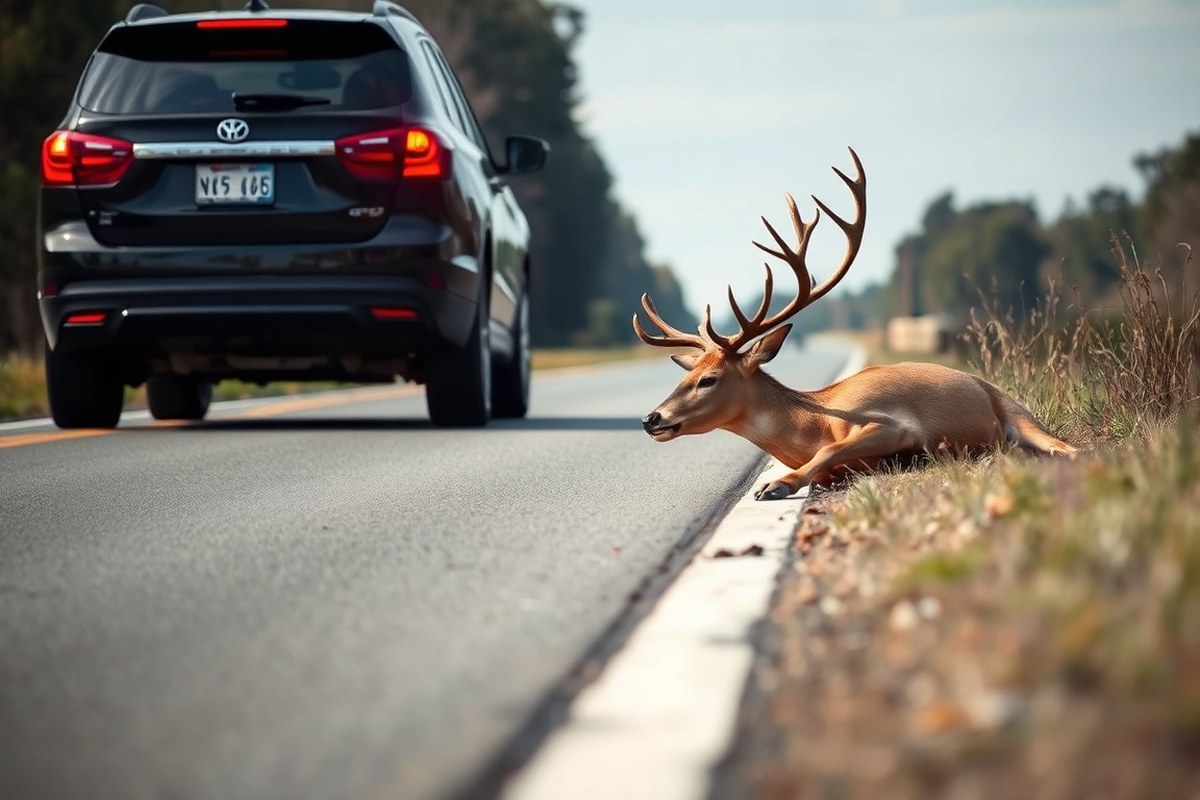
If I Hit a Deer Can I Keep It: A Complete Guide to Safety, Laws, and Next Steps
Can I keep a deer if I hit it with my car? Yes, under certain rules, you can keep the deer. Laws usually let you keep the deer after you remove it.
Make sure you do not block the road during removal. You should check local regulations to follow the right steps.
Your first move is to make sure you and others are safe. Stop your car without blocking traffic and turn on your hazard lights. You must report the crash to police if there’s big damage or injury.
Removing the deer correctly matters for safety and legal reasons. Avoid touching the animal if it’s alive or injured.
Wait a little if you see a fawn. The mother might come back in 24 hours.
Key Takeaways
- Stop safely without blocking traffic and turn on hazards immediately.
- Report the collision if damage exceeds $500 or if there are injuries.
- Only keep the deer if local laws allow safe removal.
- Do not approach or move an injured or alive deer on your own.
- Wait up to 24 hours before removal if a fawn may be nearby.
- Avoid swerving to prevent worse accidents if a deer appears suddenly.
Can I Legally Keep a Deer After Hitting It?

You can keep a deer you hit with your car in many states, but rules vary. Usually, you must report the collision to police first. Then, get a permit to take the deer.
States like Georgia let drivers keep the deer. You must remove it safely and not block traffic.
To keep the deer legally, first pull over to a safe spot. Turn on your hazard lights next. Call local law enforcement to report the collision right away.
They might send an officer to your location. The officer can issue a permit for the deer.
Some states handle this differently. In Pennsylvania, report dead deer on state roads by calling PennDOT’s hotline. Use 1-800-FIX-ROAD.
You might not claim the deer meat without following local hunting or wildlife laws. Check rules carefully. Always check local rules before taking any action.
Taking a deer without permission could lead to fines or charges for theft or illegal hunting. Authorities see this as serious because deer belong to the public wildlife resource. That’s why you need a permit and a report showing you followed legal steps.
To decide if you can keep the deer: stop safely, call police, then wait for instructions. Ask about a permit.
You may keep the deer for personal use if they give permission. Without this permission, do not move or take the animal.
Often, deer meat is a valuable resource after a crash. But laws protect wildlife management. Taking a deer without a permit risks penalties.
It can also delay road clean-up, which is unsafe. Stick to official guidance to avoid trouble with wildlife officers or local police.
Immediate Steps to Take After Hitting a Deer
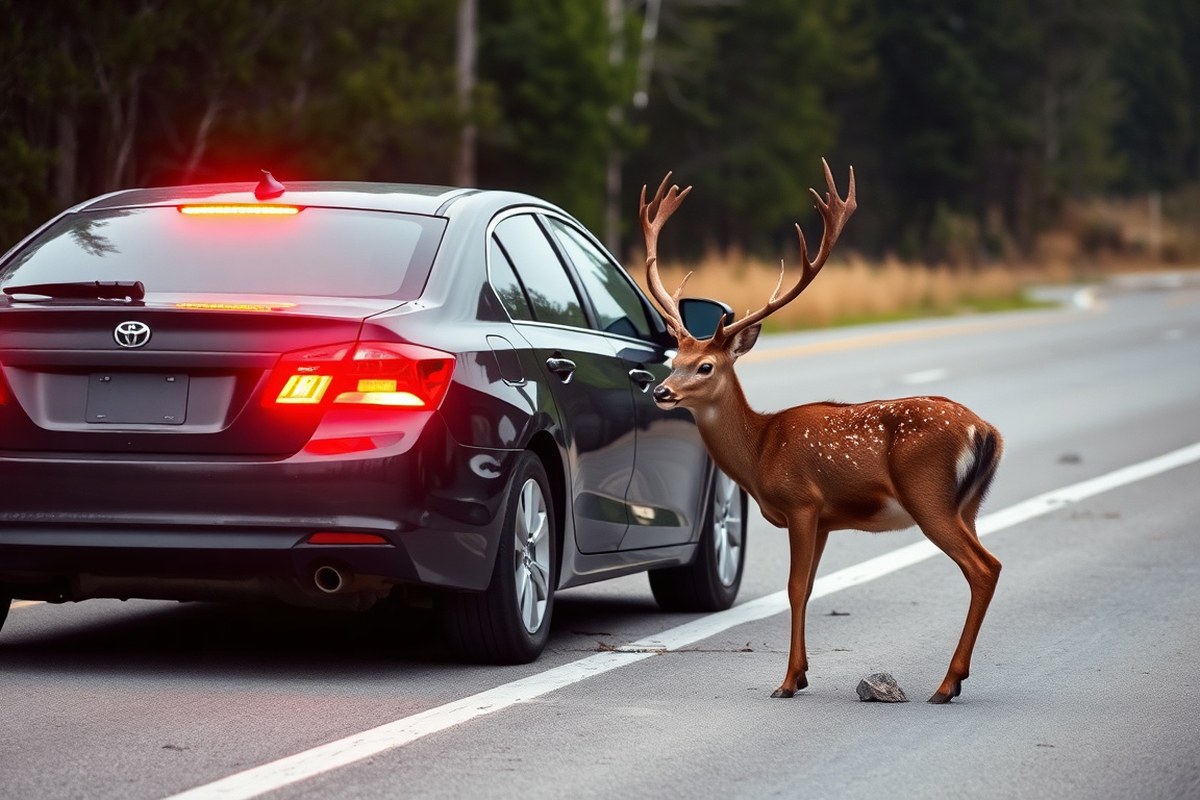
Stop your vehicle immediately but safely after hitting a deer. Focus on staying clear of traffic, then assess the situation. Your priority is to protect yourself while managing the scene carefully and legally.
Pull over and Secure the Scene
Pulling over safely is your first priority to avoid more accidents. Use your turn signal to alert others.
Find a spot off the road if possible. Turn on your hazard lights to warn drivers behind you.
When the vehicle can be driven, pull it to the shoulder or safe spot. Avoid stopping in the middle of a busy road or on blind curves. Staying visible reduces the chance of another collision.
Check for Injuries and Call 911 If Needed
Quickly check yourself and any passengers for injuries. Then, carefully look outside for anyone else who might need help. Do not approach the deer if it is still alive or thrashing.
Call 911 immediately if anyone is hurt or the deer blocks traffic. Emergency services can handle injured persons and manage the scene safely. Keep your seatbelt on if you stay inside and wait for help.
Never try to move an injured deer yourself. It can be dangerous.
Document the Accident with Photos and Notes
Gather information and evidence to support insurance claims and reports. Use your phone or camera to snap clear photos of the damage.
Take pictures of the deer and the accident spot too. Focus on the scene from multiple angles to capture all details.
Write down the time, date, weather, and any other conditions. Include how the collision happened and your actions afterward. This record helps once you file your claim or talk to police.
Notify Authorities According to Local Laws
When the deer is dead and safe to ignore, review your state’s reporting rules. Many places suggest calling local non-emergency police numbers for a report. Call 911 if the deer or your vehicle blocks traffic or people are hurt.
Authorities will decide if animal control or road crews need to remove the deer. In some states, you can also call specific numbers for highway help. Always follow official guidance, as rules vary by location.
- Turn on hazard lights as soon as you stop.
- Move your vehicle off the road if possible.
- Check for injuries to yourself and passengers.
- Call 911 if anyone is hurt or the scene is hazardous.
- Stay inside your vehicle if traffic is heavy or unsafe.
- Take clear photos of the damage and accident scene.
- Write detailed notes on what happened and conditions.
- Contact local authorities to report the incident as required.
When and How to Report a Deer Collision to Police and Insurance
States don’t always make you call police after hitting a deer. If no one is hurt, damage is minor, and the deer is away from roads, reporting is usually not needed. Call police when the animal is hurt or blocking traffic to help your claim and stay legal.
Insurance companies want a police report for deer collision claims. They use it to check facts about the accident. Having this report can speed up your claim process.
Complete coverage usually pays for animal damage. But you need to notify your insurer quickly. Don’t wait too long.
Most have time limits of 24 to 72 hours to report a claim. Reporting helps avoid premium surprises and speeds up repairs or reimbursements.
State laws differ on when you must report a deer collision. Call police if someone is hurt or damage is serious. Also call if the deer blocks the road.
Report this to your insurance for a smoother claim. You can file a claim by calling your insurance company or using their website or app. Have your policy number, accident details, location, date, and photos ready.
| Fact | Number | Source |
|---|---|---|
| U.S. Animal-collision insurance claims (2024-2025) | About 1.7 million; deer over 1.1 million | State Farm, Sept. 2025 |
| Highest claim count state | Pennsylvania ~147,000 claims | State Farm |
| Highest odds of collision | West Virginia 1 in 4 drivers | State Farm |
| Peak months for animal collisions | Oct-Dec: ~650,000 claims (41%) | State Farm |
| Annual US deaths from animal-strike crashes | 210 deaths (63% animal strike cause) | State Farm |
| Georgia animal collision claim odds | 1 in 115 drivers | State Farm, 2026 |
| Georgia animal collision claims last year | Over 70,000 claims | State Farm |
Report a deer collision to local police if your state requires it. You can also report it to have an official record. This helps with insurance and legal proof.
Keep the report number for your insurance. You’ll need your insurance policy info to file a claim. Gather photos of the damage and notes on time, place, and witnesses.
Police reports help too if you have one. Calling the insurer right away avoids last-minute headaches.
Insurance premiums might rise after a deer claim. But this depends on your insurer and state rules.
Complete claims often don’t change rates much because no driver fault is involved. Still, ask your agent before filing to understand any impact on your costs.
How Insurance Covers Deer-Related Vehicle Damage
Insurance usually covers vehicle damage from hitting a deer if you have complete coverage. Complete insurance handles “other than collision” damage, like hitting an animal, theft, or hail. Collision coverage applies if you avoid the deer but crash into a tree or guardrail instead.
Your car’s bumper, hood, or headlights damaged can cost over $500. Taking clear photos of the damage helps when filing a claim. Most policies require you to report the incident promptly and submit proof to process your claim.
Claims for hitting a deer generally won’t affect your driving record like a ticketed crash. However, filing a claim can raise your premiums depending on your insurer’s rules and your history.
Liability-only policies do not cover damage from deer collisions. So you’d have to pay for repairs yourself.
Deciding whether to repair or replace your car depends on damage cost versus your deductible. For example, a $2,000 repair with a $1,000 deductible means you pay $1,000.
That’s your out-of-pocket cost. Costs near your car’s value might cause insurance to total it and pay you.
Keep in mind that deer-related damage falls under complete coverage, not collision. When you hit the deer, insurance covers repairs minus your deductible.
Avoid claiming for small damage near your deductible. It helps keep premiums low.
Before filing a claim, check your policy’s deductible and coverage limits. Contact your insurance agent and provide photos, a detailed description, and any police report if available. Insurers often guide you on repairs or totaling your vehicle based on damage assessments.
What to Do If the Deer Is Alive or Injured After the Collision
You should not approach or move an injured deer on your own. Contact local authorities or wildlife experts to handle the situation safely and humanely. They know the rules, risks, and best way to help the animal.
Assess the Deer’s Condition Without Risking Safety
Look from a distance to see if the deer is moving or breathing. Stay inside your car or behind a barrier whenever possible. Avoid sudden moves or loud noises that scare the deer.
These can make it run into traffic. Stay calm and move slowly around the deer.
Look to see if the deer blocks the road. Check for serious injuries like bleeding or broken limbs. Keep a safe distance while you do this.
This information will help emergency responders address the risk to other drivers and the deer itself. Do not approach if the deer appears aggressive or disoriented.
Contact Local Game Wardens or Wildlife Rehabilitators
Call your local game warden, wildlife rehabilitator, or animal control immediately. They can provide instructions on what to do next and dispatch professionals to assist the deer. Keep your phone handy and describe the deer’s location and condition clearly.
You can call local law enforcement about the situation. Report if the deer or its body blocks traffic. This helps keep others safe on the road.
Ask the police dispatcher for help if you don’t know the right contact. They can guide you on who to reach out to.
Keep their number handy while driving. Acting quickly helps ensure the deer gets the right care or is safely removed.
Avoid Moving or Feeding the Animal Yourself
Do not try to move an injured deer yourself. It risks hurting you or worsening the animal’s injuries. State and federal rules usually prohibit private citizens from relocating or transporting wild deer.
Feeding the deer can cause more harm than good. Deer have special diets.
Human food can upset their stomach or delay proper treatment. Wait for professionals who understand the safe, humane methods to care for wildlife.
Handling an injured deer without help can cause harm to you and the animal. Only trained people should try to move or treat the deer. It’s safer to wait for professionals.
Respect Wildlife Laws and Humane Treatment Guidelines
Always follow local wildlife regulations regarding injured or orphaned animals. New laws restrict who can handle sick or injured deer. These rules stop diseases from spreading among animals and people.
Follow local rules to avoid trouble. This means preserving the animal’s safety and your legal protection.
Don’t assume a lone fawn is abandoned. Mama deer often leave babies alone temporarily. Watch from a distance before taking any action.
The mother often hides fawns and returns later. Only report suspected orphaned or injured fawns to wildlife officials. So they can decide on the best care.
- Stay in a safe spot away from traffic and out of the deer’s reach.
- Observe the deer’s condition carefully without getting too close.
- Call your local game warden, wildlife rehabilitator, or police.
- Provide clear details about the deer’s location and behavior.
- Follow the instructions given by wildlife or law enforcement professionals.
- Do not try to feed or move the deer yourself under any circumstances.
- Wait for professional help to arrive and respond appropriately.
How to Safely Move or Dispose of the Deer Carcass
Moving a deer carcass off the road helps prevent more crashes. You can move it yourself if it’s safe and the deer is dead. Always watch for traffic, and never try to drag a large deer alone.
Use gloves and maybe a blanket or tarp to avoid blood and hair. A partner makes it easier and safer to lift the carcass. If the deer is too heavy, or traffic is busy, call local animal control or the highway department.
On highways and state roads, state or local authorities usually handle carcass removal. Public agencies keep highways clear, so don’t assume you must clean it up. Check local laws about removing deer as some states require reporting first.
Here’s what helps when you move or leave the carcass safely:
- Wear gloves and bright clothing for visibility
- Stop your vehicle in a safe spot with hazard lights on
- Move the deer at least 10 feet off the paved road
- Do not work alone if the deer is large or traffic is heavy
- Take pictures of the scene and carcass location for documentation
- Notify the authorities if the carcass remains in the travel lane
- Use a blanket or tarp to help drag or lift the carcass
Documenting the situation is useful, especially if you report the accident or claim insurance. Photos prove you moved the deer safely or show if it was already off the road.
Leaving it on the road can lead to more crashes and fines. So act with care and follow local rules.
Common Mistakes and Risks Drivers Face After Hitting a Deer
Swerving to miss a deer often worsens the situation. It can cause you to lose control and hit trees, poles, or oncoming cars. Staying calm and braking firmly usually works better to avoid serious injury or damage.
Leaving the scene without telling the police creates legal and safety problems. Other drivers might hit the deer carcass left on the road. Reporting helps clear the area and protects you from liability accusations.
Handling an injured or dead deer without a permit risks breaking wildlife laws. It can cause legal trouble. Always check for permits first.
Trying to care for an injured deer can stress it out. The deer might lash out or run away.
This can cause more accidents or injuries. Only wildlife officers or trained people should handle these animals.
Many drivers accept insurance offers too quickly after a deer collision. Without legal advice, this can mean losing coverage or getting a lower settlement than you deserve. Always review offer details carefully to avoid costly mistakes.
- Don’t swerve; brake firmly instead.
- Stay at the scene and call police.
- Never handle the deer without a permit.
- Be patient with insurance offers; get legal help.
- Use hazard lights and warn other drivers.
- Wait for professionals to remove the deer.
Not reporting a deer collision can cause your insurer to question the claim. They might treat it as a regular accident and deny coverage. Reporting also provides an official record, which helps if problems arise later.
Failing to act responsibly risks fines, legal trouble, and injury to others. A calm, clear response means safer roads and better insurance results. Taking the right steps protects you and everyone on the road.
How Deer Behavior and Seasons Affect Collision Risk
Deer are most active during certain seasons and times of day, raising collision risk then. Knowing these patterns helps you drive cautiously when deer are likely near roads. Adjusting your speed and scanning techniques can lower your chance of hitting a deer.
Deer Rut and Migration Seasons Explained
The rut lasts from October through January, marking peak deer activity. During this time, males chase females and become less aware of traffic. Deer also move more in search of mates, crossing roads unpredictably and increasing collision chances.
Late fall to early winter holds the highest risk for deer-vehicle crashes. Cold weather does not stop deer movement, so stay alert all season. Their migration to winter feeding areas also sends them near roads, making them harder to avoid.
High-Risk Times of Day and Weather Conditions
Dusk and dawn bring the most deer sightings and collisions. Low light makes it harder to spot deer in or near the road. Fog, rain, and snow further reduce visibility and create slippery conditions, limiting your time to react.
Deer move more during overcast and foggy weather because they feel safer. These moods increase your risk even outside rut season. Be especially careful when driving through wooded or rural areas during poor weather.
Behavioral Patterns of Deer Near Roads
Deer often travel in groups, so seeing one usually means more are close by. Groups move slowly across roads and may freeze, causing delays that surprise drivers. They sometimes follow the same paths regularly, especially near water or feeding spots.
Deer do not always run away from vehicles. Sometimes they stand still or dart unpredictably.
This behavior makes sudden collisions more likely. So remain watchful even after spotting a deer.
Driver Vigilance and Speed Adaptations
Scan road edges and clear the windshield to spot deer early. Use high beams to see better at night. Dim them when cars or deer appear nearby.
This keeps you and others safe on the road. Slow down in high-risk zones and stop if you spot deer crossing or near the road.
Brake firmly but avoid swerving to prevent losing control or hitting other hazards. Prepare to stop suddenly, especially during dusk and dawn in rut season. Keeping your eyes moving and focusing beyond your lane gives you more reaction time.
Spotting one deer near the road? Slow down right away. Get ready to stop because more deer might cross.
Step-by-Step Action Plan After Hitting a Deer
Follow this plan to handle a deer collision safely and legally. It ensures you protect yourself, your vehicle, and possibly keep the deer if allowed.
- Immediately after the collision: Pull over safely and turn on hazard lights. Check yourself and passengers for injuries.
- Within 10 minutes: Call 911 or local police if the deer is alive. Call if the deer is injured or blocking traffic. Wait for help if you can do so safely.
- Within 20 minutes: Take photos of the scene and damage. This helps with insurance claims later.
- Within 30 minutes: Contact your insurance company and report the accident. Give them the police report number if you got one.
- Within 1 hour: If local laws allow. The deer is dead, ask the police about your options to keep the carcass. Follow their instructions carefully.
- Within a few hours: If keeping the deer, arrange safe transport and storage. Avoid handling raw meat without gloves to protect yourself from disease.
- Within 24 hours: Clean your vehicle as soon as possible to remove blood and hair. It helps avoid stains and smells.
- After 1 week: Monitor for any vehicle issues from the accident. Get repairs done as needed to keep driving safely.
Frequently Asked Questions
If I Hit a Deer, Can I Keep It?
Yes, you can keep a deer you hit if local laws allow it. In Georgia, the law lets you keep a deer.
You must remove it from traffic safely first. Always check local rules before taking the deer.
Who Is Responsible If You Hit a Deer?
Usually, you, the driver, are responsible for the collision with a deer. Wildlife strikes aren’t generally anyone’s fault but the risk is on you to drive cautiously. Insurance usually treats it as a no-fault accident.
Will Hitting a Deer Make My Insurance Go Up?
It might, but not always right away. One claim for hitting a deer is usually less costly than other crash claims. Multiple animal strikes in high-risk areas might raise your rates more.
What Do I Do If the Deer Is Still Alive After I Hit It?
Do not approach the injured deer; it can act unpredictably. Call local wildlife or animal control for help. Keep yourself and others safe by staying clear of the injured animal.
What Steps Should I Take Immediately After Hitting a Deer?
First, move your vehicle safely off the road if you can. Then check yourself and any passengers for injuries. Call police to report the collision, even if the deer ran away.
Can I Move the Deer from the Road If I Hit It?
You can, but only if it doesn’t block traffic and you can do so safely. Use gloves and watch for traffic. Call local authorities to handle the carcass when it’s unsafe to do so yourself.
Key Points to Remember
You can keep a deer after hitting it only if your state allows. Follow all the proper steps your state requires.
Always check local laws and call the police when in doubt. Start with safely reporting the incident and protect your safety first.


