How Long Do Cut Flowers Last Without Water? Essential Facts and Practical Tips
How long do cut flowers last without water depends on the type and environment. Most standard flowers wilt within 1 to 4 hours at room temperature. Thicker-stemmed blooms like roses can last 8 to 12 hours before they start to droop.
Some flowers like tulips and daffodils can stay fresh for 2 to 4 days without water. Cooler temperatures stretch their life, slowing down the drying process. Wrapping stems in wet paper helps preserve freshness for several hours too.
Leaving flowers without water for too long causes air bubbles to block their stems. This stops water uptake and leads to quick wilting. Keep cut flowers cool and moist as soon as you get them to avoid damage.
Key Takeaways
- Avoid letting regular flowers sit without water over 1 to 2 hours.
- Roses and other thick-stem blooms last longer, up to 8 to 12 hours without water.
- Cool environments extend flower freshness by slowing water loss and wilting.
- Wrap stems in wet paper or florist water cells to keep flowers fresh longer.
- Tulips and daffodils can survive 2 to 4 days without water using stored nutrients.
- Avoid heat and direct sunlight, which speed up wilting and shorten flower life.
How Long Do Cut Flowers Typically Last Without Water?
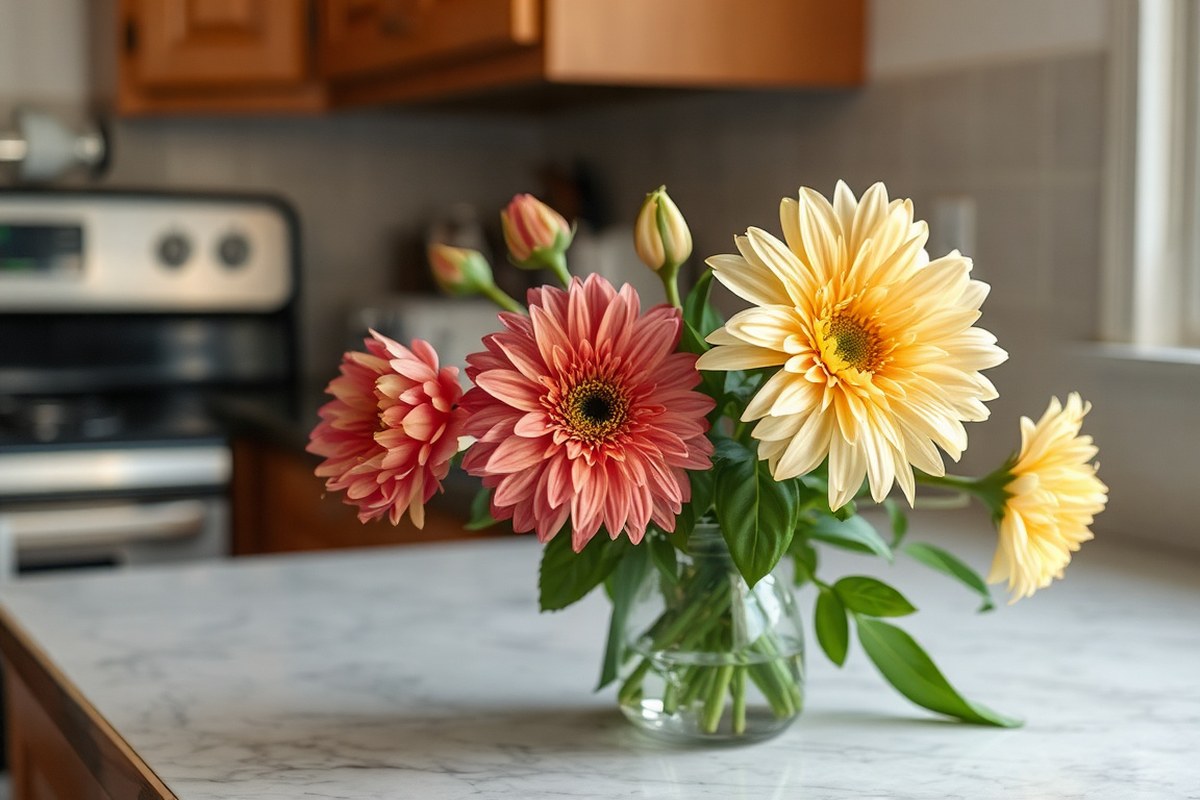
Most cut flowers start wilting after 2 to 4 hours without water. This happens at room temperature. You can usually see the wilting clearly.
Delicate flowers like hydrangeas or peonies can start wilting as early as one hour. Thick-stemmed flowers like roses hold up longer without water. They usually last 8 to 12 hours before losing freshness.
Flowers like lilies, tulips, and roses survive 1 to 4 hours without water. After this, wilting becomes clear. At about 68°F indoors, many flowers last 2 to 6 hours without water.
Air blockages stop water moving in their stems. A blocked stem stops the flower from absorbing water. This causes petals and leaves to droop.
Flowers wrapped by florists stay fresh 4 to 6 hours without water. Their stems stay in a water cell or moist paper. Cooler places help flowers last longer, up to 8 hours without water.
Wilting signs take longer to appear. But if temperatures rise or the flowers sit in direct sunlight, that timeline drops quickly.
Some flowers hold up better without water due to their structure. Carnations and chrysanthemums, for example, may last several hours to a full day without water. But their true longevity depends on quick access to hydration afterward.
Most flowers survive about 24 hours if kept cool and handled gently. After that, water is very important.
Knowing the type of flower helps you estimate how long it can go without water. Larger stems often mean longer survival times. But even hardier types will show wilting in a few hours without proper moisture.
You should put fresh cut flowers in water quickly. This helps avoid wilting and keep their good looks.
Which Flowers Can Last the Longest Without Water?

Some cut flowers hold up better without water than others. Hardy flowers like carnations and chrysanthemums live longer. Their stems are thick and sturdy.
These stems have woody fibers that help. These stems act like straws that keep the flower hydrated longer, even when cut.
By contrast, delicate flowers such as hydrangeas wilt quickly without water. Their soft, porous stems lose moisture fast, causing petals to droop in under 30 minutes. Flowers with waxy or fleshy leaves resist drought better.
They hold moisture inside their tissues. This keeps them hydrated longer.
The environment matters too. Cooler temperatures and high humidity slow down water loss and keep flowers fresh longer. Storing flowers in the dark helps them save energy.
This lets them last longer without water. They can go hours without wilting.
| Flower Type | Typical Survival Time Without Water | Key Characteristics |
|---|---|---|
| Carnations | 12 to 24 hours | Woody stems, sturdy structure |
| Chrysanthemums | 12 to 24 hours | Thick “straw-like” stems, tough petals |
| Zinnias | Up to 24 hours | Strong stems, waxy leaves |
| Hydrangeas | Less than 30 minutes | Soft, porous stems, delicate petals |
| Roses | 4 to 8 hours | Moderate stem thickness, sensitive to heat |
Choose flowers with thick, strong stems for hours without water. These flowers survive roughly 2 to 3 times longer than delicate ones. Choosing the right flower makes arranging easier and reduces wilting worries during transport or delays.
Flowers with woody or waxy features resist water loss by storing moisture better. Carried along with cool storage, these flowers can last an entire day without fresh water. Delicate flowers need quick hydration to avoid rapid collapse.
Put cut flowers in a cool, humid spot to delay watering. This helps them stay fresh longer.
What Happens to Cut Flowers When They Lack Water?
Cut flowers wilt fast without water because their cells lose pressure and dry out. Water moves up the stem to keep petals firm. Without water, air blocks form and stop this flow, causing the flowers to droop.
How Water Moves Through a Cut Flower
Cut flowers rely on their stems to carry water from the base to the petals. Inside the stem are tiny tubes called xylem that work like straws. Water travels through the xylem to replace moisture lost through the petals.
When the flower is cut, it loses connection to roots that pull water from soil. The flower depends entirely on water from the vase or container.
Without fresh water, the flower can’t replace what it loses. So it starts to dry up.
What Is Xylem Cavitation and Its Effect
Xylem cavitation happens when air enters the water tubes in the stem. These air bubbles block the flow, just like a clogged straw. This stops water from reaching the petals, causing the flower to wilt faster.
Cutting the flower stem improperly can introduce air bubbles. For example, cutting the stem at an angle helps reduce air blockages. That’s why fresh cuts under water work better to keep flowers lively.
Loss of Turgor Pressure Causes Wilting
Turgor pressure is the water pressure inside flower cells that keeps them firm. When flowers aren’t watered, water leaves the cells. This pressure drops and the petals and leaves start to sag visibly.
This loss can happen within 1 to 4 hours after cutting. When cells don’t have enough water, they shrink and can’t hold their shape. The flower looks limp and less colorful as a result.
Cellular Dehydration and Its Visible Signs
Dehydration at the cell level causes petals to become dry and brittle user. Cells need water to maintain shape and nutrient flow. Without it, flowers lose their vibrant look and start drooping.
This drying-out effect also weakens the flower’s structure. Petals may curl or show brown edges. These signs tell you the flower has been without water too long and needs refreshing fast.
How Environmental Factors Affect Flower Longevity Without Water
Room temperature has a big impact on how fast cut flowers wilt without water. Higher temperatures speed up evaporation and water loss from petals and stems. Keeping flowers below 70°F slows wilting and helps them last a bit longer.
Humidity also affects flower freshness. Low humidity pulls moisture from the flowers, causing them to shrivel faster.
Higher humidity levels between 50% and 70% slow down wilting by reducing water loss. But too much moisture can lead to mold, so balance is key.
Direct sunlight puts extra heat on flowers. It causes faster drying and makes petals fade or drop sooner.
Keeping flowers out of the sun, even indoors, helps them stay fresher without water. Bright but indirect light is best to avoid overheating.
- Keep room temperature around 65 to 70°F to slow drying
- Maintain humidity near 50% to 70% for moist air without mold risk
- Avoid direct sunlight to reduce heat and dehydration
- Place flowers in shaded, well-ventilated spots to prevent heat buildup
- Use fans lightly to increase air circulation but avoid strong drafts
Air circulation helps, but too much wind dries flowers out. Gentle airflow lets moisture evaporate without speeding up wilting too much. That works well in combination with moderate humidity and cooler temperatures.
Adjust these factors depending on the situation. For example, in a hot car, turn on air conditioning and keep flowers shaded.
At home, avoid placing bouquets near heat vents or windows with strong sunlight. These simple tricks can help cut flowers hold up better when water is not available.
Temporary Storage Methods to Keep Flowers Fresh Without Water
You can keep cut flowers fresh without water for short times. Wrap stems in damp materials. Keep them cool to hold moisture longer.
Using water tubes or moist paper towels helps maintain hydration during transport. Avoid direct sunlight and heat to make your flowers last longer until you get a vase.
Using Wet Paper Towels and Plastic Wrap
Wrap the flower stems snugly with a wet paper towel to hold moisture. Cover the towel with plastic wrap to keep humidity high around the stems. This method slows down water loss and keeps the flowers fresher for several hours.
Before wrapping, remove leaves from stems that would touch the towel. This prevents leaf rot and fungal growth on the damp material. Keep the wrapping loose enough to avoid crushing the stems.
- Trim 1 to 2 inches off the stems at a diagonal.
- Remove leaves below the intended wrapping area.
- Soak a paper towel in cool water and wring out excess moisture.
- Wrap the damp towel around the stems lightly but firmly.
- Cover the towel with clear plastic wrap or a plastic bag.
- Seal the wrap with a rubber band or tape, leaving air gaps.
- Keep the wrapped flowers in a cool place until you find water.
Don’t wrap stems too tightly or you can damage the vascular tissue.
Employing Floral Water Tubes
Water tubes are small plastic tubes filled with water that attach to individual flower stems. They provide a steady water supply during transport when no vase is available. You can buy pre-filled tubes or fill your own with water and floral preservative.
To use a water tube, push the flower stem inside it. The tube has a rubber stopper. Make sure it’s secured tightly to stay on.
Tubes keep fragile flowers like tulips and roses hydrated. They work for 12 to 24 hours without needing a vase.
This protects delicate stems well. They cost around $0.50 to $1 each and are reusable.
- Cut the flower stem cleanly at a 45-degree angle.
- Fill the water tube with water mixed with floral preservative.
- Push the stem into the tube’s rubber seal firmly.
- Check for leaks and correct any loose seals.
- Use tubes on delicate flowers during transport or short storage.
- Keep tube-covered stems away from heat and direct sunlight.
Tube water gets warm fast in heat, so keep tubes cool for longer freshness.
Keeping Flowers Cool and Out of Sunlight
Storing flowers in a cool environment slows water loss and wilting. The best temperature for flowers is 34°F to 40°F (1°C to 4°C). You can store them in a fridge or cool basement.
These spots keep flowers fresh longer. Avoid placing flowers in direct sunlight or near heaters because that speeds up dehydration.
Store flowers in a shaded, air-conditioned room if you have no fridge. Keep them away from direct sunlight. This helps avoid wilting.
You can place wrapped flowers in a sealed plastic bag to maintain humidity. This simple step can double the time flowers stay fresh without water.
- Place your wrapped or tubed flowers in a cool spot immediately.
- Avoid areas with direct sunlight or strong artificial lights.
- Use a refrigerator set between 34°F and 40°F if possible.
- When storing flowers in a bag, seal it loosely. This keeps the humidity high inside. Avoid airtight seals that dry the flowers.
- Check on flowers every few hours and add moisture if they dry out.
Never store flowers next to fruits because ethylene gas causes faster wilting.
Avoiding Common Wrapping Mistakes
Wrapping stems too tightly can damage them and cause premature wilting. Don’t wrap flowers with dry paper or cloth directly. These materials pull moisture away from stems.
Use damp materials instead to keep freshness. Avoid sealing flower stems in plastic without damp wrapping.
Plastic traps heat and dries out stems quickly. Always add moist material inside the tube or wrap.
Use clean materials to prevent mold or bacteria buildup on the stems. Always remove lower leaves to prevent decay inside the wrapping. When transporting, secure the flowers but allow space for airflow to avoid crushing petals.
- Check that wrapping materials are damp, not soaking wet or dry.
- Keep leaves off the wrapped or tubed section of stems.
- Allow some air circulation to prevent heat buildup inside wrapping.
- Keep flowers upright to avoid bruising or stem bending.
- Handle flowers gently to avoid crushing petals or breaking stems.
Failing to remove leaves below the wrap can cause slimy stems and shorten flower life.
How to Revive Wilted Flowers After Being Without Water
You can often bring wilted flowers back after a few hours without water. The key is to recut the stems underwater. Then soak them in warm acidic water with floral food.
Keep them cool and dark while they recover. This process helps the flowers absorb water again and look fresher.
Recutting Stems Underwater
Cutting the flower stems underwater stops air from blocking water uptake. Use a sharp, clean pair of scissors or a knife. Trim one to two inches off the bottom.
Cut at a 45-degree angle. This increases the stem’s surface area.
Submerge the stem under water while cutting to avoid air bubbles. Avoid crushing or tearing the stem as that can prevent water flow. Recutting helps flowers pull in water more efficiently during recovery.
Using Warm Acidic Water with Floral Food
Fill a clean vase with warm water between 100°F and 110°F (38°C to 43°C). Warm water opens the flower’s vascular system, improving water uptake. Add commercial floral food to create acidic water with a pH of about 3.5 to 4.0.
Floral food slows bacteria growth and feeds the flowers nutrients. Never skip this step if you want fresh blooms again. Avoid cold water, which can shock the flowers and slow absorption.
Ideal Soaking Duration and Conditions
Submerge the recut flowers in the prepared vase for two to four hours. This range gives them enough time to rehydrate fully without waterlogging. For very wilted flowers, use the upper end of this time frame.
Check the water level and fill up if needed during soaking. Remove any leaves that dip below the water line to reduce bacteria. Very delicate flowers may need less soaking to avoid damage.
Placing Flowers in Cool, Dark Areas to Recover
After soaking, move the vase to a cool, dark room for continued recovery. Dark and cool conditions reduce stress on flowers and prevent rapid wilting. Temperatures around 50°F to 60°F (10°C to 15°C) work well.
Avoid direct sunlight, drafts, and heat sources during this time. Keep the flowers away from ripening fruits that release ethylene gas. This environment helps flowers regain strength and look fresh longer.
- Fill a clean vase with warm water (100°F to 110°F) and add floral food.
- Cut stems underwater at a 45-degree angle, trimming 1 to 2 inches.
- Place flowers immediately in the warm acidic water vase.
- Remove any leaves that would sit below the water line.
- Let flowers soak for 2 to 4 hours without disturbance.
- Move the vase to a cool, dark place at about 50°F to 60°F.
- Keep away from direct sunlight, drafts, and fruit for several hours.
- Check water level daily and refresh with warm water and floral food.
Mistakes That Shorten Flower Life Without Water & How to Avoid Them
Handling cut flowers without water calls for careful attention to avoid early wilting. One common mistake is leaving stems untrimmed. When stems dry out, they can’t absorb moisture well once water is available.
Cut about one inch off the bottom of stems. Make the cut at a 45-degree angle. Do this right before putting them in water.
Another error is exposing flowers to direct sunlight or heat. Heat increases water loss, speeding up wilting even when water is restored later. Keep flowers in a cool, shaded place to slow down moisture loss.
- Not recutting stems before watering, which blocks water uptake.
- Placing flowers in very cold or warm locations, causing shock or drying.
- Assuming adding flower food to dry stems prevents wilting.
- Handling flowers roughly, breaking stem cells and stopping water flow.
- Skipping hydration after transportation, leading to air bubbles in stems.
Some myths about watering practices can harm flowers. For example, adding flower food to dry stems won’t help if air bubbles block water uptake.
You must trim the stems underwater to prevent bubbles from forming. This step is important because air bubbles cut off water flow, rapidly causing wilt.
To avoid this, hold each stem underwater while cutting. Use sharp scissors or a knife, so the cut is clean. This lets water travel into the stem easily once flowers are placed in a vase.
Also, don’t soak flowers in water for long periods without trimming. Bacteria grow in the water and inside stems, clogging their vessels. Change water every two days and recut stems to keep hydration channels open.
How Temperature and Transport Conditions Affect Flowers Without Water
Cut flowers lose water quickly without hydration, especially inside warm vehicles. In a hot car, flowers can start wilting within 30 minutes. Cooler temperatures slow water loss and keep the stem’s water system working longer.
Using car air conditioning helps by lowering the temperature to about 70°F (21°C) or less. This can extend flower survival without water to about 2 to 3 hours.
Direct sunlight in a car heats flowers fast and speeds wilting. Shade the flowers or cover them with a light cloth during transport.
Flower stems rely on their xylem tubes to carry water. As long as these tubes stay filled and air-free, flowers last longer.
Once enough air enters the xylem, water can’t move properly. This “point of no return” happens faster at higher temperatures and with rough handling.
Handling flowers gently during transport helps prevent air bubbles from entering the stems. Try to keep flowers upright. Rest cut ends in some water.
This helps them stay fresh longer. Wrap flower stems in damp paper towels.
Put them inside plastic bags. This keeps them moist and slows water loss.
Different transport scenarios affect how long flowers survive without water. The table below compares times and conditions you might find when moving flowers without immediate hydration.
| Transport Condition | Temperature | Estimated Flower Survival Time | Additional Notes |
|---|---|---|---|
| Warm car, direct sunlight | 85°F (29°C) or higher | 30 minutes or less | Quick wilting, xylem air blockage risk is high |
| Air-conditioned car, shaded | 65, 70°F (18, 21°C) | 2 to 3 hours | Slower water loss, better transport conditions |
| Flower wrapped with damp towel | Room temperature | 4 to 6 hours | Delayed dehydration, helps xylem stay hydrated |
| Cool storage (fridge) | 38, 40°F (3, 4°C) | 12+ hours | Ideal for temporary storage without water |
Leaving flowers in hot, dry cars too long harms their freshness. It makes petals wilt and turn brown. Avoid this to keep flowers looking good.
Cooler car temperatures and shaded areas improve their chances, even without immediate water. You can also set a damp cloth around stems to add moisture during transport.
Always move cut flowers upright and avoid shaking them to prevent air blocking their water system.
Step-by-Step Action Plan to Keep Cut Flowers Fresh Without Water
Follow these steps to help your cut flowers last longer when water isn’t available right away. Check each step to see if the flowers look healthier.
- Right after cutting or buying: Cut stems at an angle. Remove leaves below the water. This helps flowers stay fresh longer. This helps water move up the stem when available.
- Within the first hour: Place flowers in a cool, shaded spot with good air flow. Look for less drooping and fresher petals.
- Every 30 minutes without water: Mist petals lightly with clean water. This keeps petals moist and reduces wilting.
- Before transport or storage: Wrap stems in damp paper towels and cover with plastic wrap. Check if stems stay firm and flowers look crisp.
- When you can access water: Cut stems again underwater. Put flowers in cool water. Add flower food to the water too. Flowers should perk up within an hour.
- Flowers wilt after water: Remove wilted leaves and petals. Spray water again or put stems back in water. Wilting should slow down or reverse.
- During warm weather: Avoid direct sunlight and heat sources. Cooler temperatures help flowers last longer without water.
- At night: Place flowers in a cool room or refrigerator if possible. This extends freshness before rehydration.
Frequently Asked Questions
Can I Store Cut Flowers Without Water Overnight?
Yes, you can store cut flowers overnight without water if kept in a cool, dark place. This slows down water loss and keeps them fresher until you can water them.
Is It Harmful to Keep Flowers in Direct Sunlight Without Water?
Yes, direct sunlight speeds up water loss and wilting in cut flowers. Flowers need shade to last longer without water.
Can Adding Flower Food Help Flowers Last Longer Without Water?
Flower food can’t help if flowers have no water. It needs to dissolve in water to nourish and preserve them.
Do Flowers Lose Fragrance Faster Without Water?
Yes, cut flowers tend to lose their fragrance faster without water. Proper hydration keeps their scent fresh longer.
Are Some Flower Stems Better at Storing Water Temporarily?
Some flowers have thicker or waxy stems that hold water longer inside. This helps them survive briefly without external water.
Does Trimming Stems Before Drying Prolong Flower Life Without Water?
Yes, trimming stems helps flowers absorb water better when available. It also reduces early wilting if drying without water.
Before You Go
Cut flowers usually last a few hours to a day without water, depending on conditions. You can keep them fresher by trimming, misting, and storing properly. Start by trimming stems and placing flowers in shade right away.